History

February 13, 2017

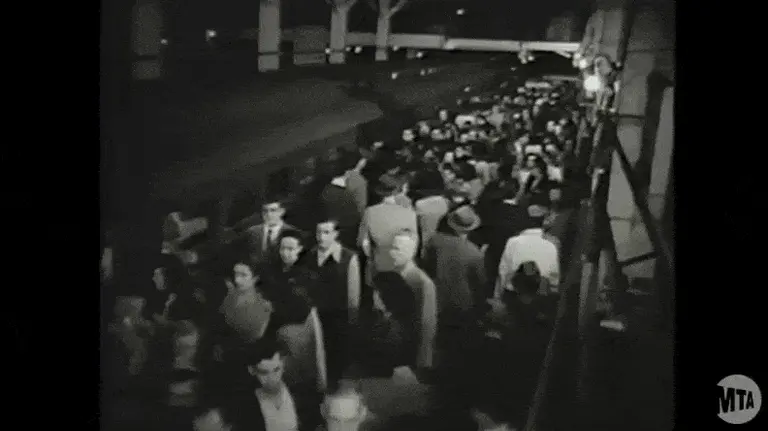
VIDEO: Watch the NYC subway move 7 million people in 1949

Despite the fact that NYC today has more than 8.5 million residents, the subway system had some of the highest ridership numbers back in the 1940s. In fact, a 1948 record was only recently beat in 2015 when 5.7 million rode the train daily, with annual ridership hitting 1.7 billion–another high not reached since the 1940s. To show just how packed the subway was 60 years ago, 6sqft has uncovered this 1949 film footage of daily subway operations from the New York Transit Museum Archives, which shows the crew working all the angles to keep trains running on time, while crowds jostle and shove to get to where they’re going.
Watch the video
February 10, 2017

From stationery store to the famous blue box: The 180-year history of Tiffany & Co.

The recent shake-up at Tiffany, involving the replacement of CEO Frederic Cumenal and the departure of its design director, is said to be predicated on disappointing sales and a resultant decline in share prices. Since last fall, many upscale shops in the area have complained about a negative impact they felt was caused by the hullabaloo around Trump Tower—both rubber-necking and security barricades. A change in marketing emphasis toward a younger consumer—witness the hiring of Lady Gaga for advertising—and designs reflecting that shift are reportedly in the offing to reverse disappointing balance-sheet figures. Not everyone is worried, though. Tiffany & Co. has weathered many a storm in its 180 years, and the ambiance on the floor is still serene, the merchandise still beautiful. For a sense of perspective, and just in time for Valentine's Day, 6sqft looks at Tiffany's history.
The full story, right this way
February 7, 2017

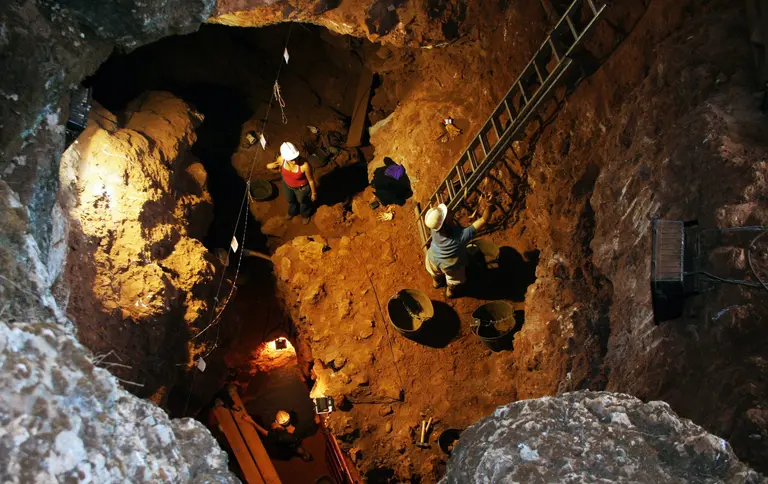
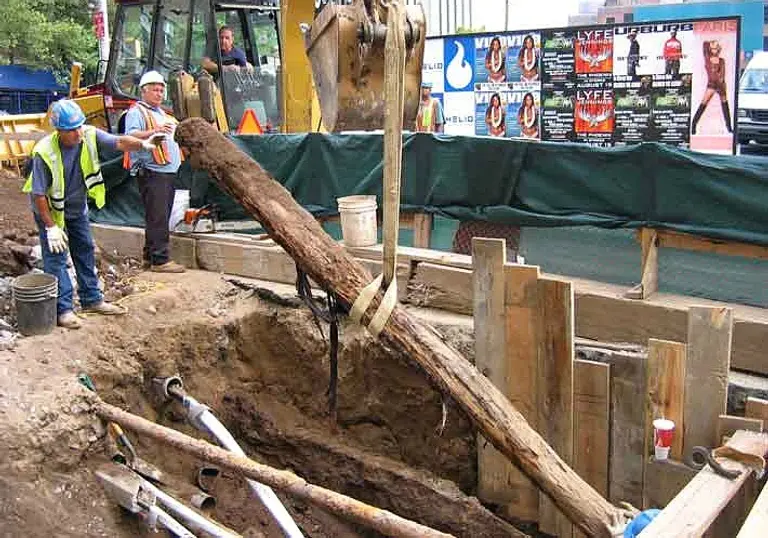
Excavating the city: A look at urban archaeology in New York

When most people think about archaeologists, they imagine outdoorsy adventurers—perhaps, modeled on the fictional Indiana Jones—uncovering ancient artifacts in remote locations. They probably don’t imagine archaeologists riding the MTA to excavation sites. In reality, archaeologists frequently do work in New York City and the surrounding region and play an essential yet often under-recognized role in the city’s building industry. While many new developments go ahead without major archaeological studies, most developments only get the green light to move forward after archaeologists have completed at least a preliminary investigation.
how archaeologist work in urban environments like NYC
February 2, 2017

Historic Calvert Vaux-designed co-op that was once a refuge for girls, now asks $1.35M as a cozy duplex

Time hasn’t erased the historic feel of this unusual one-bedroom-plus-sleeping loft co-op, diminutive as it is elegant. It has the look of a renovated townhouse in one of the city’s most creative neighborhoods. At $1.35 million this petite pad may be an expensive refuge, but in its earliest days it was a refuge of a different sort with a history as interesting as its architecture–especially at a time when the ability to offer shelter to those in need is firmly in the spotlight. Landmarked in 2008, the subtly ornate red-brick facade of 307 East 12th Street was designed in 1892 by the firm of Calvert Vaux, who co-designed Central and Prospect Park among other enduring landmarks. Built for the Children’s Aid Society, the building was known as the Elizabeth Home for Girls; the New York Times tells us that it housed "several dozen young women rescued from abusive homes, offering them safe lodging, job training and healthy communal activities.”
Find out more about the building's early residents
February 1, 2017

The history of Little Syria and an immigrant community’s lasting legacy

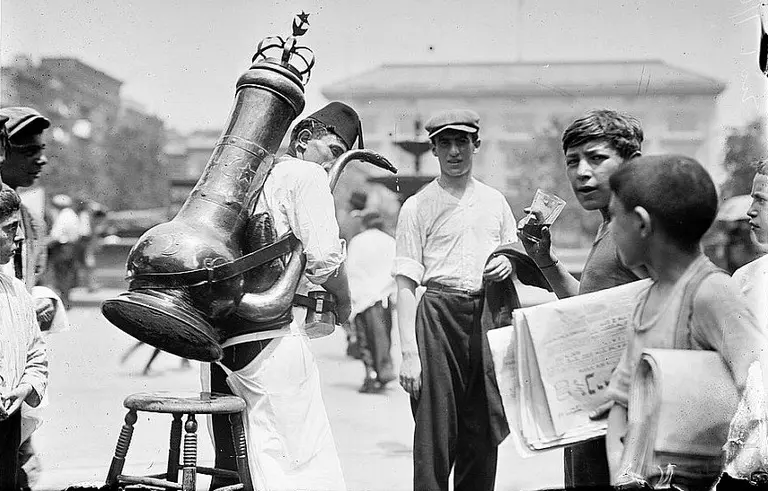
In the light of Donald Trump's ban on Syrian refugees, 6sqft decided to take a look back at Little Syria. From the late 1880s to the 1940s, the area directly south of the World Trade Center centered along Washington Street held the nation's first and largest Arabic settlement. The bustling community was full of Turkish coffee houses, pastry shops, smoking parlors, dry goods merchants, and silk stores, but the Immigration Act of 1924 (which put limits on the number of immigrants allowed to enter the U.S. from a given country and altogether banned Asians and Arabs) followed by the start of construction on the Brooklyn-Battery Tunnel in 1940, caused this rich enclave to disappear. And though few vestiges remain today, there's currently an exhibit on Little Syria at the Metropolitan College of New York, and the Department of Parks and Recreation is building a new park to commemorate the literary figures associated with the historic immigrant community.
The full history and details on the new developments
January 31, 2017

The mysterious origins of the famous New York Egg Cream

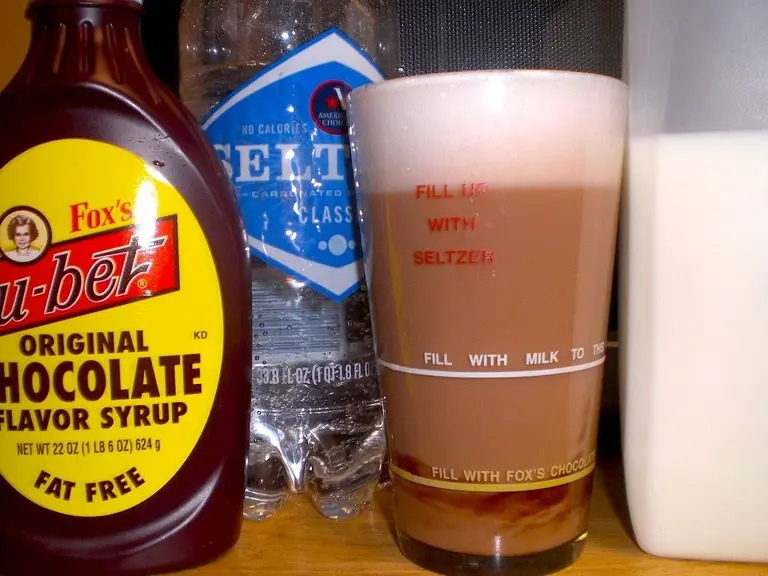
From Brooklyn Blackout Cake to Eggs Benedict, New York City is filled with gastronomic firsts. But while we have a clear origin for most of our foodie favorites, the New York Egg Cream is not one of them. This frothy sweet beverage is made from Fox’s U-Bet chocolate syrup, seltzer water, and a splash of milk, which makes its story even more confusing since the beloved drink contains neither eggs nor cream. There are a few theories currently in circulation about the name and origin of the Egg Cream, each varying in time and circumstance, but most confirming that the drink originated on the Lower East Side among Eastern European Jewish immigrants.
All the mysterious theories
January 30, 2017

Hidden tunnel connecting New Yorker Hotel to Penn Station unearthed

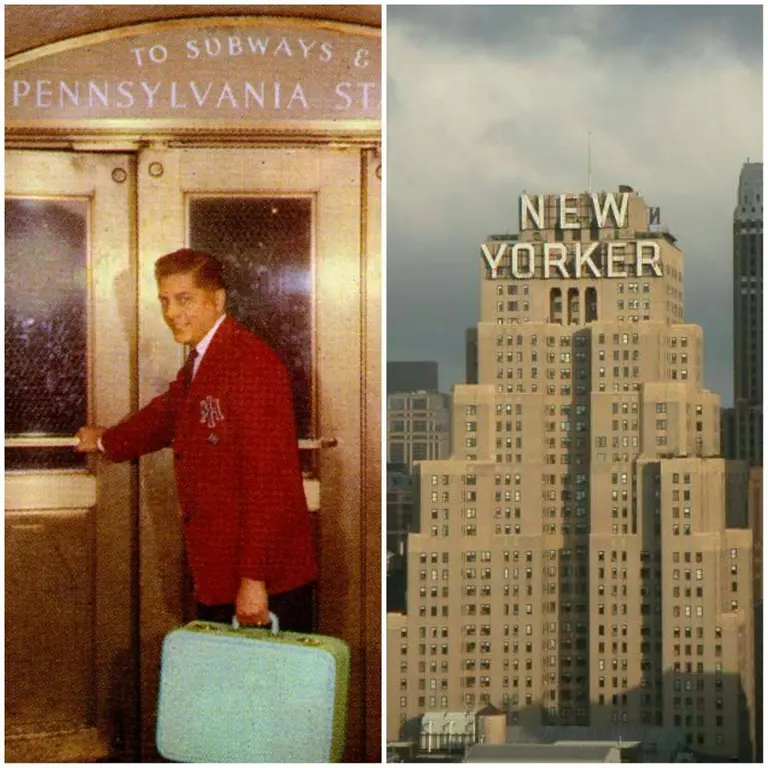
Under the New Yorker Hotel, a former guest convenience has been rendered an Art Deco artifact by the times. While not built to be a secret, a tunnel connecting the Midtown hotel's lobby to Penn Station was sealed on the station's side sometime in the 1960s and subsequently forgotten, according to Atlas Obscura.
See what the tunnel looks like today, almost a century later
January 27, 2017

Inside the Village East Cinema, one of NY’s last surviving ‘Yiddish Rialto’ theaters

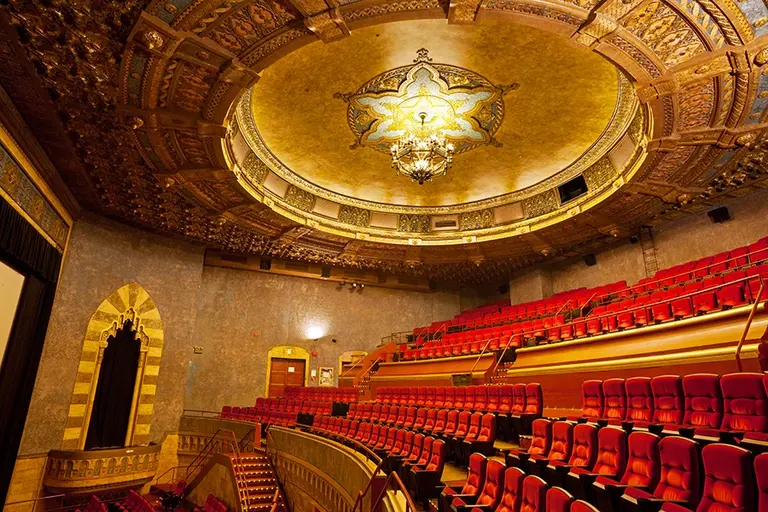
Moviegoers at the Village East Cinema may be surprised to learn that they are visiting a recently restored New York City designated landmark. The Village East Cinema has a fascinating history as one of the last surviving “Yiddish Rialto” theaters along Second Avenue in the East Village. Today, the cinema is known for premiering many independent films and an eclectic mix of art and commercial releases. The theater’s most significant visual aspect, however, is its main auditorium’s ornate and colorful ceiling, which is regarded as having one of the most remarkable works of plaster craftsmanship in New York City.
explore the spectacular space here
January 26, 2017

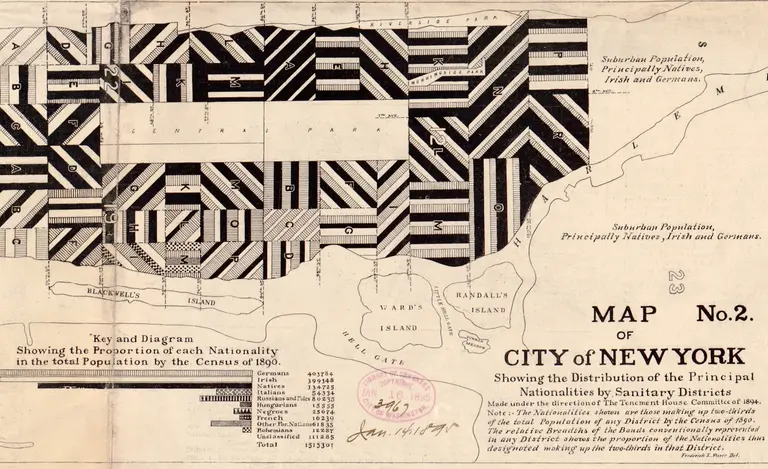
1894 maps show a Manhattan densely populated with immigrants

New York has always been a city of immigrants, and these historic maps—dug up by Slate—attempted to illustrate the population density and nationality in 19th century Manhattan. With data from the 1890 census, the New York’s Tenement-House Committee and Frederick E. Pierce released the maps in 1894. They tracked immigrant communities by striping each of the island’s sanitary districts (which are small service areas designated by the sanitation department) with different patterns. The stripes show the national origin of the New Yorkers that live in each area, while the width of the striped signifies the proportion of the population represented by each group.
See the full map
January 23, 2017

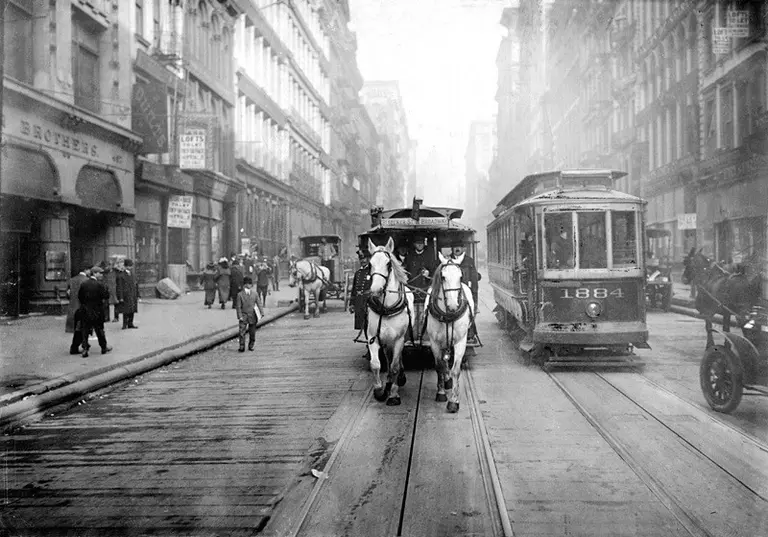
The Horse Plague of 1872 brought New York City to a screeching halt

In the fall of 1872, an unfortunate horse plague swept across New York City after making its way through Toronto, New England and Michigan. The New York Times headline from October 25th read, "The Horse Plague, Fifteen thousand horses in the city unfit for use." While the city was no stranger to disease inflicted horses, the magnitude of this particular outbreak was unprecedented.
READ MORE
January 17, 2017

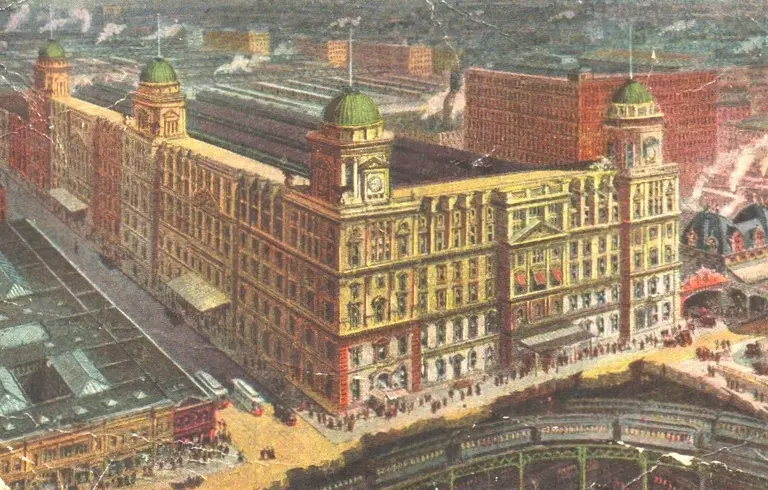
A look back at the lost Grand Centrals of the late 19th century

Historic photos of the original Penn Station are almost as common as images of the current site, since its demolition in 1963 is often credited with spearheading the modern preservation movement (and because its grandeur is a startling reminder of how loathed the current station is). Conversely, Grand Central is typically celebrated as a preservation victory. In 1978, the courts ruled in favor of the Landmarks Preservation Commission when Penn Central Railroad sued them to build a huge tower atop the terminal and demolish one of its facades. But believe it or not, the 1913 Beaux-Arts building was not the first Grand Central, and photos of these grand earlier structures are rarely shared.
See them here and get the full history
January 16, 2017

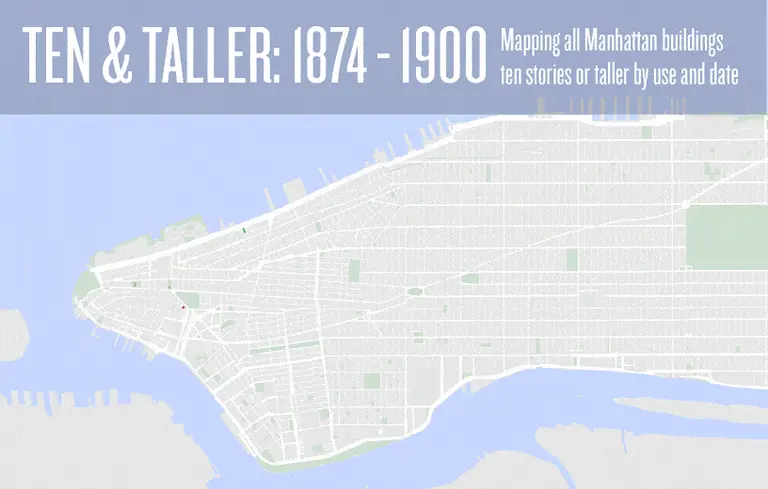
‘Ten & Taller’ exhibition maps the rise of Manhattan’s first skyscrapers from 1874 to 1900

Though it might seem that each recent generation attempts to take credit for the rise of the futuristic "skyscraper," buildings that rise ten floors or higher were born with the Gilded Age. "Ten & Taller: 1874-1900," on view through April 2017 at the Skyscraper Museum in Battery Park City examines every single building 10 stories and taller that was erected in Manhattan between 1874 through 1900 (h/t Curbed). Beginning in the mid-1870s, the city's first ten-story office buildings rose on masonry to 200 feet high with spires that stretched 60 more feet. By 1900 New York City could boast of 250 buildings at least as tall; the world’s tallest office building was the thirty-story 15 Park Row; framed with steel, it soared to 391 feet. As technology brought elevators and new methods of construction, the vertical expansion was becoming a forest of tall towers.
Follow the city's march skyward
January 7, 2017

Civil rights map is a celebration of social justice history in NYC

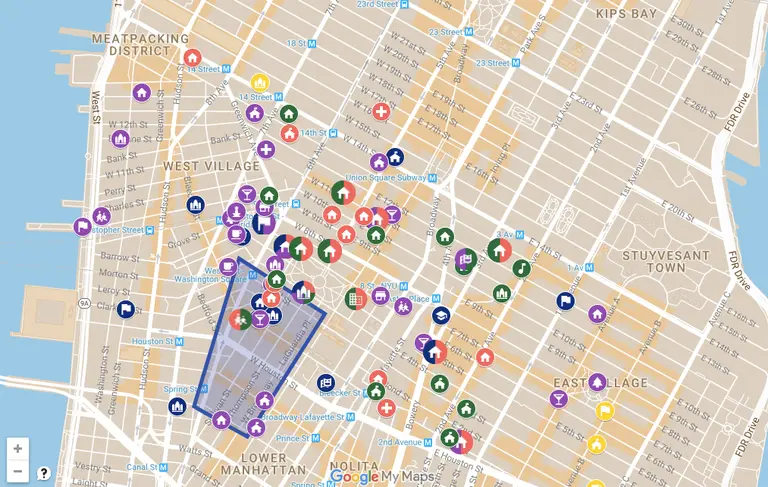
With a new president entering the White House this month, there is a lot of uncertainty in the air, particularly when it comes to the rights of minority groups in the U.S. In light of these tumultuous times, the Greenwich Village Society for Historic Preservation (GVSHP) has created an interactive map that highlights, and celebrates, the fight for social justice that's taken place in and around the East, West and Greenwich Villages. The map tool covers more than 100 locations, each signifying a site where African Americans, women, immigrants, Latinos and the LGBT community have fought for equality and representation over the centuries.
explore the map here
January 5, 2017

NYC documents dating back to 1674 will get a new home after gathering dust for centuries

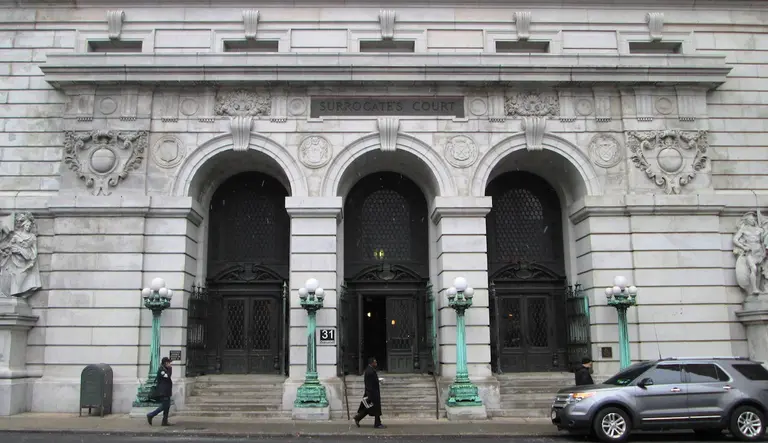
While paper might be becoming a thing of the past, it's often the one thing that remains of our recorded history. And while it was often our sole means of recording that history, paper is among the most difficult media to preserve. To that end, New York City's painstakingly stacked, filed and boxed New York Supreme Court records, part of an immense collection of official documents dating back as far as 1674, are being moved from the archival homes they’ve occupied for, in some cases, centuries. The New York Times reports on a heroic effort by dedicated archivists to round up the these city records in order to preserve them for posterity and make them more accessible to researchers.
From early immigration papers to Aaron Burr's divorce
December 28, 2016

A mile-deep, 10,000-year-old version of the Grand Canyon sits just below the Hudson

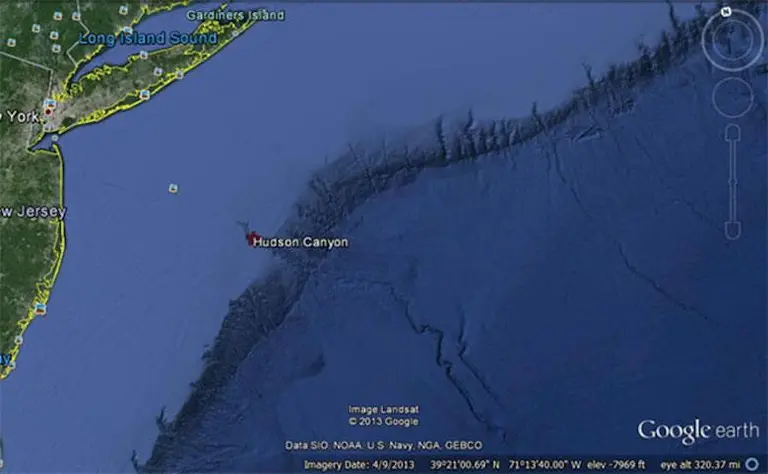
In the natural wonders department, the East Coast has its very own version of the Grand Canyon. Sitting under about 60 feet of water at the mouth of the Hudson River, the Hudson Canyon was created during the last ice age 10,000 years ago. Located on the continental margin (the zone of the ocean floor that separates the thin oceanic crust from thick continental crust) off New York and New Jersey at the outlet of the Hudson River, it's so deep (estimated to be at least a mile) that we don't know much about what lies at the bottom, but we do know that it's a biodiversity hotspot. Jon Forrest Dohlin, vice president of the Wildlife Conservation Society and director of the New York Aquarium tells NYMetro that due to the unique phenomenon of an upwelling of cold water mixing with warmer surface currents, the submarine canyon is able to provide a home for hundreds of species from plankton to turtles, sharks, whales and birds.
Find out what it's like inside the canyon
December 23, 2016

Did you know ‘The Night Before Christmas’ was written in New York’s Chelsea?

This may be hard to imagine, but one of the holiday's most iconic stories was written in none other than Manhattan's Chelsea. Ephemeral NY recounts the origins of Clement Clarke Moore's quintessential Christmas tale, "The Night Before Christmas," and points to early 19th century life in New York as the inspiration for the classic. As the story goes, the year was 1822, and Moore was said to have come up with the poem on a snowy day while riding around Chelsea in a sleigh, on his way to pick up a turkey from the market.
find out more here
December 19, 2016

Louise Bourgeois’ son gifts $4M West Village townhouse to Native American tribe

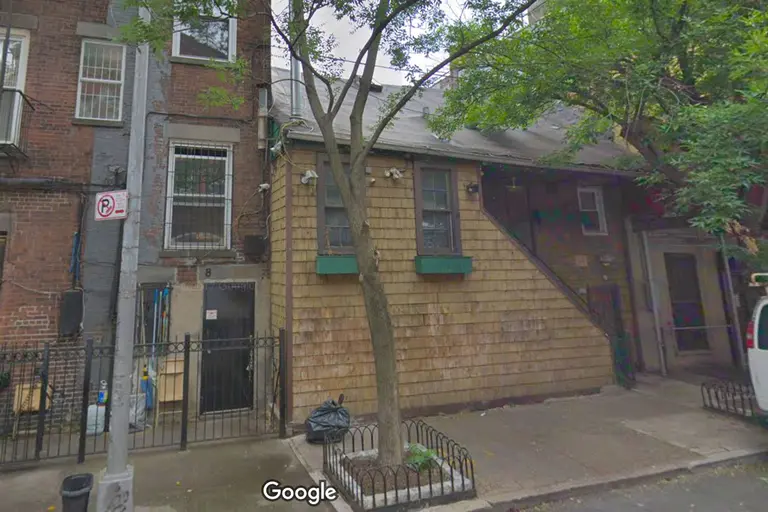
Jean-Louis Goldwater Bourgeois, son of the celebrated sculptor Louise Bourgeois, is transferring the deed for his $4 million West Village townhouse to a non-profit organization run by the Lenape tribe, who were among the original Manhattanites. The 76-year-old architectural historian and activist told the New York Post, “This building is the trophy from major theft." Bourgeois explained his romance with the city and the fact that he feels guilty that he has profited from actions that have appalled him. "The right thing to do is to return it.”
Find out more
December 16, 2016

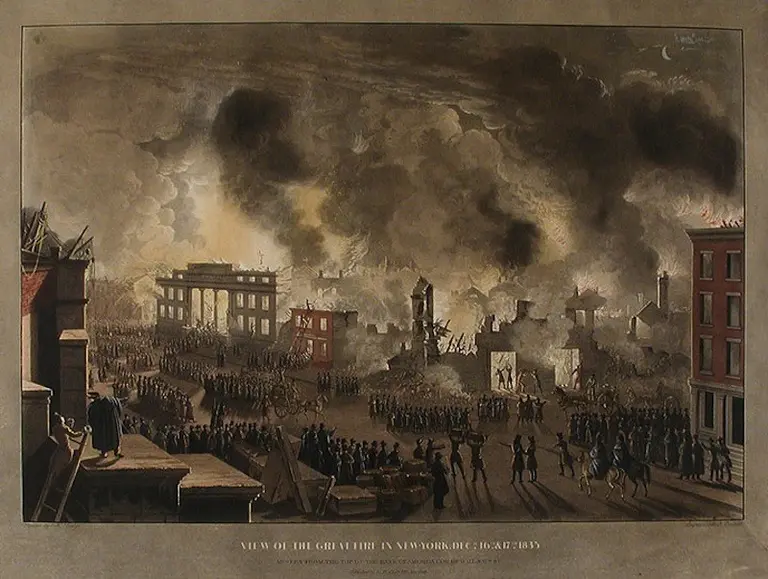
A horrifying blaze swept through Lower Manhattan 181 years ago today

It's hard to envision blocks and blocks of Lower Manhattan being destroyed by a raging fire, but that's exactly what happened there 181 years ago to the day, December 16th, 1835. That year marks one of New York's most traumatic fires in history, known as the Great Fire of 1835. It came at a time the city was developing rapidly, with the arrival of new businesses, railroad terminals, and people. But there were also major concerns that came with the city's boom: there was a lack of a reliable water source for the city, and there were not enough fire departments to keep everyone safe. And so the forces collided into a traumatic fire that would change the course of New York's development significantly.
Keep reading for more
December 16, 2016

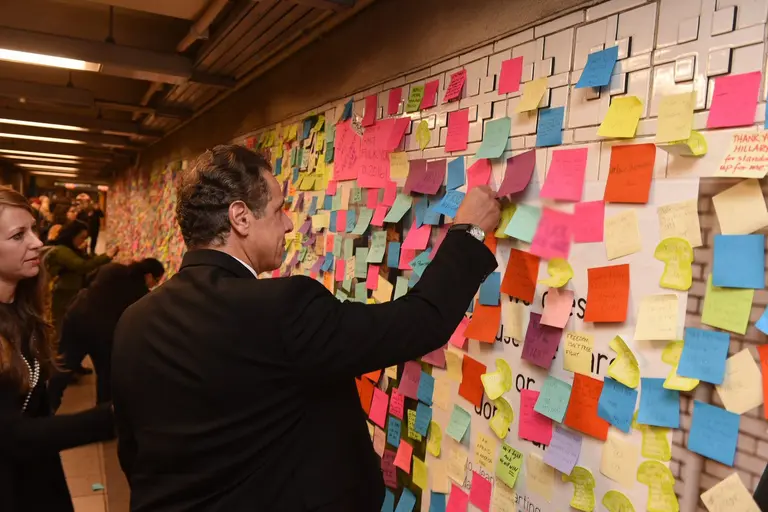
Governor Cuomo announces ‘Subway Therapy’ Post-Its will be preserved

Among the more positive things to emerge from the 2016 election was the very visible outpour of love and solidarity by New Yorkers, who not only took to the streets together to stand up for what they believe in, but without inhibition expressed their anger, fears, hopes and words of comfort for one another on colorful Post-Its stretched along the 14th Street-6th/7th Avenue subway corridor. Recognizing the historic nature of this spontaneous art movement, Governor Cuomo announced this morning that the New-York Historical Society will partner with the MTA to preserve some of the thousands of "Subway Therapy" sticky notes that have materialized over the last weeks.
more details here
December 16, 2016

Trump isn’t the first president-elect with a New York City home base, FDR stayed close too

Just when you thought you'd get to enjoy a low-key pre-holiday Friday, the New York Times compares Donald Trump to Franklin Delano Roosevelt. While just 12 blocks away Trump Tower snarls traffic and confounds anything resembling daily life in the surrounding area with a round-the-clock hive of security details, reporters and protesters—and of course the prez-elect himself, his entourage and various cabinet-members-to-be—Hunter College’s Roosevelt House Public Policy Institute director Harold Holzer reminds us of another presidency whose earliest days were spent ensconced in a NYC residence. Of the century-old double-width townhouse at at 47-49 East 65th Street on Manhattan’s Upper East Side, now the Institute's home, Holzer says, “It was the Trump Tower of 1932-33.” The 65th Street residence was the longtime home of Franklin D. and Eleanor Roosevelt.
Definitely not an apples-to-apples comparison
December 16, 2016

The Urban Lens: Langdon Clay’s 1970s photographs of automobiles also reveal a New York City in decay

6sqft’s ongoing series The Urban Lens invites photographers to share work exploring a theme or a place within New York City. In this installment Langdon Clay shares photos from his new photo book "Cars — New York City 1974-1976." Are you a photographer who’d like to see your work featured on The Urban Lens? Get in touch with us at [email protected]. New York as a grimey, crime-ridden metropolis sounds like something out of a dystopian sci-fi novel, particularly as we sip our soy lattes and brush artisanal donut crumbs from our lips. But as photos from Langdon Clay's book "Cars — New York City 1974-1976" show, 40 years ago, Manhattan was more about crowbars and break-ins than cronuts and Airbnb. In the 18 years Clay lived as a young man in New York City, he spent three of those years exploring the streets of Manhattan in the middle of the night alone. During those wee hours Clay took to some of the city's most dangerous streets with his Leica camera and a few rolls of Kodachrome, snapping photos of the colorful cars he saw parked against the forlorn urbanscape. Ahead Clay shares with 6sqft some of his favorite images from that time.
Explore the series and hear from Langdon
December 14, 2016

Historic map shows the manufacturing industries of 1919 NYC

As part of their new exhibit "Mastering the Metropolis: New York and Zoning, 1916–2016," the Museum of the City of New York has shared this historic map of manufacturing industries across the city. Published in 1922 using census data from 1919, the colorful depiction shows us that women's wear was the industry of the time, with more than 8,000 factories employing 169,965 people and coming in with a yearly product value of $1.7 billion. Manhattan was all but covered with manufacturing, and as CityLab points out, this included everything from rubber tires and umbrellas to coffins and cigar boxes.
Get a closer look
December 7, 2016

Former Citicorp Center is the city’s newest landmarked building

The Midtown building formerly known as Citicorp Center has just been designated a city landmark. The building, now known simply as 601 Lexington Avenue, is one of 12 buildings in Midtown East to be given landmark status by the city's Landmarks Preservation Commission. This newest batch of landmarks brings the number of official historic buildings in the area to 50, Curbed reports. The 59-story office and retail tower, designed by Hugh A. Stubbins & Associates, was completed in 1978. It was considered quite innovative for its time, with distinctive features that included a 45-degree angular roof and a base of four stilt-like columns. The latter allowed it to cantilever over Saint Peter’s Church, also on the site. There is also a privately owned public space that connects the buildings to the Lexington Avenue-53rd Street subway station.
The distinctive tower will be dwarfed, but preserved
December 5, 2016

Before Repeal Day ended Prohibition in 1933: Speakeasies and medicinal whiskey were all the rage

The last time a political outcome stunned the country with such a polarizing impact was in 1919, when the 18th amendment—prohibiting the production, sale, and distribution of alcohol—was ratified. After a 70-year campaign led by several groups known as The Drys, who insisted alcohol corrupted society, the ban on alcohol arrived in 1920 and was enforced by the Volstead Act. But the Noble Experiment did little to keep people from drinking. Indeed, Prohibition led citizens to dream up creative ways to circumvent the law, turning the ban into a profitable black market where mobsters, rum-runners, moonshiners, speakeasies, the invention of cocktails, and innovative ways to market alcohol took the country by storm. Prohibition in many ways fueled the roaring twenties, and it made things especially exciting in New York City. December 5th marks the 83rd anniversary of Repeal Day, when 13 long years of Prohibition finally came to a close.
Read on about Prohibition and the Repeal
December 1, 2016

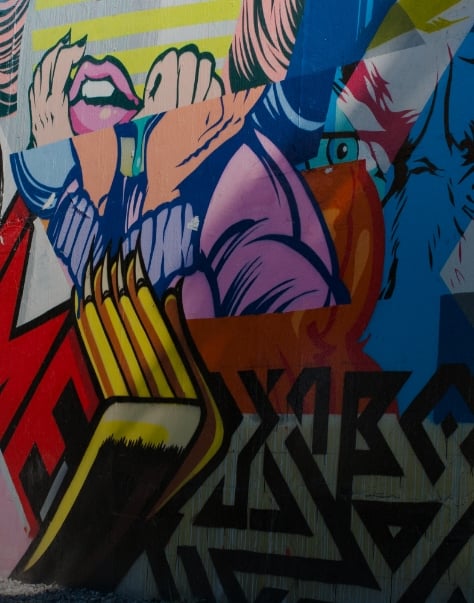
NYC’s first ever piece of sidewalk art appeared in December 1969

Sidewalks and street art are pretty much synonymous in modern day New York City, but have you ever stopped to question when it all started? In the winter of 1969, New York City saw the birth of the sidewalk sculpture. While public art in an outdoor setting was not necessarily a new concept, this was the very first time it was situated immediately on the sidewalk. The work was a marble sculpture made by artist Gonzalo Fonseca, commissioned by the Twentieth Century Fund. Upon completion, it stood six feet outside of the organization's headquarters and weighed a whopping two tons.
READ MORE