History

December 19, 2019

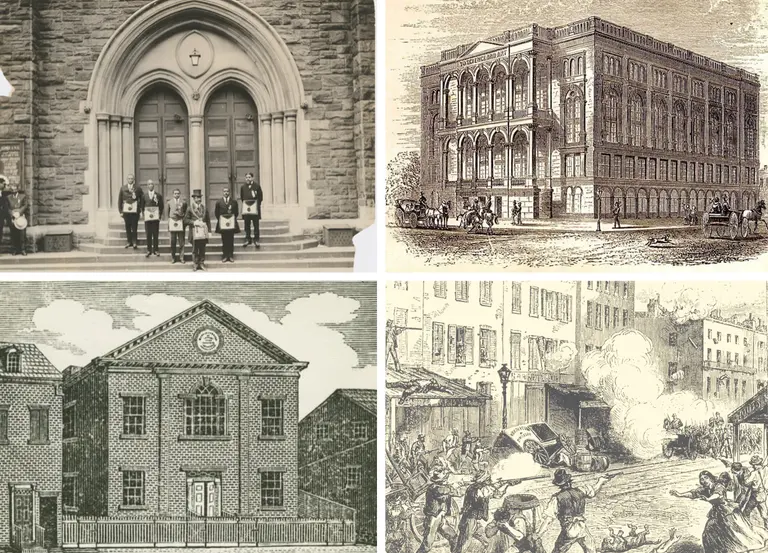
14 historic sites of the abolitionist movement in Greenwich Village

As this year marks 400 years since the first African slaves were brought to America, much attention has been paid to what that means and how to remember this solemn anniversary. The city's Landmarks Preservation Commission issued a story map highlighting landmarks of the abolitionist movement in New York City. Absent from the map were a number of incredibly important sites in Greenwich Village, the East Village, and Noho, which were a hotbed of abolitionist activity through the 19th century, as well as the home of the city’s largest African American community. Ahead, learn about 14 significant sites of the anti-slavery movement.
Learn more
December 13, 2019

Find landmarks of the anti-slavery movement in NYC

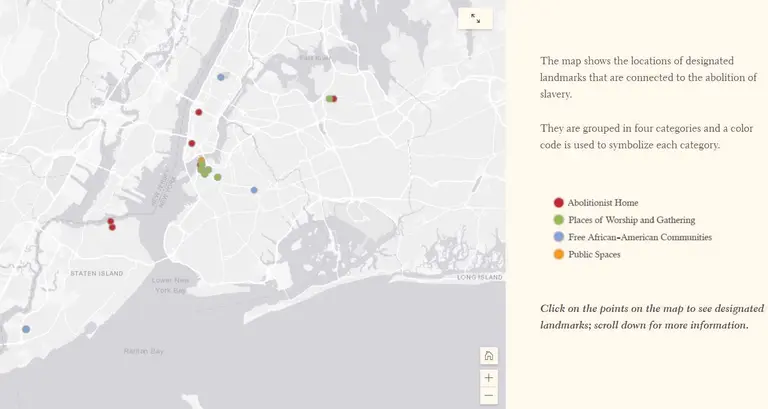
For roughly 200 years, between 1626 and 1827, New York City was home to more enslaved Africans than almost every other city in the country. But after abolishing slavery nearly 40 years before the nation, the city became a major player of the national abolitionist movement, housing anti-slavery activists and organizations, as well as many stops on the Underground Railroad. Now 400 years after the first enslaved Africans arrived in the United States, the Landmarks Preservation Commission released this week an interactive story map highlighting designated city landmarks tied to the abolitionist movement.
Explore the map
December 12, 2019

Despite a historic precedent, in NYC Mrs. Claus is basically a glorified elf

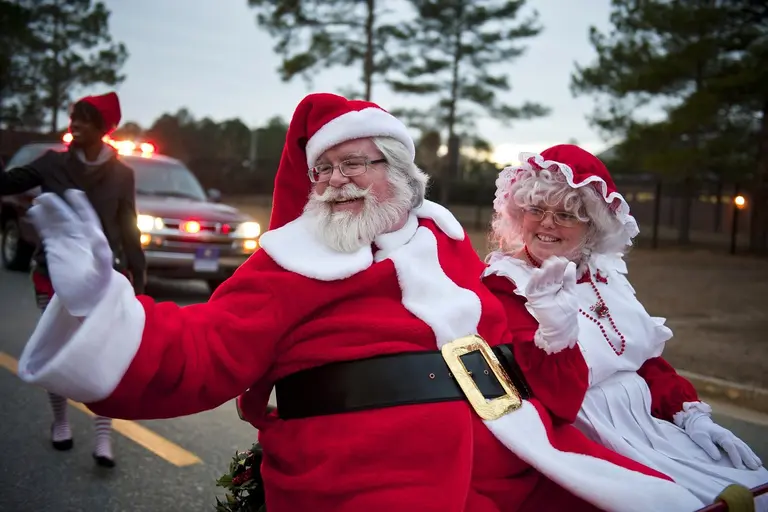
Though all across the U.S. of A., Santa Claus and his missus appear arm in arm, NYC Santas have no time (or budget) for a wife, according to the Wall Street Journal. Several women who don Mrs. Claus outfits in a professional capacity during the winter holiday season have said that they're not only paid about half what Santa gets–more along the lines of what an elf is paid, according to Brian Harrell, CEO of the Minneapolis-based All Time Favorites, Inc. which employs 600 “premium” Santa performers–but there's not much call for Mrs. Claus in the city at all.
Behind every good man–at least in pay
December 10, 2019

Nomad’s Tin Pan Alley, birthplace of American pop music, gains five landmarks

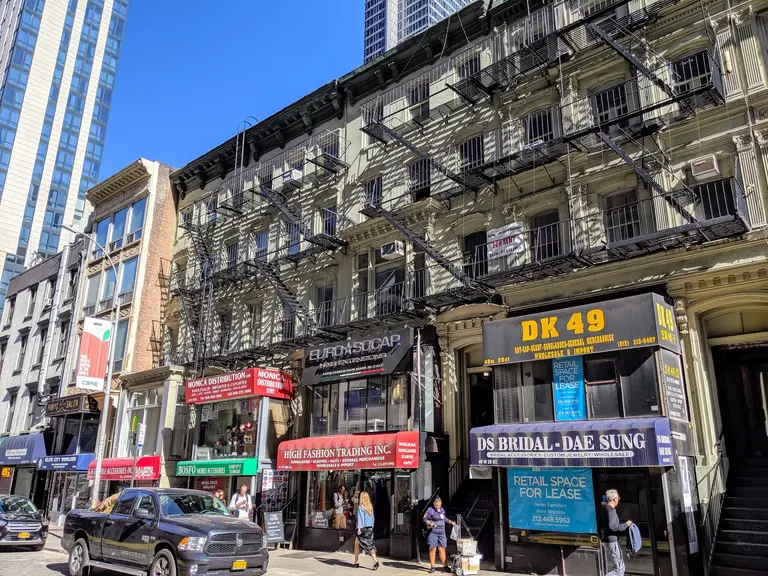
The Landmarks Preservation Commission on Tuesday designated five Nomad buildings linked to the birthplace of American pop music. Tin Pan Alley, a stretch of West 28th Street named to describe the sound of piano music heard from street level, served as an epicenter for musicians, composers, and sheet music publishers between 1893 and 1910. During this nearly two-decade period, some of the most memorable songs of the last century were produced, including "God Bless America" and "Take Me Out to the Ball Game."
More here
December 9, 2019

State recognizes TWA Hotel as historic site, nominates two other NYC buildings

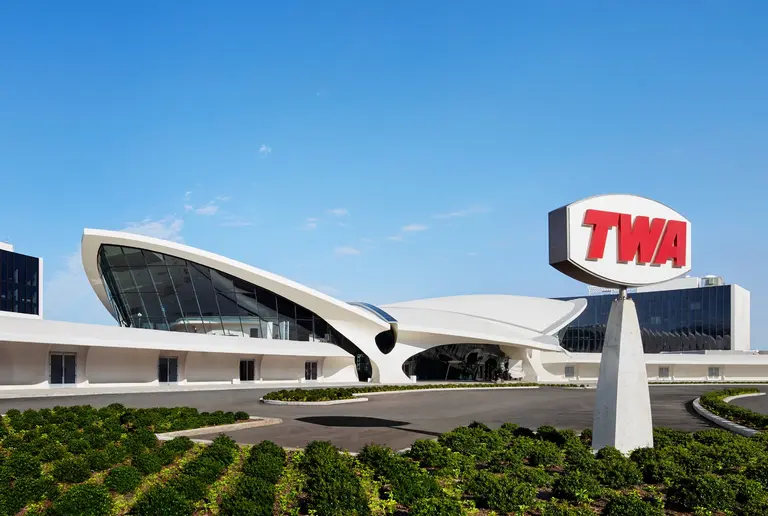
The state last week awarded ten projects with historic preservation awards, and nominated a dozen other sites to be nominated for the state and national historic places registers. Gov. Andrew Cuomo and the Office of Parks, Recreation and Historic Preservation recognized the TWA Hotel at JFK Airport for its preservation of Eero Saarinen's Trans World Airlines terminal, which serves as the lobby for a new 512-room hotel.
Learn more
December 6, 2019

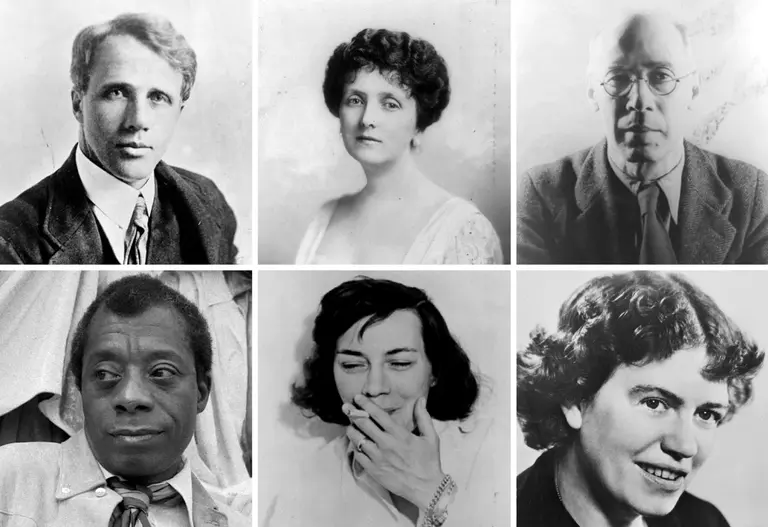
31 literary icons of Greenwich Village

This year marks the 50th anniversary of the designation of the Greenwich Village Historic District. One of the city’s oldest and largest landmark districts, it’s a treasure trove of history, culture, and architecture. Village Preservation is spending 2019 marking this anniversary with events, lectures, and new interactive online resources. This is part of a series of posts about the Greenwich Village Historic District marking its golden anniversary. Greenwich Village, specifically the historic district at its core, has been described as many things, but “literary” may be among the most common. That’s not only because the neighborhood has an air of sophistication and drama, but because it has attracted some of the nation’s greatest writers over the last 200 plus years. Ahead, learn about just some of the cornucopia of great wordsmiths who have called the Greenwich Village Historic District home, from Thomas Paine to Lorraine Hansberry.
More here
November 27, 2019

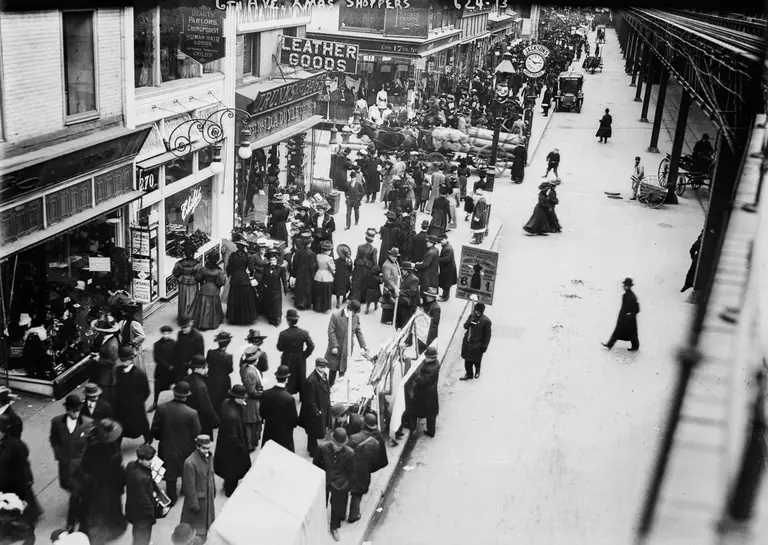
Vintage photos document the origins of Black Friday shopping in NYC

Black Friday marks the start of frantic holiday shopping, the day when retailers offer their best deals of the season to lure in eager shoppers. While some gift-givers now choose to digitally add items to shopping carts from the comfort of bed instead, many still line up outside of stores at the crack of dawn in search of major discounts. This is not a modern phenomenon, as these photographs from the Library of Congress of 20th century New York City reveal. Like today, New Yorkers of the early 1900s were drawn to the magical window shops and displays. Ahead, explore vintage photos of shoppers browsing New York City stores looking for the perfect presents, postcards and more.
See the photos here
November 22, 2019

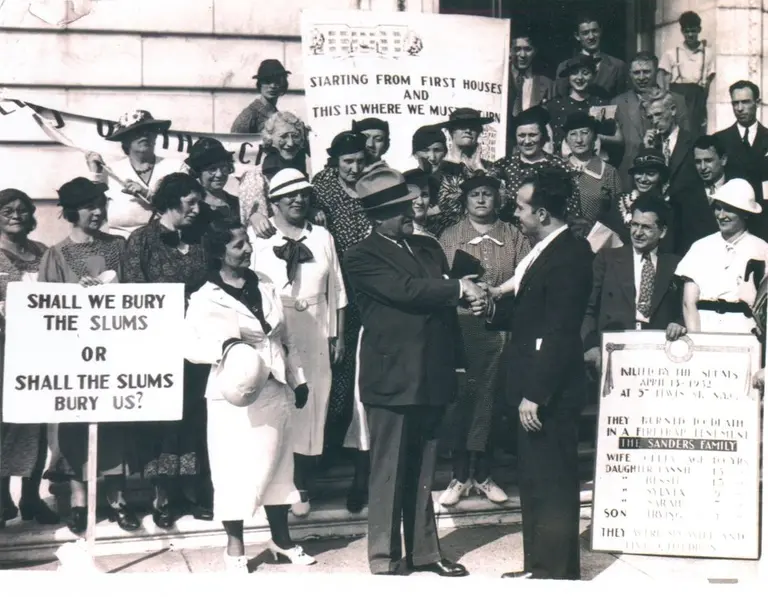
The 100-year history of New York’s settlement house collective

Look back to early 1900s New York and you’ll find a city not only transformed by an influx of immigrants from around the world, but a movement to improve their living conditions. As newcomers to the city increasingly faced poverty, hunger, disease, crime and unsafe housing, community hubs like churches and synagogues began advocating for better living conditions. Settlement houses also played an important role in this movement for social justice. Their initial purpose of bringing more privileged, outside “settlers” into immigrant communities could be controversial, but it also forged bonds between different classes of New Yorkers who fought for issues like housing protections, stronger labor laws, and city sanitation efforts. Exactly 100 years ago, an organization emerged to better coordinate the efforts of settlement houses and ensure their advocacy into the future. United Neighborhood Houses was the city’s first umbrella organization for settlement homes with the goal to fight for equality and social change. Today the organization exists as one of the largest human service systems in New York City, holding up the city’s still-robust collection of settlement houses. The history of United Neighborhood Houses tells a larger story of the evolving role of settlement houses in New York: why they were introduced, how they integrated — with some bumps — into impoverished communities, and how they’ve grown into community hubs still servicing New Yorkers today.
The full history ahead
November 13, 2019

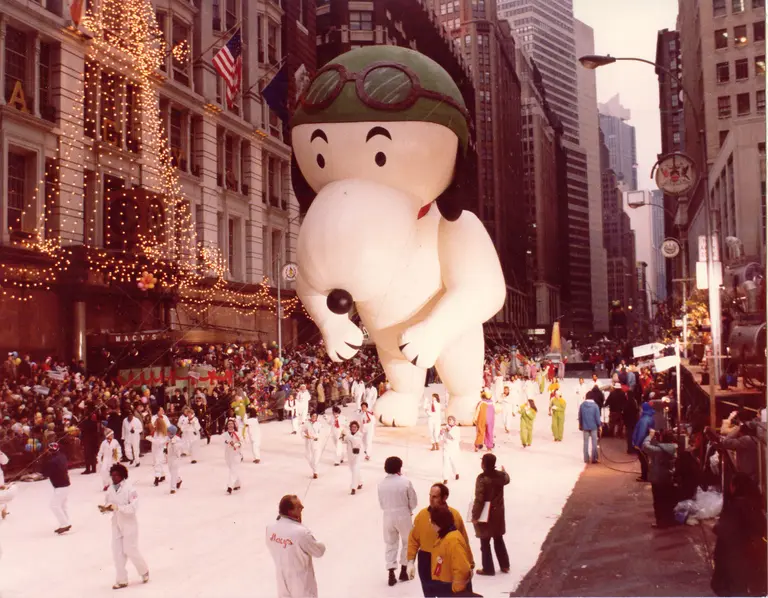
10 things you didn’t know about the Macy’s Thanksgiving Day Parade

Since New York City invented the Holiday Season as we know it, it’s only fitting that this city kicks things off in fine form. Thankfully, the good folks at Macy’s have been doing just that since 1924, when they sent the very first Macy’s Thanksgiving Day Parade sauntering down Broadway. The Parade has been synonymous with Thanksgiving for more than 90 years, and it has more secrets up its sleeve than it has balloons in the air. From “balloonatics” and “falloons” to the only time in history the parade was canceled, here are 10 things you might not know about the Macy’s Thanksgiving Day Parade.
Float on!
November 6, 2019

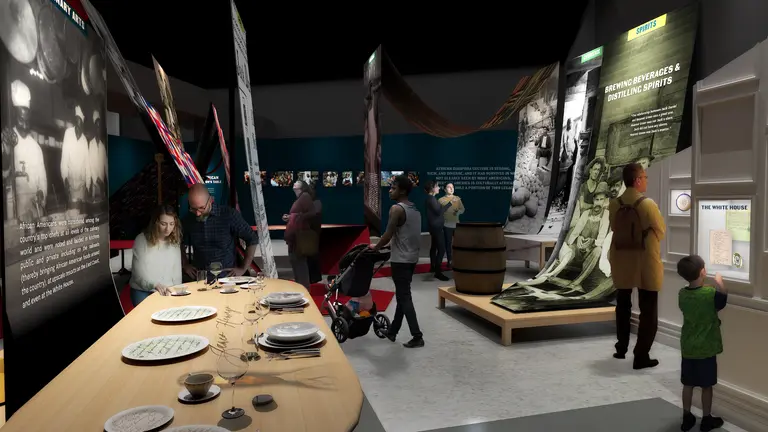
First major exhibition to highlight African American culinary history coming to Harlem next year

Next February the Museum of Food and Drink (MOFAD) will bring together the country’s first exhibition celebrating the countless ways in which African Americans have shaped American cuisine. Curated by Dr. Jessica B. Harris, a leading expert on the foods of the African Diaspora, African/American: Making the Nation’s Table will take place at The Africa Center in Harlem and feature musical selections by Questlove, tastings by Chef Carla Hall, and a restoration of the historic Ebony Magazine Test Kitchen.
More details
November 6, 2019

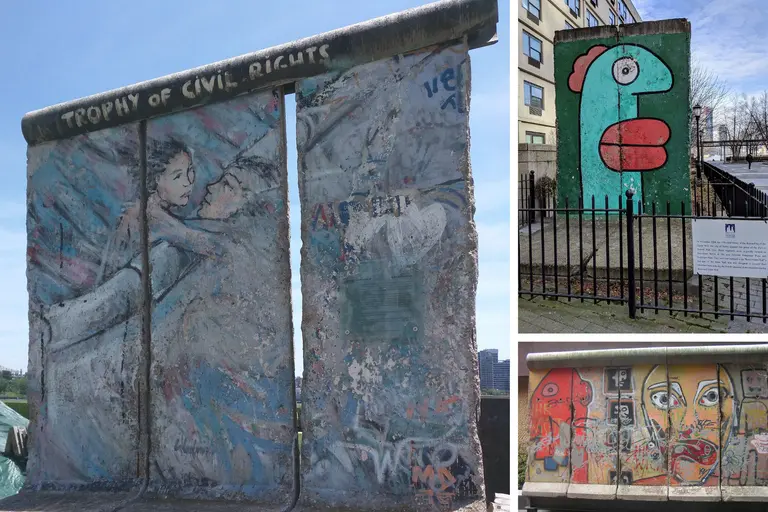
Where to see pieces of the Berlin Wall in NYC

This Saturday, November 9th, marks the 30th anniversary of the Berlin Wall coming down. Many people might know of pieces of the wall on display in various museums such as the Newseum in DC and the Ronald Reagan Presidential Library in southern California, but did you know there are four places in NYC to see segments of the Berlin Wall? One is in a touristy Times Square museum, another at the United Nations, a third at a public plaza in Battery Park City, and the last inside a public office building lobby in Midtown (though recent reports say this piece has been moved to storage).
Learn more about these four spots
November 4, 2019

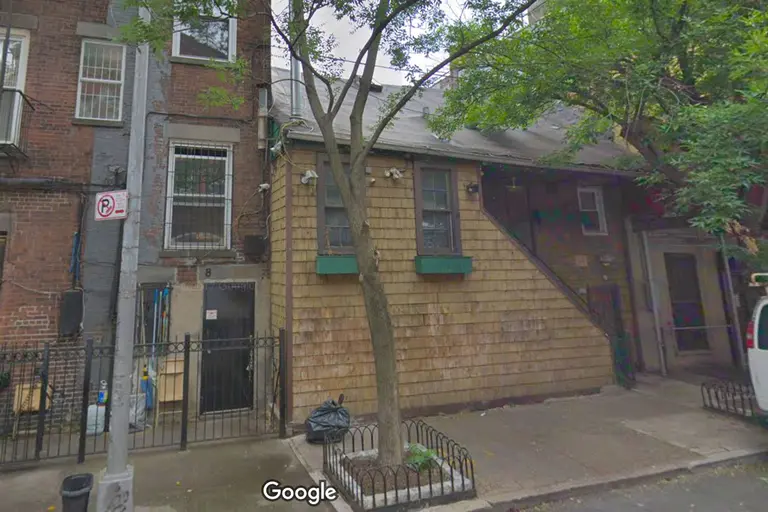
Three years after promising $5M West Village house to the Lenape, Louise Bourgeois’ son backtracks

Three years after Jean-Louis Goldwater Bourgeois announced plans to transfer the deed of his West Village townhouse to a nonprofit organization run by a former chief of the Ramapough Indians—part of the Lenape Nation, the original Manhattanites—the millionaire activist (and artist Louise Bourgeois' son) has decided to hold onto it after all. Bourgeois was working on plans to transform the historic wood-frame home into a patahmaniikan, or a prayer house, when he decided that he was in fact "married to this building" and no longer eager to give it away, as the New York Post reports.
More details
October 31, 2019

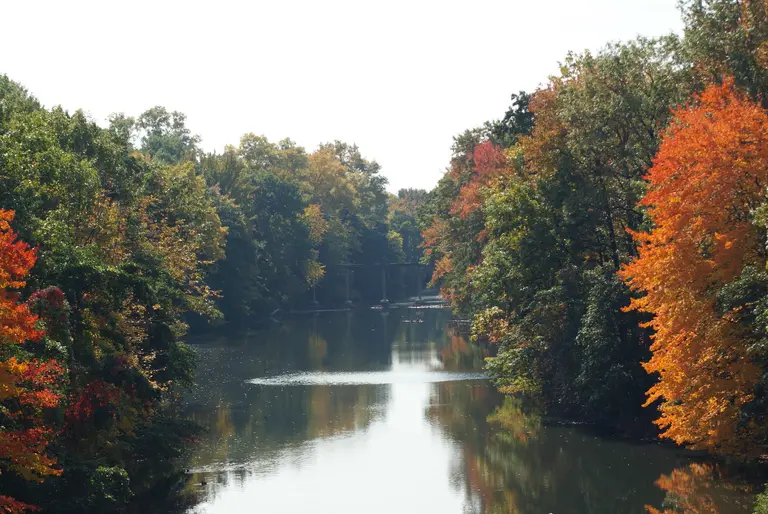
Learn about 16th-century Native American culture with a paddling tour of the Bronx River

To celebrate Native American Heritage Month, New Yorkers can take a free paddling tour of the Bronx River this weekend while learning about the experiences of 16th-century indigenous communities. Hosted by the Bronx River Alliance and Moskehtu Consulting, the event takes visitors on a 30-minute canoe paddle through the Mitshubishi River Walk in the Bronx Zoo and explores the life and culture of Native Americans with a living village.
How to sign up
October 31, 2019

Harlem’s historic Mount Morris Fire Watchtower returns to Marcus Garvey Park after a $7.9M restoration

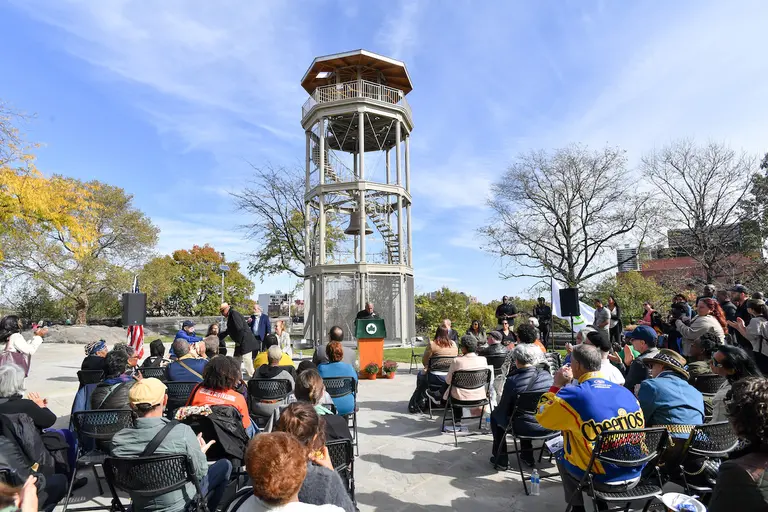
The Harlem Fire Watchtower, also known as the Mount Morris Fire Watchtower, is the last structure of its kind in New York City. The 47-foot-tall tower was erected in 1856, the third of 11 fire towers built in Manhattan. Fire watchtowers were discontinued after 1878, but the bell in its tower continued to ring at 9am and noon for years after. The historic cast-iron tower has been restored and reunited with its original surroundings in Marcus Garvey park after having been in storage since 2015.
Find out more
October 31, 2019

17 legendary musicians who called Greenwich Village home

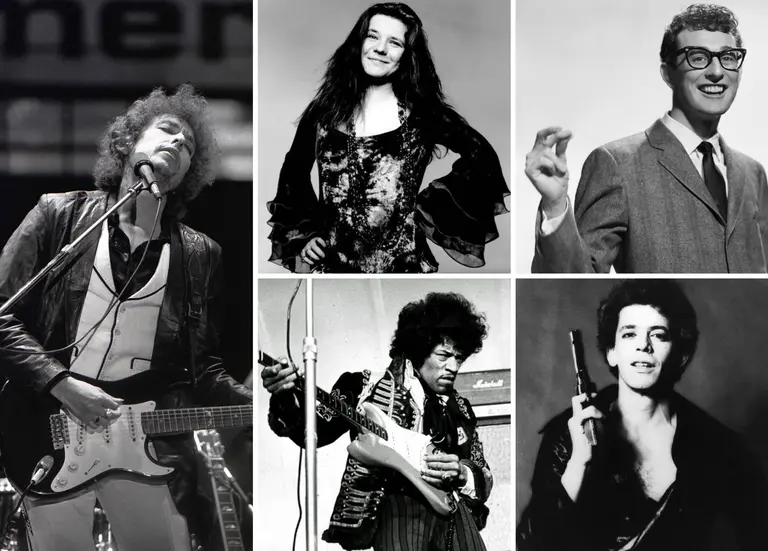
For generations, Greenwich Village, and particularly the historic district which lies at its core, has attracted musicians of all stripes. They’ve been inspired by its quaint and charming streets and the lively cultural scene located in and around the neighborhood. It would be a fool’s errand to try to name every great musician who ever laid their head to rest within the Greenwich Village Historic District’s boundaries. But as we round out a year’s worth of celebrating the 50th anniversary of the district’s designation, here are just a few of the greats who at one time or another called it home, from Bob Dylan to John Lennon to Jimi Hendrix to Barbra Streisand.
READ MORE
October 28, 2019

8 of New York City’s spookiest abandoned sites

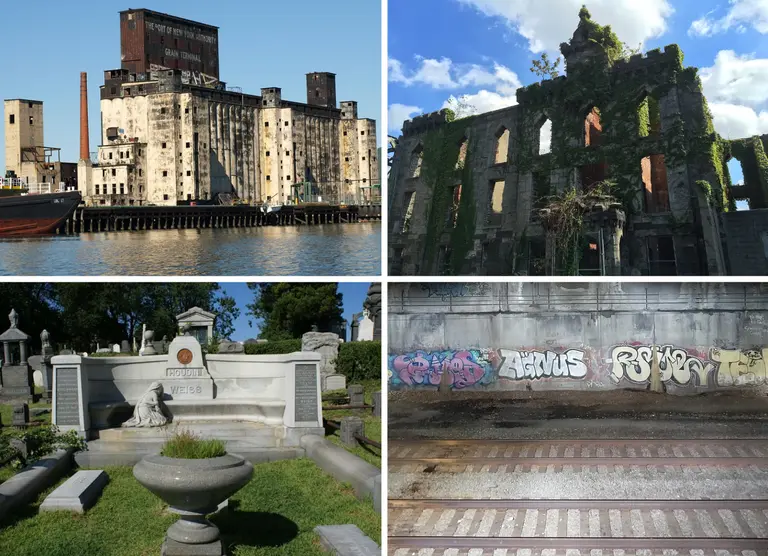
It often seems as if the jackhammer is the soundtrack to New York, as construction is a constant in this city. Given the frenetic pace of development in the five boroughs, it feels almost unbelievable that there are abandoned sites all over New York, left to go to seed as the steel skeletons of ever higher, newer, glassier structures rise around them. Here are eight of the most interesting abandoned sites in NYC, from the site of the city's first airport to a defunct freight line.
READ MORE
October 24, 2019

Plan to honor historic black settlement Seneca Village with statue in Central Park faces backlash

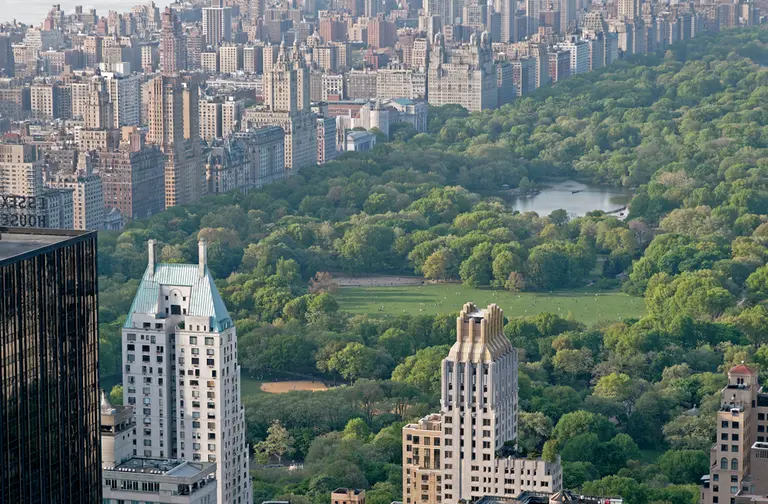
As part of the city's plan to diversify public art and recognize figures overlooked by history in New York City, Central Park is getting another statue, as the New York Times reports. The privately-funded monument will commemorate Seneca Village, the predominantly black community that was thriving until the 1850s in what became Central Park. Once again, however, the city's commemorative statue planning has fallen afoul of historians. The proposed structure won’t be located at the site of Seneca Village, which for nearly three decades stretched between West 83rd and 89th streets in Central Park. Instead, the monument’s home will be in the park, but 20 blocks to the north on 106th street.
Find out more
October 17, 2019

Publishing giants, radical literature, and women’s suffrage: More secrets of Union Square South

The area south of Union Square, on the border between Greenwich Village and the East Village, is changing. The approval of the new 14th Street Tech Hub south of Union Square combined with an explosion of tech-related development in the area has resulted in the demolition of mid-19th-century hotels and Beaux-Arts style tenements, with new office towers like 809 Broadway taking their place. Aside from being rich in 19th- and early-20th-century architecture, this area is overflowing with history connected to many of the great American artists, writers, musicians, publishers, activists, innovators and artisans of the last century and a half. As part of Village Preservation's work to document and bring to light some of that often forgotten history, we wrote this piece last year exploring the connections to Mark Twain and Walt Whitman, Alexander Graham Bell and Leroi Jones (among many others). Now, we've uncovered even more history-making people and events connected to this area and its buildings, from Hammacher Schlemmer (NYC's first hardware store) to a slew of influential publishing houses (including that which published the first U.S. edition of "Alice’s Adventures in Wonderland") to the Women’s Suffrage League headquarters.
READ MORE
October 11, 2019

PHOTOS: See the views from the Empire State Building’s new 102nd-floor observatory

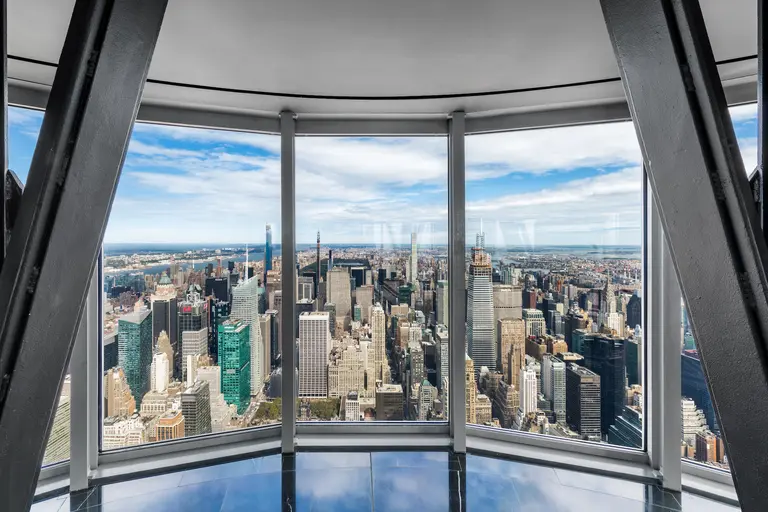
After four years and $165 million, the revamp of New York City's first supertall is nearly complete, bringing a more contemporary and visitor-friendly experience to one of the world's most historic buildings. The Empire State Building's 102nd-floor observatory, which boasts 360-degree panoramic views at 1,250 feet above street level, officially opens to the public on Saturday, Oct. 12. Building owner Empire State Realty Trust redesigned the observatory to be less obstructive for guests, allowing more picture-perfect views and less time waiting.
All the way up
October 10, 2019

The hopping history of German breweries in Yorkville

If you spent the first weekend of October hoisting lager and Oomph-ing it up for Oktoberfest, then you joined a long and proud tradition of German beer production and consumption in New York City. In fact, New York’s German-owned breweries were once the largest beer-making operations in the country, and the brewers themselves grew into regional and national power-players, transforming Major League Baseball, holding elected office, and, perhaps most importantly, sponsoring goat beauty pageants in Central Park. While brewing flourished in both Manhattan and Brooklyn throughout the 19th century, the city’s largest breweries were clustered in Yorkville. In fact, much of the neighborhood’s storied German cultural history can be traced to the rise of brewing in the area, and the German-language shops, cultural institutions and social halls that sprang up to cater to the brewery workers.
Get more Hopping History Here!
October 3, 2019

12 historic Italian-American sites of the East Village

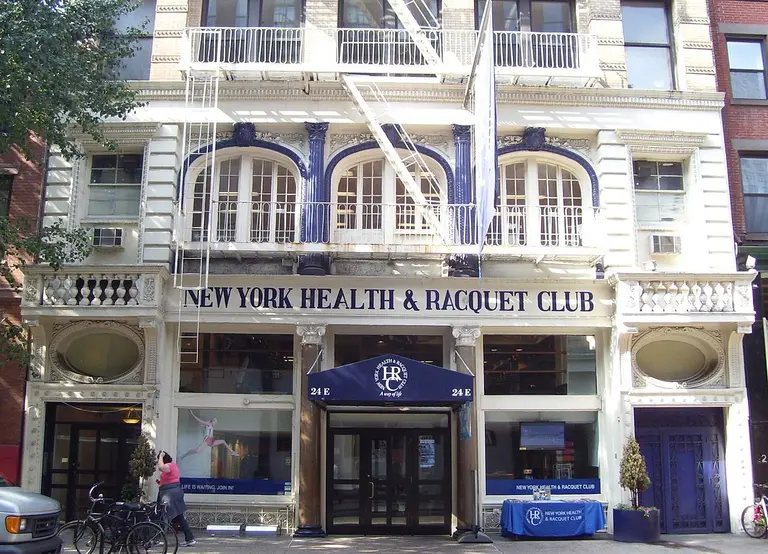
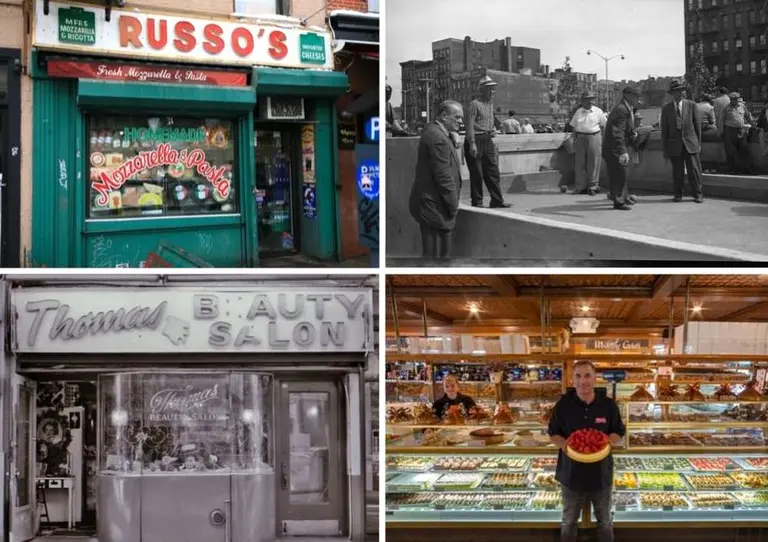
October, the month we mark Columbus Day, is also Italian-American Heritage and Culture Month. That combined with the recent celebrations around the 125th anniversary of beloved pastry shop Veniero’s inspires a closer look at the East Village’s own historic Little Italy, centered around First Avenue near the beloved pastry shop and cafe. While not nearly as famous or intact as similar districts around Mulberry Street or Bleecker and Carmine Street in the South Village, if you look closely vestiges of the East Village’s once-thriving Italian community are all around. In the second half of the 19th century, the East Village was a vibrant checkerboard of ethnic enclaves. Germans were by far the dominant group, until the turn of the century when Eastern European Jews took over the Second Avenue spine and much of what’s now Alphabet City, Hungarians congregated along Houston Street, and Slavs and Poles gravitated towards the blocks just west and north of Tompkins Square. But a linear Italian-American enclave formed along and near First Avenue, broadening at 14th Street. Vestiges of this community survived into the third quarter of the 20th century, with just a few establishments and structures connected to that era continuing to function today.
Get the full list
September 20, 2019

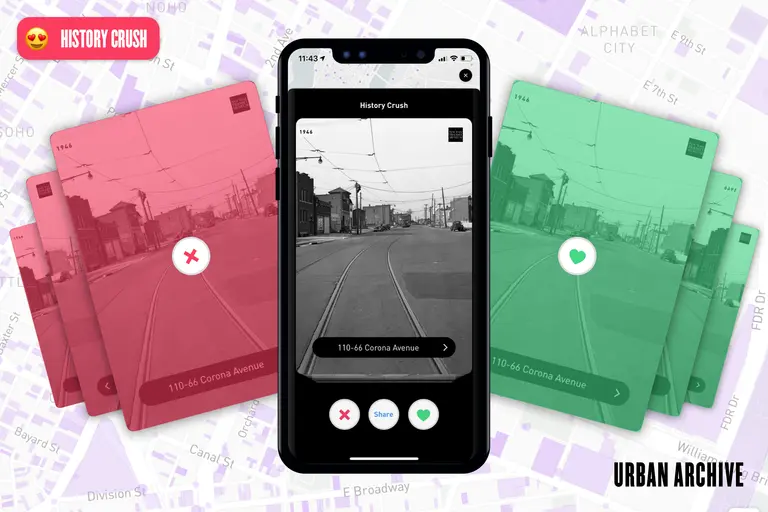
Urban Archive’s new History Crush feature lets you swipe right on your favorite images of NYC’s past

6sqft previously featured Urban Archive, the technology nonprofit that has been building (no pun intended) connections 
between people, places, and historical institutions through a growing map of New York City’s unique architecture, culture, and stories for several years. Last February saw the launch of their citywide project seeking crowd-sourced histories and photographs to be included in the UA app. Now, the Urban Archive app has a fun new feature: History Crush serves users a steady randomized supply of historic images of NYC buildings, places and events. You can weigh in with a swipe left or right on each new image; yes, it's like the dating app (without the stress). This Adderall-era add-on actually makes the app even more addictive–and encourages users to check out more images. Even better, right-swiped and liked images are saved to a folder in your My Archive collection for future investigation.
Every picture tells a story
September 17, 2019

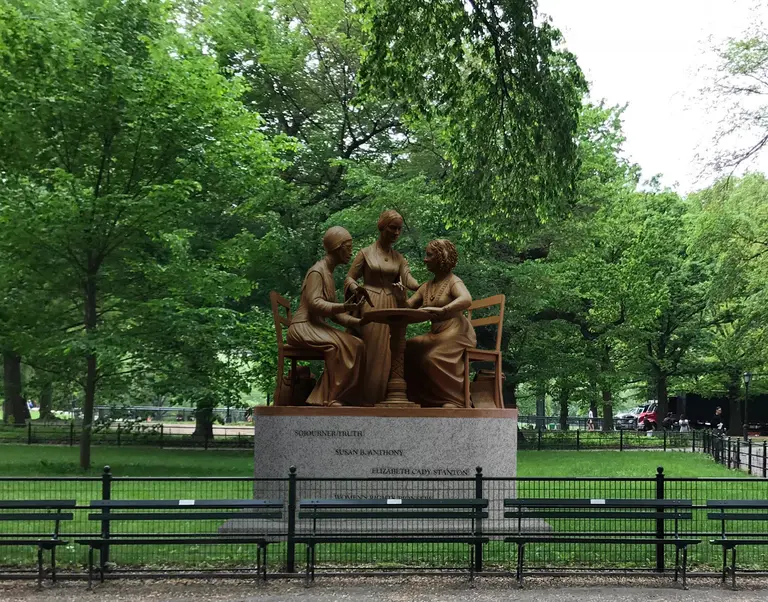
New design revealed for Central Park women’s suffrage statue, but objections delay vote

Last year’s unveiling of designs for the first statue in Central Park’s 165-year history that depicts real historic women–a sculpture of Elizabeth Cady Stanton and Susan B. Anthony, set to be dedicated in August of 2020 to mark the 100th anniversary of nationwide women’s suffrage–was met with the criticism that it didn't adequately represent the many African-American women who aided in the cause. As 6sqft previously reported, a redesigned statue honoring women’s rights advocates will now include Susan B. Anthony, Elizabeth Cady Stanton, and escaped slave and abolitionist Sojourner Truth, who aided in the fight for women’s rights. The updated design has been revealed. But, as AM New York reports, The city's Public Design Commission has said the statue still falls short, and has postponed the vote to confirm the new design–possibly jeopardizing an August 26, 2020 unveiling.
Critics weigh in
September 9, 2019

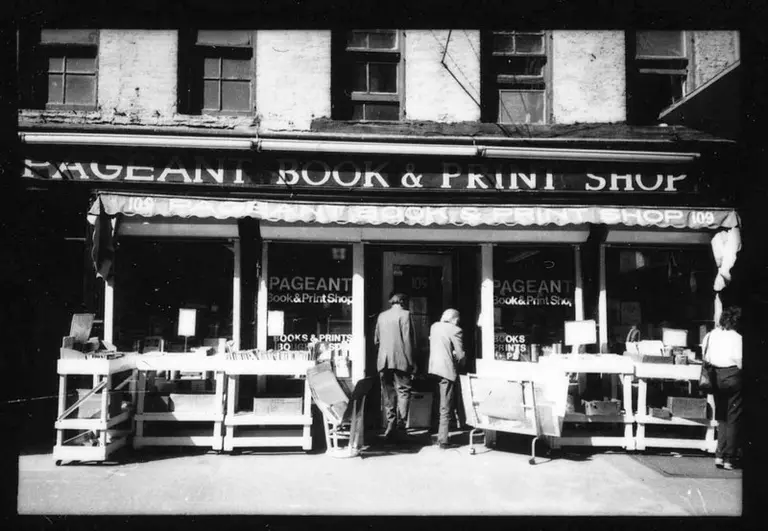
A history of Book Row, NYC’s long-time downtown haven for bibliophiles

The slogan of beloved NYC bookstore the Strand boasts the store's "18 miles of books," a number that seems incredibly vast yet was once just a small fraction of what book lovers could expect to find in the neighborhood. For almost eight decades, from the 1890s to the 1960s, the seven blocks of Fourth Avenue between Union Square and Astor Place were home to a thriving bibliophiles’ paradise known as Book Row. Here, book lovers and secondhand vendors gathered, and the pace of the city slowed down as they browsed the miles of stacks available. Speaking to the New York Times, collector Paul A. Solano—who went on to open his own used book shop in Morningside Heights—said it took him a week to stroll through all the stores on the seven-block stretch. In its heyday, Book Row was home to 48 bookstores and millions of volumes. Now, the recently landmarked Strand bookstore is the only remaining vestige of that era.
Find out about the history and what happened
September 4, 2019

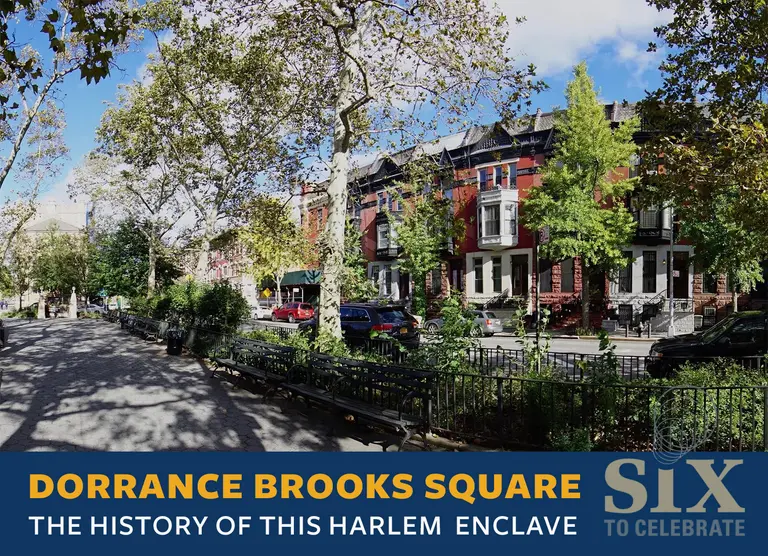
Dorrance Brooks Square: A Harlem enclave with World War and civil rights ties

This post is part of a series by the Historic Districts Council, exploring the groups selected for their Six to Celebrate program, New York’s only targeted citywide list of preservation priorities. By many accounts, Dorrance Brooks Square is considered the first public square named for a black soldier. The little Harlem park, just east of the larger St. Nicholas Park, was dedicated in 1925 to honor African-American infantryman Dorrance Brooks for his bravery during WWI. Prior to that, the area was very much associated with the Harlem Renaissance, home to jazz musician Lionel Hampton and sociologist and civil rights activist W.E.B. DuBois, among others. Later, it became a key location for social and political gatherings and speeches during the Civil Rights era. Today, the quaint neighborhood is home to an incredibly intact collection of late 19th-century rowhouses, built at the time for upper-middle-class professionals, as well as four culturally and architecturally significant churches. For all these reasons, the Dorrance Brooks Property Owners and Residents Association is advocating for an official landmark designation of the Dorrance Brooks Square Historic District, which would run up Edgecombe Avenue between West 136th and 140th Streets. To give 6sqft more information on this history of this neighborhood, the Association has mapped out the six most significant sites.
Learn all the history right here