Historic Carroll Street Bridge in Gowanus reopens after 5-year renovation
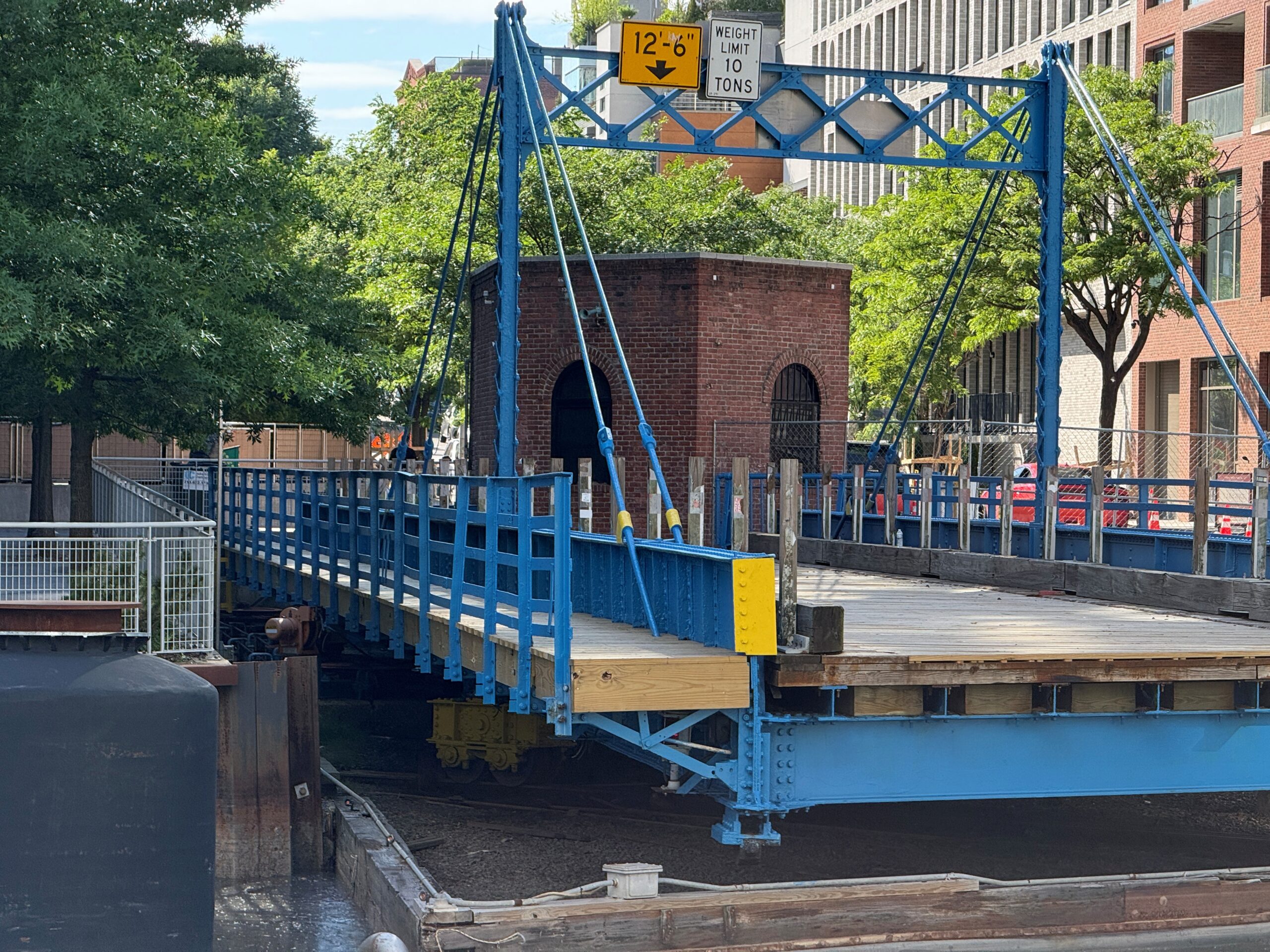
The new Carroll Street Bridge in retracted position. Credit: NYC DOT
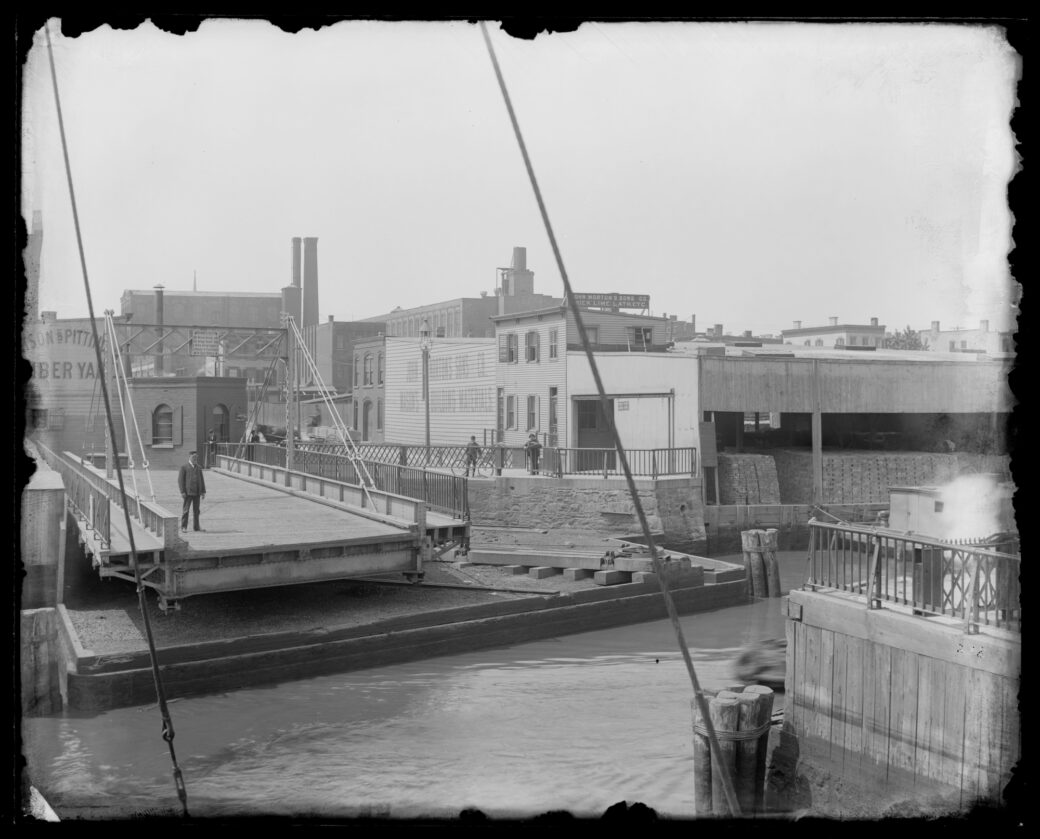
The 137-year-old Carroll Street Bridge in Gowanus will reopen next week after a five-year rehabilitation, with access limited to pedestrians, cyclists, and emergency vehicles. The city’s Department of Transportation on Wednesday announced that the historic 1889 structure—one of just four remaining retractile bridges in the country—will reopen on June 15. The trapezoid-shaped one-lane bridge, closed since 2021, has been locked in an open position throughout the rehabilitation and barred to all vehicular traffic.
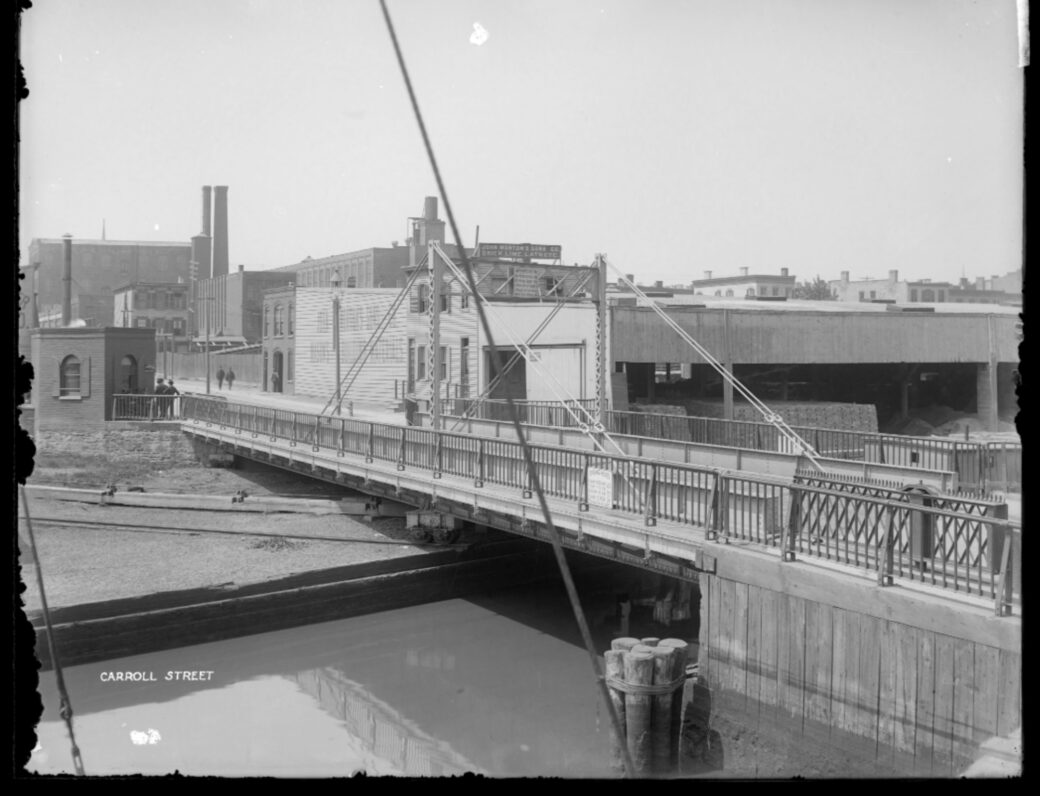
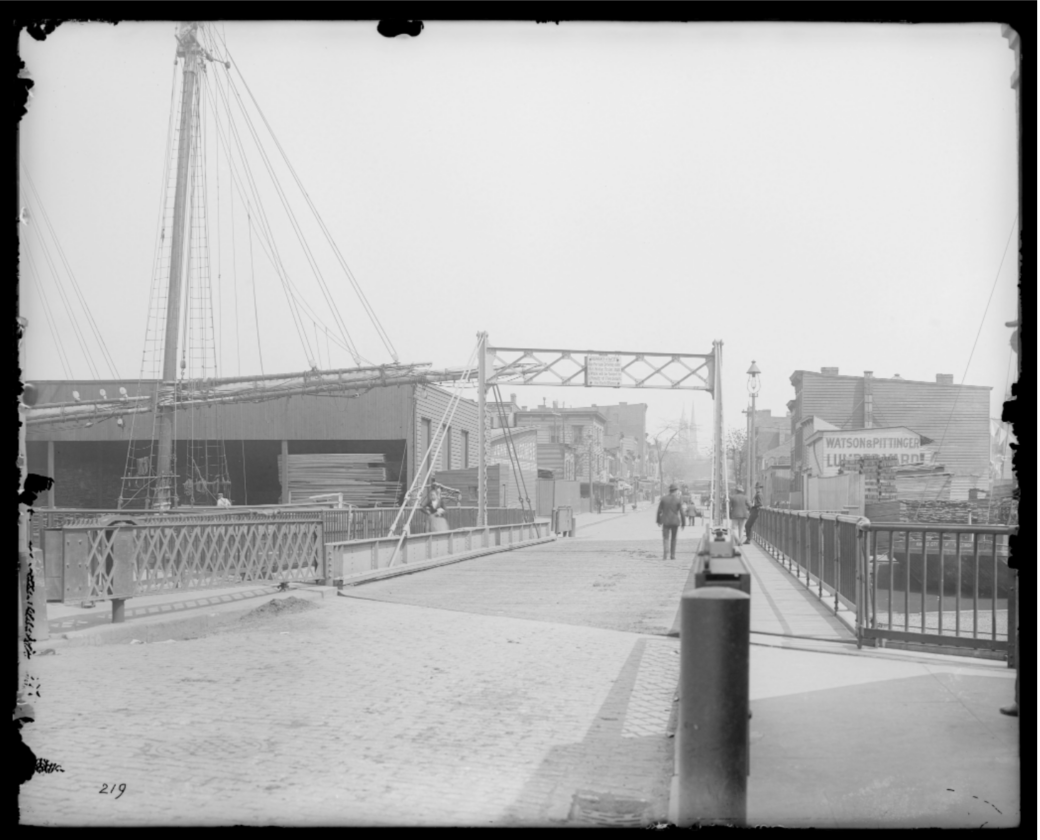
Built for $29,600 by the New Jersey Steel and Iron Company, a subsidiary of Cooper, Hewitt & Company, the Carroll Street Bridge opened in 1889. Spanning 107 feet, the structure consists of two riveted steel plate girders, the shorter of which is counterweighted. It features a wood plank deck with one traffic lane and two bracketed cantilever sidewalks.
A small polygonal brick operator’s house with rounded arches sits on the bridge’s west side. The structure opens and closes like a drawer, rather than lifting vertically or swinging open like many other retractable bridges.
Designated a city landmark in 1987, it is one of just four bridges of its kind remaining in the United States. New York City has another on Borden Avenue in Queens, while Boston has two, neither of which is operable.
“Our infrastructure tells the story of our city, and the Carroll Street Bridge captures both the maritime industry that built New York and the micromobility that will anchor our sustainable future,” Mayor Zohran Mamdani said. “After five years of careful restoration, the historic bridge will once again connect Brooklyn, this time as a space that belongs to pedestrians, cyclists, and the community first.
“While Gowanus may have changed quite a bit, our neighbors’ love for the landmarks of our city hasn’t, and I am thrilled this rare bridge is up and running and ready to welcome visitors from all over,” he added.
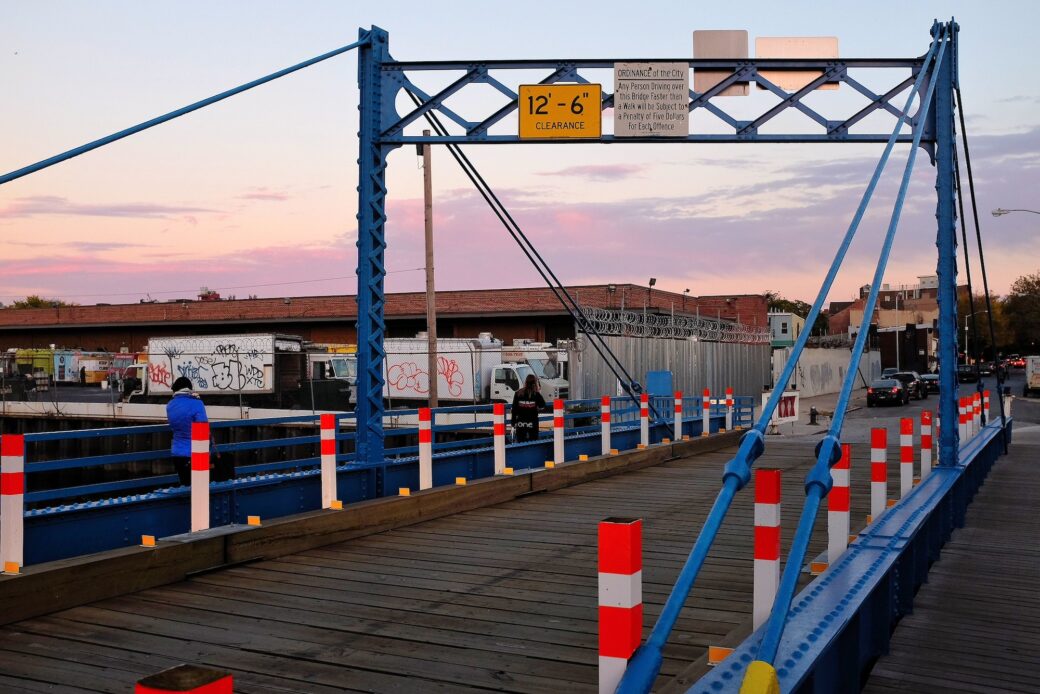
As part of the rehabilitation, crews repaired the bridge’s abutments and approaches and installed a new timber wearing surface. New signage and pavement markings will designate the bridge for pedestrian and cyclist use only, with emergency vehicles the only permitted traffic.
Vintage signage on the bridge also references a century-old statute stating that no “person driving over” the bridge may travel faster than walking speed, with violators subject to a $5 fine. Planters and other elements will further discourage vehicle use.
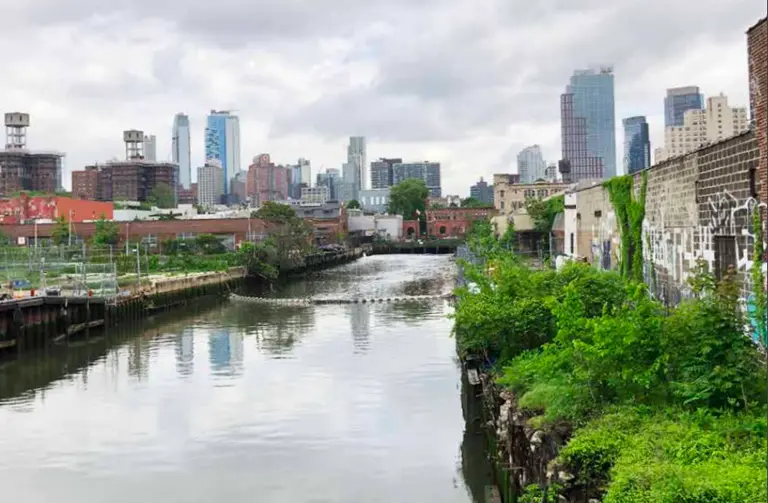
Of the four bridges that cross the Gowanus Canal, traffic analyses showed the Carroll Street Bridge was the least used. Traffic counts taken during the project suggested the closure had no measurable effect on vehicle volumes at the other crossings at Union, Third, and Ninth Streets.
“Gowanus has been dramatically transformed in recent years as more and more New Yorkers call the neighborhood home,” DOT Commissioner Mike Flynn said. “As the community becomes more residential, we are pleased that we could preserve this historic bridge while adapting our infrastructure to make it more welcoming to Brooklynites on two feet and two wheels.”
“The newly renovated Carroll Street Bridge, with new restrictions barring truck and vehicular traffic, will help ensure that transition. This humble and restored old beauty of a bridge will endure among the new apartment towers and pedestrian esplanades—and proudly serve Brooklyn for a third century,” he added.
RELATED: