
New Underground Railroad stop discovered at Merchant’s House Museum in Manhattan
All photos courtesy of the Merchant’s House Museum
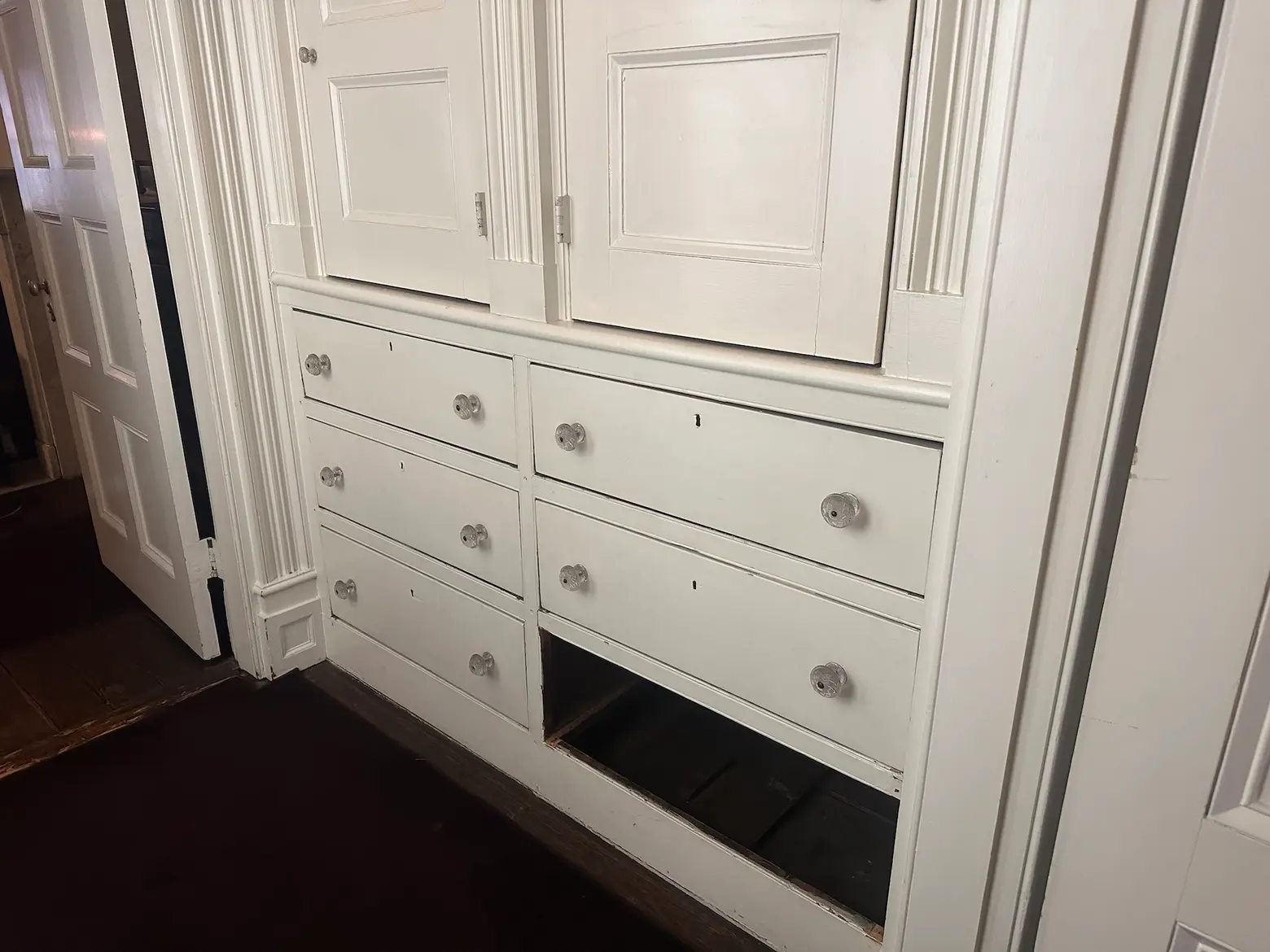
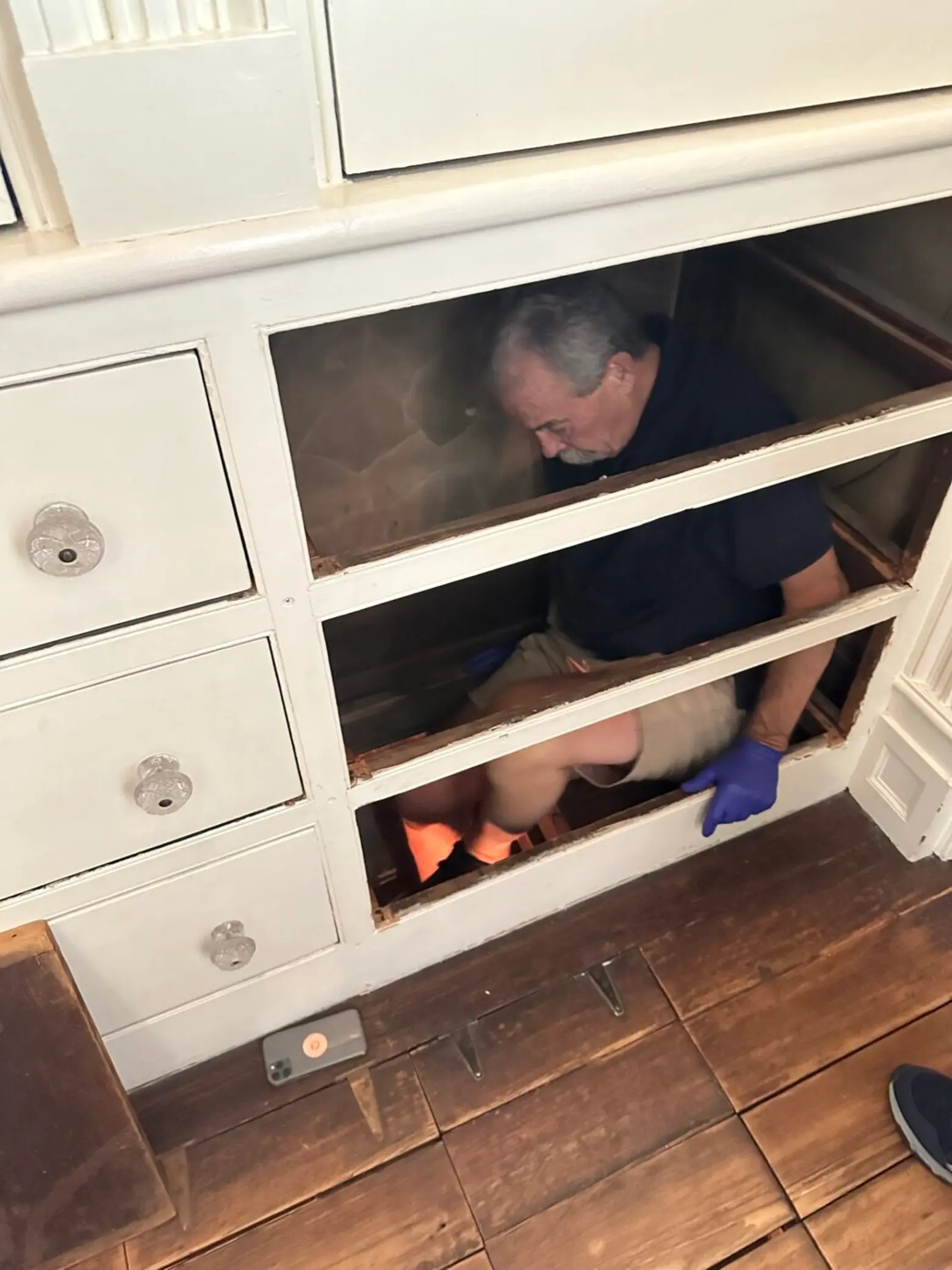
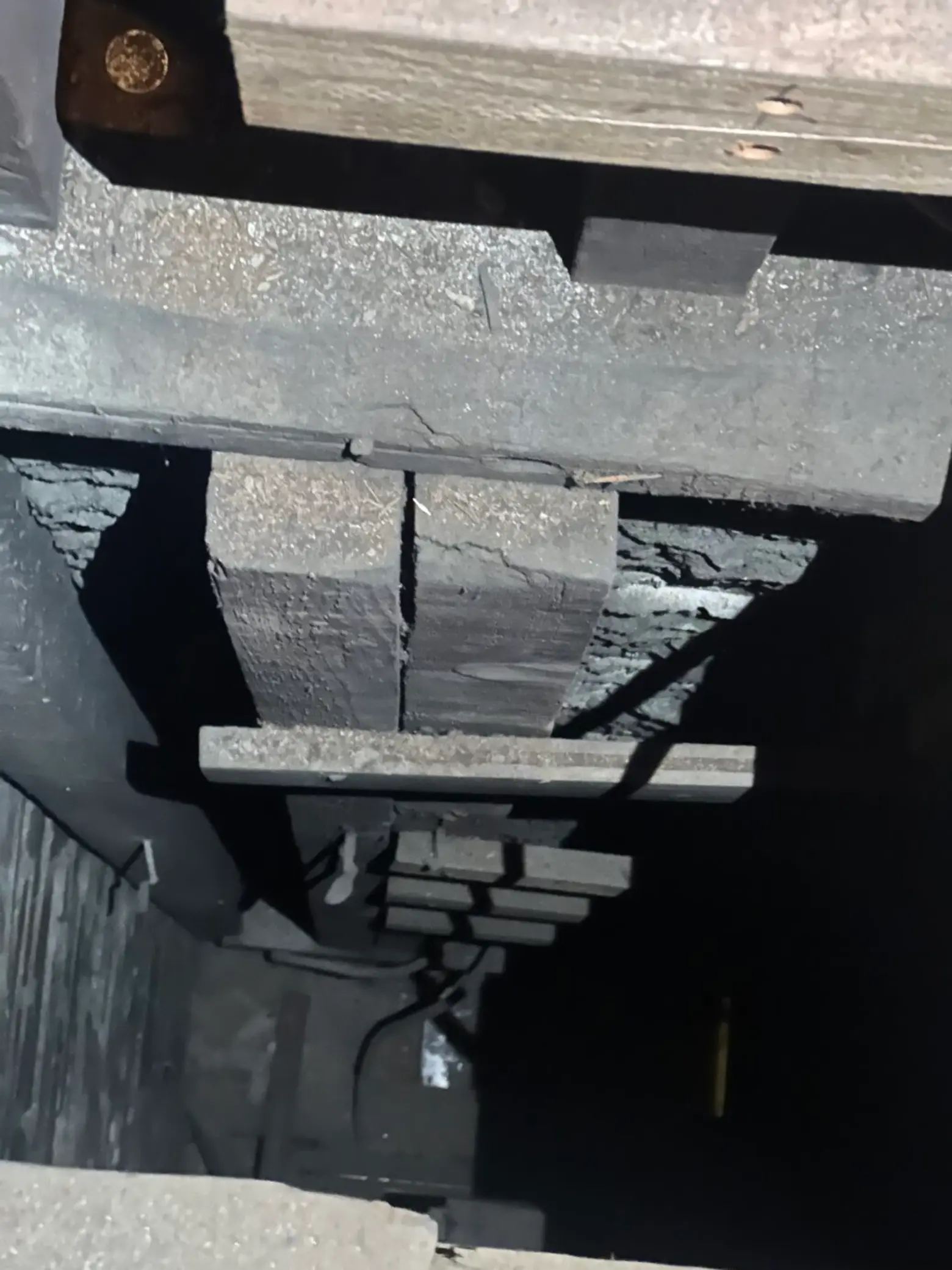
A previously unknown site connected to the Underground Railroad was discovered in Manhattan this week. The Merchant’s House Museum, a well-preserved 19th-century home-turned-museum on East 4th Street in Noho, unveiled a narrow passageway hidden beneath a built-in chest of drawers on the second floor that descends 15 feet to the ground floor. As NY1 first reported, the link to the Underground Railroad is the first uncovered in the city in over a century.
The Federal-style four-story brick home was built in 1832 by Joseph Brewster. The home, which has Greek Revival interiors, belonged to the Treadwell family for over 100 years before becoming a house museum in 1936. With over 3,000 items and well-preserved rooms, the museum offers a glimpse of what life was like for a wealthy merchant-class family, and their Irish servants, during 19th-century New York.
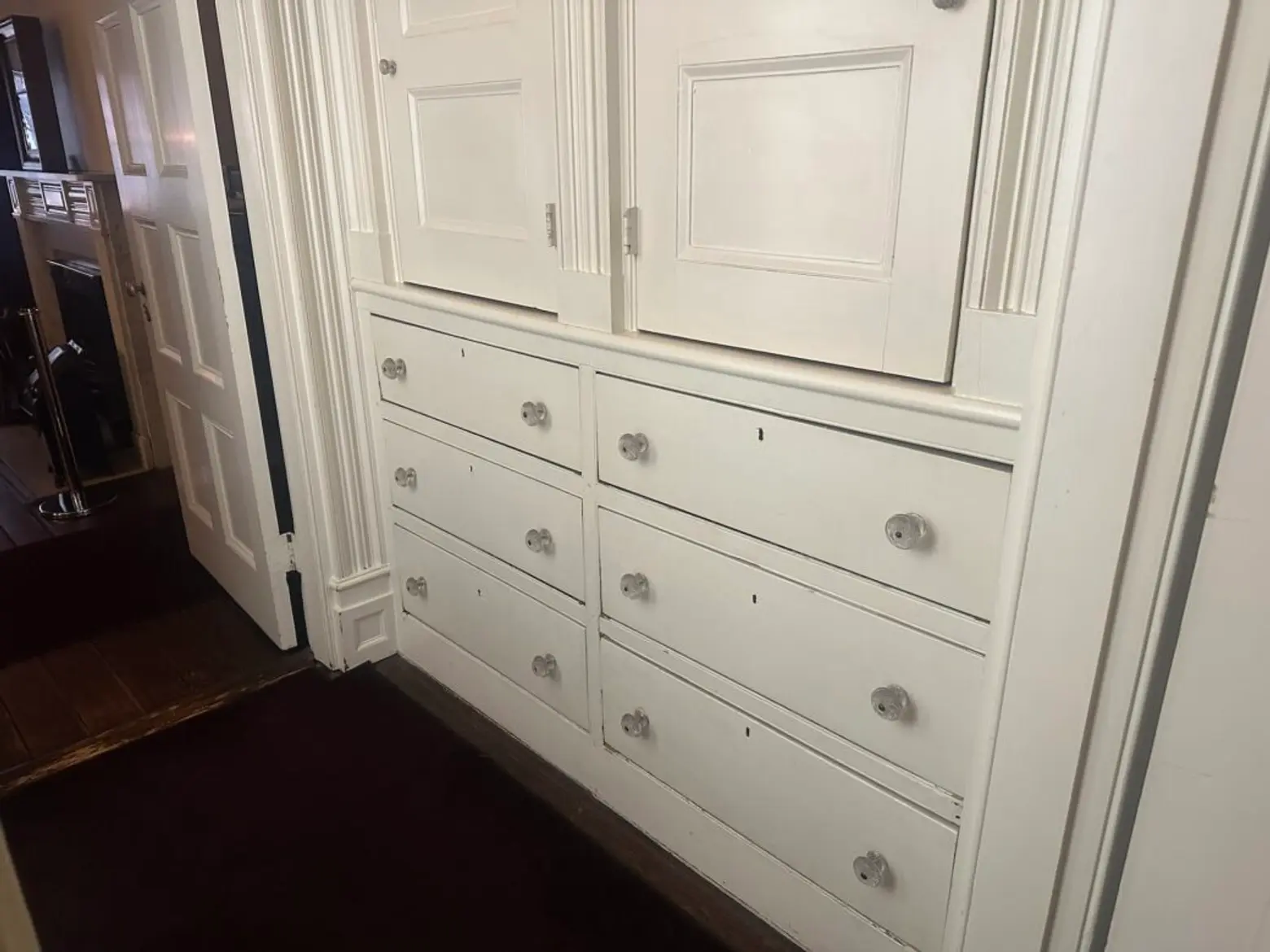
On the second floor, hidden beneath a built-in chest of drawers, is a two-foot square that drops 15 feet to the ground floor. The museum was aware of the passageway but “didn’t really know what we were looking at,” Camille Czerkowicz, the curator for the Merchant’s House Museum, told NY1.
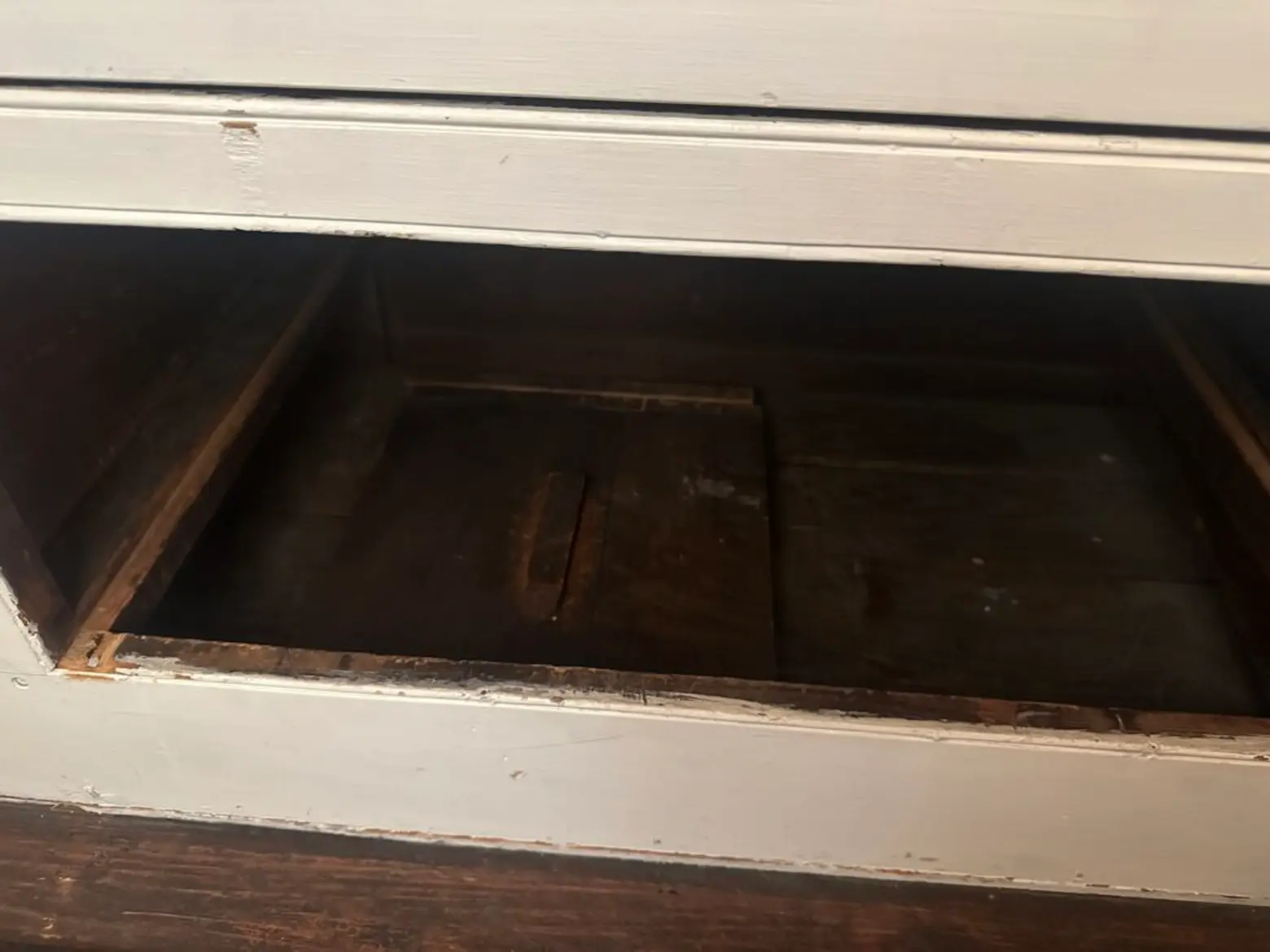
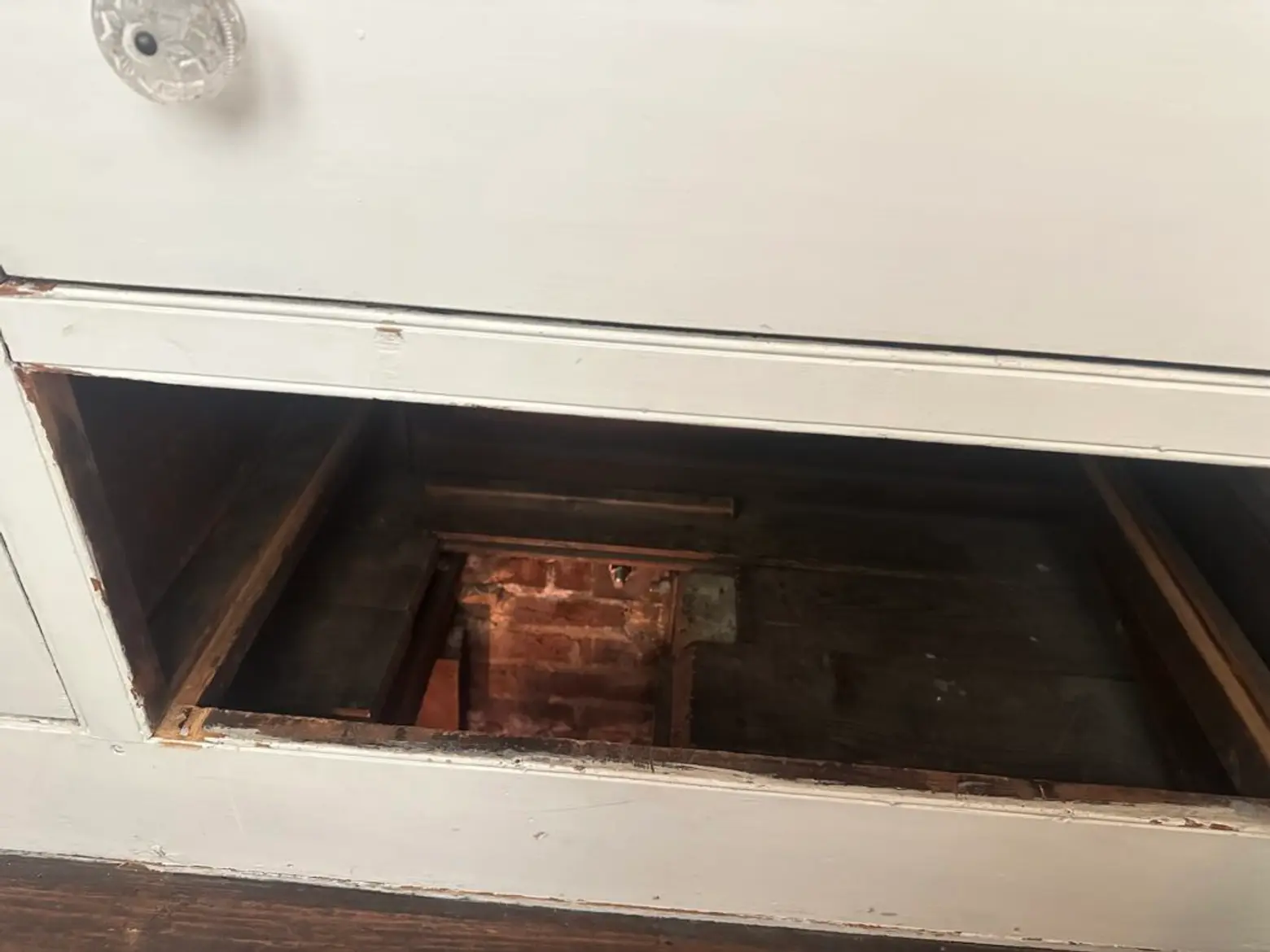
After two years of research by architects and preservationists, the museum determined that Brewster, a noted abolitionist, had built the shelter when he constructed the house to conceal enslaved people seeking freedom, making the building the earliest known site of Underground Railroad activity in New York City.
According to the museum, the passageway is an “architectural anomaly,” as no other houses from the same era have similar corridors.
“Given how very, very few physical traces of the Underground Railroad survive anywhere in the U.S., the existence and physical integrity of this space give the 1832 landmark Merchant’s House additional magnitudes of incalculable historic significance,” Patrick Ciccone, an architectural historian, said.
For roughly 200 years, between 1626 and 1827, New York was home to more enslaved Africans than almost every other city in the country. But after the state abolished slavery in 1827, four decades before the Emancipation Proclamation, the city and surrounding region became a major hub of abolitionist activity, with anti-slavery organizations and activists creating a network of churches, safe houses, and tunnels that helped fugitive slaves reach freedom.
While many of NYC’s original Underground Railroad stops no longer exist, a few remain today, including Plymouth Church in Brooklyn Heights, nicknamed the “Grand Central Depot,” and the Staten Island home of Dr. Samuel Mackenzie Elliot. In Manhattan, two buildings with documented abolitionist history have been designated as landmarks: the Hopper-Gibbons House in Chelsea and 2 White Street, home to abolitionist Theodore S. Wright.
The museum plans to expand the story of the building to include the abolitionist movement and the early Underground Railroad.
“Many New Yorkers forget that we were a part of the abolitionist movement, part of the Civil Rights movement,” Council Member Christopher Marte said.
“This hidden passageway is physical evidence that really shows New York City’s connection to what happened in the south, what happened during the Civil War, and what’s still happening today. … It has to be protected.”
RELATED:
Get Insider Updates with Our Newsletter!
Leave a reply
Your email address will not be published.





I would have loved to seen photos of what’s at the bottom of that drop you said it took me down to the first floor but then where does it go.
we have Shanghai tunnels all over in Portland. I love exploring stuff like this.
Thank you for sharing a part of History God Bless ❤️
Thank you I mean really thank you for this article Marisha Sallis in Memphis, TN….it just gives a voice to the voiceless
Thank you for this information!
my grandmother told me about one in Worcester, Mass. She found it by accident when she worked at Mechanics Hall. It was connected to their basement.
Great article. History books in school briefly touched on slavery and nothing about the underground RR. Learned about it from library visits… Harriet Tubman, Frederick Douglass… fascinating part of history