
City Living

July 17, 2017

Beekeeping finds a home throughout NYC’s five boroughs

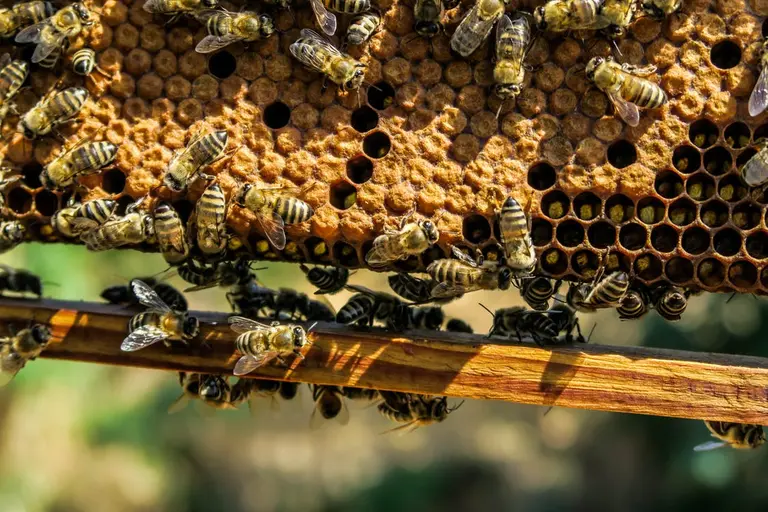
On June 1, the United Nations joined a growing local trend—they installed three apiary yards, better known as beehives, on their grounds in midtown Manhattan. The UN is hopeful that by summer’s end, their 150 bees will turn into a thriving colony of 250,000 bees. If this happens, the UN bees will not be alone. There are millions of bees buzzing around the five boroughs and not only in the backyards of earthy residents in neighborhoods like Park Slope and Greenpoint. From the rooftops of high-rises in Manhattan to community gardens stretching from the Bronx to Staten Island, New York City is home to thousands of active beehives, but this wasn’t always the case Prior to a 2010 ruling, beekeeping existed in the five boroughs but only under the radar. At the time, the city deemed beekeeping to be as dangerous as keeping cobras, tarantulas, or hyenas on one’s property. Indeed, if caught, underground beekeepers faced hefty fines of up to $2000. Since the 2010 ruling that legalized beekeeping, both bees and beekeepers have been on the rise citywide and so have organizations and services designed to help residents explore apiculture.
learn more about beekeeping in the city
July 13, 2017

The top 10 neighborhoods NYC artists are moving to

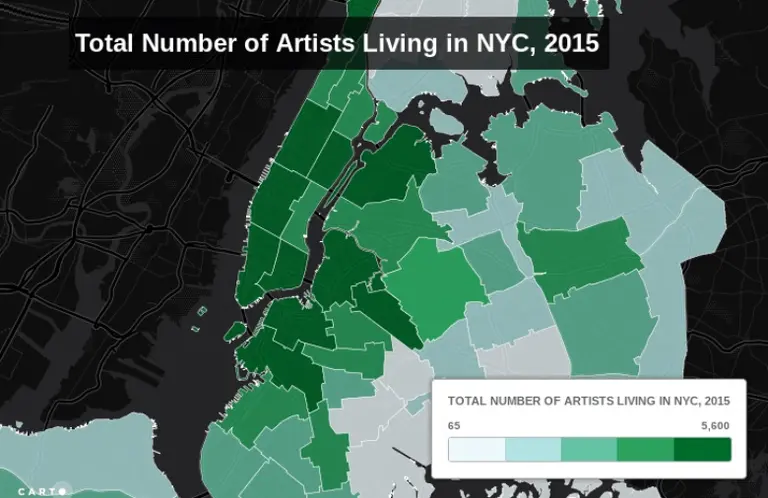
According to a new analysis by the Center for an Urban Future (CUF), the number of artists in New York City has grown in almost every discipline, borough and neighborhood between 2000 and 2015. Citywide, the number of artists has increased by an all-time high of 17.4 percent, to 56,268 as of 2015. Since 2000, the Bronx saw the number of visual and performing artists nearly double, to 2,920 from 1,524, while Manhattan saw a decline of 10 percent, from 28,454 artists to 25,650. On the other hand, Brooklyn grew 72 percent to 17,605, Queens grew at 35 percent to 8,726 and Staten Island experienced an 8 percent growth to total 1,367 in 2015.
Find out more
July 13, 2017

Dry ice and solar power to be used in city’s $32M rat battle

Mayor Bill de Blasio declared Wednesday that he wanted "more rat corpses" in a $32 million crusade to rid the city's most plagued neighborhoods of the scurrying scourge. The New York Times reports that parts of lower Manhattan, the Bedford-Stuyvesant neighborhood of Brooklyn and the Grand Concourse in the Bronx are the focus of the latest campaign that hopes to reduce the number of rats in those areas by 70 percent by the close of 2018. Among the battle's newly-forged weapons are 336 $7,000 solar-powered rat-proof garbage bins and an EPA-approved–and apparently very effective–method of killing rats in their holes using dry ice.
Psst...hey...pizza over here
July 12, 2017

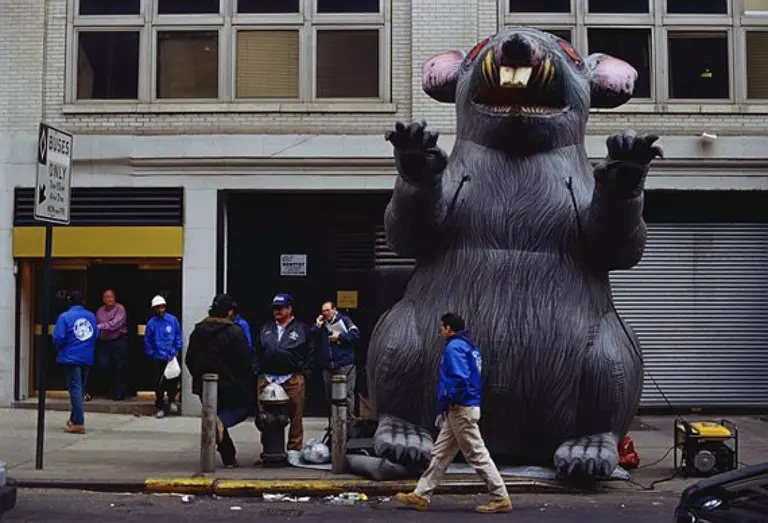
The story behind ‘Scabby the Rat,’ NYC’s symbol of unionized labor

Despite a nationwide decline in union membership, New York City continues to defy this trend. The number of city workers who belong to unions has risen for the last three years in a row, growing from 21.5 percent of all workers to 25.5 percent in 2016. And because of this high number of unionized employees, city residents have become even more familiar with Scabby the Rat--one of the most recognizable symbols of unions. The giant inflatable rodent, with its sharp buck teeth and beady red eyes, has been a staple of union construction protests in NYC and across the country for decades, and if there's a development project that enlists nonunion labor in New York, expect to see Scabby out on the street.
Find out more about Scabby's story

July 10, 2017

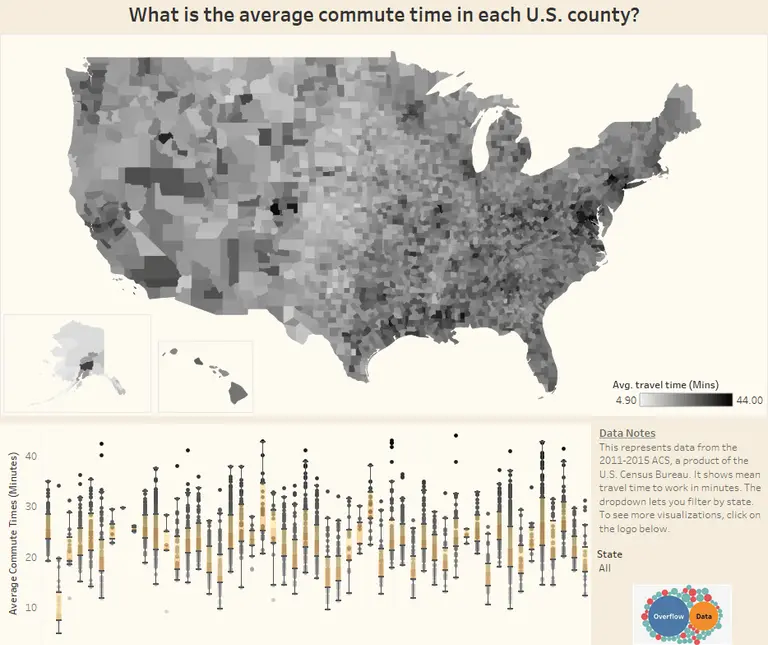
Interactive map reveals how your daily commute time compares with the nation’s worst

For something to ponder while trapped in subway hell or highway gridlock, a detailed visualization by statistician Chase Sawyer shows typical commute times clocked in every U.S. county, based on census data from 2011-2015. Citylab reports on the findings revealed therein; for example, we probably could guess that the top 10 easy-peasy commutes were in Alaska (where you can always find a seat on the subway), but you may not have guessed that Pike County, Pennsylvania has the worst transit time at an average of 44 minutes.
Find out how your daily trek stacks up
July 2, 2017

VIDEO: Drone footage takes this love letter to New York City to a new level

From the concrete canyons of Midtown to verdant outcroppings deep in Central Park and everything in between, NYC unfolds in a suitably epic series of moments in this live-action love letter created by Wasatch aerial drone photography specialists. A drone camera sails above it all on metal wings, capturing the city, its architecture and its creatures large and small at rest, work and play.
READ MORE
June 28, 2017

INTERVIEW: The NYC LGBT Historic Sites Project talks gay history and advocacy in NYC

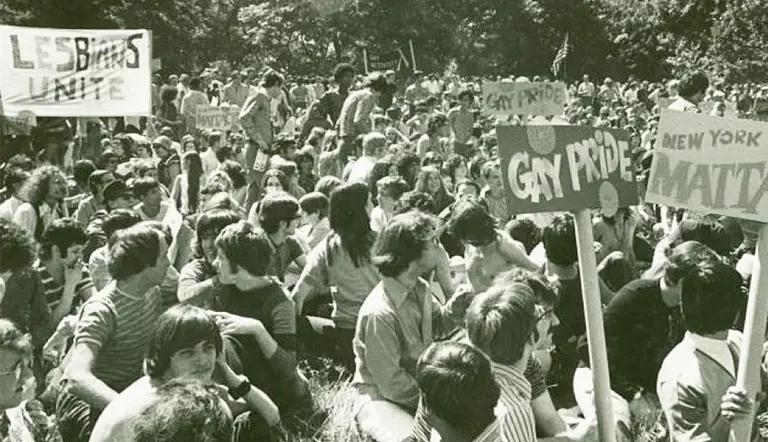
"Where did lesbian, gay, bisexual, and transgender (LGBT) history happen in New York City? In what buildings did influential LGBT activists and artists live and work, and on what streets did groups demonstrate for their equal rights?" These are the questions that the NYC LGBT Historic Sites Project is answering through a first-of-its-kind initiative to document historic and cultural sites associated with the LGBT community in the five boroughs. Through a map-based online archive, based on 25 years of research of advocacy, the group hopes to make "invisible history visible" by exploring sites related to everything from theater and art to social activism and health. To mark Pride Month, 6sqft recently talked with the Historic Sites Project's directors--architectural historian and preservation professor at Columbia Andrew S. Dolkart; historic preservation consultant Ken Lustbader; and former senior historian at the NYC Landmarks Preservation Commission Jay Shockley--along with their project manager, preservationist Amanda Davis, about the roots of the initiative, LGBT history in NYC, and the future of gay advocacy.
Read the interview here
June 28, 2017

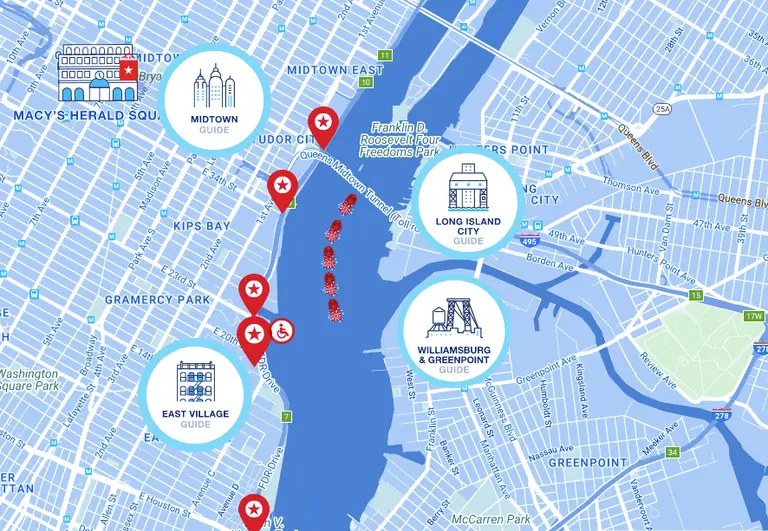
Map: Where to watch the Macy’s fireworks this July 4th

Here's a handy guide outlining some prime spots for experiencing Macy's Fourth of July live fireworks extravaganza this Tuesday evening; in addition, the folks that put on the show have provided a helpful interactive neighborhood finder so you're well situated when things go boom. Take a fun quiz here, then find out the best spots to watch from. Or just check out some prime spots here.
More info this way
June 27, 2017

Recent breakdown spurs demand for better subway escape plans

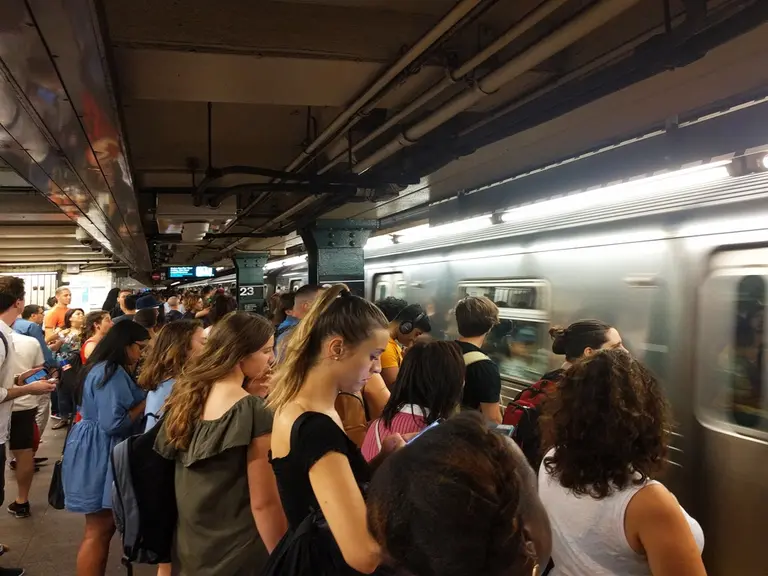
After experiencing a big dose of the NYC “train pain” that seems to be reaching epidemic proprtions lately, subway passenger Michael Sciaraffo has launched a campaign against the MTA for what he feels are lousy safety standards. After being “trapped on a sweltering F train" that got stuck in a tunnel during a recent “colossal breakdown,” Sciaraffo was mad enough to demand that straphangers be provided with a better protocol for escaping to safety in the event of a mass emergency. The city's already-strained subway system moved 5.6 million passengers a week 2016, leading to a reported 70,000 delays per month over the last five years according to NBC New York.
So how do we get out of this thing?
June 26, 2017

INTERVIEW: Architect Thomas Kosbau on the exciting future of sustainable design in NYC

Since Thomas Kosbau began working for a New York consultancy firm running its sustainable development group, in 2008, much has changed in the city's attitude toward green design. Kosbau has gone from "selling" the idea of LEED certification to building developers, to designing some of the most innovative sustainable projects in New York to meet demand. He founded his firm, ORE Design, in 2010. Soon after, he picked up two big commissions that went on to embody the firm's priority toward projects that marry great design alongside sustainability. At one commission, the Dekalb Market, ORE transformed 86 salvaged shipping containers into an incubator farm, community kitchen, event space, community garden, 14 restaurants and 82 retail spaces. At another, Riverpark Farm, he worked with Riverpark restaurant owners Tom Colicchio, Sisha Ortuzar and Jeffrey Zurofsky to build a temporary farm at a stalled development site to provide their kitchen with fresh produce. From there, ORE has tackled everything from the outdoor dining area at the popular Brooklyn restaurant Pok Pok to the combination of two Madison Avenue studios. Last November, ORE launched designs for miniature indoor growhouses at the Brooklyn headquarters of Square Roots, an urban farming accelerator.
ORE's latest project
June 21, 2017

Top architects and engineers present solutions for NYC’s soon-to-explode population

As more and more people move to the Big Apple, the city is running out of room to house all of them. According to Mark Ginsberg of Curtis & Ginsberg Architects, even if the city were developed to the maximum capacity legally allowed, this would still only be enough room to house 9.5 million New Yorkers. Building up every square foot that has been zoned for development is impossible and the city’s population is projected to pass 9 million by 2040. At a real estate conference hosted by Crain’s last week architects from five different firms laid out their plan to serve the city’s swelling population and each focused on a specific borough.
See the proposals
June 15, 2017

City announces $106M plan to keep neighborhoods cool this summer

After a few days of extreme heat, Mayor de Blasio launched a $106 million initiative on Wednesday to protect New Yorkers from the risks of dangerously high temperatures this summer. The Cool Neighborhoods program aims to lessen the effects of the “urban heat island effect,” a problem that occurs in New York City due to its abundance of heat-holding asphalt and concrete and lack of greenery. According to Gothamist, to reduce heat-related health risks and deaths, the city plans on planting more trees on streets and in parks, supporting forest restoration efforts and painting roofs of homes in vulnerable areas with reflective white paints.
Find out more

June 14, 2017

New private school brings top global academic program to NYC’s Upper West Side

BASIS Independent Manhattan, a K-8 private school teaching the acclaimed BASIS Curriculum, is opening this fall in a 45,000-square-foot school at 795 Columbus Avenue. Although new to NYC, BASIS Curriculum Schools is no strangers to praise. Steadily since 1998, they've grown their network to 28 campuses around the world while gathering many accolades, including that of U.S News and World Report. This year, BASIS Curriculum Schools was ranked #5 on the publication's list of the "Top 10 Best High Schools in the Country." Designed with the modern child in mind, BASIS Independent's upcoming Manhattan campus will feature state-of-the-art facilities that support everything from daily physical education in the elementary grades, multiple recess breaks, weekly engineering sessions, and, for middle school students, the study of chemistry, physics, and biology in a laboratory setting. Indeed, thoughtful spaces designed to elevate performance are at BASIS Independent's heart, and they work in tandem with the school's curriculum developed to provide students with the strongest academic foundation—and for a fraction of the tuition expected in NYC, at that. Ahead, Head of School Jesse Rizzo shares how the upcoming New York City schoolhouse has been designed to help create and fortify Manhattan’s next school community.
find out more about BASIS' Manhattan school here
June 7, 2017

The MTA considers a ‘car-free busway’ as L-train alternative

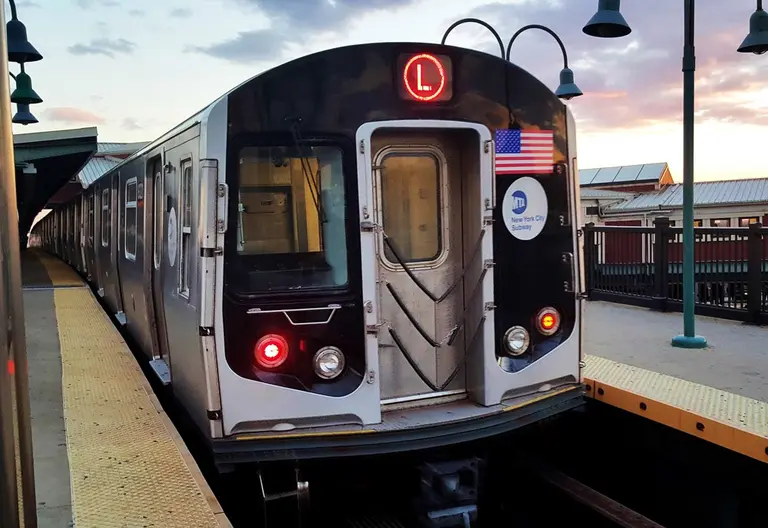
L train via Wiki Commons To mitigate the nightmare commuters will face during the 15-month L-train shutdown, the MTA and the Department of Transportation presented four possible alternatives that would make a portion of 14th Street a car-free busway. Streetsblog NYC reported that during a Manhattan Community Board 6 meeting on Monday, the agencies laid out the following options: a standard Select Bus Service (SBS) along 14th Street, enhanced SBS that includes turn and curb restrictions, a car-free busway in the middle lanes along 14th and a river-to-river car-free busway. Agency officials predict between 75 and 85 percent of the daily 275,000 daily L riders will use other subway lines, with bus service possibly absorbing between 5-15 percent of displaced trips.
Find out more
June 5, 2017

An NYU project hopes to virtually track 10,000 New Yorkers for 20 years

Beginning this fall, a research project led by a neuroeconomic professor from New York University will follow 10,000 New Yorkers for two decades in hopes of understanding the future of big data and human decision making. The Human Project, developed by Paul Glimcher, will gather a ton of data from residents, including medical records, diet, credit card transactions, social interactions, sleep, educational achievement, blood work, stool and urine samples and even more. As the New York Times reported, the goal is to create an atlas of the entire human experience. With a $15 million budget, the project hopes to start making some findings by 2020.
Find out more
May 24, 2017

‘Sounds of New York’ uses city noise to improve your focus

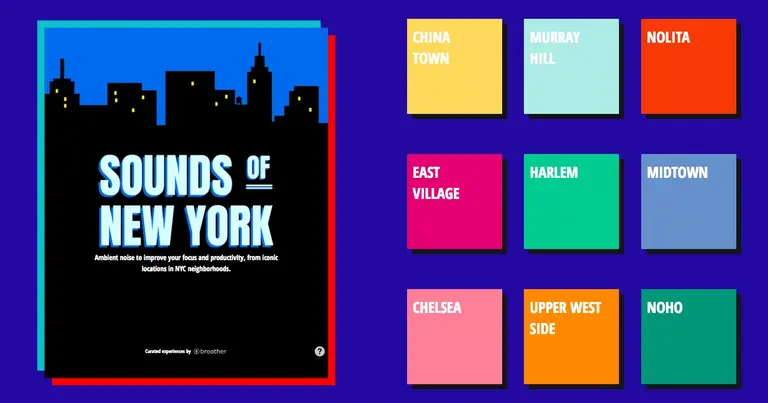
As a tribute to New York City, Breather, a company with rentable workplaces worldwide, developed a website that lets you listen to the sounds of different city neighborhoods and iconic Big Apple locations. Called Sounds of New York, ambient noises play in the background to help workers concentrate on their daily tasks. Enhance your productivity by listening to the atmospheric sounds of the Strand bookstore, McSorley’s Ale House, Zabar's, the Comedy Cellar, the Oculus, or Harlem’s Apollo Theater all from the comfort of your office.
Find out more
May 22, 2017

From shipping hub to waterfront wonder, the history of Brooklyn Bridge Park with Joanne Witty

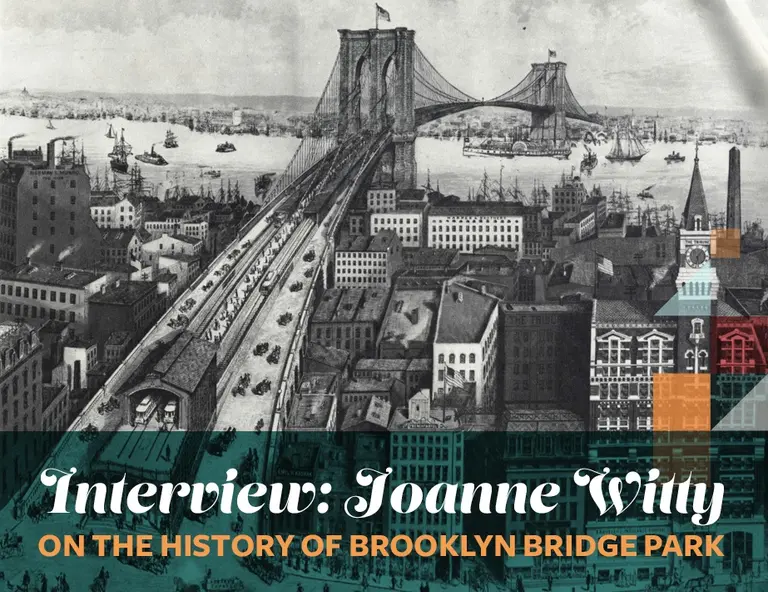
134 years ago, the opening of the Brooklyn Bridge transformed the Brooklyn waterfront, not to mention the entire borough, by providing direct access into Kings County from Lower Manhattan. The opening only boosted Brooklyn's burgeoning waterfront, which became a bustling shipping hub for the New York Dock Company by the early 1900s. Business boomed for several decades until changes in the industry pushed the shipping industry from Brooklyn to New Jersey. And after the late 1950s, when many of the warehouses were demolished to make way for construction of the Brooklyn-Queens Expressway, the waterfront fell into severe decline. New Yorkers today are living through a new kind of Brooklyn waterfront boom, heralded by the Brooklyn Bridge Park. Ideas to transform the abandoned, run-down waterfront into a park seemed like a pipe dream when the idea was floated in the 1980s, but years of dedication by the local community and politicians turned the vision into reality. Today, the park is considered one of the best in the city.
continue reading here
May 15, 2017

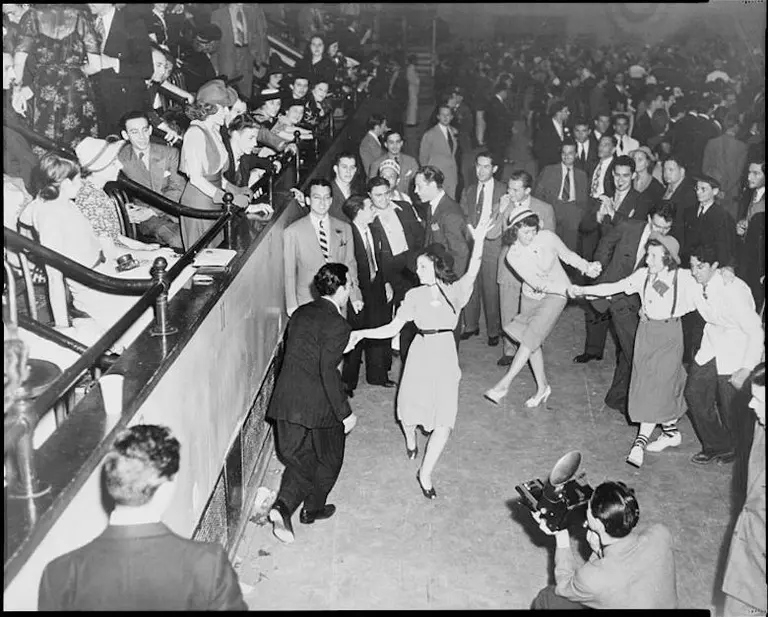
New petition seeks an end to NYC’s controversial dancing ban

In reference to a movement that has been gaining momentum in recent months, Grubstreet reports on a petition to repeal the city’s archaic–and racially motivated in its origins–1926 Cabaret Law that requires an establishment to have a city license if more than three patrons want to move their feet. According to New York City Department of Consumer Affairs, “A Cabaret License is required for any business that sells food and/or beverages to the public and allows patron dancing in a room, place, or space.” The law, which prohibits any and all dancing in a business establishment without a Cabaret License, was originally aimed at jazz clubs born during the Harlem Renaissance.
Racist origins and selective enforcement
May 15, 2017

MTA releases ‘Baby on Board’ buttons for pregnant subway riders

In the "ideas from abroad" column, the Metropolitan Transit Authority will begin offering pregnant riders a better shot at getting a seat on packed subway cars by way of a big yellow and blue button that reads "Baby on Board" and bears the MTA logo in an attempt to encourage passengers to offer up their seats, the NYTimes reports. Reportedly the idea began in London, where the underground has had a similar program in place for pregnant riders since 2005. Kate Middleton, now Duchess of Cambridge, got some public attention when she wore one on the Tube in 2013. Officials said about 130,000 buttons are distributed on the London transit system every year.
Worse than manspreading
May 12, 2017

Official NYC dog name map reveals most popular pooch names by neighborhood

There’s almost no end to the amount of information you can find out about folks in your neighborhood, from two-legged to four, right down to which streets harbor the biggest poop non-scoopers. Now you can find out what name your neighbor's pet is likely to answer to (h/t Brick Underground): A newly-released official NYC dog name map shows the city's most popular dog names as well as the most common names unique to each neighborhood, based on 2016 registered dog license data.
More doggie demographics this way
May 12, 2017

INTERVIEW: Urban archaeologist Joan Geismar on the artifacts she’s dug up across New York

Joan Geismar boasts a job that'll make any urban explorer jealous. For the past 32 years, she's operated her own business as an archaeological consultant, digging underneath the streets of New York City to find what historical remnants remain. Her career kicked off in 1982, with the major discovery of an 18th-century merchant ship at a construction site near the South Street Seaport. (The land is now home to the 30-story tower 175 Water Street.) Other discoveries include digging up intact remnants of wooden water pipes, components of the city’s first water system, at Coenties Slip Park; studying the long-defunct burial ground at the Brooklyn Navy Yard; and working alongside the renovation in Washington Square Park, in which she made a major revelation about the former Potter's Field there. With 6sqft, she discusses what it felt like unearthing a ship in Lower Manhattan, the curious headstone she found underneath Washington Square Park, and what people's trash can tell us about New York history.
The full interview ahead
May 9, 2017

New research shows that people are choosing Citi Bikes over the bus

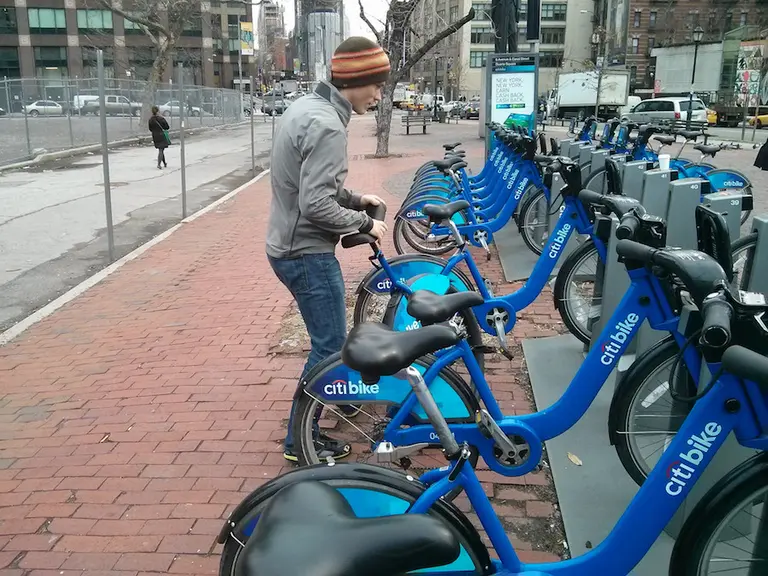
A new before-and-after study shows that in New York City thousands of potential bus rides are likely happening by bike instead, reports CityLab. Recent research published in a new journal article on bike sharing stations along city bus routes, by Kayleigh Campbell and Candace Brakewood, an assistant professor of civil engineering at the City College of New York, revealed that for every thousand Citi Bike docks situated along Brooklyn and Manhattan bus routes, bus trips dropped by 2.42 percent. The study includes trips made between May 2012 and July 2014 and controls for a wide variety of factors in order to show the impact of bike sharing on bus ridership.
Find out more
May 5, 2017

This interactive map lets you find out your neighbors’ finances

Designed for the busybody in all of us, a new interactive map provides information about our neighbors' finances. Designed by student loan marketplace LendEDU, it shows the average income level, credit card and student loan debt, mortgage debt, and auto loan balances in every NYC neighborhood (h/t Brick Underground). While the Upper West Side, Tribeca, Battery Park and Lenox Hill all made the list for highest-earning areas, the highest credit ratings were all in Queens; Breezy Point, Douglaston and Clearview all had some of the best credit scores.
The 'hoods with the highest student loan debt may surprise you
May 5, 2017

Interview: Developer Ben Shaoul on 196 Orchard Street, his Lower East Side condo rising next to Katz’s

Ben Shaoul founded Magnum Real Estate Group in 1999, focused on renovating small, rundown rental apartments. After growing its portfolio extensively over the past five years to includeretail properties, condos, and even a dormitory, the firm is now one of the city’s leading ground-up development companies. Their impressive portfolio includes 389 East 89th Street on the Upper […]

May 2, 2017

Mapping New York City’s 280 miles of scaffolding

Sidewalk sheds, or scaffolding, are so pervasive in New York City they almost become part of a neighborhood’s landscape. While used to protect people from falling debris, scaffolding continues to be an omnipresent eyesore that blocks sunlight and views, attracts crime and slows foot traffic. Now, thanks to a new map by the city’s Department of Buildings, residents can explore more than 7,700 sidewalk sheds, each labeled with a color-coded dot highlighting the reason for its construction, its age, and its size. As the New York Times covered, there are currently 280 miles of sidewalk scaffolding in front of 7,752 buildings in the city (way up from the 190 miles we covered just a little over a year ago), which is enough to encircle Manhattan nearly nine times.
Find out more