History

July 18, 2018

The history of Weeksville: When Crown Heights had the second-largest free black community in the U.S.

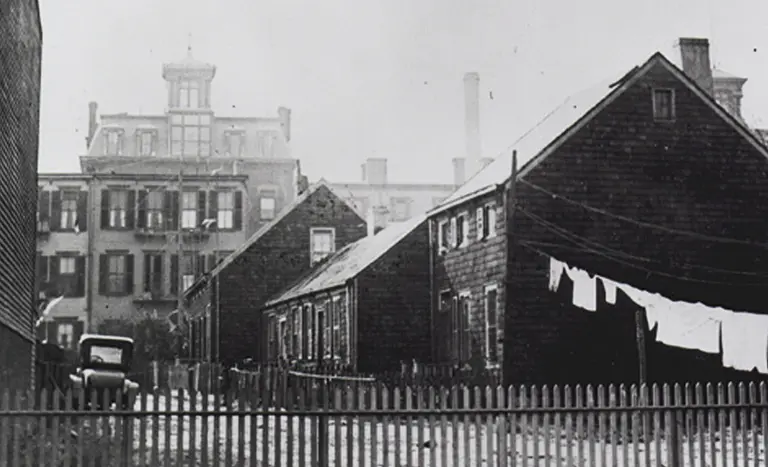
It’s a mighty sounding moniker, but the name “King’s County” also speaks to Brooklyn’s less-than-democratic origins. At the turn of the 19th century, the city of Brooklyn was known as the “slaveholding capital” of New York State and was home to the highest concentration of enslaved people north of the Mason-Dixon Line. But, after New York State abolished slavery in 1827, free black professionals bought land in what is now Crown Heights and founded Weeksville, a self-supporting community of African American Freedman, which grew to become the second-largest free black community in Antebellum America. By 1855, over 520 free African Americans lived in Weeksville, including some of the leading activists in the Abolitionist and Equal Suffrage movements.
More about free black Brooklyn
July 16, 2018

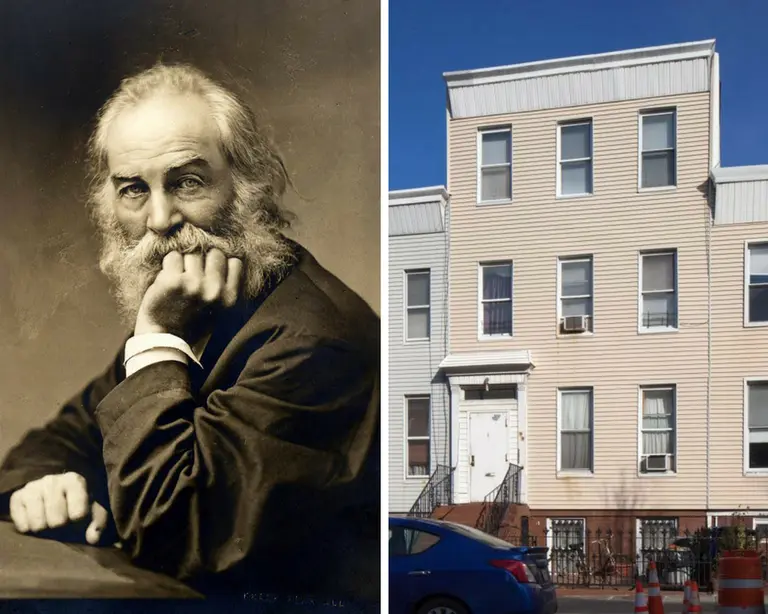
Preservationists, LGBT groups push Landmarks to designate Walt Whitman’s Clinton Hill home

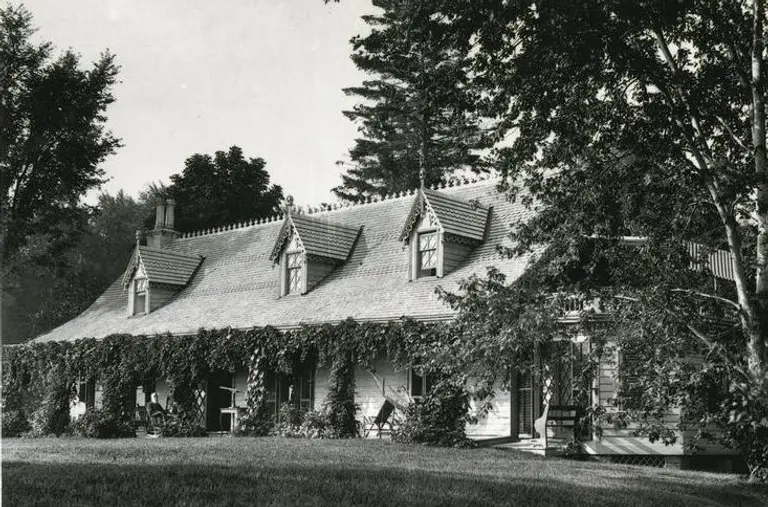
A coalition of preservationists, LGBT groups and literary experts is asking the Landmarks Preservation Commission to reassess their decision last year to not landmark Walt Whitman's Brooklyn home, the last residence of the 19th-century poet remaining in New York. Located at 99 Ryerson Street in Clinton Hill, the home was where Whitman and his family lived between May 1, 1855 and May 1, 1856. While living at the home, Whitman wrote "Leaves of Grass," a collection of poems considered to be one of the most significant American works ever. The home is also one of the earliest extant buildings in NYC associated with a member of the LGBT community.
More here
July 16, 2018

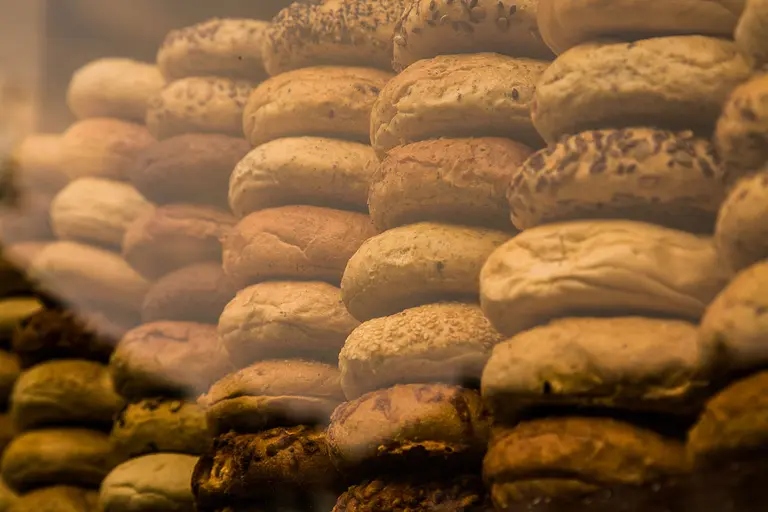
The New York bagel: The ‘hole’ story from history and chemistry to where you’ll find the good ones

A few international symbols of New York City–like the tough cabbie, the expensive apartment and the pizza-snatching rat–need no explanation and are too scary to think about except when absolutely necessary. Others, like the humble-yet-iconic bagel, possess New York City cred, but when asked, most people can’t quite come up with a reason. Bagels weren’t invented in New York, but the party line is that if they're made here, they’re better than anywhere. Some say it’s the water; others chalk it up to the recipe, the method, ethnic preference or all of the above. What’s the story behind the New York bagel? Who are the true bagel heroes? What makes a great bagel great? And those frozen bagels? Blame Connecticut.
Bagel squirrel vs. Pizza rat
July 11, 2018

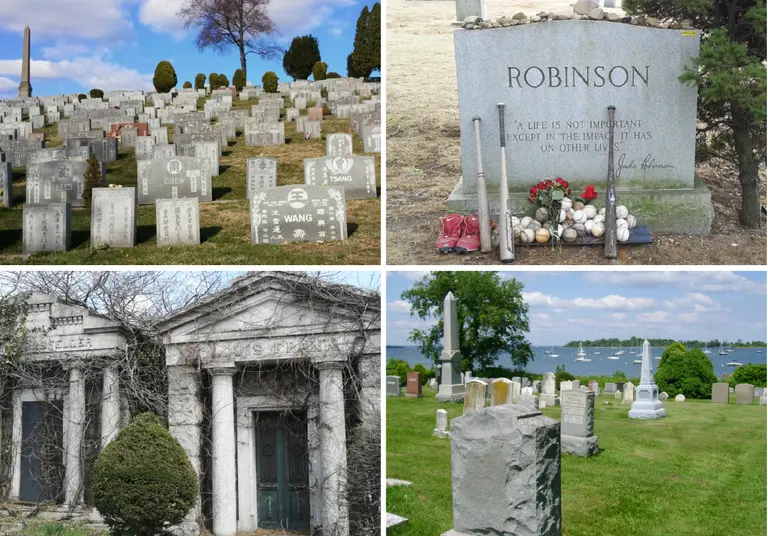
INTERVIEW: Meet Mary French, the woman archiving New York City’s 140 cemeteries

In a city as tight as New York, it's no surprise we've long struggled to figure out what to do with our dead, from acres-wide cemeteries to those wedged into forgotten slivers of city blocks. The city now boasts 140 cemetery sites, and Mary French has visited them all. Mary is the author of the New York City Cemetery Project, a chronicler of "the graveyards of this great city." Though cemeteries may come with dark connotations, Mary sees them as prime opportunities to understand the history of New York. As she explains on her website, "For those with a passion for culture and history and a curiosity about the unknown, cemeteries are tantalizing spots that provide a wellspring of information about individual lives, communities, religions, and historic events." On NYC Cemetery Project you can read the histories of existing and long-gone cemeteries and the interesting New Yorkers living six feet under, alongside a trove of historic photos and maps. It's a labor of love (and intense research) for Mary, who has a background in anthropology and library science. With 6sqft, Mary explains what first attracted her to the cemeteries of New York and what it's like delving into their past. She also explains why she thinks many might be lost to the pressures of development in New York.
Read the interview
July 2, 2018

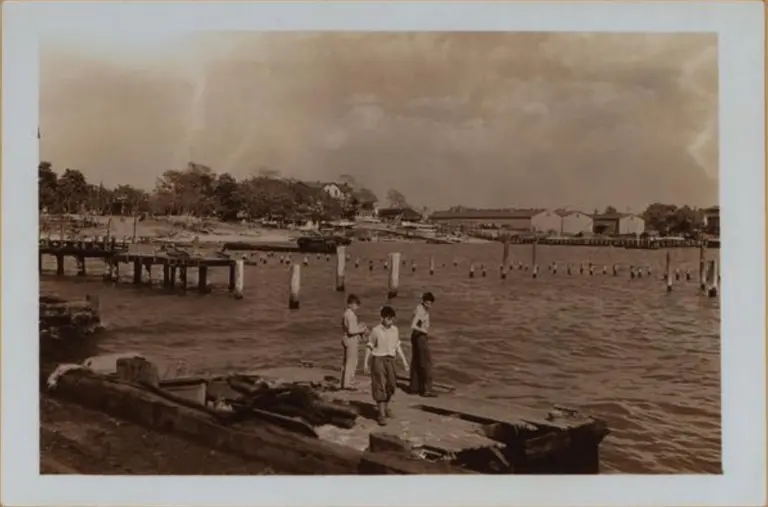
Before the Belt: Looking at Brooklyn’s lost bay in Gravesend

In the curve of Brooklyn between the Narrows and the borough's southwestern edge at Sea Gate, there is a lesser loved body of water called Gravesend Bay. The boundary of what was once Gravesend Town and is now simply Gravesend, among other nabes, was along a wetland of sandhill dunes before it became an oil-saturated trash marsh. Now, it's home to a relatively scenic portion of the Belt Parkway, where the Verrazano Bridge emerges from around the bend or Brooklyn's tip juts into your vision, depending on your direction. Dated photos from the New York Public Library reveal--as old New York photos tend to-- a Bay apart. In part it's likely because the smells and oil sheens of today's bay can't be experienced in these vintage pics. The unimpeded openness of the water, kept from humans only by what appears to be a single giant tube, however, clearly belongs to a Brooklyn long past.
See the Bay back in time
June 29, 2018

Historic fireboat gets marbled ‘dazzle’ design before it sets sail around the NY Harbor this summer

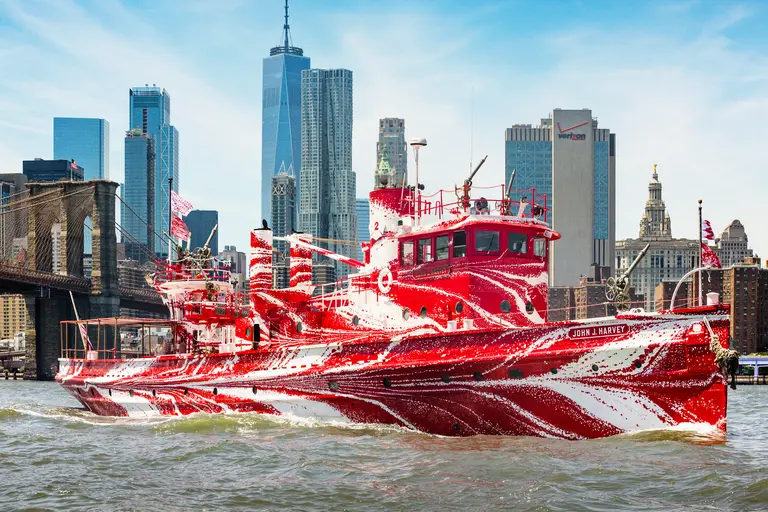
Marking the 100th anniversary of the end of World War I, local artist Tauba Auerbach has transformed a historic fireboat into a modern "dazzle" ship. First invented by British painter Norman Wilkinson during WWI, dazzle camouflage patterns were painted onto ships to distort their forms and confuse enemy submarines. The Public Art Fund and 14-18 NOW, a U.K.-based art program, commisioned the painting of the John J. Harvey fireboat, which first launched in 1931 and helped the FDNY extinguish fires until it retired in the 1990s. "With Flow Separation, I didn't want to ignore the John J. Harvey's identity, so I took the boat's usual paint job and scrambled it. Dragged a comb through it," Auerbach said. "The palette also exaggerates the fact that 'dazzle'  was more about confusing and outsmarting, than about hiding."
Get the dazzling details
June 22, 2018

Exploring NYC’s historic gay residences beyond Greenwich Village

When most people think about gay New York, they naturally think about all the historic sites located in Greenwich Village and its surrounding vicinity. In fact, the LGBTQ community has long lived and made history citywide from the Bronx to Staten Island. To mark the 2018 NYC Pride Celebration, which will take place from June 14 to 24 with the famed Pride March happening this Sunday, 6sqft has compiled a list of just a few historic gay residences located well beyond Greenwich Village.
Learn about 7 of the most influential sites
June 21, 2018

Help preserve the untold stories of the Stonewall Riots by donating personal photos, letters

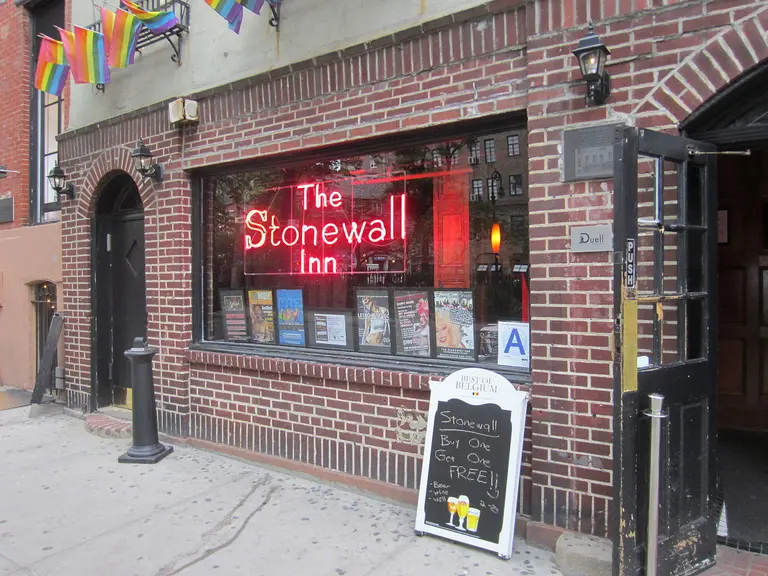
Via Wikimedia Did you participate in the Stonewall Inn Riots of 1969 and the period of LGBTQ activism in New York City between 1968 and 1971? Do you know someone who did? If so, consider contributing pride memorabilia from that moment in history to the Lesbian, Gay, Bisexual & Transgender Community Center, which is compiling a collection to preserve the history of Stonewall. The project, Stonewall Forever, launched last year after Google granted the LGBT Center $1 million to preserve oral histories and experiences of those present during the riots.
Find out more
June 21, 2018

How preservationists and Jackie O got the supreme court to save Grand Central Terminal in 1978

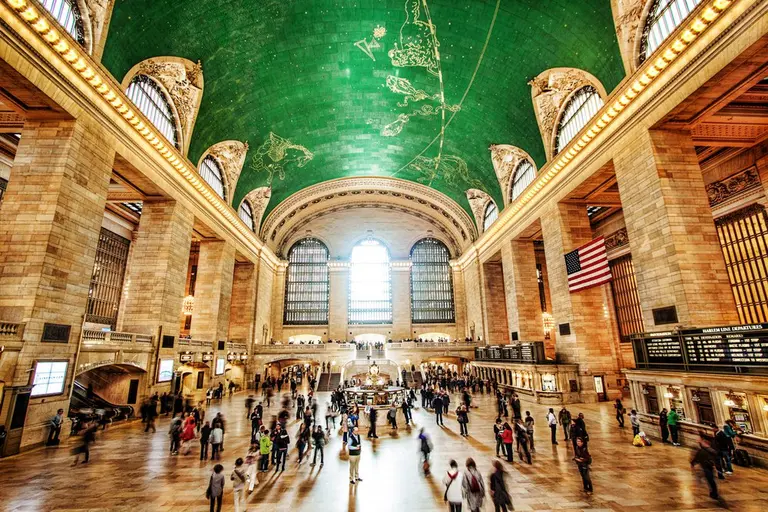
On June 26th, 1978, the U.S. Supreme Court handed down a momentous decision that wouldn't just save a cherished New York landmark, it would establish the NYC Landmarks Law for years to come. This drawn-out court battle was the result of a plan, introduced in the late 1960s, to demolish a significant portion of Grand Central Terminal and erect a 50-story office tower. Though the proposal may seem unthinkable now, it wasn't at the time. Pennsylvania Station had been demolished a few years earlier, with the owners citing rising costs to upkeep the building as train ridership sharply declined. The NYC Landmarks Law was only established in 1965, the idea of preservation still novel in a city practicing wide-scale urban renewal. Finally, Grand Central wasn't in good shape itself, falling apart, covered in grime, and home to one of the highest homeless populations in New York City. But a dedicated group of preservationists--aided by Jacqueline Kennedy Onassis--took the fight to the highest levels of the court. Keep reading to find out how, as well as learn about the celebrations planned by the MTA surrounding the anniversary.
Here's how Grand Central was saved
June 20, 2018

The city wants you to nominate historic NYC women who deserve a public monument

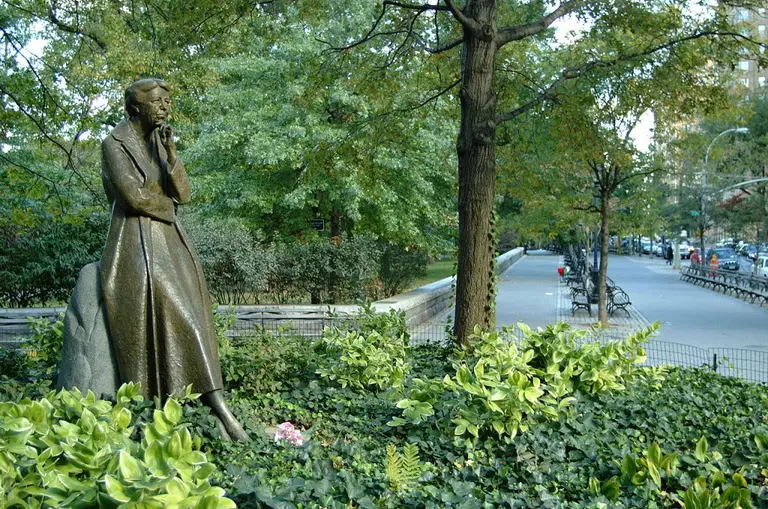
Statue of Eleanor Roosevelt on Riverside Drive is just one of a handful of monuments to women in NYC; via Wikimedia City officials announced on Wednesday an initiative aimed at bringing more commemorations of historic New York City women to public spaces. First lady Chirlane McCray and Deputy Mayor Alicia Glen are seeking ideas of women or events in women's history that should be honored with monuments. The Department of Cultural Affairs has committed up to $10 million for the program, called She Built NYC!. "This is a first step to creating a public art collection that more accurately represents the diversity of New York City's history," McCray told NY1.
Learn more
June 18, 2018

The 1936 ‘Summer of Pools’: When Robert Moses and the WPA cooled off NYC

On June 24, 1936, thousands of Lower East Siders turned out for a spectacle the likes of which New York had never seen. They jammed Hamilton Fish Park, filled Pitt Street, and perched on surrounding fire-escapes and rooftops to get a glimpse. With great fanfare (and the swim stylings of the Jones Beach Water Troupe) Mayor La Guardia and Parks Commissioner Robert Moses officially opened Hamilton Fish Pool. The dedication kicked off New York’s “Summer of Pools.” One by one, for each week of the summer, 11 gleaming outdoor pools, financed and built by the Works Progress Administration (WPA), opened in underserved neighborhoods across the city, providing recreation and relief to millions of heat-addled, Depression-strapped New Yorkers.
Learn more about the summer of 1936
June 15, 2018

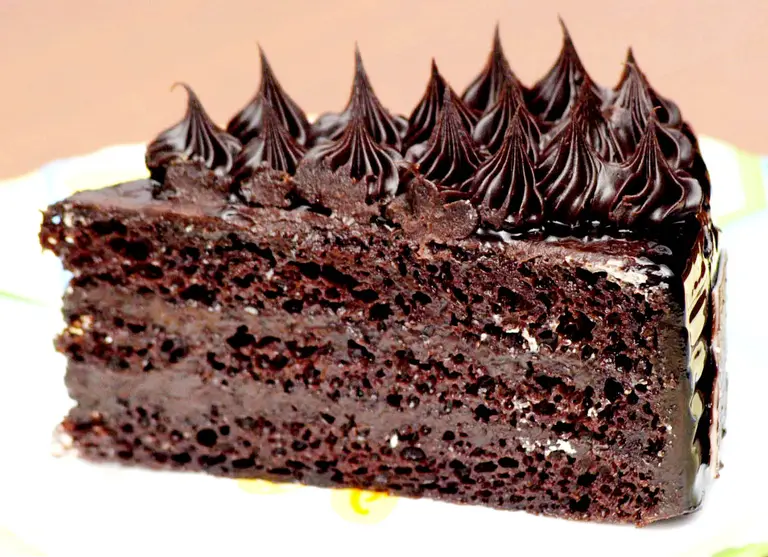
The history of Brooklyn blackout cake: German bakeries and WWII drills

Chocoholics all over the country know Brooklyn blackout cake, a three-tiered devil's food cake with layers of chocolate pudding and chocolate frosting topped with cake crumbs. In recent years, the rich cake has become re-popularized from its heyday in the first half of the 20th century. But most of us who gluttonously indulge in this tasty dessert have no idea where its borough-centric name came from or just how long this confectioner's delight has been around. It all started in 1898 at a German bakery called Ebinger's on Flatbush Avenue in Brooklyn, but it wasn't until World War II that the moniker took hold.
Get the full story here
June 15, 2018

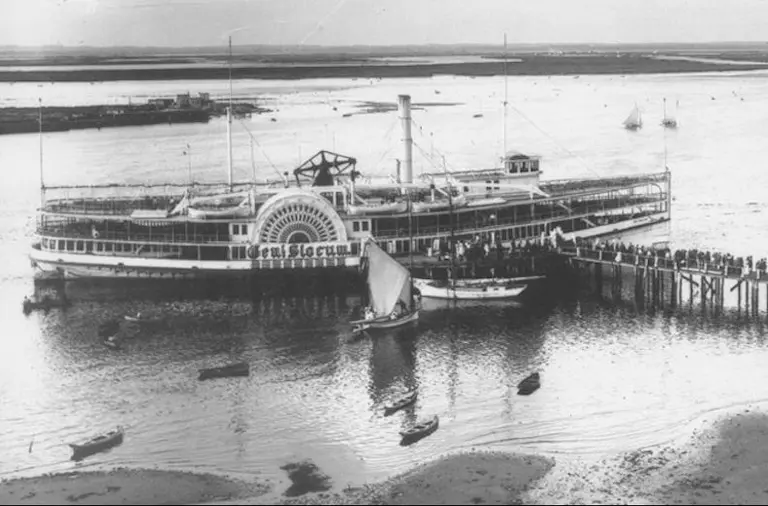
Remembering the worst disaster in NYC maritime history: The sinking of the General Slocum ferry

PS General Slocum; photo via Wikimedia On June 15, 1904, a disaster of unprecedented proportions took place in New York City, resulting in the loss of over 1,000 lives, mostly women and children. This largely forgotten event was the greatest peacetime loss of life in New York City history prior to the September 11th attacks, forever changing our city and the ethnic composition of today’s East Village. It was on that day that the ferry General Slocum headed out from the East 3rd Street pier for an excursion on Long Island, filled with residents of what was then called Kleindeutschland, or Little Germany. This German-American enclave in today’s East Village was then the largest German-speaking community in the world outside of Berlin and Vienna.
Learn more
June 14, 2018

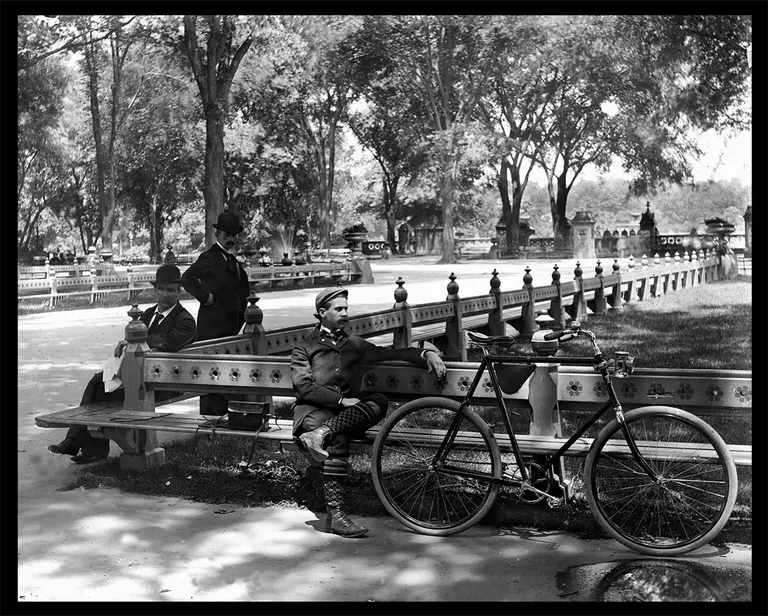
Photographer Ray Simone restores negatives of NYC’s past, pixel by pixel

6sqft’s series The Urban Lens invites photographers to share work exploring a theme or a place within New York City. In this installment, Ray Simone shares vintage photographs of New York City he has lovingly restored to stunning quality. Are you a photographer who’d like to see your work featured on The Urban Lens? Get in touch with us at [email protected]. Born-and-raised Manhattanite Ray Simone has a native knowledge of New York, as well as an intimate understanding of its past lives. When he’s not taking current photos of the city, he's in his Williamsburg studio, restoring its past, negative by negative to shocking quality. While some negatives take under an hour to restore, the more badly damaged ones can require more than 40 hours of painstaking work, going pixel by pixel. “You can only work at something a certain amount of hours at a time,” Simone reflects, “You get tunnel vision after a while; carpal tunnel.” Ahead, 6sqft talks to Simone about his photo restoration business and his thoughts on NYC's history and future, and we get a special look at some of his greatest restoration works.
Travel back in time
June 12, 2018

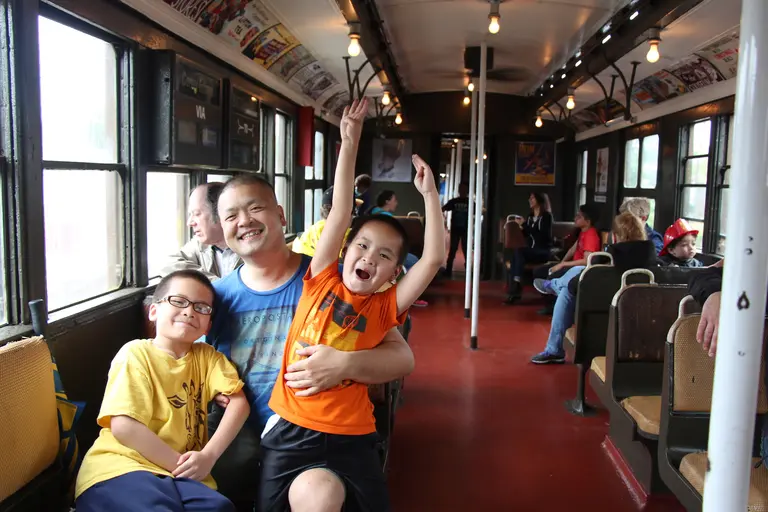
Ride six different vintage trains in Brighton Beach this weekend to celebrate Father’s Day

Is there anything more dad-approved than trains and tattoos to celebrate Father’s Day? Not much! This weekend, celebrate with pop at the New York Transit Museum’s 4th Annual Parade of Trains. Hop on and off six different types of vintage train cars, including the oldest train cars in the Transit Museum fleet, dating from 1904. Visitors can also stop by the museum’s membership station to get a super cool, Father’s Day temporary transit tattoo while learning more about the New York Transit Museum's ongoing exhibits. The event takes place Saturday (6/16) and Sunday (6/17) from 11 am to 4 pm at the Brighton Beach (B/Q) station. The Parade of Trains shuttle rides are free with the swipe of a MetroCard and will run continuously to and from the Brighton Beach station B/Q platforms.
Get the details
June 8, 2018

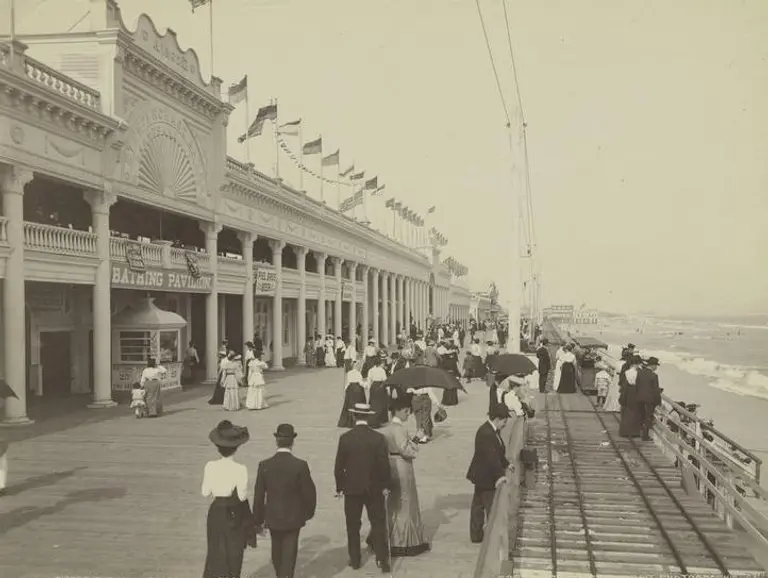
From the ‘Queens Riviera’ to Robert Moses: The history of Rockaway Beach

Eleven blocks of Rockaway Beach will be closed this summer due to erosion, but that’s just one setback in a long history of resilience on the peninsula. Four-and-a-half miles of the beach are open right now, with every block steeped in history. The Rockaways ushered Henry Hudson into the New World; Walt Whitman into paradise; Hog Island into oblivion; and the Transatlantic Flight into existence. As “the brightest jewel within the diadem of imperial Manhattan,” the pristine beaches of the “Queens Riviera” became the preferred summer locale for New York’s most illustrious citizens. Later, the “people’s beach” at Riis Park helped make the Rockaways accessible to more New Yorkers. From, Henry Wadsworth Longfellow, to Patti Smith to Robert Mosses, everybody wanted to be at Rockaway Beach.
Get the full history here
June 7, 2018

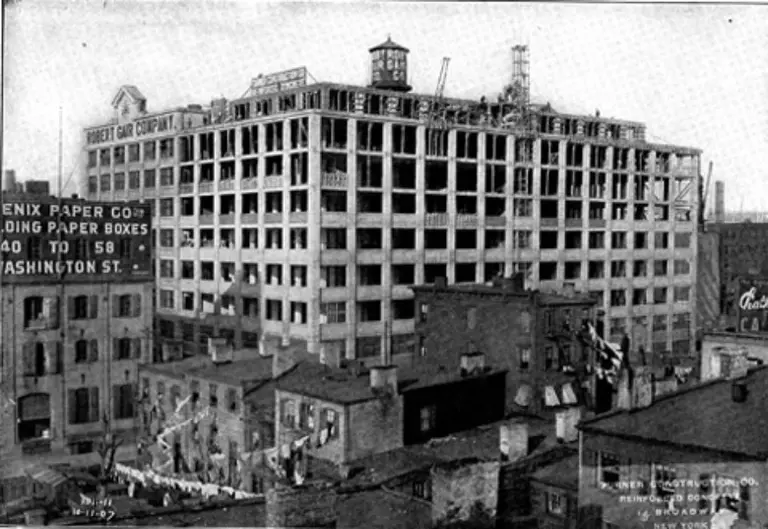
How the cardboard box was accidentally invented in a NYC factory

New Yorkers are known for their innovative thinking: Inventions like Scrabble, credit cards, and even Baked Alaska all came from local creators. A little less exciting, but still a crucial contraption, the cardboard box was also invented in New York City. Like many discoveries, the box came to be only after a careless mistake. Scottish-born entrepreneur Robert Gair owned a paper bag factory on Reade Street in Manhattan. One day in 1879, a pressman accidentally cut through thousands of small seed bags, instead of pressing them. Following the accident, Gair, who moved headquarters to Dumbo, developed a method for the mass production of cardboard boxes and later supplied major companies like Kellogg and Nabisco.
Find out more
June 7, 2018

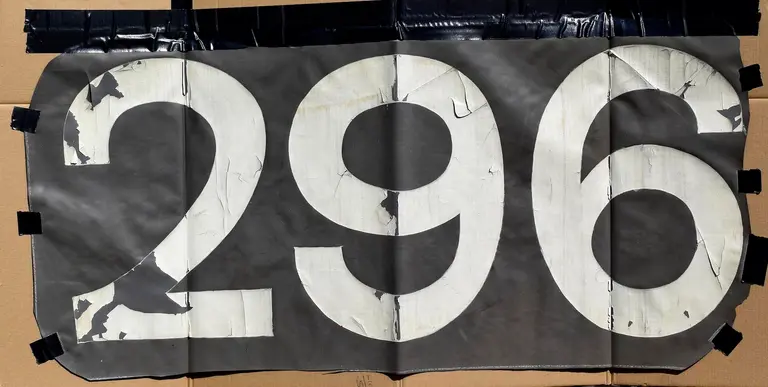
Torn off by a fan in 1973, a right field sign from the old Yankee Stadium just sold for $55K

On September 30, 1973, during the last home game at Yankee Stadium before the historic arena underwent two years of renovations, diehard baseball fans came wielding screwdrivers and hammers. Not to fight fans from the opposing team of that night's game, the Detroit Tigers, but to dismantle any memorabilia from "The House That Ruth Built." One fan somehow got his hands on a right field sign wall that designates the 296-foot distance from home plate (h/t Forbes). A family member of the brazen fan put up the sign for auction last month and on Wednesday, after 18 bids, the 1960s era sign sold for a final sale price of $55,344.
Find out more
June 5, 2018

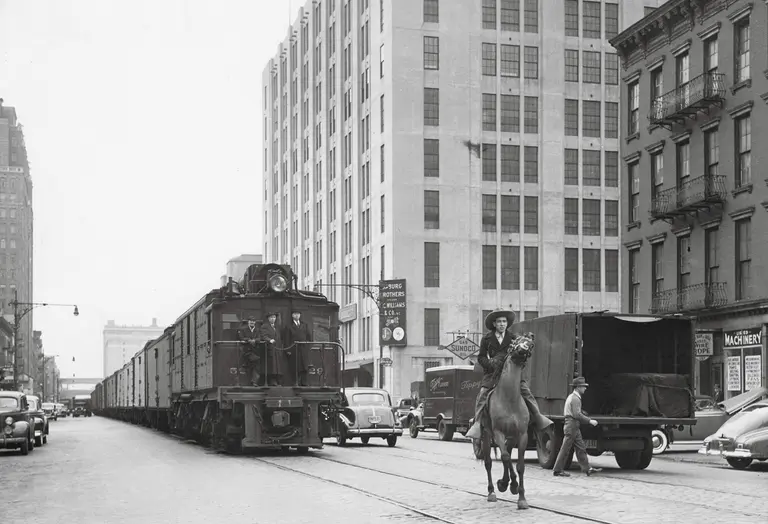
The West Side Cowboys and the railway cars that killed 436 people before 1906

The now-defunct elevated train lines of Manhattan are well known today thanks to their reincarnation as the High Line. But before this raised structure was put in place, the west side was home to a deadly train system appropriately referred to by locals as "The Butcher." The full-size railway line ran from 1846 to 1941 between 10th and 11th Avenues without barriers, fences or platforms, earning the route the nickname "Death Avenue" before it was taken out of operation for causing more than 430 fatalities--deaths that not even true western cowboys could stop.
The whole history right this way
June 1, 2018

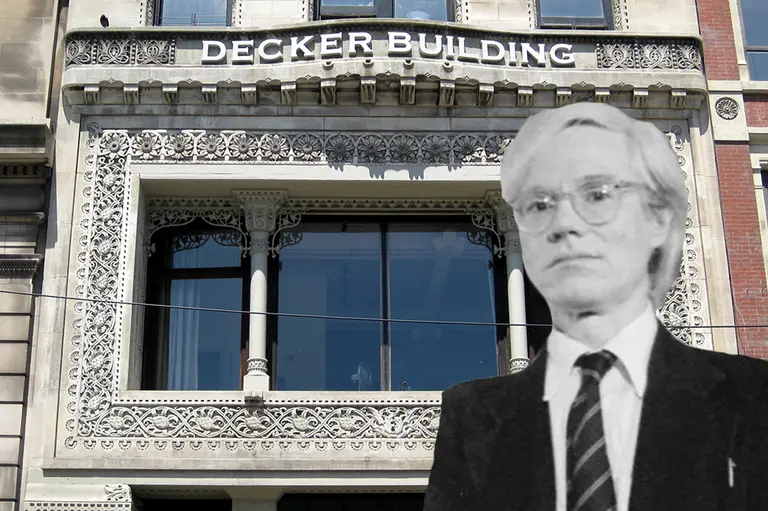
She shot Andy Warhol: The story behind actress Valerie Solanas’ attempt to assassinate a NYC icon

1968 was a turbulent year marked by riots, massive protests, and assassinations of notable political figures such as Martin Luther King Jr. and Bobby Kennedy. But 50 years ago on June 3, 1968, an attempted assassination in New York City shook the downtown art world more deeply and personally than any of these other headline-grabbing events. Perhaps that was because it involved two quintessentially downtown figures — one a world-famous artist; the other, a struggling, mentally unbalanced aspiring writer/performer/self-proclaimed social propagandist, whose greatest claim to fame ended up being her attempt to kill the former, her one-time employer.
Find out more
June 1, 2018

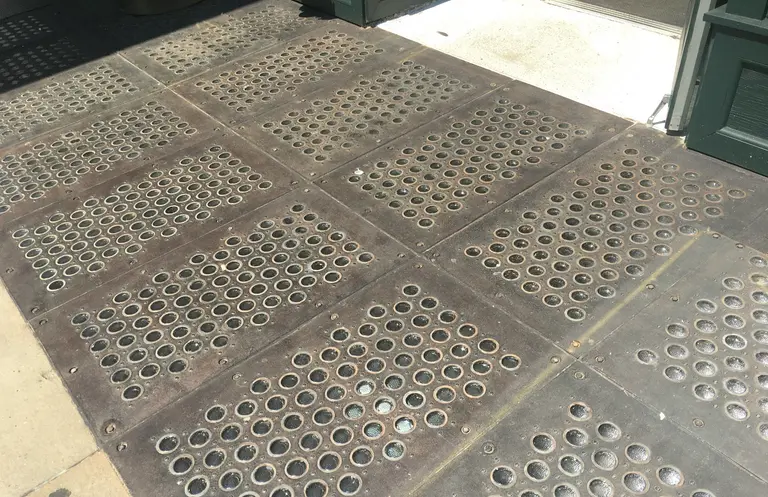
Downtown’s historic glass sidewalks will be saved after Landmarks reverses rule changes

"Viva Vault Lights!" wrote the Historic Districts Council in response to the Landmarks Preservation Commission's decision to backpedal on its rules amendments, which called for "more oversight by LPC staff but less time for public review" in proposals for alterations to historic buildings. HDC's celebratory sentiment is in response to one of the now-moot stipulations that Soho and Tribeca's vault lights--historic, industrial-era sidewalks made from small circular glass bulbs--could be removed by building owners and replaced with modern sidewalks.
Find out about all the other victories
May 30, 2018

8 things you didn’t know about LGBT history in NYC

This Saturday, 6sqft is excited to sponsor "The Hunt: NYC LGBT Sites." Put on by our friends at Urban Archive and the NYC LGBT Historic Sites Project, the three-hour historic scavenger hunt will mark Pride Week by focusing on the history of the LGBT community in NYC. To give 6sqft readers an idea of what to expect, the Historic Sites Project has put together eight things you probably don't know about LGBT history in New York, from the four remaining lesbian bars in the city to the first LGBT activist organization.
All this and more history!
May 30, 2018

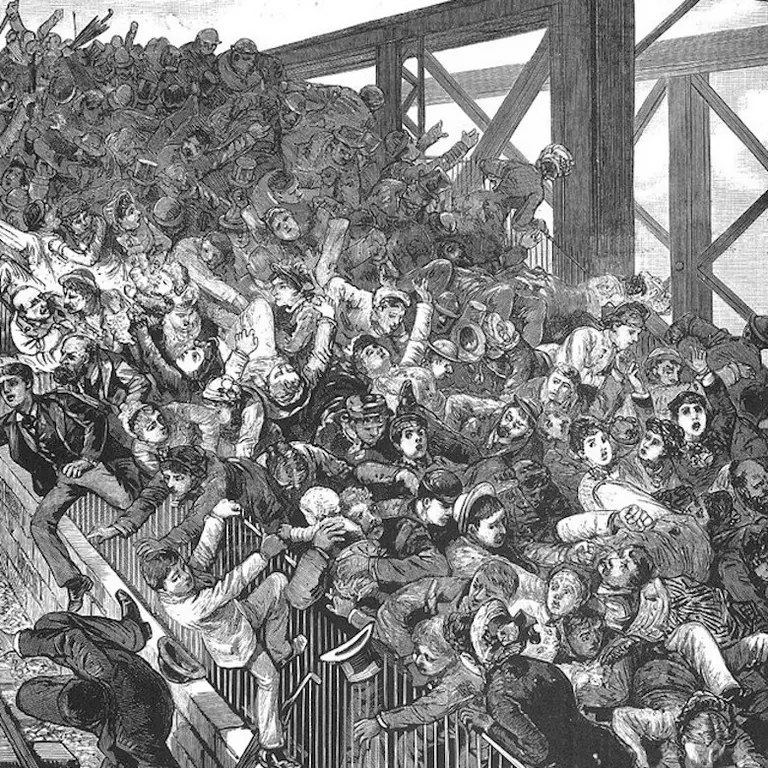
One week after the Brooklyn Bridge opened, a rumor of its collapse caused a fatal stampede

On May 24, 1883, the Brooklyn Bridge officially opened, with roughly 1,800 vehicles and over 150,000 people crossing what was then the only passageway between Brooklyn and Manhattan. Less than a week later, 12 people were killed and over 35 others injured in a violent stampede. On that fateful day, the bridge was brimming with people celebrating the Memorial Day holiday and checking out the new overpass, which was considered the longest bridge in the world at the time. A woman had tripped and fallen down the wooden stairs headed toward Manhattan, which caused another woman to scream. In a grand misinterpretation, a rumor was started that the bridge was about to collapse, sending the crowd into complete hysteria. Pedestrians ran to get off the bridge, stampeding their way to the entrance and pushing others to the ground.
Get the scoop
May 29, 2018

A mecca of African American history and culture, Central Harlem is designated a historic district

The Landmarks Preservation Commission (LPC) on Tuesday designated three blocks in Central Harlem as a historic district in recognition of the significant role African Americans played in social change in New York City and beyond during the 20th century. The Central Harlem District measures West 130-132nd Streets, the mid-blocks between Lenox and Seventh Avenues. LPC notes how Harlem residents used residential buildings to accommodate cultural, religious and political activities, starting with the Harlem Renaissance through the civil rights movement of the 1960s. "This collection of buildings is exactly why we designate historic districts: it's an architecturally distinctive and historically significant set of structures that together tell an essential piece of Central Harlem's story,” Manhattan Borough President Gale Brewer said. The commission also launched an interactive story map as a way to illustrate the unique influence of this district through photos, maps and video.
Get the details
May 24, 2018

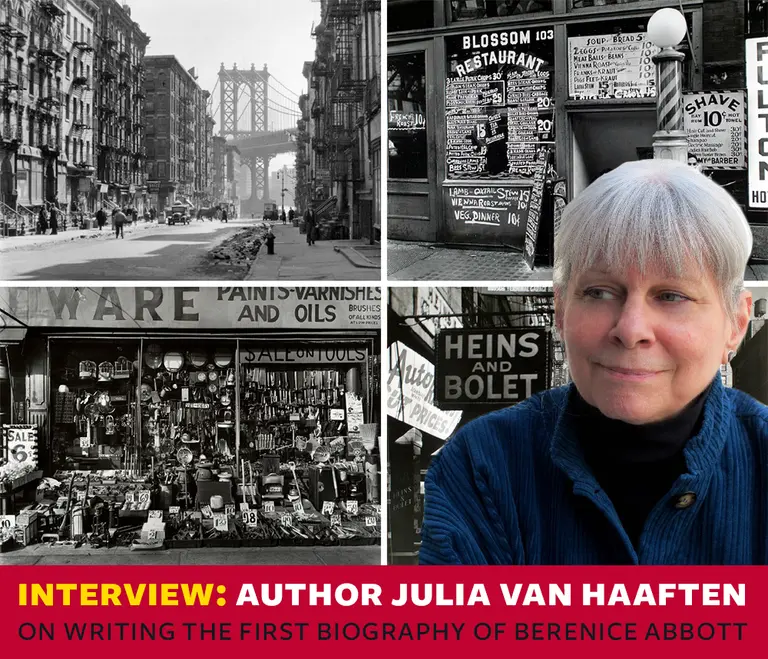
INTERVIEW: Author Julia Van Haaften on delving into the life of photographer Berenice Abbott

Photographer Berenice Abbott has long captured the imagination of New Yorkers. Her storied career began after fleeing Ohio for Greenwich Village in 1918 and included a stint in Paris taking portraits of 1920s heavyweights. But she is best known for her searing images of New York buildings and street life--her photograph "Nightview, New York," taken from an upper-floor window of the Empire State Building in 1932, remains one of the most recognized images of the city. Well known is her exchange with a male supervisor, who informed Abbott that "nice girls" don’t go to the Bowery. Her reply: "Buddy, I’m not a nice girl. I’m a photographer… I go anywhere." Despite Abbott's prolific career and fascinating life, there's never been a biography to capture it all. Until now, with Julia Van Haaften's work, "Berenice Abbott: A Life in Photography." Van Haaften is the founding curator of the New York Public Library’s photography collection. She also befriended Abbott, as the photographer approached 90, while curating a retrospective exhibition of her work in the late 1980s. (Abbott passed away in 1991 at the age of 93.) With 6sqft, Van Haaften shares what it was like translating Abbott's wide-ranging work and life into a biography, and the help she received from Abbott herself. From her favorite stories to her favorite photographs, Van Haaften shows why Abbott's work has remained such a powerful lens capturing New York City to this day.
READ MORE