Search Results for: brooklyn history

November 9, 2018

Replacement approved for iconic Watchtower sign in Brooklyn Heights

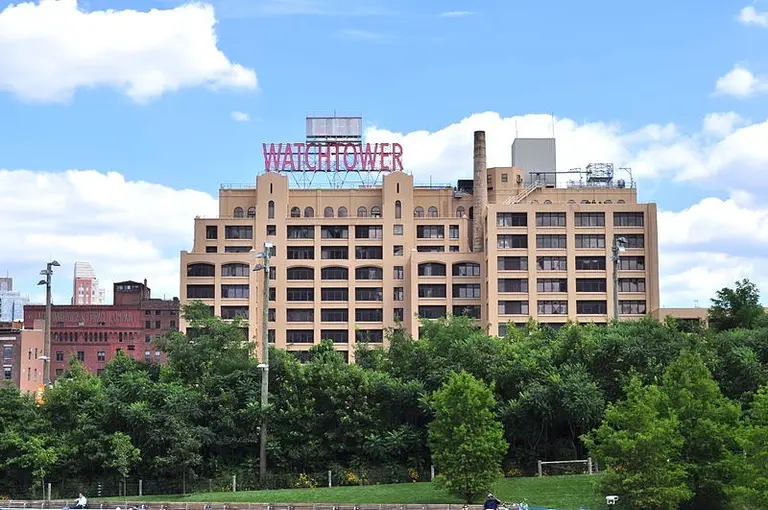
The city's Board of Standards and Appeals voted on Thursday to allow for a replacement of the iconic 'Watchtower' sign in Brooklyn Heights, which was taken down last December. The 15-foot-tall red sign had sat atop the building, which served as the headquarters for the Jehovah's Witnesses, for nearly 50 years. The religious group sold the site at 25-30 Columbia Heights to the Columbia Heights Associates in 2016 and soon after the letters were removed, leaving its framework intact. While originally the Department of Buildings said the sign could not be replaced, the group of developers filed an appeal and won the right to put up new signage in the Brooklyn skyline, as the New York Post reported.
More here
October 10, 2018

$20M Brooklyn Heights penthouse could be the borough’s priciest sale ever

A combination penthouse at Quay Tower, a brand new luxury condo building on the Brooklyn Heights waterfront, went into contract this week for over $20 million. If closed, the deal would become the most expensive residential sale in Brooklyn history, breaking the previous record of $16.645 million for a penthouse picked up by actor Matt Damon last year. And before that, a $15.5 million brick carriage house in Cobble Hill held the record for most expensive single residence sale in Brooklyn, which was purchased by photographer Jay Maisel in 2015.
More on the deal this way
September 28, 2018

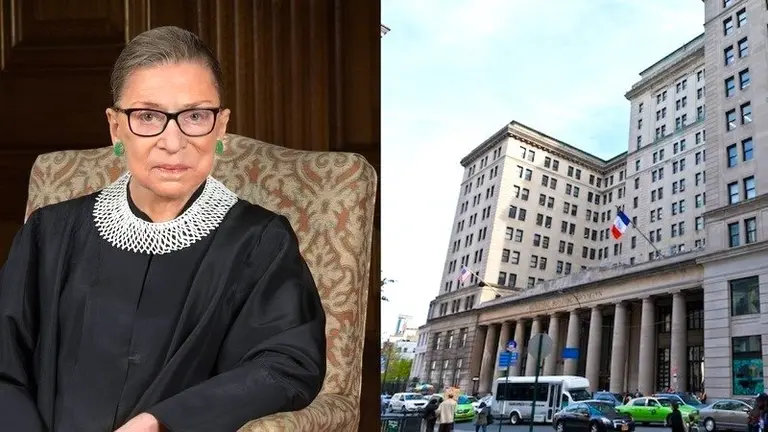
Campaign launches to rename a Brooklyn building after Flatbush native Ruth Bader Ginsburg

In some not-terrible Supreme Court news, Justice Ruth Bader Ginsburg could be getting a Brooklyn Building named after her. Borough President Eric Adams launched a campaign on Thursday calling on City Hall to rename the Brooklyn Municipal Building after Ginsburg, a native of Flatbush. This past August marked Ginsburg's 25th year as an associate justice of the U.S. Supreme Court, as only the second woman to sit on the court.
More here
September 26, 2018

First look at interiors and private park at Jeanne Gang’s Downtown Brooklyn condo

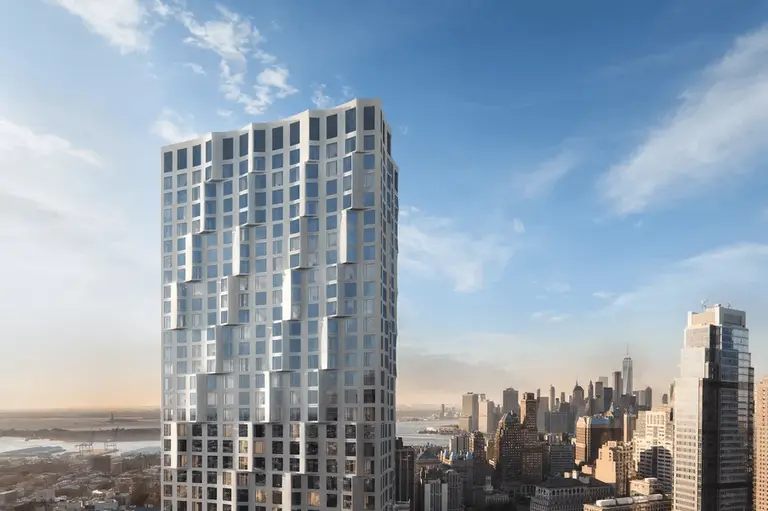
To coincide with the sales launch at Downtown Brooklyn's 57-story tower at 11 Hoyt Street, Tishman Speyer has released a slew of new renderings of the Jeanne Gang-designed condo. Previous views have shown how Gang's signature metallic rippling effect will be applied to the facade, but the new batch gives us a better look at the nearly 27,000-square-foot private park and the first glimpse of the interiors and amenity spaces.
All the renderings and details this way
September 17, 2018

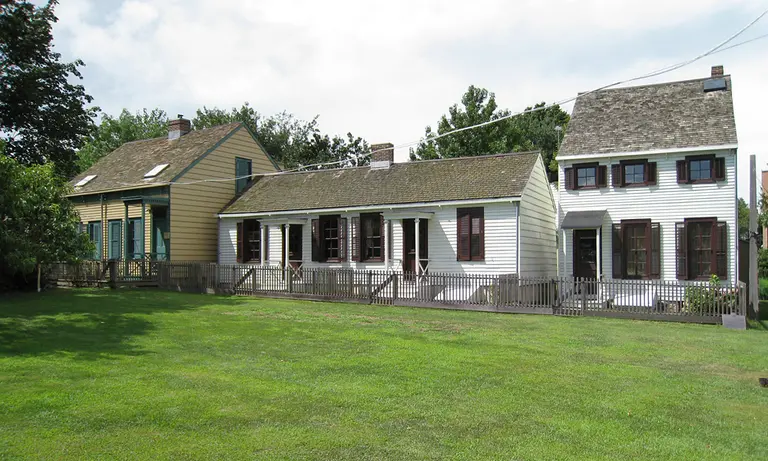
Apply for three middle-income units in Brooklyn’s historic Weeksville

After the state of New York State abolished slavery in 1827, the country's second-largest free black community was established in Brooklyn. Known as Weeksville, today the neighborhood falls a bit under the radar, surrounded by more sought-after neighborhoods like Crown Heights and Bed Stuy. But it's a charming little enclave, lined with many two-family homes and small brick rowhouses, that has done well to preserve its history. And just down the street from the Weeksville Heritage Center is a new 10-unit rental building at 1520 Prospect Place that just opened an affordable housing lottery for three $2,098/month one-bedrooms.
See the qualifications
September 4, 2018

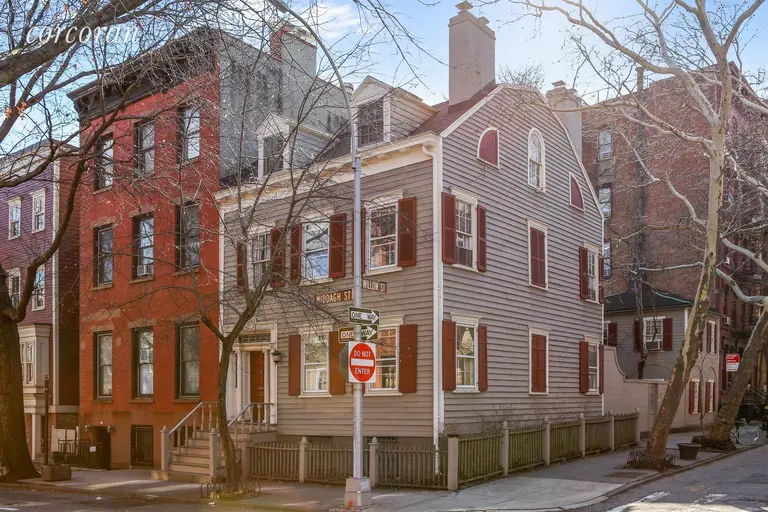
Brooklyn Heights’ oldest home returns to the market after a $2M price chop

Owning a piece of New York City history just got a little cheaper. The oldest home in Brooklyn Heights, located at 24 Middagh Street, has hit the market again, this time asking $4.5 million, a price drop of over $2 million from when it was listed last year. The five-bedroom Federal-style home boasts a private, landscaped courtyard and a separate two-bedroom carriage house.
Enough of a discount?
August 29, 2018

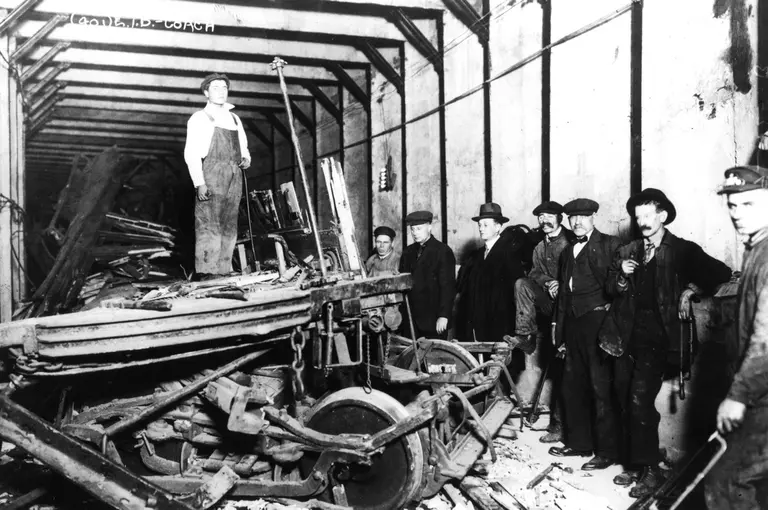
Inside the worst train wreck in NYC history; Lower East Side ferry route launches today

On Nov. 1, 1918, 100 lives were lost when a Brooklyn Rapid Transit employee lost control of a train at the Prospect Park station. The event was so horrific that the name of the street was changed so New Yorkers would not be reminded of it. [NYP] Eight unique ways to celebrate Labor Day weekend in […]

August 28, 2018

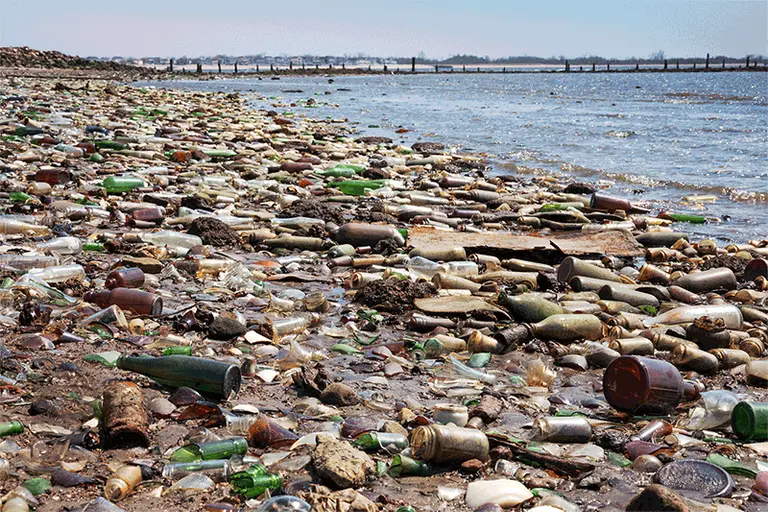
Take a tour of Dead Horse Bay, Brooklyn’s hidden trove of trash and treasures

Dead Horse Bay is a small body of water in Brooklyn that got its name from the horse rendering plants that were on the former Barren Island in Jamaica Bay near the shoreline of Flatlands. In the late 1850s, Barren Island was the site of the largest dump in New York City, fed by barges carrying garbage and animal remains. Factories on the island used the carcasses of horses, which were put in large vats and boiled until the fat could be removed, for use in fertilizer, glue, and oils. The bones of the horses were then chopped up and dumped into the water. Starting in 1930, the island also became the site of the first municipal airport (Floyd Bennett) after the city filled in marshland to connect it to the mainland. The last horse rendering factory on the island closed in 1935 and in 1936, the island’s final 400 residents were evicted to make way for the creation of the Belt Parkway. The City continued using the area as a garbage dump until 1953 when the landfill was capped. Since 1972, the area surrounding Dead Horse Bay has been part of the Jamaica Bay Unit of the Gateway National Recreation Area. We joined Robin Nagle, NYC Department of Sanitation’s Anthropologist-in-Residence for an exclusive exploration of Dead Horse Bay earlier this year with the City Reliquary Museum and had a chance to speak with her about this mysterious area, which is strewn with glass bottles, fragments of centuries-old horse bones, and mounds of trash.
Have a look around
August 24, 2018

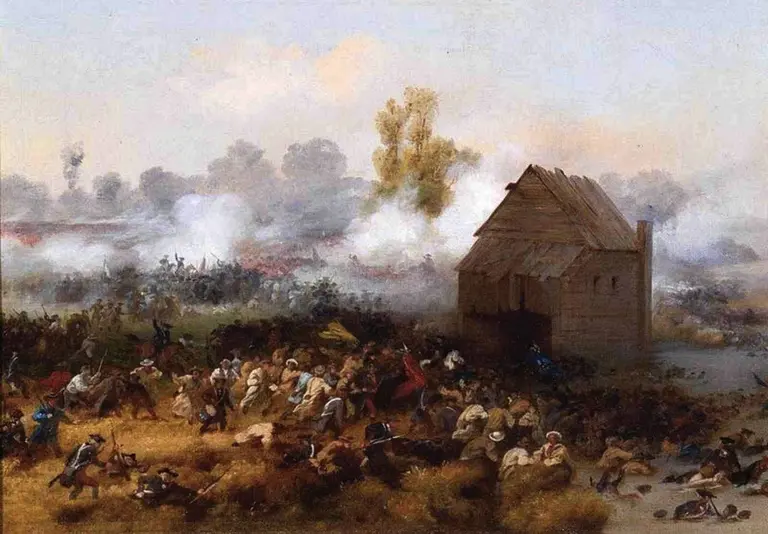
The Battle of Brooklyn 242 years later: Where the fighting played out in present day

242 years ago on August 27th, less than two months after the signing of the Declaration of Independence, the largest battle of the Revolutionary War played out across Brooklyn. What was first known as the Battle of Long Island (Brooklyn was still just a small town at the time of the attack) was later dubbed the Battle of Brooklyn. On this summer day in 1776, The British took their troops from Staten Island to stealthily attack George Washington and his Continental Army at their Brooklyn camp. Greatly outnumbered in size and skill, Washington sent many of his soldiers on an escape route through Brooklyn Heights and across the foggy East River to Manhattan. To distract the British and buy the rest of the troops time, Washington also sent the entire 1st Maryland Regiment, known as the Maryland 400, on a suicide mission. All 400 soldiers from the regiment were killed in battle with the British, but the Continental Army made its escape and went on to win the war. Not surprising since these harrowing events played out across a good portion of the borough, there are monuments, a museum, and plaques to commemorate it. And then there are popular Brooklyn locales—from Prospect Park to Green-Wood Cemetery—that you might not realize were former battlefields. After the jump, 6sqft rounds up the modern-day locations once crucial to the Battle of Brooklyn, with some tips on how to commemorate the event this weekend.
Keep reading
July 30, 2018

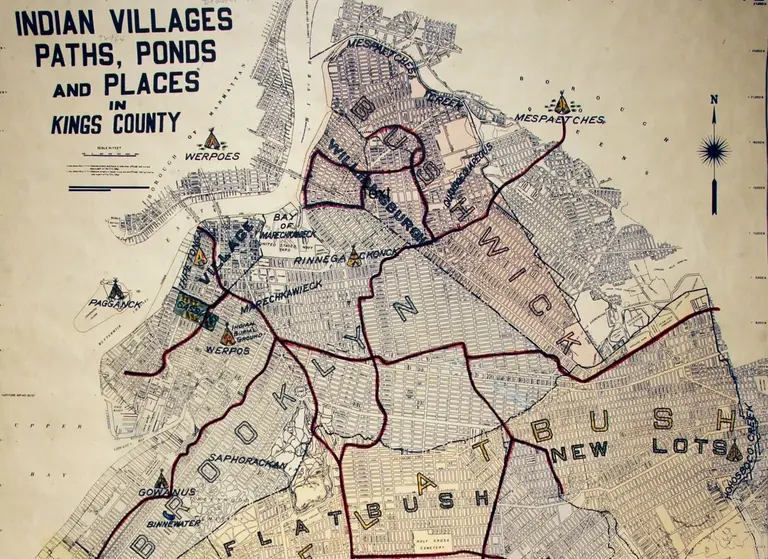
This 1946 map shows how Native American trails became the streets of Brooklyn

While we take for granted the paths and roads we use on a daily basis, it's interesting to find out how they came to be. It's not a new concept that paths worn by the comings and goings of early dwellers and subsequent settlers in a particular area became roads, streets and thoroughfares, often with names that reflect their beginnings. Brooklyn Heights Blog (via Viewing NYC) shares some insight into Brooklyn's familiar roads that began as Native American trails on a 1946 map titled "Indian Villages, Paths, Ponds and Places in Kings County."
Peruse the map
July 25, 2018

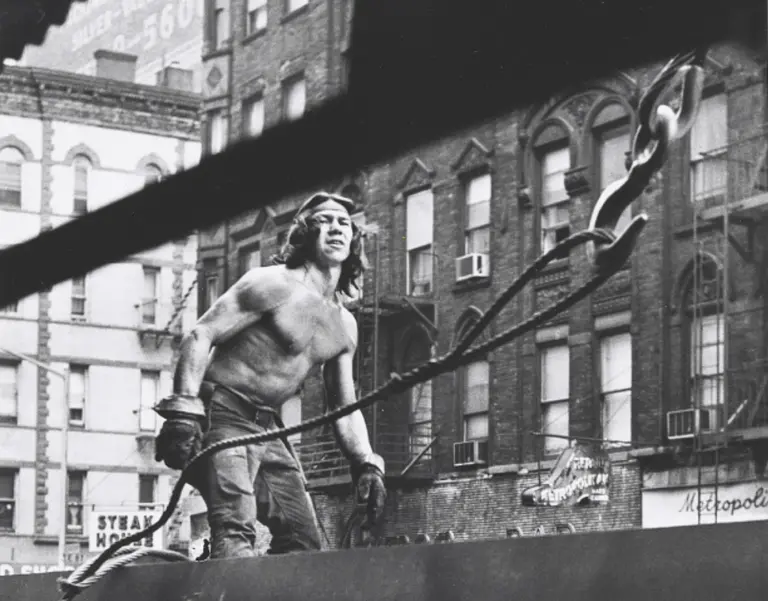
Men of steel: How Brooklyn’s Native American ironworkers built New York

The Empire State Building. The George Washington Bridge. The United Nations. The Woolworth Building. 30 Rock. The Seagram Building. Lincoln Center. The Waldorf Astoria. Virtually all of New York’s most iconic structures were raised in part by Mohawk Native American ironworkers. Since 1916, when Mohawk men made their way to New York to work on the Hell Gate Bridge, ironworkers from two Native communities, Akwesasne (which straddles Ontario, Quebec, and New York State) and Kahnawake (near Montreal), have been “walking iron” across the city.
Get the rest of this stories-high story
July 18, 2018

The history of Weeksville: When Crown Heights had the second-largest free black community in the U.S.

It’s a mighty sounding moniker, but the name “King’s County” also speaks to Brooklyn’s less-than-democratic origins. At the turn of the 19th century, the city of Brooklyn was known as the “slaveholding capital” of New York State and was home to the highest concentration of enslaved people north of the Mason-Dixon Line. But, after New York State abolished slavery in 1827, free black professionals bought land in what is now Crown Heights and founded Weeksville, a self-supporting community of African American Freedman, which grew to become the second-largest free black community in Antebellum America. By 1855, over 520 free African Americans lived in Weeksville, including some of the leading activists in the Abolitionist and Equal Suffrage movements.
More about free black Brooklyn
July 11, 2018

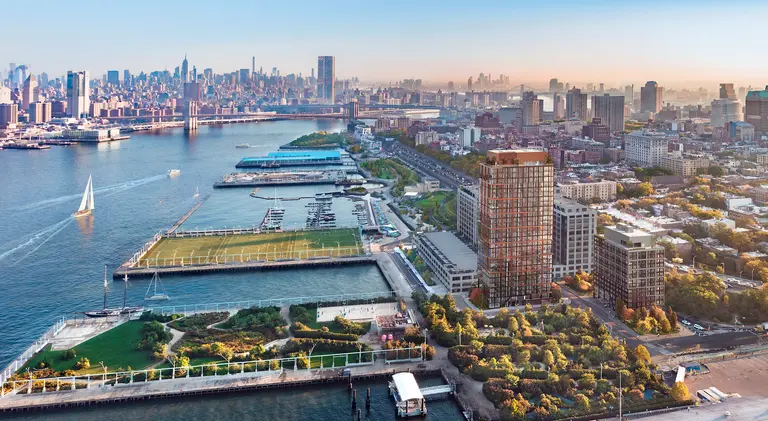
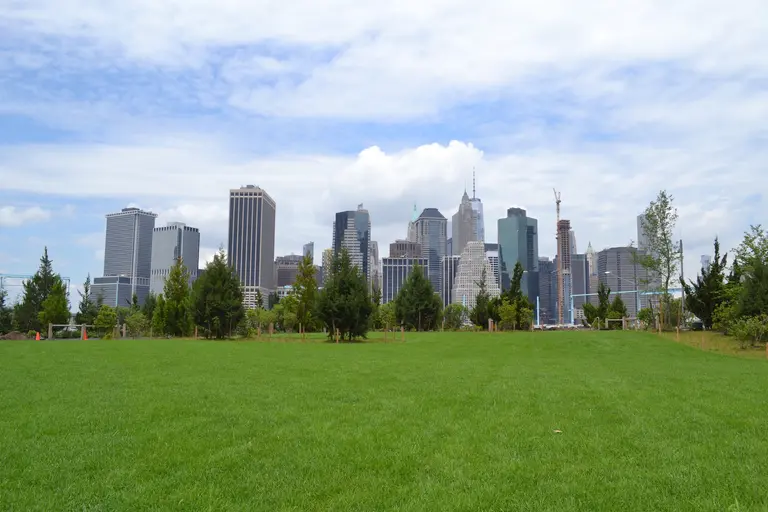
Brooklyn Bridge Park’s five-acre Pier 3 opens with an interactive labyrinth and moveable furniture

With the opening of five lush waterfront acres of park at Pier 3 on Tuesday, Brooklyn Bridge Park is now 90 percent complete. Designed by Michael Van Valkenburgh Associates, it's the final pier to be converted into parkland and features two lawns surrounded by shrubs and trees, which will offer both shade and protection from gusts of wind. "Brooklyn Bridge Park is a gem that gleams brighter with each exciting acre it adds, building on our borough’s commitment to offer high-quality open space that brings people together from all walks of life," Brooklyn Borough President Eric Adams said.
Plan your visit
June 15, 2018

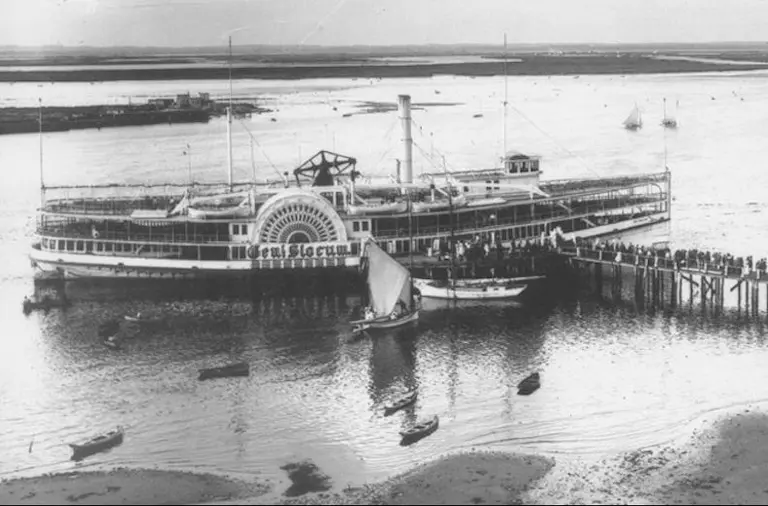
Remembering the worst disaster in NYC maritime history: The sinking of the General Slocum ferry

PS General Slocum; photo via Wikimedia On June 15, 1904, a disaster of unprecedented proportions took place in New York City, resulting in the loss of over 1,000 lives, mostly women and children. This largely forgotten event was the greatest peacetime loss of life in New York City history prior to the September 11th attacks, forever changing our city and the ethnic composition of today’s East Village. It was on that day that the ferry General Slocum headed out from the East 3rd Street pier for an excursion on Long Island, filled with residents of what was then called Kleindeutschland, or Little Germany. This German-American enclave in today’s East Village was then the largest German-speaking community in the world outside of Berlin and Vienna.
Learn more
June 8, 2018

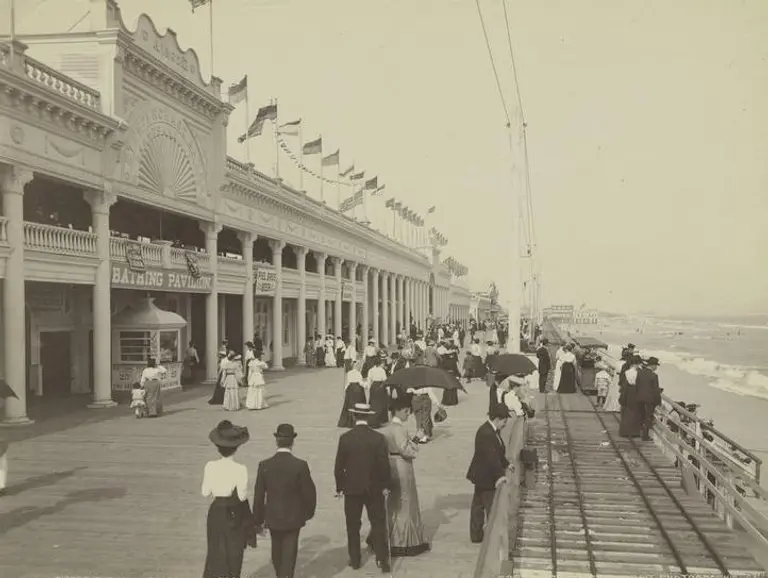
From the ‘Queens Riviera’ to Robert Moses: The history of Rockaway Beach

Eleven blocks of Rockaway Beach will be closed this summer due to erosion, but that’s just one setback in a long history of resilience on the peninsula. Four-and-a-half miles of the beach are open right now, with every block steeped in history. The Rockaways ushered Henry Hudson into the New World; Walt Whitman into paradise; Hog Island into oblivion; and the Transatlantic Flight into existence. As “the brightest jewel within the diadem of imperial Manhattan,” the pristine beaches of the “Queens Riviera” became the preferred summer locale for New York’s most illustrious citizens. Later, the “people’s beach” at Riis Park helped make the Rockaways accessible to more New Yorkers. From, Henry Wadsworth Longfellow, to Patti Smith to Robert Mosses, everybody wanted to be at Rockaway Beach.
Get the full history here
May 30, 2018

8 things you didn’t know about LGBT history in NYC

This Saturday, 6sqft is excited to sponsor "The Hunt: NYC LGBT Sites." Put on by our friends at Urban Archive and the NYC LGBT Historic Sites Project, the three-hour historic scavenger hunt will mark Pride Week by focusing on the history of the LGBT community in NYC. To give 6sqft readers an idea of what to expect, the Historic Sites Project has put together eight things you probably don't know about LGBT history in New York, from the four remaining lesbian bars in the city to the first LGBT activist organization.
All this and more history!
May 30, 2018

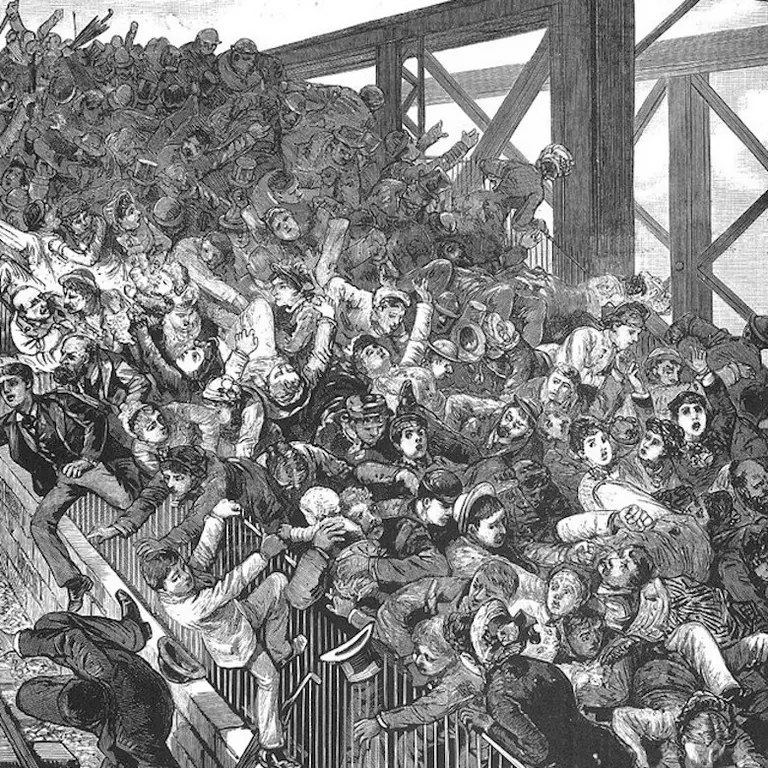
One week after the Brooklyn Bridge opened, a rumor of its collapse caused a fatal stampede

On May 24, 1883, the Brooklyn Bridge officially opened, with roughly 1,800 vehicles and over 150,000 people crossing what was then the only passageway between Brooklyn and Manhattan. Less than a week later, 12 people were killed and over 35 others injured in a violent stampede. On that fateful day, the bridge was brimming with people celebrating the Memorial Day holiday and checking out the new overpass, which was considered the longest bridge in the world at the time. A woman had tripped and fallen down the wooden stairs headed toward Manhattan, which caused another woman to scream. In a grand misinterpretation, a rumor was started that the bridge was about to collapse, sending the crowd into complete hysteria. Pedestrians ran to get off the bridge, stampeding their way to the entrance and pushing others to the ground.
Get the scoop
May 23, 2018

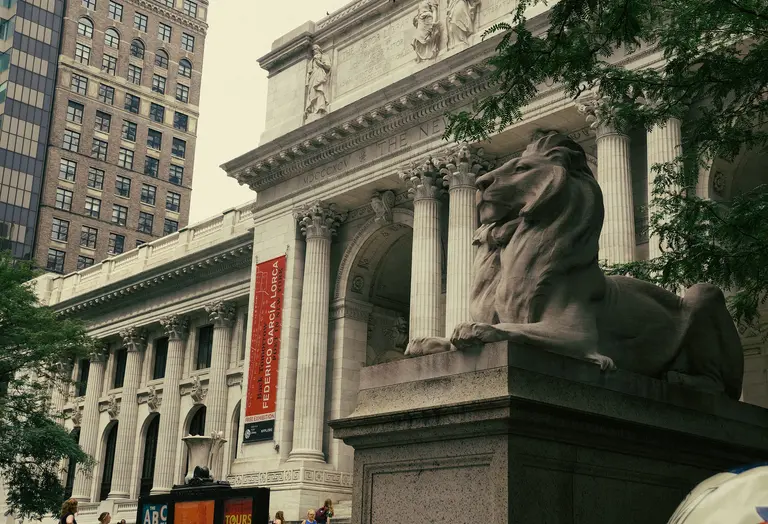
Reading between the lions: A history of the New York Public Library

The New York Public Library first roared into existence on May 23, 1895, educating and inspiring countless millions, free of charge. The Library’s 92 locations include four research divisions and hold over 51 million items. Out of all these tomes, the greatest tale might be Library’s own history: Founded by immigrants and industrialists, it was equally admired by William Howard Taft and Vladimir Lenin; open to all, it has counted among its staff American Olympians and Soviet spies; dedicated to intellectual exploration and civic responsibility, it has made its map collection available to buried treasure hunters and Allied Commanders; evolving with the city itself, it has made branch locations out of a prison, a movie theater, and most recently, a chocolate factory. The history of the New York Public Library is as vital and various New York itself, so get ready to read between the lions.
The 123-year-old history of the NYPL
May 22, 2018

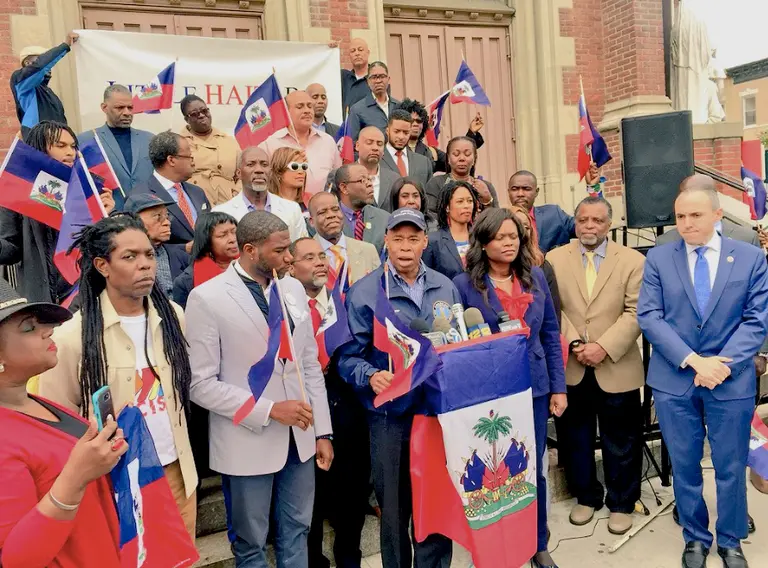
‘Little Haiti’ district will come to Brooklyn’s Flatbush neighborhood

To celebrate the thousands of Haitian-Americans who have called Flatbush home for decades, city officials revealed last week plans to designate the "Little Haiti Business and Cultural District" in the Brooklyn neighborhood. The borough boasts one of the largest communities of Haitian-Americans in the country, with more than 90,000 individuals of Haitian descent living in Brooklyn. Once the City Council passes a resolution, an official Little Haiti district would be able to request funding earmarked for cultural initiatives, obtain permits easier, create a museum and build monuments, the Observer reported Monday. Marking the new district, lawmakers and locals on Friday unveiled a new street sign for Nostrand Avenue, where it meets Newkirk Avenue, which will now be co-named "Toussaint L'Ouverture Boulevard," to honor a leader of the Haitian Revolution.
More details here
May 15, 2018

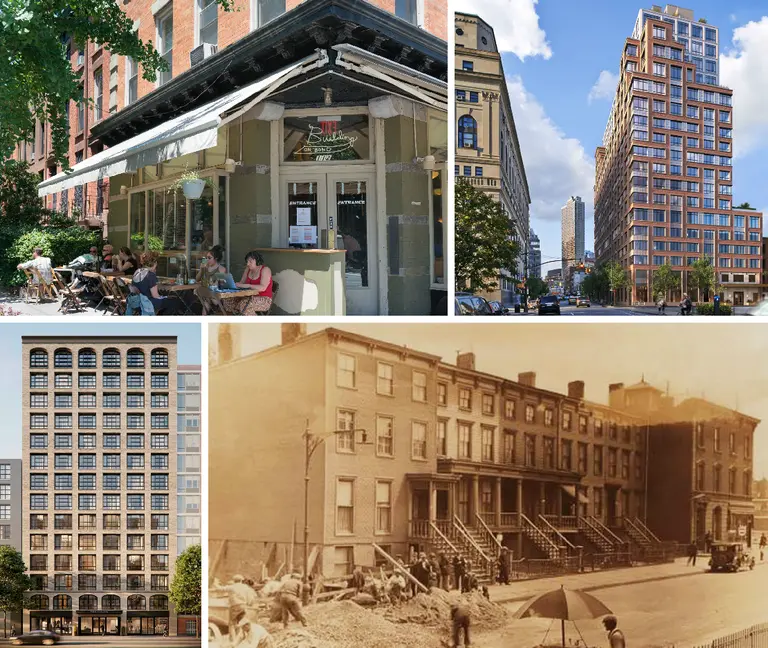
The buzz on Boerum Hill: How an iconic Brooklyn neighborhood blends old and new

Shelly Place, an agent with Triplemint, describes Boerum Hill as “the perfect blend of old and new. Geographically, it is smack dab in the middle of Brooklyn, convenient to downtown [Manhattan], and close enough without being in the middle of the hustle and bustle. You can go days or weeks without ever leaving Boerum Hill but, if you want, you have the rest Brooklyn right there.” Known for tree-lined streets filled with historic brownstones, Boerum Hill is one of those unique neighborhoods that has successfully blended past and present in a way few communities have been able to. There are a ton of great restaurants and creative cocktail lounges and independent specialty stores alongside the big brands, like Apple, Whole Foods’ 365, and Lululemon, lining Smith Street and Atlantic Avenue. And with a slew of new contextual developments springing up, it's time to turn your attention to the buzz on Boerum Hill.
Everything you need to know about Boerum Hill
May 1, 2018

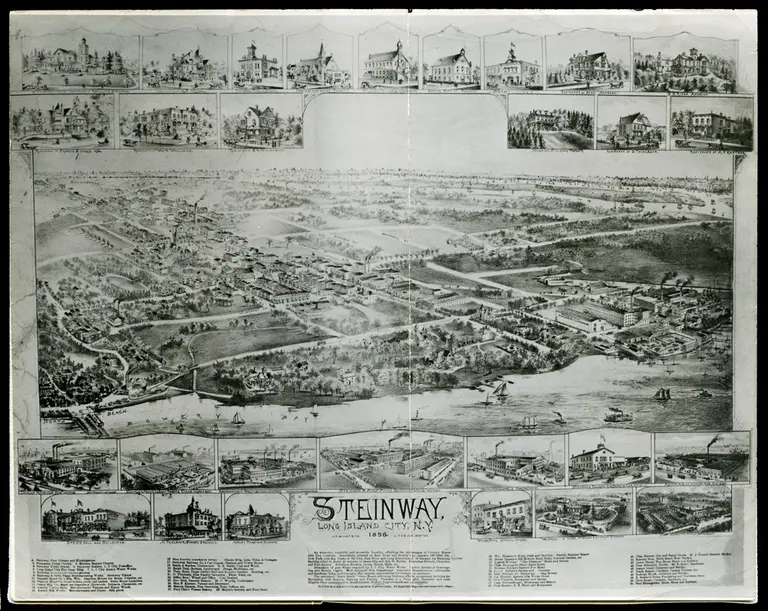
NYC neighborhoods made for workers: The history of Queens’ Steinway Village and the Bronx Co-ops

While immigration, urban planning, and the forces of gentrification are certainly key factors in how NYC's neighborhoods have been shaped, New Yorkers’ patterns of work, their unions, and in some instances, even their employers have also played a role in the development of several of the city’s established neighborhoods. To mark May Day, 6sqft decided to investigate two of the city neighborhoods that were quite literally made for workers—the Van Cortlandt Village area of the Bronx and the Steinway neighborhood in Astoria, Queens.
Learn all about it
April 9, 2018

REVEALED: Jeanne Gang’s 51-story condo next to Downtown Brooklyn Macy’s

Tishman Speyer released on Monday the first renderings for its new luxury residential tower in Downtown Brooklyn, 11 Hoyt. Designed collaboratively between Hill West Architects and Jeanne Gang's architecture firm, Studio Gang, the 51-story, 480-unit condominium project will offer a variety of apartment layouts, with more than 190 different floor plans. The tower's rippling exterior seems to borrow elements used in two of Gang's Chicago projects, the Aqua Tower and the Vista Tower, which is currently under construction. The project will rise next to the Macy's on Fulton Street, which is currently undergoing renovations by Tishman Speyer, who are also planning a 10-story office tower on top of the store. Sales will launch at the tower this summer, but interested buyers can now check out the building's newly launched teaser site.
See them here
April 9, 2018

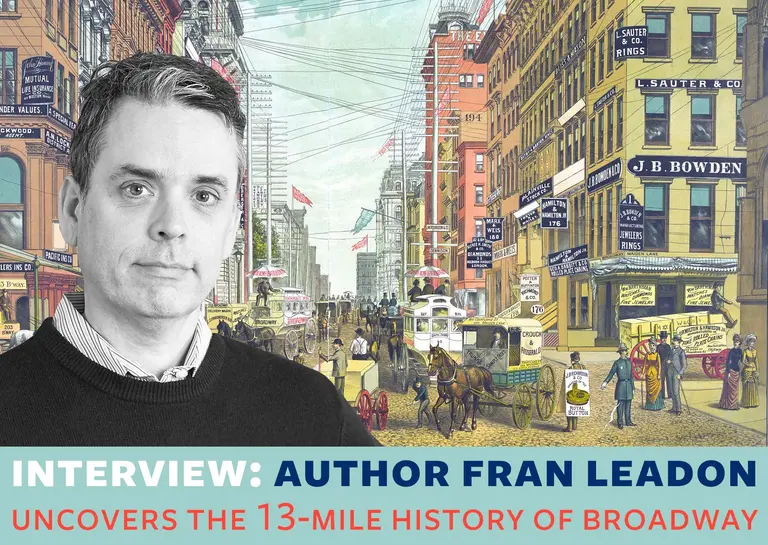
INTERVIEW: Author Fran Leadon tackles the mile-by-mile history of NYC’s most famous street

Photo of Frank Leadon © Katherine Slingluff In "Broadway: A History of New York City in Thirteen Miles," architect Fran Leadon takes on a monumental task: to uncover the news events, people, businesses, and buildings--mile by mile--that have contributed to New York's best-known street. Beginning as a muddy path that cut through the Dutch colony of New Amsterdam and dissolved into farmland, Broadway has evolved over 200 years to host a chaotic mix of traffic, hotels, stores, theaters, churches, and people. In its first mile, you can see 400 years of history, from the Civil War to the emergence of skyscrapers. Moving uptown, Broadway takes us to the city's cherished public spaces--Union Square, Herald Square and Times Square--as well as the Theater District and Great White Way. The street continues to upper Manhattan, where the story of urban renewal plays out, then cuts through the Bronx and winds all the way to Albany. In his book, Leadon focuses on Manhattan's relationship with Broadway, making the argument that you can tell the story of NYC--and even the country--through these 13 miles. "Broadway was never just a thoroughfare; it has always been, first and foremost, a place," he writes. With 6sqft, Leadon talks about understanding Broadway, a street he often experienced in fragments, as a single 13-mile thoroughfare that serves as the lifeblood of New York. He also discusses how years of research and discovery made it to the pages, surprising histories that emerged along the way, and why he's still writing the history of Broadway in his head.
Keep reading
April 5, 2018

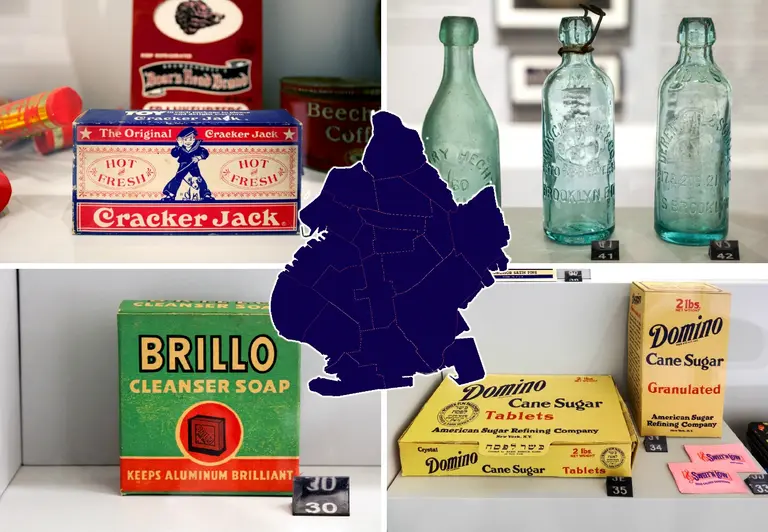
10 things you didn’t know were made in Brooklyn

The new exhibition at the Brooklyn Historical Society, "The Business of Brooklyn," celebrates the 100th anniversary of the Brooklyn Chamber of Commerce and tells the fascinating story of the borough’s 100 years of business, detailing its industrial past, large companies, as well as its preponderance of mom-and-pop shops. It also showcases many objects and artifacts, which have their origins in Brooklyn, demonstrating the significant “role that Brooklyn has played in American consumer culture.” The exhibition is on view at the Brooklyn Historical Society’s landmark building in Brooklyn Heights located at 128 Pierrepont Street until Winter 2019. From those iconic yellow pencils to Brillo pads to Cracker Jack, you may be surprised to see what has been made in Brooklyn.
The history of 10 famous products made in Brooklyn
March 28, 2018

The final frontier of history and hip: Developments and amenities shaping the Lower East Side

For many New Yorkers, the Lower East Side is one neighborhood that still has a lot of authenticities and good 'ole New York grit left. It has been described as Manhattan’s "last frontier of cool. The promised land of old as well as new... Where the Godfather lives side by side with a hipster movie." Put more tangibly by Benjamin Baccash of Taconic Investment Partners, the developer of LES's Essex Crossing, "The Lower East Side has wonderful restaurants, art galleries, and great street life. It’s a real neighborhood and that’s what a lot of people are looking for." In addition to great diversity, personality, and transportation, the city is undertaking huge improvements on the east river waterfront, and developers are erecting new developments at all corners of the 'hood. Ahead, 6sqft takes a look at everything that's keeping the Lower East Side a vestige of old New York during its contemporary resurgence, from massive projects like Essex Crossing to a booming art gallery scene.
As Irving Berlin once said, “Everybody ought to have a Lower East Side in their life.”