History

May 23, 2018

Reading between the lions: A history of the New York Public Library

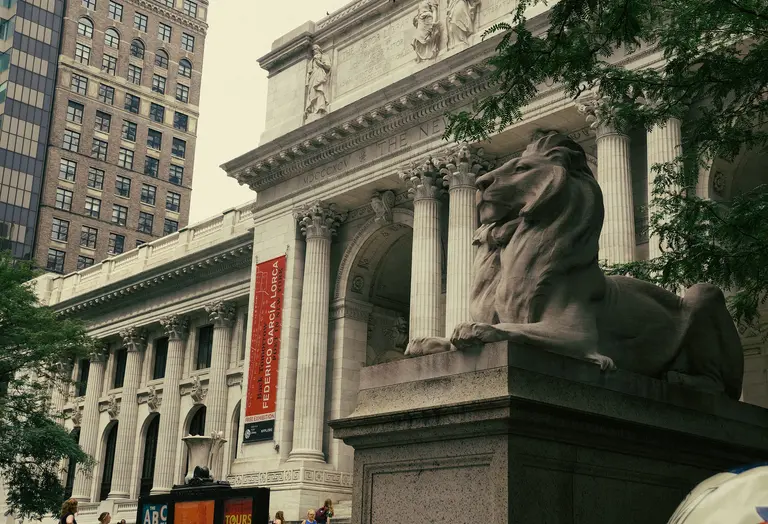
The New York Public Library first roared into existence on May 23, 1895, educating and inspiring countless millions, free of charge. The Library’s 92 locations include four research divisions and hold over 51 million items. Out of all these tomes, the greatest tale might be Library’s own history: Founded by immigrants and industrialists, it was equally admired by William Howard Taft and Vladimir Lenin; open to all, it has counted among its staff American Olympians and Soviet spies; dedicated to intellectual exploration and civic responsibility, it has made its map collection available to buried treasure hunters and Allied Commanders; evolving with the city itself, it has made branch locations out of a prison, a movie theater, and most recently, a chocolate factory. The history of the New York Public Library is as vital and various New York itself, so get ready to read between the lions.
The 123-year-old history of the NYPL
May 18, 2018

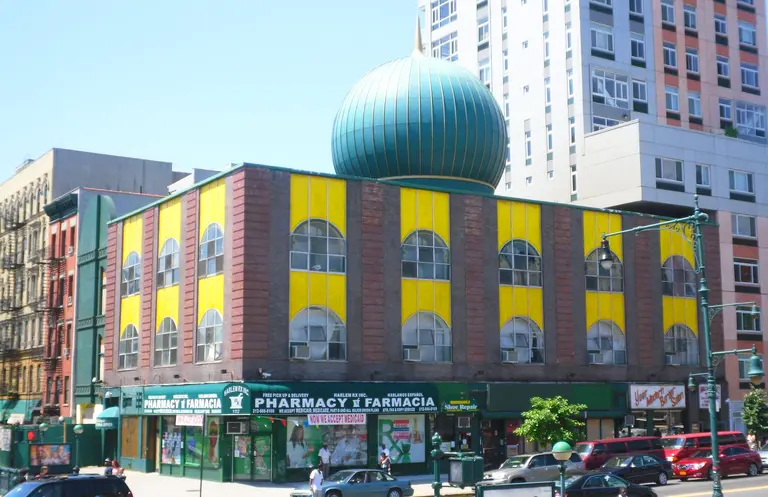
From casino to Malcolm X: The colorful history of Harlem’s Malcolm Shabazz Mosque

At 102 West 116th Street in Harlem sits a mosque singularly incorporated into the cityscape. The building houses street-level commercial businesses and is topped by a large green dome, the structure in-between used as a Sunni Muslim mosque. While the property has seen much local history pass through it, it is not landmarked. Before becoming a religious structure, the lot used to contain the Lenox Casino, a space which was often rented for meetings by the Socialist Party and used as a theatrical performance venue for a number of then-renowned artists. Built in 1905 and designed by Lorenz F. J. Weiher, the Lenox Casino was raided in 1912 for showing "illegal films" in an escapade grippingly documented by the New York Times.
The structure has had many lives
May 17, 2018

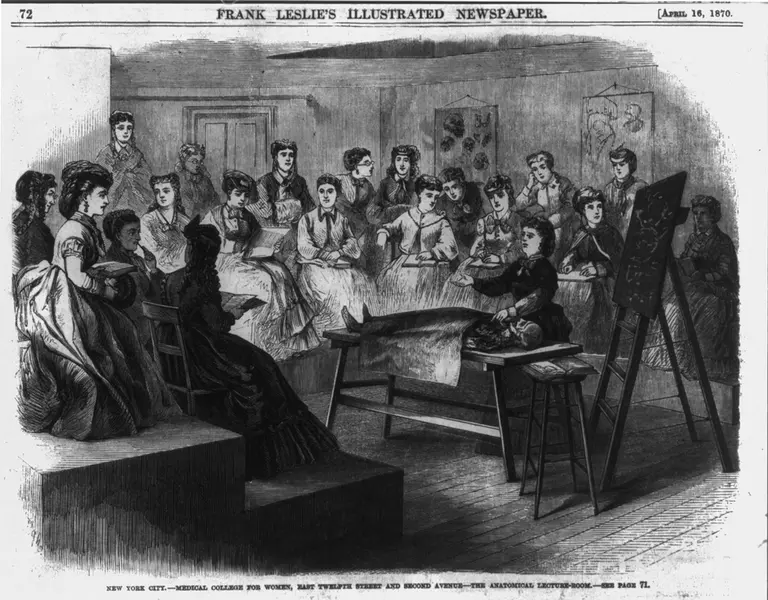
Elizabeth Blackwell’s NYC: The historic sites where America’s first female doctor made her mark

One of the most radical and influential women of the 19th century changed the course of public health history while living and working in Greenwich Village and the East Village. Elizabeth Blackwell, America’s first female doctor, established cutting-edge care facilities and practices throughout these neighborhoods, the imprint of which can still be felt to this day in surviving institutions and buildings. In fact, one recently received a historic plaque to mark this ground-breaking but often overlooked piece of our history.
Take a tour of Elizabeth Blackwell's NYC
May 16, 2018

Behind the scenes at the United Palace, Washington Heights’ opulent ‘Wonder Theatre’

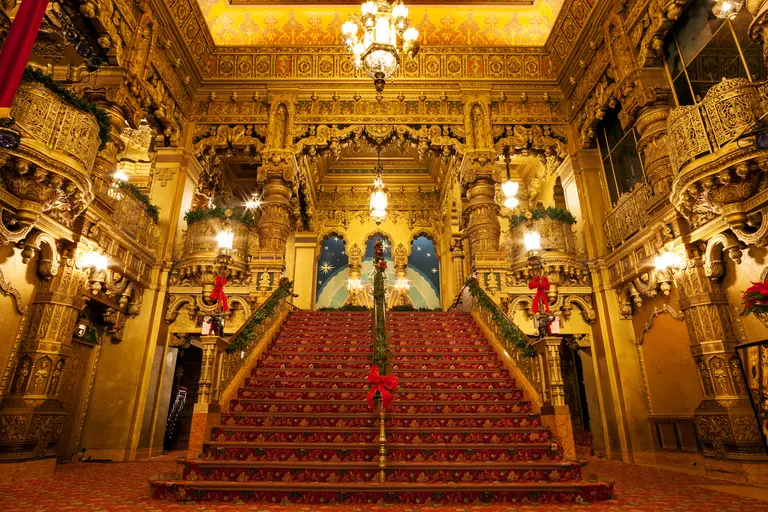
Earlier this year, 6sqft got an exclusive behind-the-scenes tour at the Loew's Jersey City, one of the five opulent Loew’s Wonder Theatres built in 1929-30 around the NYC area. We've now gotten a tour of another, the United Palace in Washington Heights. Originally known as the Loew's 175th Street Theatre, the "Cambodian neo-Classical" landmark has served as a church and cultural center since it closed in 1969 and was purchased by televangelist Reverend Ike, who renamed it the Palace Cathedral. Today it's still owned by late Reverend's church but functions as a spiritual center and arts center. Thanks to Reverand Ike and his church's continued stewardship, Manhattan's fourth-largest theater remains virtually unchanged since architect Thomas W. Lamb completed it in 1930. 6sqft recently visited and saw everything from the insane ornamentation in the lobby to the former smoking lounge that recently caught the eye of Woody Allen. We also chatted with UPCA's executive director Mike Fitelson about why this space is truly one-of-a-kind.
Take the incredible digital tour
May 14, 2018

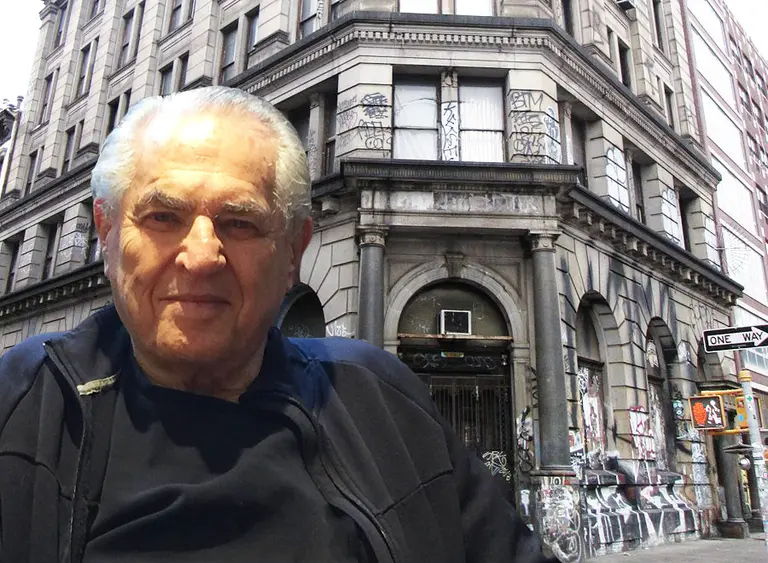
INTERVIEW: New York legend Jay Maisel dishes on 190 Bowery and his new photo archive

Jay Maisel is best known for the incredibly expressive stories he tells through his beautiful photography. But in recent years, he's become perhaps just as well known for his New York City real estate story where he made the deal of the century when he sold his home, the Germania Bank Building at 190 Bowery. What he's not at all known for, though, are the stories he tells through the hundreds of thousands of memories that fill his home and studio. Maisel, who may appear gruff on the exterior (at 87 years-old, he still likes to shock), is actually incredibly kind and sentimental. He misses his home and all his toys that once filled the 35,000-square-foot building. Although he was initially intimidated by the size and upkeep costs of 190 Bowery, Maisel grew to love the home and raise his family there for 50 years. In 2015, he sold the building for $55 million and purchased a stately townhouse on Pacific Street in Cobble Hill for $15.5 million. (At the time, it was the most expensive townhouse sale in Brooklyn.) 6sqft sat down with Maisel and discussed his real estate coup, his move to Brooklyn (which is not “the city” in his view) and his most recent New York City photography series, entitled “Jaywalking.”
Hear from Jay and get an inside look at his life and work
May 14, 2018

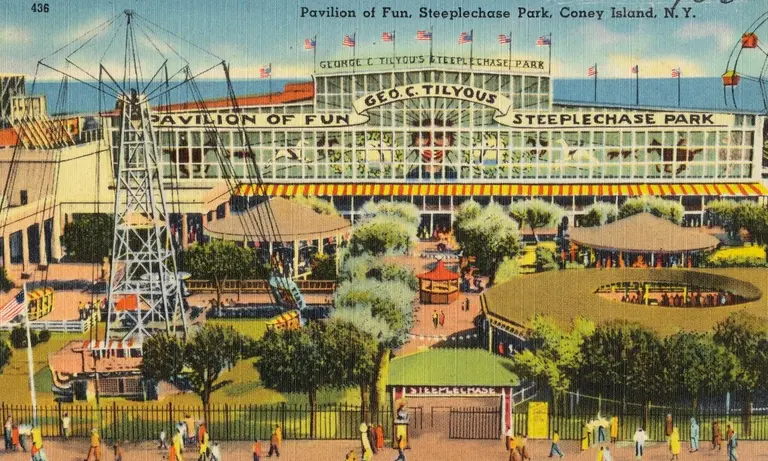
52 years ago, Donald Trump’s father demolished Coney Island’s beloved Steeplechase Park

Steeplechase Park was the first of Coney Island's three original amusement parks (in addition to Luna Park and Dreamland) and its longest lasting, operating from 1897 to 1964. It had a Ferris Wheel modeled after that of Chicago's World's Columbian Exposition, a mechanical horse race course (from which the park got its name), scale models of world landmarks like the Eiffel Tower and Big Ben, "Canals of Venice," the largest ballroom in the state, and the famous Parachute Jump, among other rides and attractions. After World War II, Coney Island's popularity began to fade, especially when Robert Moses made it his personal mission to replace the resort area's amusements with low-income, high-rise residential developments. But ultimately, it was Fred Trump, Donald's father, who sealed Steeplechase's fate, going so far as to throw a demolition party when he razed the site in 1966 before it could receive landmark status.
Get the full history this way
May 10, 2018

Inside the Ukrainian Institute of America, one of NYC’s best hidden architectural gems

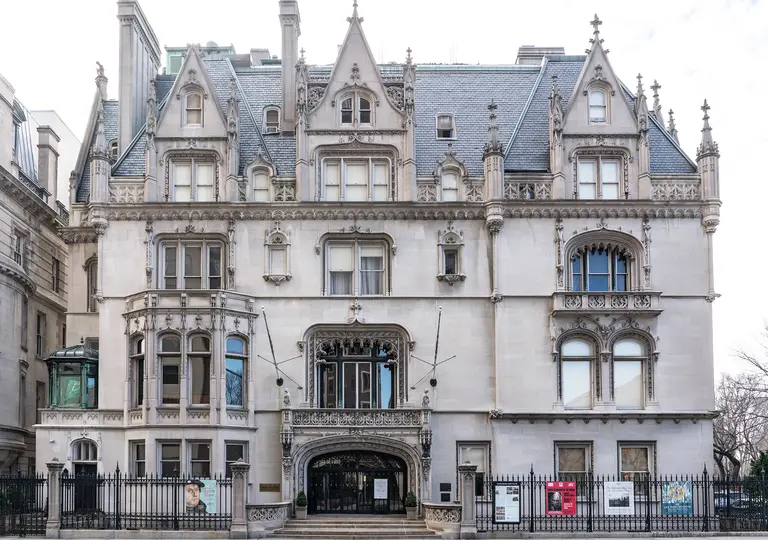
Located on East 79th Street at the corner of Fifth Avenue and across from Central Park, sits one of New York City’s last turn-of-the-century, French-Gothic styled-structures. Designed by Gilded-Age architect Charles Pierrepont Henry Gilbert, the building was home to Isaac D. Fletcher and Harry F. Sinclair, giving it the fitting name of the Fletcher-Sinclair Mansion. Now, the mansion is occupied by the Ukrainian Institute of America, a nonprofit organization that has promoted Ukrainian art, music and literature since 1948. Ahead, join 6sqft on a tour of the landmarked building and check out some of the unique features within this hidden-in-plain sight New York City architectural gem.
Take a tour
May 7, 2018

Going nuclear: The Manhattan Project in Manhattan

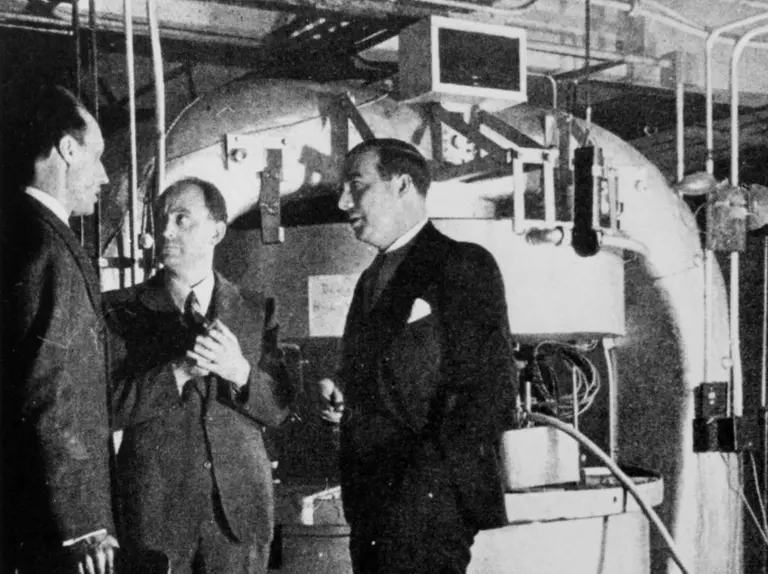
Most people assume that “The Manhattan Project” is a clever codename, a misnomer for the famous test sites in New Mexico. But, with over 1,200 tons on uranium stashed on Staten Island, and a nuclear reactor whizzing away at Columbia University, the top-secret wartime program began in Manhattan, and fanned out across the island, from its southern tip to its northern reaches, from its dimmest docks to its brightest towers. Ultimately 5,000 people poured into New York to work on the project, so duck, cover and get ready for an atomic tale of scientists, soldiers, and spies.
Learn all about the Manhattan Project in Manhattan
May 4, 2018

Jane Jacobs’ NYC: The sites that inspired her work and preservation legacy

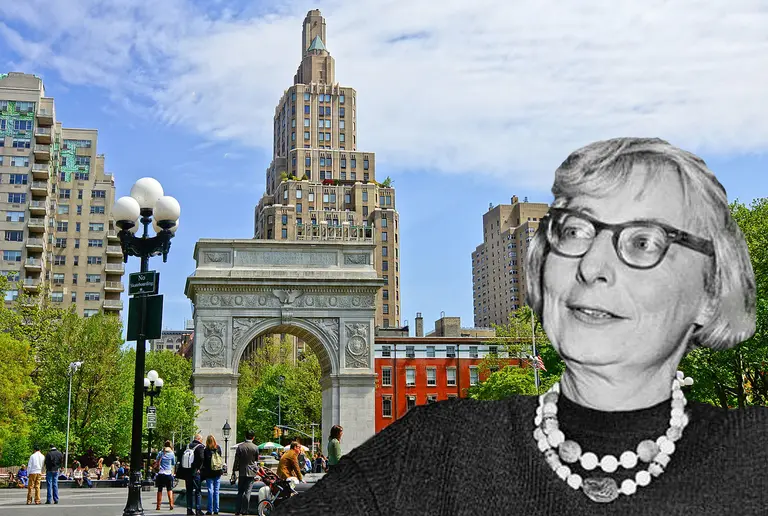
Jane Jacobs’ birthday on May 4 is marked throughout the world as an occasion to celebrate one’s own city -- its history, diversity, and continued vitality. “Jane’s Walks” are conducted across the country to encourage average citizens to appreciate and engage the complex and dazzling ecosystems which make up our cityscapes (Here in NYC, MAS is hosting 200+ free walks throughout the city from today through Sunday). But there’s no place better to appreciate all things Jane Jacobs than Greenwich Village, the neighborhood in which she lived and which so informed and inspired her writings and activism, in turn helping to save it from destruction.
Tour Jane Jacobs' NYC
May 2, 2018

How New Yorkers responded to the 1918 Flu Pandemic

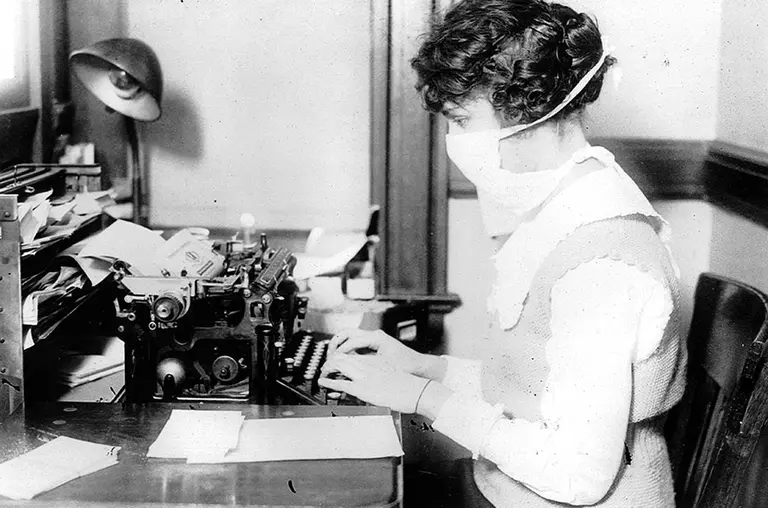
May 2018 marks the centennial of one of the world’s greatest health crisis in history—the 1918 flu pandemic. In the end, anywhere from 500,000 to 1 million people worldwide would die as a result of the pandemic. New York was by no means spared. During the flu pandemic, which stretched from late 1918 to early 1920, over 20,000 New Yorkers’ lives were lost. However, in many respects, the crisis also brought into relief what was already working with New York’s health system by 1918. Indeed, compared to many other U.S. cities, including Boston, New York suffered fewer losses and historians suggest that the health department’s quick response is largely to thank for the city’s relatively low number of deaths.
READ MORE
May 2, 2018

How did a flock of Argentinian parrots land in Brooklyn’s Green-Wood Cemetery?

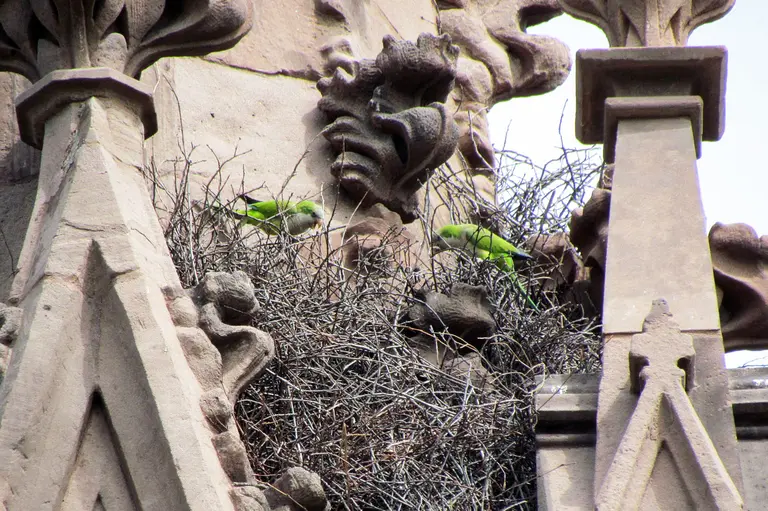
It's usually the tours and events at Brooklyn’s Green-Wood Cemetery that get people talking, but the national landmark has its own chatty group that's attracting a lot of attention. The group happens to be a flock of lime green parrots from Argentina, appropriately named “Monk Parrots” since they are hanging out in the cemetery despite Green-Wood's nonsectarian nature. But how did these loud and exotic birds get all the way from South America to Greenwood Heights?
It's not as crazy as you might think
May 1, 2018

NYC neighborhoods made for workers: The history of Queens’ Steinway Village and the Bronx Co-ops

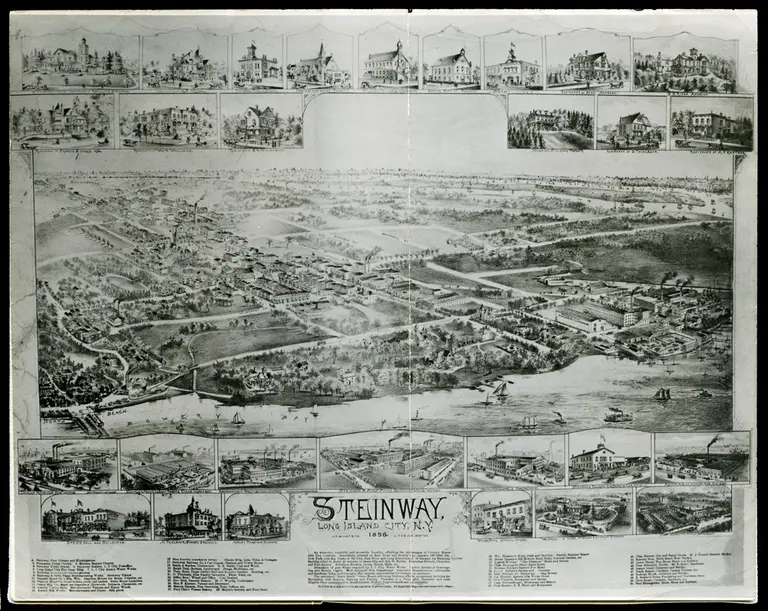
While immigration, urban planning, and the forces of gentrification are certainly key factors in how NYC's neighborhoods have been shaped, New Yorkers’ patterns of work, their unions, and in some instances, even their employers have also played a role in the development of several of the city’s established neighborhoods. To mark May Day, 6sqft decided to investigate two of the city neighborhoods that were quite literally made for workers—the Van Cortlandt Village area of the Bronx and the Steinway neighborhood in Astoria, Queens.
Learn all about it
April 30, 2018

Historic photos take you back to the 1939 New York World’s Fair in Flushing Meadows

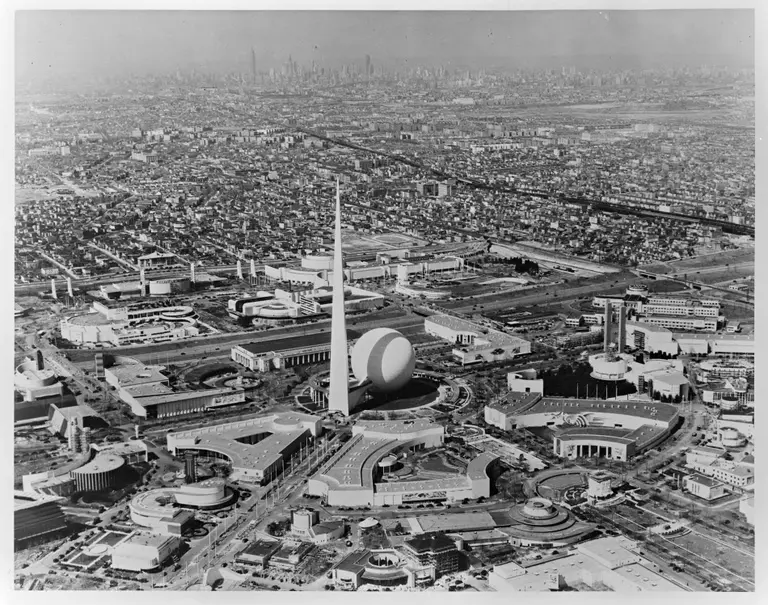
On April 30, 1939, the New York World's Fair opened in Flushing Meadows Park in Queens. The fair, which spread across 1,200 acres, commemorated the 150th anniversary of George Washington's inauguration in Lower Manhattan, and had a central theme of "Building the World of Tomorrow." Construction of the fair began in 1936, which involved turning the Corona city dump and tidal swamp into the fairgrounds. After the land was cleared, hundreds of architects, designers, engineers and construction workers came together to transform the dump into the site for the World's Fair. The "Trylon", a 700-foot obelisk, and the "Perisphere," a 200-foot globe, stood in the center of the fairgrounds, soon becoming permanent symbols of the Fair. Many American corporations, including the American Telephone and Telegraph Company, the Borden Company and General Motors, participated, as a way to introduce fairgoers to new products. With close to 60 nations and 33 U.S. states participating, and its own subway line, the 1939 World's Fair remains one of the largest, and most iconic, international fairs in history. Ahead, check out some of the photos of the historic World's Fair, found in the New York Public Library's extensive collection.
Go back in time
April 27, 2018

The Urban Lens: How Stanley Kubrick’s early photography led to his iconic film career

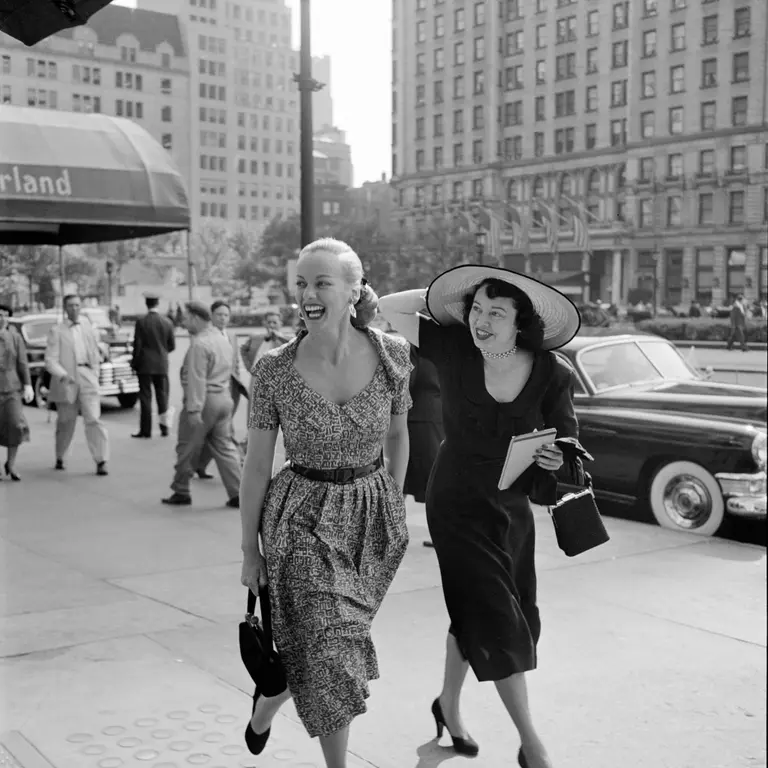
6sqft’s series The Urban Lens invites photographers to share work exploring a theme or a place within New York City. This week’s installment comes courtesy of a new exhibit at the Museum of the City of New York, “Through a Different Lens: Stanley Kubrick Photographs.” Are you a photographer who’d like to see your work featured on The Urban Lens? Get in touch with us at [email protected]. Before he directed films like "A Clockwork Orange," "2001: A Space Odyssey," and "Dr. Strangelove" Stanley Kubrick worked as a staff photographer at LOOK magazine, where he developed a knack at storytelling through street photography. Kubrick "found inspiration in New York's characters and settings, sometimes glamorous, sometimes gritty," all of which is the subject of a new exhibit at the Museum of the City of New York. “Through a Different Lens: Stanley Kubrick Photographs,” tells the story of how a 17-year-old amateur photographer from the Bronx went on to become one of the most revered directors of the 20th century. The exhibit, on view from May 3rd through October, will display more than 120 photos taken between 1945 and 1950, during Kubrick's time at LOOK, and examine the connections between his photography and film work. Ahead, the exhibit curators share with 6sqft a sneak preview of the photographs and discuss their experience working on the show.
READ MORE
April 25, 2018

Uncover secrets of the World’s Fair with free, monthly walking tours of Flushing Meadows-Corona Park

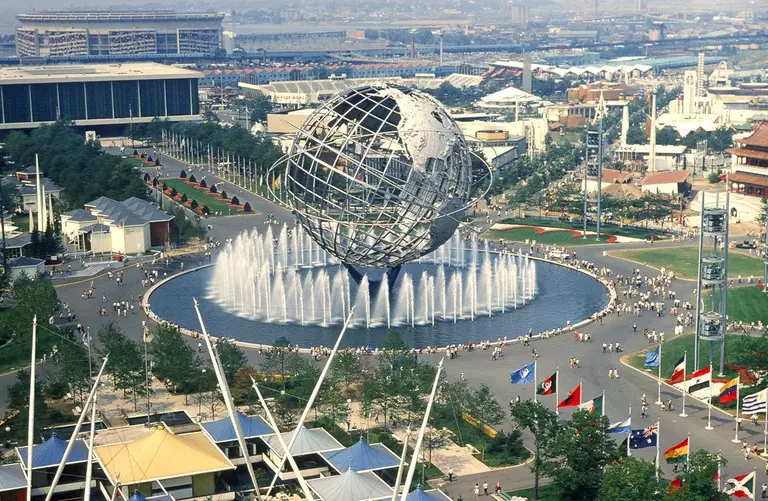
For two six-month seasons in 1964, the World's Fair came to Queens, with exhibits featured from over 80 nations spread across 646 acres. The fair came at a time of mid-20th-century innovation and culture, at the height of the Space Age. It served as a moment of peace before the start of the Vietnam War, with its motto "Peace Through Understanding." And while many New Yorkers attended the historic event, or have heard stories recounted by parents and grandparents, it's hard to imagine what it was truly like to experience. Making it easier to understand what the World's Fair was really like, the city's parks department is offering free, monthly tours of the park, allowing visitors to hear the stories behind the Unisphere, the New York State Pavilion and many more landmarks.
Details here
April 20, 2018

Edward Hopper’s Greenwich Village: The real-life inspirations behind his paintings

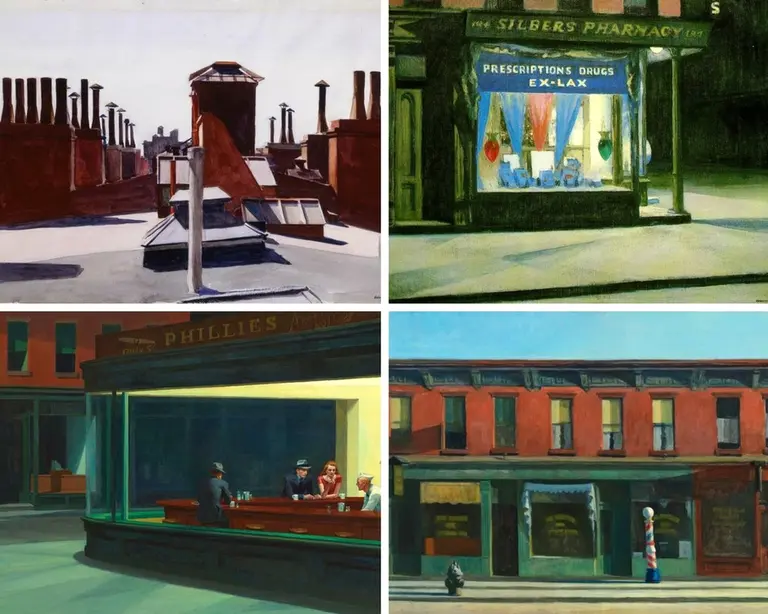
There’s no lack of artists deeply associated with New York. But among the many painters who’ve been inspired by our city, perhaps none has had a more enduring and deeper relationship than Edward Hopper, particularly with Greenwich Village. Hopper lived and worked in Greenwich Village during nearly his entire adult life, and drew much inspiration from his surroundings. He rarely painted scenes exactly as they were, but focused on elements that conveyed a mood or a feeling. Hopper also liked to capture scenes which were anachronistic, even in the early 20th century. Fortunately due to the Village’s enduring passion for historic preservation, many, if not all, of the places which inspired Hopper nearly a century ago can still be seen today – or at least evidence of them.
Learn more
April 18, 2018

150 years ago, Delmonico’s became the first restaurant to serve women unaccompanied by men

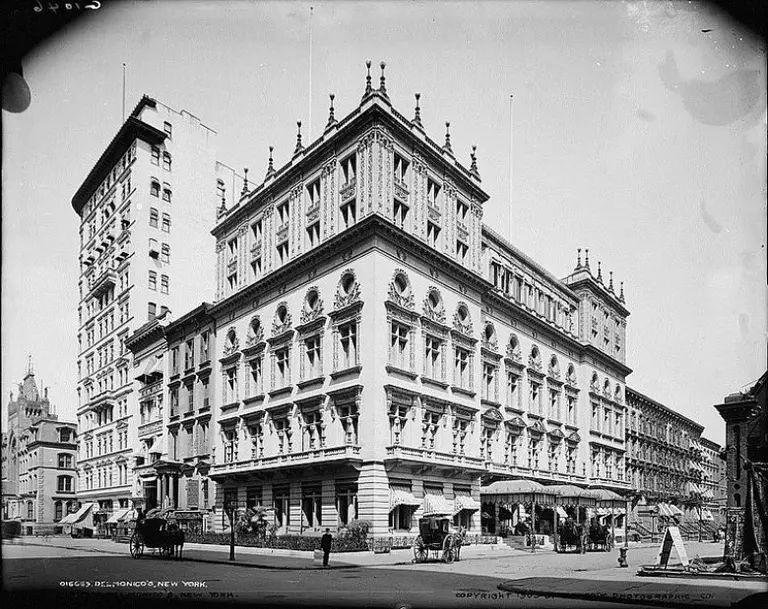
Photo of Delmonico's in 1903; photo via Wikimedia Nearly five decades before women were granted the right to vote in New York State, a group of fed-up ladies decided to protest a symbolic law that prohibited them from dining in restaurants without men present. After journalist Jane Cunningham Croly was barred from entering a dinner held at the New York Press Club, she and a group of women founded Sorosis, the first professional women's club in the United States. On April 20, 1868, Croly and her crew held a luncheon at the historic Delmonico's Restaurant in the Financial District, which became the first to serve women independently of men. Following the groundbreaking meal, clubs for only women formed all over the country.
The full history ahead
April 13, 2018

A Buckminster Fuller dome almost kept the Dodgers in Brooklyn

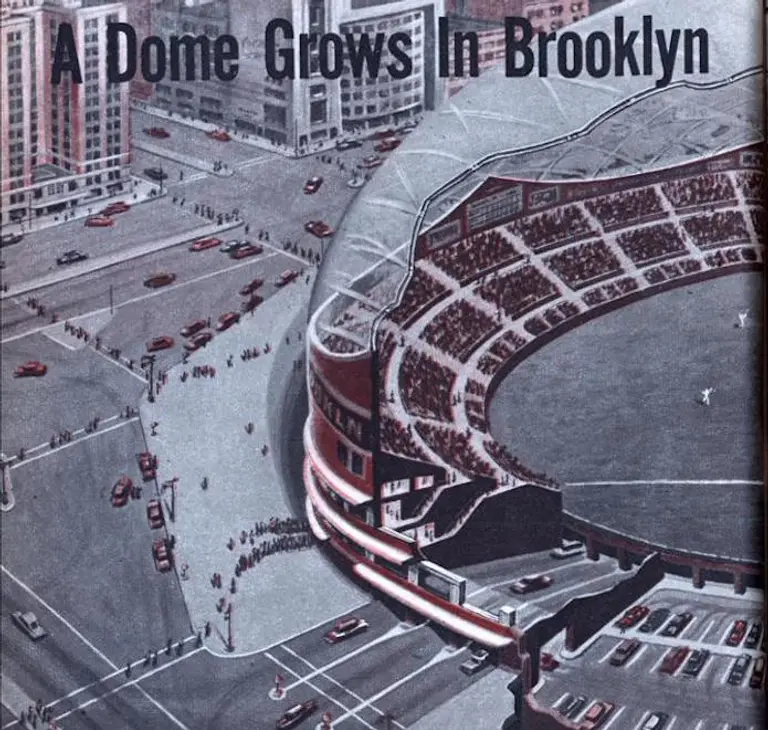
With baseball season back in full swing, talk at some point turns to the heartbreak of losing the Brooklyn Dodgers to Los Angeles. Modern Mechanix informs us that team owner Walter O'Malley had championed a Brooklyn dome stadium designed by Buckminster Fuller–and how the result is yet another reason to blame Robert Moses. O'Malley took the team to Cali, if you'll remember, because he got a better deal on land for a stadium–better than he was able to get in the five boroughs. He had wanted to keep the team in Brooklyn, but Ebbets Field was looking down-at-the-heels by then and bad for morale. In 1955 O'Malley wrote dome-obsessed architect Buckminster Fuller requesting a domed stadium design.
So what happened?
April 10, 2018

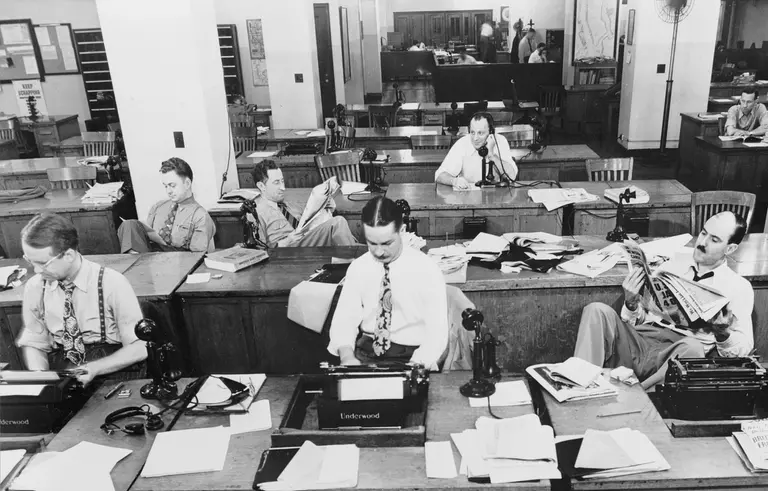
How two 1960s strikes shaped NYC’s newspaper culture forever

New York in the 1960s was a city of news junkies. Even though 10 newspapers fed that appetite, some New Yorkers who read two papers every morning were heard to complain that there was only one in the afternoon. Today, there are only three papers in New York—the Times, the Post, and the Daily News, (The Wall Street Journal is customarily considered a business publication, not a general newspaper.), but of course, one's media appetite is fed digitally. Back in the 60s, though, there were few other options. So in 1962, when 17,000 newspaper workers went on strike for 114 days, and then again in 1965 for a whopping 140 days, crippling print publications, the starvation was keenly felt. These two events are also what ultimately led to NYC going from 10 to three newspapers.
The entire saga unfolds right here
April 9, 2018

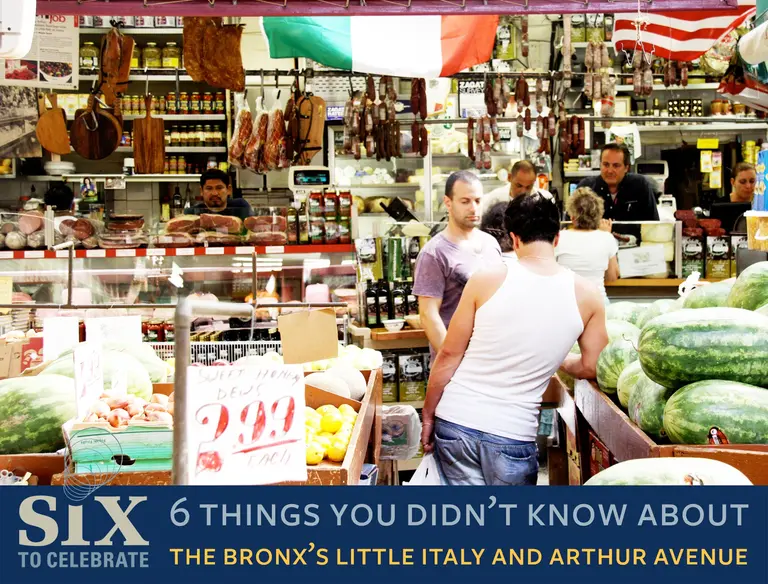
Six things you didn’t know about Arthur Avenue and Bronx Little Italy

This post is part of a series by the Historic Districts Council, exploring the groups selected for their Six to Celebrate program, New York’s only targeted citywide list of preservation priorities. The Bronx's Belmont community can date its history all the way back to 1792, when French tobacconist Pierre Abraham Lorillard opened the Lorillard Snuff Mill as the first tobacco firm in the country, and possibly the world. European influences continued to proliferate in the area, and at the turn of the 19th century, flocks of Italian immigrants moved to Belmont to take jobs in the newly opened Botanical Gardens and Bronx Zoo. By 1913, the neighborhood was referred to as the Italian "colonies" in the Bronx. Today, Belmont's main artery, Arthur Avenue, still thrives as a bustling Italian center, with countless restaurants, pastry shops, butchers, and more. But there's a lot more to Belmont than just spaghetti and cannoli. From the origins of a pasta shop's sign that's now featured on Broadway to a Neapolitan restaurant that was born in Cairo, Egypt, the Belmont BID shares six secrets of this saucy neighborhood.
Uncover the history ahead
April 6, 2018

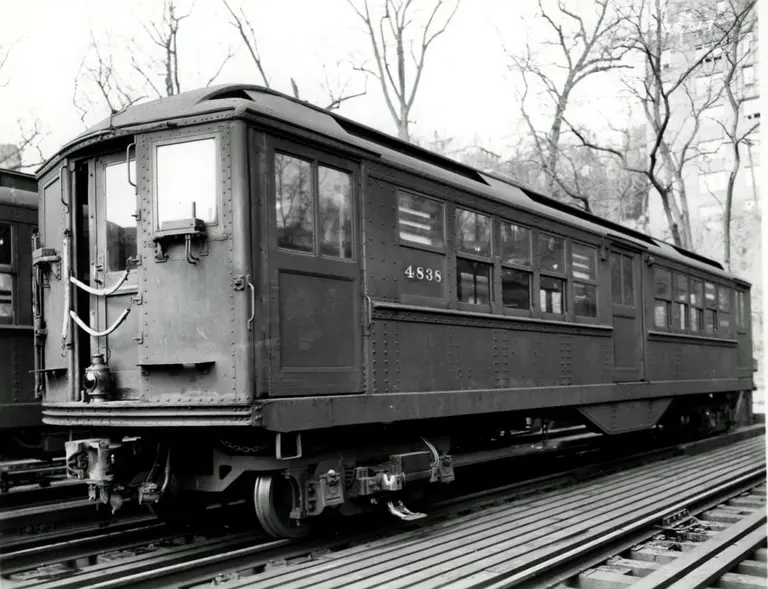
Travel uptown on a WWI-era subway to mark the 100th anniversary of Woodlawn station

Before the Woodlawn station opened a century ago, the surrounding area of Norwood in the Bronx was mostly rural with lots of farmland. While residential development began with the opening of the Woodlawn Cemetery, the neighborhood's transformation really took off when the subway was extended to reach this part of the city. To celebrate the 100th anniversary of the first train pulling into the northern terminal of the IRT Jerome Avenue Line, the New York Transit Museum is giving guests the chance to travel on World War I-era cars to relive this important part of subway history.
Find out more
April 5, 2018

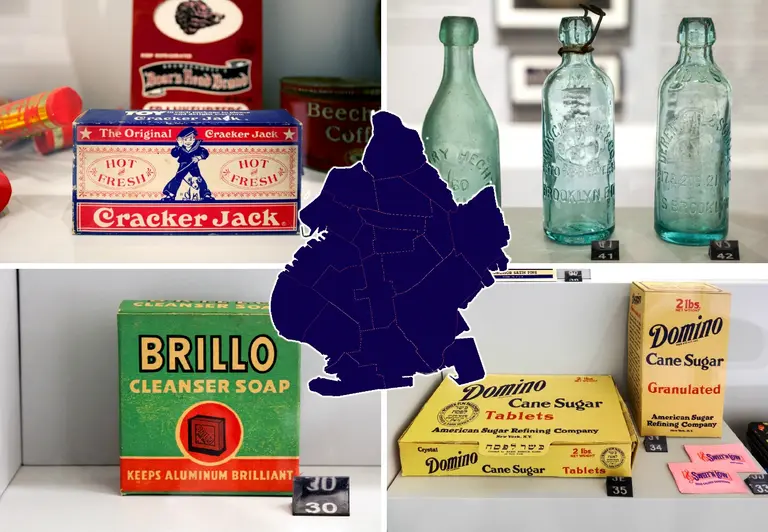
10 things you didn’t know were made in Brooklyn

The new exhibition at the Brooklyn Historical Society, "The Business of Brooklyn," celebrates the 100th anniversary of the Brooklyn Chamber of Commerce and tells the fascinating story of the borough’s 100 years of business, detailing its industrial past, large companies, as well as its preponderance of mom-and-pop shops. It also showcases many objects and artifacts, which have their origins in Brooklyn, demonstrating the significant “role that Brooklyn has played in American consumer culture.” The exhibition is on view at the Brooklyn Historical Society’s landmark building in Brooklyn Heights located at 128 Pierrepont Street until Winter 2019. From those iconic yellow pencils to Brillo pads to Cracker Jack, you may be surprised to see what has been made in Brooklyn.
The history of 10 famous products made in Brooklyn
April 4, 2018

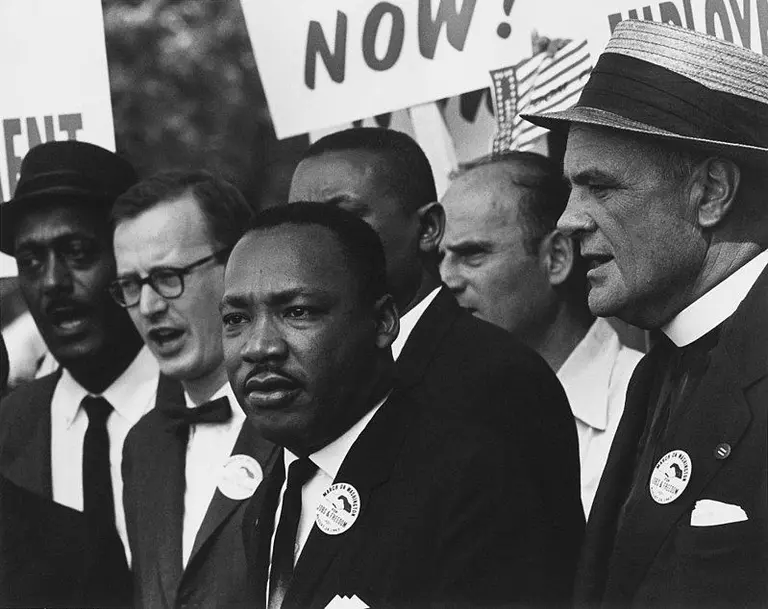
How New Yorker Howard Bennet fought to make Martin Luther King Jr.’s birthday a national holiday

Fifty years ago, on April 4, 1968, Martin Luther King Jr. was shot as he stood on the balcony of the Lorraine Motel in Memphis, Tennessee. This ended the life of one of the 20th century’s most revered and influential figures. It also began a 15-year campaign to make Dr. King’s birthday a national holiday — the first-ever honoring an African American. That successful quest began with and was spearheaded by a native son of Greenwich Village, Howard Bennett. Bennett was one of the last residents of a Greenwich Village community known as “Little Africa,” a predominantly African-American section of the neighborhood which was, for much of New York’s history through the 19th century, the largest and most important African-American community in the city. That neighborhood centered around present-day Minetta, Thompson, Cornelia, and Gay Streets.
Learn more here
March 30, 2018

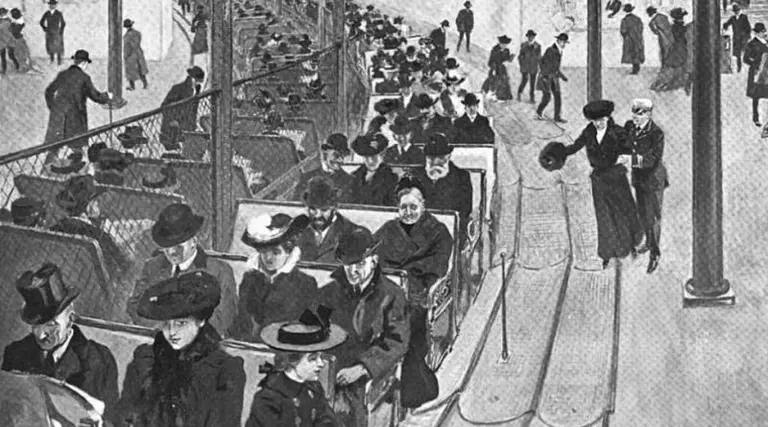
Underground moving sidewalks were NYC’s transit plan of the future at the turn of the 20th century

As the city currently tackles a plethora of issues with its public transit system, New Yorkers have been presented with no shortage of innovations to make commuting (hopefully) better. Take a look back at the turn of the 20th century, though, and the moving sidewalk was considered the future of urban transportation. According to Gizmodo, "The moving sidewalk represented a bold new vision for tomorrow... This idea of rolling pavement appealed to people in major cities who didn't yet see the rise of the automobile as inevitable and were looking for an affordable alternative to more elaborate infrastructure like subway trains." In 1903, an article in Harper's Weekly said that moving sidewalks were the perfect solution for the city to tackle congestion issues that would arise with new bridge connections bringing people from Brooklyn into New York City.
They would move at 9MPH
March 29, 2018

When the Bronx Bombers were the Highlanders: A brief history of the Yankees

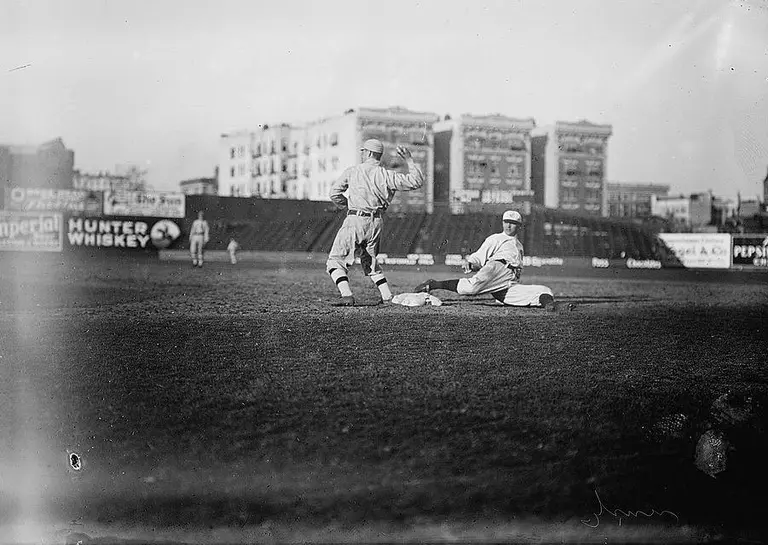
Not unlike their current powerhouse lineup, the most dominant team in American sports got off to quite a rocky start. Not only did the New York Highlanders, now known as the Yankees, have a losing record for many years, but the team’s first home field was also a mess: it was located near a swamp, the outfield had no grass, and the ballpark sat mostly unfinished. In just six weeks, 500 men hastily built the stadium on Broadway and 168th Street in Washington Heights, known as Hilltop Park, in time for the Highlanders' first home game on April 30, 1903. Due to the unsavory, rock-filled conditions, the last big league game at Hilltop Park was played in October of 1912. Following its closure, the Highlanders changed their name to the Yankees in 1913, moved to the Bronx, and went on to become one of the most successful sports teams in the world.
More this way