
$108M restoration of Dumbo’s historic cobblestone streets is complete
Images courtesy of Matthew Lapiska/NYCDDC
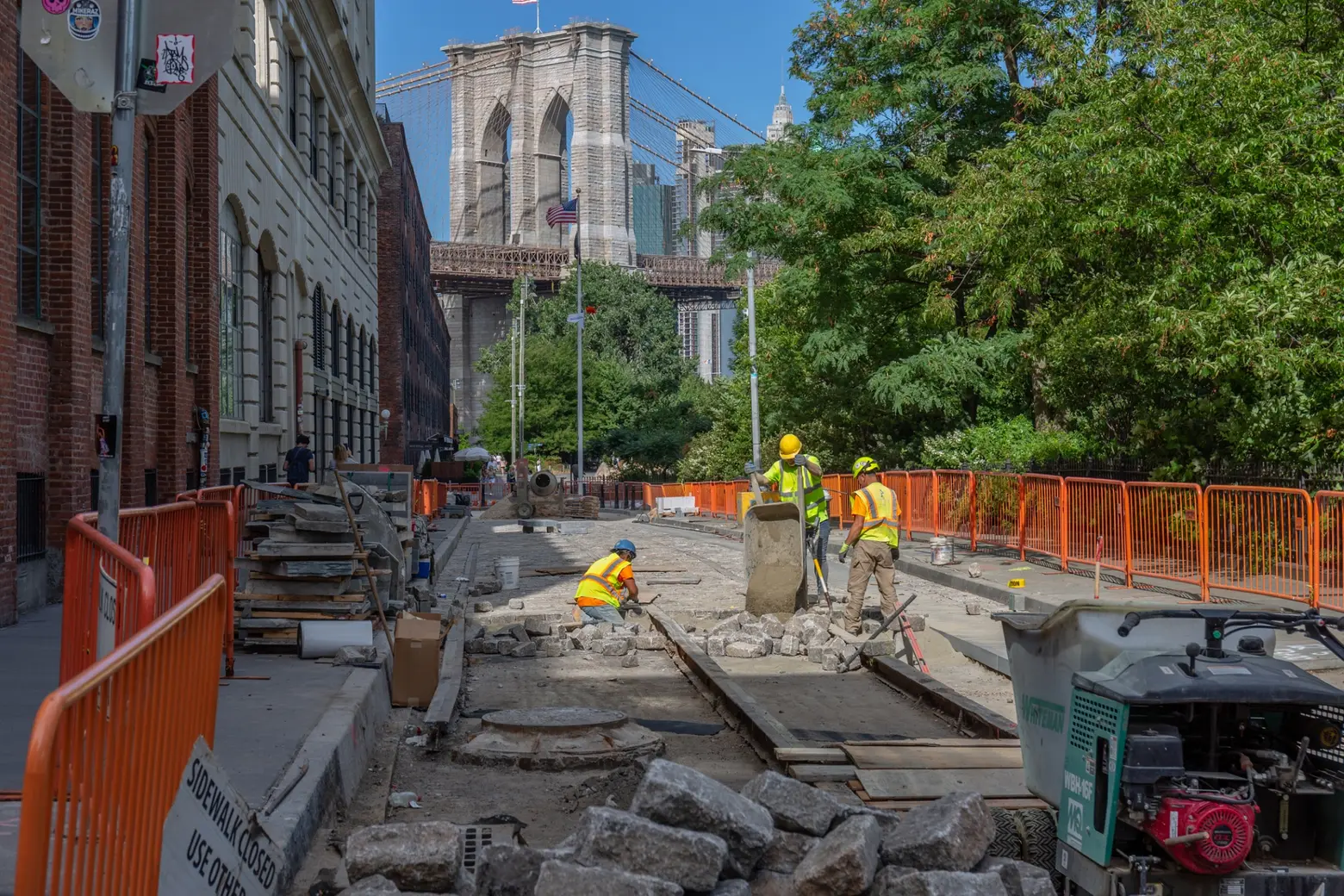
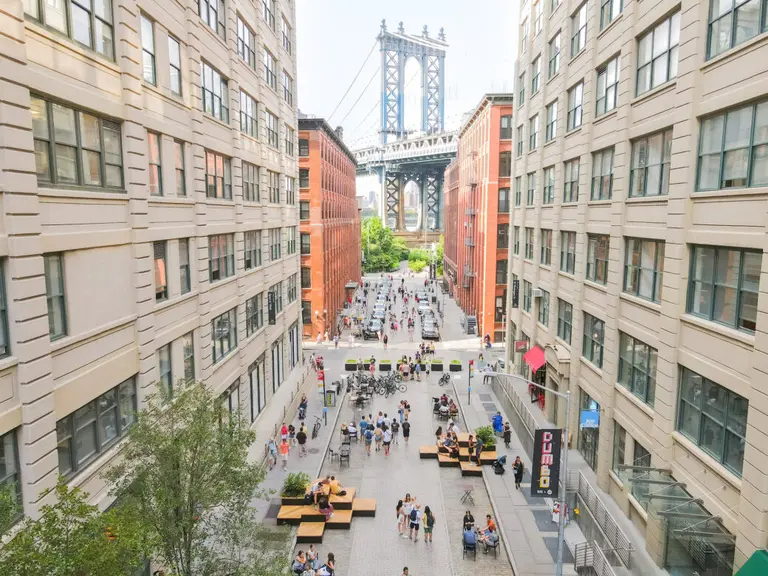
This week, the final brick was laid in the multi-year, $108 million restoration of Dumbo’s iconic cobblestone streets. The city’s Department of Design and Construction and the Dumbo Business Improvement District on Wednesday celebrated the placement of the last Belgian block at Anchorage Plaza, completing a six-year effort that restored 800,000 historic bricks across 26 blocks. The landmark project in one of Brooklyn’s oldest neighborhoods also upgraded stormwater drainage, reduced combined sewer runoff into the harbor, added new bike lanes, and introduced the Pearl Street Plaza.
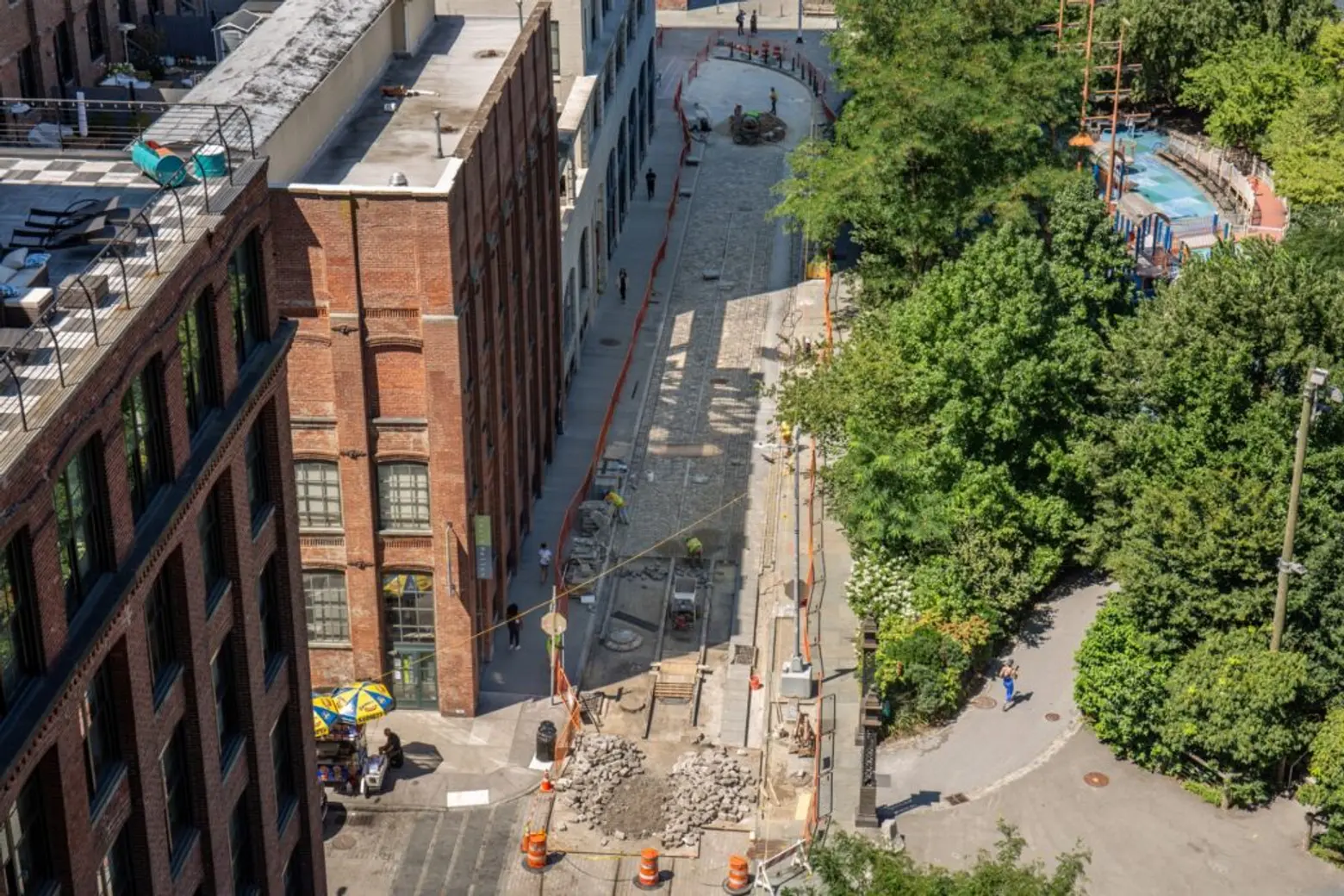
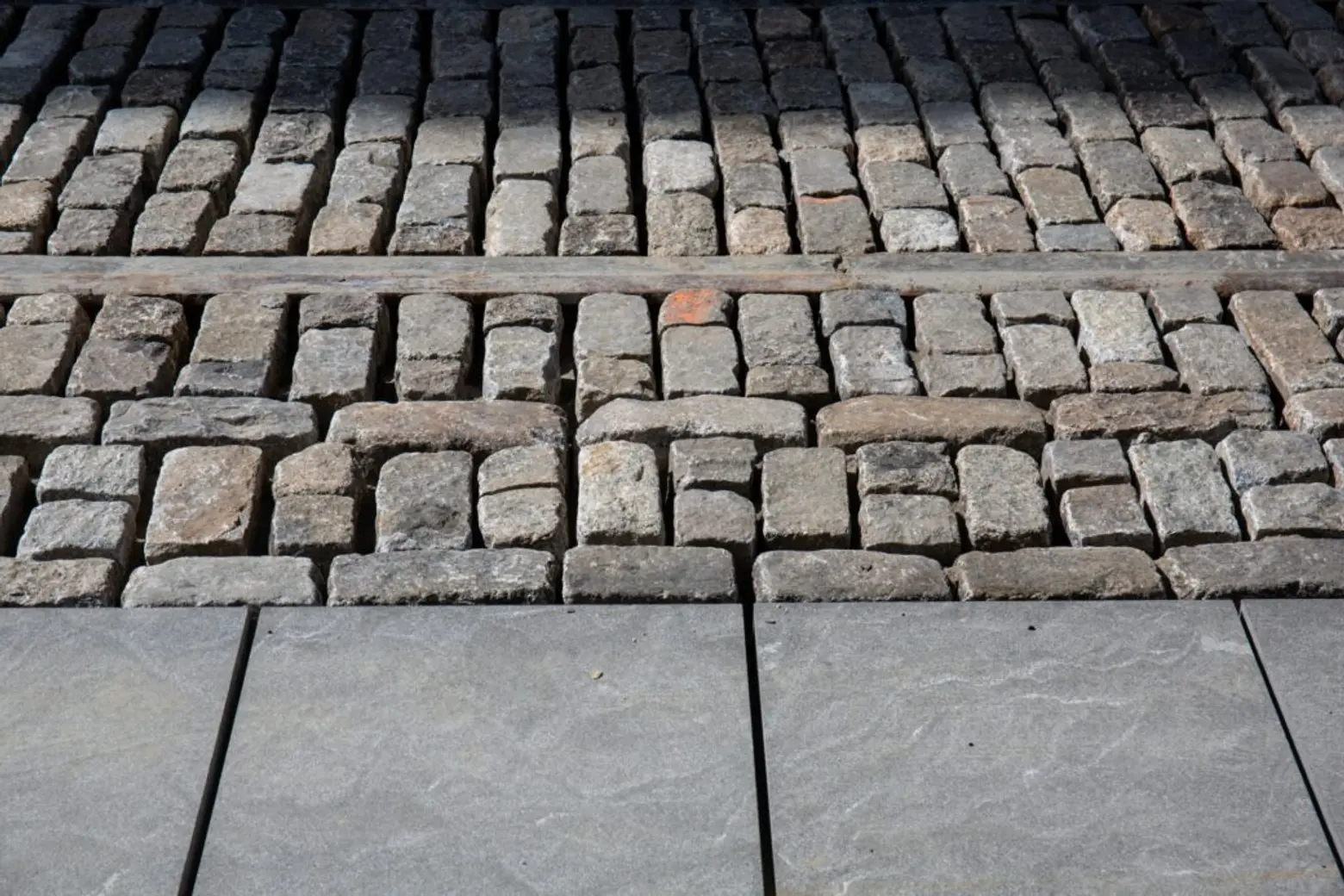
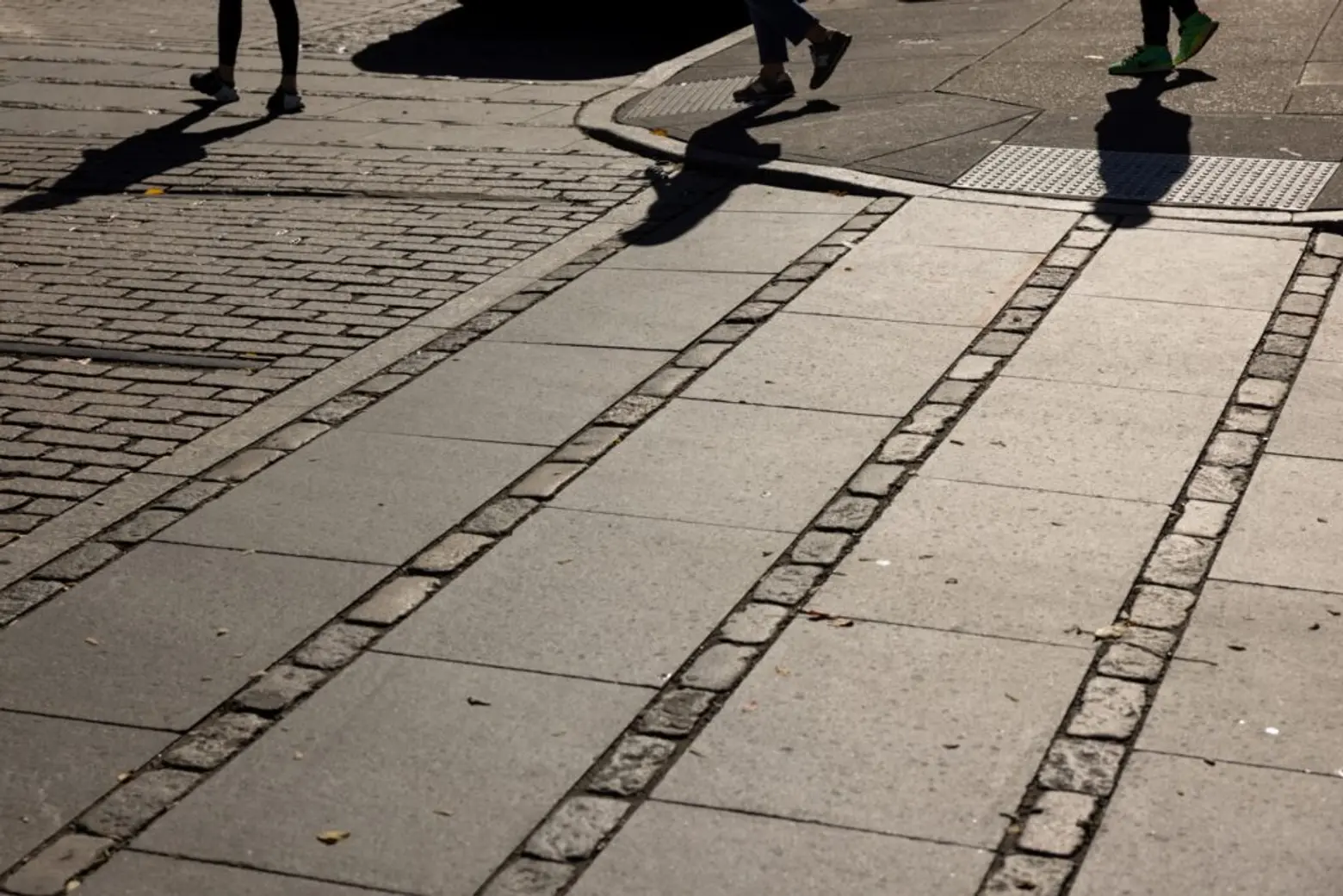
Renovations began in 2019 to provide Dumbo with more modern infrastructure and improved public spaces while maintaining the neighborhood’s historic charm. The new streets now feature a mix of newly-laid, ADA-compliant Belgian blocks, preserved historic stones, and original rail tiles integrated into the streetscape.
Widely used across the five boroughs in the 19th and early 20th centuries, Belgian block is made from tooled rectangular granite stones. Unlike cobblestones, an earlier material used until around 1860, the blocks feature a naturally rounded shape and a more uniform surface.
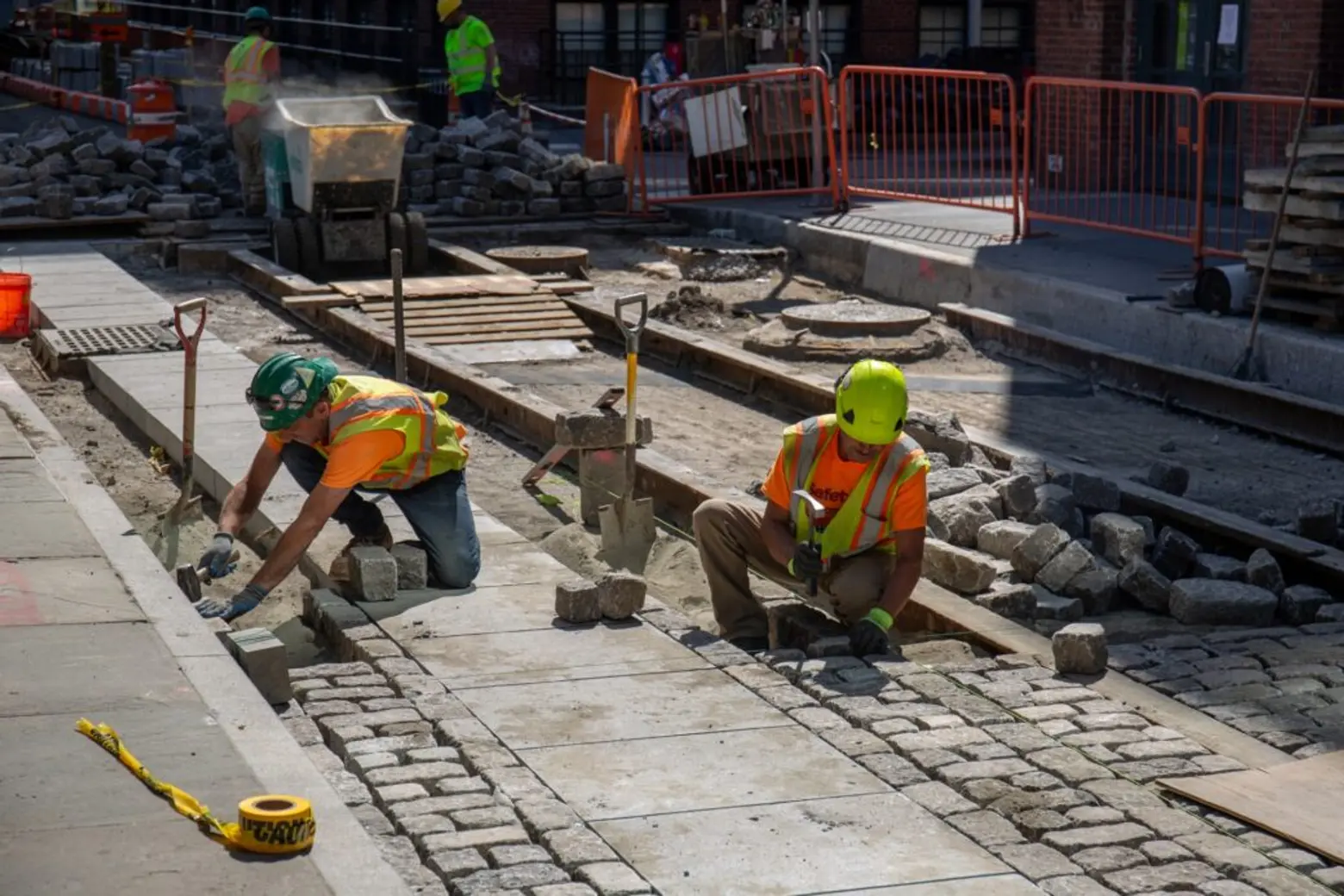
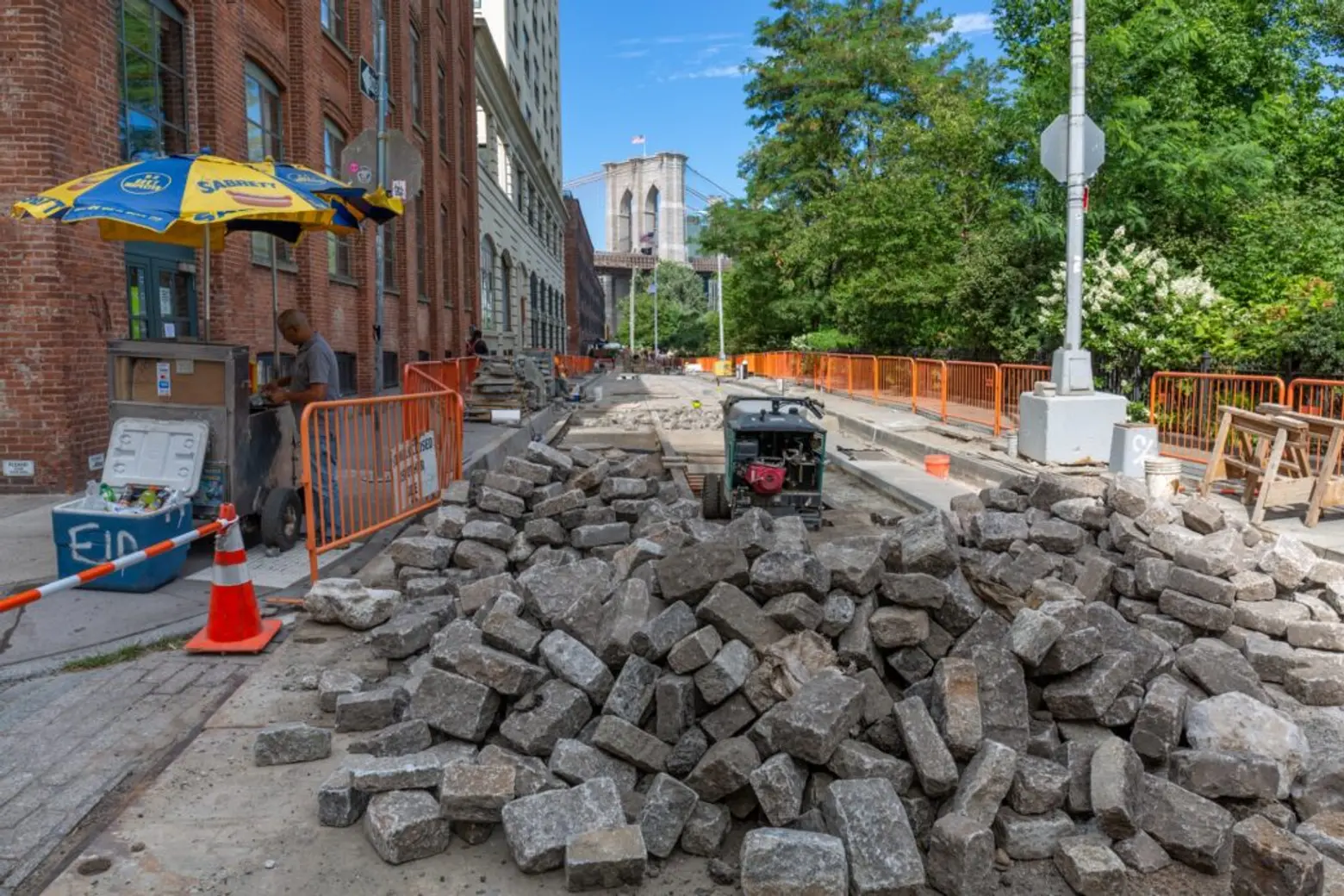
Most of the blocks were located in two historic districts, all of which were restored with full cobblestones and historically accurate granite curbs. One block, Gold Street between Front and Water Streets, was originally asphalt but has been converted to Belgian blocks.
The remaining 25 blocks had originally been paved with Belgian blocks, but over the decades, many were displaced, removed, or paved over with asphalt. In total, crews removed and replaced more than 800,000 blocks, bringing in roughly 8,000 additional stones from off-site to complete the restoration.
Over the decades, natural wear and flooding left many of Dumbo’s streets uneven and covered with patchy asphalt. The restoration has now made these streets safer and more accessible, featuring 8,800 feet of granite-paved bike lanes and upgraded water and sewer infrastructure.
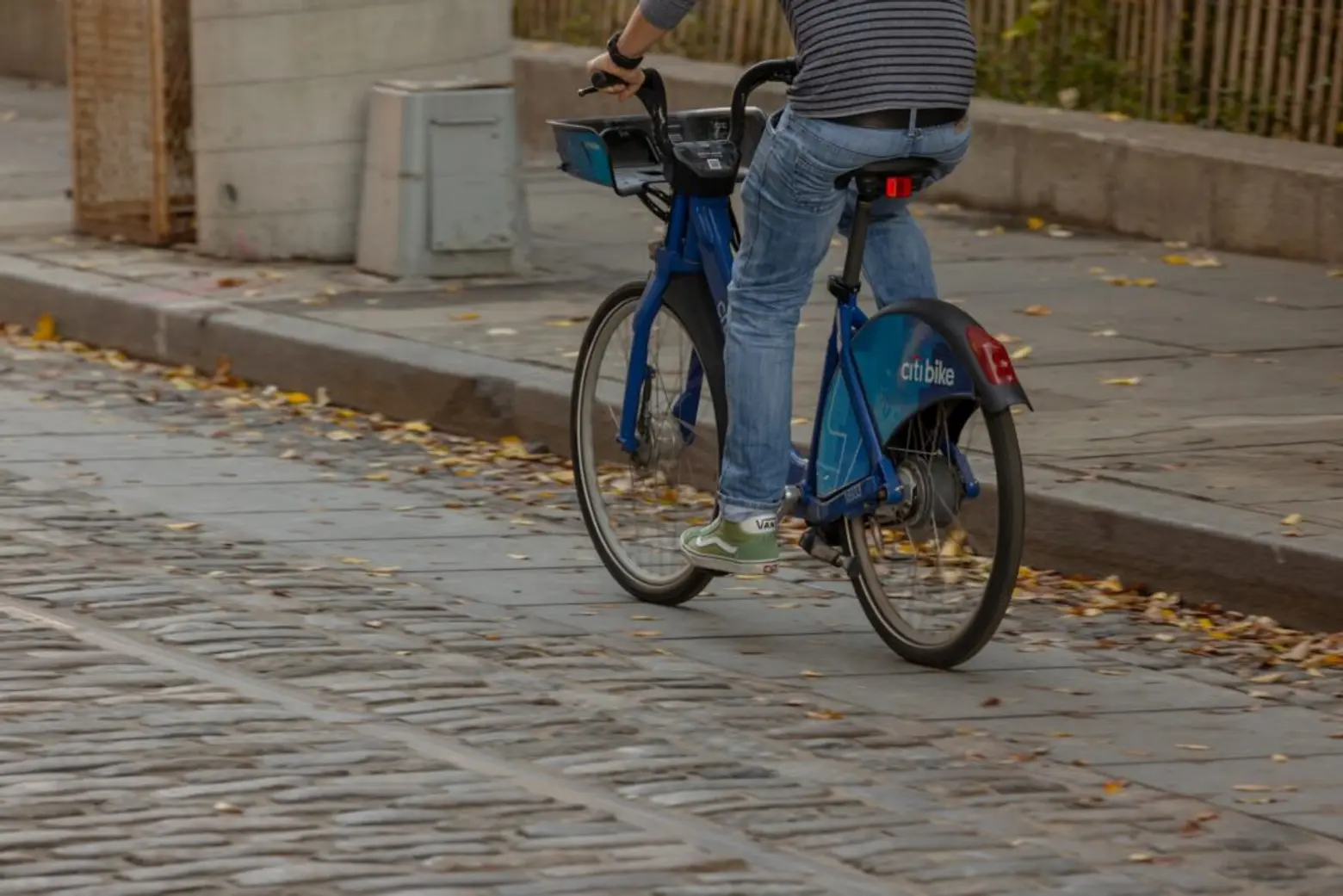
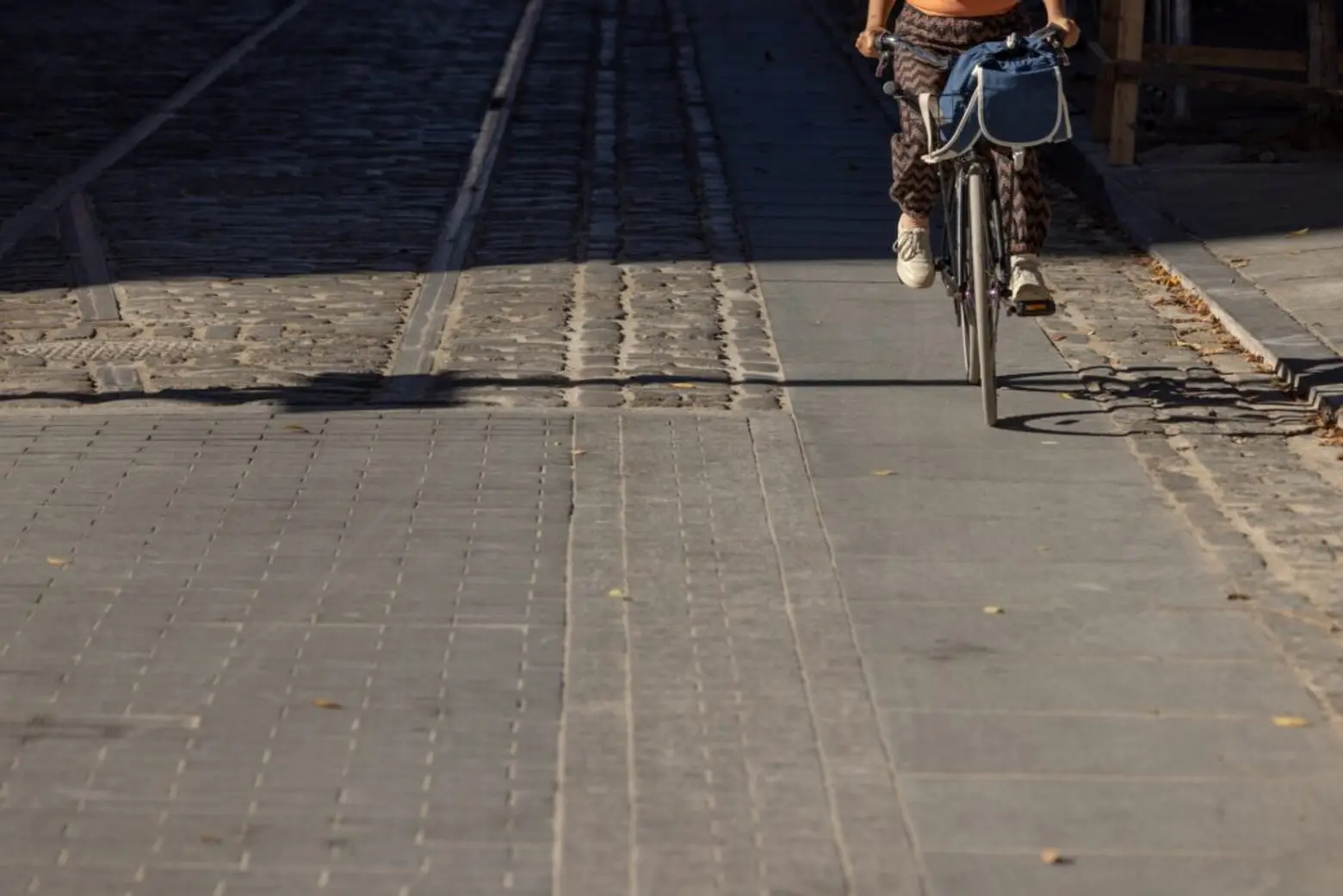
“We are so thrilled to have been able to preserve the Belgian blocks while making them bikeable and accessible for everyone,” Alexandria Sica, president of the Dumbo BID, said. “We’ve made it through a decade of development—but that’s nothing compared to the eras these Belgian blocks have seen.”
She added, “From tea trolleys to film crews, horses to e-bikes, these streets have carried it all. Now, you can walk through the streets of Dumbo and experience the neighborhood’s historic charm in true old New York style.”
Beneath the streets, century-old pipes frequently caused widespread flooding, a problem worsened by Hurricane Sandy. The project installed 2,734 feet of new storm sewers in previously unserved areas, with the largest section measuring 5 feet wide by 2 feet high. All 32 existing catch basins were upgraded, and 46 new basins were added to channel stormwater into the enhanced system.
In addition, 2,121 feet of old combined sewers were converted into dedicated sanitary lines to reduce sewage entering the harbor from overflows. The project also replaced more than 1,300 feet of existing sanitary sewers, upgraded 6,600 feet of water mains, and installed 3,140 feet of new mains to strengthen the system.
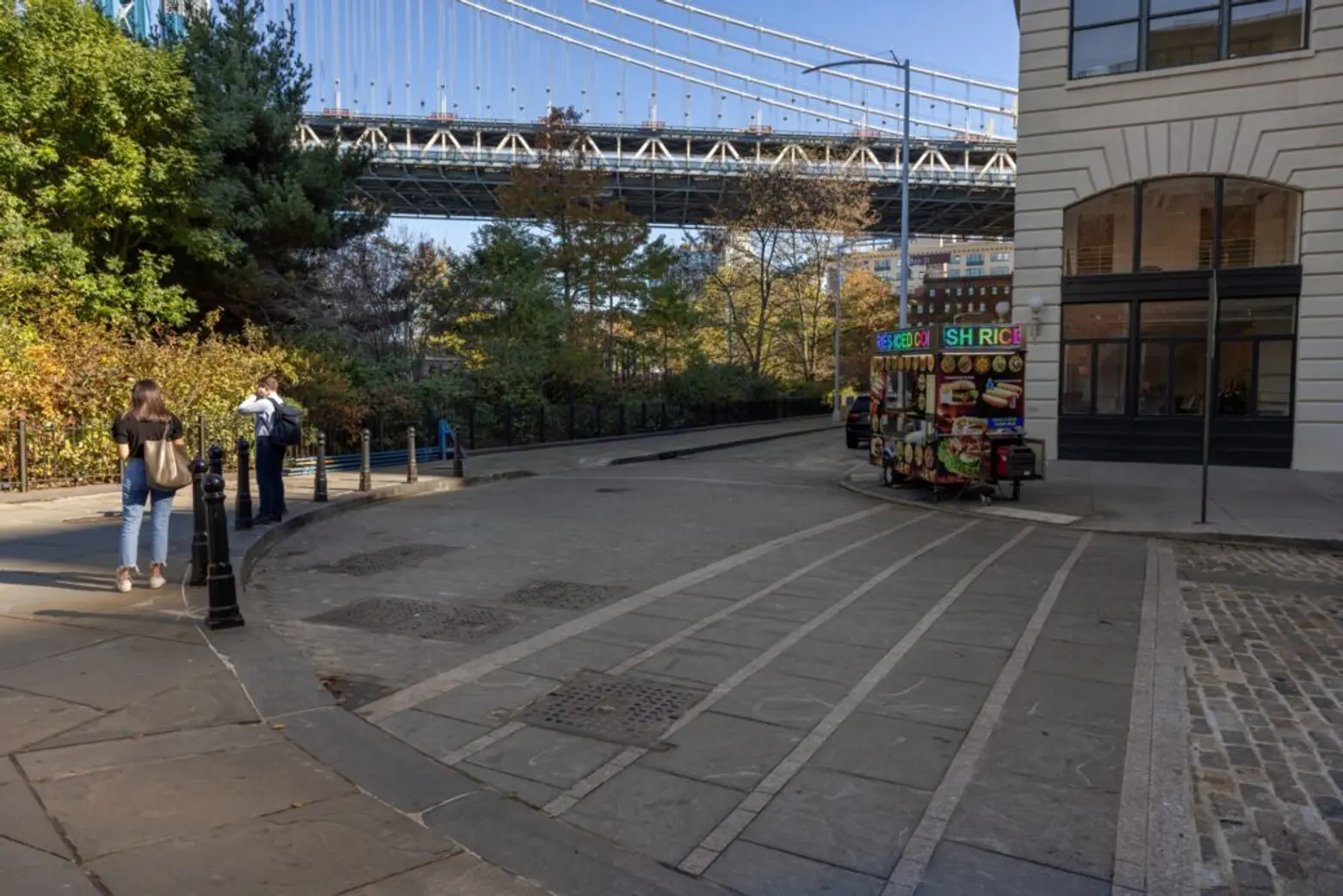
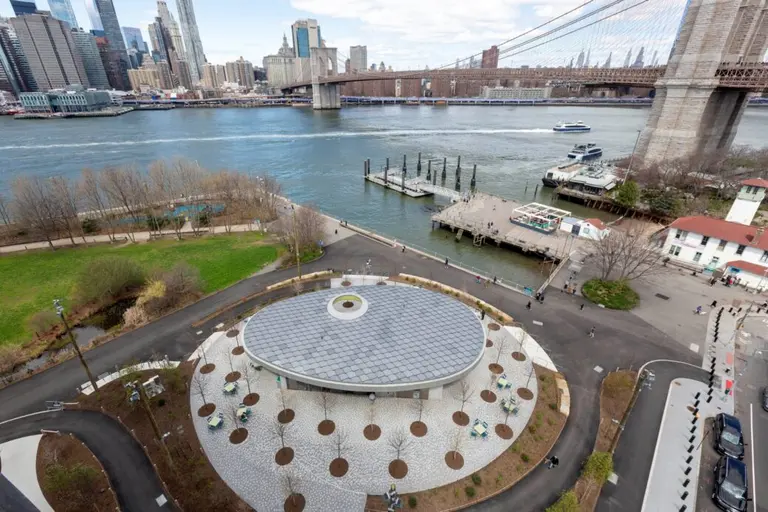
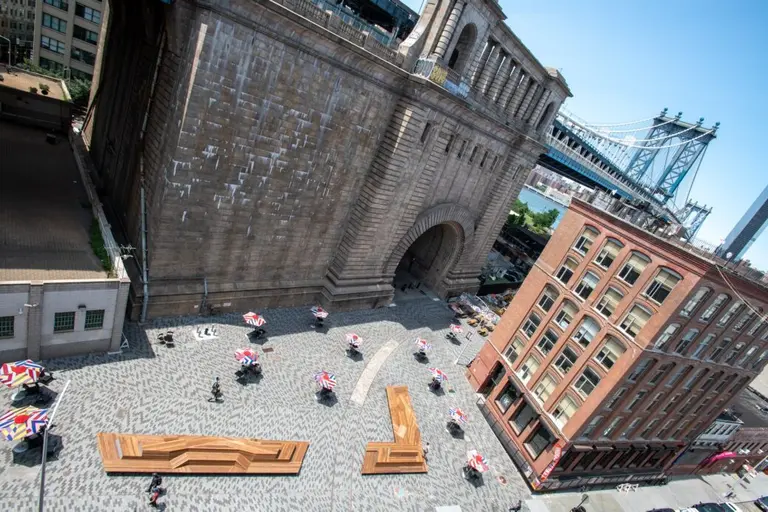
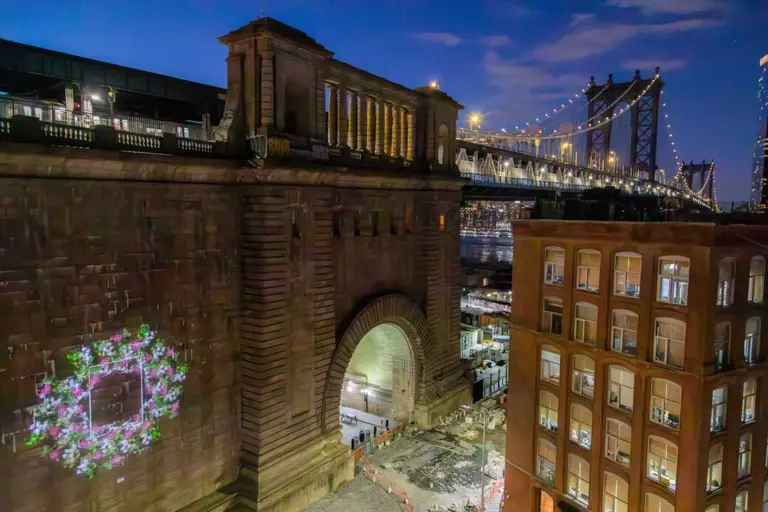
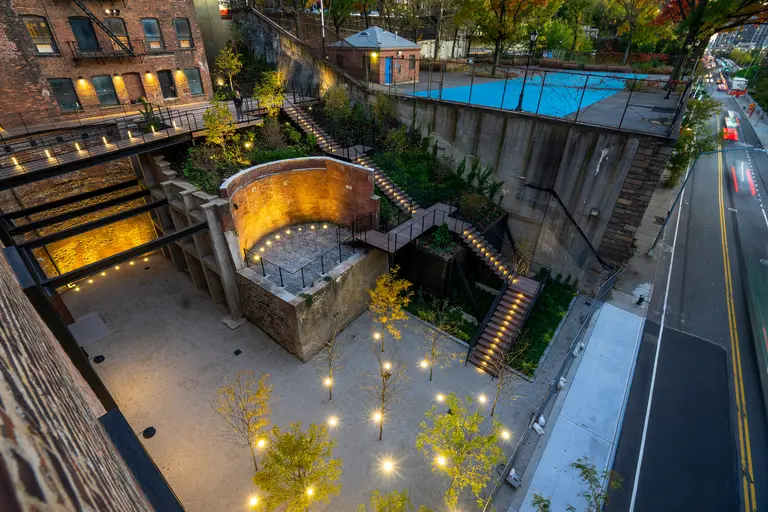
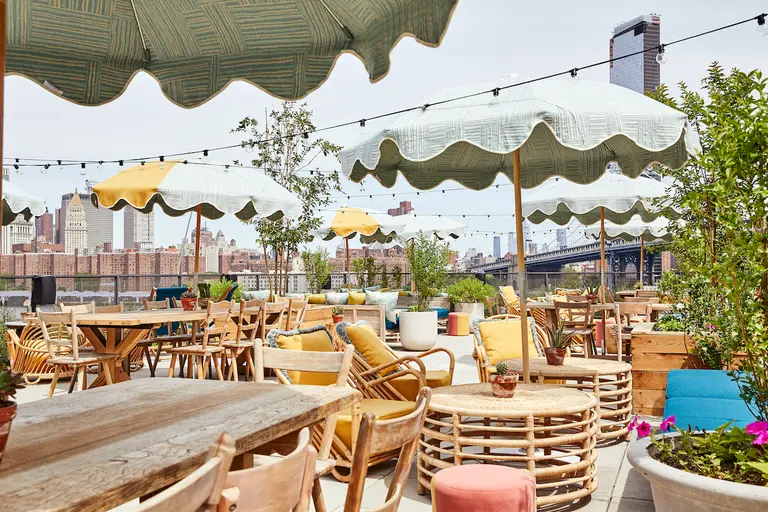
More than 12,000 feet of new granite curbs, 117,000 square feet of new pigmented concrete sidewalks, and 114 new ADA-compliant pedestrian ramps now line the streetscape. The new 2,500 square yard Pearl Street Plaza, adjacent to the Manhattan Bridge, features updated lighting and fencing, planters, umbrellas, and seating areas. The iconic Dumbo Archway received new lighting as part of the restoration.
During the project, crews uncovered roughly 2,800 artifacts, some as old as the late 1600s, but most dating from the mid-1800s to the mid-1900s. Much of the collection is made up of different types of domestic, utilitarian, and architectural ceramics, including objects made of earthenware, stoneware, and porcelain.
The remaining artifacts include items made of glass, metal, wood, stone, and leather, as well as faunal remains such as animal bones, teeth, and shells. Two particularly notable finds were a copper button dating from the 1860s to 1900s featuring the New York State Excelsior symbol, and a clay smoking pipe from the 1820s to 1860s stamped with a Liberty Eagle motif.
Once the artifacts are analyzed, the collection is expected to be curated by the Landmark Preservation Commission’s NYC Archaeological Repository at the Nan A. Rothschild Research Center.
City officials celebrated the completion of the project with a mallet ceremony at Anchorage Plaza on Wednesday, where the final Belgian block was laid.
The project was primarily funded by the Departments of Transportation and Environmental Protection, with additional contributions from private utilities and the federal government.
“This project is a great example of how we can modernize critical infrastructure while preserving the historic character that makes neighborhoods like DUMBO so special,” DEP Commissioner Rohit T. Aggarwala said.
“By restoring the cobblestone streets while simultaneously upgrading the sewer and stormwater systems beneath them, we’re improving harbor water quality and enhancing quality of life for this vibrant waterfront community.”
RELATED:
Explore NYC Virtually
Leave a reply
Your email address will not be published.













I grew up in that neighborhood