Search Results for: all zip codes in NYC

March 24, 2022

New report finds neighborhoods in the Bronx lead the city in missed mortgage payments

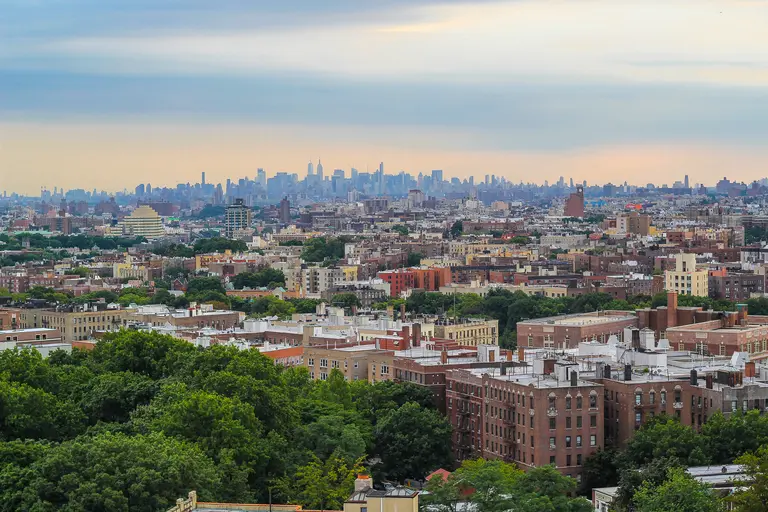
Two years after the start of the coronavirus pandemic, Bronx neighborhoods are leading the city in mortgage delinquency rates, according to a new analysis by the Center for NYC Neighborhoods. Plus, the city's majority Black neighborhoods were most at risk for foreclosures, with these ZIP codes having an average of 8.48 percent of homeowners who had failed to make their mortgage payment for more than 30 days, as first reported by The City.
Learn more
March 14, 2022

36% of New York City residents have received a Covid booster shot

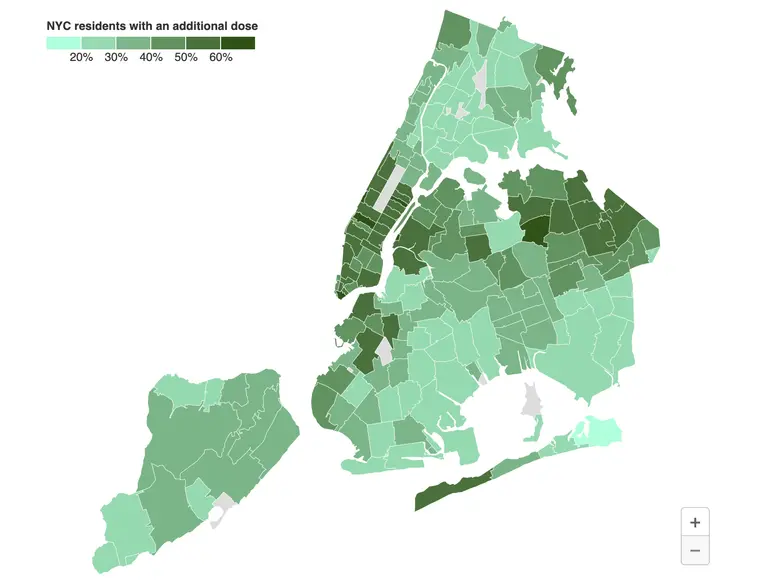
Just over a third of New York City residents have received a coronavirus booster shot, according to newly published data released by the city's health department this week. While roughly 77 percent of New Yorkers are fully vaccinated, just 36 percent have received an additional dose of the Covid vaccine. The data also reveals racial disparities among vaccination rates citywide, with 57 percent of Asian and Pacific Islander residents getting boosted compared to 24 percent of Black New Yorkers.
Learn more

January 3, 2022

Hochul announces Covid ‘surge plan 2.0’ as New York sees record number of daily cases

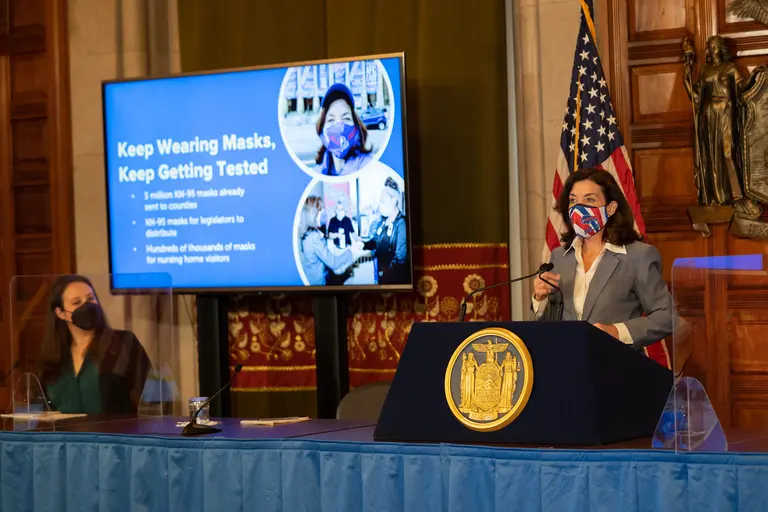
On Friday, the state of New York recorded over 85,000 new cases of the coronavirus, the highest daily total since the start of the pandemic. Nearly 50,000 of those cases were reported in New York City alone. Gov. Kathy Hochul announced over the holiday weekend a "winter surge plan 2.0," an attempt to strengthen the state's fight against Covid with more testing, additional testing sites, and an increase in access to vaccines.
Find out more
July 26, 2021

Cuomo announces $15M community-focused vaccine initiative amidst rising Covid cases

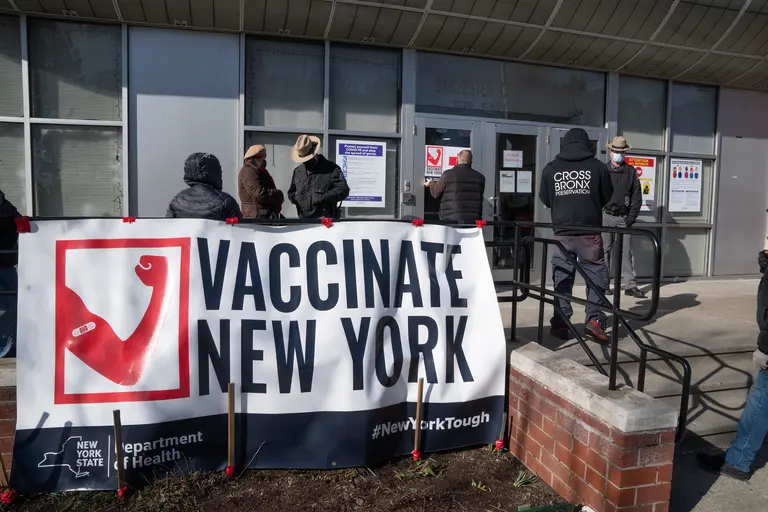
A state-run mass vaccination site at the Bay Eden Senior Center in the Bronx. March 2021. Photo by Don Pollard/Office of Governor Andrew M. Cuomo Yesterday, New York State had 1,982 new Covid cases, up from 346 just one month ago. Of recent positive cases, 72.2 percent are linked to the Delta variant. Though 75 percent of the state's population is vaccinated, the numbers continue to rise among the 25 percent, or roughly 3.5 million people, who remain unvaccinated. To curb the spread, Governor Cuomo today announced a $15 million initiative to work with community-based organizations that can help advocate for the vaccine in communities with both high Covid spread and low vaccination rates.
READ MORE
February 22, 2021

FEMA community-based vaccination sites open in Brooklyn and Queens this week

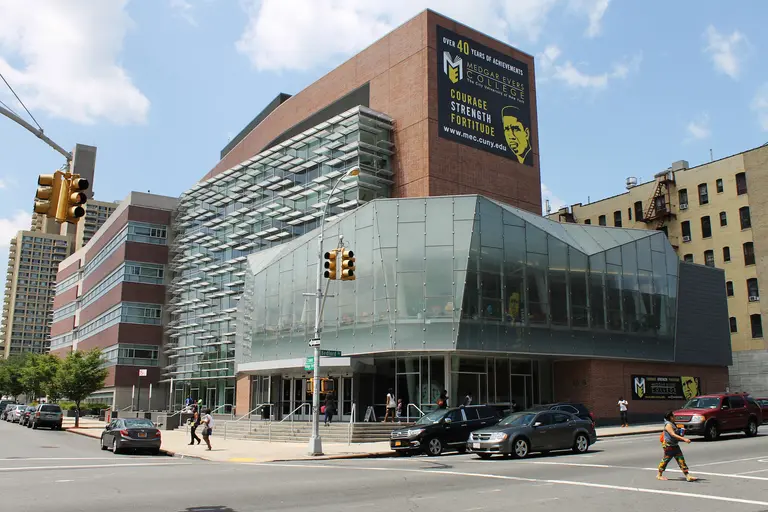
Two coronavirus vaccination sites run by the state with the Federal Emergency Management Agency (FEMA) will open in Queens and Brooklyn on Wednesday, with appointments set aside for residents of specific ZIP codes. Appointment slots opened over the weekend for vaccinations at Medgar Evers College in Crown Heights and York College in Jamaica, starting this Wednesday. According to Gov. Andrew Cuomo, there are many appointments still up for grabs.
Find out more
December 30, 2020

6SQFT’S TOP STORIES OF 2020!

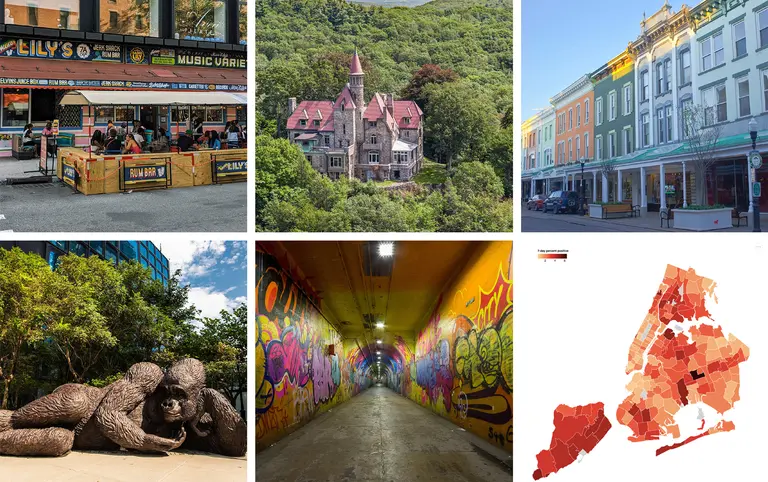
Like it was for everyone, 2020 was challenging for team 6sqft. We started working from home, we stopped being out and about in our beloved city, and we shifted our coverage to keep our readers up-to-date on the ever-evolving pandemic. But there were also a lot of silver linings. We helped our fellow New Yorkers get the info they needed, while also providing a welcome escape through our cool listings column and upbeat guides. Ahead, see which stories you read the most this year, from tracking COVID cases and antibody rates by zip code to outdoor dining and hiking guides to celebrity real estate and a castle for sale.
READ MORE
November 30, 2020

With COVID hospitalizations increasing, New York outlines new plan to avoid overwhelming the system

As of Sunday, November 29, 3,532 New Yorkers were hospitalized for COVID, the highest since May 29. The increase is steep; on October 29, just 1,085 people were hospitalized. In his press conference today, Governor Cuomo referred to this as "a new phase" in "the war on COVID," attributing it to colder weather, increased travel, and small gatherings, which now account for 65 percent of all new cases statewide. With these numbers expected to increase during the holidays, the state is turning its attention to hospitals. To prevent overwhelming the system as we saw in the spring, the governor announced a new five-point plan to slow the spread of the virus.
READ MORE
November 23, 2020

Washington Heights will become first COVID micro-cluster zone in Manhattan

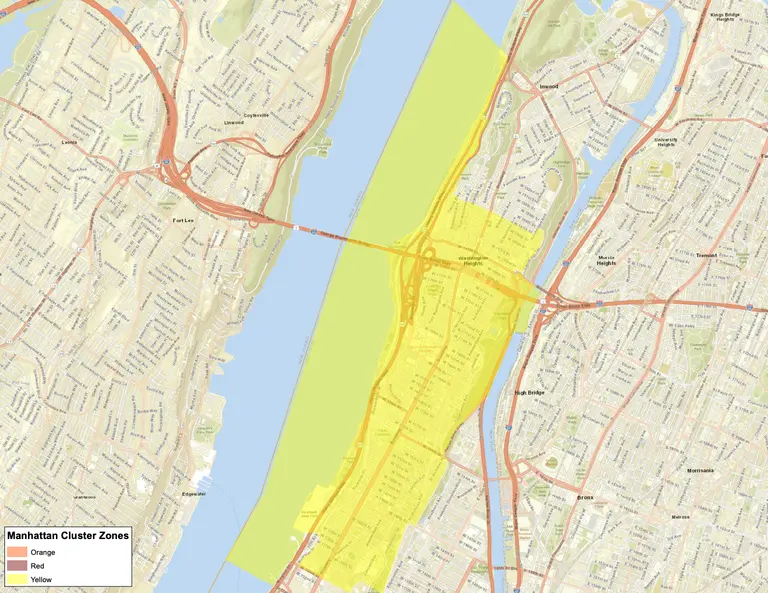
Since last week, many New Yorkers have been anticipating an announcement that the entire city will become an orange zone. This has been avoided at least for another day, but Governor Cuomo did announce that Washington Heights will become a precautionary yellow zone, hitting a 3.30% positivity rate. This is the first micro-cluster zone in Manhattan and the fifth and final borough to join this map. The governor also announced a dire situation on Staten Island in which an emergency overflow facility for COVID patients will open at South Beach.
READ MORE
November 13, 2020

As New Yorkers face increasingly long lines for COVID-19 tests, CityMD cuts hours

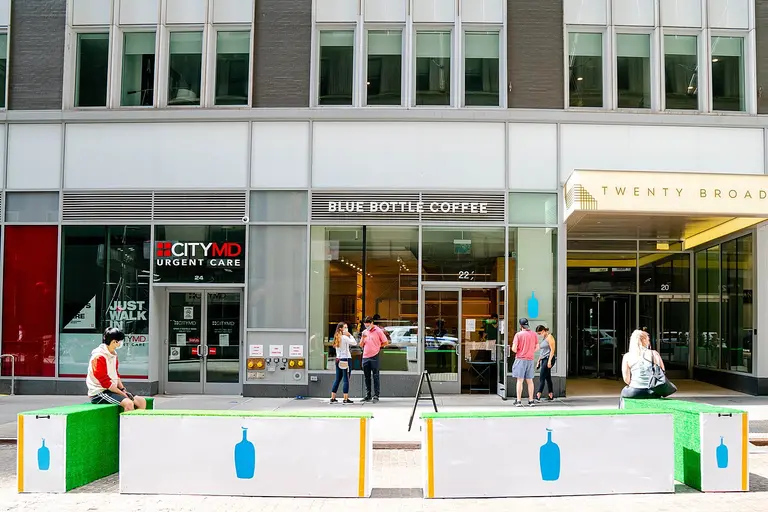
In an email to its customers today, CityMD acknowledged that "long lines are a daily fact at nearly every CityMD as we see a sharp rise in COVID-19 cases across the region." They go on to say that their staff and doctors have been seeing patients well after closing time for months now, reaching "the point where they are sacrificing their own safety and health." Therefore, all locations will begin closing 90 minutes earlier. These long lines have become a grim reminder for New Yorkers that a second wave seems imminent.
READ MORE
November 9, 2020

Here’s what New Yorkers can expect from Joe Biden’s COVID-19 plan

Even before he was officially declared President-elect, Joe Biden began briefings about the pandemic, and since Saturday's celebrations, his comprehensive, federally led strategy to combat COVID-19 finally feels within reach. Today, President-elect Biden announced the 13 members of his COVID-19 advisory board, made up of public health experts, scientists, and doctors. This group will help Vice President-elect Kamala Harris and him carry out their plan to not only beat the virus, but to prepare for future global health threats. Ahead, we take a closer look at the intricacies of the strategy and how it will benefit the entire nation, as well as New Yorkers, from a nation-wide mask mandate to an increase in testing centers to the establishment of a Racial and Ethnic Disparities Task Force.
READ MORE
October 8, 2020

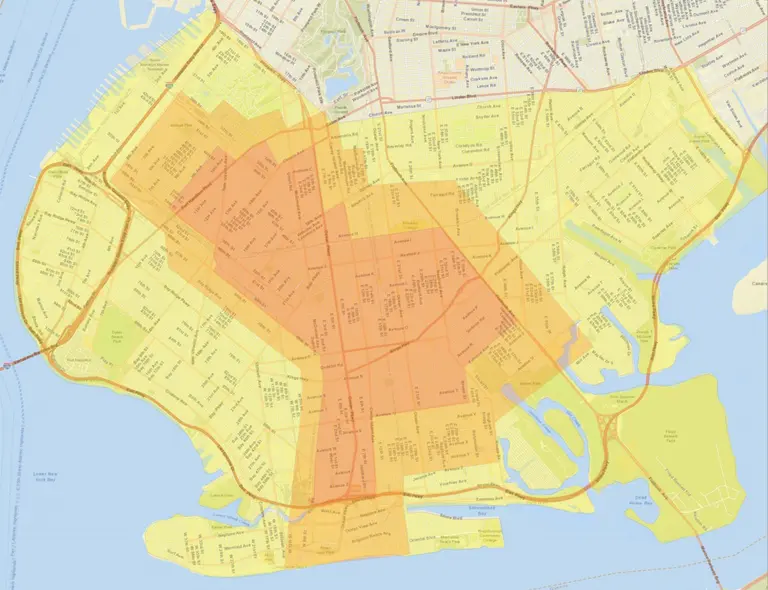
Here’s how to find out if your neighborhood is in a COVID-19 cluster zone

In an effort to contain new clusters of the coronavirus, Gov. Andrew Cuomo on Tuesday ordered non-essential businesses to close and houses of worship to restrict capacity in parts of Brooklyn and Queens and suburbs of New York City. The new initiative divides the clusters into three categories depending on the rate of transmission, with red, orange, and yellow zones determining the level of restrictions in place. The new rules will be in effect for a minimum of 14 days starting on Thursday. To clear up confusion over the cluster zones, the city released a searchable "Find Your Zone" map that allows New Yorkers to enter their address to find what zone they live, work, and go to school in.
More this way
October 5, 2020

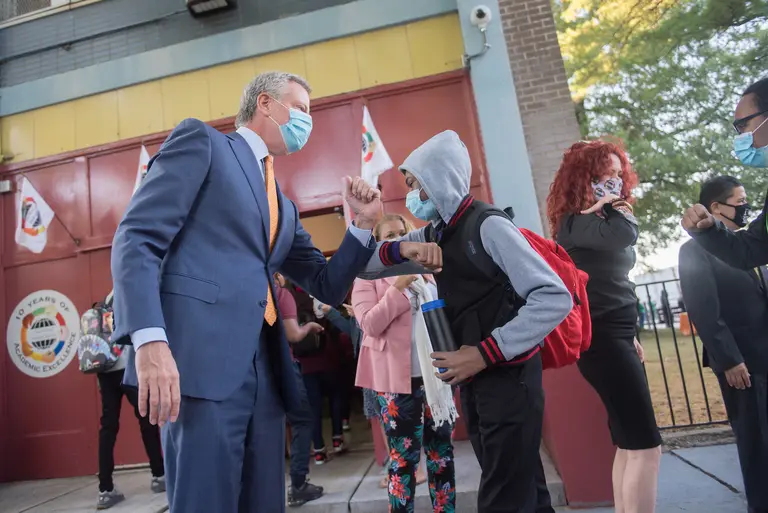
Schools in New York City’s COVID hot spots will close starting Tuesday

Schools in nine New York City ZIP codes where COVID-19 cases have grown rapidly will temporarily close starting Tuesday, Gov. Andrew Cuomo said. Mayor Bill de Blasio first announced on Sunday plans to shut down schools in these neighborhoods, which includes about 200 private schools and 100 public schools. While de Blasio's original proposal would also shutter non-essential businesses in these hot spots and high-risk activities in an additional dozen ZIP codes that are seeing an increase in cases, Cuomo on Monday said only schools will be closed as of now, adding that the state will review the data before taking further action. The governor said he would not "recommend any NYC family send their child to a school" in those areas.
Get the details
October 1, 2020

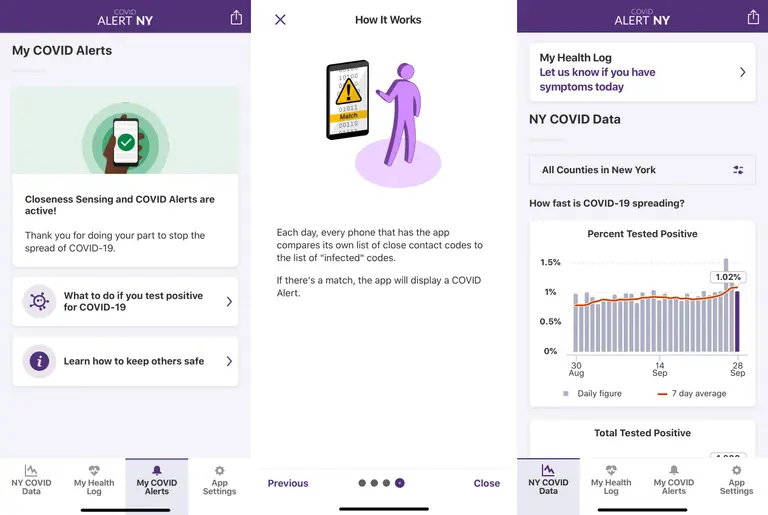
New York’s new COVID Alert app will tell you if you’ve come in contact with a positive person

Amid an uptick in cases in several clusters in Brooklyn and Rockland County, the New York Department of Health has launched a new, free app that will tell you if you've come in contact with a COVID-positive person. COVID Alert NY is available as of today for iPhone and Android. Using your phone's Bluetooth technology, it will alert you if you've been within six feet of an infected person for more than 10 minutes.
READ MORE
October 1, 2020

Williamsburg’s iconic Kellogg’s Diner is struggling to stay alive

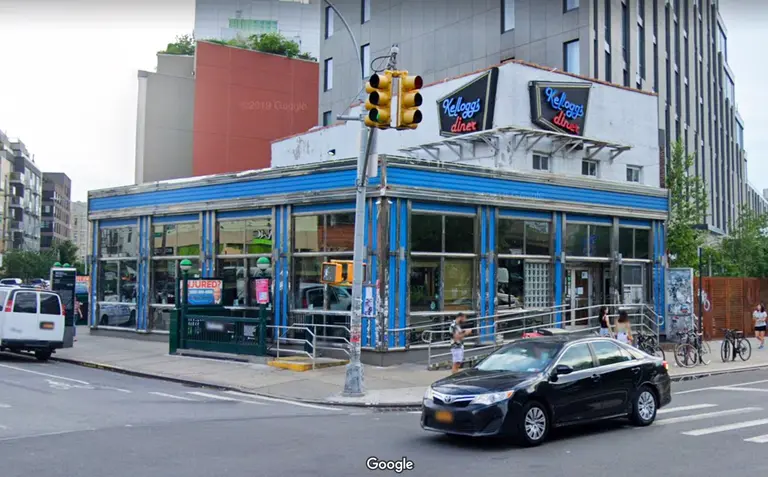
One of the thousands of small businesses struggling to make ends meet in New York City's pandemic world is Williamsburg's Kellogg's Diner, which has been in business since the 1940s. The 24-hour restaurant at the corner of Metropolitan and Union Avenues says it's in danger of closing if the city doesn't increase its indoor dining capacity from 25 to 50 percent. Referring to the fact that restaurants in the rest of the state are able to operate at half capacity, owner Irene Siderakis told Pix 11, "Why is it fair for them and not for us? I don’t understand. I don’t get it."
READ MORE
June 16, 2020

New York’s latest COVID antibody survey shows a rise in the Bronx and minority communities

Today, Governor Cuomo released the results of the state's second-phase COVID antibody test, which randomly surveyed 12,000 people between May 1 and June 13. When the survey commenced, 12.3% of New York residents tested positive, compared with 13.4% on Saturday. The new results are more telling, however, when it comes to disparities in New York City. Though overall there was only a 1.6% increase (19.9% to 21.6%), the Bronx increased by 5% and Brooklyn and Queens by 2.1%. There are also disparities when it comes to race, as the Black and Latino/Hispanic communities have seen increases of 3.4% and 5% respectively.
More data
June 1, 2020

New York adds 10 new testing sites in city’s COVID-19 ‘hot spots’

As New York City prepares to enter phase one of reopening next week, officials are targeting areas where the coronavirus continues to spread. Gov. Andrew Cuomo on Saturday announced that the state will open 10 new COVID-19 testing sites in zip codes considered 'hot spots,' which includes neighborhoods in the Bronx, Brooklyn, and Queens. The 10 ZIP codes, which consist of predominantly low income and minority communities, have seen higher rates of infection, hospitalization, and death caused by the virus.
Details here
March 27, 2019

Advocates credit new ‘Right to Counsel’ law with large drop in evictions

As 6sqft previously reported, in August of 2017, the city passed a Right to Counsel law which provides free legal help to low-income tenants facing eviction. In its first year the law, which will eventually guarantee representation in housing court to all low-income tenants, provided free legal services to more than 87,000 New Yorkers, and 21,955 New Yorkers threatened by eviction were able to stay in their homes. A new analysis released this week, conducted by the Community Service Society, shows that the decline in evictions happened more than five times faster in zip codes where the Right to Counsel law is currently in effect than in similar zip codes where the law is not in effect.
Find out more
February 28, 2019

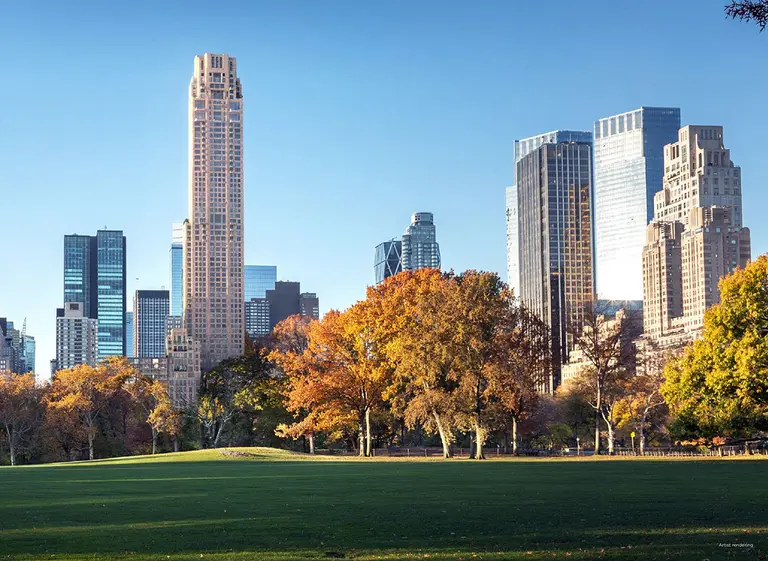
Why Ken Griffin’s $238M condo is taxed like it’s worth $9.4 million

We've heard it before, but it's always a shock to hear about how the city’s tax system undervalues big-ticket apartments in expensive neighborhoods. The Wall Street Journal reports that the effective tax rate on billionaire hedge funder Ken Griffin’s sky mansion at 220 Central Park South comes out to about 0.22 percent–compared with about one percent in the city's less affluent neighborhoods. The reasoning behind this is tied to a complicated city property tax system that assesses all co-ops and condos as if they were rental properties. Rental income at nearby buildings is assessed in order to estimate a condo's value.
What's going on here?
February 5, 2019

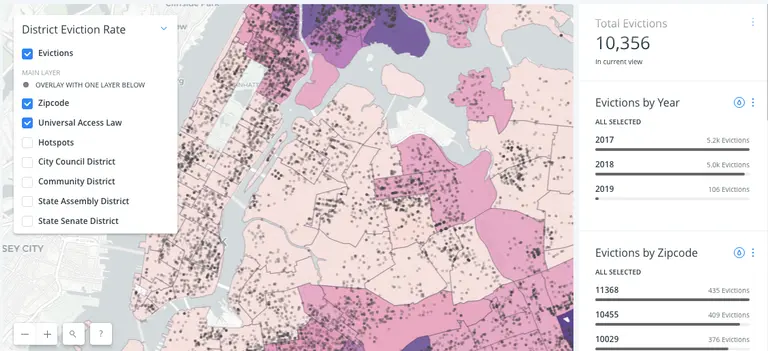
City sees an unprecedented 37 percent drop in evictions

The mayor's office announced this week that New York City's residential evictions by marshals had declined by 37 percent since 2013, with approximately 18,000 evictions in 2018 compared to almost 29,000 evictions in 2013. In Manhattan, evictions are down 47 percent since 2013. What that means: Since 2013, more than 100,000 New Yorkers who might otherwise have faced evictions have been able to stay in their homes. And evictions decreased 14 percent in 2018 alone. Maps from the New York City Council show data on where the most evictions happen and allow you to search for a specific address in any borough to find out more.
Universal Access to legal aid, maps and more
November 5, 2018

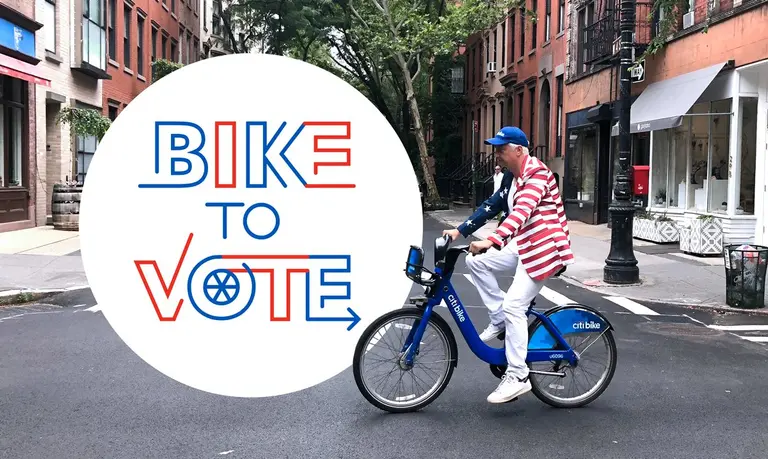
Citi Bike, Uber, Lyft offering New Yorkers free and discounted rides to vote

Just over 61 percent of Americans voted in the 2016 presidential election, and according to a Harvard poll, 14 percent of those who didn't turn out cited a lack of transportation as the reason. In response, public transportation agencies, car services, and bike/scooter shares in cities throughout the nation will offer free and discounted rides tomorrow for the midtern elections to those traveling to vote. Here in NYC, Citi Bike is offering free rides (as well as in Jersey City), Uber is giving $10 off in addition to adding a poll locater button in its app, and Lyft is giving half off rides, as well as code for free rides to underserved communities.
Get all the details
September 28, 2018

Battery Park City and Upper West Side communities transition from middle-aged to millennial

Despite recently ranking as the most expensive zip code for renters in the United States, Battery Park City experienced the greatest influx of millennial residents in New York City over a period of five years. The Lower Manhattan neighborhood, with the zip code 10282, saw a population increase of over 54 percent, according to report released this month by RentCafe. Out of the top 20 zip codes with the highest increase in millennials, Battery Park City, with 2,300 Generation Y residents, ranks third in the country, falling slightly behind two downtown Los Angeles neighborhoods (h/t amNY).
Where are millennials moving?
September 25, 2018

To live across from Central Park, you’ll pay 25% more than every bordering neighborhood

To make Central Park your front yard, you'll have to fork over $277,000 more than the median sale price of every bordering neighborhood. A new report by Property Shark looks at just how much more New Yorkers are willing to spend to be near the 843-acre oasis, a real estate trend which the group calls the "Central Park effect." According to the analysis, the median sale price of units along the first row of blocks across the park was 25 percent more expensive than that of every nearby area. And in the priciest section, the Upper East Side's Lenox Hill, that rose to a 93 percent difference.
More on the Central Park effect
October 23, 2017

Comptroller wants on-time rent payments to count towards credit scores

City Comptroller Scott Stringer unveiled a plan on Monday that would allow renters in New York City to count on-time, monthly payments toward their credit score. While homeowners who punctually pay a mortgage can boost their credit, renters currently cannot count on-time payments in the same way. Those without credit or bad credit often pay higher interest rates on loans and other monthly bills, like utilities or cell phone payments. As the New York Times reported, Stringer’s office looked at a sampling of tenants who pay less than $2,000 per month and found that 76 percent of them would improve their credit scores if rent payments were reported. Stringer told the Times that his plan "could create a powerful credit history that could lift you out of poverty."
More this way
October 19, 2017

The 50 most expensive neighborhoods in New York City

Taking the top spot from Tribeca for the first time in a long time, the Flatiron District now ranks as the most expensive neighborhood in New York City, according to data compiled by Property Shark. In its latest report looking at the residential market during the third quarter of 2017, the group lists the 50 priciest neighborhoods in the city, with the usual upscale 'hoods like TriBeCa, Central Park South and Hudson Square rounding out the top tier (h/t Time Out NY). In another plot twist, Red Hook has become Brooklyn’s most expensive neighborhood this quarter--overthrowing DUMBO--with a median sale price of $1.92 million in Q3.
See the full list
June 28, 2017

Here are the 10 wealthiest neighborhoods in New York City

In 2016, the New York Metro Area was home to the highest number of “ultra-wealthy” residents in the world. A new report shows about 8,350 residents with a net worth of at least $30 million called the Big Apple their home last year, an increase of about 9 percent from last year. When focusing on just the five boroughs, most of the city’s wealthiest neighborhoods can be found in Manhattan, as Curbed NY discovered. Taking this year’s title as the richest NYC enclave? The Upper East Side.
See the full list