Nyc Subway

December 13, 2017

MTA releases plan to address impending 15-month shutdown of L train

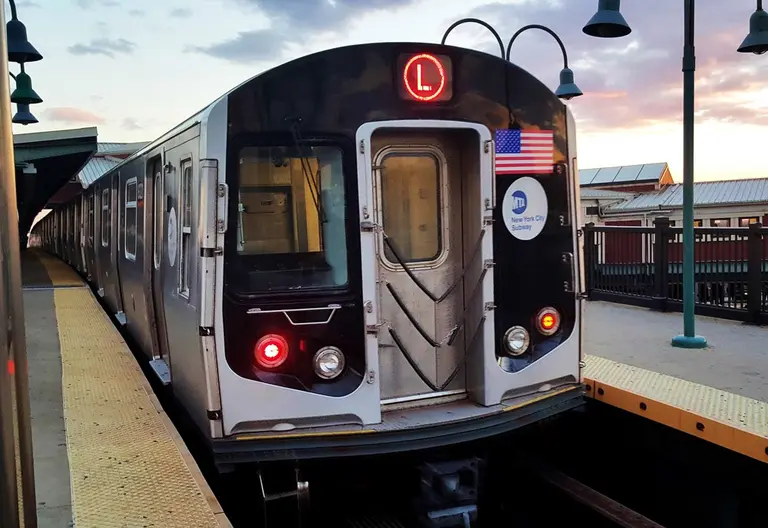
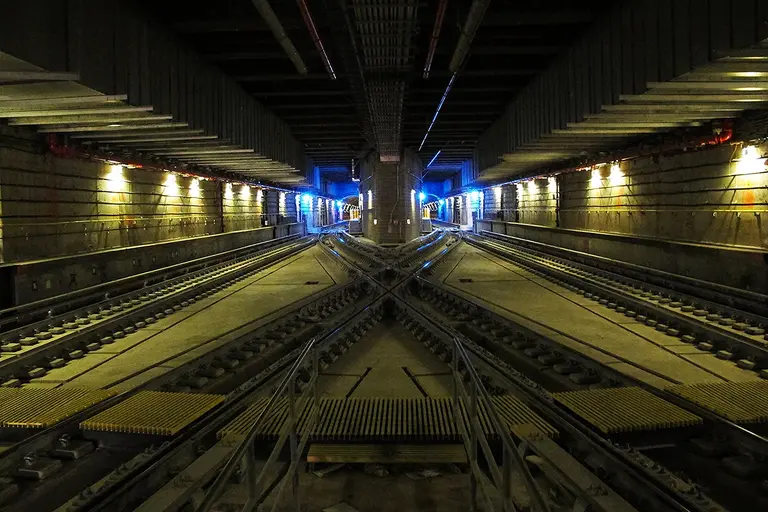
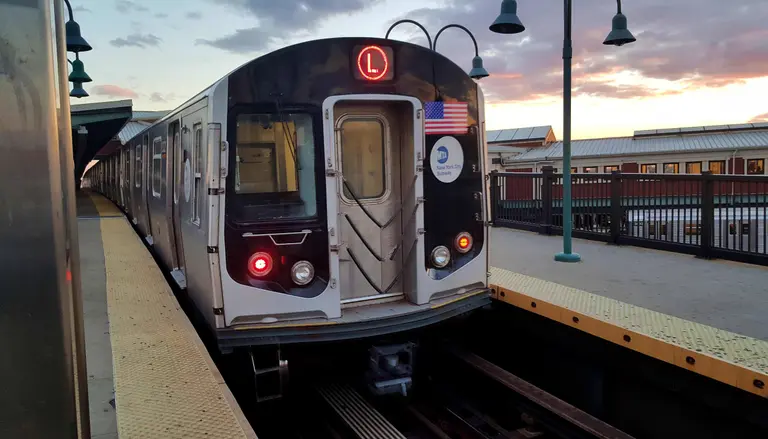
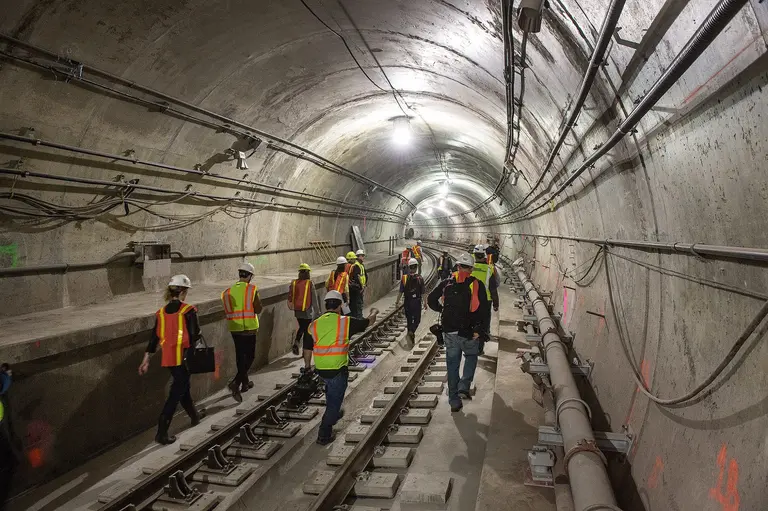
The MTA unveiled on Wednesday its much-anticipated plan for the 15-month shutdown of the L train, set to begin in April of 2019. Hurricane Sandy heavily damaged the 100-year-old Carnarsie Tunnel in 2012, filling it with 7 million gallons of saltwater and forcing a total reconstruction of the tunnel. The 225,000 daily L train riders that travel from Brooklyn through the tunnel to Manhattan will be given alternative travel options, as amNY reported. The MTA's plan calls for a new bus route that would run between Brooklyn and Manhattan, a busway on 14th Street in Manhattan with a two-way bike lane on 13th Street and increase subway service on nearby lines.
Find out more

December 13, 2017

This map of NYC’s subway distorts geography to give commuters more realistic arrival times

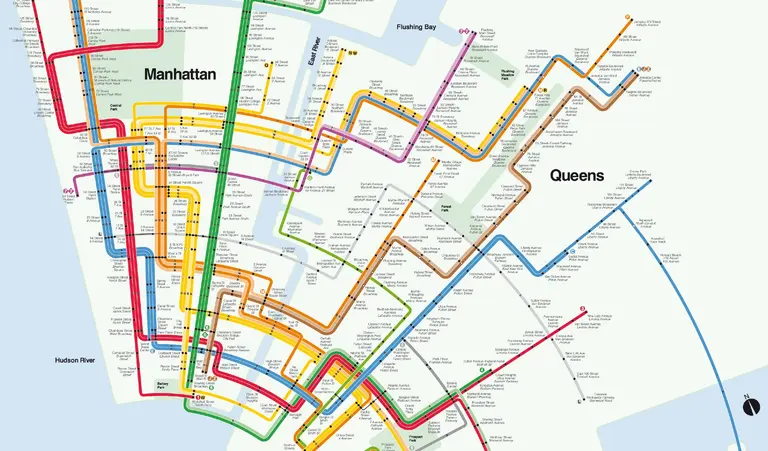
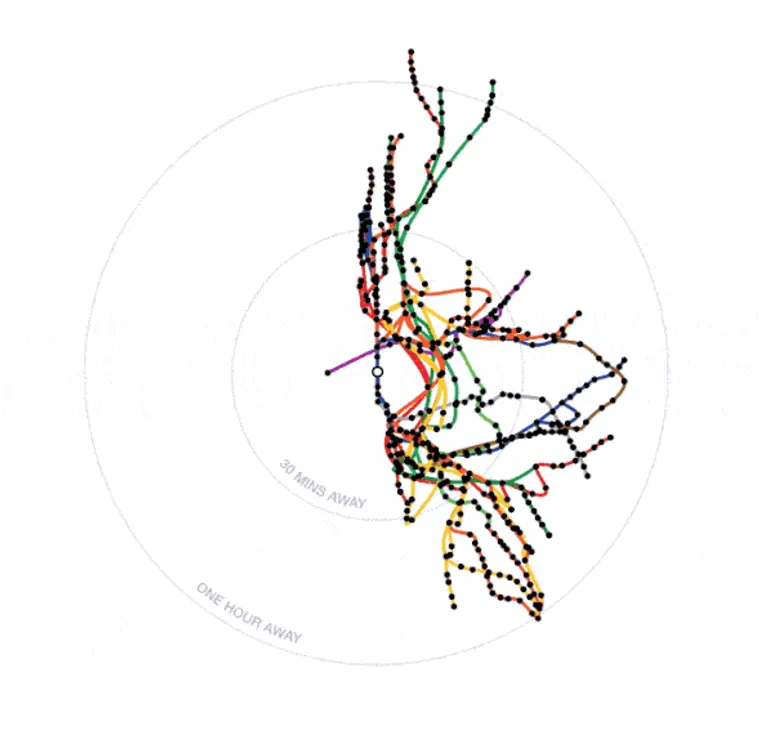
While the standard map of New York City's subway from the MTA might be easier to read, it distorts the geographic distance between stops making it tough to really know how far apart they are from one another. Many designers and architects have taken a stab at creating more accurate maps to ease the struggle of subway straphangers. And now designer Nate Parrott has released his own interactive subway map that shows how many minutes it takes between point A and point B, as Co.Design reported. Click on a station and the whole map changes to show the travel time to reach every stop.
Find out more
December 13, 2017

MTA to close East River tunnel to speed repairs

As part of an effort to speed up its emergency repair plan, the Metropolitan Transportation Authority has announced plans to close the E and M line tunnels under East River between Manhattan and Queens for five days at the end of this month, the New York Times reports. The shutdown will start early on December 26 and end early on Dec. 31, taking advantage of a rare lull: Almost a million fewer people use the subway during that time than other weeks of the year— five million compared with 5.9 million according to MTA data.
Find out the timing is right for a shutdown
November 30, 2017

See inside the MTA’s proposed open gangway subway cars

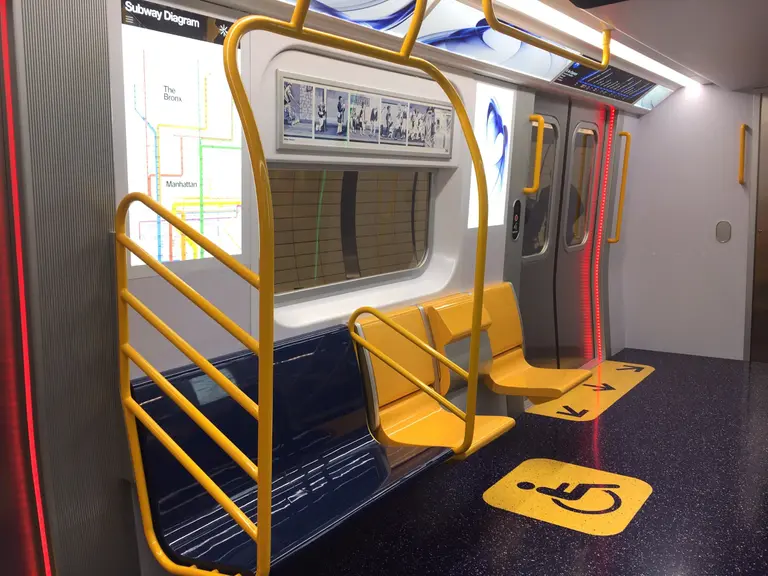
All photos © 6sqft The Metropolitan Transportation Authority unveiled its newest class of subway cars during an open house at the Hudson Yards station on Thursday, allowing the public to tour the sleek trains and provide feedback to officials. In order to reduce delays and speed up boarding time, the new R211 cars feature 58-inch door spans, eight inches wider than doors on existing cars. As part of a pilot program, some of the initial cars will be equipped with open gangways, which are accordion-like walls located at the ends of cars. This technology aims to let straphangers move freely between cars and reduce overcrowding. While some of the city's buses already have the open gangway, it remains unclear whether subway straphangers will enjoy this sometimes-wobbly section of the car.
Check out the prototype here
November 22, 2017

MTA hires Toronto’s Andy Byford to fix growing subway woes

After a wide-ranging investigation by the New York Times into the failures of the New York City subway system, the MTA is trying to step up its game, announcing that Andy Byford will become the next president of New York City Transit, the MTA agency responsible for subways, buses, para-transit services, and the Staten Island Railway. (Talk about pressure.) Byford, however, has a good track record after five years of reducing delays, improving rider satisfaction, and modernizing the Toronto Transit Commission. The MTA's plan, according to the Times, is to change up leadership to "restore accountability and change a culture that for years has left the system lacking adequate funding or support." But they're already dealing with a high rate of turnover, as this will mark the agency’s fifth full-time leader in the past ten years.
He still faces massive challenges
November 20, 2017

New York lawmakers have underinvested in the subway system for decades, report finds

The crumbling of New York City’s subway system didn’t happen overnight. According to an investigation by the New York Times, the system’s current problems stem from nearly three decades of underinvestment by transit officials and elected politicians, who, despite its aging signals and equipment, have actually directed funding away from much-needed repairs. Now, New York’s subway has the worst on-time performance of any major rapid transit system in the world when looking at the data of the 20 biggest systems. Only 65 percent of weekday trains reach their destinations on time, the lowest rate since the transit crisis of the 1970s.
Find out more
November 15, 2017

MTA to introduce ‘customer service ambassadors’ to help riders navigate the subway

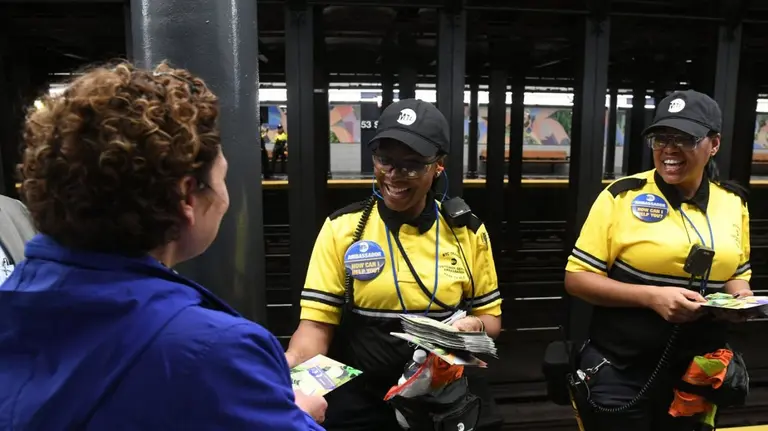
The first phase of the Metropolitan Transportation Authority’s plan to modernize the subway focuses on improving communication between workers and riders. Last week, the MTA announced it would distribute about 230 iPhones to platform workers and train operators to pass along helpful information to straphangers about train problems and also provide alternative routes. Now, according to amNY, customer service ambassadors will roam subway stations to offer assistance, instead of staying in the booth. Over the next several weeks, ambassadors will be selected, trained and then placed at busy stations, especially those with a lot of tourists like Grand Central Terminal and Times Square.
Find out more
November 14, 2017

Amid decline in ridership, MTA boosts service on six train lines

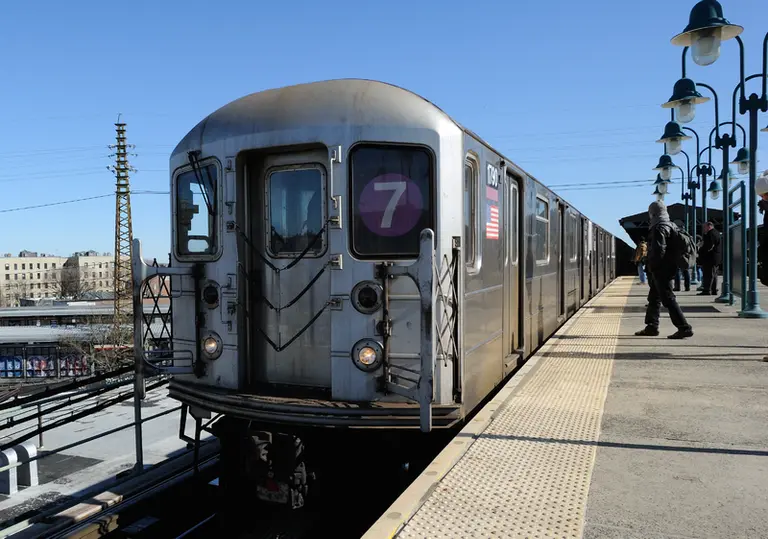
In an attempt to increase subway ridership, the Metropolitan Transportation Authority next spring will add trains to six lines: the 2, 3, 7, N, W, and Q trains. The boost in service comes after data released by the MTA revealed that riders are opting for alternative transportation, like Uber, Lyft or Citibike, instead of dealing with the often delayed and disrupted subways and buses. According to amNY, the additional trains, which will cost the MTA $5 million annually, will run on nights and weekends, times when the authority believes demand is not being effectively met.
Find out more
November 13, 2017

MTA’s new cardless fare system could benefit low-income New Yorkers

Not only would the Metropolitan Transportation Authority’s new electronic fare payment system make commuting more efficient, it might also save money for low-income straphangers. According to amNY, advocates and experts say the new “contactless” technology could make the system more equitable through a policy called fare capping: riders pay per ride until the daily or weekly capping rates are reached, with every ride being free after that.
Find out how it works
November 8, 2017

The history of the New York City MetroCard

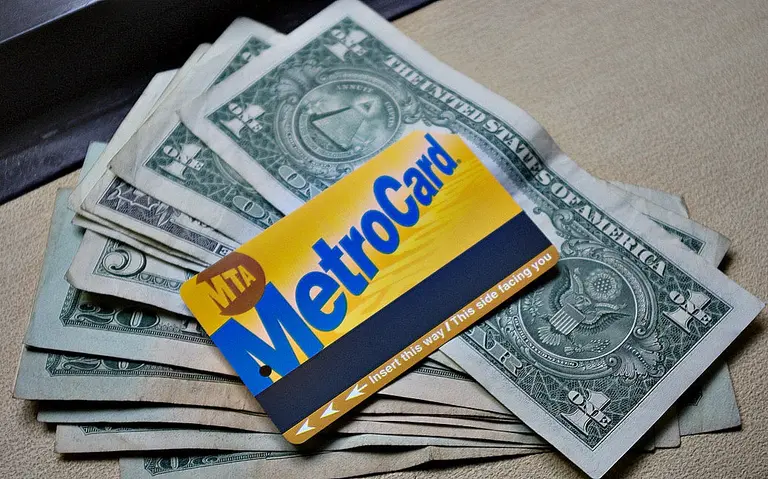
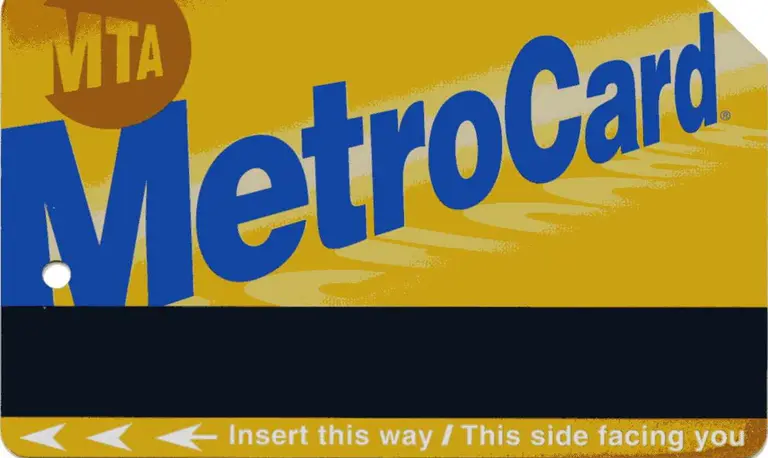
No New Yorker's life is complete without a MetroCard slipped into their wallet. For $2.75, it'll get you from Brooklyn to the Bronx, and everywhere in between. But the lifespan of the MetroCard is perhaps shorter than you might think--the flimsy plastic card, complete with the Automated Fare Collection turnstiles, only became an everyday part of subway commuting in 1993. And in recent years, all signs point to the card becoming extinct. The testing phase of a mobile device scanning and payment system began this fall with plans to roll out a fully cardless system by 2020. And so in honor of the MetroCard's brief lifespan as an essential commuter tool, 6sqft is delving into its history, iconic design, and the frustrations that come when that swipe just doesn't go through.
READ MORE
November 8, 2017

MTA will give workers iPhones to brief riders about subway delays

In a pilot program aimed at improving communication with commuters, the Metropolitan Transportation Authority will give some of its workers iPhone 6s devices. The MTA will distribute about 230 phones to platform workers and train operators by the end of the week, as the Daily News learned. Text messages from the rail control center will be sent to the workers, detailing the cause and severity of delays. Workers will then pass on the information to riders, which will include available alternative routes.
More this way
November 7, 2017

The short life of NYC’s women-only subway cars

In dealing with the examples of ill-behaved humanity that still plague the city's subway today, the powers that be in 1909 thought they were doing the ladies a favor when they suggested the addition of women-only subway cars, according to Ephemeral New York. Called "suffragette" cars (though women didn't win the right to vote in New York until 1917) they were introduced on trains of the Hudson Tubes running from Manhattan to Hoboken (today's PATH line). In trial runs, the last car in each train was reserved for women. Officials of the five-year-old IRT line began considering the idea–thought to be a success in its earliest trials–for the New York City subway.
Find out more
October 30, 2017

MTA to install flood-proof doors at subway stations

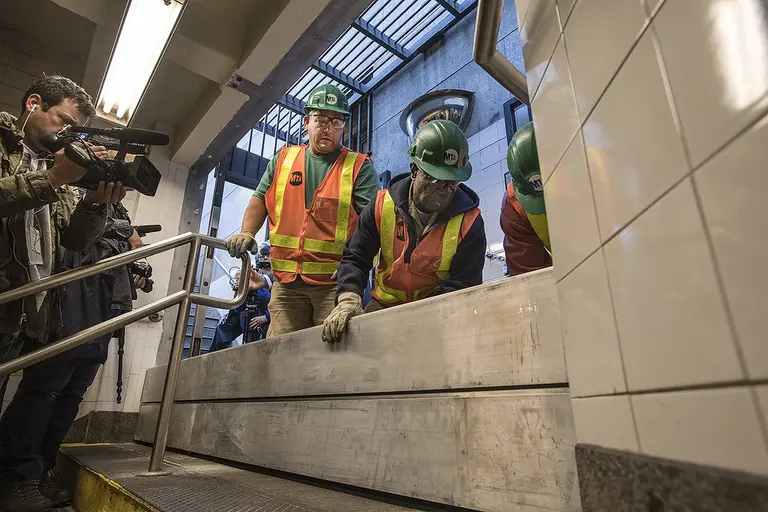
On Friday, the MTA unveiled custom doors designed to protect the city’s subway system from future floods. In October of 2012, Hurricane Sandy crippled Lower Manhattan, as well as most other parts of the city, with a 13-foot surge of water. Now, five years later, the MTA is installing custom-made, marine doors, equipped with inflatable gaskets to seal out water to be installed at the bottom of the subway’s stairwell (h/t WSJ). In addition to these doors, other stations will get metal hatch doors below street subway grates, fabric curtains to block flowing water and a system of interlocking stop logs at the entrance of some stations.
Find out more
October 26, 2017

MTA approves $574M MetroCard-replacing e-readers; new video and renderings

Cubic, the San Diego-based company who was awarded the job of creating the MTA's new cardless fare system, has just announced that the $539.5 million contract award (with additional options worth $33.9 million) has been approved by a vote of the MTA Board. As 6sqft previously reported, Cubic is the same company that developed the MetroCards that replaced subway tokens over 30 years ago. The new MTA system is modeled on the one that has been in use in London’s Underground and commuter railroads.
See the new fare payment system in action
October 26, 2017

Report breaks down how much time New Yorkers waste waiting for delayed subways

The Independent Budget Office released yet another incriminating report this week about New York City's subway system. Not only are the subway's growing delays costing the city up to $389 million each year, but the IBO also found that delays end up setting back New Yorkers nearly $1.23 million every day in lost work time, totaling about $307 million every year. And now, the budget office on Wednesday released a report that breaks down the length of time passengers wait on a station platform for every subway line, except shuttles. According to the report, the average number of passenger hours lost to delays systemwide during the work week between 7am and 10am this year grew by 45 percent from 2012, up from 24,000 hours to 35,000 hours.
Find out more
October 25, 2017

MTA will test floor-to-ceiling protective barrier on L-train platform

As part of its NYC Subway Action Plan aimed at enhancing the straphanger experience, the Metropolitan Transportation Authority (MTA) will install a floor-to-ceiling screen at the L-train’s Third Avenue station to prevent people from jumping or being pushed onto the tracks. As a pilot program, the new screen doors will be put into place in 2019 during the train’s shutdown and are expected to be ready in 2020 when the L-train resumes service. As the New York Post reported, the authority is still working on a design that could work in different sized-stations in the future.
More ahead
October 24, 2017

Former MTA official suggests a surcharge on rents to pay for transit maintenance

Although it’s obvious New York City’s subway system remains in desperate need of repair, it’s less clear how these renovations, and the required infrastructure maintenance, will be funded. During a “Fixing Mass Transit” event hosted by Crain’s, a former official with the Metropolitan Transportation Authority, Michael Horodniceanu, suggested creating a “transit-maintenance district.” By adding a $1.50 charge to the core business district’s $60-to $70-per-square-foot rents, more than a billion dollars could be raised for transit upkeep, Horodniceanu said (h/t Crain's).
Find out more
October 23, 2017

MTA’s new cardless fare system will be rolled out by 2020

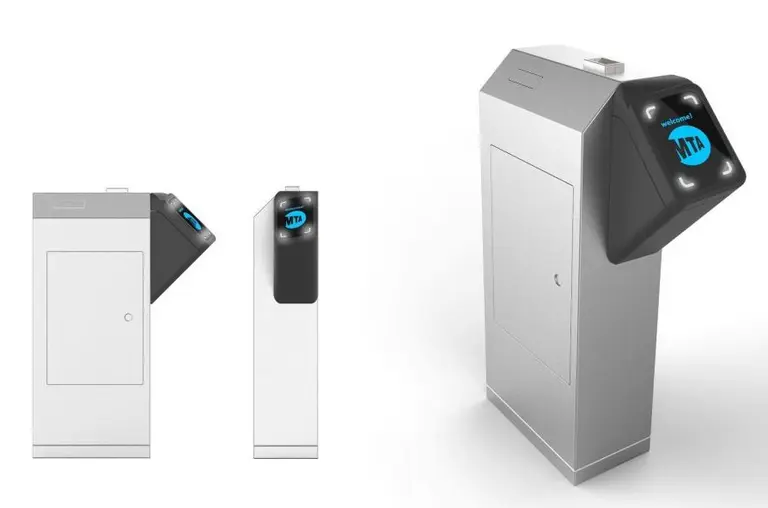
6sqft previously reported on the launch of testing on a mobile device scanning and fare payment system with the goal of eventually phasing out the use of MetroCards in the New York City subway system. New turnstiles have already been installed in the Bowling Green and Wall Street Stations, where riders can make the transfer using scanners that allow them to swipe their phones. According to the New York Times, a rollout of the new fare system citywide is not far off: The new readers will hit 500 subway turnstiles and 600 bus fare boxes starting in late 2018; the remainder of subway stations and buses will have them by late 2020.
Find out more
October 20, 2017

A never-built transit plan would have shuttled New Yorkers through elevated tubes

6sqft has marveled at the 1951 proposal by Goodyear Tires for a giant conveyor belt to carry people between Times Square and Grand Central and Alfred Ely Beach's underground pneumatic tube system. The New York Public Library's Science, Industry and Business Library (SIBL) fills in the blanks on an early idea for an elevated rail system that was ahead of its time. In 1870, Appleton's Journal of Literature, Science and Art introduced an article with a lament about the state of New York City public transportation that sounds uncannily familiar even in the 21st century: "the present means of travel are not only inadequate in extent, but are far too slow and cumbersome." The anonymous author then tells of the futuristic vision of one Rufus Henry Gilbert, a New York-born surgeon, Civil War veteran and inventor.
Find out more
October 13, 2017

Subway delays cost New Yorkers $1.23M a day in lost work time

6sqft recently covered a report released by the city's Independent Budget Office that analyzed the impact of a growing number of subway delays and found that subway downtime could be costing the city up to $389 million annually in lost wages and productivity for businesses. According to the New York Times, the problem is getting worse, and it's affecting everyone's earnings. The cost of subway delays on a typical workday morning translates to $864,000 a day in lost work time for intra-city commuters, $257,000 for commuters who live beyond city borders and $109,000 for subway riders traveling for reasons other than work. The total daily cost: about $1.23 million. Multiplied by 250 working weekdays a year, that adds up to about $307 million that New Yorkers lose in work time every year.
Find out more
October 9, 2017

MTA may replace subway booth workers with roaming ‘ambassadors’

Fresh off their announcement that they've begun the testing phase of a mobile device scanning and payment system to replace the MetroCard, the MTA has revealed that they're also considering doing away with the ye-olde subway booth worker. According to the Daily News, the latest attempt at modernization will replace the workers with "customer service ambassadors" who will roam stations to provide real-time travel info and answer questions.
They're even getting new uniforms
October 9, 2017

MTA begins testing of new subway fare system, first step to phasing out MetroCards

With the goal of eventually phasing out the use of MetroCards in the New York City subway system, the MTA has begun the testing phase of a mobile device scanning and payment system. Untapped Cities reports that the first trials of a new mobile fare system are being installed at points where Metro-North commuters transfer to the subway, as an expansion of the Metro-North and Long Island Rail Road's eTix app. At specific stations, riders can make the transfer with turnstiles fitted with scanners that allow them to swipe their phones. The new turnstiles have already been installed in the Bowling Green and Wall Street Stations in lower Manhattan for a test run; the expansion is a pilot for the eventual phasing out of MetroCards altogether.
Find out when and where you can try out the new system
October 4, 2017

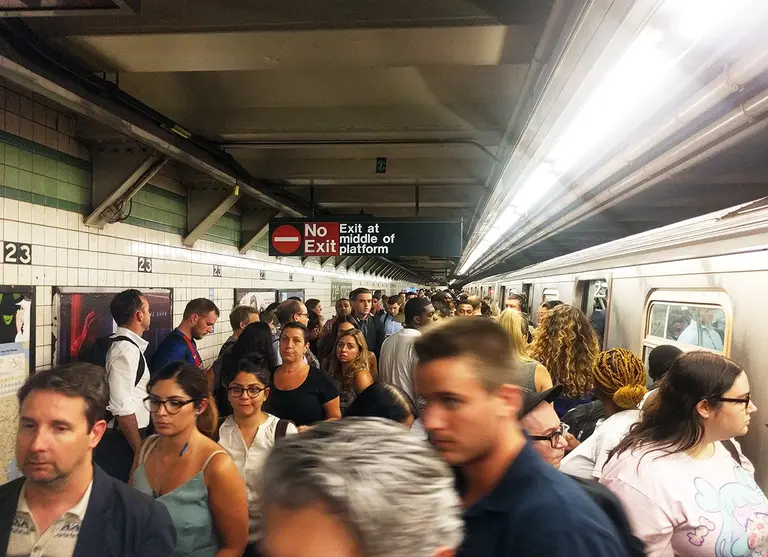
MTA refurbishes and removes seats from E train to squeeze more riders in cars

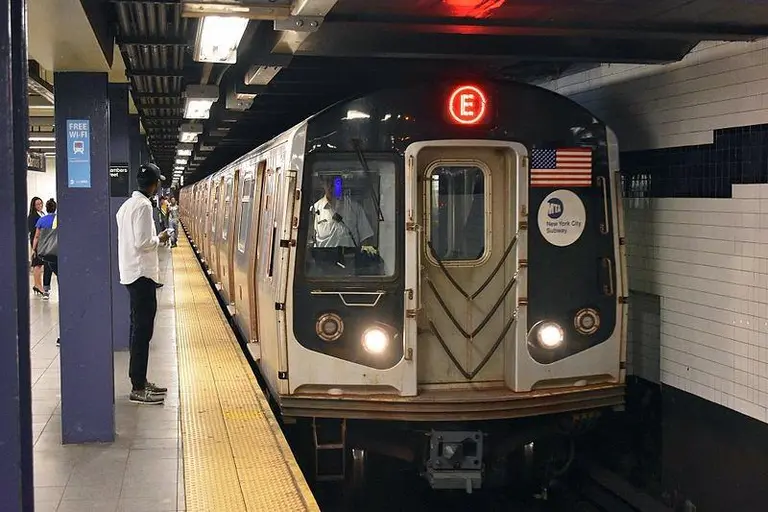
The Metropolitan Transportation Authority (MTA) on Tuesday revealed the first cars refurbished and reconfigured under their "NYC Subway Action Plan." The authority has removed some seats on a few E train cars to allow more riders to board and limit delays caused by overcrowding. The redesigned trains are part of a 100-car pilot created to increase capacity; seat removal is expected to increase capacity by between 80 and 100 passengers. Subway delays continue to be problematic for commuters: an analysis from City Comptroller Scott Stringer this week found the economic cost of subway delays could range from $170 million per year to $389 million in lost wages and productivity for businesses.
See the new trains
October 2, 2017

Subway delays could cost the city’s economy up to $389M annually

New York City Comptroller Scott Stringer released an analysis on Sunday that found the economic cost of subway delays could range from $170 million per year to $389 million in lost wages and productivity for businesses. The comptroller’s office used data from the MTA that looks at train schedules, passenger volumes and wait assessments by each subway line (h/t NY Times). Stringer’s analysis listed five subway lines that cause the biggest economic losses: 5, 7, A, F, and 4 trains. During a news conference Sunday, Stinger said, "The summer of hell is turning into the fall of frustration for subway commuters."
Find out more
September 28, 2017

MTA bringing 40,000+ digital video ad screens to subway cars and stations

If you thought those ads in taxicabs were annoying, wait until you see what's in store for NYC's beleaguered subway riders. The Post reports that the MTA has just announced that they'll be serving up ads on digital screens that will soon be appearing in subway stations and cars. Through a partnership with OUTFRONT Media, who will cover the $800 million installation, they plan to install nearly 14,000 screens in stations and platforms, 31,000 in 5,134 subway cars, and an additional 3,900 on LIRR and Metro North commuter trains.
You're kidding, right?