MTA

July 20, 2016

POLL: Are You Happy With Governor Cuomo’s Planned Subway Changes?

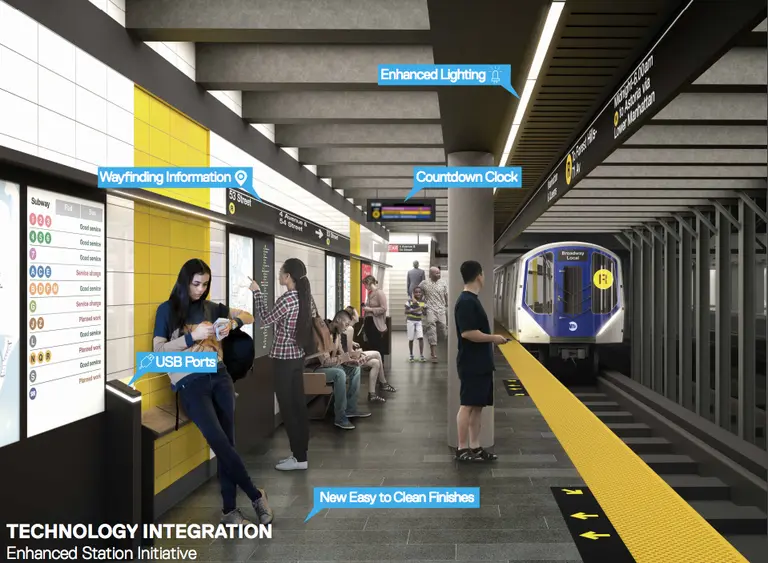
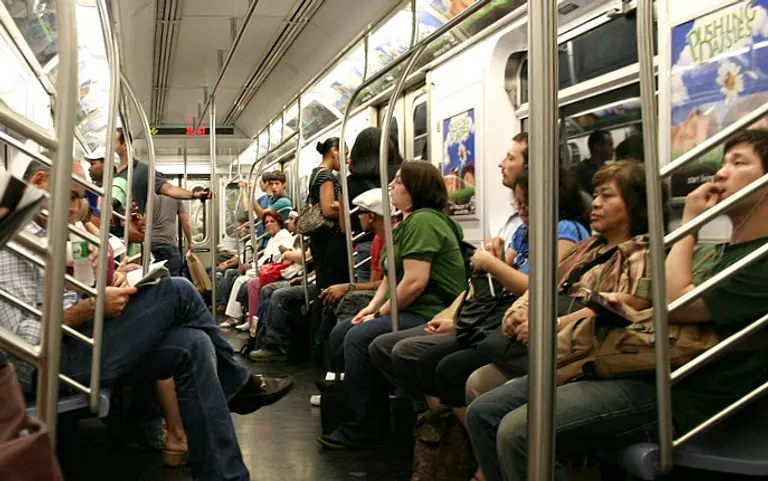
On Monday, as 6sqft reported, Governor Cuomo unveiled the MTA's "plans to build 1,025 new subway cars, and to modernize 31 of the city’s more than 400 stations." Most of the new fleet will be of the open-gangway format, and they'll boast wider doors, Wi-fi, USB ports, better lighting, cell service, security cameras, full color digital information displays, and a new blue and gold color palette that represents New York's state colors. Since the upgrades are part of the $27 billion capital plan that was approved in May, some critics are questioning whether the changes are more cosmetic and brag-worthy, rather than functional. But the city explains that the design of the new cars will help alleviate overcrowding, thereby reducing delays. What do you think--can the MTA do better?
Cast your vote here
July 18, 2016

New High-Tech Subway Station and Car Designs Unveiled by Governor Cuomo

Straphangers rejoice! As unveiled by Governor Cuomo at the NYC Transit Museum in Brooklyn today, the MTA has announced plans to build 1,025 new subway cars, and to modernize 31 of the city's more than 400 stations. In addition to the majority of these cars taking on the globally-favored "open car end" format, they will also boast wider doors, Wi-fi, USB ports, improved lighting, cell service, full color digital information displays, security cameras for passenger safety, and interestingly, a new color palette—yes, Cuomo has also taken to branding the cars in New York's state colors, blue and gold.
Welcome to the 21st Century, new york city
July 14, 2016

Buy Old Subway Seats, Signs, Tokens and More From the MTA

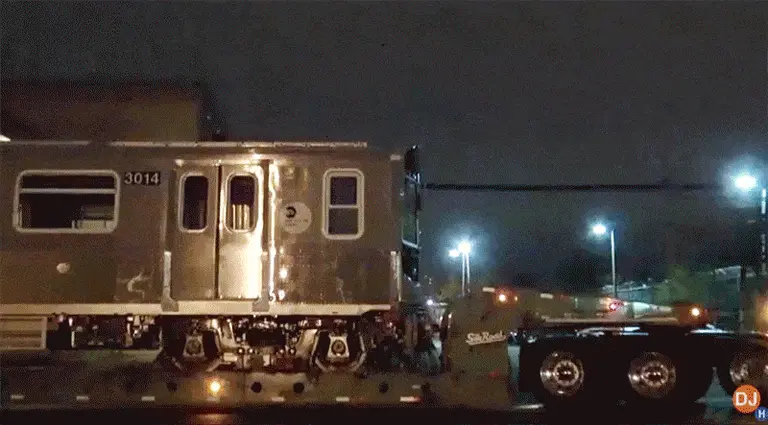
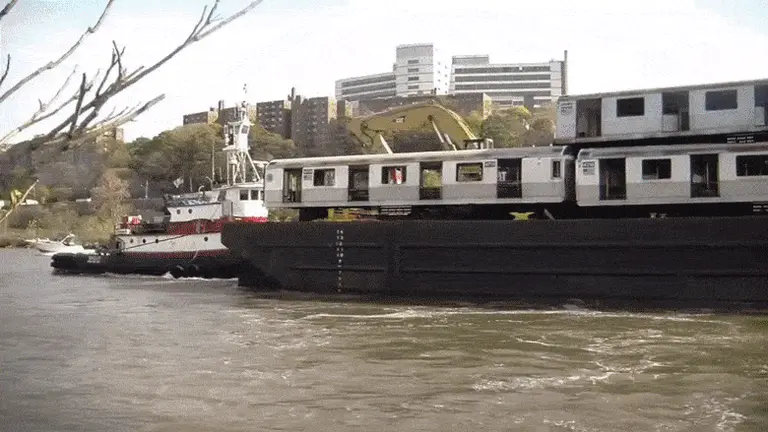
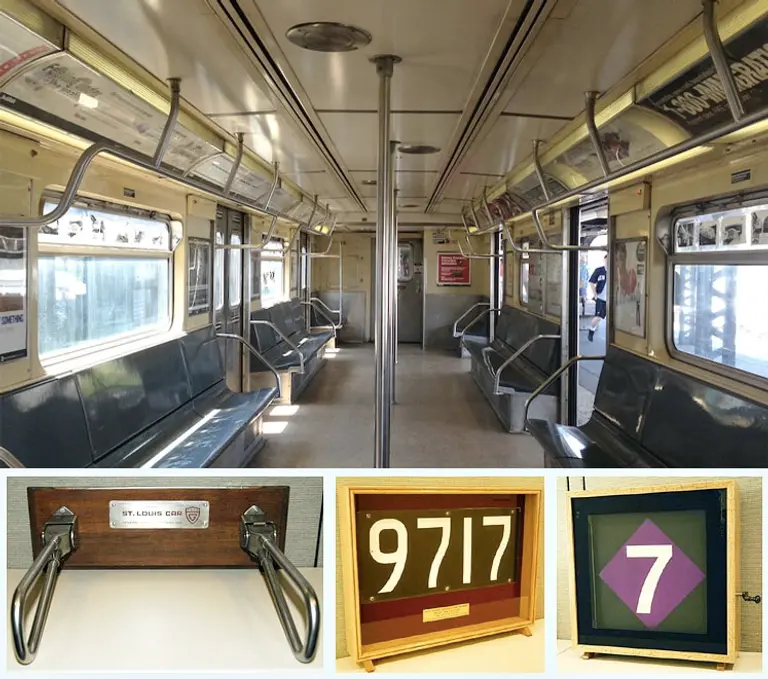
We know that thing where they were dumping old subway cars into the ocean for fish to live in was pretty cool, but there are only so many the briny deep can handle, and as cars get upgraded, items from the various good old days of NYC transit increasingly become collectibles. To that end, the MTA holds monthly online sales featuring retired and vintage subway cars (yes, you can apparently buy one of those), buses and their various parts and other ephemera, with items regularly added to the trove. All items are sold with a certificate of authenticity (don't laugh, there's actually a company that makes "vintage" subway signs). The current haul includes vintage subway and bus seats, roll signs and metal hanging straps (so you can feel like a commuter without leaving your living room).
Find out how you can recreate the subway experience at home
July 6, 2016

LES Residents Propose Turning Lowline Site Into a Bus Depot During L Train Shutdown

There's been no lack of ideas for how to deal with the impending L train shutdown, from realistic proposals like the East River Skyway to some more out-there concepts like a giant inflatable tunnel. The latest suggestion was presented at a recent public meeting between the MTA and Manhattan's Community Board 3. DNAinfo reports that local residents discussed taking the old underground trolley station at Delancey and Essex Streets (the same site that's been long proposed for the Lowline) and turning it into a transportation hub for the B39 bus that operates between Williamsburg and the Lower East Side.
Find out more
June 22, 2016

Poll: Will Phase One of the Second Avenue Subway Open on Time?

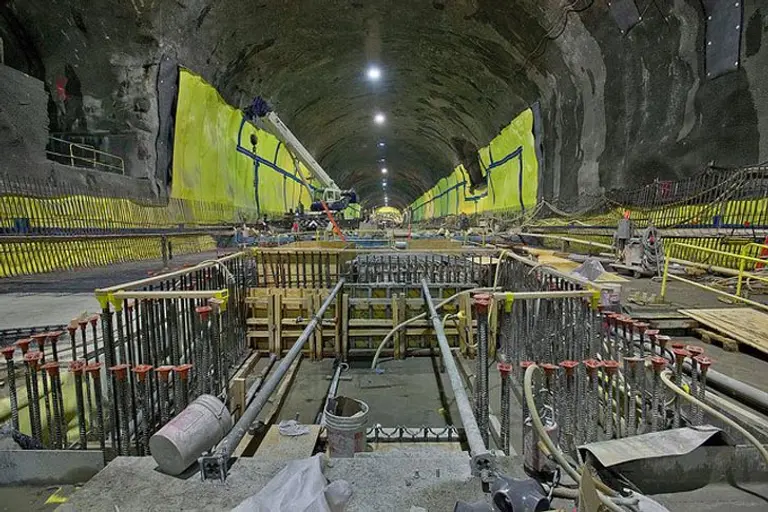
New Yorkers have learned to take deadlines and budgets from the MTA with a grain of salt, and the Second Avenue Subway may be the worst offender since it was first proposed all the way back in the 1920s. But the past couple years have restored some hope; in April 2015, it was announced that Phase I of the project was 82 percent complete and on track for its December 2016 opening, and last summer the MTA even went so far as to say the entire line could open sooner than originally planned. But yesterday the Post reported that there's a good chance the Second Avenue Subway won't be finished on time, blaming construction crews not showing up for work. This has put inspections behind schedule, and therefore "the agency has only completed 67 percent of the testing and needs to do another 1,100 checks by October."
What do you think this means for the deadline?
June 8, 2016

Local Governments Say State Law Gives MTA Too Much Zoning Freedom

New Yorkers know all too well that the debt-ridden MTA is constantly on the hunt for ways to raise funds, most of which, like fare hikes and toll increases, come straight out of our pockets. But the Wall Street Journal brings to light another, less direct way the agency may be looking to boost revenue. Under a provision in the state budget, the MTA would be exempt from local laws and zoning regulations when developing property. For example, a new apartment building on MTA-owned and -leased land "could be exempt from local property taxes and not contribute to the cost of services for the new residents." Local governments are concerned that this stipulation would lead to build-happy developers seeking out MTA property to bypass typical local reviews.
READ MORE
May 31, 2016

The NYC Subway Accounts for 100-Percent of the Nation’s Transit Growth, Says New Study

Although the NYC subway system may be hemorrhaging money, unable to turn a profit despite annual fare increases, expanded services and a slew of other measures, there is one thing that it can gloat about. According to a just-released annual report from the American Public Transportation Association (h/t New Geography), the New York City subway accounts for ALL of the transit increase seen in the United States between 2005 and 2015. In the last decade, subway ridership has ballooned nearly a billion trips, while transit systems outside the New York City subway saw a loss of nearly 200 million riders over the same period. And if current figures are any indication of what's to come, this trend will only strengthen. As 6sqft reported in April, NYC subway hit 1.7 billion annual trips, the highest since 1948 when ridership was at its peak.
more details here
May 27, 2016

MTA Flaunts Future Subway Map With Second Avenue Line

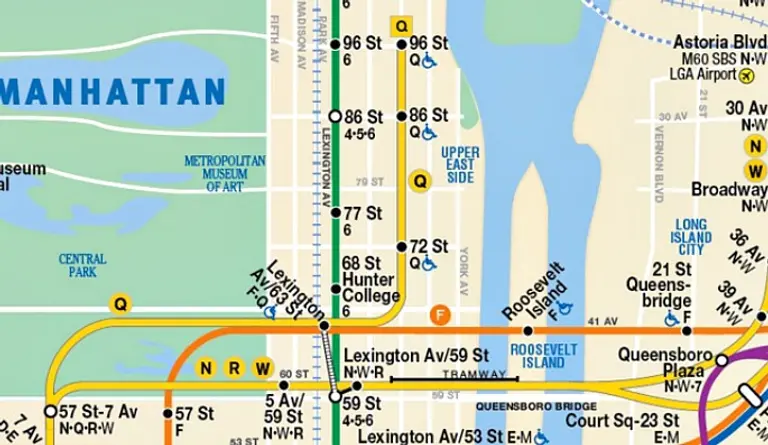
Perhaps in an attempt to distract disgruntled riders from looming shutdowns and never-ending delays, the MTA has released a new subway map that features stations along phase one of the Second Avenue line and the reinstated W line to Astoria. The former isn't planned to open until December (which, as Gothamist notes, we'll believe when we see) and the latter November, but if you were stuck on a sweaty platform this morning, this eye candy is surely a welcome treat.
See the full map here
May 25, 2016

Governor Cuomo Finally Approves MTA’s $27B Capital Plan

Governor Cuomo and Mayor de Blasio, notorious for their icy relationship, have been squabbling for well over a year about the MTA's $27 billion, five-year capital plan. Last October, they reached an agreement where the state would contribute $8.3 billion and the city $2.5 billion, neither of which would come from increasing taxes. Seven months later, the Daily News reports that Albany has finally approved the plan, which covers track and station repairs, new train cars, new high-tech buses, a MetroCard replacement, the Long Island Rail Road's East Side Access project, and, of course, the beginning of the Second Avenue Subway's phase two into East Harlem.
More details ahead
May 12, 2016

Why Do Subway Conductors Always Point After Pulling Into a Station?

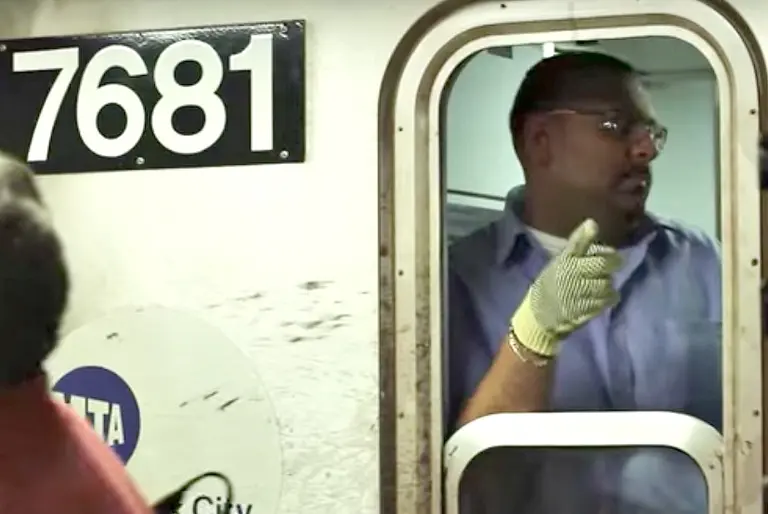
If you've ever been able to tear your eyes away from your targeted entry point when the subway doors are about to open, you might've noticed that every time a train pulls into the station, the conductor is pointing out his window at something. And believe it or not, he isn't calling out the crazy person screaming on the platform or gesturing to his fellow employees in the booth. This is actually a required safety precaution. Halfway down every subway platform is a "zebra board," a black and white-striped wood panel that's meant to line up perfectly with the conductor's window, signaling that all cars are at the platform. "Because opening the doors without a platform to step onto is such a serious concern, conductors are required to point at the sign every time to show that they've stopped at the right spot," Mental Floss explains.
Find out more this way

May 6, 2016

L Train Shutdown: MTA Will Decide in Three Months Which Way to Make Riders Suffer

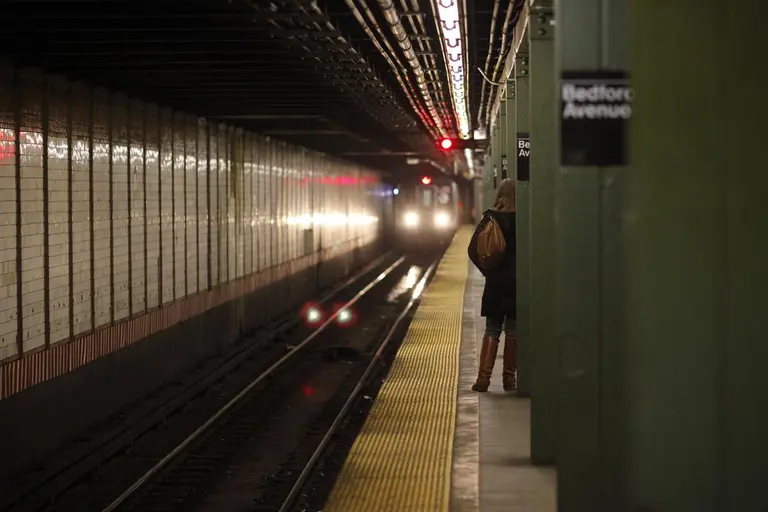
The MTA announced at a town hall meeting Thursday night that they would "decide in the next three months at most" on the final details for the planned Canarsie Tunnel work to repair damage caused by Hurricane Sandy that would halt L train service west of Bedford Avenue, according to DNAinfo. The agency is considering two options: shutting down service for that portion of the line completely for 18 months, or having partial service that would give only "one in five passengers service to Manhattan" (or 20 percent of current service) and last up to three years.
Find out more about your hellish subway-less nightmare choices
May 3, 2016

VIDEO: A Visit to the ‘Creepy’ Depths of the ‘90s Subway Finds Some Things Haven’t Changed

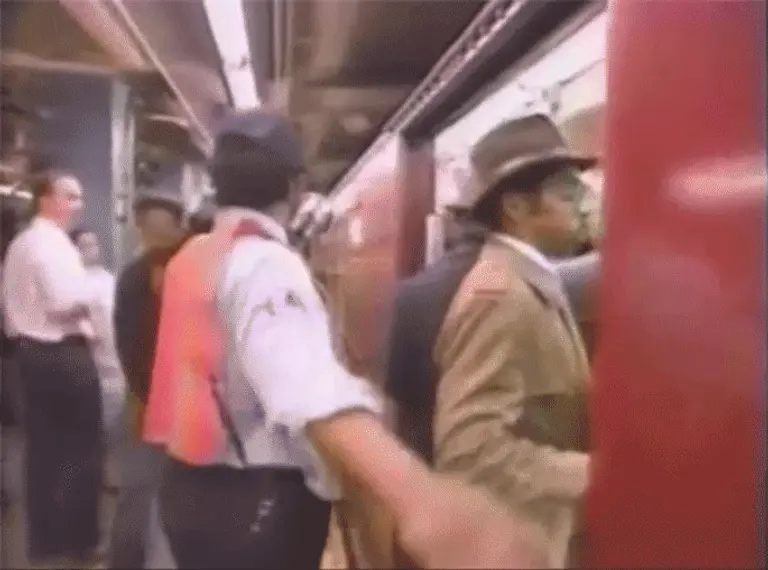
Here’s a video that drops a subway token on the dark ages of 1990, when the city's underground transit system may have been a little “creepy,” but buses still took forever. While our ideas of what’s merely unruly (afterschool hordes) and what’s downright dangerous (the NYPD, eek!) may have been changed by the intervening years, it’s interesting to note the things that have stayed the same (capacity crowds on the Lexington Avenue line). Our host, a Fonzie-meets-Geraldo-esque Newsday columnist by the name of Ellis Henican, skims the surface of the many, many things that are going on below it in the city’s subway tunnels of the day, including ghost stations, locked restrooms and more.
Find out what's changed, what hasn't and what's still creepy
April 19, 2016

Annual Subway Ridership Hits 1.7 Billion, Highest Since 1948

The MTA has released its 2015 figures, which show the highest weekday subway ridership since 1948, reports the Daily News. Not only does this account for daily riders, which hit 5.7 million, but annual ridership as well, reaching 1.763 billion. Another interesting tidbit, especially considering the looming shutdown, is that L train usage decreased for the first time in about 20 years. This occurred from Third Avenue to Morgan Avenue in Brooklyn, resulting in a 4.2 percent increase along the J/Z and M lines.
More findings ahead
April 13, 2016

POLL: Will You Miss the MetroCard Swipe?

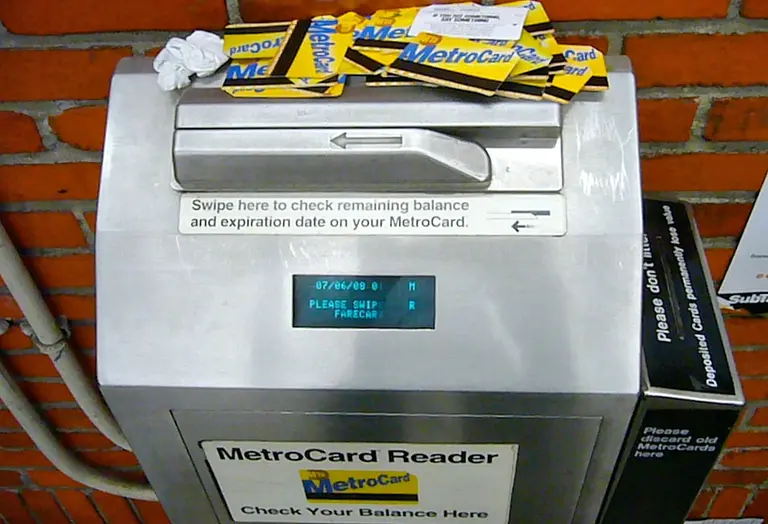
The ye-olde MetroCard swipe has made national headlines in recent weeks, thanks to Hilary Clinton’s inability to get through the turnstile and Bernie Sanders’ belief that we’re still in the dark ages using subway tokens. The fact that these snafus are so attention-grabbing goes to show how intrinsic the simple act of swiping a MetroCard is […]

April 11, 2016

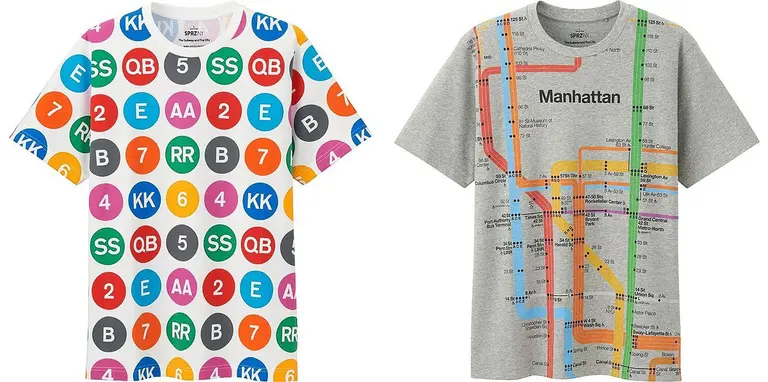
Did You Know the MTA Uses Pantone Colors to Distinguish Train Lines?

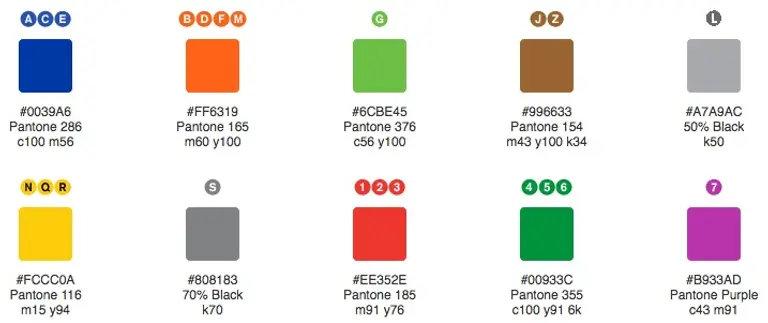
It's likely that every subway rider can name the colors that mark each train line -- blue for the A, C, E, red for the 1, 2, 3. But did you know that these aren't just arbitrary hues pulled from some MTA Crayola box, but rather 10 Pantone® spot colors? Even E-Z Pass and the LIRR and Metro-North lines have their own specific colors. The color coding dates back to the mid '60s when the city was in an economic downturn and people were staying off the rundown, haphazardly organized subways. To give the system a fresh, user-friendly look, the Transit Authority turned to graphic design, then an up-and-coming profession. They hired Italian designer Massimo Vignelli and Dutch designer Bob Noorda, both of whom were proponents of the popular "Swiss" style that featured solid, bright colors, simplistic illustrations, typographic grids, and the sans-serif font Helvetica. The men combined these elements into the 364-page New York City Transit Authority Graphics Standards Manual, forming the basis for the subway design we know today.
Find out more this way
April 7, 2016

This Map Tells You How Frequently NYC Subways Actually Run

This New York City Transit Frequency map, from Ft. Collins, Colorado-based public transit enthusiast and urban adventurer Tyler A. Green, is a mapped visualization of how frequently the city’s subways and buses travel along each line. You can use it to see where—and on which days—trains and buses run most and least often. The darker the color of a transit line on the map the more frequent your prospects are going to be. Four viewable data layers on the map represent buses and trains on Fridays and Saturdays. Hover over lines to see exactly how many trains or buses run in an hour between any two stops.
Take a look at the map
April 4, 2016

MTA Takes Steps to Open 7 Train Station at 10th Avenue

Last month, the Port Authority of of New York and New Jersey officially launched a design competition for a new bus terminal, which could cost up to $10 billion and require the use of eminent domain. A new Port Authority Bus Terminal aims to accommodate tens of thousands of additional riders, many of whom will then need to connect to a subway line. To accommodate all these potential new riders, the MTA is looking to revive its past plan of building a 7 train station at 10th Avenue and 41st Street, reports Crain's, which could cost up to $1 billion.
Find out more
March 22, 2016

It Will Cost $3M to Repair Hudson Yards Train Station, Six Months After Opening

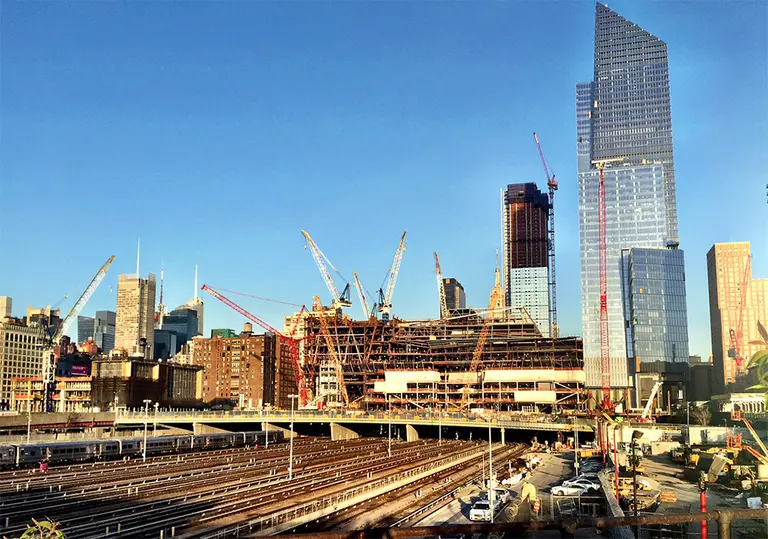
The Post reported last week that the Hudson Yards 7-train subway station, which opened just this past September after more than ten years of planning and delays, was a "disgusting, moldy mess," noting that "leaks, flooded bathrooms and water damage" had put nearly half the escalators out of service. According to a plumber, it's due to poor construction, with the ceilings not being made waterproof. If this wasn't disturbing enough, especially considering the station's $2.45 billion price tag, the Times has new information straight from the MTA: "A spokesman for the authority, Kevin Ortiz, said the contractor, Yonkers Contracting, would pay $3 million to fix the leaks. The work began last Friday and will take up to three months, Mr. Ortiz said."
Get a look at the damage
March 9, 2016

MTA Reveals Its ‘Ferrari-Like’ Buses With WiFi and Charging Ports

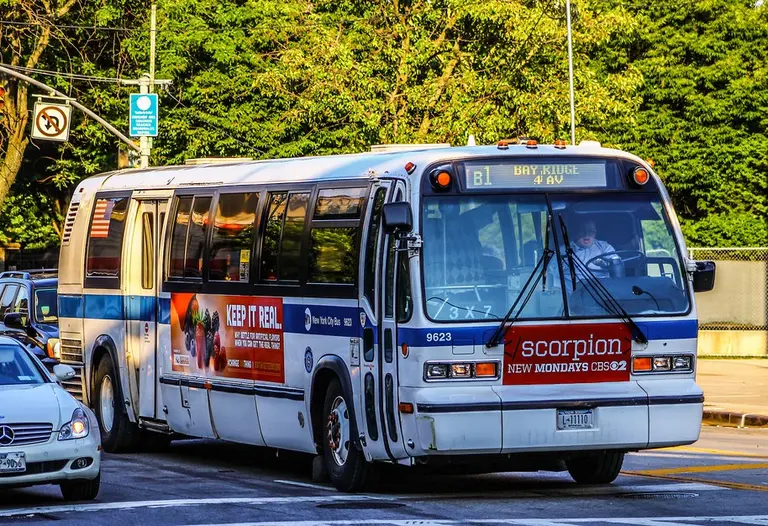
Earlier in the year, Governor Cuomo announced a plan to transform the subway with free WiFi, USB chargers, and mobile payment. Though the idea sounded great in theory, skeptics were quick to question where the funding would come from, a sentiment echoed now that the MTA has revealed renderings and details for the 2,042 new buses that will come on board over the next five years. They'll include similar modernizations, including WiFi, between 35 and 55 USB charging ports, and two or three LCD information screens, according to Crain's. The Governor touted the new bus design -- "It has that European flair to it. It has almost a Ferrari-like look." -- but he still hasn't spoken about how the state will fund the MTA's five-year capital plan.
Just how much will the new bus fleet cost?
March 7, 2016

Subspotting Map Project Shows Where You Can Get Phone Reception in the Subway

The MTA is apparently well into the middle phase of its project to wire 279 below-ground subway stations with cell reception, but as Citylab recently put it, "there are still places you can’t make a call to save your life.” Into this unfortunate void comes the Subspotting project, brainchild of Daniel Goddemeyer and Dominikus Baur, which offers maps "illustrating the unequal geography of subway reception" and helpfully providing information on where you'll be able to make a call or send a text while in transit. In addition to system and individual line maps, there's an app that shows the quality of reception as different sized bars at each station, and MTA-sanctioned posters.
Can you hear me now?
February 24, 2016

City Filth, Decoded: The Gunk on Subway Platforms Actually Has a Name

Do you ever wonder what that black schmutz that collects on the subway platform is? Has all the discarded chewing gum in the world begun to mobilize? What if I put my bag on it? Slate's What's That Thing column appropriately examines the phenomenon: After repeated unreturned phone calls to the MTA, the intrepid journalists got "Gridlock Sam" Schwartz and his transit gurus on the case. Finally the fine folks from the MTA rallied and gave name to the mysterious muck. According to NYC Transit assistant chief of the Division of Stations Branko Kleva, the stuff is mastic, a tar-like substance used to seal and waterproof the subway tunnels. When it heats up, (in the summer, for example, ironically from the heat generated by subway car air conditioning) it starts to "flow and drip down from the roof of the tunnel onto the platforms below."
More on the mysterious gunk...
January 27, 2016

POLL: Will Open Gangway Subway Trains Be a Success in NYC?

New Yorkers are notoriously hard to impress, so it’s not surprising that some are finding fault with the MTA’s proposed open gangway subway trains, which are pretty much the norm everywhere else in the world. Despite the fact that they’ll reduce congestion and platform pileups, as well as reportedly increase safety, jaded city dwellers fear […]

January 26, 2016

Mapping World Cities That Already Have Open Gangway Subway Trains

Click here to enlarge map >> Just yesterday, the MTA revealed renderings of what their open gangway subway prototypes will look like. As 6sqft previsouly reported, when it was announced that the new trains got a $52.4 million piece of the MTA's capital plan, "This type of train, basically one long subway car with no doors in between, is popular all over the world, in most cities in China and Japan, in Berlin, Paris, and London, to name a few." So just how far behind the times is New York City? An informative new map from The Transport Politic, which plots the cities in which riders can walk between cars, says pretty far.
Find out more
January 20, 2016

Top 10 Transportation Proposals That Would Transform New York City

Commuting in and around NYC can at times be a daunting task, and with the all of the pending subway closures, things are about to get a bit more complicated. However, all hope is not lost, and a trouble-free ride to work right be in the near future. From a city-wide ferry system to cell-phone friendly subway cars, both Governor Cuomo and Mayor de Blasio have several new initiatives in play to improve the city's infrastructure. In addition to these ambitious government-backed measures, there are also a slew of motivated residents looking to make some changes, including a 32-Mile Greenway in Brooklyn and Queens and a High Line-esque bridge spanning the Hudson River, just to name a few. To keep your spirits high when subway lines are down, we've put together this list of top 10 transportation proposals for NYC.
See all 10 here