NYC announces $4B plan to fix city-owned portion of BQE
Credit: Mary and Andrew on Flickr
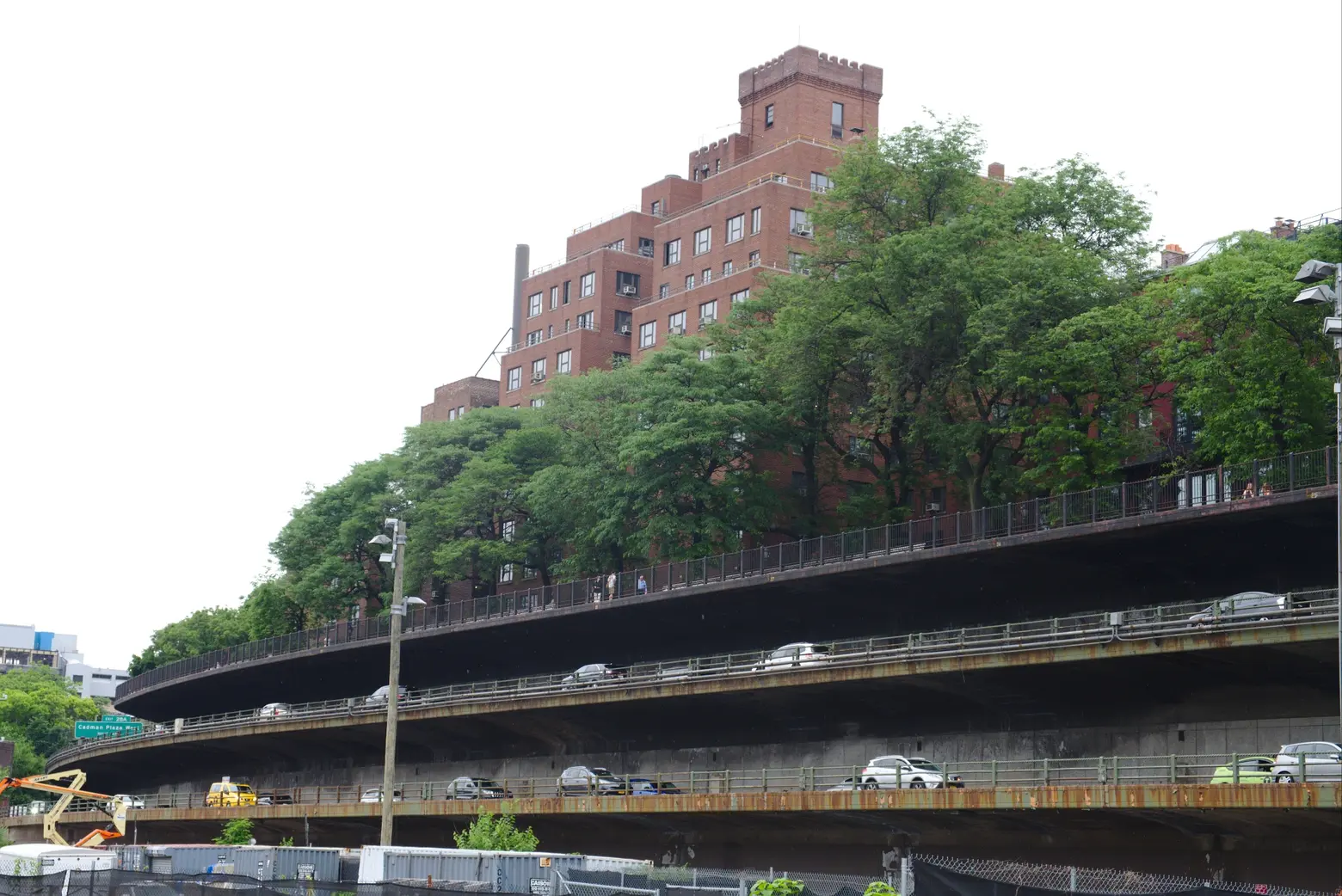
New York City will move forward with repairs to the decrepit, city-owned section of the Brooklyn-Queens Expressway following decades of delays. Mayor Zohran Mamdani and Department of Transportation Commissioner Mike Flynn on Monday announced plans to fix the aging corridor between Atlantic Avenue and Sands Street by installing temporary bypass structures that will allow the DOT to repair the structure while ensuring minimal disruption to traffic flow. The move marks the first major action to rehabilitate the 70-year-old triple-cantilevered portion of the BQE, where each year of inaction adds an estimated $160 million to the cost of rehabilitation.
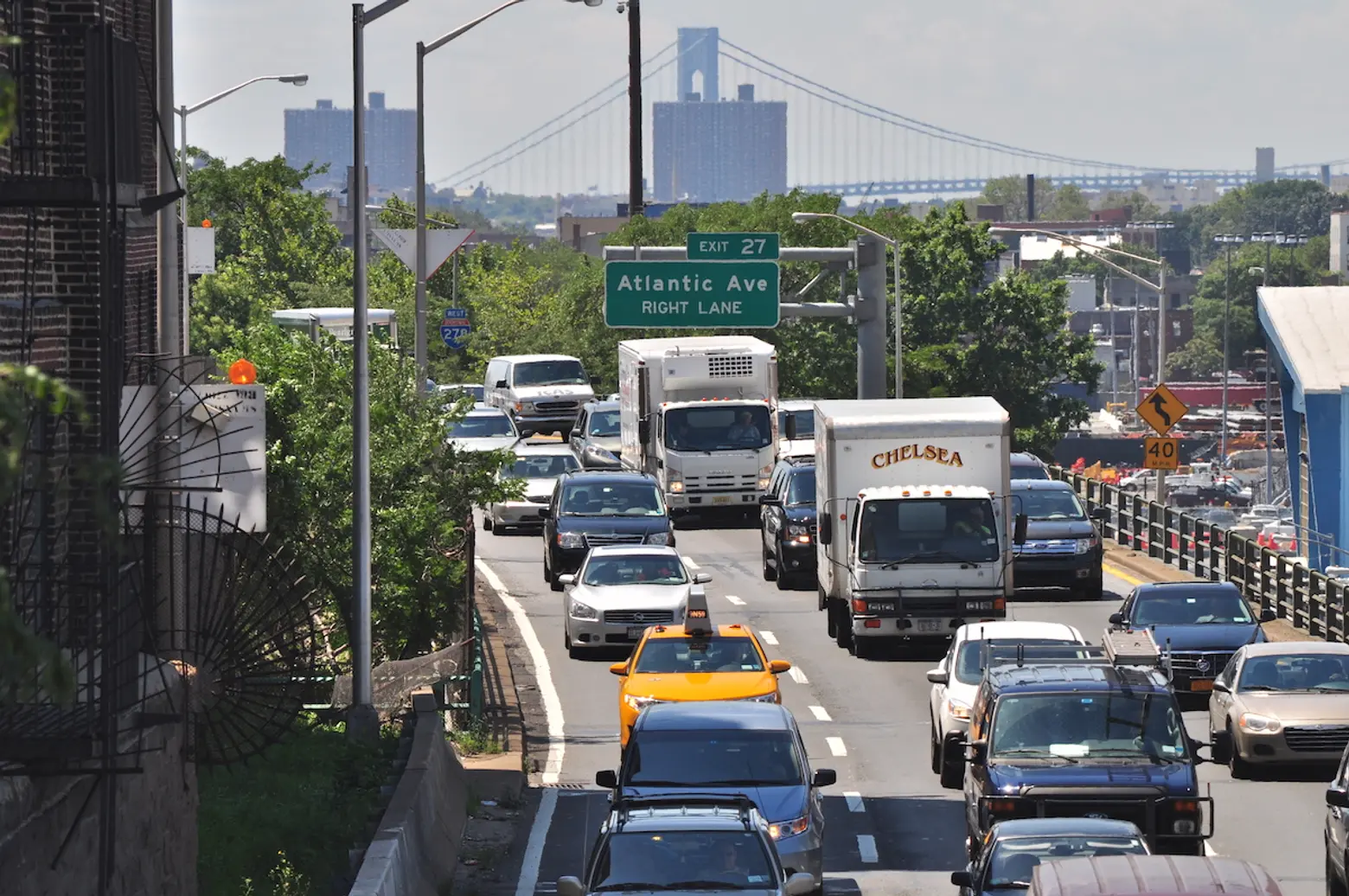
Opened in 1957 with a 50-year design life, the BQE is a critical corridor for freight and mobility, serving more than 150,000 vehicles daily and playing a crucial role in transporting people and goods across the tri-state area, according to the New York Times.
However, the corridor was designed to handle substantially less traffic than it currently sees. For decades, advocates and city officials across multiple mayoral administrations have warned of the devastating consequences of an eventual shutdown.
Despite this, the project’s complexities slowed efforts to address the issue over the years, allowing the BQE to further deteriorate and costing the city an additional $160 million for each year it has remained in disrepair.
The city owns the 1.5-mile, triple-cantilevered section of the roadway. The portion, which the administration calls “BQE Central,” accounts for roughly 12 percent of the BQE, while the state owns the rest.
Designed by Robert Moses, its unique stacked structure and location through the center of several dense neighborhoods mean that, if it were to close, local streets would likely become clogged with rerouted car and truck traffic.
While the city has taken small steps in recent years, including reducing traffic to two lanes, implementing a program to limit overweight vehicles on the BQE, and carrying out several rounds of repairs through the DOT, those projects addressed the roadway’s immediate needs while the city worked to develop a long-term solution.
In 2016, the city said it needed to completely overhaul the triple-cantilevered section. While the structure remained safe for drivers, the city said it needed to take immediate action to maintain its safety, according to the Times.
A major sticking point of previous proposals was that they would have required the closure of the Brooklyn Heights Promenade; opponents called the plan an “unacceptable encroachment” on public space.
The Mamdani administration’s proposal, which fulfills a pledge made last year before he took office to find a “permanent solution” for the city-owned sections of the BQE, seeks to carry out the necessary repairs while minimizing disruptions to traffic.
DOT will build a temporary, two-level highway bypass on top of Furman Street, below the Brooklyn Heights Promenade, running from Atlantic Avenue to Columbia Heights. No higher than the existing Queens-bound highway, the bypass would maintain views of the promenade while allowing traffic to continue as work crews reinforce the expressway.
The agency also plans to install a second temporary, elevated highway bypass running from Columbia Heights over the Brooklyn Bridge approach to the Manhattan Bridge.
According to the administration, the plan represents the most immediate rehabilitation needed to keep the structure safe while giving the city time to work with the state on a long-term vision for the entire highway.
DOT intends to begin the City Environmental Quality Review process this fall and will engage the community through informational sessions and public scoping. The agency anticipates completing an environmental impact statement in summer 2028.
The $4 billion project is expected to take a decade, with construction beginning in 2030, and will extend the section’s life by another 40 years.
“For decades, prior administrations have failed to deliver urgent long-term repairs to BQE Central—but we can no longer afford to wait for the perfect solution,” Mamdani said. “We’re going to fix the aging concrete, repair the deteriorating triple cantilever and build temporary roads that keep the highway operable during construction to avoid sending tens of thousands of cars and trucks onto local streets.”
“This plan allows us to safely fix the BQE without slowing our city down or wasting decades more on magical thinking,” he added. “The cost of inaction is too high, and the risks to New Yorkers are too important to delay any longer.”
As the city prepares for the massive project, work continues on proposals to transform dreary spaces beneath the BQE into vibrant public spaces and reconnect neighborhoods that were separated when the expressway opened in the 1950s.
Launched in Fall 2022, the BQE Corridor Vision initiative has engaged communities along the 12.1-mile section of the corridor to inform future design choices.
In the summary report for BQE Central, the 1.5-mile city-owned portion released in December 2024, respondents expressed a desire for new public spaces, preservation of the Brooklyn Heights Promenade, improved bike and pedestrian connections to Brooklyn Bridge Park, and more.
In an official joint statement following the plan’s unveiling, State Sen. Andrew Gounardes, Assembly Member Jo Anne Simon, and Council Member Lincoln Restler welcomed the project while expressing concerns about potential disruptions to adjacent neighborhoods.
“We are encouraged that the Mamdani Administration has listened to our community’s call to rehab, rather than replace, the BQE Triple Cantilever while maintaining only two lanes of traffic in each direction and the existing footprint of the structure,” they said. “This approach opens the possibility for future transformational change that communities up and down the BQE corridor have long advocated for.”
“This announcement is the beginning of a multi-year approval process, and we have many questions,” they added. “We are concerned about such an invasive and disruptive construction approach and are worried about the damaging impact of temporary highways in our dense neighborhood.”
RELATED: