Mamdani releases transition framework for horse-drawn carriage workers ahead of 2028 ban
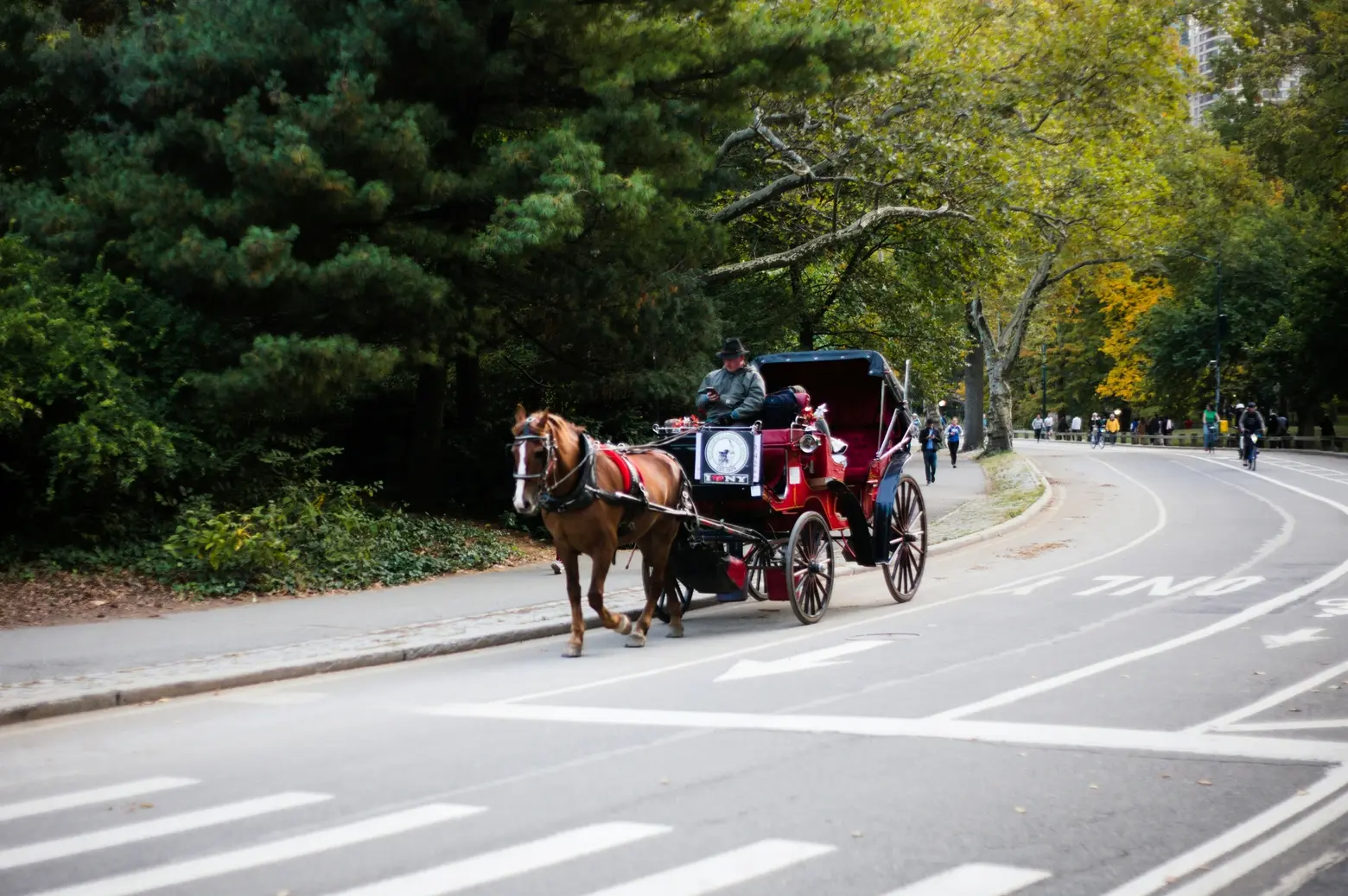
Credit: Sam Jotham Sutharson on Unsplash
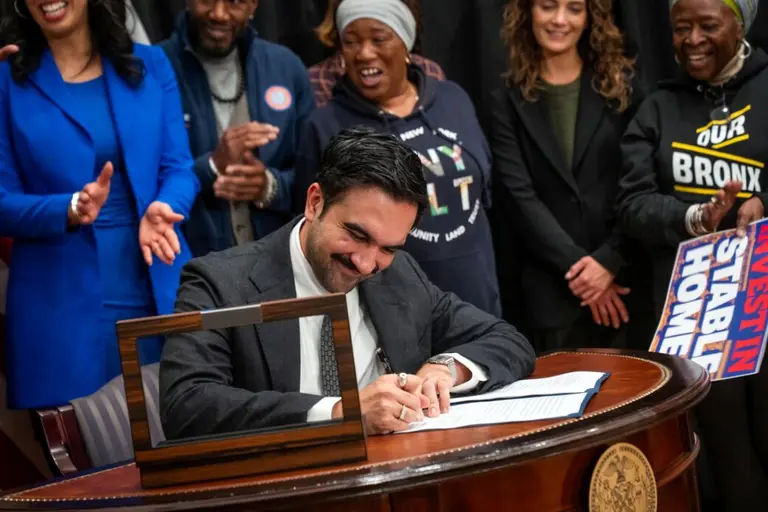
New York City is developing a plan to help horse-drawn carriage drivers transition out of the industry before the city’s ban takes effect in June 2028. Mayor Zohran Mamdani on Tuesday announced a few details of his plan to support affected workers and medallion owners through financial assistance, workforce development opportunities, educational pathways, and stipends. The City Council last month voted to end the practice by June 2028. The mayor plans to release a full transition plan in April 2027.
“As NYC moves to bring the horse-drawn carriage industry to a close, we have a responsibility to the workers who have built careers in this industry. This administration will not leave them behind,” Mamdani said. “Our transition plan will provide financial support and pathways to new careers through training, career guidance and education. We will support workers every step of the way.”
City Hall will collaborate with NYC Talent and the Department of Small Business Services (SBS) to create a new Horse Carriage Worker Industry Program aimed at helping about 200 affected workers transition into new careers.
Managed by the SBS and operated by LaGuardia Community College (LAGCC), the program will offer career advisement, job training, entrepreneurship support, connections to employers, educational opportunities, and tuition assistance for carriage drivers and stable hands.
Building on existing workforce infrastructure and employer partnerships, the initiative will provide workers with practical, timely support. SBS will also work with employers and labor partners to develop additional opportunities tailored to participants, drawing on the Workforce 1 system and its Industrial and Transportation Career Centers.
“LaGuardia will work with each carriage driver and stable hand to ensure they get the workforce training they need to transition to new careers with family sustaining wages,” Kenneth Adams, president of LAGCC, said.
“With more than sixty programs to choose from, including skilled trades, IT, healthcare, and even Veterinary Technology, carriage drivers will be able to design personalized education and training programs to meet their needs and interests.”
The Mamdani administration will also commission a feasibility study examining electric carriages and electric pedal-assist bicycles as potential alternatives within Central Park, as well as the use of electric carriages along the park’s perimeter.
First introduced in 2022 and sponsored by Council Member Christopher Marte, Ryder’s Law, a previous version of the bill, was named after a horse that collapsed in Hell’s Kitchen and was later euthanized. Following the incident, a 2022 poll released by the Animal Legal Defense Fund found 71 percent of city residents supported a ban on horse-drawn carriage rides, as 6sqft previously reported.
Last month, the City Council voted to pass Romanch’s Law, a revised version of the legislation named after a teenager who was killed in Central Park in June after a startled carriage horse threw him from the carriage.
While the measure has drawn widespread support from animal rights activists, unions representing industry workers have criticized the legislation.
The Transport Workers Union (TWU) Local 100 says the ban will destroy the “financial futures” of hundreds of workers. TWU Administrative Vice President Alexander Kemp said the union plans to file a federal lawsuit challenging the measure’s legality once Mamdani signs it, as ABC7 reported.
Kemp also criticized the transition framework as “lip service,” arguing that it offers no guarantees that displaced carriage workers will be able to “survive.”
“Intro. 943 would create chaos for workers who have sunk everything they had into an industry and the horses they love, purchasing medallions from the city for hundreds and thousands of dollars,” Kemp said. “Despite Julie Menin and others paying lip service to protecting workers, there are no guarantees for how the carriage drivers will survive and where the horses will go.
“The city faces an $8.8 billion deficit and this workforce is getting nothing but promises that there might be some aid in the future,” he added.
RELATED: