Mamdani says NYC has billed $500M under pied-à-terre tax despite thousands of exemptions
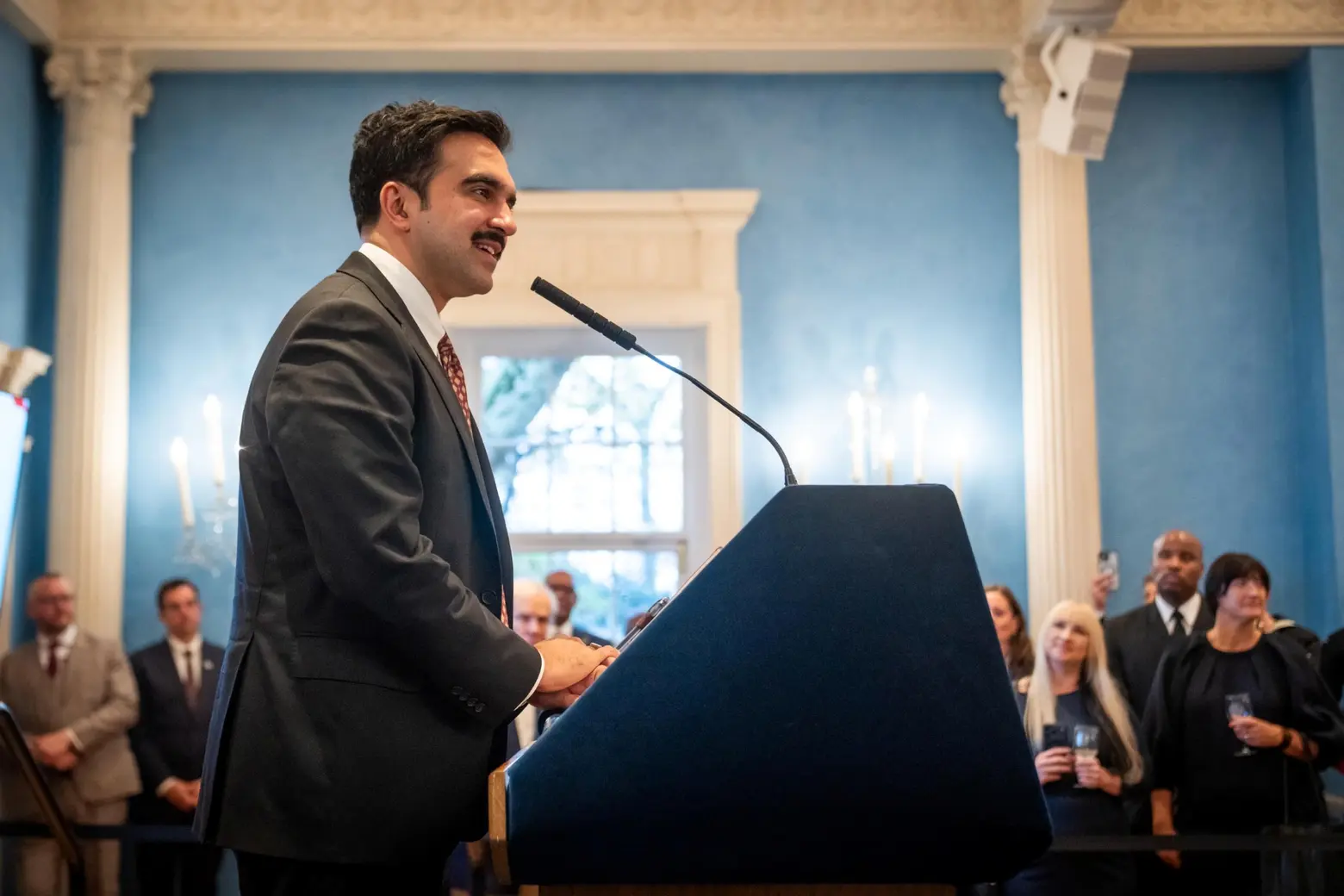
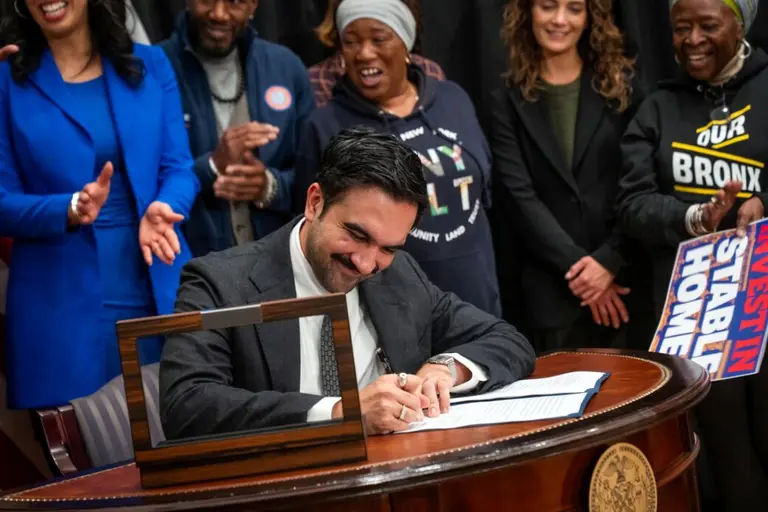
Credit: Ed Reed/Mayoral Photography Office on Flickr
New York City expects to still raise its target of $500 million from its new pied-à-terre tax despite thousands of exemptions trimming the list of eligible properties. Mayor Zohran Mamdani, in a post on X on Tuesday, said the city has billed more than half a billion dollars to owners of second homes worth more than $5 million, celebrating the potential revenue as a way to “invest in a City that works for all New Yorkers.” According to Bloomberg, the city sent bills with the surcharge to roughly 8,000 properties after processing exemption requests. The city’s Department of Finance (DOF) sent out 17,000 notices to properties over the summer; the state had estimated about 13,000 homes would be subject to the tax.
Framed by Mamdani as a means of fulfilling his pledge to “tax the rich,” the surcharge applies to secondary one- to three-family homes valued at more than $5 million, as well as secondary condos and co-ops valued at $1 million or more, as 6sqft previously reported.
When the DOF announced roughly 8,000 homeowners received tax bills on Tuesday, some questioned whether the program would still meet its goal of generating $500 million in additional annual revenue.
The figure represents less than half of the approximately 17,000 homeowners who received notices this summer informing them that they could be subject to the tax. According to Bloomberg, the city has since granted at least 8,900 exemption requests.
City Comptroller Mark Levine also initially questioned the $500 million revenue target. In a May report, he said exemptions for rental units and “behavioral responses” to the tax could reduce annual revenue to between $340 million and $380 million. However, in June, Levine revised his projections, estimating that the tax could generate at least $1 billion before accounting for exemptions.
Despite these doubts, the Mamdani administration maintains that the program is still on track to meet its annual revenue target. According to the New York Post, experts say the $500 million goal could still be reached despite the smaller pool of eligible properties because the tax is calculated on a sliding scale, with higher-value homes subject to higher rates.
“As Mayor Mamdani has said before, owning a second home worth over 5 million dollars should come with a responsibility to the city that makes it valuable,” DOF spokesperson Julia Agos said in a statement to the Post.
“The Department of Finance will continue to implement the pied-à-terre surcharge fairly and efficiently, ensuring that those most able to contribute do their part to build a city that works for everyone.”
Similarly, Ben Williams, a property tax attorney at a NYC-based real estate law firm, told the Post that he reviewed a list of property values published by the city this summer and identified roughly 24,000 properties that both qualified for the tax and had high enough values to generate substantial revenue.
Their owners would collectively owe about $1.7 billion before accounting for potential exemptions. Based on his analysis, Williams said the $500 million revenue target sounds “reasonable.”
The Post reports that the administration has declined to release a breakdown of the 7,500 properties by tax bracket.
However, those figures could still change, as homeowners can challenge their bills before the city’s Tax Commission. They can appeal the DOF’s determination that a property is not their primary residence or argue that its assessed market value is too high, potentially reducing the program’s expected revenue.
Williams told Bloomberg News that he represents several property owners who plan to challenge the tax before the Tax Commission. Most of the cases involve disputes over whether a property purchased by a trust or LLC qualifies as the owner’s primary residence.
The tax itself could still be struck down, however, as two ongoing lawsuits challenge the constitutionality of the surcharge. Both cases argue that the tax is unconstitutional, rather than disputing how it was rolled out, as an earlier lawsuit did before being struck down.
The first of the other lawsuits, filed by Stephen Wynn, founder of Wynn Resorts, and former U.S. Commerce Secretary Wilbur Ross and his wife, Hilary Geary Ross, argues that the tax discriminates against wealthy out-of-towners. Wynn and the Rosses all live in Florida but own second homes in NYC, as 6sqft previously reported.
Filed by the corporation that owns the Upper East Side co-op building known as The Montclair, as well as several homeowners, some of whom live in Florida and Suffolk County, the second lawsuit makes a similar challenge. The lawsuit is backed by the Real Estate Board of New York.
RELATED: