Mamdani unveils plan to close Rikers Island by 2032, five years after deadline
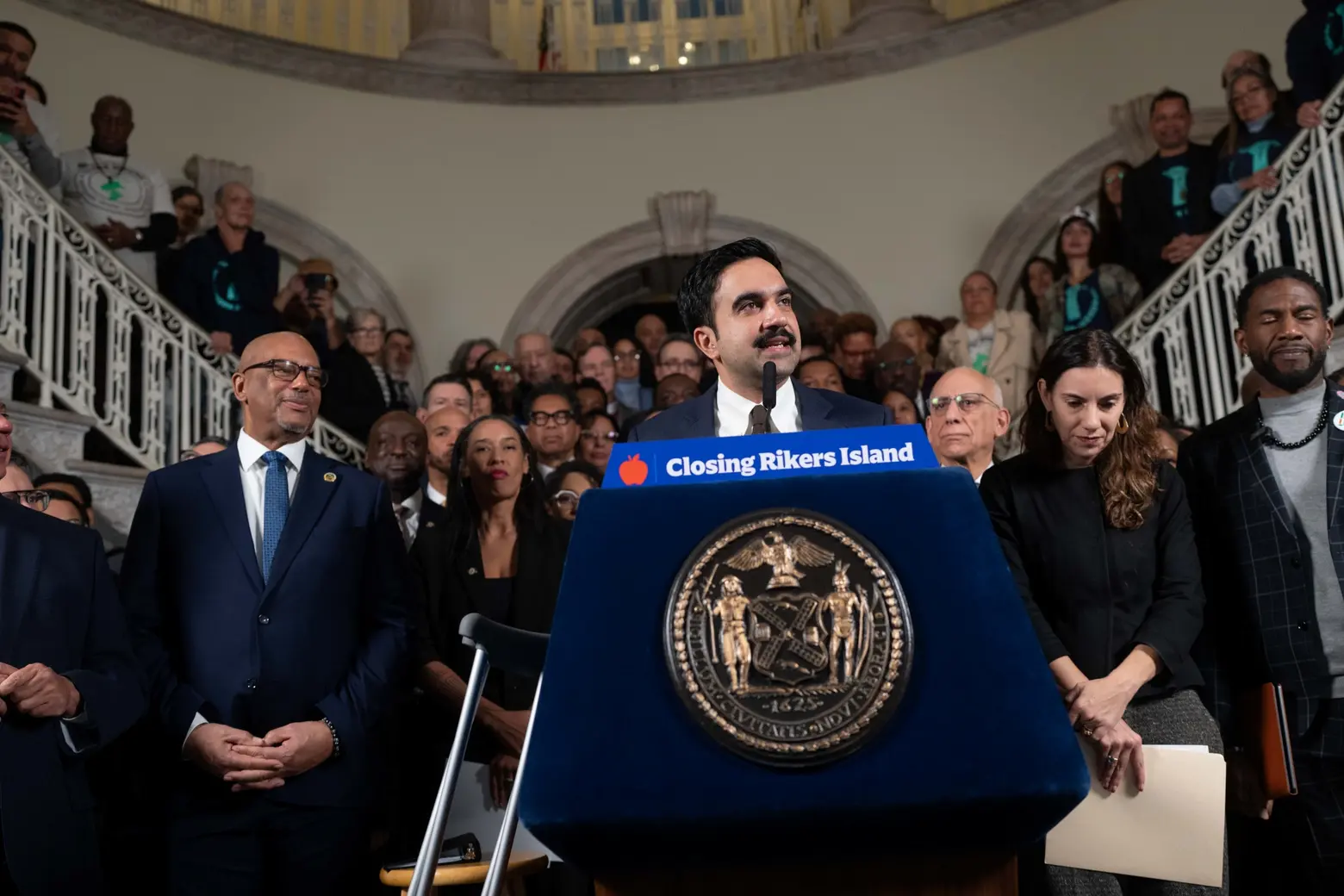
New York City has released a comprehensive plan to shutter the notorious Rikers Island prison complex by 2032, five years later than planned. Mayor Zohran Mamdani on Friday unveiled “Close Rikers: Strategic Plan,” a report outlining a vision for closing the jail and replacing it with four borough-based prisons. The plan also calls for nearly $150 million in investments in mental health care, substance use treatment, educational programming, and other resources aimed at preventing reincarceration. Although the city is legally mandated to close Rikers by 2027, Mamdani is proposing pushing the deadline back five years, citing delays attributed to former Mayor Eric Adams’ administration.
Constructed in 1932, Rikers Island has long been considered a blight on the city’s criminal justice system, with allegations of systemic violence, inhumane living conditions, and general neglect of inmates.
While calls to shutter the prison have circulated for decades, momentum toward closing the complex grew in 2015 following the death of 16-year-old Kalief Browder, who died by suicide after returning home from Rikers, where he had spent three years in detention, including two in solitary confinement, while facing charges of allegedly stealing a backpack.
In 2017, former Mayor Bill de Blasio, who initially dismissed calls from advocates to shut down the jail, reversed course and released a nearly $9 billion proposal to close the facility. At the time, he said the process would take at least 10 years and that the prison’s population needed to fall to 5,000.
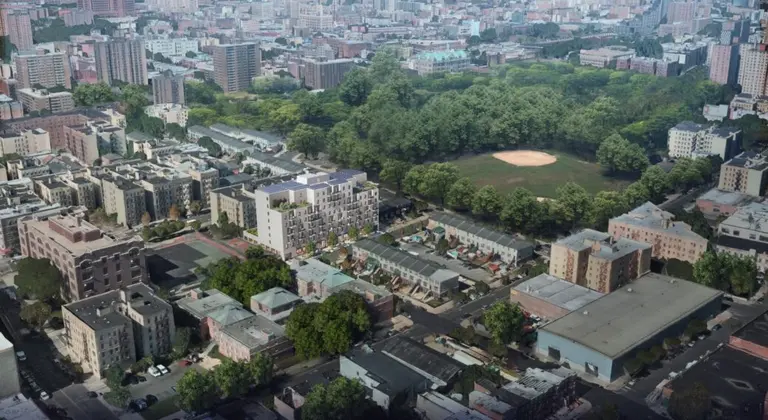
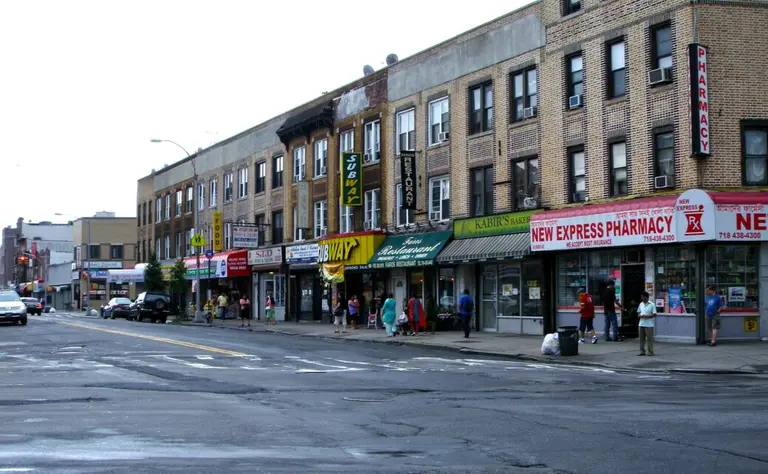
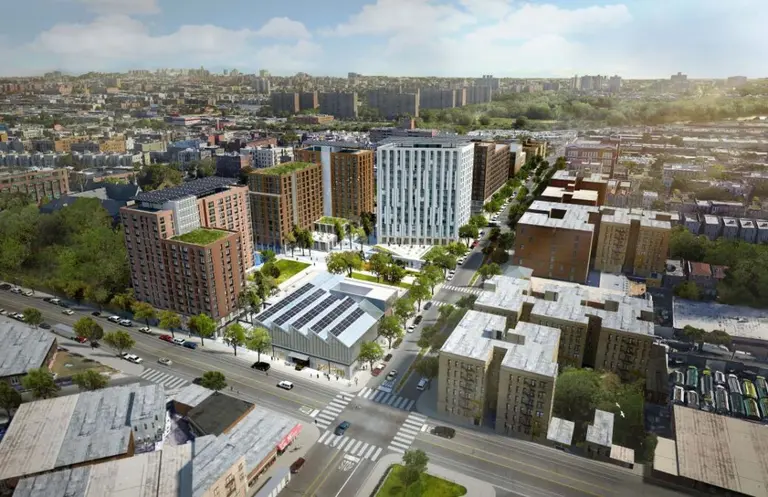
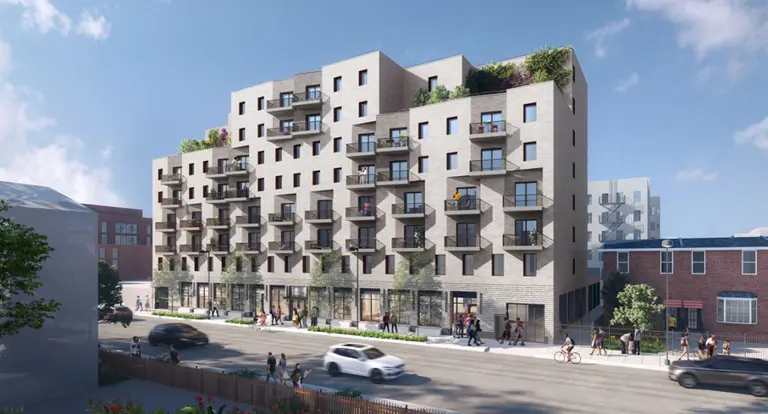
Two years later, the City Council approved de Blasio’s plan, which called for replacing Rikers with four borough-based jails after significantly reducing its inmate population by 2027. The four facilities were slated for Lower Manhattan, the South Bronx, Downtown Brooklyn, and Kew Gardens, locations chosen for their integration with surrounding communities and proximity to the court systems they serve.
Despite backing his predecessor’s proposal on the campaign trail, including the 2027 deadline, Mayor Adams’ stance on the issue evolved over the course of his tenure. As conditions worsened at the jail, with nine people dying in custody at Rikers in 2023, Adams doubted the projected costs and feasibility of the plan and argued that the capacity of the replacement jails was too small to accommodate Rikers’ population at the time.
He suggested legislators come up with a “Plan B,” though an administration spokesperson told The Daily News at the time that the Brooklyn jail would open by 2027, despite a 2023 public notice in an administrative publication indicating that construction would not be complete until 2029.
Now, Mamdani has committed to fulfilling the former mayor’s vision for closing Rikers Island.
“The work to close Rikers did not begin with this administration. And despite years of delay under the Adams administration, elected officials, advocates, and dedicated public servants never gave up on the promise of a safer and more humane system,” Mamdani said in a letter accompanying the report.
“I am grateful to everyone who kept this work moving forward, especially the DOC staff who have continued to show up for their city under extraordinarily difficult conditions.”
According to the mayor, the plan has five core components. The first calls for replacing Rikers with four borough-based jails by 2032, five years after the legally mandated deadline, starting with Brooklyn in 2029.
The Bronx and Queens facilities are slated to open in 2031, with the Queens jail housing women. The Manhattan facility is expected to open in 2032.
Located closer to public transit, courts, and the communities where incarcerated New Yorkers live, the new jails are intended to make it easier for them to maintain family relationships, access legal counsel, and receive support.
To make supervision safer and more effective for correctional staff, the jails will have fewer beds per housing unit, improving sightlines. Individual cells will also offer greater security.
Dedicated programming spaces will accommodate vocational training, educational courses such as community college classes, meetings with attorneys, and other services designed to help incarcerated individuals successfully reintegrate into their communities. Each housing unit will also have access to outdoor space.
Community space will extend beyond the prison walls, with each facility including at least 20,000 square feet of dedicated space for neighborhood residents. The city will work with local elected officials and community members to determine how the spaces are used, with potential programming including small business support, youth services, and senior services.
Unlike the broken pipes, rusting fixtures, and unsafe infrastructure of Rikers, the new facilities will feature comfortable furnishings that provide safer, more humane living conditions for both inmates and staff.
Reducing recidivism is the plan’s second core component. To help prevent formerly incarcerated New Yorkers from returning to the criminal justice system, the administration will invest $50 million next fiscal year to expand access to vocational training, educational programming, mental health counseling, substance use services, and other forms of support.
Citing research indicating that prolonged incarceration can increase the likelihood of rearrest, the city will invest another $76 million next fiscal year in community-based services, including reentry services and diversion programs such as supportive housing and low-barrier Emergency Stabilization Housing. These housing options offer on-site psychiatric care, behavioral health services, substance use treatment, and peer support.
The administration will also create an additional 236 therapeutic beds in Brooklyn and the Bronx, bringing the NYC Health + Hospitals citywide total to 340. The city has already begun transferring incarcerated individuals with serious mental health issues or complex medical needs to therapeutic beds in Manhattan to receive specialized care.
Additionally, the city will restore its online bail payment portal, which has been offline since 2023, making it easier for families to post bail without unnecessary delays or travel.
The next component focuses on improving conditions and support for correctional staff. The administration has committed to expanding access to peer training and staff education. It is also assessing current staffing levels and deployment to better allocate personnel across the island and improve working conditions.
The city is also strengthening the Department of Correction’s processes for investigating, addressing, and disciplining misconduct to ensure investigations are handled consistently and promptly throughout the jail system.
Reducing case delays and improving support for crime victims is the fourth key component. The city aims to streamline the processing, sharing, and review of evidence, with a particular emphasis on improving coordination among city agencies.
To advance these goals, the administration will work with the Office of Administration, district attorneys, and the defense bar to identify systemic causes of case delays and develop solutions that support timely resolutions.

The final component focuses on planning for Rikers’ future, starting with the phased transfer of incarcerated individuals off the island and its transformation into an “unrecognizable” hub for climate resilience, a vision first proposed in 2022.
Proposed by the Regional Plan Association and Rhode Island School of Design, the vision would turn the more than 400-acre island into a green energy hub featuring solar energy production, recycling and composting infrastructure, a research and training facility for formerly incarcerated individuals, and a wastewater treatment plant.
Led by the Department of Citywide Administrative Services, the planning process for the island’s future has already begun exploring near-term renewable energy and sustainability projects, with a broader, long-term planning effort still to come.
“It is time to finally close Rikers Island. For decades, New Yorkers have demanded a correctional system that is safe and humane,” Mamdani said. “This plan puts us on a path to deliver just that: closing Rikers, reducing pretrial detention, tackling the case delays that deprives people of their right to a speedy trial and investing in evidence-based supports that help break the cycles of incarceration.”
“We have a legal and moral obligation to close Rikers,” he added. “Working alongside the City Council, Courts and nonprofit partners, we will meet it—for the people in our custody, the staff who serve them, victims of crime, and every New Yorker.”
While many elected officials are celebrating Mamdani’s plan, some community members in neighborhoods slated to receive the four new jails have expressed concern. They argue that the proposed timelines are unrealistic and could only be met through years of overnight construction, a practice that Chinatown residents recently secured a temporary restraining order to halt.
Late last month, a Manhattan Supreme Court judge temporarily barred overnight construction at the planned 16-story jail site at 124-125 White Street. Residents had sued over special permits allowing construction between 6 a.m. and midnight on weekdays, arguing that the work disrupted their sleep, according to ABC News.
Community members also cited construction worker injuries and deaths, cracks in the foundation of an adjacent senior housing facility, elevated air pollution, and disruptions to social service providers, health care facilities, and small businesses.
In a statement, Jan Lee, founder of Neighbors United Below Canal, said Mamdani’s plan leaves local Chinatown residents’ concerns “unanswered.”
“We hoped the City would come back with a plan that finally takes the health of Chinatown’s residents seriously,” Lee said. “Instead, this updated plan leaves our core concerns unanswered. It still allows nighttime drilling, still sends heavy trucks through our narrow streets after dark, and still puts the burden of the City’s construction schedule on our elderly neighbors and families living just feet from the site.”
“A third of our community lives below the poverty line, and many of our residents cannot simply move away from the noise or the danger,” she added. “A judge recognized that these harms are real. The city should too. We will keep fighting until Chinatown’s health and safety comes before convenience and speed.”
The restraining order raises questions about whether the Lower Manhattan jail can be completed by 2031. The two sides are scheduled to return to court on December 1.
RELATED: