Gloria Steinem’s Upper East Side brownstone will remain a space for organizing and activism
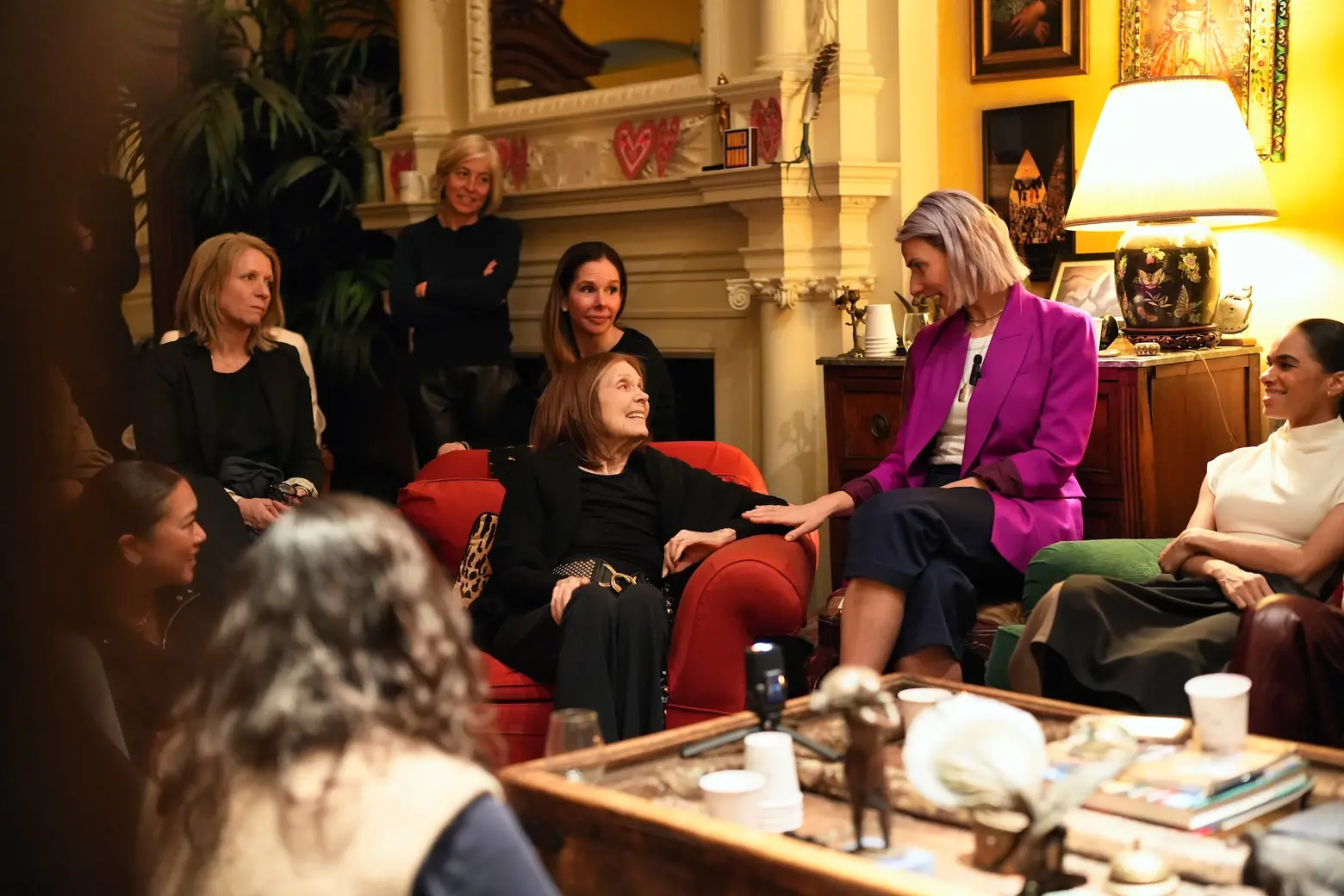
A talking circle hosted by Gloria Steinem and Emily Tisch Sussman focused on women & sports, 2026. Photo by Gia McKenna.
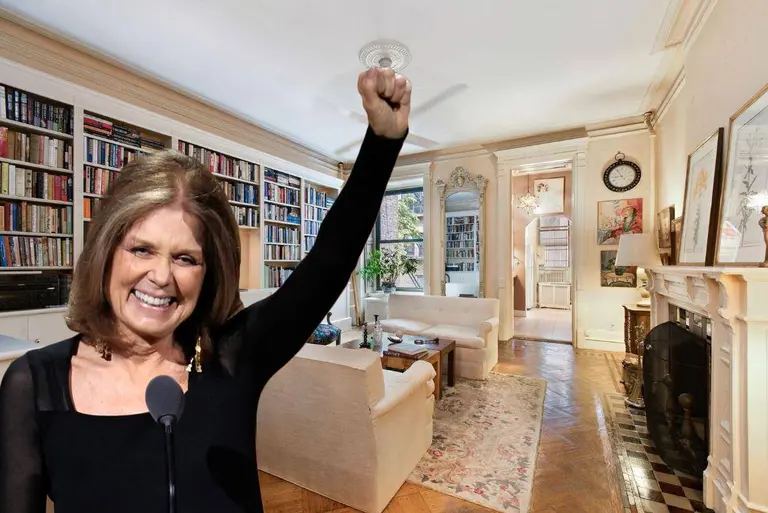
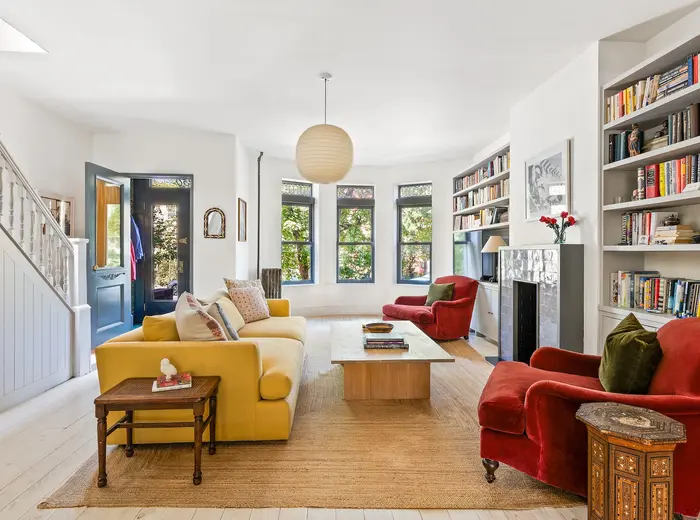
The New York City home of feminist icon Gloria Steinem, who died on September 2 at 92, will become a permanent gathering place for thinkers, activists, and cultural and political luminaries, as it has been for decades. As the New York Times reported, three floors of the five-story townhouse on East 73rd Street that Steinem acquired over several years will house Gloria’s Foundation as well as an assembly space like the one in which she hosted “talking circles” to discuss social issues of the day.
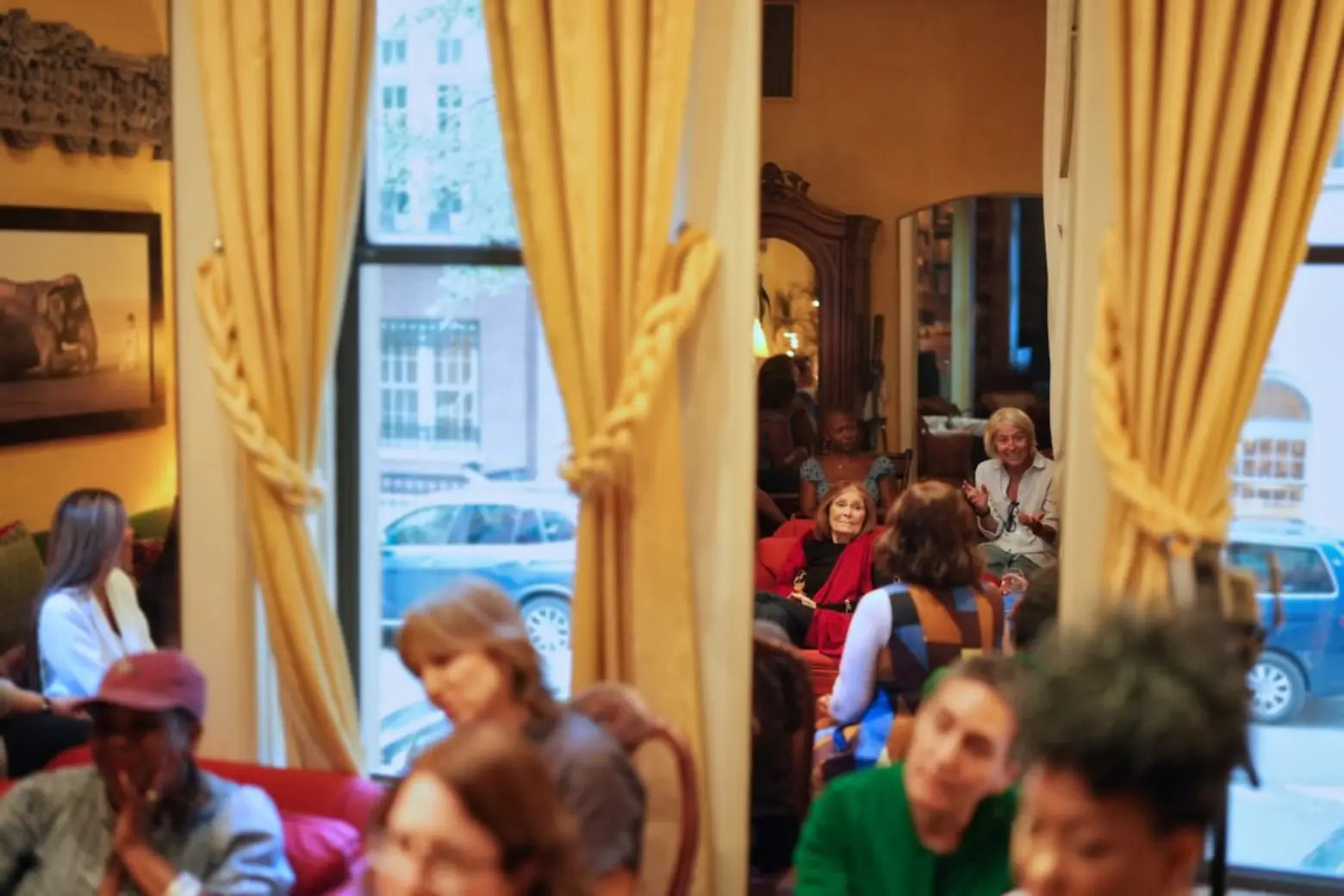
Steinem rented one unit in the brownstone on the Upper East Side in 1967, which she shared with her roommate Barbara Nessim, an artist. She eventually purchased the unit, along with additional floors of the property. The home became a popular salon for writers, celebrities, and politicians. In 1971, the living room of her home was the birthplace of the ground-breaking Ms. magazine.
“There’s been so much good work that we have to look back on and work from, and so I do feel like the space just physically captures that in this weird, magical way,” Jill Heller, the director of programs at Gloria’s Foundation, said in a statement to the Times.
In addition to offering a gathering space, programming will continue to include fellowships, residencies, exhibits, educational partnerships, and collaborations. Since 2024, the Gloria’s Foundation Fellowship has offered an opportunity for justice-focused organizers to receive financial support and inspiration for further activism.
The Gloria’s Foundation Residency Program offers a one-year residency in which participants are expected to work toward advancing the organization’s role as a hub for feminist programming by providing access to its resources.
The organization partners with schools internationally to offer archival materials and support educators in integrating feminist archives into learning opportunities as well as supporting classroom exchanges to engage students with feminist history. The Foundation also works with cultural institutions such as Google Arts & Culture and hopes to build their own interactive exhibits that highlight the historic and ongoing work for a feminist future.
According to the foundation, Steinem wanted her apartment to remain a refuge for “diverse women to stay, rest, meet, and work.”
In her forthcoming book, “An Unexpected Life,” Gloria wrote, “I have now lived for more than fifty years in this brownstone, in rooms that have witnessed lives before mine, and will know others after I am gone.”
RELATED: