Policy

April 12, 2016

The Port Authority Paid $47.6M in 2015 to Cover Condé Nast’s Move to One WTC

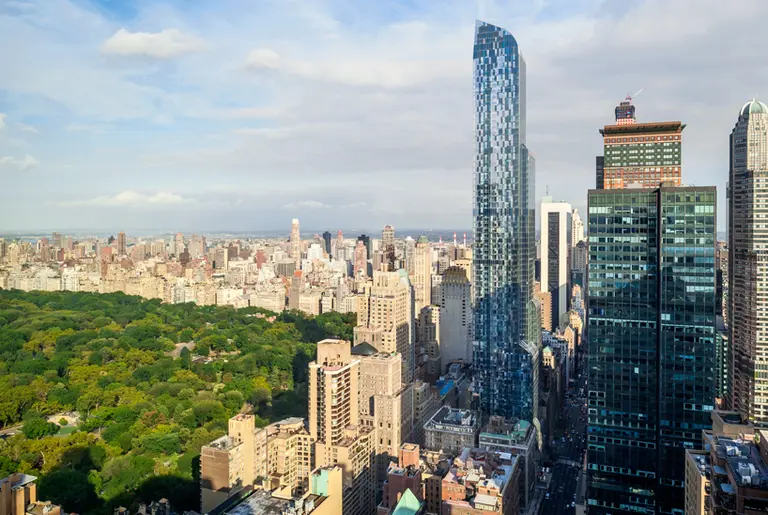
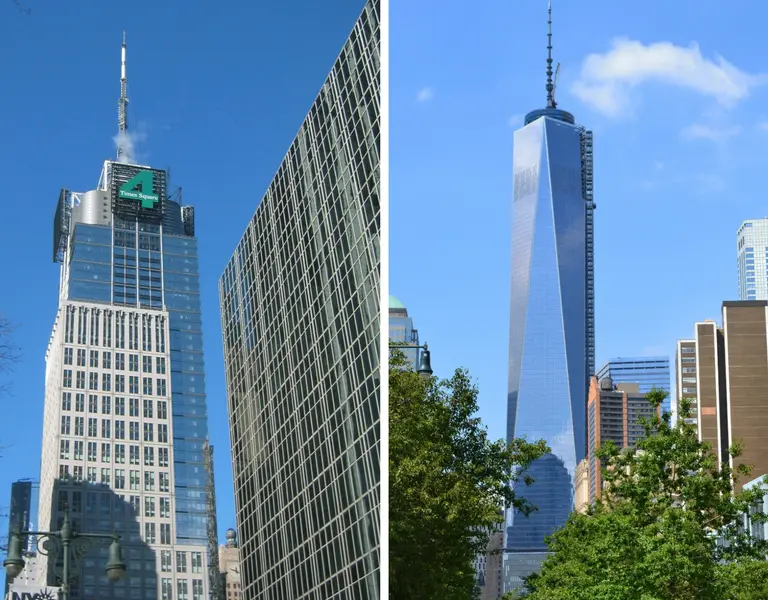
Though the Port Authority of New York and New Jersey would like you to think it's been smooth sailing finding tenants for One World Trade Center, their spending habits say otherwise. As Crain's reported, more than a year after Condé Nast made the big move from 4 Times Square to One World Trade, the agency is still dropping $3 million a month to pay for the old lease. This deal came about in 2011 when the Port Authority offered the incentive to entice the media company to relocate amid floundering activity at the downtown tower. In 2015 alone, they spent $47.6 million, and the payments are expected to continue into 2019 (when the lease ends) unless building owner the Durst Organization can find a new tenant.
More details ahead
April 11, 2016

Do Poor New Yorkers Live Longer? Study Says Yes, Despite the Income Gap

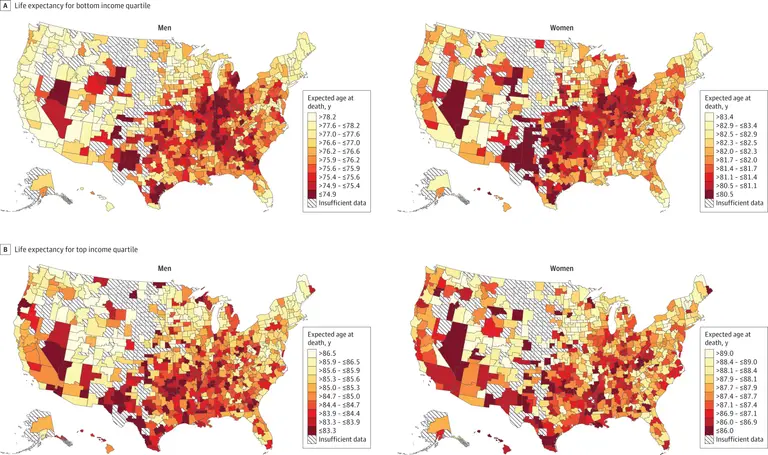
The New York Times recently took a look at the results of a study published in the Journal of the American Medical Association (JAMA). Using data compiled from anonymous earnings records and death certificates, the results offer some provocative insights into the importance of geography to how long people live–poor people in particular. There is, as we've already assumed, a longevity gap between the rich (in this study, people with household incomes of over $100,000 per year) and poor (those with incomes less than $28,000). In Manhattan, for example, the average poor person will die about six years before the average rich one. But that gap is about a year and a half smaller than the same income/longevity gap for the United States as a whole. Tulsa and Detroit, for example, were two cities with the lowest levels of life expectancy among the low-income population, with the results already adjusted for differences based on race.
Find out what the numbers look like where you live
April 7, 2016

New Looks Inside Tribeca’s $50M Mega-Mansion With 18 Toilets and a Rooftop Farm

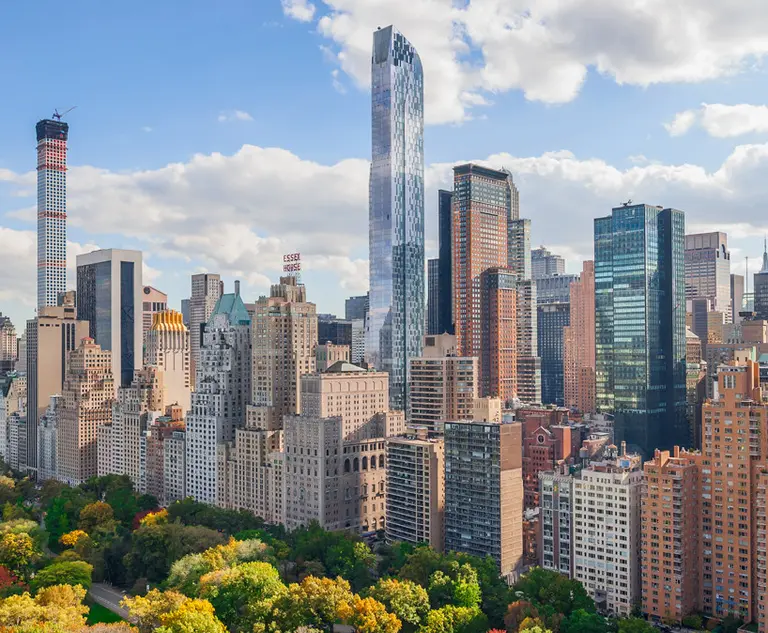
Tribeca's 30,000-square-foot, potential mega-mansion is still up for grabs for $50 million. As reported by the Journal last year, the 52-foot-wide, landmarked building at 71-73 Franklin Street would be delivered vacant by its longtime owners to a suitor who could transform the property into a single, seven-story mansion. The project has launched a website with a handful of renderings prepared by Turett Collaborative to give us a better idea of of what the enormous abode could look like. Last year, Curbed gave us a 43-point rundown of the ridiculous amenities and spaces provided in the plan, which includes more than seven bedrooms, 18 toilets, a nearly 60-foot-long swimming pool, climbing wall, rooftop farm, half basketball court, 20-seat home theater, and a two-floor walk-in closet for the missus of the house.
Get a look at all the renderings
April 5, 2016

First Look at $45M Single-Family Mansion Replacing New York Foundling in Greenwich Village

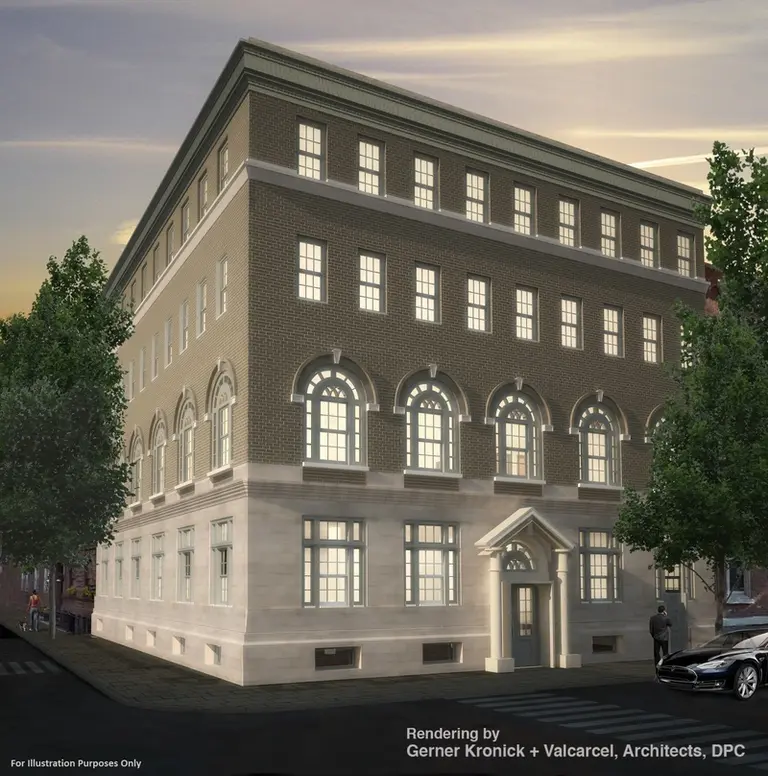
In September 2014, the foster and child-care agency New York Foundling, one of the city's oldest charities, sold its Greenwich Village building for a staggering $45 million to an unknown buyer with the intention of converting it into a single-family mansion. It will be among the most expensive single-family residences ever purchased in Manhattan. The four-story, limestone and brick property on the northeast corner of Christopher Street and Waverly Place sits within the beloved Greenwich Village Historic District, and currently the owner is seeking approvals from the Landmarks Preservation Commission to add a pergola, mechanical equipment and an elevator bulkhead to the roof. Yet-to-be-approved permits were filed in November by HS Jessup Architecture, detailing a sprawling home of five floors and 15,000 square feet of floor area. Plans on Jessup's website show the mansion will have six bedrooms, two kitchens, its own elevator, a dressing room and walk-in closet larger than most apartments, a 50-foot lap pool, and more than 4,000 square-feet of outdoor space that will include a rooftop terrace. The architect also handled the neo-traditional penthouse addition atop 345 West 13th Street in the Meatpacking District.
More details right this way
April 5, 2016

City Council May Bring Back Mansion Tax to Fund Social Programs

The idea of a mansion tax -- an increased tax on those who buy seven-figure residential properties -- has been floated around for the past couple years. Last year, Mayor de Blasio put forth a proposal that would add a one percent tax for sales over $1.75 million and a 1.5 percent tax for sales over $5 million. As 6sqft reported, he estimated the plan could have brought in "an extra $200 million a year in tax revenue, money that would be allocated to affordable housing programs," but it was ultimately rejected by lawmakers in Albany. In response to the Mayor's preliminary 2017 budget, the City Council is now looking to revive this proposal, but use the increased revenue to fund programs for youth, immigrants, and women, reports the Wall Street Journal. Coupled with a tax on carried interest for some investment managers, they predict the taxes could create an additional $410 million for the city.
More details here
March 31, 2016

NYC Water 101: From the Catskill Aqueduct and Robotic Measurements to Your Tap

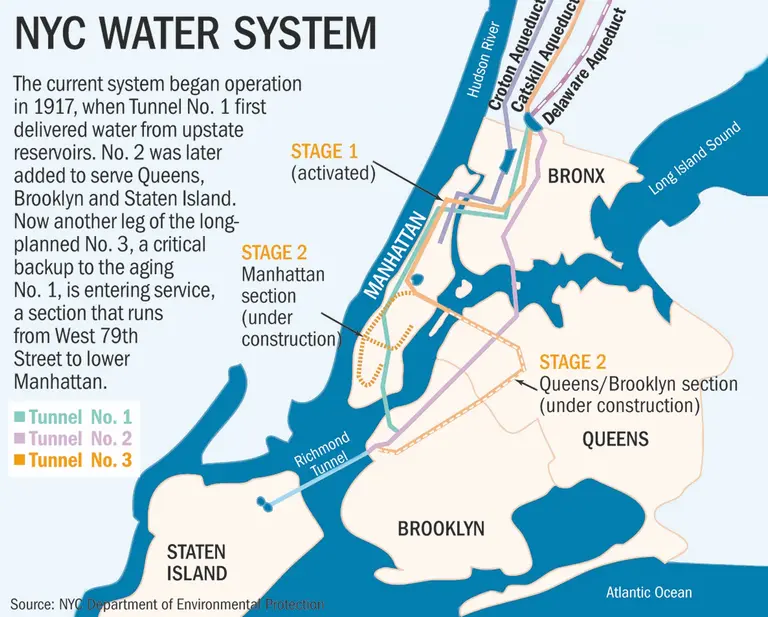
New York City is the nation’s largest municipal water supplier. While many locals happily choose tap water at restaurants and extol the virtues of New York’s wettest, we sometimes wonder how and where the magic happens–even more so recently, in light of some other cities’ far less stellar experiences with the local water supply. This recent New York Times article clears things up, so to speak, on how 9.5 million people (and growing, apparently) can keep the good stuff flowing. The source: More than 90 percent of the city's water supply comes from the Catskill/Delaware watershed, about 125 miles north of NYC; the other 10 percent comes from the Croton watershed. The watershed sits on over a million acres, both publicly and privately owned, but highly regulated to make sure contaminants stay out of the water.
Robots, radiation and more of the journey
March 31, 2016

Take a Virtual Tour of Don Draper’s Mod Park Avenue Apartment from ‘Mad Men’

It's been almost a year since "Mad Men" ended its seven-season run, but if you're jonesing for a fix of mid-century nostalgia, it's your lucky day. ArchDaily, in collaboration with Archilogic, has created a virtual tour of Don Draper's swanky Upper East Side apartment that he moved into in season five with his new wife Megan. From the sunken living room and orange kitchen cabinets to the white carpet and retro window treatments, set designer Claudette Didul didn't miss a beat when designing an authentic 1966 residence. But as ArchDaily points out, she also managed to create "a psychogram of a man who is about to fall apart at the seams."
See and learn more about Don Draper's pad
March 30, 2016

Controversial Zoning Change Would Fill Lower Manhattan Public Plazas With Retail

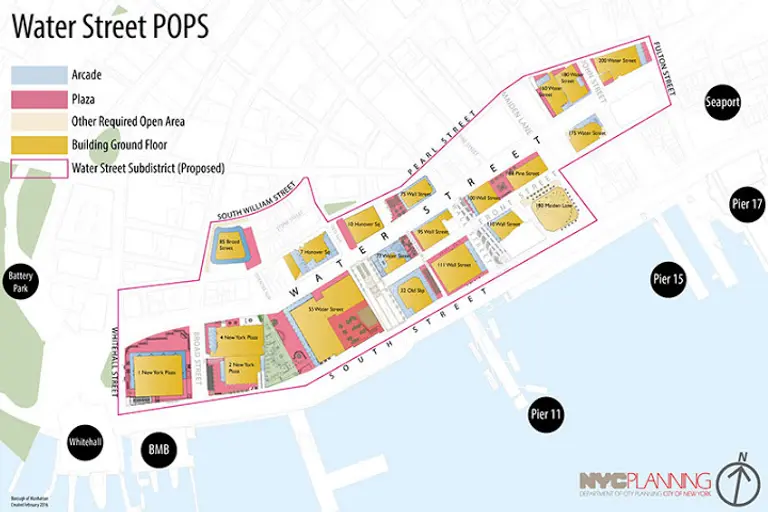
Whether you consider them "dead-end" corridors devoid of street life or nifty urban shortcuts (or just convenient rain shelters), the city's covered public walkways and arcades are finding themselves in something of a spotlight, reports the Wall Street Journal. This recent focus is on the covered walkways that run alongside skyscrapers in the Water Street corridor in lower Manhattan. A proposed zoning change, which would affect property owners in the Water Street Subdistrict, would allow retail to open up shop in these arcades.
Find out why some object to new retail additions
March 28, 2016

Headspace’s Meditation Pods Help You Find Inner Peace on the Go

New York can be a challenging place to live, which is why calming activities like yoga and new meditation classes are sweeping the city. For those of who don't have the time (or money!) to get our namaste on at said classes, there's the guided meditation service Headspace, a free app that has helped more than five million people globally find inner quiet. Now, the company behind this mindful innovation has come out with a new product that goes beyond the digital. Their nature- inspired meditation pod was designed in collaboration with architect duo Oyler Wu and is intended to express the invisible experience of meditation through tangible design.
More on the idea and design of the pod
March 23, 2016

Flyte Is a High-Tech LED Lamp That Floats, Defying Gravity

Simon Morris -- a New York City-born, Stockholm-based scientist -- has created a revolutionary wireless light bulb that floats and gently rotates while it shines. Called Flyte, a combination of Flying and Light, the magical high-tech lamp takes inspiration from Tesla's magnetic levitation technologies to defy gravity, hovering above a wooden base. Flyte can be switched on and off by touching its base, it need no batteries, and has an amazing lifespan of 22 years. Plus, the base doubles as a wireless charging station for smart phones and other devices.
Learn more about this anti-gravity light
March 22, 2016

It Will Cost $3M to Repair Hudson Yards Train Station, Six Months After Opening

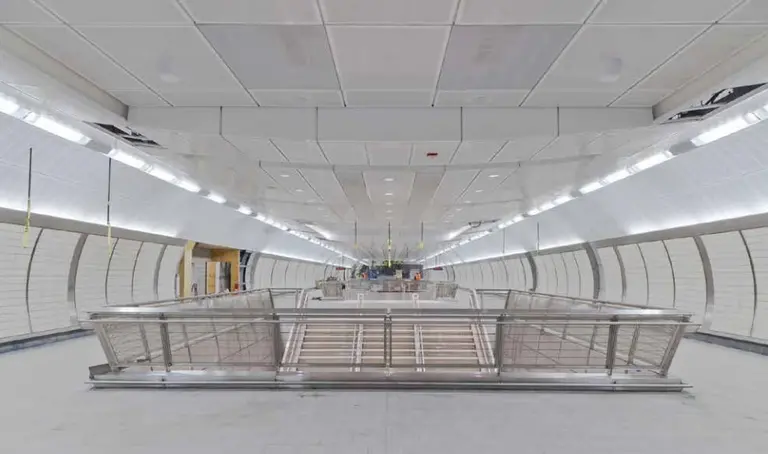
The Post reported last week that the Hudson Yards 7-train subway station, which opened just this past September after more than ten years of planning and delays, was a "disgusting, moldy mess," noting that "leaks, flooded bathrooms and water damage" had put nearly half the escalators out of service. According to a plumber, it's due to poor construction, with the ceilings not being made waterproof. If this wasn't disturbing enough, especially considering the station's $2.45 billion price tag, the Times has new information straight from the MTA: "A spokesman for the authority, Kevin Ortiz, said the contractor, Yonkers Contracting, would pay $3 million to fix the leaks. The work began last Friday and will take up to three months, Mr. Ortiz said."
Get a look at the damage
March 16, 2016

New Interactive Map Lets You Explore New York City’s Landmarks

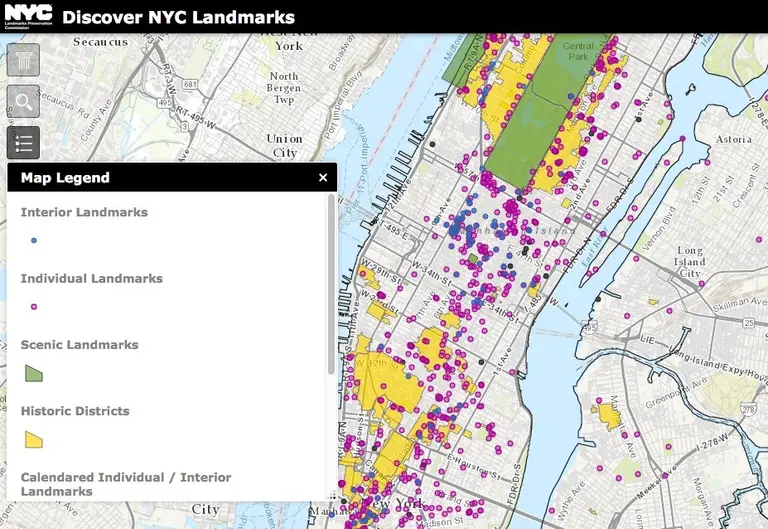
The Landmarks Preservation Commission has just launched a new interactive map that allows anyone to explore all of the city’s landmarked sites (h/t Curbed). The map, called Discover NYC Landmarks, is part of an LPC initiative to "bring greater transparency, efficiency, and public access to the agency." The new tool has mapped every single one of the city’s designated landmarks, including 1,347 individual buildings, 117 landmarked interiors, 114 historic districts, 10 scenic landmarks and even sites that are calendared for LPC consideration.
Start exploring, this way
March 15, 2016

Architects Say Glue May Be the Best Choice to Hold Skyscrapers Together

Adhesives and composite materials are joining 3D printing as innovations that may revolutionize the construction industry. According to architect Greg Lynn, using fast-drying glue to connect today's lighter, stronger and cheaper building materials like carbon fiber, fiberglass and other structural plastics is a more efficient means of construction, reports Dezeen. The combination could mean a new chapter in construction methods, and "lead to entire towers being glued together," making screws, rivets and bolts obsolete.
Find out more
March 7, 2016

Subspotting Map Project Shows Where You Can Get Phone Reception in the Subway

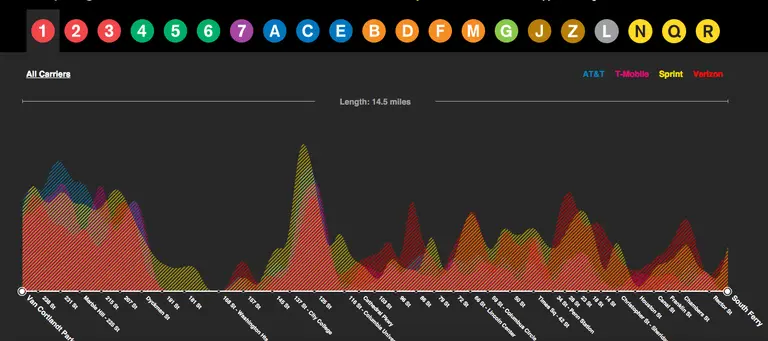
The MTA is apparently well into the middle phase of its project to wire 279 below-ground subway stations with cell reception, but as Citylab recently put it, "there are still places you can’t make a call to save your life.” Into this unfortunate void comes the Subspotting project, brainchild of Daniel Goddemeyer and Dominikus Baur, which offers maps "illustrating the unequal geography of subway reception" and helpfully providing information on where you'll be able to make a call or send a text while in transit. In addition to system and individual line maps, there's an app that shows the quality of reception as different sized bars at each station, and MTA-sanctioned posters.
Can you hear me now?
March 3, 2016

Stuff You Should Know: How Air Rights Work

“For whoever owns the soil, it is theirs up to Heaven and down to Hell.” Most folks outside the architecture and real estate industries are likely to believe that putting up a new skyscraper is simply about finding an empty lot to build up. However, those in the know understand that it takes much more than a stretch of space and a good […]

March 2, 2016

Bring Tomorrow’s Weather Indoors With Tempescope

Weather in New York is anything but predictable these days, with 60-degree days followed up by below-freezing winds. But while fluctuating temps have been irksome, we've found a fun little gadget that makes unpredictable weather a serene and beautiful thing. Meet Tempescope, an ambient physical display devised by Ken Kawamoto that physically visualizes impeding weather conditions like rain, clouds and lightning. The minimal device is designed to receive weather forecasts from the Internet and reproduce the next day's sky inside your home.
Learn more about this cool gadget
March 2, 2016

POLL: Should the City Spend Money and Time Hiring Starchitects for Public Projects?

Yesterday, 6sqft took a closer look at the Department of Design and Construction’s Design Excellence program, a city initiative where high-profile architects design public facilities, and the fact that many of these projects are long delayed and way over budget. The Rafael Vinoly-designed NYPD station house on Staten Island known as “The Stapler” is perhaps […]

March 1, 2016

Starchitect-Designed Public Projects Are Often Long Delayed and Way Over Budget

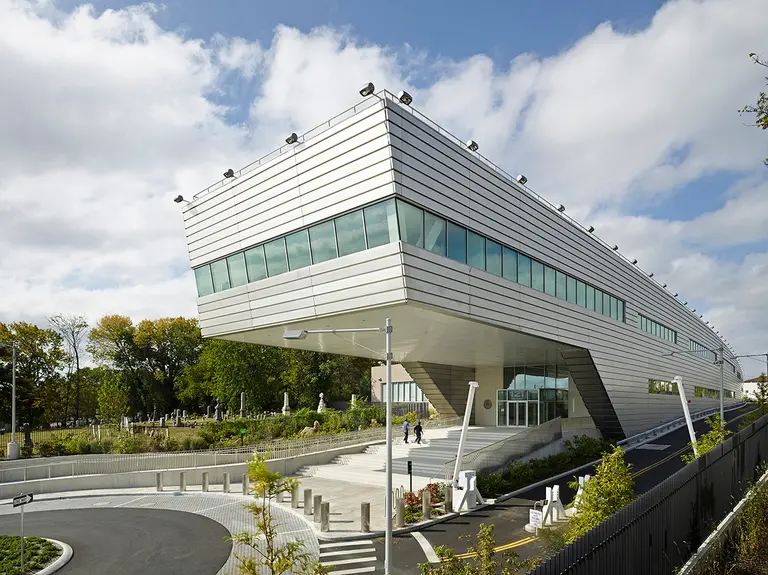
The big news last week was the Port Authority's decision not to hold an opening ceremony for Santiago Calatrava's World Trade Center Transportation Hub (followed by their sudden flip flop), citing the fact that it was six years delayed and that final construction costs came in around $4 billion in taxpayer dollars, twice what was projected. Though the Hub has become notorious for these reasons, it's hardly the only public project to face delays and skyrocketing costs. In fact, it's not even close to being the worst of the lot that are draining tax payer dollars. DNAinfo took a look at the Department of Design and Construction’s Design Excellence program, a city initiative where high-profile architects design public facilities. Take for example the NYPD station house on Staten Island known as "The Stapler." Its original cost was projected as $3 million, but when it opened in 2013 this rose to a whopping $73 million. DDC, ironically, blames the emphasis on design for the problems, as well as a faulty budgeting  process (cost estimates are calculated before actual designs are selected).
More details ahead
February 25, 2016

City Planning Commission Approves Controversial East New York Rezoning Plan in 12-1 Vote

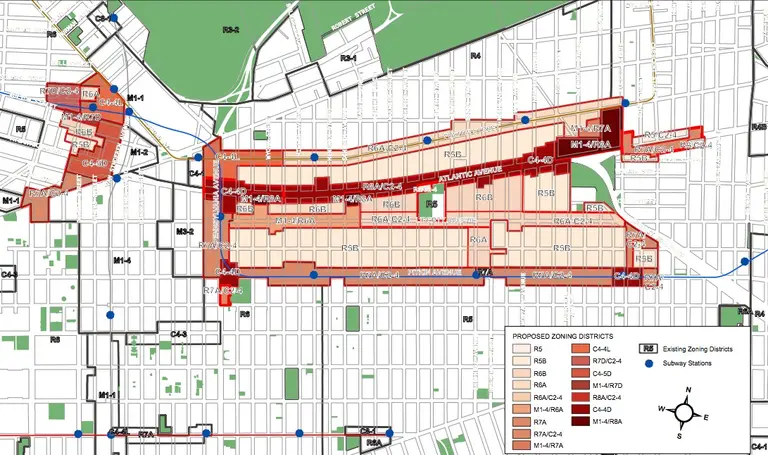
The New York City Planning Commission voted 12-1 in approval of Mayor de Blasio's controversial rezoning plan for East New York, Gothamist reports. It's the first of 15 low-income neighborhoods scheduled for rezoning as part of the Mayor's affordable housing plan, which promises to create or preserve 200,000 units of affordable housing. The City Council is scheduled to vote on the rezoning this spring. As part of what is known as Mandatory Inclusionary Housing (MIH), rezoning plans for East New York's Cypress Hills neighborhood and adjacent Ocean Hill in Bed-Stuy would have 7,000 new apartments built by 2030, 3,447 of which will be designated affordable, in addition to one million square feet of commercial space. Of those affordable units, 80 percent would be reserved for families (defined as a household of three, with any number of earners) making no more than 60 percent of the Area Median Income (AMI), or $46,000; 27 percent would go to families making 40 percent of the AMI or $31,000.
Find out more
February 22, 2016

‘Fatal Flaw Analysis’ Says Brooklyn-Queens Streetcar Could Require Two New Bridges

The proposed Brooklyn-Queens Connector (BQX) streetcar may require the construction of two new bridges, one over Newtown Creek and another over the Gowanus Canal. The New York Times reported that the potential need for the new bridges–the Pulaski Bridge and the bridge across the Gowanus Canal at Hamilton Avenue might not be able to accommodate streetcars–was one of the more substantial details released by Deputy Mayor Alicia Glen and other top officials Friday. In a "fatal-flaw analysis," it was found that that though there would be "major challenges" to creating the system, it was feasible, Ms. Glen said. Like all things New York City, the proposed BQX proposal "would dwarf other recent streetcar systems in the United States." The cost involved in constructing the new bridges is already included in the project's $2.5 billion cost estimate. They would include bicycle and pedestrian paths.
Find out more
February 18, 2016

The Brooklyn-Queens Streetcar Would Run Entirely Through Flood Zones

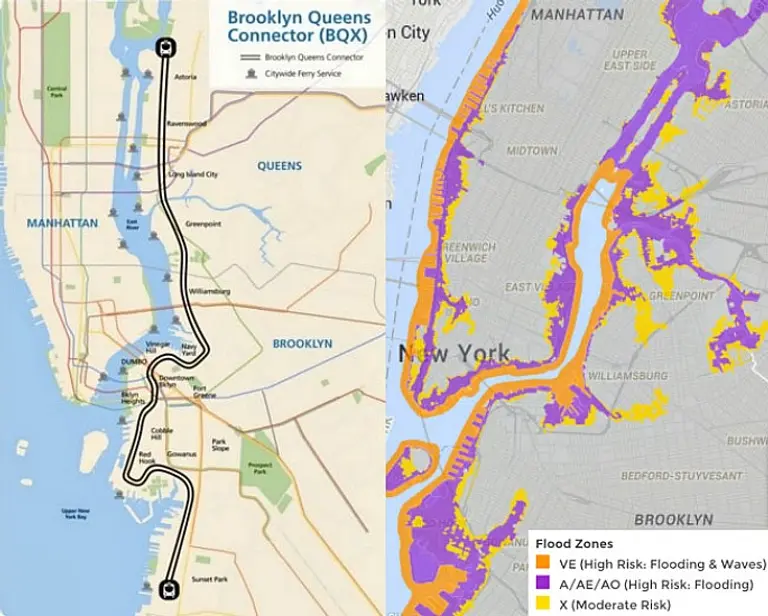
Leading up to Mayor de Blasio's press conference on Tuesday about his proposed Brooklyn-Queens streetcar plan, the internet has been abuzz with criticism and concerns, including whether or not it will accept MetroCard transfers, how it won't really connect to existing subway lines, funding matters, and the issue that the system may favor "tourists and yuppies." But Streetsblog makes another very interesting point–the fact that the proposed route will run almost entirely through city- and FEMA-designated high-risk flood zones, which "raises questions about how the streetcar infrastructure and vehicles would be protected from storm surges, as well as the general wisdom of siting a project that’s supposed to spur development in a flood-prone area."
What does the Mayor have to say about this?
February 17, 2016

Study Finds Widening Life Expectancy Gap Between Rich and Poor Americans

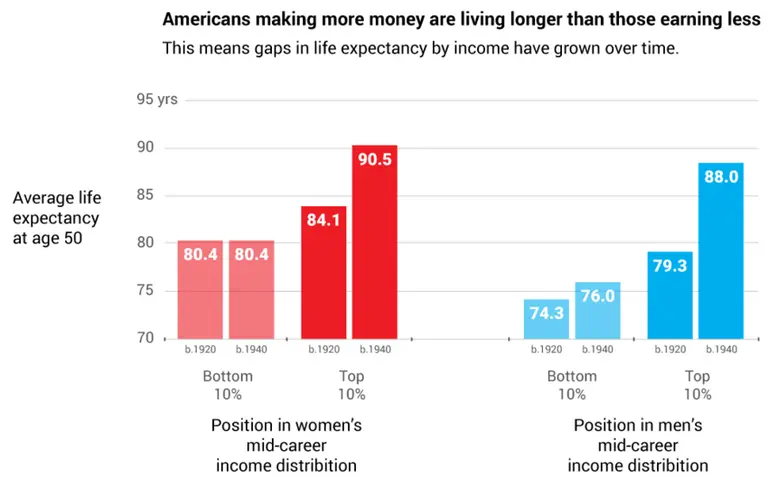
A new study by the Brookings Institution finds that the inequality in life expectancy is growing more pronounced—and at a faster rate—between rich and poor Americans, Citylab reports. The study, based on government records and Social Security data, found that for men born in 1920, the average life expectancy at 50 was 79 years if he was in the top ten percent of the income spectrum; for the lowest 10 percent, that fell to 74 years (a five-year difference). Forwarding to men born in 1940, that gap widens to a 12 year difference with the top 10 percenters living until 88 on average, compared to 76 for the bottom 10. For women, the same gap grew from four to 10 years over the same time span.
Find out more
February 9, 2016

New LLC Disclosure Law Probably Won’t Have Much Impact on the Condo Market

Will new federal regulations aimed at clamping down on shell companies buying luxury real estate send a chill through Manhattan’s high-end real estate market? The reaction to a page one article in the New York Times last month suggests fear is in the air. But that fear may be misplaced for two reasons: firstly, the Treasury Department’s database of buyers’ names will not be public, as many have inferred; and secondly, in New York, title insurance is not mandatory when you're making an all-cash deal.
FInd out more here
February 5, 2016

Does the City’s Brooklyn-Queens Streetcar Plan Actually Make Sense?

Like most grand, government-backed plans, yesterday's announcement by Mayor de Blasio that he'd be supporting a proposed Brooklyn-Queens streetcar was met with flashy renderings and promises of how underserved areas and populations would finally get the access they deserve, as would booming commercial hubs like the Brooklyn Navy Yard and Sunset Park. But Streetsblog dug a little deeper and came up with several reasons why the $2.5 billion project doesn't quite add up.
Find out why