
$37.5M restoration of Prospect Park’s Vale begins
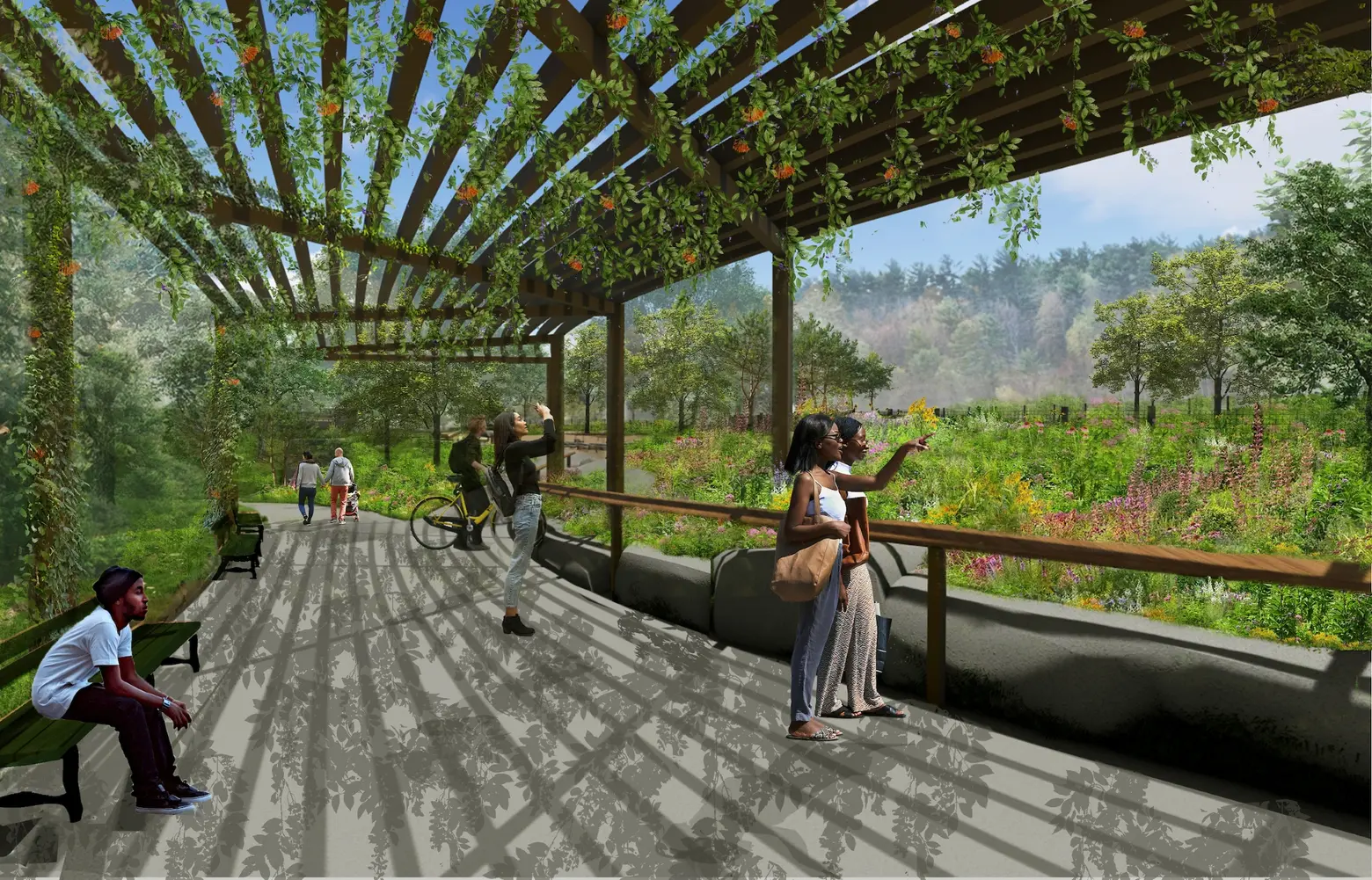
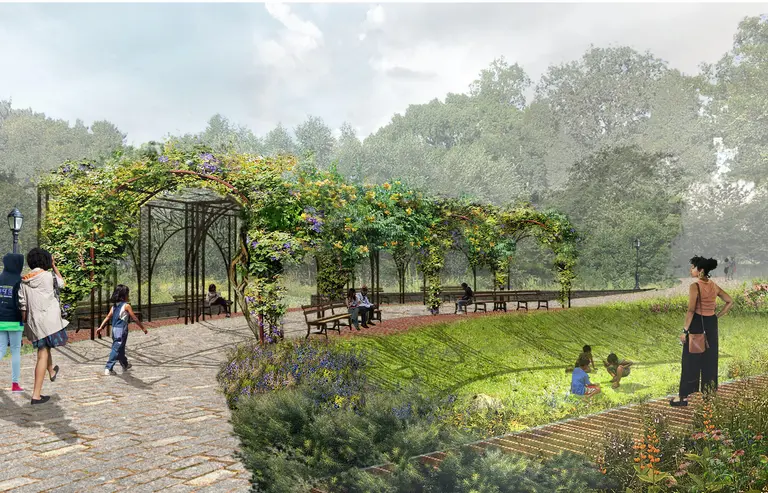
Prospect Park Vale Pollinator Meadow + Arbor. All images courtesy of the Prospect Park Alliance.
Work to restore Prospect Park’s Vale of Cashmere, a once-scenic area in the northeast corner of the park that has fallen into disrepair, kicked off on Monday. Led by the Prospect Park Alliance, NYC Parks, and the city’s Economic Development Corporation, the $37.5 million project will transform eight acres of the Vale in its first major restoration in more than 50 years, revitalizing the historic Children’s Pool and former rose garden and adding new amenities, including a pollinator garden, a planted arbor, and a wooden pavilion. Using funds allocated by former Mayor Bill de Blasio, the project is the largest single capital investment in Prospect Park since Lakeside in 2010. The restoration is expected to be completed in 2027.
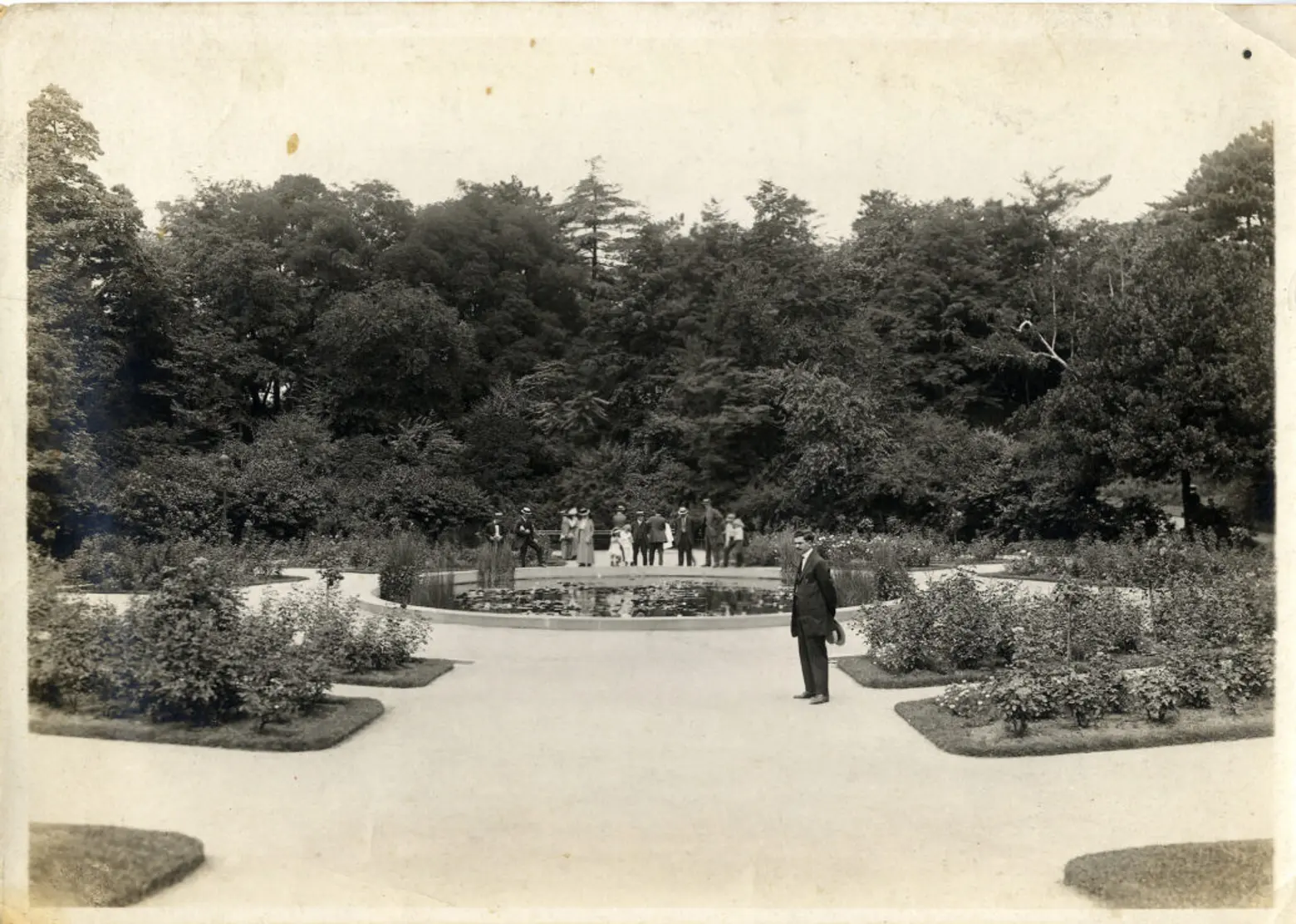
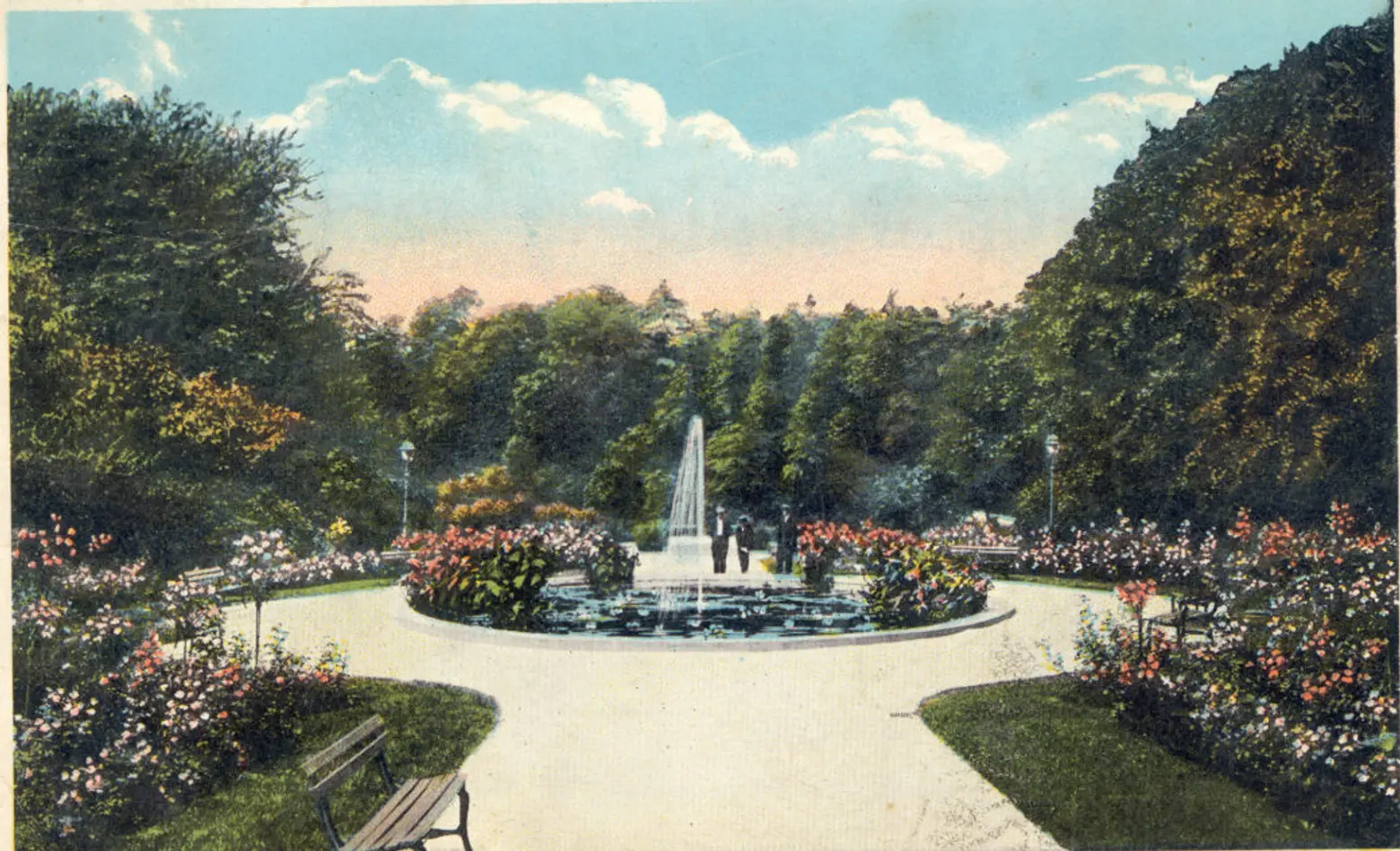
Designed by Frederick Law Olmsted and Calvert Vaux as a space to connect New Yorkers to nature through pools and gardens, the Vale of Cashmere spans 26 acres in Prospect Park’s northeast corner. Over time, the landscape has undergone a series of changes and, more recently, has fallen into disrepair, as 6sqft previously reported.
Restoration efforts will focus on two of the Vale’s key landmarks: the Children’s Pool and the former rose garden.
“Prospect Park Alliance has an award-winning track record of historic restoration and woodland preservation,” Morgan Monaco, president of the Prospect Park Alliance, said.
“This design is reflective of the talent of our team, the deep engagement with our community, and the future we hope to steward in Prospect Park. We are delighted to move forward bringing this vision into reality.”
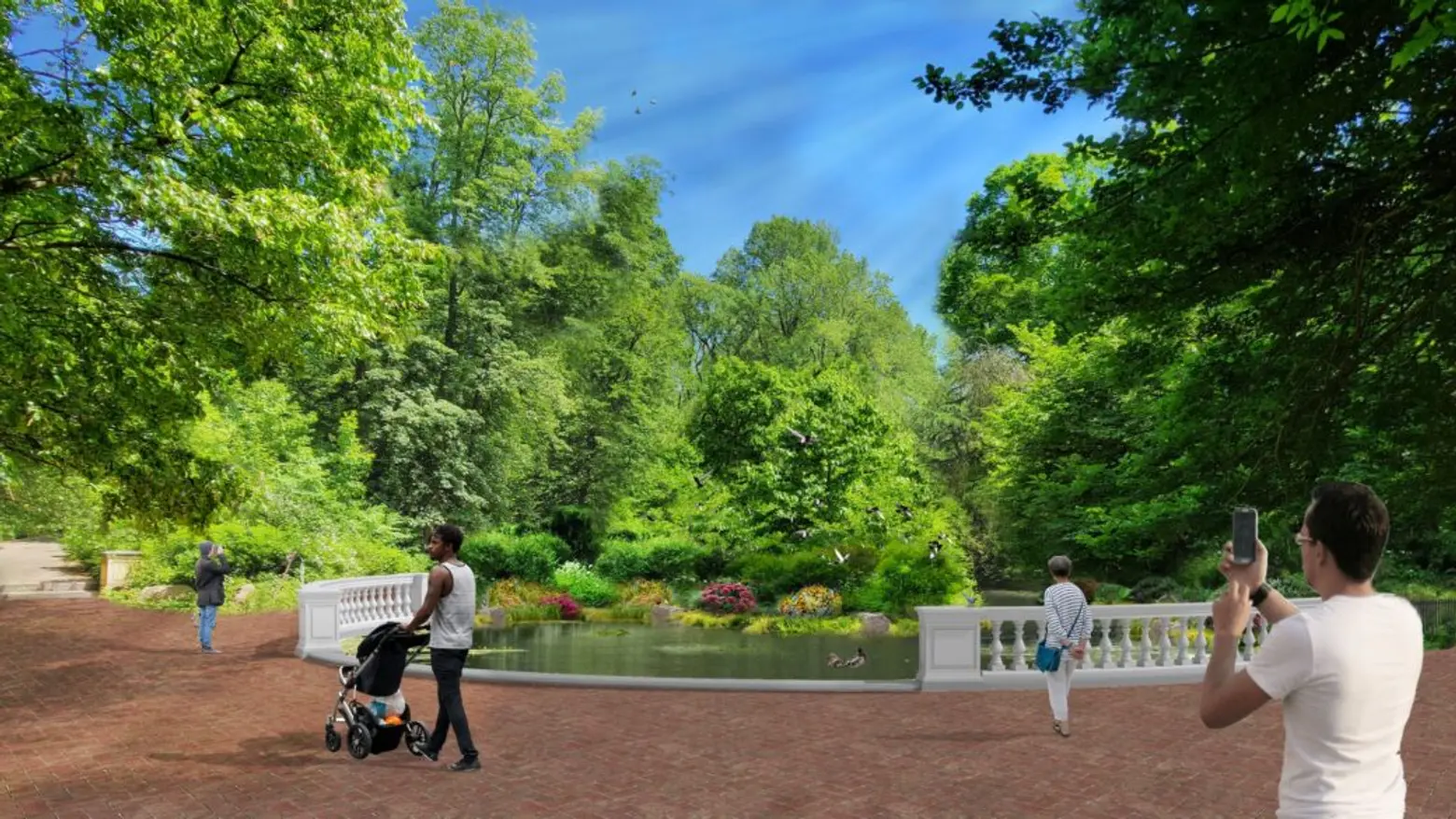
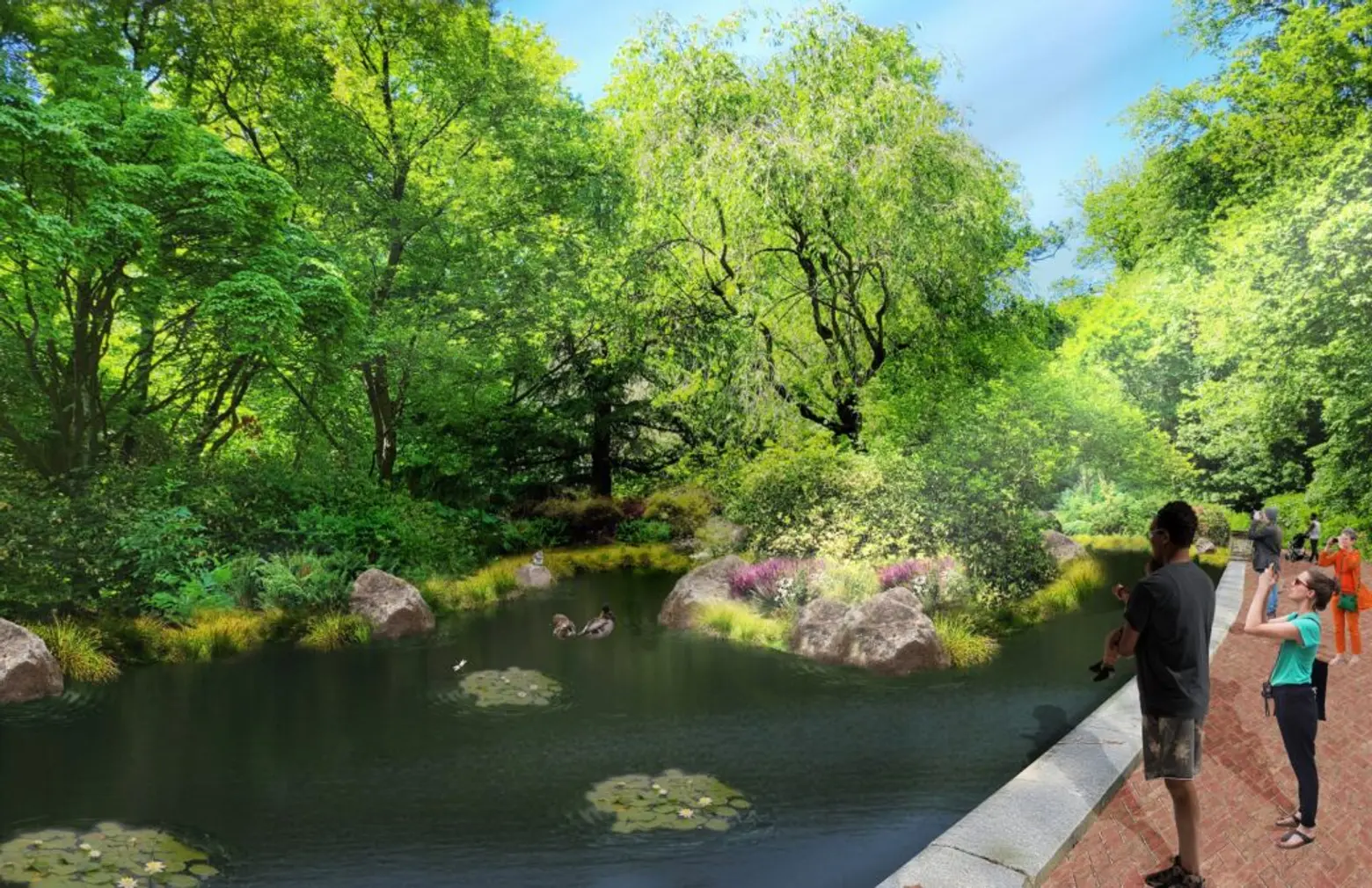
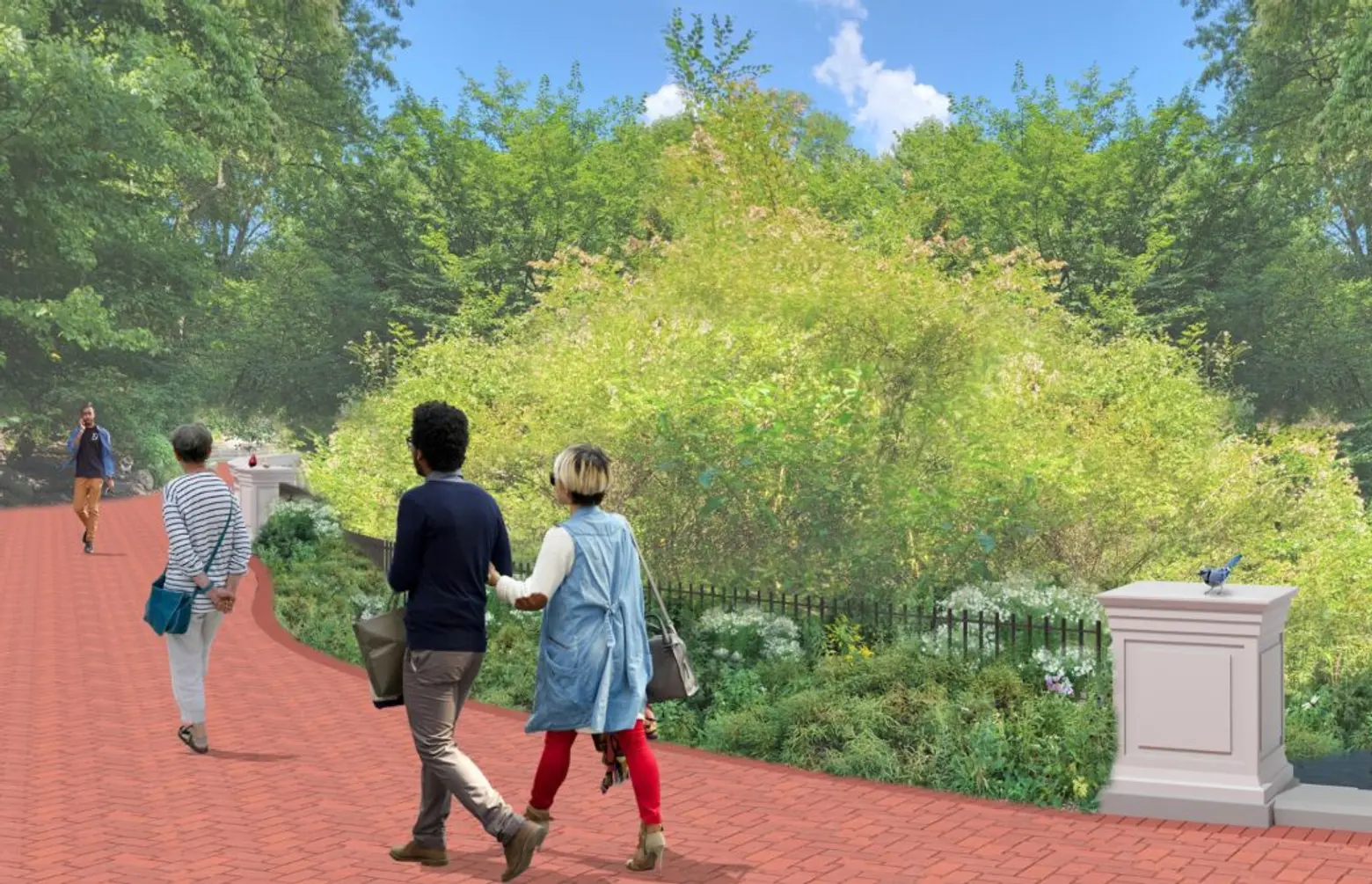
Once known for its abundant plant life, the Children’s Pool has seen little change since lighting and benches were added in the 1960s. Originally home to a pond where children sailed boats among dense vegetation, the shoreline and historic features will be restored, invasive plants replaced with native species, and bird-friendly elements added to enhance wildlife habitat.
Meanwhile, the former rose garden in the upper Vale, which includes three unused concrete basins, will be transformed into interconnected landscapes that honor Olmsted and Vaux’s original design while restoring the woodland landscape. The garden fell into disrepair after the creation of the Brooklyn Botanic Garden in 1911 and, because of its secluded, overgrown location, has been largely neglected since.
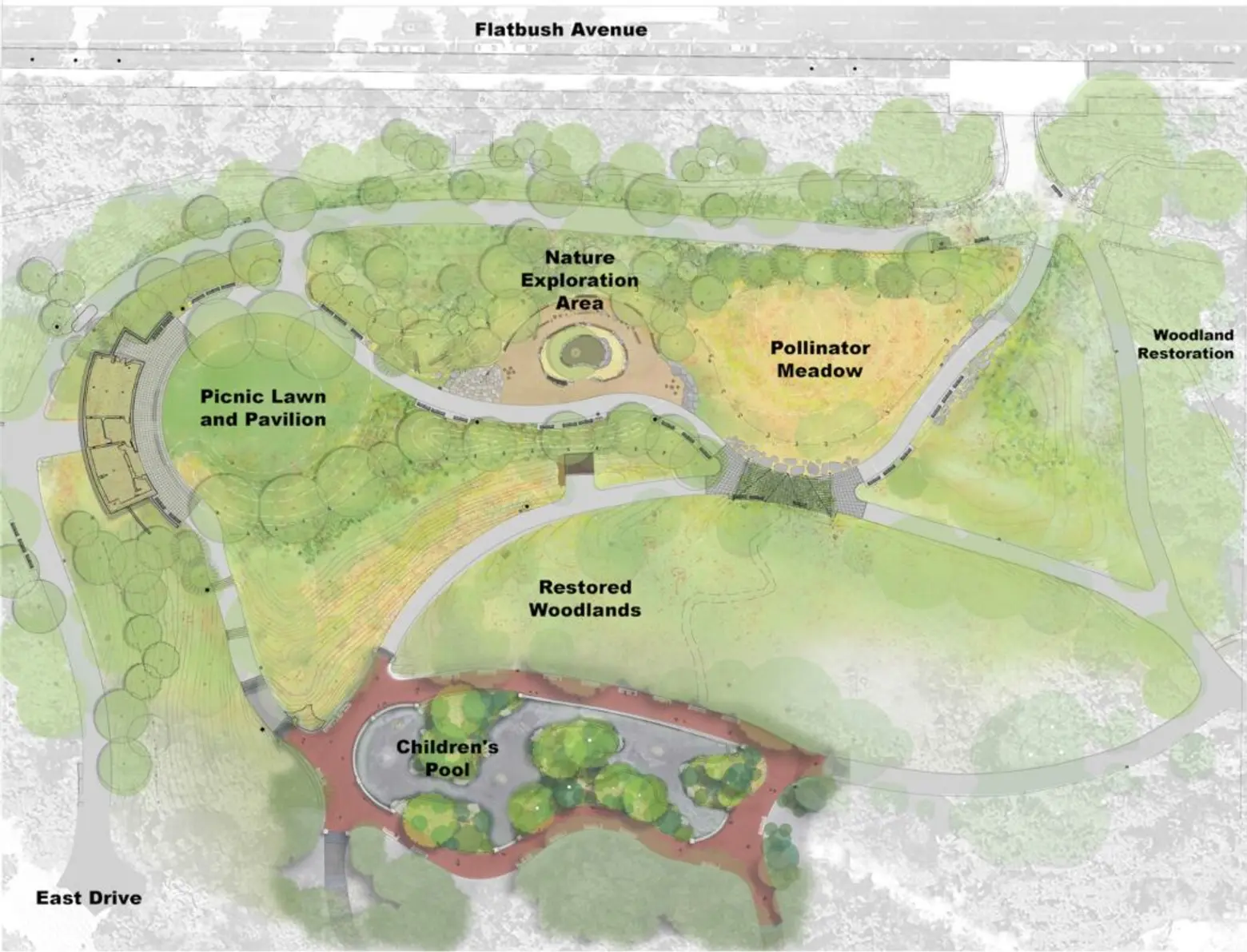
The three landscapes replacing the garden include a lush pollinator garden and arbor, a nature exploration area, and a picnic lawn with a wooden pavilion.
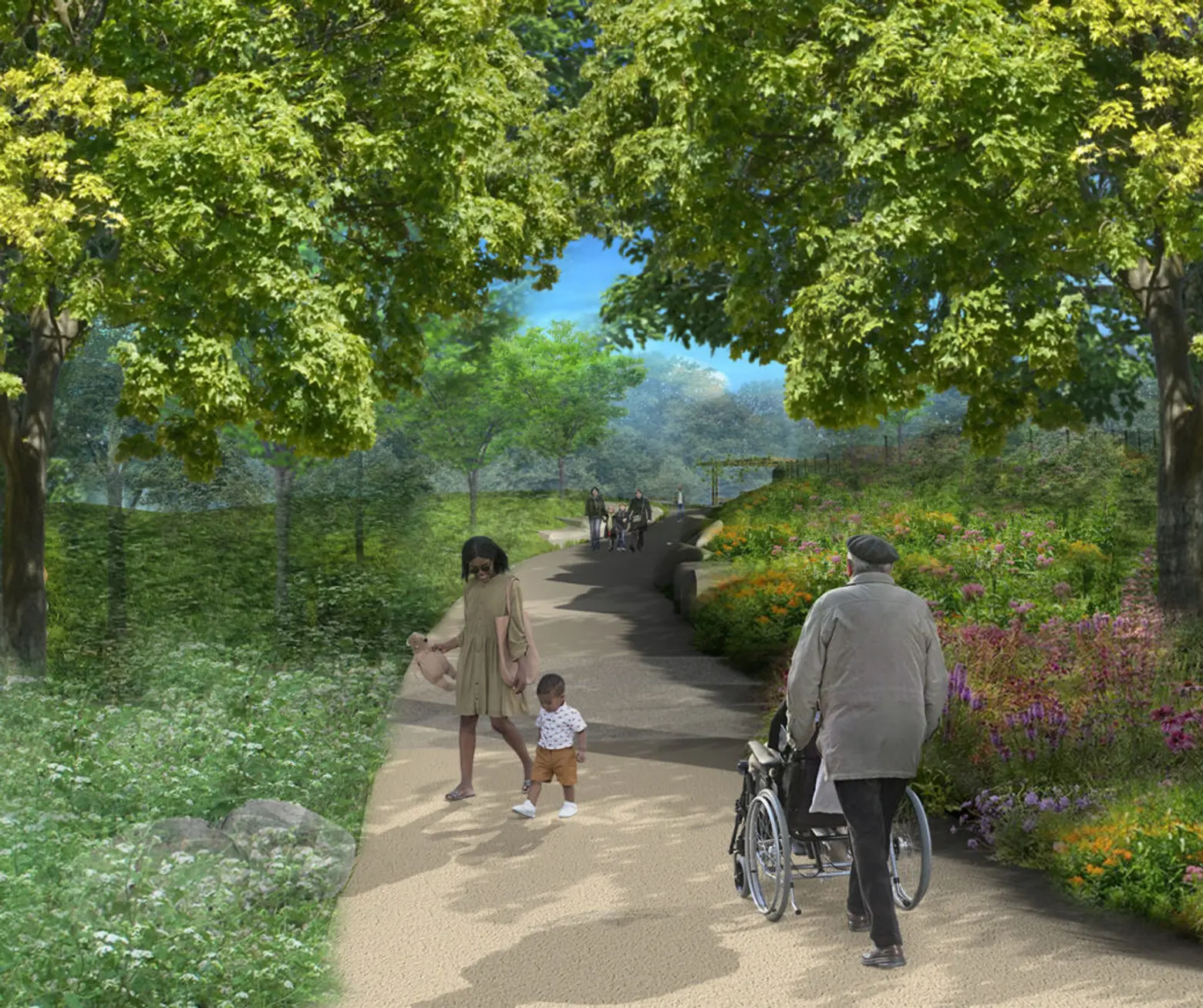
The pollinator garden will feature insect and bird-friendly plants, including wild bergamot, yarrow, and pale purple coneflower. An accessible pathway will lead to the arbor, planted with coral honeysuckle, providing shade and beauty. A viewing area with a leaning rail will give visitors a vantage point to enjoy the natural environment.
Historic benches along the rear of the arbor will offer seating, along with companion spots for wheelchair users. Subtle fencing will protect both the garden and the surrounding woodland, safeguarding the habitat’s wildlife.
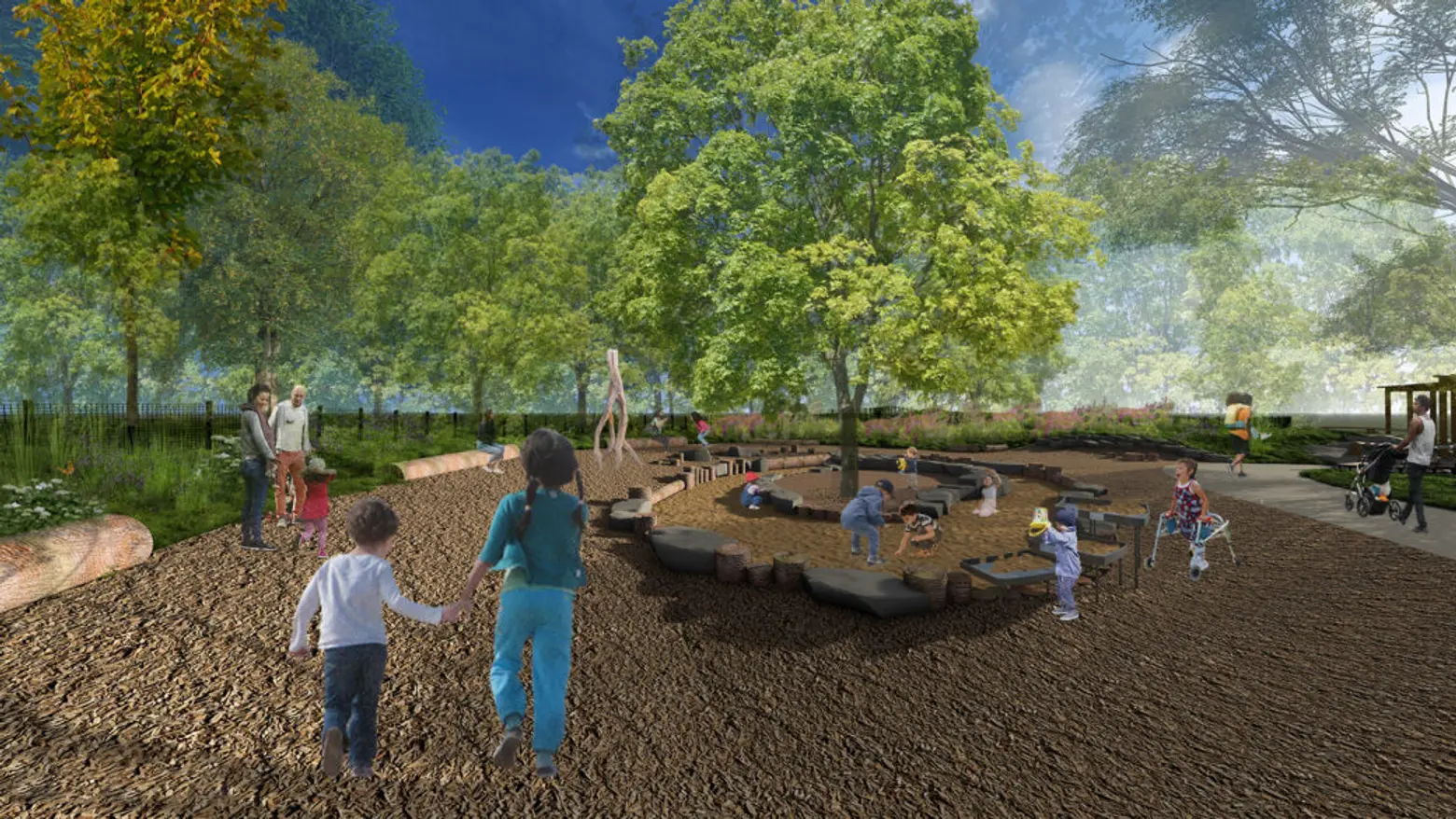
Located in the center of the Vale, the nature exploration area will include additional pollinator plantings as well as native trees and shrubs, densely arranged to create a natural border between wooded areas and the play space. Primary play features will include tree stumps, logs, and boulders designed for walking, jumping, balancing, and sitting.
The area will also include an accessible hand pump and a sand zone for children of all ages and abilities. Seating along the edges will be accessible, while a central native red maple will provide shade overhead.
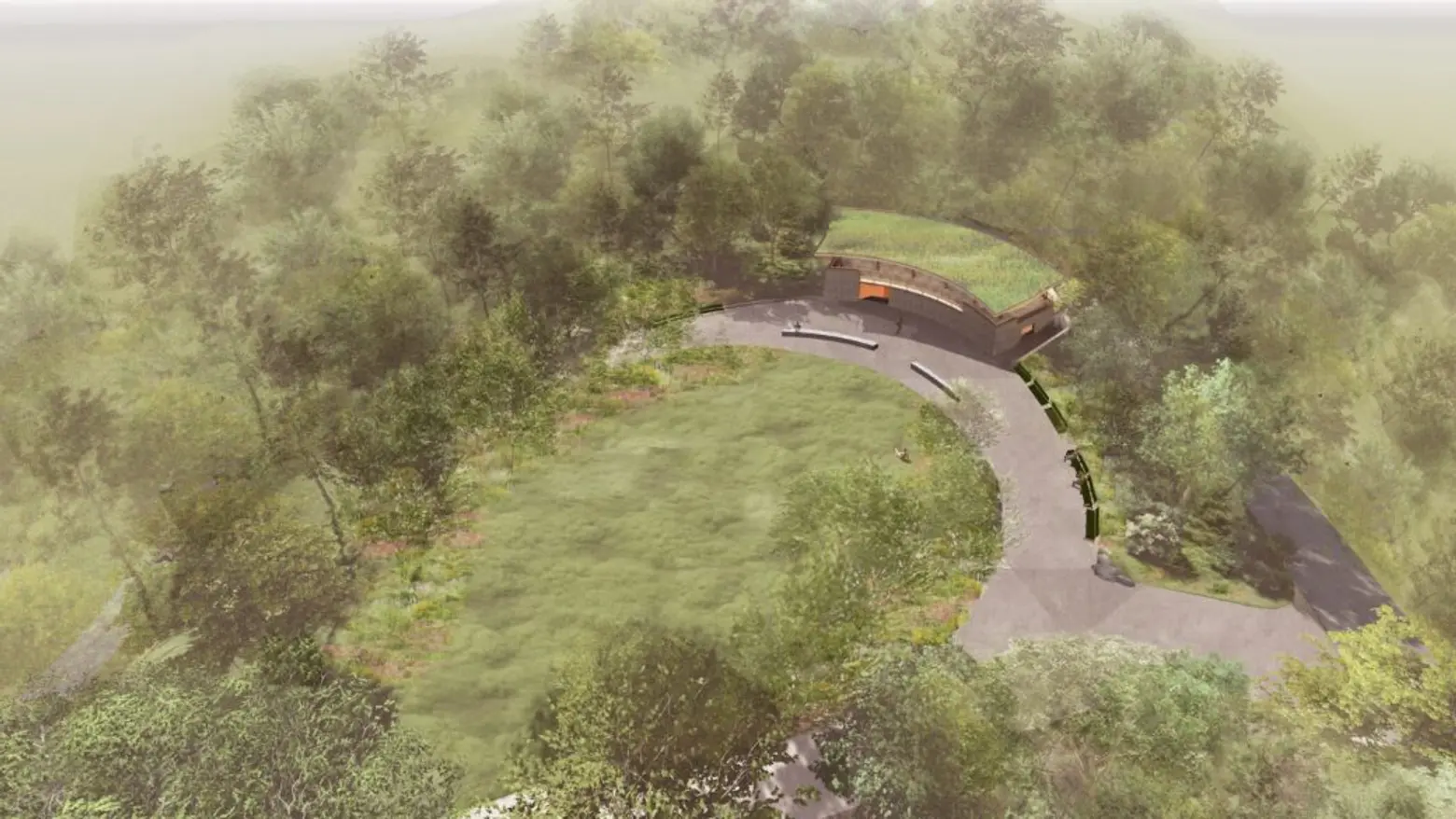
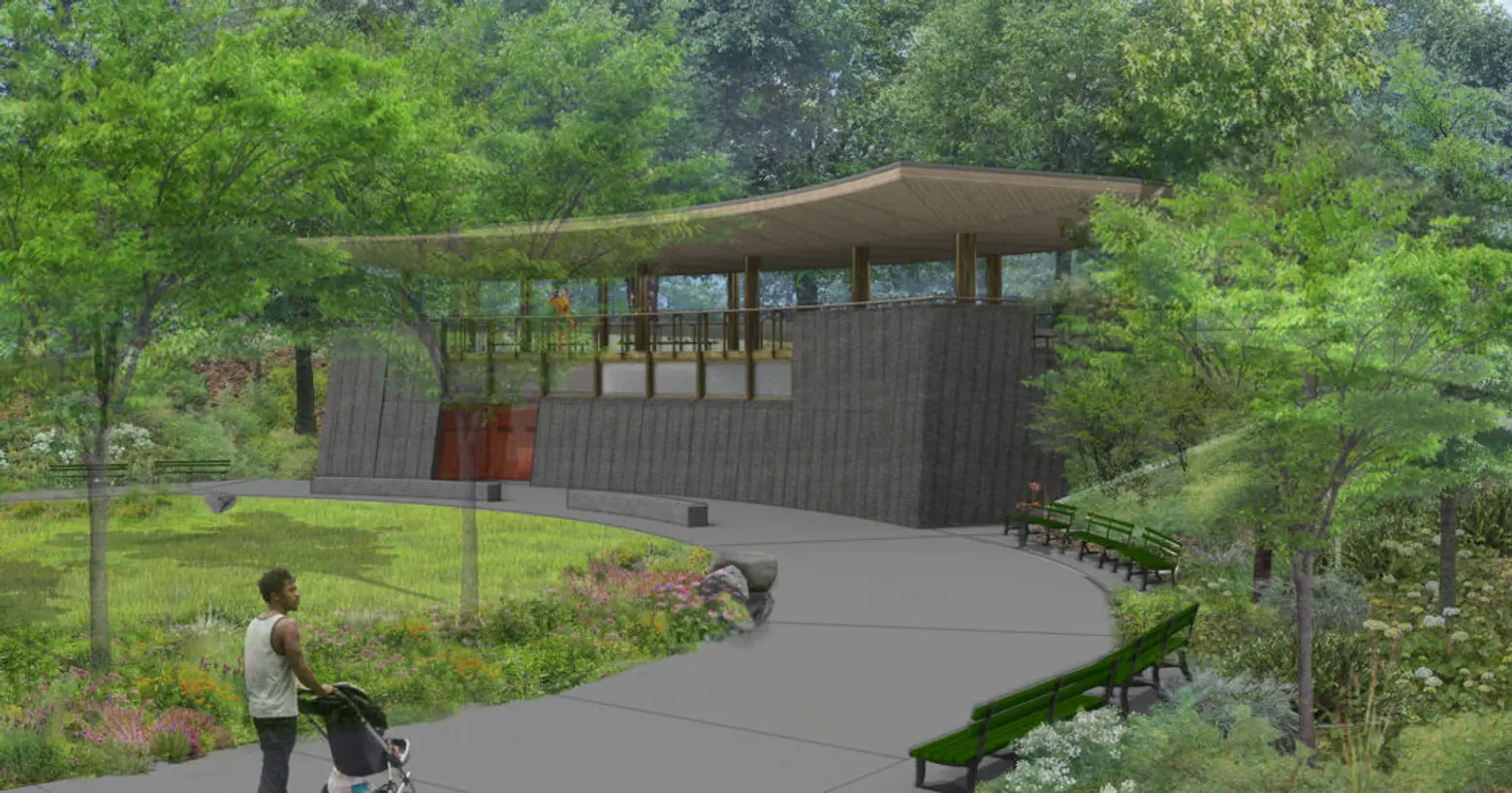
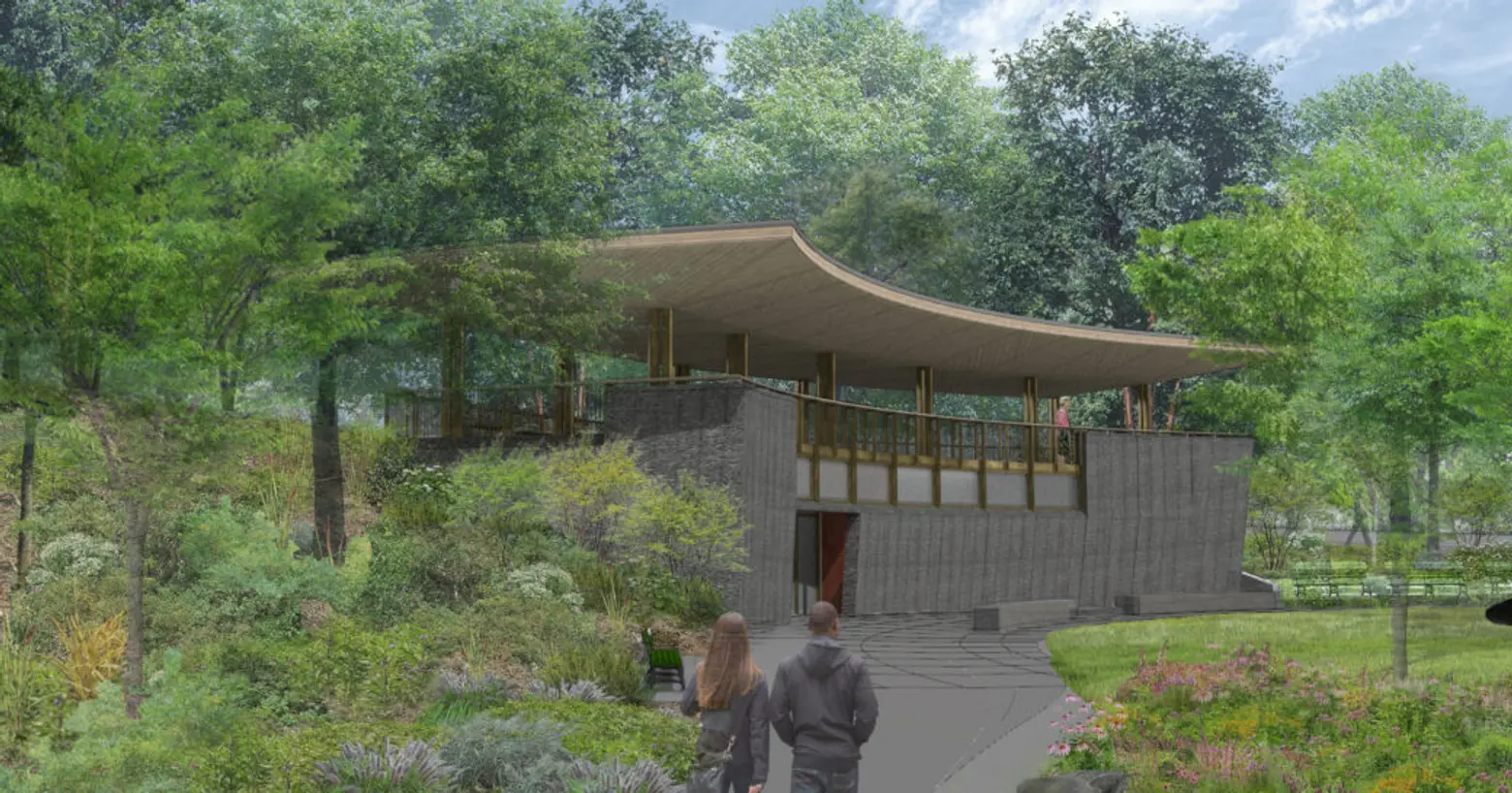
At the Vale’s northern end, the picnic lawn and pavilion will feature an open lawn framed by native oak trees. The perimeter includes historic benches, companion seating, and a new water fountain. The pavilion, built into the hillside, will feature a green roof that serves as an extension of the pollinator garden.
The LEED-certified pavilion will be constructed with stone and wood finishes that complement the park’s aesthetic and include bird-friendly fritted windows. The ground floor, accessible from the lawn, will offer eight all-gender composting toilets, two of which are ADA-accessible. A greywater garden will recycle sink water to reduce waste, while an upper-level terrace will offer shaded seating and views of the surrounding landscape.
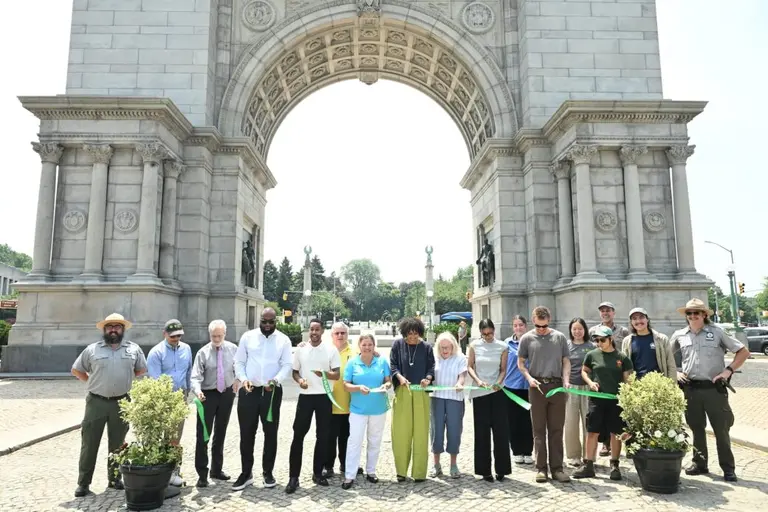
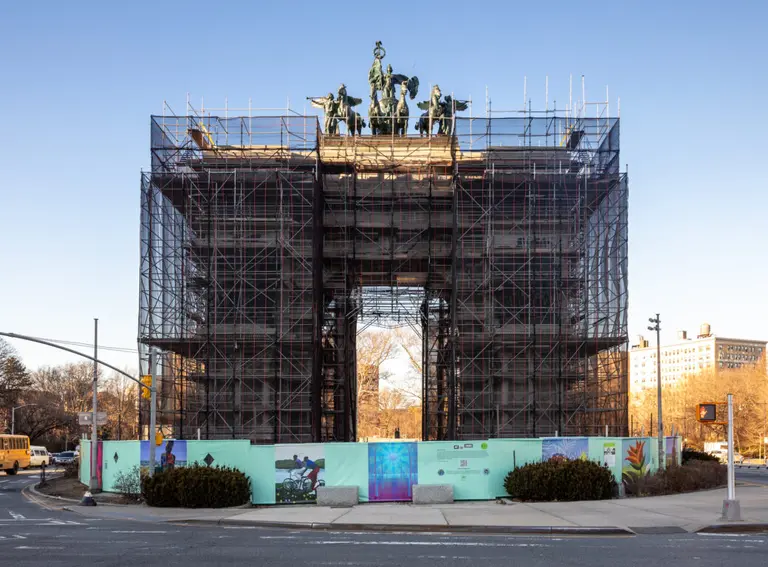
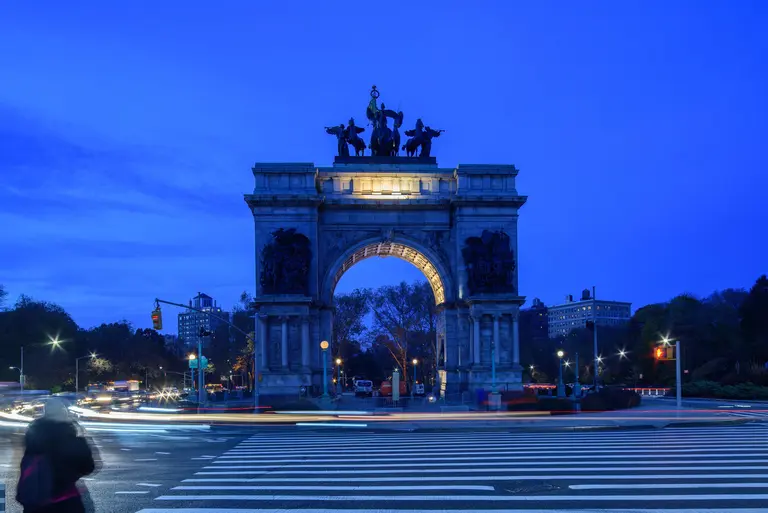
The project serves as the centerpiece of several recent capital improvements in the park’s northeast corner. These efforts include the Flatbush Avenue Perimeter restoration, which added two new park entrances—the first since the 1940s—the rehabilitation of woodland areas, pathways, and lighting damaged during Superstorm Sandy, the restoration of the Endale Arch, and the award-winning revitalization of the Grand Army Plaza Berms and Memorial Arch.
“Thousands of voices have contributed to the future of this beloved green space, and I am so grateful to the hard-working teams at NYC Parks, EDC, and Prospect Park Alliance for ensuring the Vale continues to carry the histories and hopes of New Yorkers,” Julia Kerson, deputy mayor for operations, said.
“The new Vale will be more accessible, better maintained, and designed with families in mind. I can’t wait for Brooklynites like me and visitors alike to enjoy all this restoration project will have to offer.”
Although the Vale restoration has been long anticipated, the project has not been without controversy. In March 2023, during a Landmarks Preservation Commission hearing, the proposal faced opposition from several LPC commissioners, preservationists, and LGBTQ+ advocates, who criticized the plan for erasing the site’s history as an important gathering place for the city’s queer community and for disregarding the original vision of the Vale.
The Vale of Cashmere has been a meeting and socializing spot for the LGBTQ community for more than 40 years, according to Amanda Davis, project manager of the NYC LGBT Historic Site Project, as 6sqft previously reported.
A spokesperson for the Alliance told the New York Times it plans to add signs to the Vale acknowledging its place in LGBTQ history.
RELATED:
Get Inspired by NYC.
Leave a reply
Your email address will not be published.





This is a great loss for one of the few remaining quiet, natural wooded areas of the park. Removing trees and wild areas for yet another paved playground/ picnic area is inexcusable and thoughtless.