
Search Results for: subway under bel air

January 6, 2016

Art Nerd New York’s Top Event Picks for the Week – 1/7-1/13

In a city where hundreds of interesting happenings occur each week, it can be hard to pick and choose your way to a fulfilling life. Art Nerd‘s philosophy is a combination of observation, participation, education and of course a party to create the ultimate well-rounded week. Jump ahead for Art Nerd founder Lori Zimmer’s top picks for 6sqft readers! The now-appropriate temperatures don't mean you have to hunker down inside to kick off 2016. Each night this month, check out iconic artist Laurie Anderson's tribute to dogs in Times Square. Whitehot Magazine's Noah Becker turns on his curatorial eye for a group show at Berry Campbell, and famed photographer Ricky Powell partners with some nouveau street artists for an exhibition of collaboration. Experience the ghosts of Christmas trees past at Michael Neff's Suspended Forest exhibition in Queens, or explore the ideology behind pleasure with Katya Grokhovsky. Learn something new with Dr. Vanessa Sinclair at the Morbid Anatomy museum, or with the work of the late Charles Bukowski at Cornelia Street Cafe. Finish the weekend off by challenging yourself to be your most daring during the 15th Annual No Pants Subway Ride.
All the best events to check out here

December 23, 2015

Steals & Deals: Two-Bedroom Apartments for Just Six Figures!

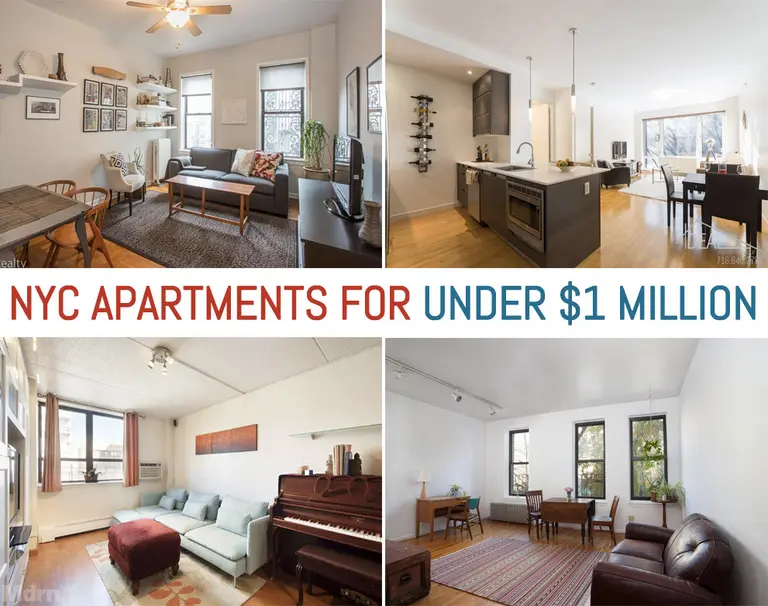
That elusive creature, the two-bedroom apartment for under $1 million, is alive and well, even in some of the city's most sought-after neighborhoods. They're not easy to find, but diligence—and access to great listings—goes a long way. 6sqft's rounded up a few two-under-one finds now on the market in great nabes like Park Slope, Harlem and Prospect Heights, and even on a stretch just a half-block from amazing Central Park.
See what beautiful two-bedroom deals we've found ahead
December 7, 2015

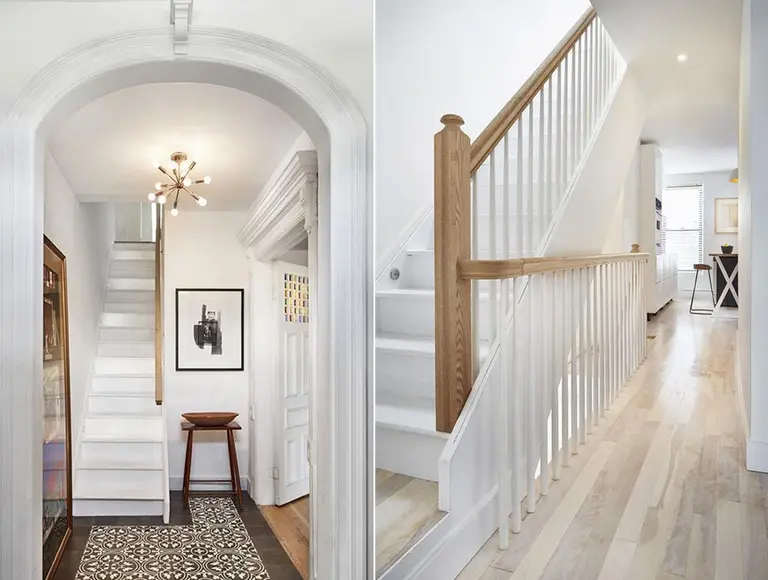
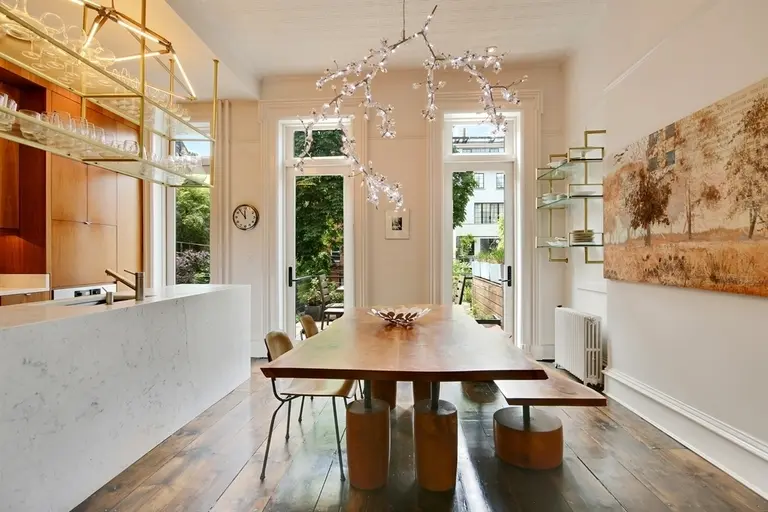
This $8.5M Turtle Bay Townhouse Is a Timeless Classic With Pops of Modern

Without hype or hyperbole—though certainly compliment-worthy—this 1890s townhouse on a classic and lovely East Side block has all the modern upgrades you'd need, thanks to complete renovation in 2006. And for traditional brownstone buffs, 327 East 51st Street’s refined facade, gated courtyard, interior details and traditional stoop all add up to a quintessential New York City townhouse. Mechanicals, plumbing, lighting and electrical systems have all been updated and now include a new Crestron home audio system, a four-zone HVAC system, four automatic gas fireplaces, a state-of-the-art security system and lots of well-planned storage space.
READ MORE
November 10, 2015

VIDEO: Travel to India and See How NYC’s Manhole Covers Are Made

Manhole covers fall into that category of things New Yorkers walk by (and in this case, walk on) every day, but rarely notice. If you look closely, though, you'll see that right under "N.Y.C. Sewer" they say "Made in India." Fascinated by this interesting pairing on one of the city's most iconic urban elements, filmmaker and anthropologist Natasha Raheja traveled to Howrah, India (a city of one million full of foundries from the British Colonial era) to document how these manhole covers are made and to "learn more about the labor infrastructure concealed in the built infrastructure of our cities." Raheja's resulting 26-minute documentary called "Cast In India" provides a glimpse into the physical labor of manhole covers, as well as the lives of the men creating them. In the trailer, (h/t Gothamist) we see barefoot workers in a dirt-floor factory using their feet to press the shape into the 300-pound metal covers, carrying buckets of pig iron on their heads, pouring molten metal from the buckets, and more.
Watch the video here
November 3, 2015

This Little East Village Co-op Is Big on Style and Custom Details

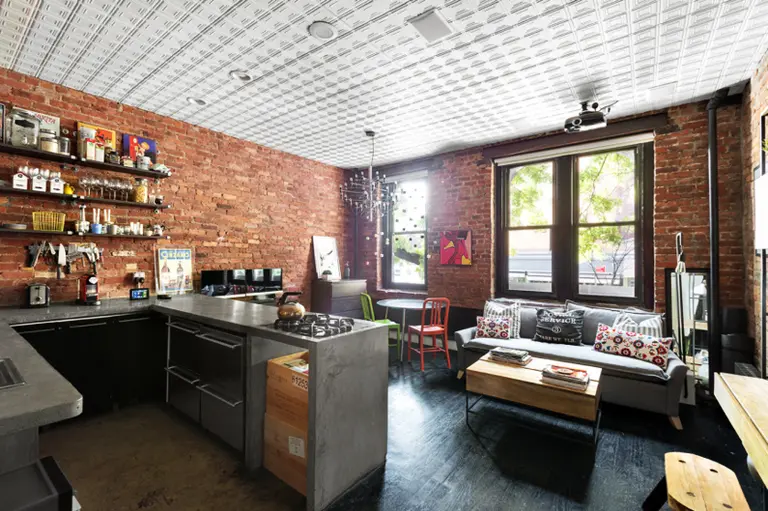
This charming Bowery bolthole at 32 East 2nd Street may not be huge, but it has everything you need for a great downtown life (unless you need a queen-sized bed in your actual bedroom). The one-bedroom co-op has benefitted from a tasteful, chic and well-considered custom renovation, resulting in finishes that are both creative and convenient, and the building is in a perfect location to enjoy both the friendly East Village vibe and the hip, downtown Manhattan location near just about everything you'd want to see, do, or buy.
Take a peek inside
October 20, 2015

In 1872, Broadway Almost Became a Giant Moving Sidewalk

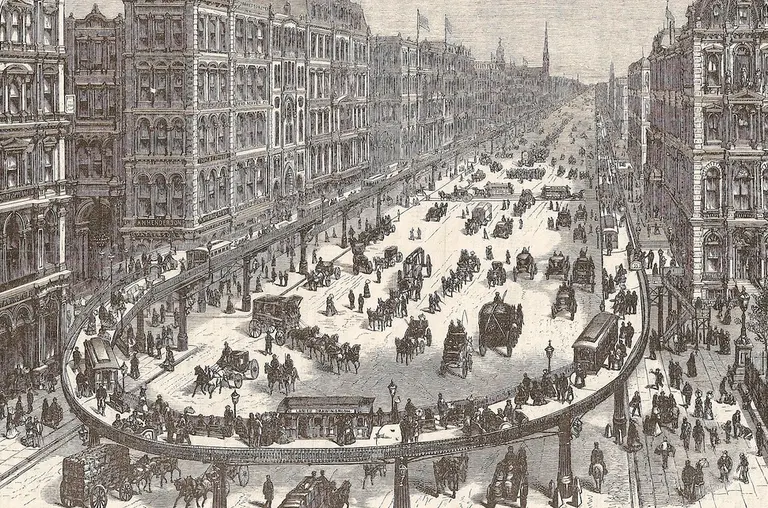
6sqft readers may remember a 1951 proposal by Goodyear Tires for a giant conveyor belt to carry people between Times Square and Grand Central. And though this was certainly a wacky idea for the time, there was an even earlier proposal for a moving sidewalk that took the city by storm. Back in the late 1860s/early 1870s, inventor and businessman Alfred Speer was fed up with street congestion in front of his wine store on Broadway near City Hall. Though elevated trains were popping up around the time, they were mostly above 14th Street, so Speer designed an aerial, steam-powered sidewalk (much cleaner than the locomotive trains) that would make a loop up and down Broadway to alleviate traffic. It would be constantly in motion at 10 miles per hour, carrying passengers by foot or in its movable chairs for five cents a ride. Speer even went so far as to patent the idea, officially called the "Endless Traveling" or "Railway Sidewalk."
So what happened?
September 15, 2015

Gorgeous Roof Garden Atop This $3M Flatiron Loft Has an Outdoor Cinema and Cinematic Views

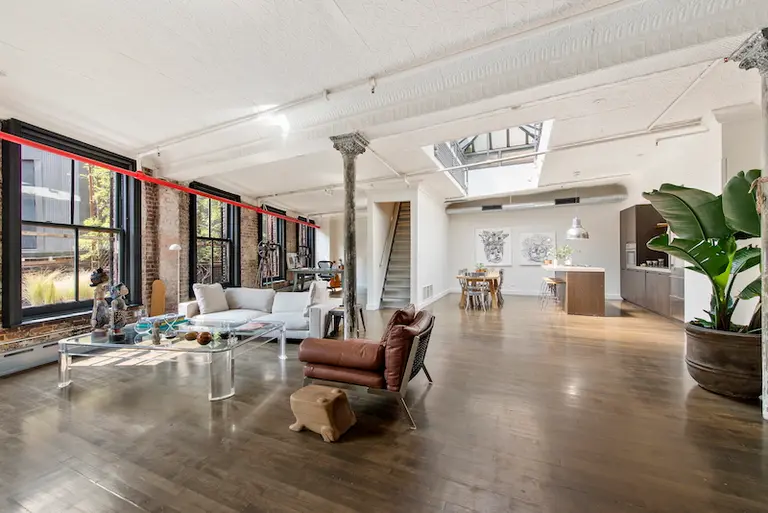
As much as we love lofts, they're sometimes better in theory than reality; they're either too slick and highly customized as someone's dream palace, or they're a little too raw and lack privacy and separation of space. And their rooftops, while huge, are often gritty urban spaces. In the penthouse loft at 22 East 18th Street asking $2.995 million, you can have your cake in a custom kitchen worthy of a newly-minted luxury apartment and eat it in a verdant enchanted roof garden high above the Flatiron district. This one- (convertible to two-) bedroom co-op has authentic 1900 cast-iron loft bones, details and all, state-of-the-art interiors and mechanical systems (central air and sound and a private elevator to name just a few), plus tons of light and, perhaps best of all, a magical common roof garden with self-irrigated plantings, benches and a custom outdoor cinema–and movie-worthy views of the city.
Have a look around, this way...
September 11, 2015

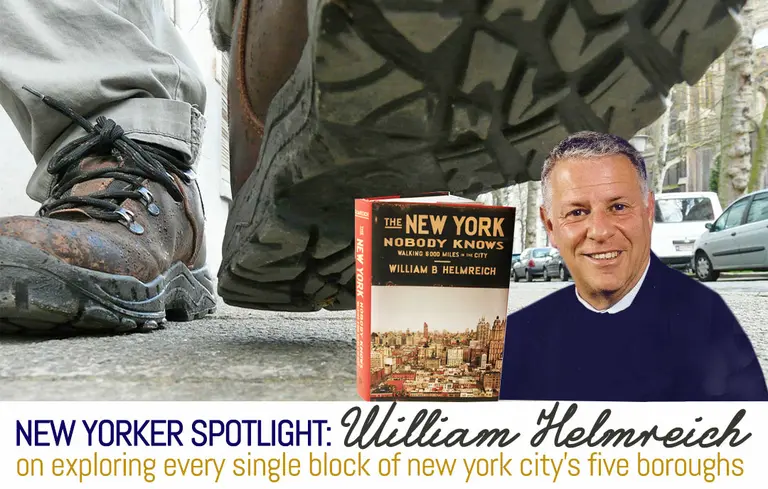
New Yorker Spotlight: William Helmreich Went on the Ultimate 6,000-Mile Walking Tour of NYC

New Yorkers are known for spending their free time taking leisurely strolls through the city's numerous neighborhoods. They even use their feet as a means to learn by going on weekend walking tours to discover the history, the mystery, as well as the evolution of their favorite places—and there are certainly plenty of tours out there to serve all sorts of curiosities. But when William Helmreich decided he wanted to learn more about New York on foot, he took walking tours to another level. In fact, he decided to walk the entire city. William is a sociology professor at The City College of New York and also teaches at the Graduate Center, City University of New York. Over the course of four years, he has walked just about every block in New York City. It was an adventure William was primed for as a lifelong New Yorker who possesses a research interest in urban studies; his background allowed him to be at ease while speaking with city residents in the five boroughs, and he had the eagerness necessary to uncover hidden gems in the lesser known nooks and crannies of our metropolis. The culmination of William's journey is his book, "The New York Nobody Knows: Walking 6,000 Miles in New York City," which was published in 2013 and released last month in paperback. We recently spoke with William about his long walk, and to find out what it taught him about New York.
Meet William here
August 28, 2015

New Renderings of Fisher Brothers’ Curvy Murray Hill Rental at 225 East 39th Street

It's always a pleasure when a hulking above-ground parking garage bites the dust; this is not Miami after all, take the subway! And thanks to the legendary real estate firm Fisher Brothers, a soul-crushing 705-car parking garage at 225 East 39th Street was razed last year in preparation for an elegant 36-story rental tower. New renderings posted on the development firm's website illustrate how the tower may bring a bit of pizzazz to a rather un-glamorous section of Murray Hill. With completion scheduled for spring 2017, groundwork is well underway with sections of the foundation slab poured and steel rebar projecting skyward.
More on the project ahead
August 24, 2015

Top Design Pro’s Impressively Renovated Bed-Stuy Brownstone Asks $2.375M

This townhouse at 806 Greene Avenue may not make much of an impression from the outside–though it sits on a pretty, historic block in the neighborhood's Stuyvesant Heights district–but a top NYC designer-helmed renovation and a double duplex layout may be what it takes to move this four-story, two-family brownstone at what would be one of the neighborhood's highest-priced trades to date if it gets its current ask of $2.375 million. At 18 feet wide (2,709 square feet total), it's a little on the narrow side, but there's plenty of space in both units by NYC standards. What makes us sit up and take notice is the sexy renovation by the home's current owner, Siobhan Barry, a partner at high profile design firm ICRAVE, whose work includes this modern Hamptons pool house and dozens of buzzy commercial projects like the W Hotel VIP lounges, Delta Airlines terminals at LaGuardia and JFK, the JetBlue terminal at JFK and jet-set nightclub Lavo, to name just a few.
Tour the townhouse here...
August 20, 2015

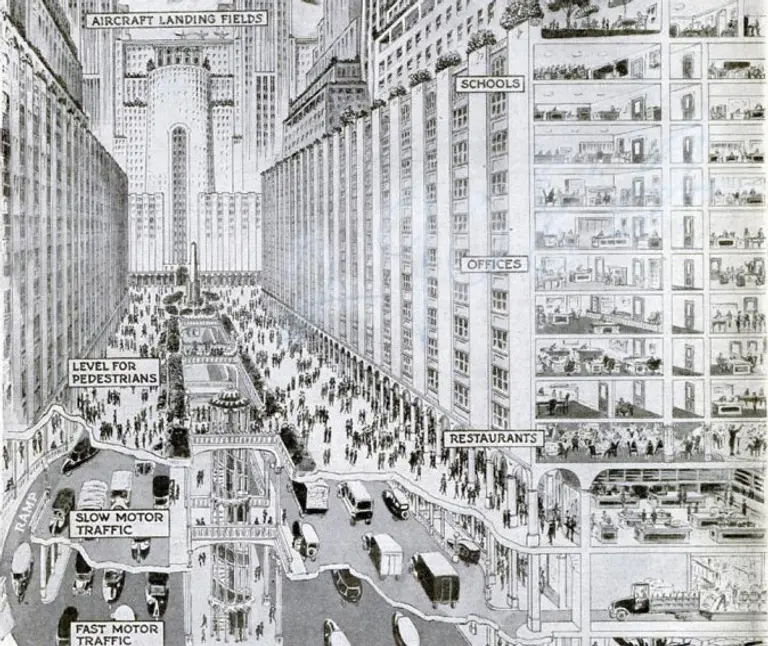
1920s Popular Science Illustration Stacks the Future American City Like a Layered Cake

As the automobile became more widely available in the 1920s, the idea of living in the suburbs became far more appealing to Americans. Residents of large cities sought to escape increasingly crowded streets (thanks to industrialization), and with newly paved roads and auto ownership, taking on a commute was well worth the space and comfort that was paid out in return. While many urbanists and architects in the '20s predicted that suburban migrations would give way to sprawl (and it eventually did), other urban "futurists" balked at the idea of decentralization, and believed instead that Americans would be living and thriving in high-density vertical cities. Architect Harvey W. Corbett's “May Live to See, May Solve Congestion Problems” is one such proposal that sees everything from homes, offices, schools, green space and even aircraft landing fields stacked on top of each other for the ultimate metropolis.
Have a closer look at the complete plan here
June 22, 2015

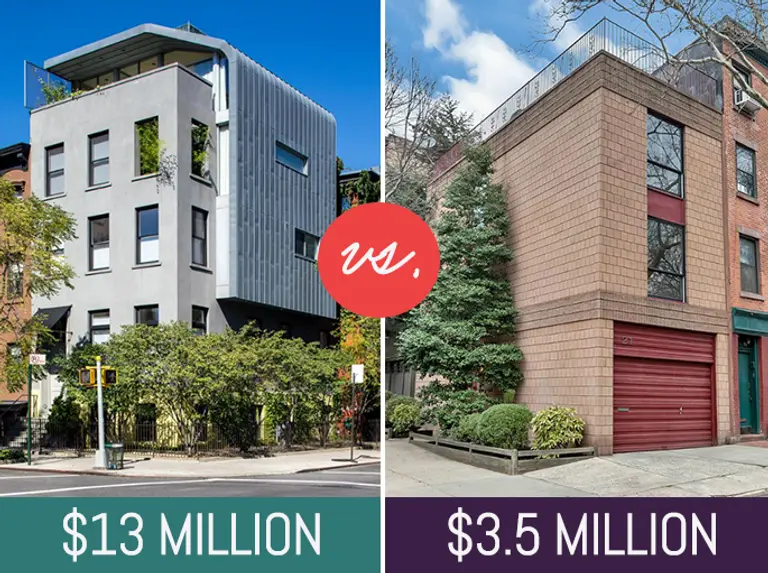
The High and Low: Architecturally Distinct Modern Townhouse in Brownstone Brooklyn

Townhouses are having a moment. Manhattan’s most lavish single-family homes are top-ticket trophies for the superwealthy. And families who've outgrown their apartments, investors banking on rising rents, and a celebrity or two, are snapping up brownstones on leafy Brooklyn blocks. But a handful of more adventurous buyers -- seeking space and privacy and possessed of some architectural vision -- chose the less-traveled road of creating modern-design homes on the decidedly un-trendy historic blocks of brownstone Brooklyn many decades ago. On the market now is the rare pair below. The first, more of a compound than merely a house, has a creative pedigree and architectural icon status (and a $13 million price tag). This combination of a 1892 school building and the townhouse next door sits among the impressively ornate 19th-century mansions of Fort Greene and boasts an un-missable modern extension and peerless minimalist interior, not to mention sheer size. The second is a more modest home–for a relatively more modest $3.5 million–but is also a unique modern dwelling with a laid-back and livable interior on a coveted tree-lined block of historic Brooklyn Heights.
See more of these unique modern homes this way
June 15, 2015

Beastie Boy Mike D’s Brilliant Brooklyn Townhouse Can Be Yours for $5.7M

Back in 2013, news that Michael Diamond—a.k.a. Beastie Boy Mike D—and his wife, Tamra Davis, had acquired a townhouse on a beautiful tree-lined Cobble Hill block and given it a creative and modern—yet totally livable—redesign led to a spate of articles showcasing the cool and quirky pad, including a New York Times house tour aptly titled "Licensed to Grill." All the attention likely led to Diamond's recent side project helping his architect friends design a new-construction townhouse in nearby Boerum Hill that recently sold for just under $5 million. Now the original Cobble Hill Beastie house at 148 Baltic Street is on the market for $5.65 million, funky custom toile wallpaper and all.
Tour the delightfully decorated townhouse, this way...
May 15, 2015

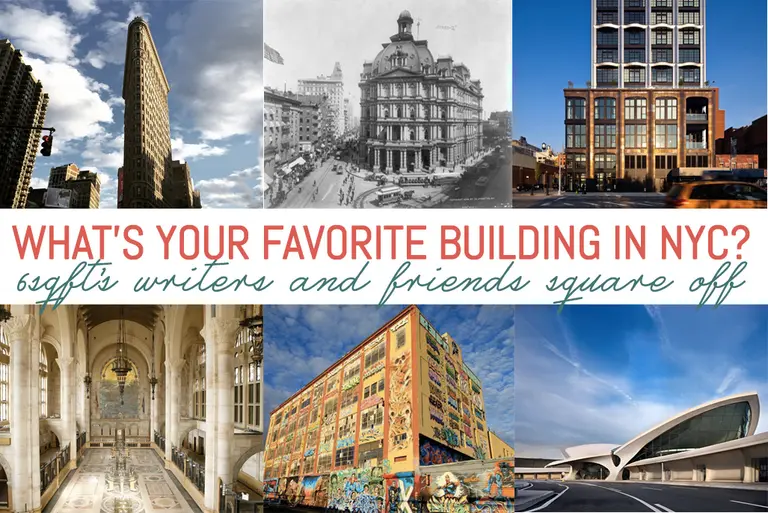
What’s Your Favorite Building in NYC? 6sqft’s Writers and Friends Square Off

Once upon a time, when 6sqft was not yet launched, a group of writers were asked for their thoughts on their favorite building in New York City. Their choices, some easily recognizable and others a little further from the beaten path, were mixed together with those of a few folks a lot like our readers—interested in and passionate about all things New York. The result? A wonderful blend of what makes this city great: its diversity, not simply demographically but also in the opinions of those eight million souls who weave together the fabric of all five boroughs to create the most interesting city in the world. And it stands to reason the most interesting city in the world is home to quite a few interesting buildings. As one might expect, there was barely a duplicate in the bunch. Some weren't even on our radar! Is your favorite on the list? If not, we’d love to know what you think in the comments.
Read on to see if you agree with our selections
May 4, 2015

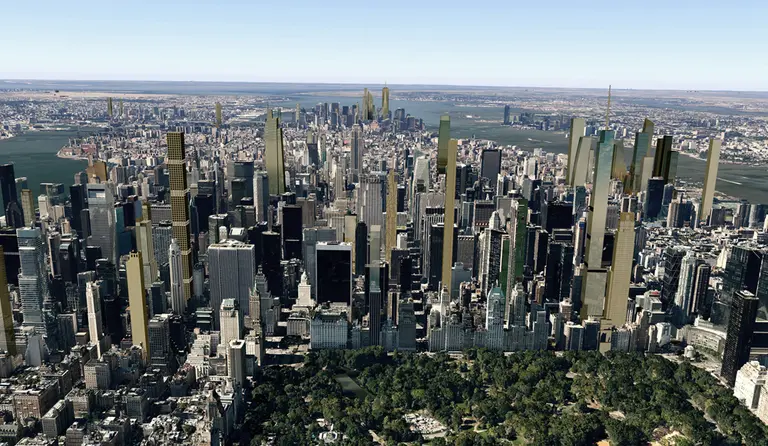
Extell Looks to Religion to Build Its Next 57th Street Supertall Tower

In the past, it was street names like Park Avenue and Central Park West that signaled a building's wealth and prestige, but these days it's gotten confined to a much shorter thoroughfare, 57th Street. Appropriately dubbed Billionaires' Row, the stretch has gotten much heat lately for its influx of supertall towers casting shadows on Central Park just to the north. Three of the towers in this sky-high lineup belong to Extell Development: the under-construction Nordstrom Tower at 217 West 57th Street, which will be the tallest residential building in the world when completed; 111 West 57th Street; and everyone's favorite One57. But now, as Crain's reveals, Extell is looking to expand its 57th Street portfolio with the site of the current Calvary Baptist Church and the Salisbury Hotel at 123 West 57th Street, on the same block as 111 West 57th and One57. As the paper reports, the church "will soon decide whether it will sell its sanctuary and 197-room hotel" to the developer.
More on the possible project here
March 24, 2015

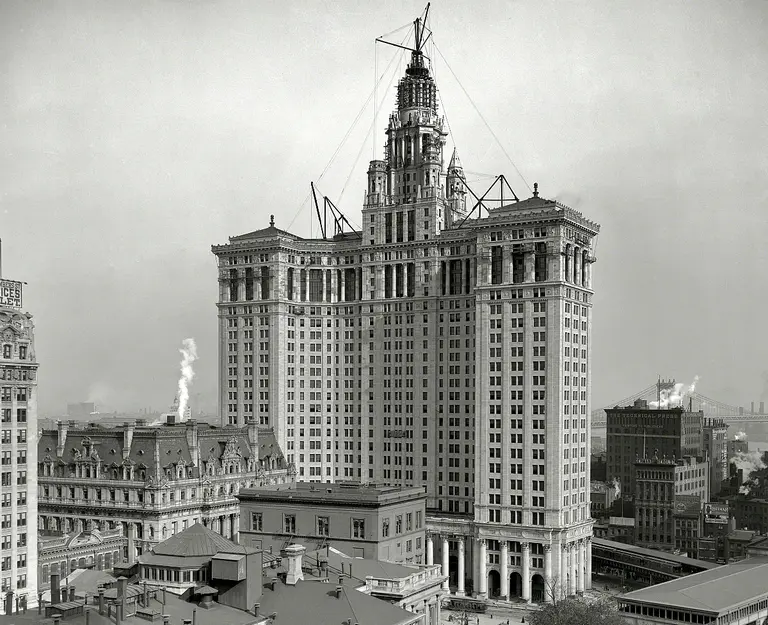
VIDEO: The Fascinating History of the Manhattan Municipal Building

When we think of the city's early skyscrapers, landmarks like the Woolworth Building and Flatiron Building usually come to mind. But there's an equally fascinating and beautiful icon that often gets overlooked–the 1914 Manhattan Municipal Building. One of New York's first skyscrapers, the 580-foot Beaux Arts masterpiece influenced civic construction throughout the country and served as the prototype for Chicago's Wrigley Building and Cleveland's Terminal Tower, among others. A new video from Blueprint NYC (produced by the Office of NYCMedia) takes us into this historic structure, discussing everything from the reason for construction (after the 1898 consolidation of the five boroughs, there was a need for increased governmental office space) to interesting factoids (the building was designed from a rejected sketch of Grand Central Terminal Station) to the turn-of-the-century innovations that made this unique structure possible.
Watch the video
January 27, 2015

Park Here: Eyeing the Real Estate Surrounding Two of NYC’s Most Splendid State Parks

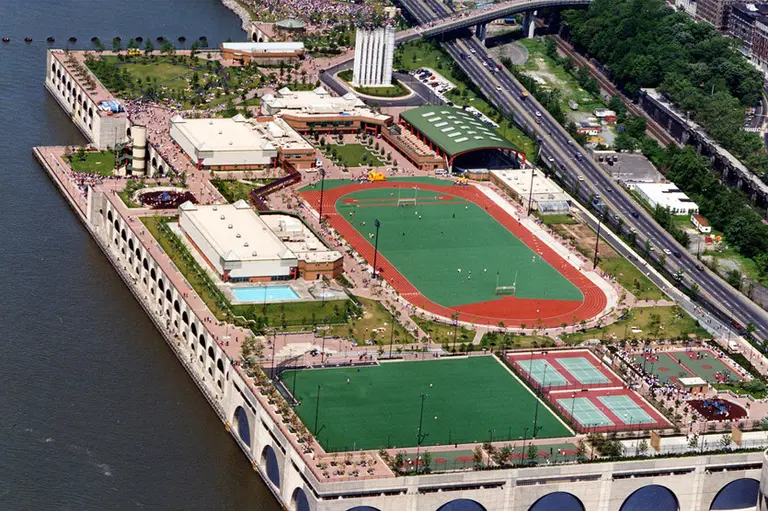
In a city that moves so fast that the Sunday edition of the New York Times comes out on Saturday, it is not surprising that New Yorkers might overlook some interesting factoids. For instance, New York City is home seven state parks! So, instead of enjoying a day inside other state parks filled with the ubiquitous lush greenery and a plethora of activities that might surely mean a couple of hours of driving—cityside state parks are but a subway ride away or possibly a short walk to the likes of the East River State Park on Kent Avenue in Williamsburg, the Clay Pit Ponds State Park in Staten Island and the Roberto Clemente State Park in the Bronx. One of the most popular, with its grassy stretches of pastoral idyll against a spectacular backdrop, is the 28-acre Riverbank State Park near 143rd Street (seen in the two images above). A multi-level facility set 69 feet above the Hudson River on Riverside Drive, it opened in 1993. What’s more, this park is the only one of its kind in the Western Hemisphere. Inspired by Japan’s urban rooftop designs, it was created on top of a now-odorless sewage treatment facility on the Hudson.
READ MORE
December 12, 2014

How Bike-Friendly Architecture Can Transform Cities for the Better

NYC is well on its way to becoming a bike-friendly city. With Citi Bike expanding and designs for bikes of all shapes and sizes growing in popularity, it's only a matter of time before we start seeing architecture built specifically for cyclists' use. In his article, “10 Points of a Bicycling Architecture”, originally published on ArchDaily, Steven Fleming explores ten ways major cities, like New York, can make this happen. A revolution is occurring in street design. New York, arguably the world’s bellwether city, has let everyday citizens cycle for transport. They have done that by designating one lane on most avenues to bicyclists only, with barriers to protect them from traffic. Now hundreds of cities are rejiggering to be bicycle-friendly, while in New York there is a sense that more change is afoot. Many New Yorkers would prefer if their city were more like Copenhagen where 40% of all trips are by bike. But then Copenhagen wants more as well. Where does this stop? If you consider that we are talking about a mode of transport that whips our hearts into shape, funnels many more people down streets than can be funneled in cars, has no pollution, and costs governments and individuals an absolute pittance, you won't ask where it stops, but how close to 100% the bike modal share can possibly go and what we must do to achieve that.
It's a beautiful day for a bike ride
November 20, 2014

Forest Hills Gardens: A Hidden NYC Haven of Historic Modernity

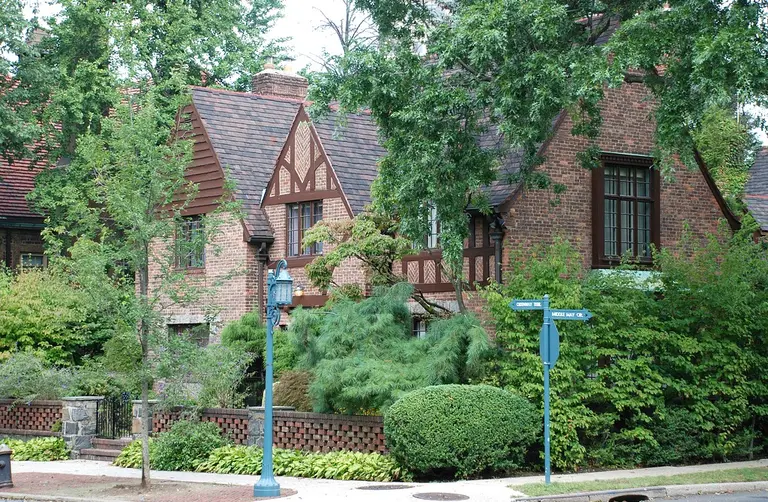
This unique sheltered enclave might be the perfect spot for residents who can handle the rules; just don't call it FoHiGa. Occupying a 175-acre wedge just south of the Forest Hills LIRR station and within the greater Queens neighborhood of Forest Hills, Forest Hills Gardens is one of America’s oldest planned communities. Modeled after England’s “garden cities,” originally intended to create an ideal environment that incorporated shared green space with urban convenience for the working classes, the Gardens (as it's known) is home to about 4,500 residents. The private community is managed by the Forest Hills Gardens Corporation, an organization made up of property owners. This unique community consisting of over 800 free-standing and attached houses and 11 apartment buildings as well as churches, parks and storefronts, dates from 1909, when architect Grosvenor Atterbury and landscape architect Frederick Law Olmsted Jr.–-son of Frederick Law Olmsted, landscape architect who helped design Central Park–-were commissioned to plan a new town. Though the community lies within the boundaries of one of the world’s most modern and populous cities, it has retained much of its co-operative, idyllic nature.
Find out more about this unique community
November 4, 2014

How the Historic Apartments and Hotels of the Upper West Side Came to Be

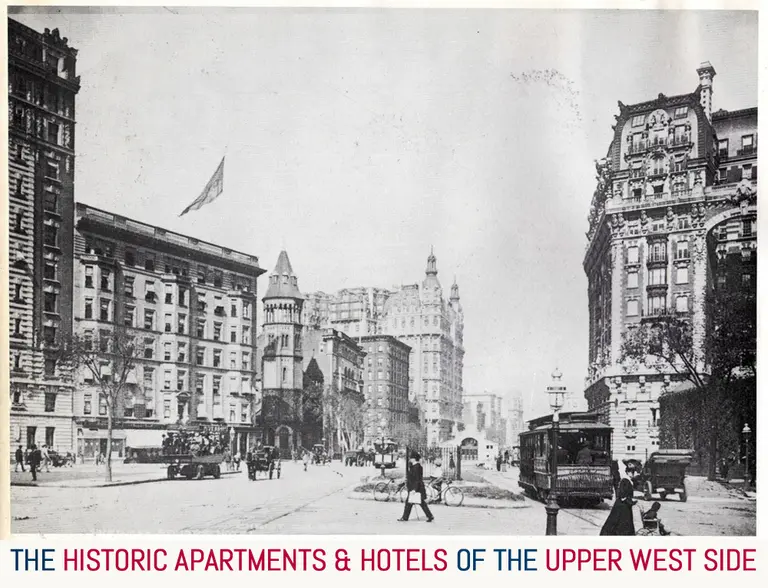
It's hard to imagine today that people had to be lured to settle on the Upper West Side of Manhattan, but such was the case at the turn of the 20th century when the first New York City subway line opened. The Interborough Rapid Transit Line (IRT) started at City Hall, with the most epic of subway stations (now closed off to the public except on official Transit Museum tours). The Astors and other enterprising investors owned the land uptown, purchased in a speculative property boom. Now, the question was how to brand the area.
The history behind the opulent doors of the Upper West Side
October 21, 2014

Ghislaine Viñas’ Colorful and Eclectic Design Seamlessly Blends Together on Greenwich Street

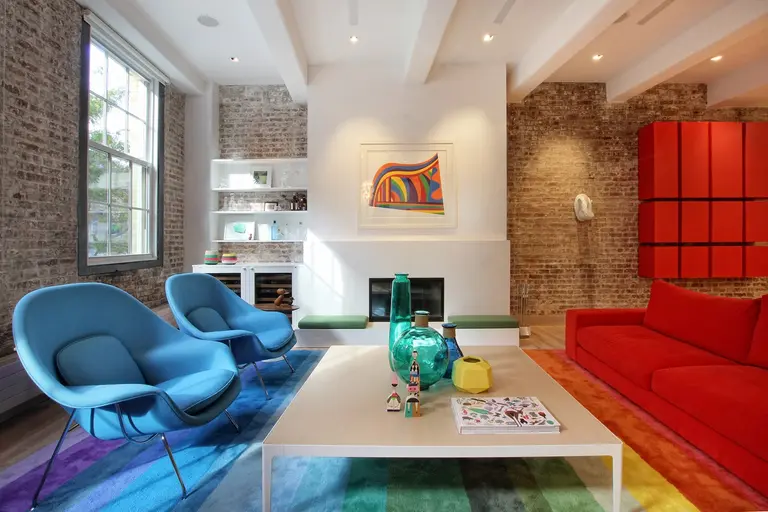
Just like the bright pink background of her website, Ghislaine Viñas’ interior designs grab your attention and never let it go. Bold color combinations that might seem garish in the hands of a lesser talent only serve to underscore Viñas’ “off roading” philosophy of experimentation and exploration.
Immerse yourself in this colorful home here
October 16, 2014

A History of New York in 101 Objects: 6sqft Edition

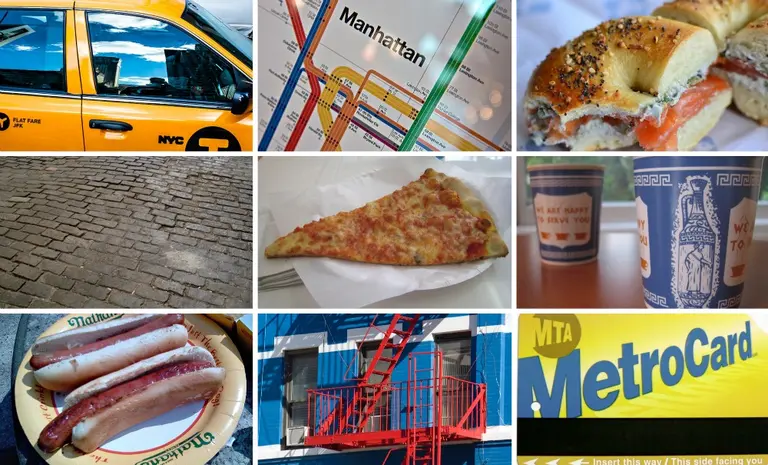
As urbanists we tend to define the city by locations and the historic events that unfolded at them. But what about getting even more specific and looking at New York's past through tangible objects? That's exactly what New York Times urban affairs correspondent Sam Roberts has assembled in a new book, A History of New York in 101 Objects. And a corresponding exhibit at the New York Historical Society puts Roberts' choices, along with objects from the Society's collection, on view. We were so intrigued by this idea that we decided to put together a 6sqft version of the list. From preservationists to architects to real estate brokers, we've asked ten people to give us the ten objects that they feel best define New York City's history. There are definitely some favorites that emerged like cobblestones, Metrocards, and pizza, as well as an eclectic mix of items that speak to our participants' personal connections to New York.
See the lists here
October 15, 2014

75% of Grand Central’s $210M Renovation Money Will Go to the 4, 5, 6 Trains

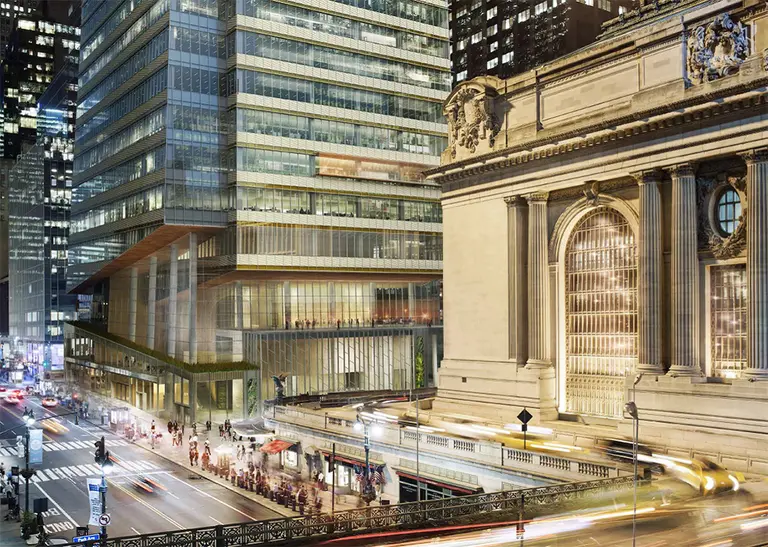
New York City's most taxed line is about to get a sizable cash infusion. Of the $210 million that developer SL Green Realty has budgeted for improving Grand Central's subway station for the green light to construct a 65-story office tower next door, more than 75% will go toward the Lexington Avenue line, Crain's reports. Yesterday, a 63-page study was delivered to Manhattan's Community Board 5 and to transportation advocates who have called for Midtown East's rezoning to include improvements to transportation infrastructure to meet current demand as well as the influx of nearly 16,000 workers as new lines are drawn. So where exactly will the money go?
Where will the money will go?
September 23, 2014

City Kids: Why Parents Pick City Living Over the Suburbs

The 'American Dream' may have dominated the last few decades, causing a mass exodus to the suburbs, but today's families are reversing the trend and turning their attention back to the city. The reasons are many: An appreciation for cultural offerings, the camaraderie and creative cross-pollination of networks of colleagues, friends and family, the convenience of being able to walk or bike to school, work or child care without a long commute—just to name a few. New York City has always been a haven for the forward-thinking, albeit a challenging one. And its newly-”discovered” outer boroughs as well as an unprecedentedly low crime rate have made the city a prime choice for family living. But what is it about those city kids—the ones with parents who planned from the start to raise their kids in a non-stop urban environment? We interrupted the busy schedules of five families currently raising school-age (or soon-to-be) children in New York City's many diverse and multifaceted neighborhoods to get some insight about why they wouldn’t have it any other way.
Hear what five parents of city kids have to say
September 18, 2014

Glass vs. Stone: An Epic Architecture Battle

Decisions, decisions...sometimes there's just far too many in New York City. Thai or Chinese takeout? Subway or bus? Central Park or the High Line? The list goes on. And one of the most grueling decisions we make as New Yorkers is where to live. From choosing a borough and neighborhood to deciding on a price point, it's quite the undertaking. But what about the most elementary component of the building in which we decide to live--it's material. To be more exact, glass or stone. Glass tower dwellers are often drawn to the floor-to-ceiling windows, panoramic views, and clean lines, whereas buyers of apartments in stone buildings prefer a more traditional feel, with pre-war-style layouts that provide great separation of spaces. And some of the city's most prominent architects have become synonymous with one style or the other. Think Richard Meier for glass and Robert A.M. Stern for stone. CityRealty decided to take a closer look at this epic battle and see how pairs of glass and stone developments fared across the city.
See how these buildings battle it out