Transit

July 23, 2020

Return of 24/7 subway service in NYC would be required under new legislation

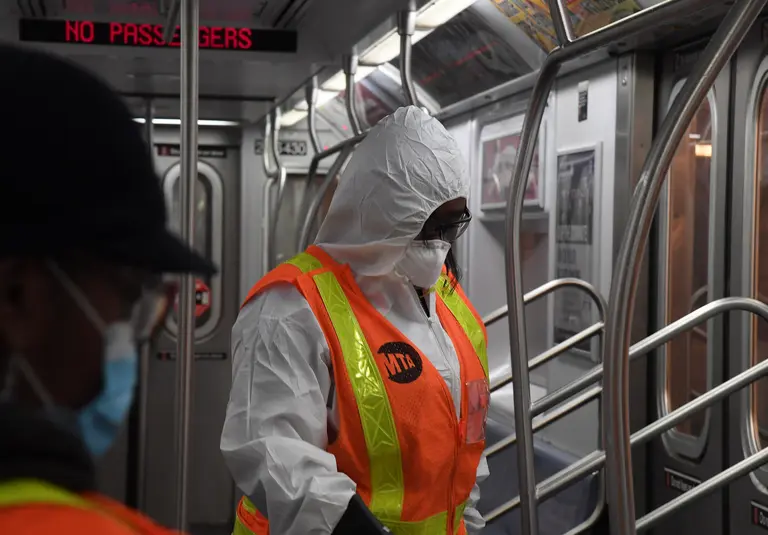
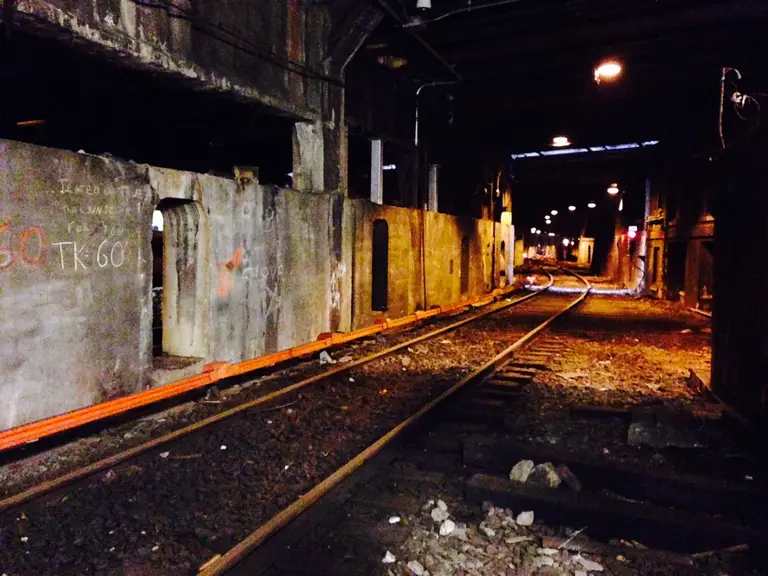
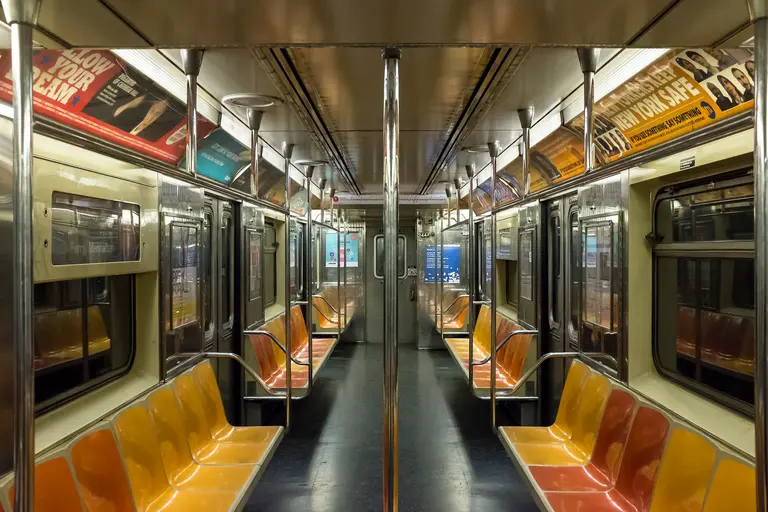
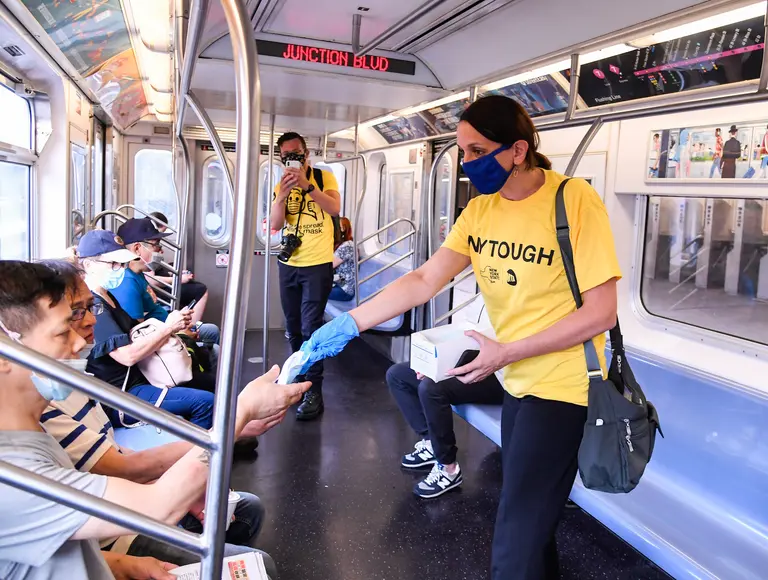
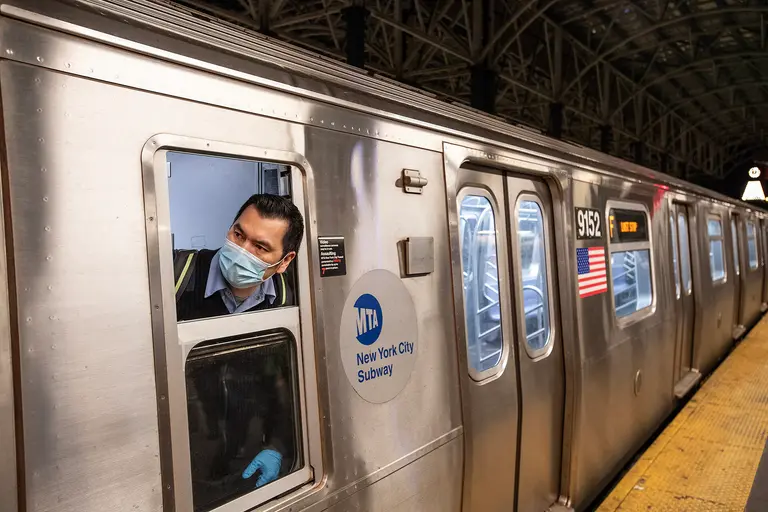
In May, for the first time in its history, the New York City subway system shut down overnight as part of a nightly disinfection plan to kill traces of the coronavirus on trains and buses. To ensure the subway resumes 24/7 service, seen as an integral part of the city that never sleeps' DNA, the State Senate on Thursday passed legislation that would require nonstop subway service when a state of emergency is not in effect.
Learn more
July 21, 2020

The MTA’s app now tells you how many people are on a bus in real-time

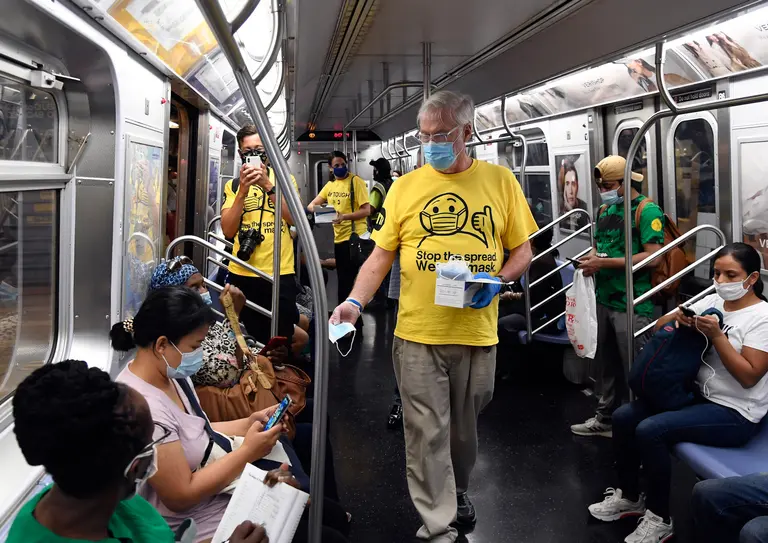
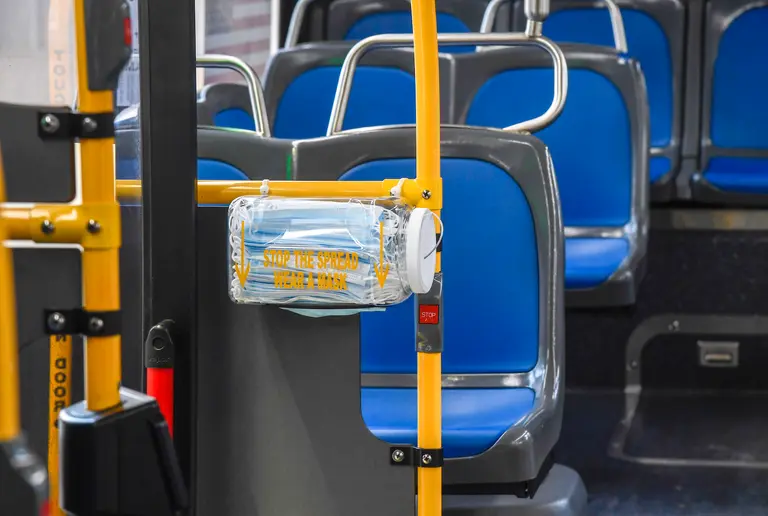
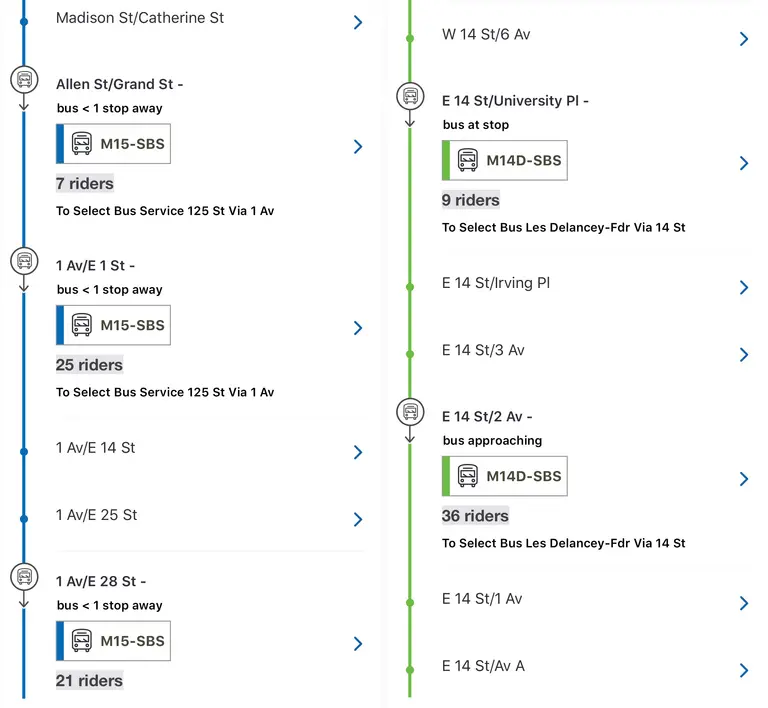
Many New Yorkers are having to start heading back to the office, and part of that anxiety is how they get there. For some, that means switching from the subway to the bus in search of more social distance. In fact, the New York Times recently reported that in April and May, bus ridership in NYC was higher than that of the subway for the first time in more than 50 years. And for those making the switch, it just got a lot simpler to feel at ease. The MYmta app now includes real-time data for the number of passengers on an arriving bus.
READ MORE
July 21, 2020

The F train will shut down on nights and weekends for the next 8 months

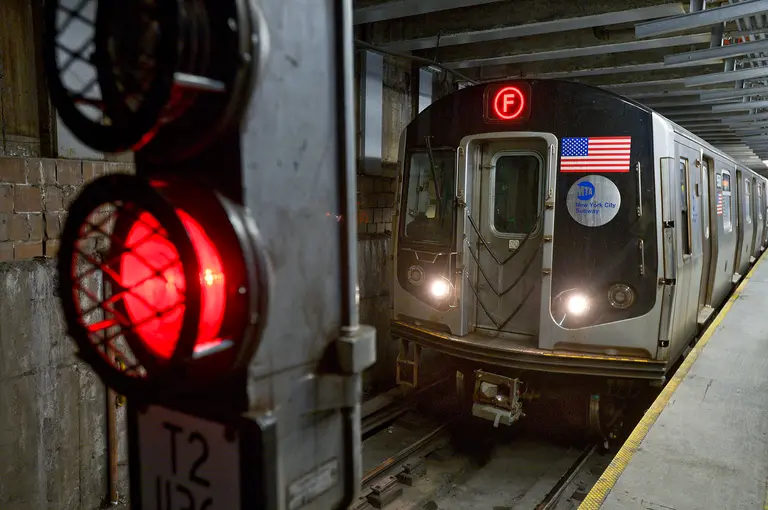
After one year of service disruptions, the much-talked-about L train "slowdown" wrapped up in April. The MTA has now turned its attention to the F train's Rutgers Tube, which is the last of 11 subway tunnels to be rebuilt after suffering damage from Superstorm Sandy in 2012. Using the same tactics as were employed for the L train, the Rutgers Tube will only be shut down on nights and weekends, affecting F train service from August 2020 through March 2021.
READ MORE
July 13, 2020

Travelers from states with COVID surges must provide contact info at New York airports

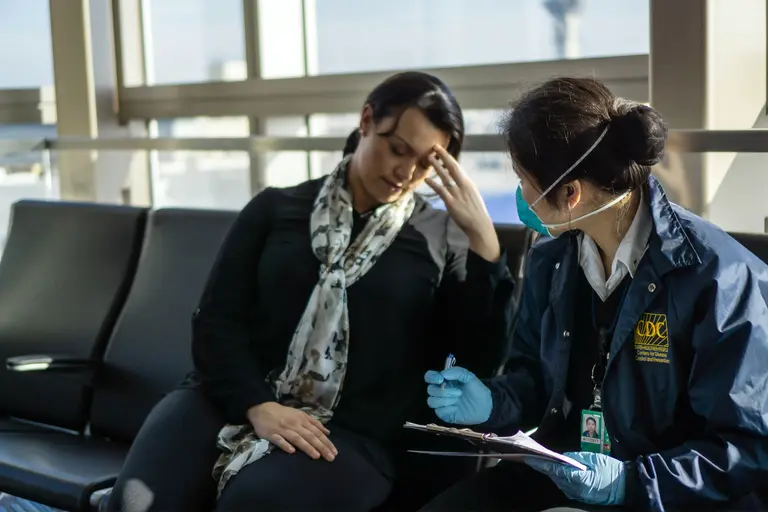
This weekend was a grim time for the nation's struggle against the coronavirus pandemic. Thirty-nine states are seeing rising COVID infection rates, and on July 10, the country set a new record with 66,281 new cases on a single day. On July 11, Florida set a new record for an individual state, with 15,300 new cases. New York, on the other hand, has seen its numbers decrease since it began reopening. And in order to help preserve this progress, Governor Cuomo announced today that travelers coming from problematic states must provide local authorities with their contact information at all New York airports in order to enforce the previously implemented 14-day quarantine.
READ MORE
July 10, 2020

Here’s what a car-free, pedestrian-friendly NYC could look like

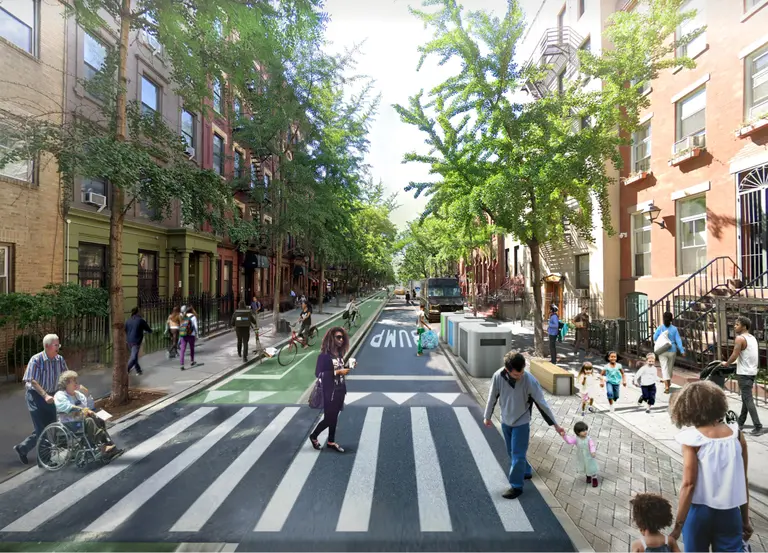
In a city that currently has the most streets closed to cars in the country, with plans in store to add more designated busways and charge vehicles entering its busiest streets, is New York ready to be car-free? Architect Vishaan Chakrabarti and his firm Practice for Architecture and Urbanism think so. The New York Times took a look at PAU's plan, "N.Y.C. (Not Your Car)," which calls for a ban of private motor vehicles in Manhattan and an expansion of sidewalks and pedestrian-only space.
Learn more
June 26, 2020

NYC will legalize e-bikes and e-scooters

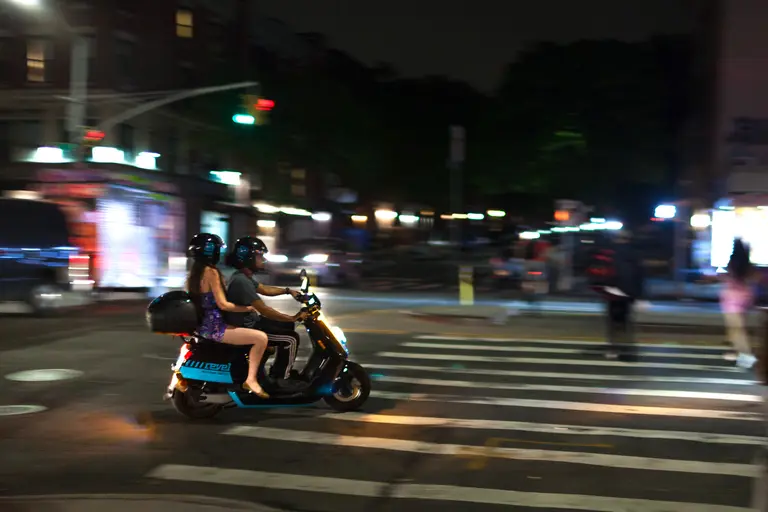
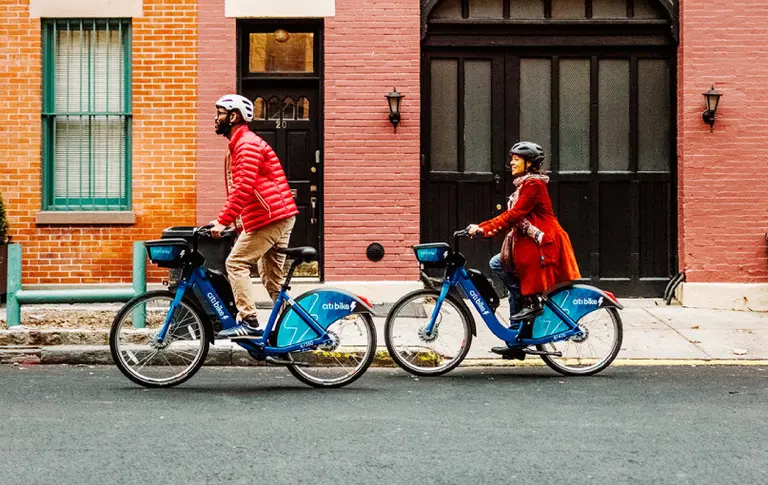
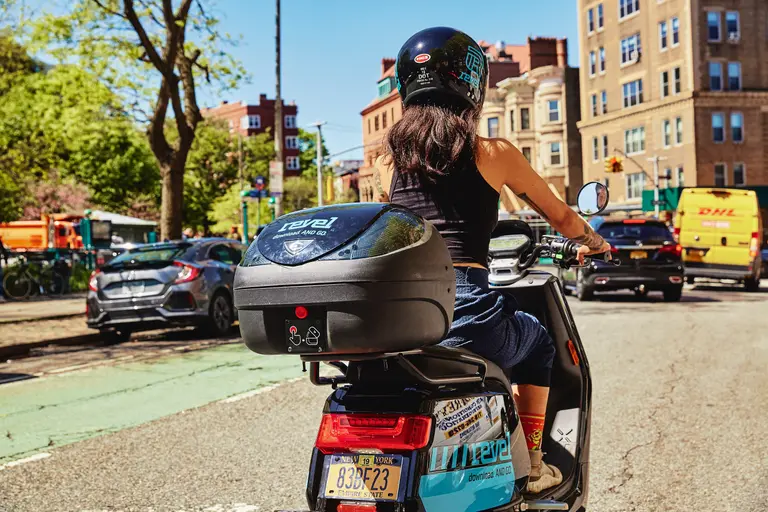
The New York City Council voted on Thursday to legalize electric bikes and scooters citywide and create a pilot program that would bring a shared e-scooter program to neighborhoods underserved by public transit. State lawmakers approved the legalization of e-bikes and e-scooters statewide in April, leaving the decision to local officials on how to regulate the vehicles.
Find out more
June 25, 2020

Crown Heights subway stations to be renamed in honor of Civil Rights icon Medgar Evers

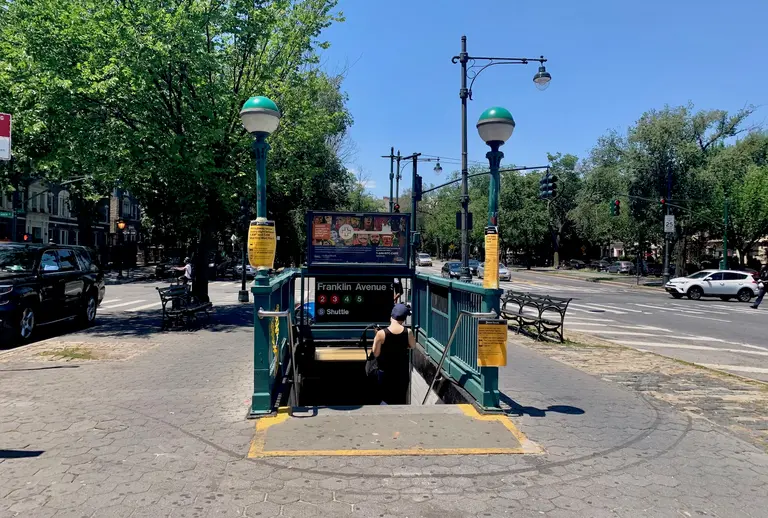
Two subway stations in Brooklyn will be renamed after Medgar Evers College and the Civil Rights activist for whom the historic black college is named. Gov. Andrew Cuomo on Thursday announced that Franklin Avenue and President Street stations in Crown Heights will formally be renamed this fall, with MTA maps and signage updated this summer. The new stations--Franklin Avenue-Medgar Evers College and President Street-Medgar Evers College--aim to honor the contributions of the institution ahead of its 50th anniversary.
More here
June 24, 2020

NYC will now have 67 miles of open streets, the most in the U.S.

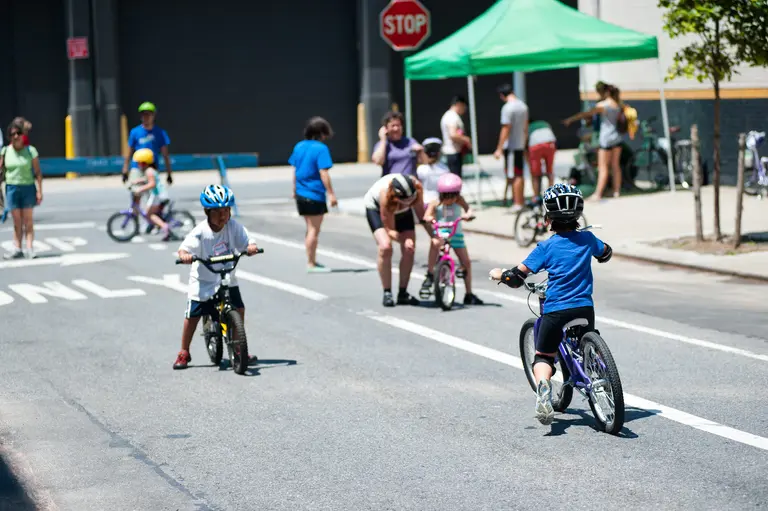
New York City will add 23 new miles of open streets, bringing the total to roughly 67 miles of streets closed to cars citywide, Mayor Bill de Blasio announced on Wednesday. When the mayor first announced the program, he committed to opening 100 miles of streets throughout the pandemic. "This is going to be great for people looking for a break this summer with all the things going on, a place for kids to exercise and run around," the mayor said during a press conference. "It's growing, and we're going to keep adding to it."
READ MORE
June 17, 2020

New report calls for a 425-mile protected bikeway that would connect NYC’s five boroughs

When the coronavirus pandemic hit New York City earlier this year, many New Yorkers swapped the subway for cycling as a more socially distant way to commute. Now as the city enters its COVID-19 recovery phase, a planning group is calling on officials to build a network of protected bike lanes across the five boroughs. The Regional Plan Association (RPA) on Wednesday released a report that details plans for a 425-mile bikeway that could be constructed over the next five years and provide a continuous, safe connection between the boroughs.
More here
June 15, 2020

Pedestrian path on Mario M. Cuomo Bridge opens with public art, scenic overlooks, & food vendors

The pedestrian-bike path on the Governor Mario M. Cuomo Bridge officially opened to the public on Monday. The 3.6-mile shared path serves as the "gateway to the Hudson Valley," connecting Westchester and Rockland Counties, and is one of the longest of its kind in the country, according to Gov. Andrew Cuomo. The path features six different scenic overlooks, 10 public art pieces, and three local food trucks.
See it here
June 10, 2020

See inside LaGuardia Airport’s new Terminal B

The new arrivals and departures hall at LaGuardia Airport's Terminal B will officially open on Saturday, Gov. Andrew Cuomo announced. The 850,000-square-foot, four-level space measures roughly 50 percent bigger than the hall it replaces and comes equipped with more check-in kiosks, security lines, and new screening systems, all aimed at improving efficiency and reducing crowds. The new hall is part of the ongoing reconstruction of LaGuardia, an $8 billion project which first broke ground in 2016.
See inside
June 10, 2020

800,000 commuters rode the subway on NYC’s first day of reopening

On Monday, the first day of New York City's phase one reopening, more than 800,000 straphangers rode the subway. According to the Metropolitan Transportation Authority, June 8 became the highest ridership day since the start of the coronavirus pandemic. The agency said ridership was up during afternoon peak hours between 3 p.m. and 6 p.m., with Manhattan seeing a 20 percent increase in ridership from the week prior. However, this is still just 15 percent of regular ridership compared to last year.
Details here

June 8, 2020

NYC makes 14th Street busway permanent, adds five more car-free routes

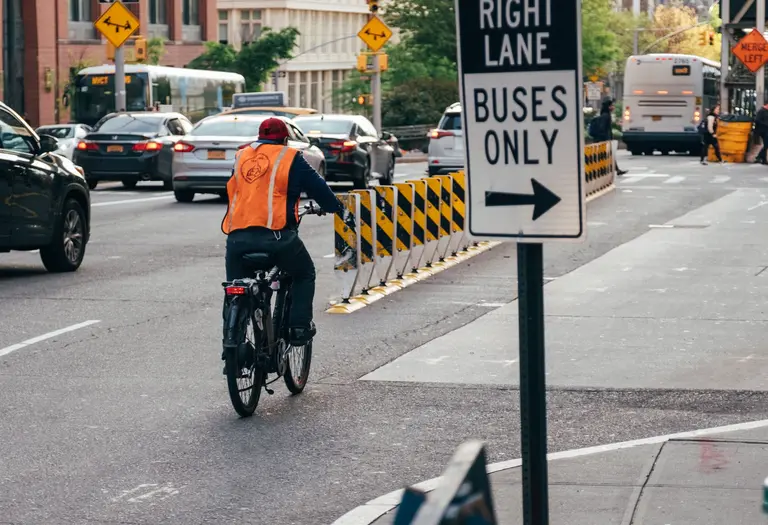
The busway on 14th Street in Manhattan will be made permanent, Mayor Bill de Blasio announced on Monday. The car-free strip of the street, which runs between 3rd and 9th Avenues, launched as part of a pilot program last October. The mayor called the busway, which has proven popular with riders, a "success by every measure." De Blasio also announced the phased-in addition of five new busways and 16.5 miles of bus lanes, which are meant to alleviate crowding for commuters as the city begins the reopening process.
Get the details
June 5, 2020

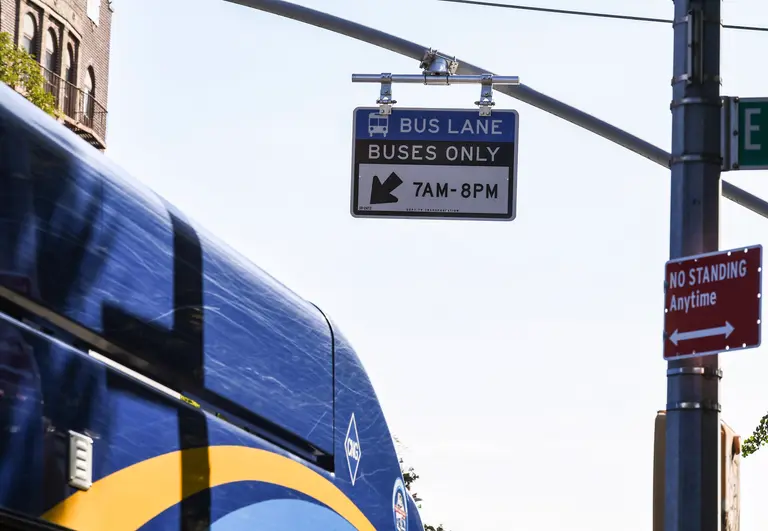
MTA calls on NYC to add 60 miles of bus lanes as city reopens

With up to 400,000 New Yorkers expected to return to the workforce under the city's phase one reopening on Monday, the Metropolitan Transportation Authority wants to add 60 miles of dedicated bus lanes to alleviate crowding. In a letter to Mayor Bill de Blasio, Sarah Feinberg, interim president of NYC Transit, wrote a "robust bus system will be crucial" for the city's rebound from the coronavirus pandemic.
More here
June 4, 2020

MTA says de Blasio’s subway plan would only serve 8 percent of riders

As the city prepares to enter phase one of reopening on Monday, the Metropolitan Transportation Authority released this week its plan to return to "regular" service, which no longer means 24-hour service. Subways and buses will run more frequently starting next week, but the subway system will still shut down between 1 a.m. and 5 a.m. for nightly disinfection. Mayor Bill de Blasio this week also released a plan for transit that calls for capacity limits and blocking off every other seat. But the MTA called the mayor's idea "utterly unworkable" and said his proposed capacity limits would allow the agency to serve just 8 percent of riders.
More here
May 29, 2020

As NYC prepares to reopen, questions about public transit remain

New York City will likely begin the reopening process early next month, with as many as 400,000 employees expected to return to work during this first phase, Mayor Bill de Blasio said this week. While the mayor on Thursday released guidelines for phase one businesses to safely reopen without a resurgence of the coronavirus, no plan has been issued from City Hall on how employees returning to the workforce will commute there safely.
Get the details
May 26, 2020

Cuomo to fast-track NYC infrastructure projects, including overhauls of Penn Station & LaGuardia

The state will focus on restarting New York City's economy by accelerating work on major infrastructure projects, Gov. Andrew Cuomo announced on Tuesday. "There is no better time to build than right now," Cuomo said during a press briefing. "You need to create jobs and you need to renew and repair this country's economy and its infrastructure." The governor said the state will fast-track infrastructure projects like the renovation and rebuild of Penn Station and LaGuardia Airport.
More here
May 20, 2020

MTA launches UV light pilot program to kill COVID-19 on NYC subways and buses

The Metropolitan Transportation Authority will use ultraviolet light to remove the coronavirus from its subway and bus system, officials announced on Tuesday. For phase one of the $1 million pilot program, the agency will deploy 230 UV light lamps next week on some trains, buses, and MTA facilities. The devices will be used in cars during overnight station closures and at maintenance yards in Corona, Coney Island, Jamaica, and Pelham. If the first phase of the pilot proves successful, the program will expand to Long Island Railroad and Metro-North trains.
See it here
May 18, 2020

MTA adds social distancing markers, considers reservation system for subway and bus

The Metropolitan Transportation Authority last week launched a pilot program to keep commuters socially distanced on subway platforms. The transit authority installed markers on the floors of a few stations on the Upper East Side that encourage straphangers to remain six feet from others to stop the spread of the coronavirus. In addition to new signage, mask requirements, and a vigorous disinfection plan that involves an overnight shutdown of service, the MTA is also considering creating a reservation system for seats on the city's subways and buses to limit crowds.
Details this way
May 13, 2020

NYC opens 12 more miles of open streets

This brings the total to nearly 21 miles since Mayor de Blasio first announced that he'd be opening up 40 miles of streets to pedestrians by the end of the month, with an ultimate goal of 100 miles throughout the current COVID crisis. In his press conference this morning, the mayor announced the third round of open streets totaling 11.7 miles would be opening tomorrow, along with 9.2 miles of protected bike lanes by the end of May. Some of the new open streets include those in Hudson Yards, the first on the Upper West Side and in Long Island City, and those adjacent to seven more parks in Brooklyn.
READ MORE
May 6, 2020

Second set of NYC open streets launches tomorrow in collaboration with local BIDs

After finally getting on board with the idea of opening New York City streets to pedestrians, Mayor de Blasio closed the first wave of streets to cars earlier this week. This totaled 4.5 miles inside parks and 2.7 miles adjacent to parks; eventually, the city will open up to 100 miles of streets. The next group will open up tomorrow, which includes 1.5 miles in Manhattan, Brooklyn, and the Bronx done in collaboration with Business Improvement Districts (BIDs), as well as 0.4 miles in Jackson Heights, Queens.
Get the full list of streets
May 6, 2020

NYC subway shuts down for first time in history; see the COVID-19 disinfection plan in action

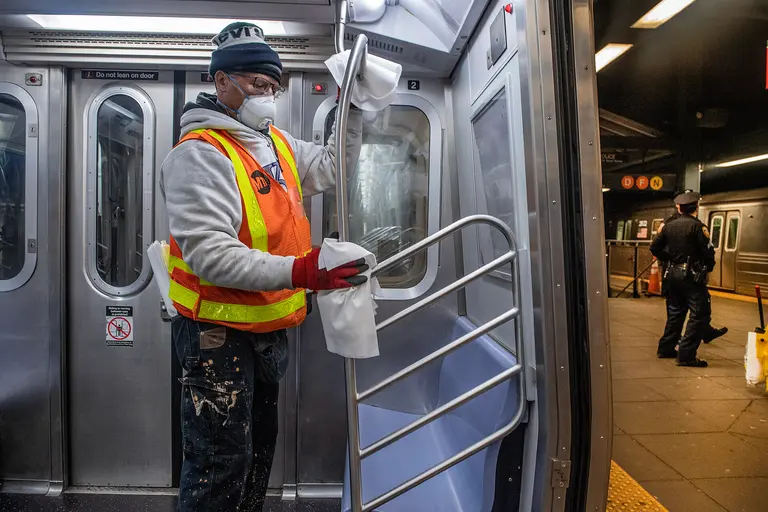
For the first time in its 115-year history, the New York City subway system shut down overnight on Wednesday. The closure, which will occur daily from 1 a.m. to 5 a.m., is part of a new plan to disinfect every car and station to stop the spread of the coronavirus and protect essential workers. The Metropolitan Transportation Authority is increasing bus service to serve essential workers, adding 344 buses to the current 235 that run during that early morning time frame. For-hire car service will also be offered to employees who are unable to use the bus for their commutes.
More this way
May 1, 2020

First wave of NYC open streets plan to start next week

The first phase of the city's plan to close up to 100 miles of streets to cars will start on Monday, Mayor Bill de Blasio announced on Friday. The first streets to open to pedestrians include 4.5 miles inside parks and 2.7 miles adjacent to parks, according to the mayor. "The goal here is more space, more social distancing," de Blasio said.
Get the details
April 30, 2020

In response to COVID homeless crisis, MTA bans wheeled carts and enacts one-hour subway limit

When the Daily News shared a photo of a homeless New Yorker on a subway car earlier this week, it drew much attention all the way up to Governor Cuomo. Yesterday, the governor called on the MTA to create a plan to solve the issue. In response, the MTA released a plan today that deals with three main points-- no person is permitted to remain in a station for more than an hour; during a public health emergency, no person can remain on a train or the platform after an announcement that the train is being taken out of service; and wheeled carts greater than 30 inches in length or width are banned.
READ MORE