City Living

November 16, 2016

Central Park squirrels: Once exotic, now basically in charge

Squirrels may be so common in today’s city parks that they threaten to make off with our junk food, but at one time the creatures were rare and exotic visitors whose delightful presence was carefully encouraged. Dan Lewis of Now I Know tells us that the ubiquitous squirrel may have been indigenous to North America, but Central Park's squirrels didn't come with the territory: The bushy-tailed natives had become all but extinct on Manhattan island by the 1850s due to rapid development. Just a year before the park’s creation, one lone squirrel, heading down a tree trunk on its way to extinction, stopped traffic as charmed New Yorkers marveled at the antics of the "unusual visitor" to the extent that they had to be dispersed by police, according to accounts by a paper of the day.
So how did they get here?
November 15, 2016

Officials contemplate 5th Avenue shutdown whenever Donald Trump is in town

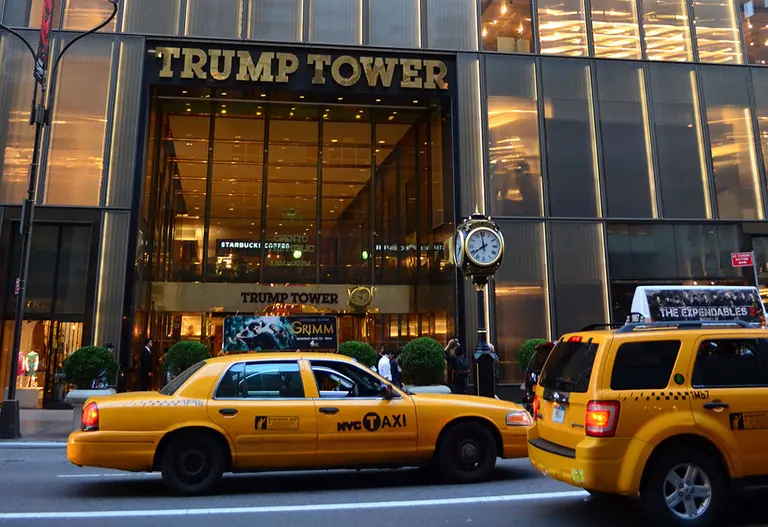
If you thought it was inconvenient whenever President Obama came to town, under a Trump presidency, things are going to get much worse. The Daily News reports that law enforcement officials are mulling a shutdown of 5th Avenue whenever the president-elect decides to stay in his penthouse in Trump Tower. As many know, the area is one of the busiest commercial hubs in the Manhattan, a mix of mid- and high-end retailers, paying top rents and pulling in millions of tourists annually. Moreover, it is also home to thousands of New Yorkers, a handful of which who live in Trump Tower and are already fed up with the disturbances that have emerged as of late. Immediately after the 2016 election results were announced, Trump Tower was swarmed by protestors—and guards wielding heavy ammunition.
what this could mean here
November 11, 2016

Trump Tower residents are sick of protestors; problem unlikely to improve

Since Donald Trump announced his run for office, Trump Tower, where the President-elect both lives and keeps his political headquarters, has been a hotspot for protestors. While in the past few months, inconveniences haven't escalated far beyond anti-Trumpers stopping by to give the building the finger, after the 2016 election results were announced, it's become veritable zoo outside the 5th Avenue tower as thousands have convened to denounce (and to be sure, support) a Trump presidency. The situation has become a major disruption for residents of the luxury skyscraper who are now annoyed with the crowds. As The Post so fittingly writes, "It’s not so easy being a member of the 1 percent if you live at Trump Tower."
more on the complaints here
November 10, 2016

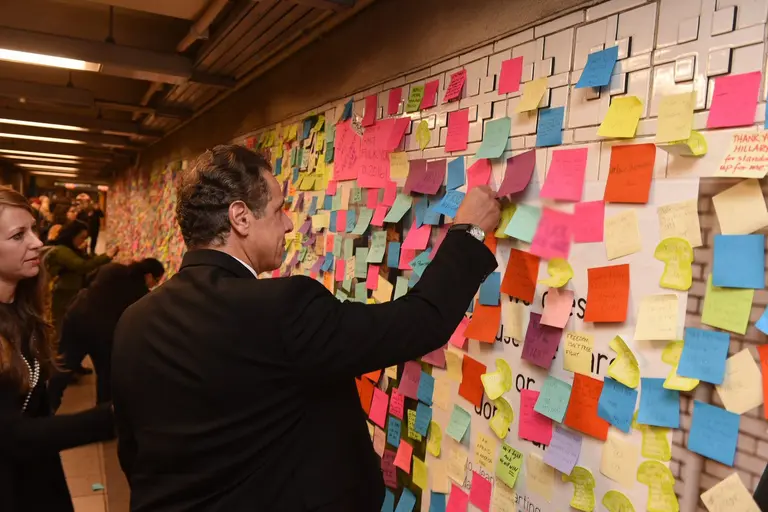
Subway Therapy let thousands of New Yorkers leave their election grief on Post-it notes

In addition to last night's anti-Trump rallies, the 14th Street-6th/7th Avenue subway tunnel was transformed into a post-election grieving center of sorts. Here, the artist Levee installed a temporary art installation called Subway Therapy that was a colorful collection of thousands of Post-it notes on the wall where people wrote in their feelings. "Because of how stressful the last couple of days were, I thought it would be nice to have something that people could do really quickly so they could maybe get something off their chest," Levee told ABC7.
See more photos of the installation
November 10, 2016

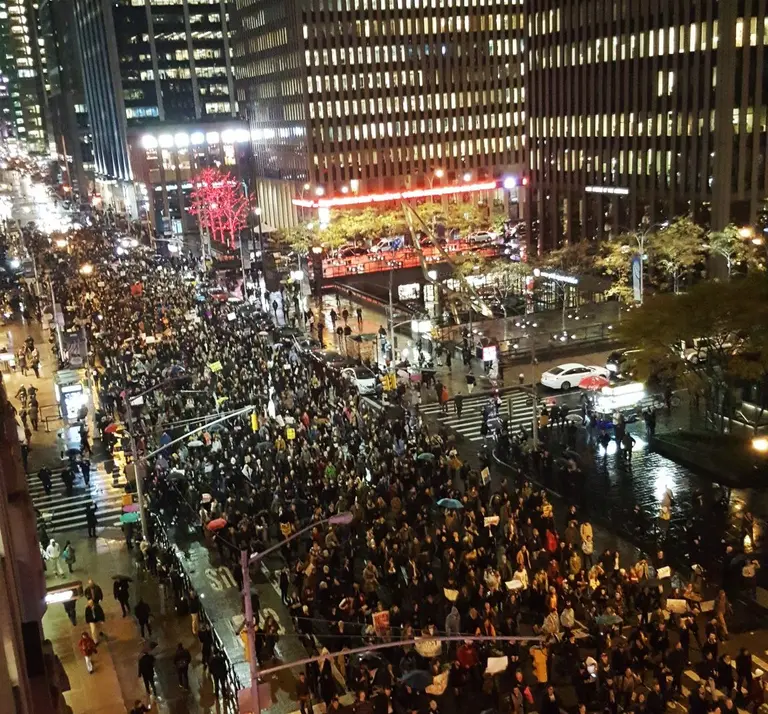
‘Not my president’: Thousands join Anti-Trump protests across New York City

Demonstrations broke out across the country yesterday evening as hundreds of thousands gathered to protest the election of Donald Trump for president. NYC itself was largely activated by two groups, Socialist Alternative and Answer Coalition, who used social media to call upon New Yorkers to gather at Union Square and Columbus Circle, near Trump International Tower. Thousands of participants held signs emblazoned with a swath of issues now under threat, from LGBT to Black Lives Matter to the environment. Chants like "Not my president!" "Trump Makes America Hate" and "Don't Lose Hope" rang through the streets as protestors marched through Midtown to convene at Trump Tower. Among the crowds, however, were also Trump supporters who showed up to celebrate the victory.
more photos from the demonstrations
November 7, 2016

New York Botanical Garden breaks ground on new $28M ‘Edible Academy’ complex

The New York Botanical Garden’s Edible Academy—an agricultural education platform providing hands-on activities and interactive programs for children in the Bronx and Greater New York City area—broke ground on their new building complex last Thursday, October 27. The $28 million facility, which will be completed in the Spring of 2018, will double the number of on-site […]

November 7, 2016

Smart microphones are recording city sounds to help create a quieter New York

Researchers at New York University and Ohio State University are installing microphones at points throughout the city that will learn to recognize the pneumatic drills, bizarrely noisy Fresh Direct trucks and other street sounds that form our familiar daily cacophony. The recording devices use technology that was developed to identify migrating birds, the way the Shazam app records and identifies song snippets. The New York Times reports that the study will begin collecting 10-second bits of audio at random intervals, then begin labeling the urban din using UrbanEars, a machine-listening engine. The sensors are being trained to identify the many "sonic irritants" that plague city life, including the seasonal (snow plows, air conditioners) and the maddeningly ceaseless (garbage trucks, construction). The project, called Sounds of New York City (Sonyc) has the goal of creating an aural map that could help the city track and control noise pollution in addition to empowering residents to get involved.
Hear all about it
November 7, 2016

ODA’s Eran Chen on why ‘inclusive amenities’ are overplayed, and the need for better public spaces

Some architects just consider the building they are working on. But Eran Chen, the founder and executive director of ODA, Office for Design and Architecture, takes a broader view. Not only does he focus on the specific architecture for each building project but he considers the spaces the building creates, the way the architecture can […]

November 4, 2016

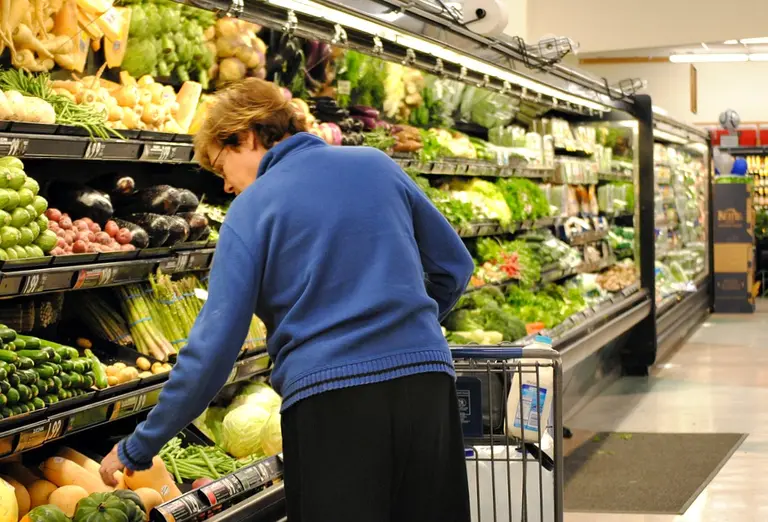
The closing of neighborhood grocery stores is leaving local shoppers stranded

An important must-have when apartment hunting often involves the presence of a grocery store within a few blocks. A local food market, regardless of how harsh its fluorescent lighting or how narrow its aisles, is often the key to feeling part of civilization, especially when you've run out of milk for breakfast. The familiar branches of local chains–from Key Food to D'Agostino to the corner deli–are closing down across the city, in some cases leaving New Yorkers in something of a "grocery desert" surrounded by restaurants but without access to fresh ingredients and emergency baby supplies. According to the New York Times, the landscape is definitely shifting: Between 2005 and 2015, about 300, or eight percent, of the city's greengrocers–defined as "family-owned stores of less than about 7,000 square feet"–closed up shop and left the neighborhood.
What's causing the shift?
November 4, 2016

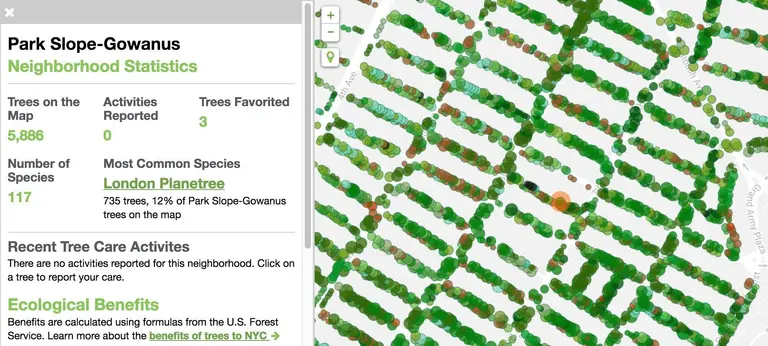
MAP: NYC has more than 666,000 street trees, up 12 percent since 2006

The last time the city catalogued its street trees was back in 2005-2006, when they found about 592,130 trees on public streets, including their species, trunk thickness, and condition (you can explore a map of all this info). In the summer of 2015, the Parks Department put out a call for volunteers to help with the next round of data collection, and they received help from 2,241 individuals who completed a third of the work. They've now released the results of the 2015-2016 census, which shows an increase of 12.5 percent to 666,134 trees covering 209 species, and compiled their findings into an interactive map.
Learn more about the city's street trees
November 2, 2016

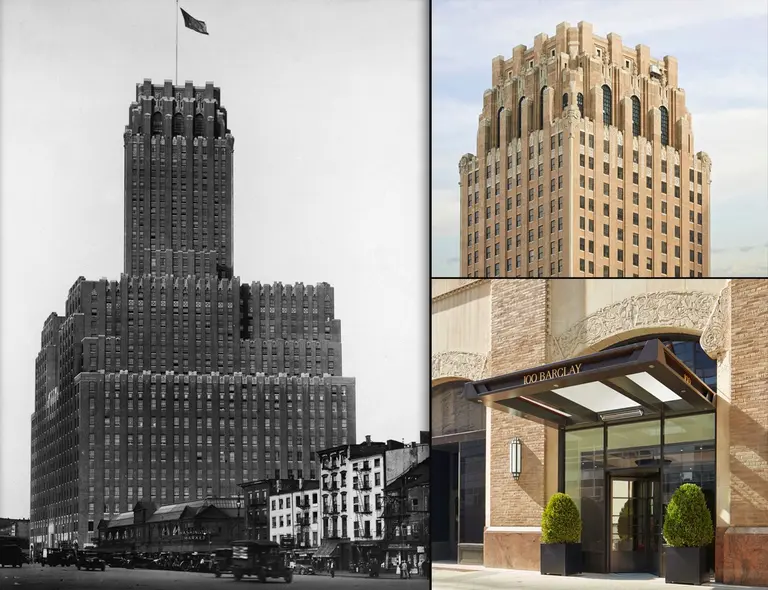
100 Barclay: Restoring and reinventing a historic Tribeca landmark

This post has been sponsored by 100 Barclay. To learn more about available condos or to schedule a tour, visit the official 100 Barclay website. Finished in 1927, 100 Barclay is one of New York City's most pivotal structures. Designed by one of our country's most esteemed architects, Ralph Walker, while he was an associate at McKenzie Voorhees & Gmelin, the tower began construction in 1923, during a time marked by a dramatic shift in architecture and the beginning of the Roaring Twenties. Originally known as the Barclay-Vesey Building, the 32-story building ascends to a height of nearly 500 feet, which made it one of the globe's tallest towers upon completion. The voluminous building was also built as the largest telephone company building in the world, encompassing more than 1.2 million square feet of office and telecommunication space. Its Hugh Ferris-inspired massing, and nature-influenced ornamentation stands as a monument to man's prowess and the machine age, and is widely recognized by architects and historians to be the first Art Deco skyscraper, a prototypical example of the style in its finest form.
hear from the architects who have worked on this project
October 28, 2016

For New York City rats, getting here is easy, surviving is tough

To investigate the question, “What is a New York City rat, and where did it come from?” the New York Times checks in with researchers at Fordham University, led by Jason Munshi-South, who have embarked on a rat-tracking study to find the answer to that very question (among others). It turns out that–much like the city's millions of two-legged inhabitants–the answer is "everywhere," from Galapagos and Brazil to New Zealand and Japan.
We're all immigrants at some point
October 27, 2016

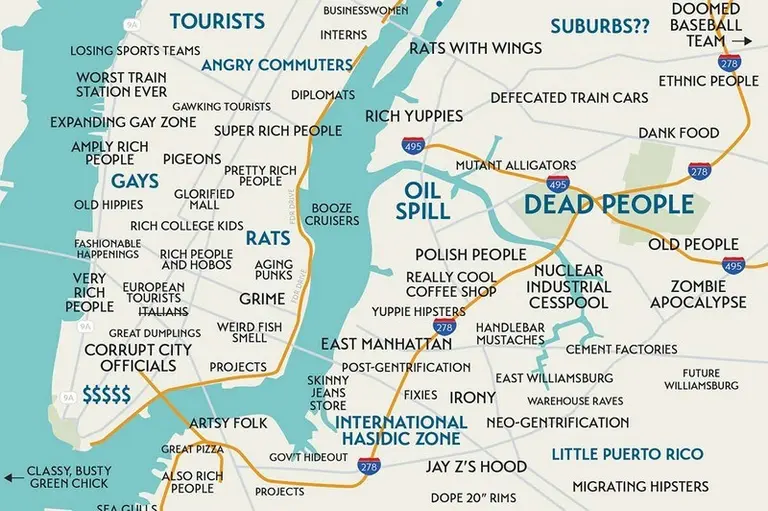
‘Judgmental Maps’ unleash culture on the geography of modern cities

Residents of today's cities and neighborhoods are acutely aware of the cultural histories and social nuances that shape them almost as much as their streets and bridges, architecture and businesses. A few years ago Trent Gillaspie's "judgmental maps," from his site by the same name, hit a nerve and went viral; the totally unserious (but not necessarily inaccurate) maps pair geography with a snapshot of real life in modern cities, towns and neighborhoods. Gillaspie's "Judgmental New York City" was spot on in many ways with its Manhattan of "amply rich people," "super rich people," "aging punks" and the "worst train station ever" and a Brooklyn that went from Jay-Z to Zombies. Now, Gillaspie is releasing a book (h/t Untapped) of his signature reality-check maps, including an updated New York City map and the city's neighborhoods, decoded.
Your city, judged
October 24, 2016

Home aroma: Signature scents are the newest NYC building amenity

Something is in the air at luxury apartment buildings looking for new ways to charm residents. The idea of “aromatizing” building common spaces to entice buyers and renters with seductive scents is gaining popularity among developers, according to The New York Times. A growing number of the city's rental and condo buildings have begun to infuse their halls with fragrance via building ductwork or standalone scent machines. With any luck, the result will be something far, far away from the smell of your subway stop in August.
It smells good, but is it working?
October 24, 2016

Life in New York City before indoor toilets  

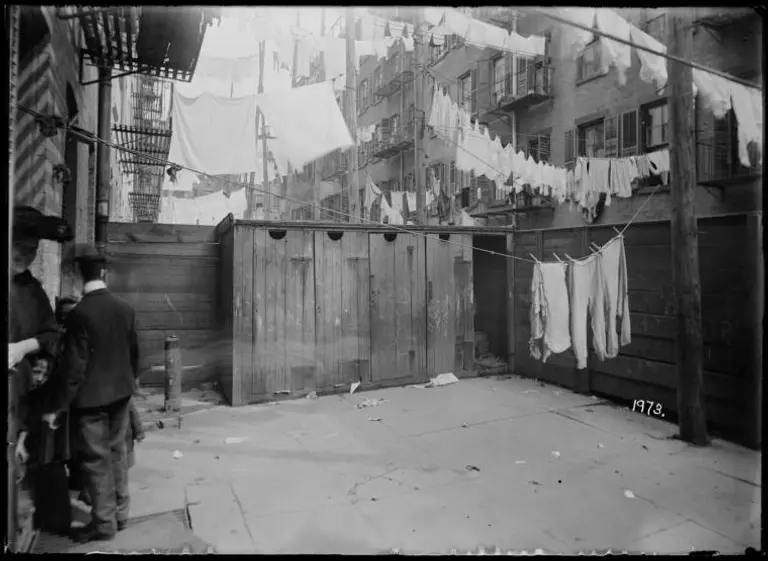
If you’ve ever bemoaned the fact that you share a bathroom with several family members or housemates, you’re not alone. Most New Yorkers live in apartments and most units have just a single bathroom. A hundred and fifty years ago, however, the situation was much worse. At the time, New Yorkers had just a few choices when it came to taking care of their lavatory needs and by modern standards, none of the options were appealing—visit an outhouse or use a chamber pot. Nevertheless, indoor toilets proved slow to gain popularity when they were first introduced in the second half of the nineteenth century. Initially, many residents feared the newfangled invention would bring poisonous gases into their homes, leading to illness and even death.
learn more here
October 21, 2016

NYC launches new guide geared towards families living in the city

A new digital hub created by the NYC Children’s Cabinet offers a one-stop shop of city events, programs and services designed to support the health, development and safety of children and families. “Growing Up NYC is a wonderful digital how-to resource to help parents navigate raising children in New York City —which we all know can […]

October 14, 2016

Public Advocate’s office releases watchlist of NYC’s 100 worst landlords

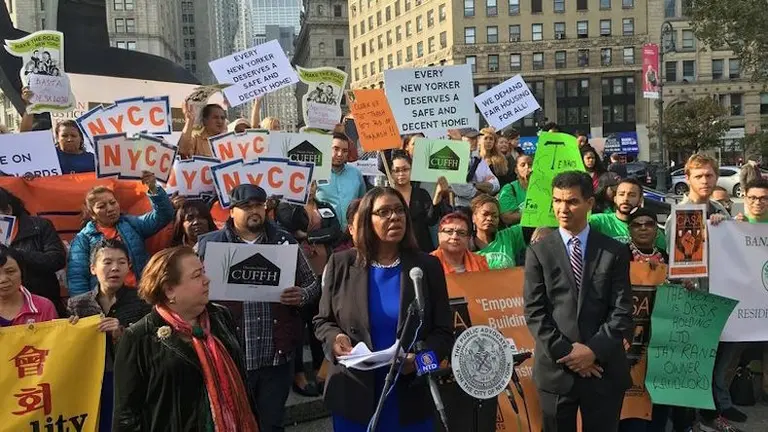
New York City Public Advocate Letitia James released this year's annual "Worst Landlords Watchlist" Thursday at a tenants' rights rally in lower Manhattan. The interactive database lists the top 100 building owners who have racked up the most violations (like rats, roaches and dirty elevators, to name just a few) relative to the number of buildings they own. This data is gathered from the Department of Buildings and Department of Housing. Three of the city's five worst landlords according to the list have been on it for two years in a row. The top three offenders–Harry D. Silverstein, Allan Goldman, and Efstathios Valiotis–own buildings throughout the Bronx, Brooklyn, Manhattan and Queens. Silverstein received 2,032 HPD violations and 50 DOB violations over 575 units in eight buildings.
Find out if your landlord is on the list
October 13, 2016

‘City of Women’ turns the subway map into an homage to the city’s greatest females

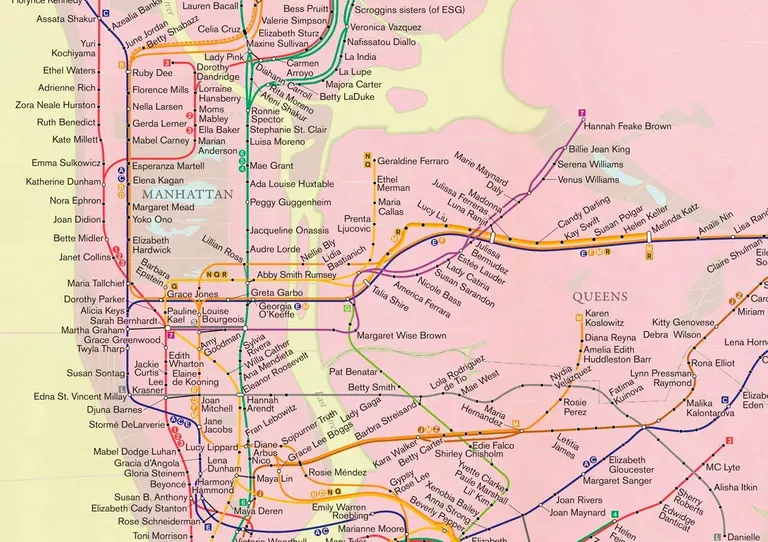
Modern cities are filled with signs that mark history, and that history often bears men's names. In New York City, for example, we have Astor Place, Washington Square, Lincoln Center, Columbus Circle, Rockefeller Center, and Bryant Park, just to name a few. In introducing a new book that addresses this status quo, The New Yorker points out that history-making women, on the other hand, "are anonymous people who changed fathers’ names for husbands’ as they married, who lived in private and were comparatively forgot­ten, with few exceptions," and that their names are notably missing from our streets. In their forthcoming book “Nonstop Metropolis: A New York City Atlas,” Rebecca Solnit and Joshua Jelly-Schapiro offer us a New York City subway map that attempts to set the record right. “City of Women” pays homage "to some of the great and significant women of New York City" in the places they lived and made a difference.
See the full-size map here

October 12, 2016

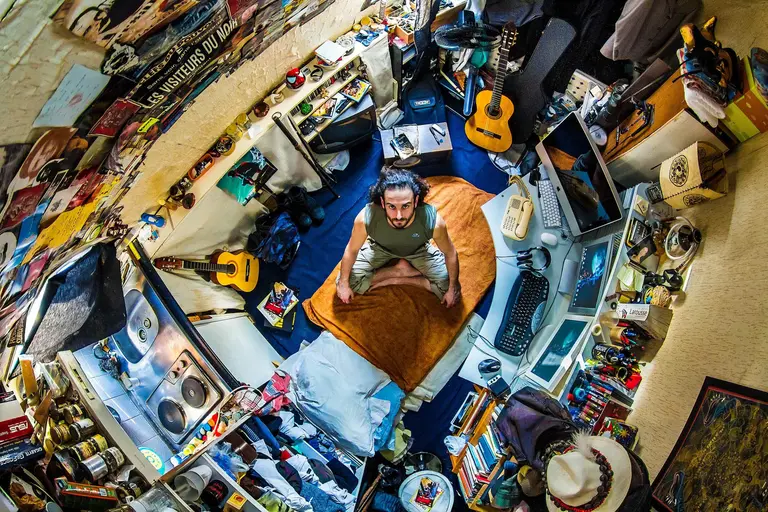
Peek into the rooms of millennials around the world (PHOTOS)

While it's certainly fun to admire listing photos for pristine homes dressed up by famous designers, those images are nowhere near as interesting or insightful as getting a raw, unstaged look at how people really live. In a news series called "My Room Project," French filmmaker and photographer John Thackwray takes us into the private spaces of one of the world's most misunderstood groups: millennials.
inside 21 rooms this way
October 11, 2016

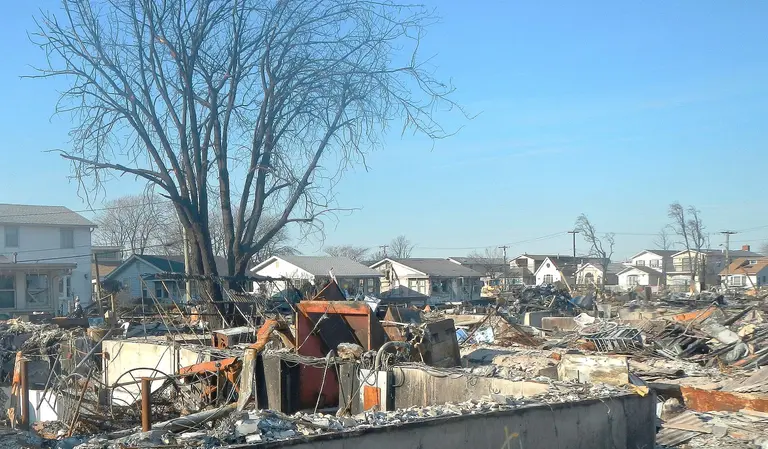
New research says Sandy-like storms could occur in NYC every 20 years by the year 2100

With the fourth anniversary of Hurricane Sandy approaching, many New Yorkers are still reeling from its devastation; in fact, the city recently allocated another $500 million in taxpayer money for repairs due to storm damage. And though this seems grim, a new study from a group of researchers at Princeton and Rutgers universities and the Woods Hole Oceanographic Institution is even more troubling. Based on a storm-related computer simulation of flooding, "Hurricane Sandy’s Flood Frequency Increasing From Year 1800 to 2100" predicts that in a worse-case scenario, by the year 2100, such powerful storms will occur every 20 years, an increase of 17 times the current state, reports Phys.org.
Find out more details
October 11, 2016

Young singles make up 60 percent of lower Manhattan, but they’re spending their cash elsewhere

A report released Monday by the Downtown Alliance shows that the area south of Chambers Street in lower Manhattan is chock full of young New Yorkers with plenty of disposable income; the development advocacy group hopes the news will result in the creation of more options for them to spend it. Crains reports on the survey, which found that 60 percent of apartments in a growing residential sector that includes the Financial District, Battery Park City and the South Street Seaport are home to single tenants and roommates with no children, one of the highest concentrations of young singles–defined as 18- to 44-year-olds, in the city. This spendy demo hits the town every other night on average, blowing about $1,000 a month, adding up to $356 million a year. But according to the report, half of that is spent in other neighborhoods due to a lack of "appealing options" in the area.
Tap a keg, stat
October 7, 2016

Half of all working New Yorkers are foreign born

Immigrants make up half of New York City’s workforce and 70 percent in 37 different occupations, according to a new study, which also found that the city’s working poor tend to be foreign born. The report, released Thursday by the Center for an Urban Future, focuses on the impact that foreign-born workers have on the city’s […]

October 7, 2016

You could squeeze the population of 8 states into NYC’s 5 boroughs

New York City is crowded, but if you needed any more proof that you're being packed into a urban sardine can, just have a look at this map from Metric Maps which ushers out the city's current inhabitants for those elsewhere in the United States. As the illustration reveals, to bring NYC's population from zero back to its mind-boggling 8.5 million, you could pull in the populace of eight different states.
more here