Bayside affordable housing project moves ahead, thanks to NYC’s new charter reforms
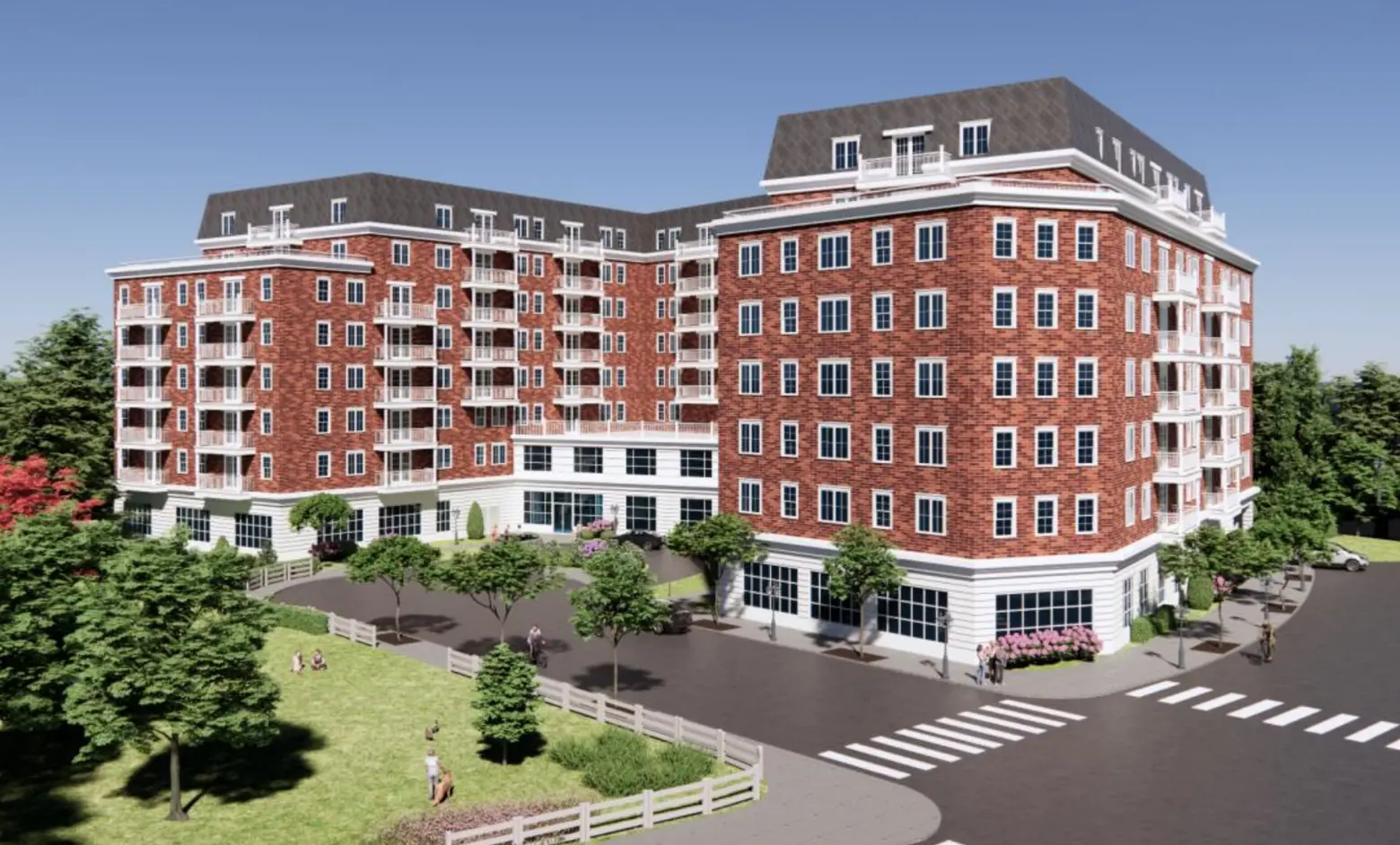
Credit: Department of City Planning
An anti-development New York City council member voted to approve a project in her district Sunday, citing a new ballot measure, supported by New Yorkers in November’s election. Council Member Vickie Paladino, who represents District 19 in northeast Queens, voted to advance a 248-unit, eight-story development at 217-14 24th Avenue in Bayside. While she initially opposed the project, Paladino reversed course because the new measure gives a three-member appeals board, including the mayor, council speaker, and local borough president, to overturn rejections by the council.
The building is planned to deliver 248 apartments, including 55 income-restricted units and 65 long-term care units for senior residents. Local residents also opposed the project, arguing that it was out of scale for the suburban-style neighborhood and lacked sufficient parking. In October, the community voted 31-1 against the proposal.
The appeals board replaces the mayor’s veto at the end of the Uniform Land Use Review Procedure (ULURP) for projects that create affordable housing. The board can overturn Council decisions on certain land-use matters, but only if at least two of its three members agree, as 6sqft previously reported.
Paladino, a staunch opponent of affordable housing development, is the first council member who has blamed the board for forcing her hand. She initially opposed the eight-story building, developed by Apex and Barrone Management on the site of a former country club overlooking Little Neck Bay, but explained in a Facebook video that her opposition alone would no longer be enough to block the project, according to NYS Focus.
The developers initially offered several concessions to win Paladino’s support, including adding more parking than required and reducing the project’s density. They also scrapped a plan to de-map and open a paper road near Bayside Gables, a neighboring waterfront gated community whose residents had testified against the project, according to The Real Deal.
Although the project could have included more units and deeper affordability, the developers selected option two under the city’s Mandatory Inclusionary Housing program, which requires 30 percent of units to be affordable to households earning up to 80 percent of the area median income.
Those concessions influenced Paladino’s decision, as she did not want to lose the leverage they gave her over the project. In the video, she said she did not want to be sidelined in negotiations or see the project handed over to Queens Borough President Donovan Richards, who had previously expressed support.
The council approved the full rezoning for the project without any modifications on Tuesday.
Paladino said she is concerned the development could become more affordable or include transitional housing, even though the appeals board cannot modify the project. She added that she expects to face similar “difficult choices” in the future.
“Since these ballot props passed, my office has been inundated with calls from developers looking to build here,” Paladino said in the video. “Every single empty lot in the district is now up for grabs. And I will not be able to stop much of it.”
For the measure’s supporters, the new policy is achieving its intended goal. Devised by a commission under former Mayor Eric Adams, the rule aims to accelerate affordable housing production while encouraging council members to negotiate rather than vote against projects.
The commission argued that the Council’s policy of “member deference”—which gives the local council member the final say on land-use projects in their district—has worsened the city’s housing crisis, noting that members are often too swayed by neighborhood interests to set policy responsibly for the entire city.
The ballot proposal faced intense opposition leading up to November, including from the Council itself. Under former Speaker Adrienne Adams, the Council argued that the measure would “take away communities’ power to ensure proposed development includes more affordable housing and investments to support the needs of their neighborhoods.”
The reform appears to have support from the Council’s new speaker, Julie Menin, who told reporters during a press conference that she made it clear to Paladino that one of the Council’s top priorities is to “build as much affordable housing in every single neighborhood as possible,” according to The Real Deal.
In an official statement, Annemarie Gray, executive director of Open New York, celebrated Paladino’s approval, saying the charter reforms have “changed the rules of housing in NY.”
“Something unthinkable happened today: Vickie Paladino voted to approve new housing in her district,” Gray said. “Prior to the passage of four pro-housing ballot proposals in November, this never would’ve happened. But these charter reforms have changed the rules of housing in New York, ensuring that every neighborhood does its part to build more housing.”
She added: “By creating a backstop against abuse of member deference, council members are coming to the table to negotiate on, and even approve, housing they wouldn’t have considered last year.”
The measure is one of four charter reforms approved by New Yorkers in November. Another reform, which sped up the city’s ULURP process, shortened the review timeline from seven months to just 90 days.
Last week, a Mott Haven housing development with 80 affordable units became the first project to enter the expedited review process, dubbed ELURP.
RELATED: