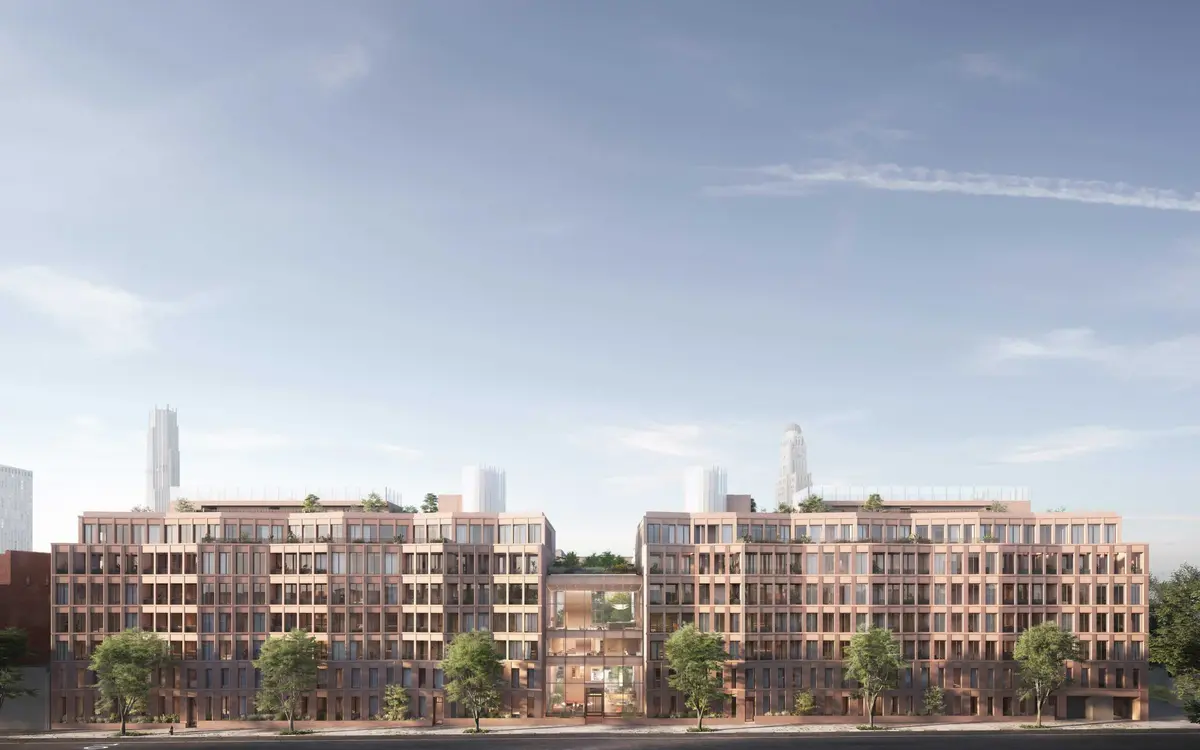
Battery Bikeway reopens with completion of $221M flood-resiliency project
Photos courtesy of BPCA
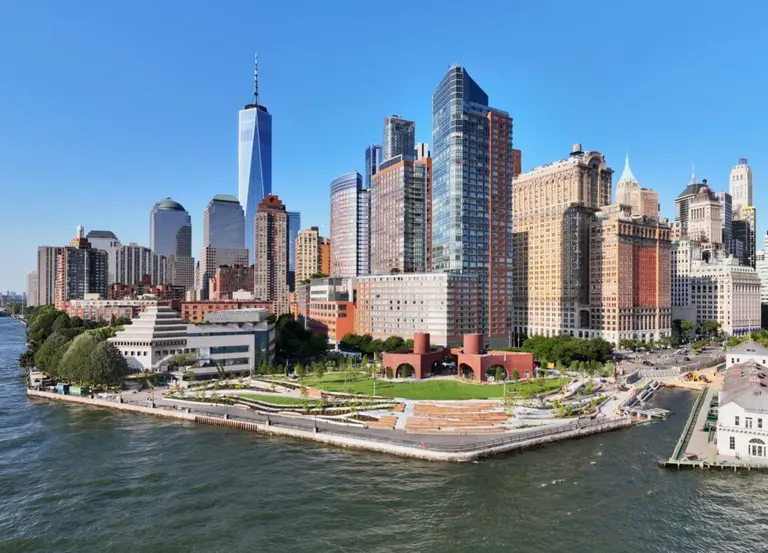
A restored bikeway has reopened in Manhattan’s South Battery Park City, marking the completion of a transformative project that has turned the area into a buffer against rising sea levels and flooding. Unveiled last week, the Battery Bikeway offers cyclists a dedicated pathway with scenic views of New York Harbor as it winds along the borough’s southern tip. The bike path is the final component of the South Battery Park City Resiliency Project (SBPCR), the city’s multi-year effort to prepare Manhattan’s southern edge for rising sea levels and severe storms by elevating the waterfront, improving stormwater management, and more.
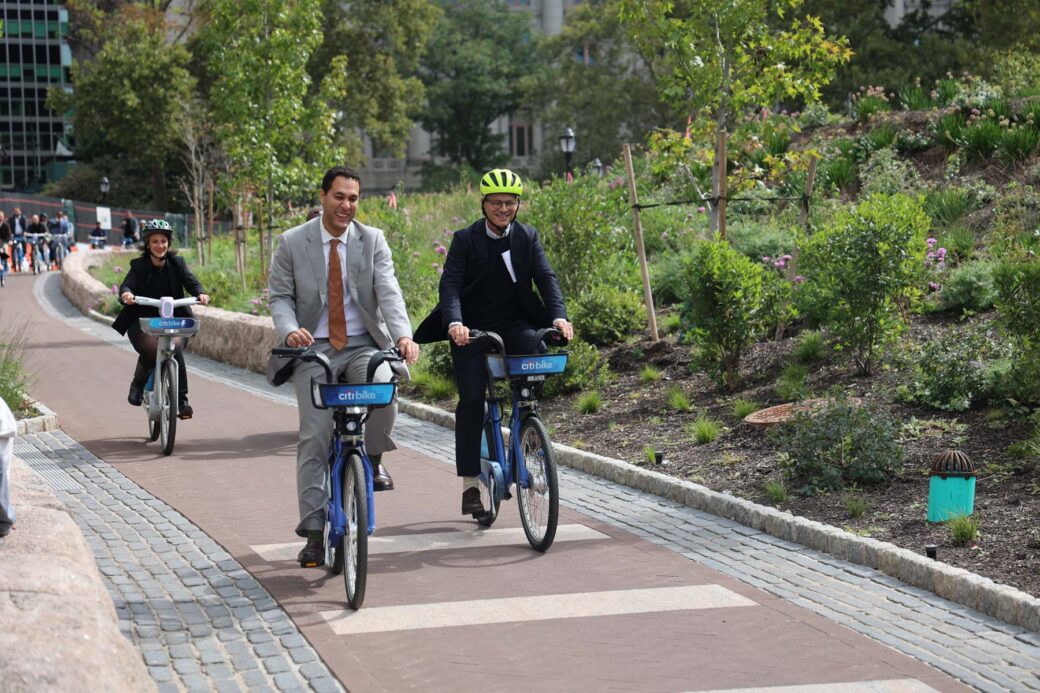
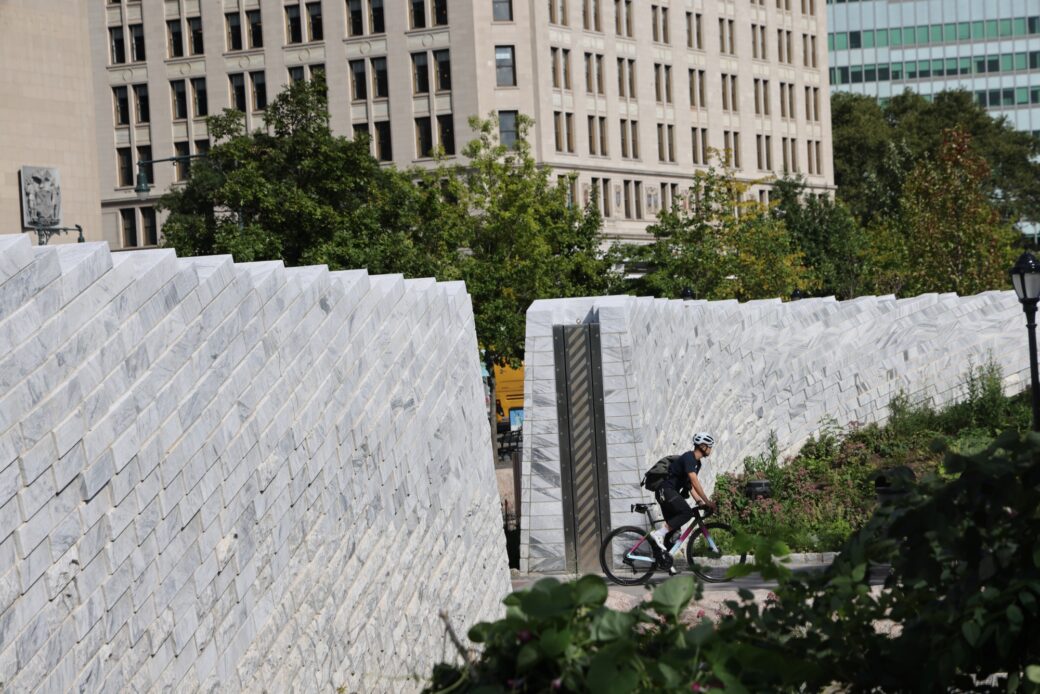
Connecting the Hudson River Greenway to the East River Esplanade, the Battery Bikeway winds through the length of Battery Park City, passing the Museum of Jewish Heritage and Pier A Plaza, running along the historic Battery’s northern border.
It forms part of an uninterrupted 31-mile waterfront bike path around the perimeter of Manhattan, restoring a safe and scenic route for cyclists through an area that is now much better prepared to confront climate change in the coming decades.
The Wagner Park portion of the bikeway has been closed since November 2022, and the Battery section of the bikeway since October 2023.
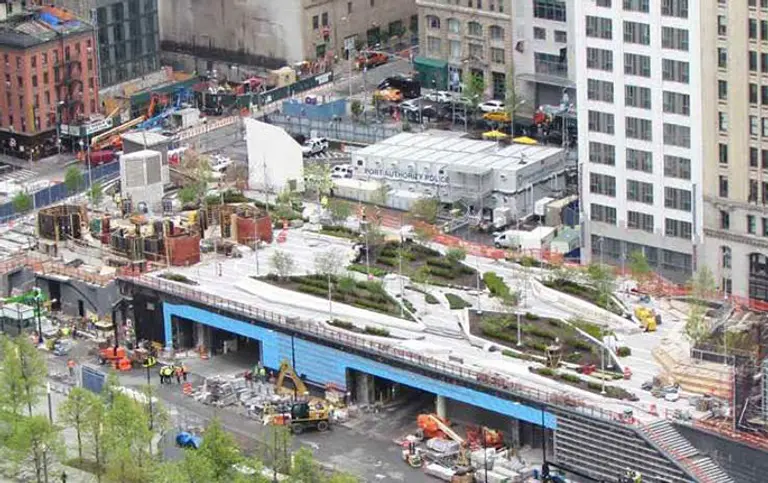
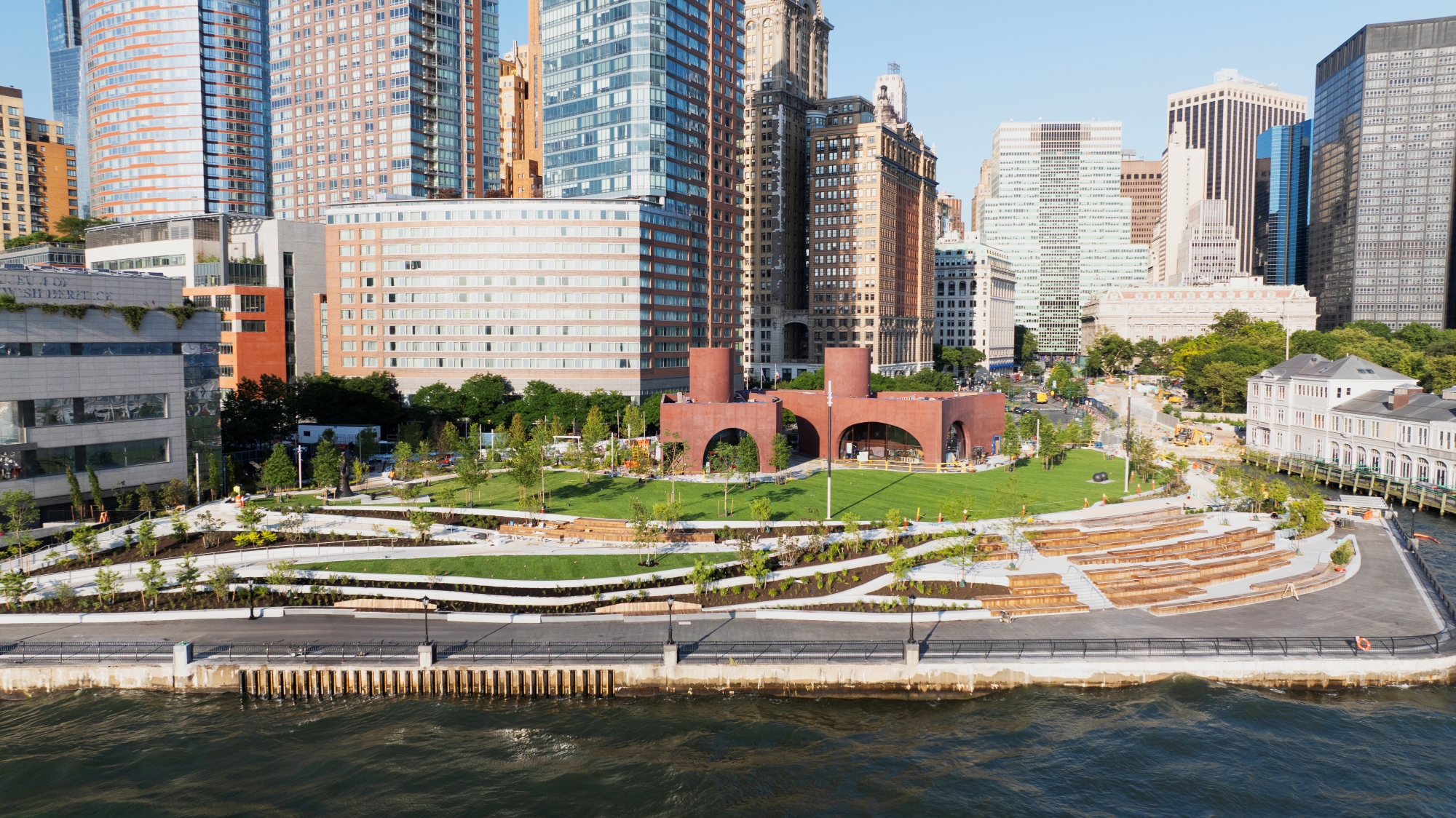
The bikeway complements the new Wagner Park, which reopened in July 2025 following a two-year overhaul that elevated much of the 3.5-acre green space by 10 feet. The redesign conceals a buried floodwall beneath the central lawn, helping protect the park and surrounding area from storm surge.
Other components of the SBPCR include upgrades to street-side security along Battery Place, the installation of a stormwater retention cistern, new landscaping and plaza features, and improvements to the storm drainage system.

“The contours of the Battery are changing to meet the challenges of storm surge and sea-level rise, while preserving the beauty and character of this extraordinary public space,” Paula Recart, president of the Battery Conservancy, said.
“We thank our partners at BPCA for showing that resilience infrastructure can also be beautiful—and we’re thrilled to welcome cyclists back to our uniquely gardened Bikeway connecting Manhattan’s west and east sides.”
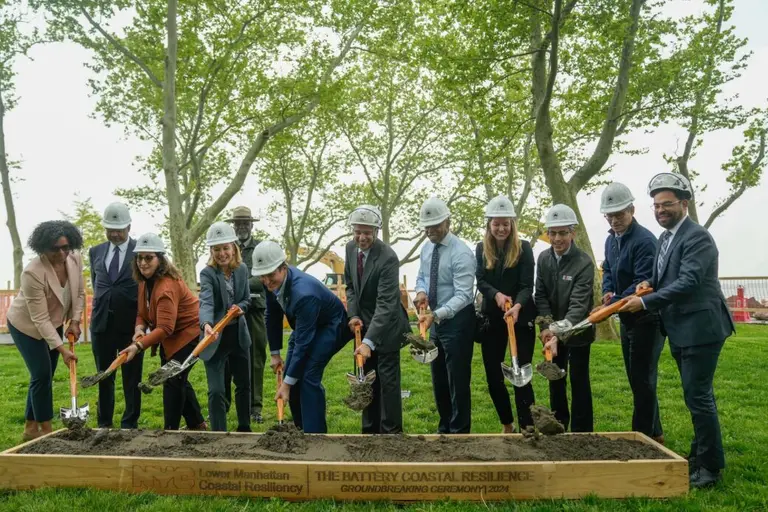
The SBPCR is part of the broader Lower Manhattan Coastal Resilience (LMCR) initiative, which aims to protect Lower Manhattan from future flooding. City officials broke ground on the $200 million Battery Coastal Resiliency project in May 2024.
“The completion of the SBPCR delivers critical flood protection while creating a more vibrant public space for New Yorkers and visitors to enjoy,” Gov. Kathy Hochul said. “As we continue to build a more resilient Lower Manhattan, projects like this will help safeguard our coastline, support quality of life and prepare New York for the future.”
Other components of the Lower Manhattan Coastal Resiliency (LMCR) initiative include the Brooklyn Bridge-Montgomery Coastal Resilience project, which began construction in fall 2022, and the $1.45 billion East Side Coastal Resiliency project, with its first two public areas opened in 2022 and 2023, as 6sqft previously reported.
RELATED: