Astoria’s 31st Street bike lane must be removed, judge rules
Credit: DOT
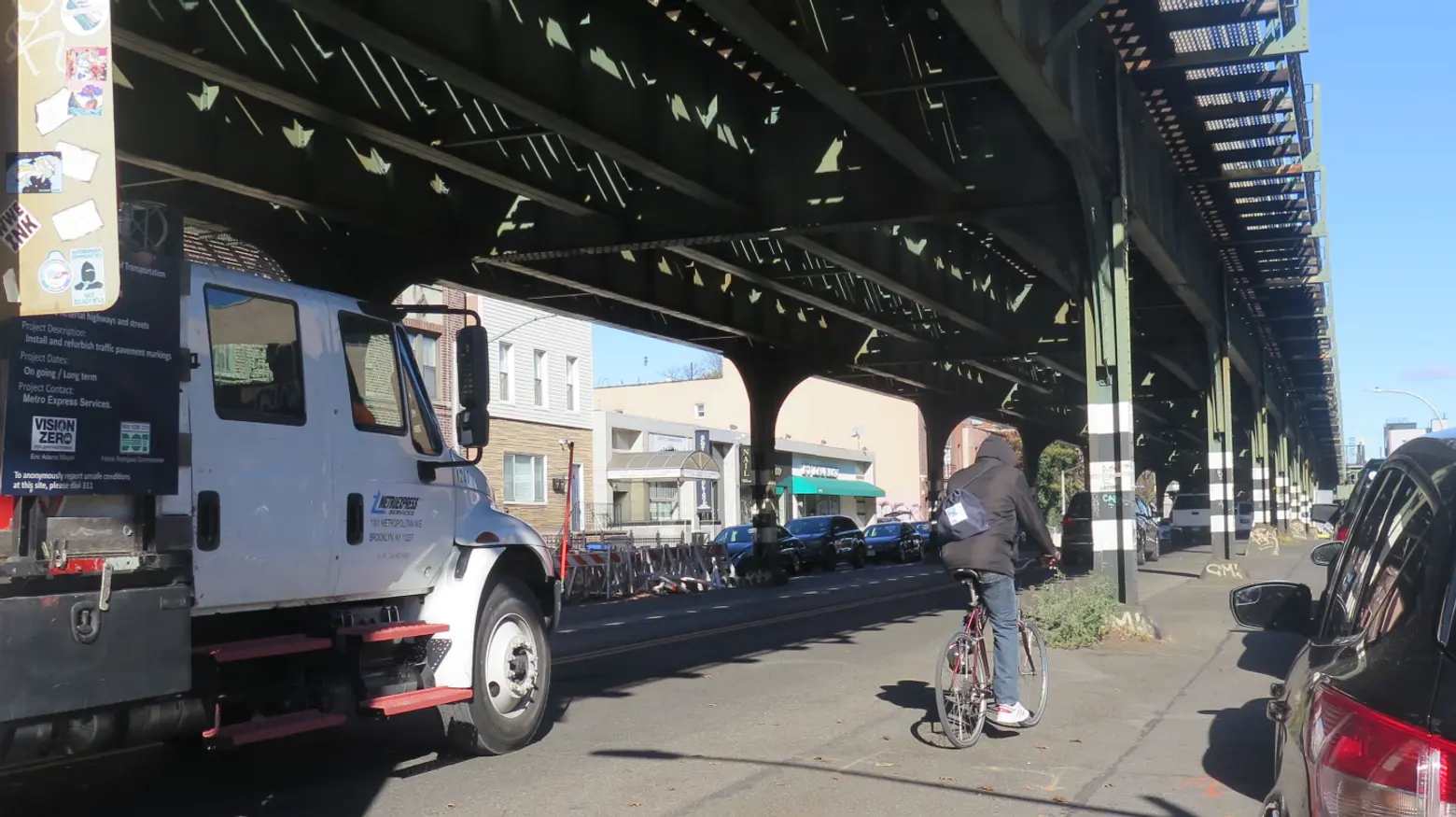
A partially-installed protected bike lane along 31st Street in Astoria must be removed after a Queens judge ruled the city failed to follow proper procedures. In a ruling issued Friday, Judge Cheree Buggs ordered that the corridor be returned to its original state, despite work on the project already being underway. The judge found that the Department of Transportation (DOT) failed to show the project met legal certification requirements for notifying the FDNY, the Department of Small Business Services, and the Mayor’s Office for People with Disabilities. The court sided with local businesses and residents who filed the lawsuit, which argued the bike lane would compromise the safety of cyclists and pedestrians, despite city data suggesting otherwise, as Streetsblog reported.

Issued on the final day permitted by law, the ruling is unprecedented and breaks with long-standing precedent that gives the DOT broad control over street redesigns. Similar lawsuits challenging bike lanes are usually dismissed, with judges siding with the DOT.
DOT installed a protected bike lane on one side of 31st Street between Broadway and 30th Avenue last summer before the lawsuit, but Judge Buggs halted all work on the project. The full plan had called for protected lanes on both sides of the street between 36th and Newtown Avenues.
The suit was filed by a number of opponents, including popular Astoria businesses like Parisi Bakery, Sotto la Luna, and King Souvlaki, who argued that the project would “jeopardize” the safety of cyclists and “increase the likelihood of injuries” to pedestrians. However, city data suggests otherwise, with protected bike lanes consistently resulting in fewer traffic incidents.
According to Streetsblog, a similar redesign of White Plains Road in the Bronx led to a 41 percent drop in injuries to vehicle occupants and a 10 percent decrease in overall traffic injuries.
Part of the city’s “Vision Zero” traffic program, the section of 31st Street ranks among the top 10 percent most dangerous streets in Queens, with roughly 190 injuries, including 12 serious injuries and two deaths, occurring between 2019 and 2024, according to Gothamist.
The plaintiffs also argued that the bike lanes would create “impediments for emergency service workers,” even though emergency vehicles can use bike lanes when needed. Other plaintiffs include St. Demetrios School, a private Greek-American school with roughly 800 students from preschool through 12th grade.
Buggs ruled that the DOT failed to follow required consultation and certification procedures with the Department of Small Business Services and the Mayor’s Office for People with Disabilities. She also found that the agency had not adequately addressed St. Demetrios’ concerns, calling the proposed safety measures—including rumble strips, signage, and stop signs—insufficient.
The judge highlighted warnings from the FDNY, which conducted a field demonstration showing that ladder trucks could not reach upper floors under the redesigned street due to the elevated subway structure. Buggs said the DOT “did not meaningfully reconcile” this issue.
A spokesperson for the city’s Law Department said the agency was reviewing the judge’s ruling, according to Streetsblog.
Earlier this year, a Brooklyn Supreme Court judge approved the DOT’s removal of a protected bike lane along Bedford Avenue in Bed-Stuy after community backlash over cyclist-pedestrian collisions.
RELATED: