Art Deco bricks from original Lincoln Tunnel entrance are for sale
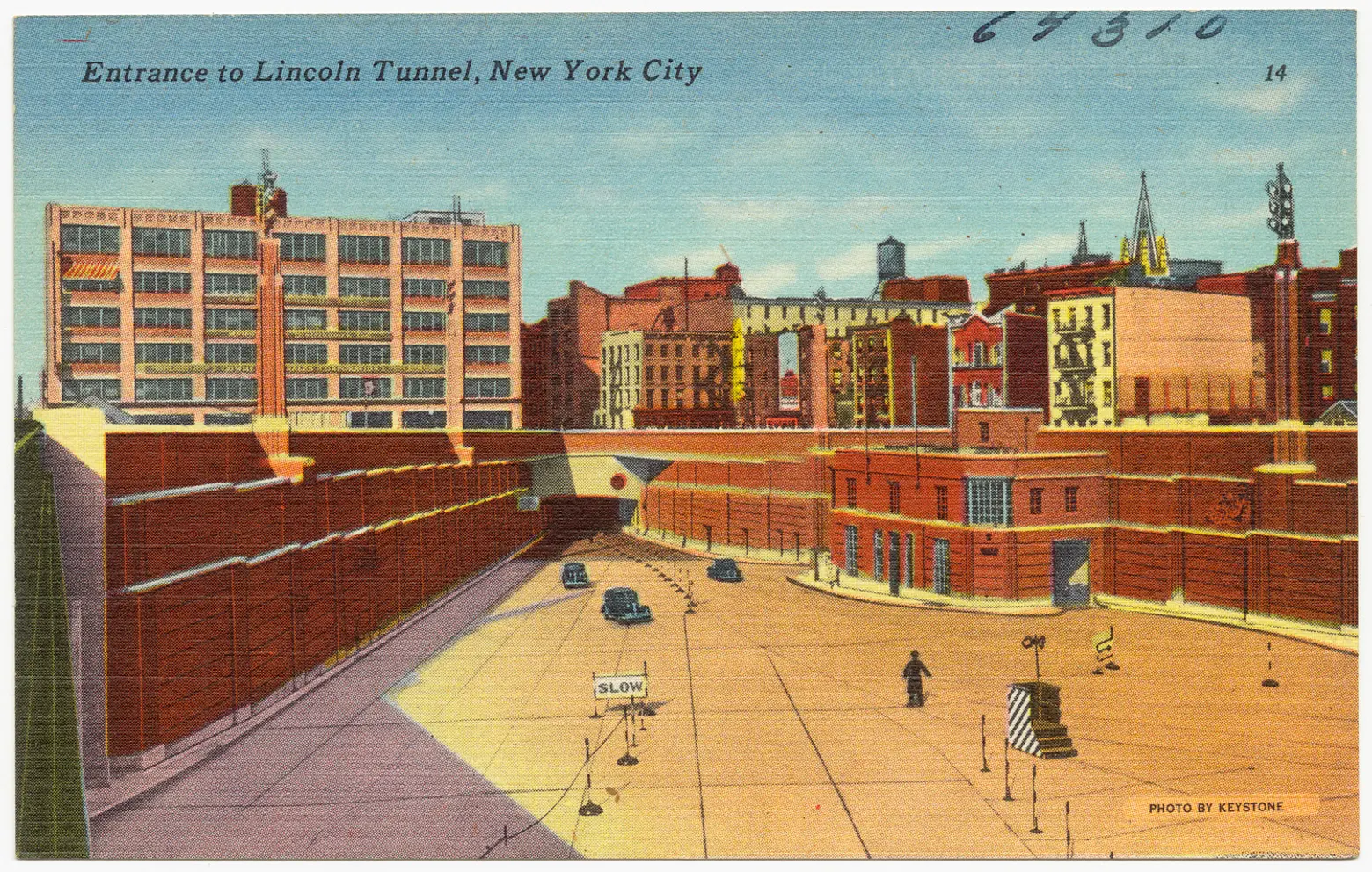
Vintage postcard depicting the entrance to the Lincoln Tunnel in New York City. Via Wikimedia
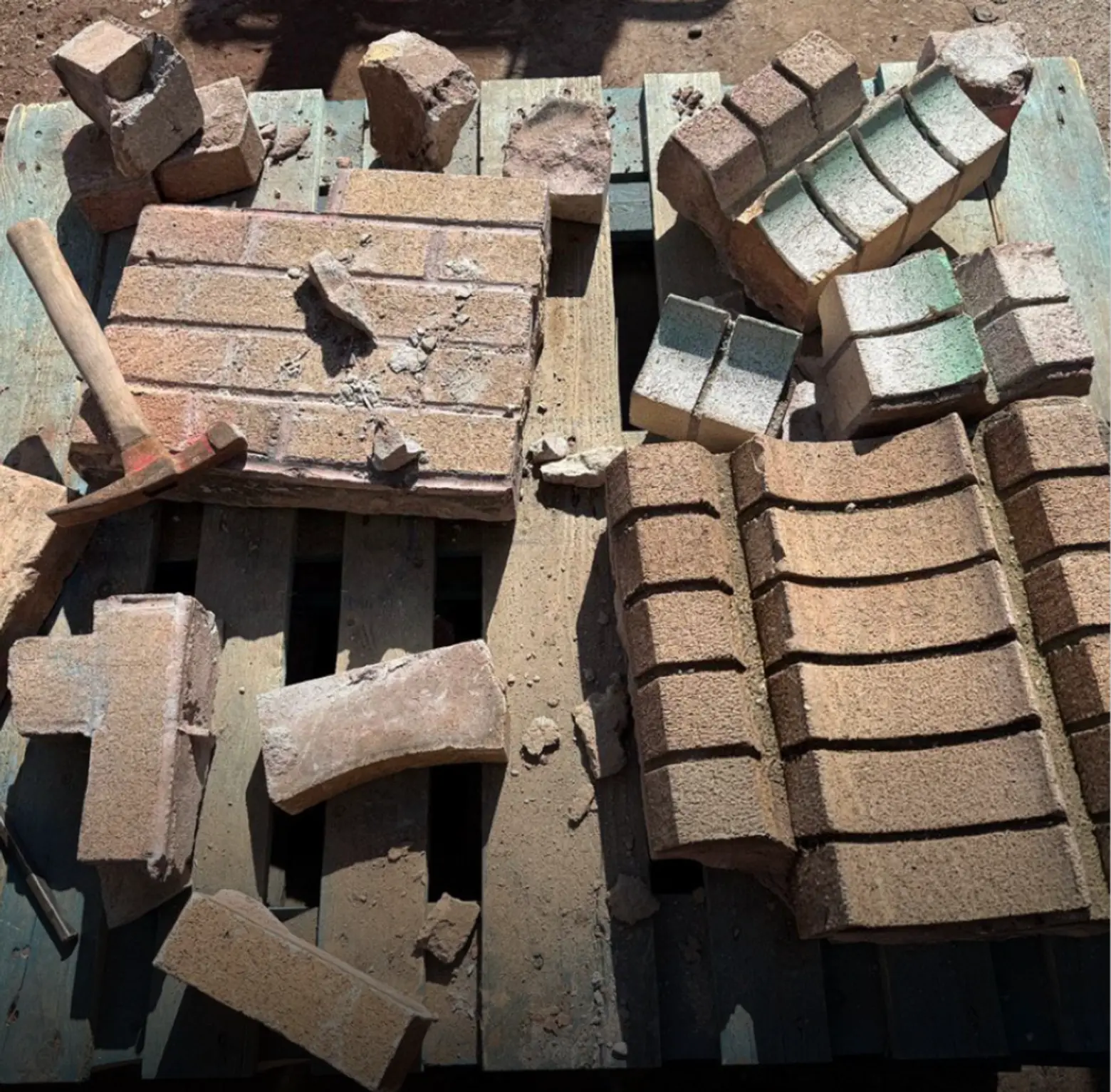
The Port Authority of New York and New Jersey is selling historic Art Deco bricks from the Lincoln Tunnel’s original retaining walls, built between 1937 and 1945, as they are dismantled to make way for the new Midtown Bus Terminal. The distinctive bricks were used in the walls outside the New York approach of the New Jersey-bound north tube and along Dyer Avenue. As part of a broader effort to promote sustainability and reuse, the agency will list the bricks for $2.25 each, allowing New Yorkers and architecture buffs to own a piece of history from the same era that produced the Empire State Building, Radio City Music Hall, and other Art Deco landmarks.
The bricks are being removed as part of the Midtown Bus Terminal project. During the first phase of the $10 billion transit hub redevelopment, a new 50,000-square-foot ramp structure is being built to connect directly to and from the Lincoln Tunnel, requiring the disassembly of the existing retaining walls.
Rather than send the bricks to be crushed and disposed of in landfills, the Port Authority hopes to put them “back to work.” The agency says the bricks deserve to be preserved for their historical value, with their distinctive vertical bands and stylized columns offering a glimpse into the golden age of Deco architecture.
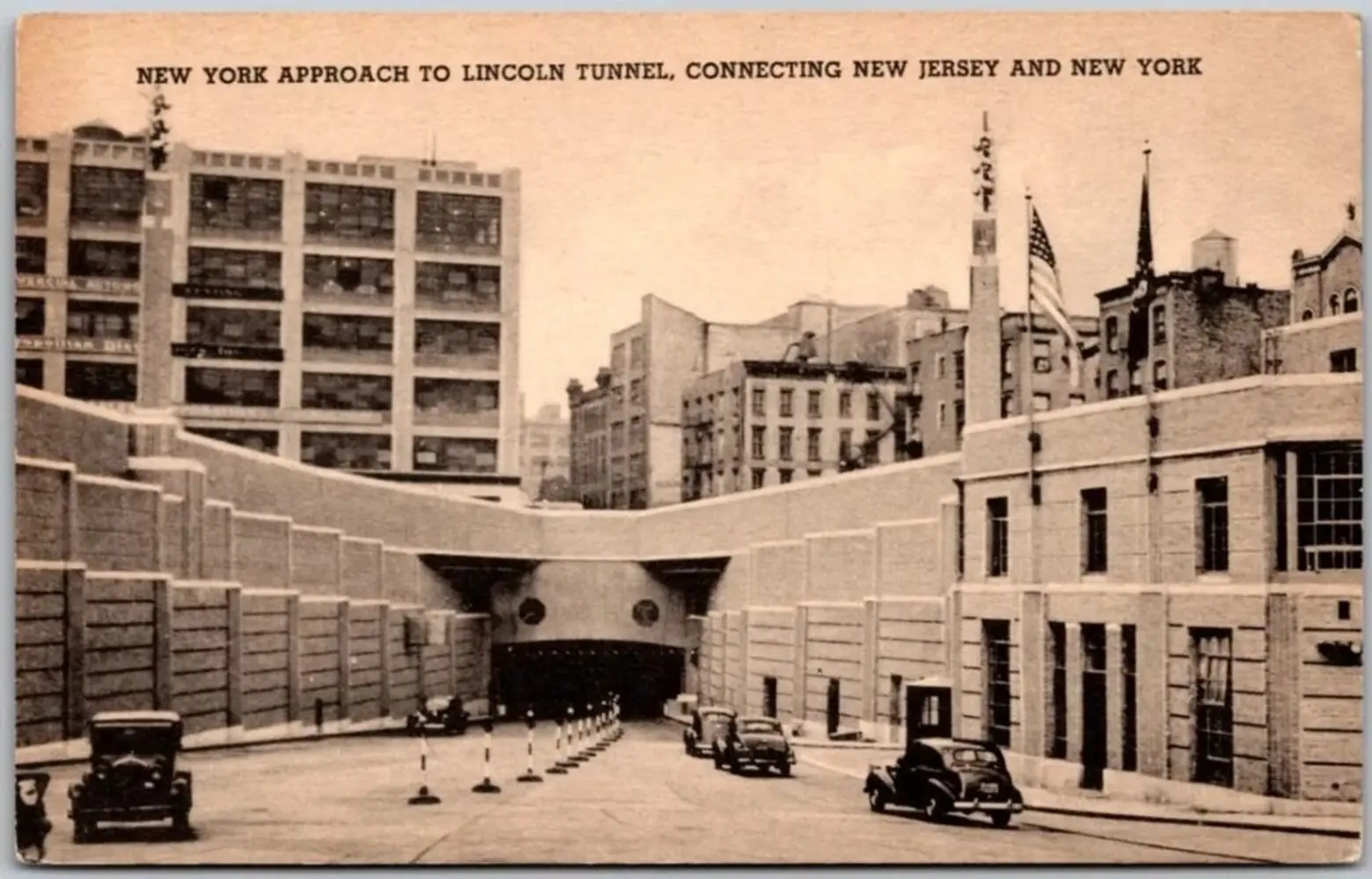
The bricks were designed by an architectural team led by Aymar Embury II, who served as consulting architect to the former Port of New York Authority before collaborating with Robert Moses on the design of hundreds of projects across the five boroughs, including bridges, parks, and college campuses.
According to Orbit, an online marketplace that sells salvaged construction materials, the retaining walls were “patterned with vertical, recessed brick bands with concave ridges and capped with concrete coping.”
Sustainability is also a key motivation behind the preservation effort. The initiative addresses embodied carbon, or the emissions generated throughout the lifecycle of building materials such as steel, concrete, and brick, from production through installation and disposal. Reusing existing materials instead can significantly reduce the environmental cost associated with new construction.
According to the Authority, this approach is known as the “circular economy” model in the construction industry, which the agency is looking to explore for future projects.
The initiative is serving as a test of the circular economy concept, with support from the Transit Tech Lab, a public-private partnership between the Partnership Fund for New York City and regional transit agencies.
With help from Chief Bricks, a specialist in salvaged materials, and Orbit, a web-based marketplace for recirculating construction materials, the agency is recovering as many bricks as possible. The bricks are cleaned, stripped of mortar, and resold.
The Authority is also preserving some bricks for future repairs to the remaining tunnel walls. The rest are being sold to businesses, organizations, and individuals across the region through Orbit, here.
RELATED: