NYC to speed up housing court cases for tenants facing worst conditions
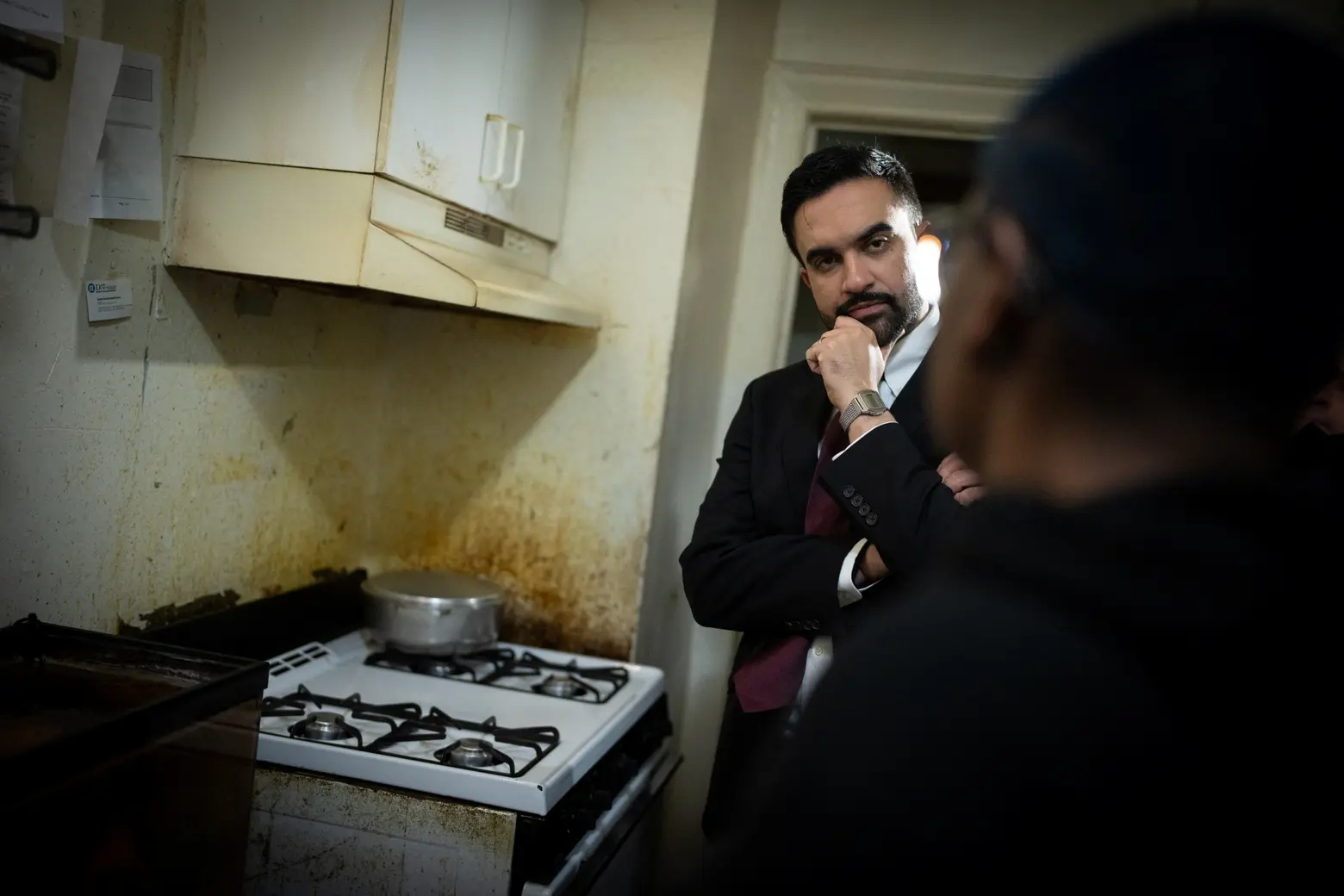
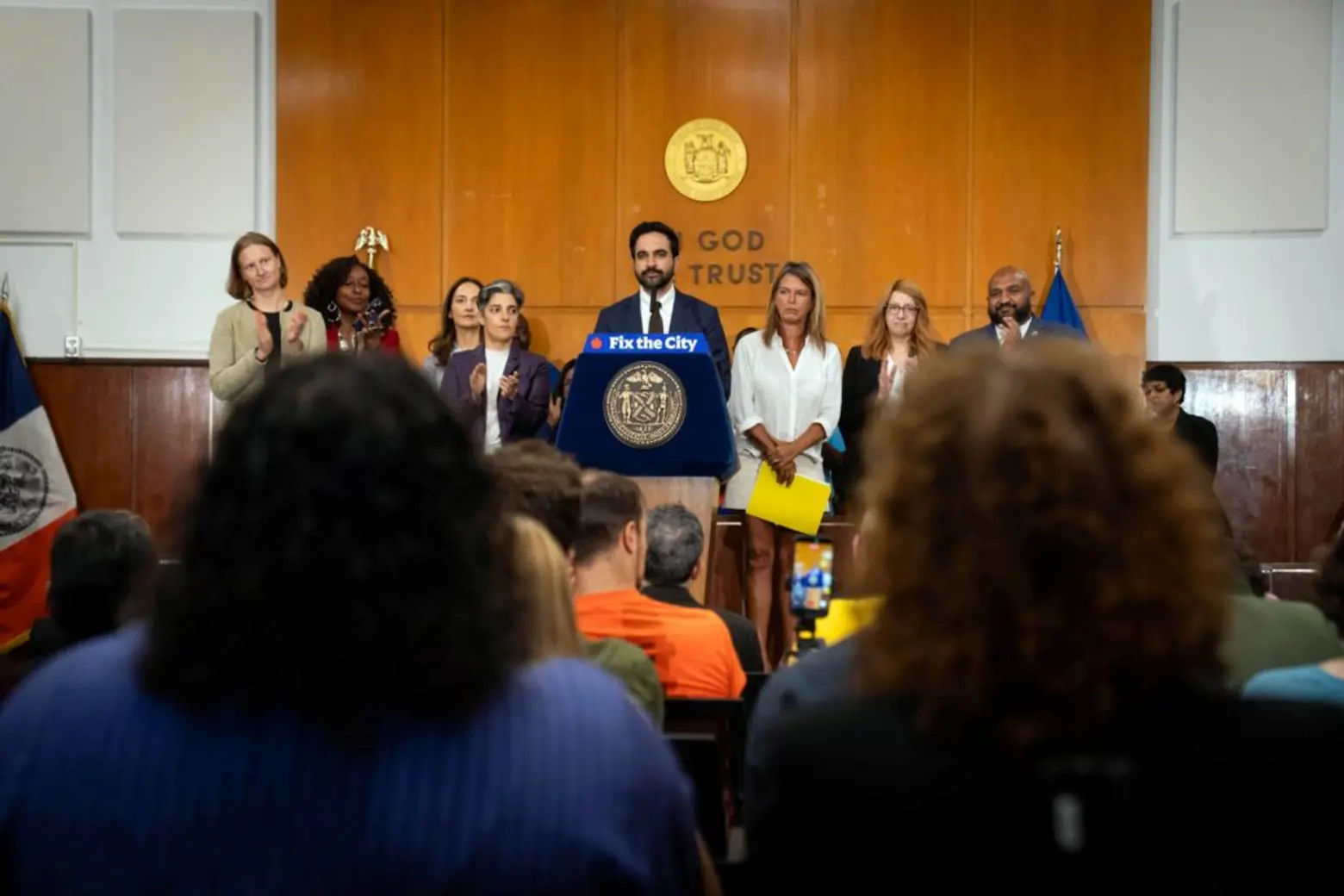
Some of the most serious cases of landlord neglect will be “fast-tracked” under a new city directive instituted this week. Mayor Zohran Mamdani on Tuesday announced the policy, which will allow housing court judges to expedite cases involving vacate orders, critically hazardous building conditions, elevator outages, and proceedings in which the city or tenants seek the appointment of a third-party building manager amid landlord neglect. These cases will be assigned to a judge on the same day they are filed, and once landlords are notified, they will be required to appear in court within five days.
In New York City, housing court cases are known to drag on for months or even years, preventing tenants from returning home after disasters and forcing them to live in hazardous conditions caused by landlord neglect.
In April, Mamdani became the first sitting NYC mayor to visit an operating housing court. He is also investing $14.3 million in fiscal year 2027 and $40 million annually in tenant protections thereafter, including an expansion of the right to counsel.
His administration also recently released the “Rental Rip-Off Report,” an analysis of common concerns among NYC tenants that outlines 23 policy changes aimed at strengthening tenant protections, improving housing quality, targeting negligent landlords, and curbing hazardous conditions and deceptive practices.
A campaign launched late last month seeks to connect tenants living in buildings with housing code violations to resources and information on organizing for better living conditions.
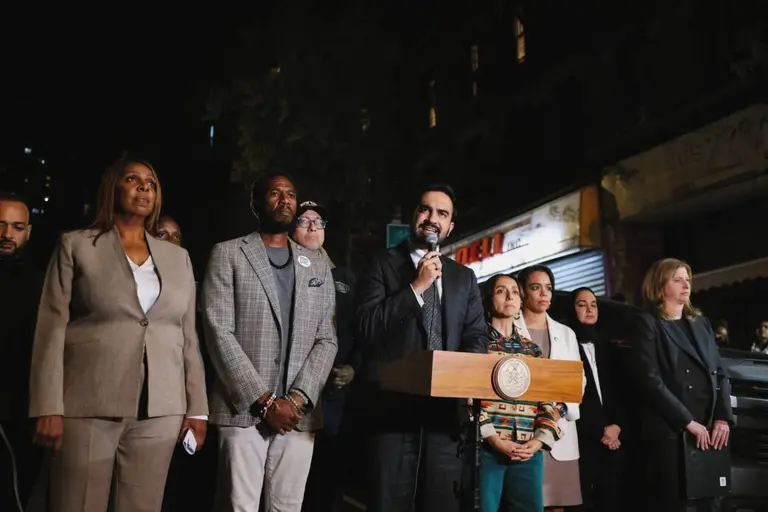
“New Yorkers deserve a government that treats the housing crisis with the urgency it demands. When a building is dangerous, when an elevator is out or when a landlord has abandoned their responsibility to provide a safe home, tenants should not have to wait months or years for relief,” Mamdani said.
“This new fast track will help make sure our Housing Court moves with the same urgency as the emergencies New Yorkers are facing,” he added. “This is a victory for tenants, legal services providers and everyone fighting for housing justice across our five boroughs.”
The directive applies to “Housing Part” (HP) cases that include a vacate order affecting one-third or more of the apartments in a building or the entire building; an open, immediately hazardous HPD Class C violation involving a lack of essential services, such as heat, hot water, electricity, or gas, in one-third or more of the apartments or the entire building; and cases in which all elevators in a building or building section are out of service.
Additionally, Article 7A proceedings in which the city or tenants seek the appointment of a third-party building manager at properties with open, immediately hazardous Class C violations from the Department of Housing Preservation and Development (HPD) or Class 1 violations from the Department of Buildings would also qualify.
To support the new process, the Unified Court System is expanding the number of judges who can be assigned to HP and Article 7A cases.
While the directive currently applies only to private renters, HPD Commissioner Dina Levy said at a press conference that the administration is considering allowing NYC Housing Authority (NYCHA) tenants to use the new legal path as well, according to Crain’s.
The proposal came from a meeting between tenant attorneys and Levy. Early on in the role, attorneys told Levy the biggest barrier to holding the city’s worst landlords accountable was the drawn-out and arduous court process linked to these types of housing court cases.
“For tenants living with dangerous conditions, every day matters,” Darius Khalil Gordon, executive director of Met Council on Housing, said. “A broken heating system, gas outage or elevator that stays out of service isn’t just an inconvenience, and tenants should not have to spend weeks waiting for the court system to respond.”
“Giving organized buildings a faster path to enforcement is an important step toward making tenant organizing translate into real, immediate power,” he added.
Landlords have also advocated for an expedited process for housing cases, although for a different purpose. The majority of housing court cases are filed by landlords seeking unpaid rent or attempting to evict residents. NYC landlords filed more than 116,000 eviction cases over the past year, according to Gothamist.
Property owner advocacy groups have long argued that eviction proceedings can drag on for years, leading to compounding rent arrears and depleted revenue.
Some have sued the state’s court system in an effort to expedite those cases, and now, some are questioning why the Mamdani administration has focused its attention on tenants rather than landlords, whom they see as most affected by the convoluted court process.
In an official statement, Ann Korchak, board president of the Small Property Owners of New York, called the directive another “anti-landlord” policy in the same vein as the rent freeze.
“Like Mamdani’s rental rip-off hearings and the rest of his housing agenda, this is another one-sided, anti-landlord policy,” she said. “Mamdani is completely ignorant of the fact that small building owners fall behind in repairs and maintenance not because of neglect, but because non-payment eviction proceedings drag out in court for months, and even years, all while tenants are living rent-free and, in most cases, never pay the thousands of dollars in back rent.
“Mamdani should be working with the Housing Courts to fast-track non-payment cases,” she added. “Instead of taking months and years, non-payment cases should take weeks, at most, to connect tenants with one-shot deals and other rent subsidy programs so that small owners receive the revenue they desperately need to make repairs and maintain their buildings.”
A similar conflict has unfolded between tenants and landlords over the city’s rent-stabilized apartments and the historic rent freeze enacted by the Mamdani administration in June, which froze rents on one- and two-year leases at the city’s roughly one million stabilized units.
That action has since been challenged in court, with a coalition of NYC landlords suing the RGB, which oversees rent increases, last month to stop the freeze. They claim that the board manipulated data to overstate property income for owners and that a freeze would cut into their revenue, making it harder to afford repairs and address tenants’ complaints.
On Friday, a judge ordered the case to be moved from Staten Island to Manhattan, a win for the city, which expects a friendlier audience as it argues that the rent freeze was properly administered, according to The Real Deal.
RELATED: