Mamdani’s ‘rental rip-off’ report outlines 23 actions to address tenant concerns
Credit: Mike Petrucci on Unsplash
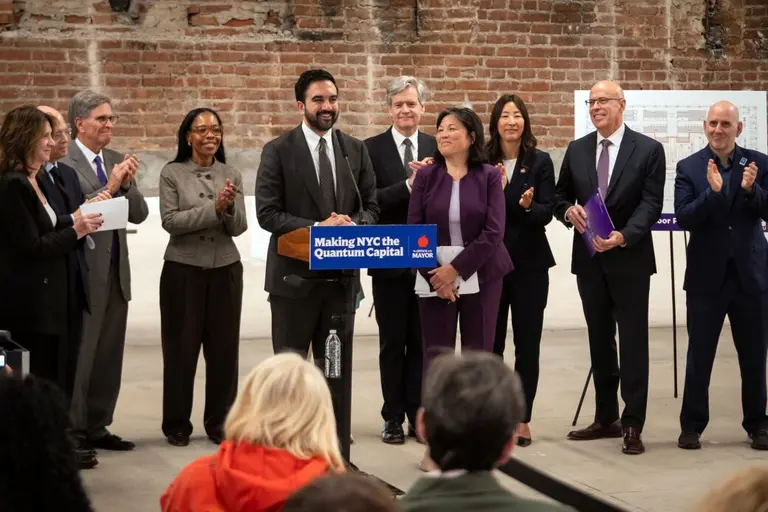
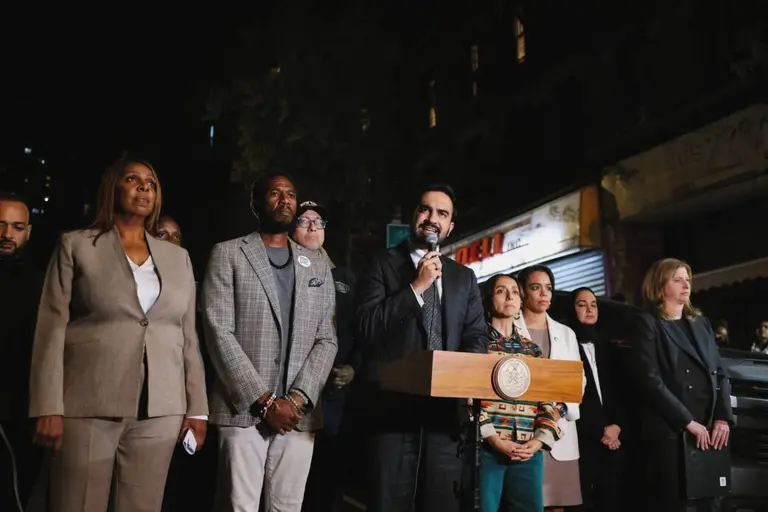
New York City tenants have spoken. Mayor Zohran Mamdani on Thursday released a new report shaped by testimony from thousands of renters who shared their experiences during the “Rental Rip-Off” hearings held across the five boroughs. The 68-page report outlines 23 policy changes aimed at strengthening tenant protections, improving housing quality, and targeting negligent landlords while curbing hazardous conditions and deceptive practices.
“At Rental Ripoff Hearings across the five boroughs, we heard from thousands of New Yorkers living with mold that was never treated, pests that were never addressed and fees that were never explained,” Mamdani said. “Listening was only the first step. This report turns those stories into concrete action.”
“From requiring disclosure of AI-altered listings to bringing our code enforcement systems into the 21st century and finally recognizing tenant unions, we are making it clear that every New Yorker deserves a safe home—and every landlord who refuses to provide one will be held accountable,” he added.
Mamdani established the hearings during his first week in office through the signing of Executive Order 8. Between February and April, the administration held one hearing in each borough and collected online testimony from more than 2,400 New Yorkers.
Within 90 days of the final hearing, held on April 7, the city’s Departments of Housing Preservation and Development, Buildings, and Consumer and Worker Protection, along with the Office to Protect Tenants and Mass Engagement, were ordered to submit a joint summary and report to the mayor with common themes and issues addressed during the hearings.
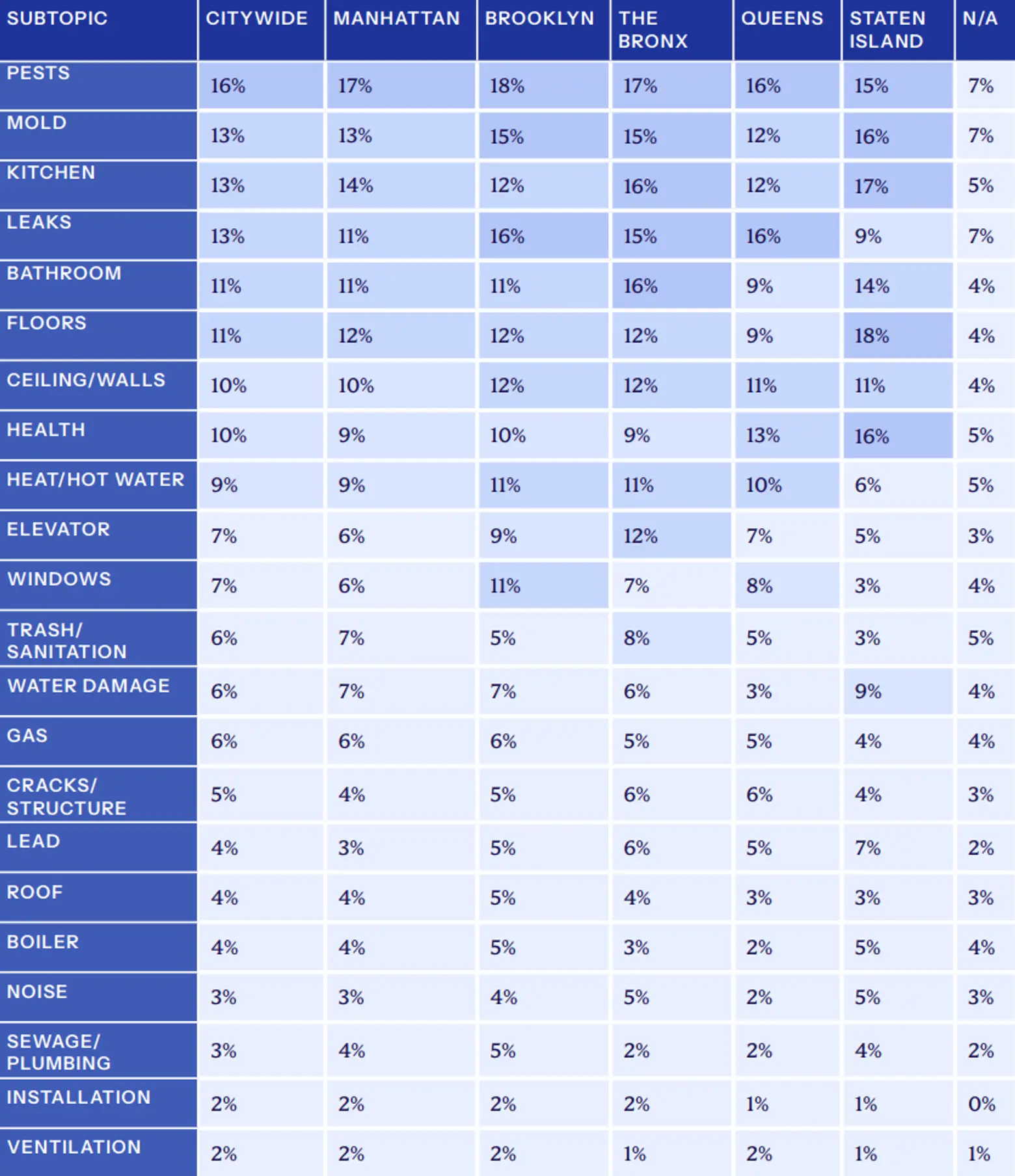
The report identifies the most prevalent concerns raised by tenants. Sixteen percent of the testimony cited pests, while 13 percent mentioned mold, and another 13 percent cited leaks. Another 13 percent referenced kitchen issues, while 11 percent spoke about problems with bathrooms and flooring.
Tenants also described a general feeling of powerlessness amid an “uneven power dynamic” between themselves and their landlords. This imbalance can make it difficult for tenants to negotiate rent increases and address harassment from property owners and maintenance staff, another key theme raised during the hearings.
Public testimony repeatedly described landlords ignoring maintenance requests, while management companies and building superintendents were often difficult to reach or unresponsive.
Even when issues were addressed, tenants said repairs were frequently inadequate, leaving problems unresolved. When tenants called 311 to file complaints or organized with neighbors, some reported facing intimidation from property owners.
Immigrant residents described heightened fears of retaliation, with some citing cases of landlords threatening to contact federal immigration authorities after tenants filed complaints.
Another concern raised during the hearings was the ability of landlords to certify that repairs have been completed without proving to the city that violations have actually been remedied. Tenants advocated for easier ways to report false certifications and ensure conditions are fully addressed before violations are cleared.
Tenants also reported chronic heat and hot water problems, forcing some to rely on hazardous devices like space heaters to stay warm and driving up their energy bills. Seven percent of testimony cited broken elevators, which severely restricted mobility for elderly residents, parents with small children, and people with mobility disabilities.
Other issues cited by tenants included lengthy and confusing housing court processes, a lack of clarity around tenant rights and how to form tenant associations, insufficient urgency from the city in addressing housing issues, and a range of deceptive fees and unexpected utility bills.
The Mamdani administration said that it will use every tool at its disposal to address these concerns, including executive action, agency rulemaking, legislation, and litigation.
Examples of actions include investigating every heat complaint individually rather than grouping complaints from the same building, allowing tenants to schedule certain building inspections, improving response times to elevator outage complaints, streamlining public information about tenant rights, and strengthening protections against harassment based on immigration status.
The Mayor’s Office to Protect Tenants will also establish a legislative task force to recommend reforms to the city’s housing quality enforcement system.
Potential reforms under consideration include adding financial penalties for landlords who fail to address mold, strengthening the city’s Alternative Enforcement Program to better tackle chronic building violations, modernizing the property registration process, and allowing HPD to serve building owners with violations through digital notices.
While tenant advocates celebrated the hearings and the release of the report, some landlord representatives criticized the process, calling the hearings a “rigged political show” that unfairly targeted small property owners while ignoring the effects of the mayor’s two-year rent freeze, approved last month, on rent-stabilized buildings.
“The Rental Ripoff Hearings was a rigged political show designed to attack small owners while ignoring the damage being done to rent-stabilized buildings,” Ann Korchak, board president of Small Property Owners of New York, said.
“The message is clear: the administration does not see small owners as partners. It wants to weaken us, drive us into financial distress, and force private rent-stabilized housing into government-controlled, socialized housing,” she added.
Over the next three years, the Mayor’s Office to Protect Tenants (MOPT) will launch and implement many of the initiatives outlined in the report. Some efforts, including changes to how heat complaints are investigated, will begin soon, while others will enter planning phases this year before launching in 2027 or as pilot programs.
Additionally, some changes will require partnerships with the City Council, including updates to the city’s Housing Maintenance Code. The process will begin with the launch of the MOPT Legislative Task Force this fall, which will consist of Council Members, tenant advocates, and other stakeholders.
RELATED: