History

June 10, 2015

Trolley Map from the 1930s Shows How Easy It Was to Get Around Brooklyn

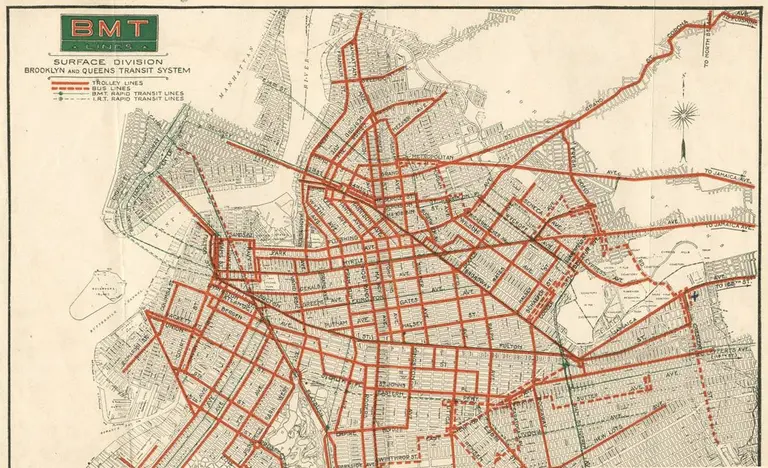
Long before there was a subway packed full of angry crowds and unidentifiable organisms, New Yorkers in Brooklyn enjoyed above-ground commutes serviced by a streetcar system. This map posted recently by a Redditor is a blast from the past, showing just how complete and comprehensive this network was. In fact, by 1930, nearly 1,800 trolleys were traveling along the streets of BK from Greenpoint to Gowanus to Bay Ridge and beyond. Though the system proved to be profitable (yes, NYC once ran a transit system that actually made them money), the streetcars were eventually forced out of the city by none other than the auto industry.
find out more and see the complete map here
June 5, 2015

New Yorker Spotlight: Michael Schneider on Telling Tales of Immigration on Ellis Island Using Technology

Modern-day storytelling ranges from the age-old tradition of oration to the modern take of 140 characters. But what happens when the story is a mix of old and new and is intended for an audience that ranges from elementary school students to centenarians? That's where ESI Design, a firm dedicated to enriching the human experience, steps in. ESI was founded in 1977 by Edwin Schlossberg. Their unique focus on melding traditional techniques with modern technology made them the perfect fit to design the recently launched Peopling of America Center at the Ellis Island National Museum of Immigration. The center–conceived with the vision and support of the Statue of Liberty – Ellis Island Foundation and its president Stephen Briganti and the National Parks Service–highlights journeys undertaken before Ellis Island opened in 1892 with "Journeys: The Peopling of America - 1550s-1890," which opened in 2011. On May 20th, another wing called "The Journey: New Eras of Immigration" opened to give visitors the chance to look at immigration that took place after Ellis Island closed in 1954. One of the visionaries at ESI is senior designer of media and technology Michael Schneider. For the Peopling of America Center, he was responsible for figuring out which of the available technologies worked best for the new exhibits and their audience. We recently spoke with Michael to learn how ESI approaches storytelling and, specifically, how the firm designed the galleries for the Peopling of America Center.
Read our interview with Michael here
June 5, 2015

QUIZ: Play 6sqft Trivia to Test Your Knowledge of NYC History, Architecture, and Real Estate

On Tuesday, 6sqft celebrated its first birthday with a party attended by some of our biggest supporters and readers. The evening included an intense three-round game of trivia, where our guests tested their knowledge of New York City history, architecture and real estate. Some of the questions stumped all ten teams, while others turned out to be well-known factoids. Didn't make it to the party? We've created an online version of our trivia game just for you. No Googling allowed!
TAKE THE QUIZ
June 1, 2015

VIDEO: Driving Around NYC in the 1920s Was a Dangerous Task

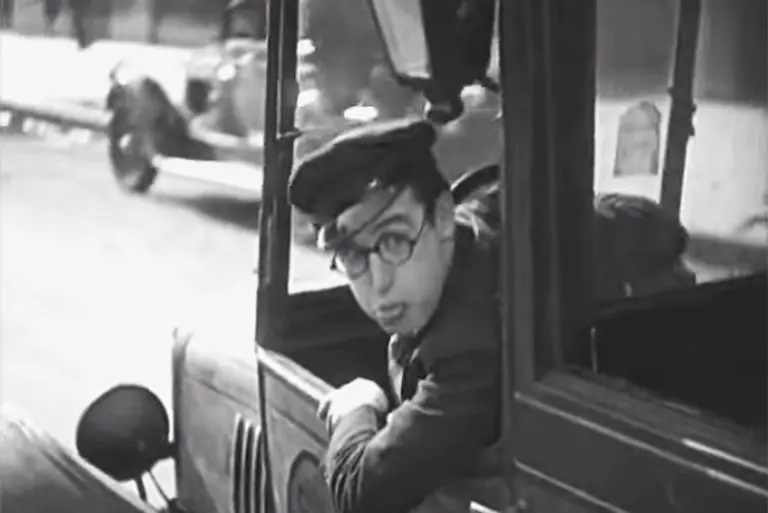
I didn't. It's a gift. Next time you're holding on for dear life in the back of a taxi, watch a few seconds of this video and you'll likely feel a bit better about your fate. In this 1928 parody of what bad drivers New Yorkers are (some things never change), actor Harold Lloyd, famous for his silent comedy films, assumes the role of a city cab driver who takes passengers on a bumpy ride, dodging street-level trains and weaving in and out of traffic. We then see that the alternative modes of transportation, horse and carriage or bus, are just as dangerous.
Watch the full video here
May 27, 2015

Shhhhh…Secrets of Your Favorite NYC Landmarks

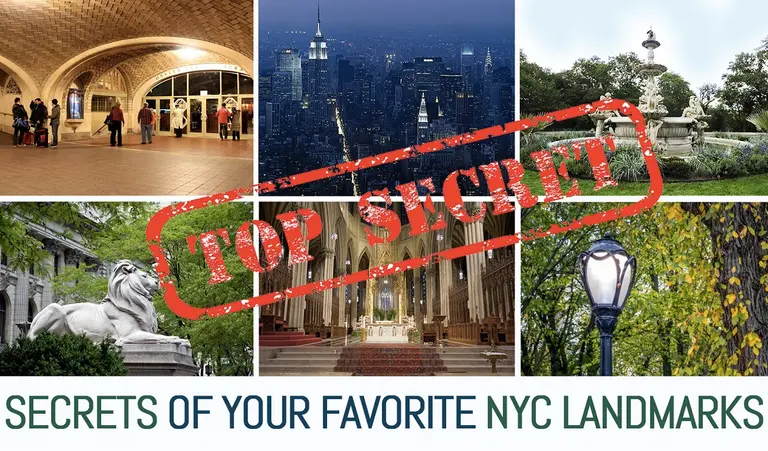
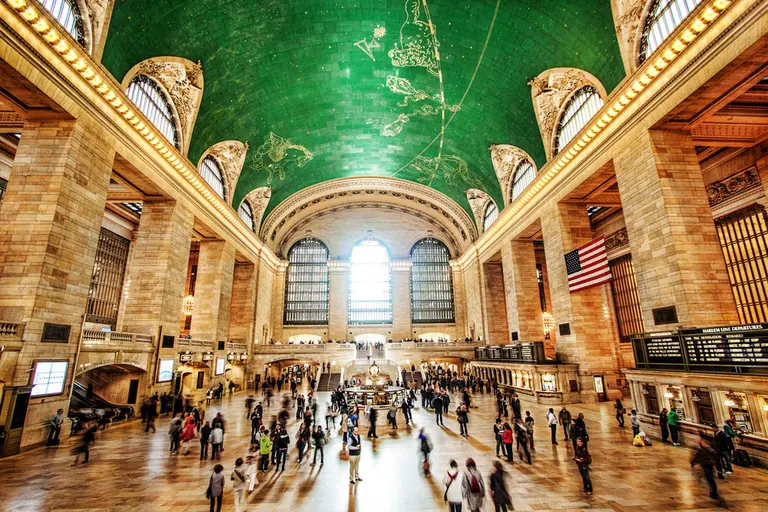
Sure, pretty much everyone living in New York City is familiar with Grand Central Station, Central Park and some of our other more notable landmarks, but these well-known locations still hold secrets that even born-and-bred New Yorkers may be surprised to learn. We’ve gathered together just a few to get you started, but in a city this size, with a history this long, there are many more that await your discovery. How many of these secrets were you aware of?
Find out all about these hidden gems here
May 22, 2015

New York Public Library Releases Interactive Map of Its 80,000 Historic Photos

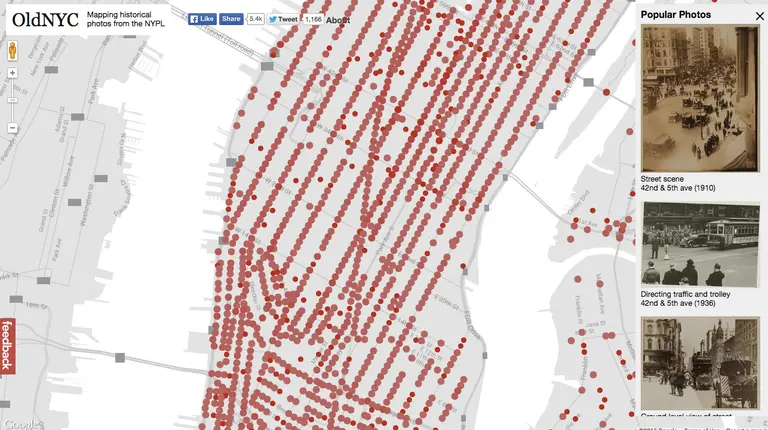
For us NYC history nerds, the New York Public Library's digital archive is one of the most valuable tools. We can search historic photos by address, building name, or neighborhood. This can get a little tedious, though, especially if a location no longer exists or we don't know the exact street number. But sleuthing for vintage pictures just got a whole lot easier thanks to a new mapping tool from the library's NYPL Labs team. OldNYC is an interactive map that features red dots on every location for which the collection has photos from the 1870s through the 1970s and lets you explore and interact with the images.
Find out more here
May 19, 2015

Chart Shows Where to Find the World’s Tallest Skyscrapers Over the Past Century

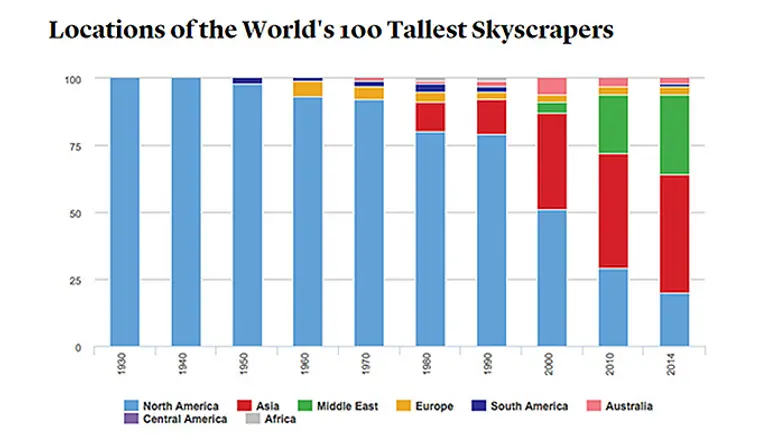
The number of skyscrapers a city can count is often a marker of how much progress they've made; these tall towers point to innovation, technology, ambition and most importantly, they scream "We have money!"—which of course equates to power. For the better part of the 20th century, the United States has accounted for the majority of the world's tallest skyscrapers, but with the emergence of new economies over the last few decades, there's been a definitive shift.
Learn more here
May 12, 2015

If Robert Moses Visited NYC Today, Here’s Where We’d Take Him

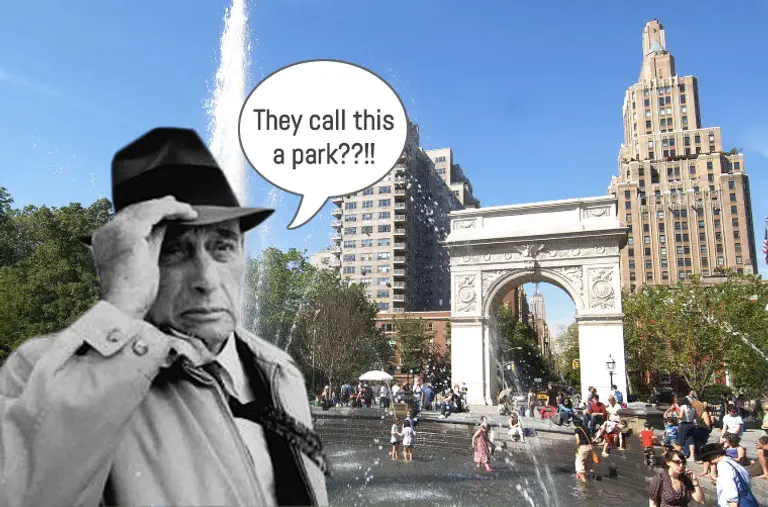
If you have even the slightest interest in architecture, urban planning, and NYC history, you know Robert Moses. Unforgettably profiled as the "Power Broker" by Robert Caro, Moses was the "master builder" of mid-20th century New York and its environs. He was a larger-than-life character who had very set ways of approaching urban design. He advocated for highways over public transportation (he built 13 expressways through NYC), dense housing towers over low-scale neighborhoods, and communities segregated by race and class over organic, mixed-demographic areas. Of course, there are plenty of much-loved aspects of the city that also came from Moses–Jones Beach, the United Nations, and ten public swimming pools like the one in McCarren Park. Regardless of your feelings on Robert Moses, though, we can all agree that the city would not be the same without him. But a lot has changed since he lost his post as director of the Triborough Bridge and Tunnel Authority in the mid 1960s and even more so since he passed away in 1981. So we can't help but wonder what he would think of our fair city in 2015. To have a little fun, we planned a present-day tour for the ghost of Robert Moses.
See where we'd take the Power Broker here
May 12, 2015

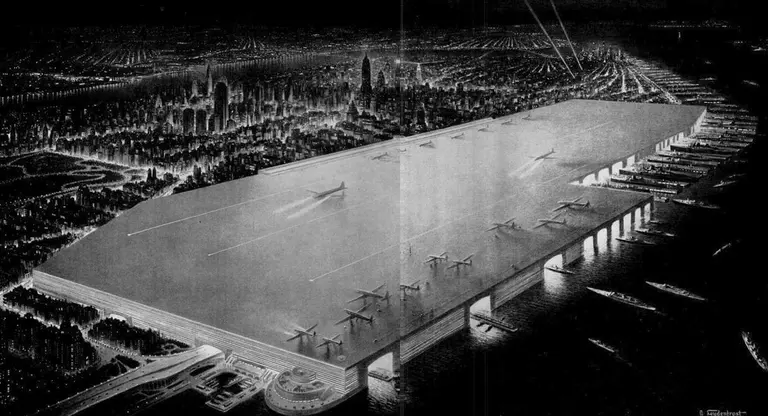
NYC’s 1940s ‘Dream Airport’ Would Have Been on a Giant Midtown Rooftop

Imagine never having to sit in hours of traffic heading to JFK or enduring all the local stops on the 7 line trying to get to LaGuardia? Your dreams almost came true in 1946 with the proposed 990-acre Manhattan Airport, which would have "stretched 144 blocks from 24th to 71st Streets and 9th Ave to the Hudson River at 200 feet above street level," according to Untapped. The idea of real-estate mogul William Zeckendorf, who owned the Chrysler Building and Astor Hotel, the airport would have cost a whopping $3 billion, a staggering sum in the 1940s, which was planned to be paid off in 55 years from rental income.
More on NYC's Manhattan Airport
May 1, 2015

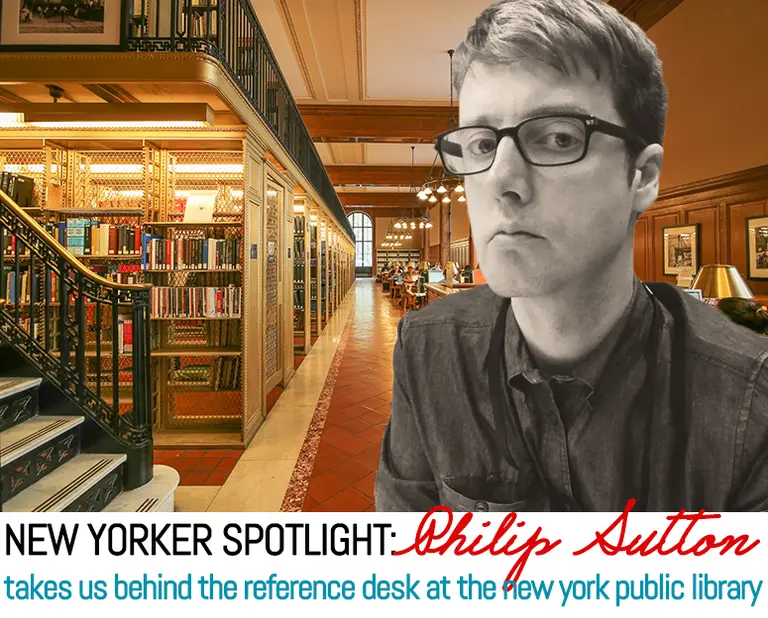
New Yorker Spotlight: Behind the Reference Desk at the New York Public Library with Philip Sutton

Though we're living in the digital age where we can do a tremendous amount of research online, sometimes we still need the library, and more importantly, the help of an actual person. If you happen to be researching your family or interested in learning the history of a particular building in New York, then perhaps you've stopped by the reference desk at the Irma and Paul Milstein Division of United States History, Local History and Genealogy of the New York Public Library and asked librarian Philip Sutton for help. Philip has worked in the Milstein Division for almost five years as a reference librarian. On a daily basis, he takes the journey with New Yorkers looking to learn more about their city and more often than not, to answer deeply personal questions about their families. It's a unique position to be in, and one that he takes very seriously. Originally from London, Philip has a particular expertise in helping people conduct research on building history in New York. He writes blog posts on the topic for the library and teaches a bi-monthly course aptly titled, “Who Lives in a House Like This? How to Research the History of Your New York City Home,” during which he instructs New Yorkers how to get started with their research. We recently spoke to Philip about his role at the library, and, as expected, he was full of helpful resources.
Read our full interview here

April 29, 2015

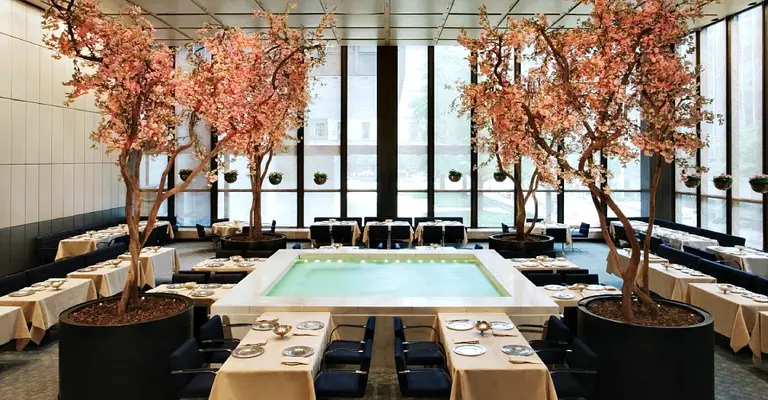
The Four Seasons: An Iconic Interior Landmark Faces an Uncertain Future

As you probably already know, 2015 marks the 50th anniversary of the NYC landmarks law. And one of the ways the city is marking the historic event is with an exhibit at the New York School of Interior Design called Rescued, Restored, Reimagined: New York’s Landmark Interiors, which focuses on some of the 117 public spaces throughout the five boroughs that have been designated interior landmarks. In conjunction with this exhibit, Open House New York recently hosted an interior landmark scavenger hunt (for which 6sqft took eighth place out of 40 teams!), which brought participants to designated interior spaces in Manhattan, the Bronx, and Brooklyn over the course of seven hours. One of the spots we visited was the Four Seasons restaurant inside the famed Seagram Building. Through our scavenger hunt challenges here, we learned just how groundbreaking this restaurant was for its innovative design and role as the quintessential Midtown "power lunch" spot. But the Four Seasons, despite its landmark status, is facing an uncertain future.
Learn about the past, present, and future of the Four Seasons here
April 24, 2015

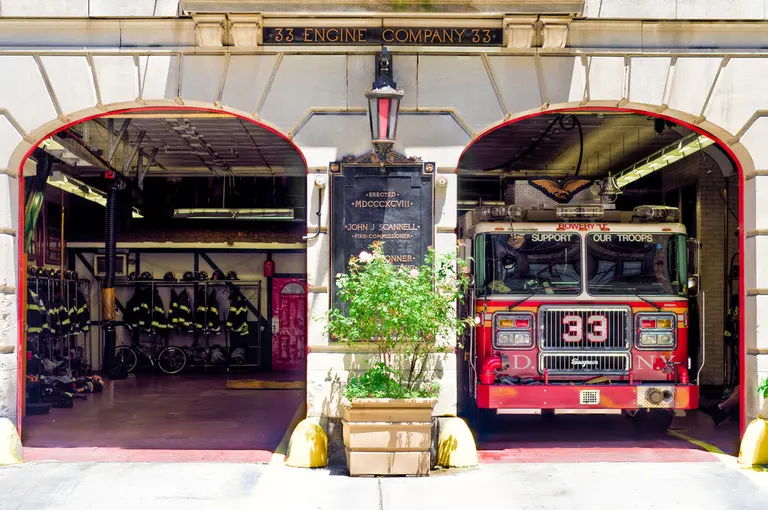
EVENT: FDNY to Mark Its 150th Anniversary with Citywide Firehouse Tour!

Firehouses represent some of the most beautiful architecture in New York City, and now instead of just peeking inside through the windows (or ogling the FDNY calendar) you'll have the chance to get up close and personal with these firehouses (and maybe even some of the calendar models). To mark its 150th anniversary, the FDNY is hosting a citywide open house on Saturday, May 2nd where the public will be welcomed inside.
Find out more here
April 24, 2015

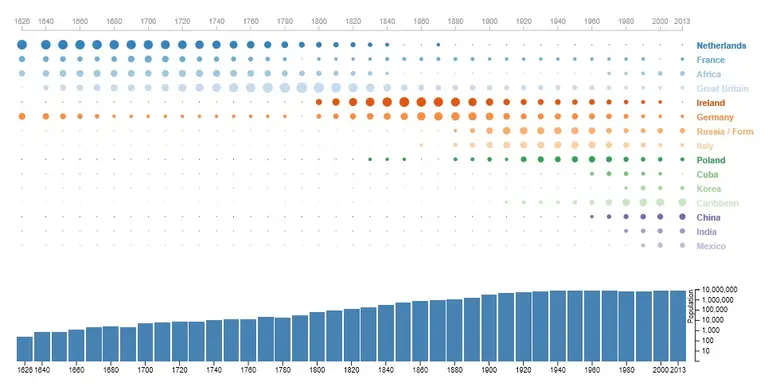
Infographic: Here’s NYC’s Immigration Patterns over 387 Years

We often talk about specific neighborhoods' immigration history–Little Germany in the East Village, El Barrio in East Harlem, or the capital of Jewish America on the Lower East Side. But when we look at the city as a whole, there's been some pretty interesting immigration patterns over its nearly-400-year history. To visualize this timeline, the data gurus over at Metrocosm have put together an interactive infographic that shows the change in these immigration waves from 1626 to 2013 and how they relate to world events regarding these given countries.
READ MORE
April 23, 2015

Architectural Saviors: NYC Landmarks Saved from Destruction

Yesterday we rounded up some of the most heinous crimes committed against architecture in New York City, but today we're taking a look at the sunnier side of things. Our list of architectural saviors includes sites saved from the wrecking ball, as well as those that have remained intact and been adaptively reused. And with city-wide preservationists celebrating this year's 50th anniversary of the landmarks law, what better time to take a look back?
View our list of architectural saviors
April 22, 2015

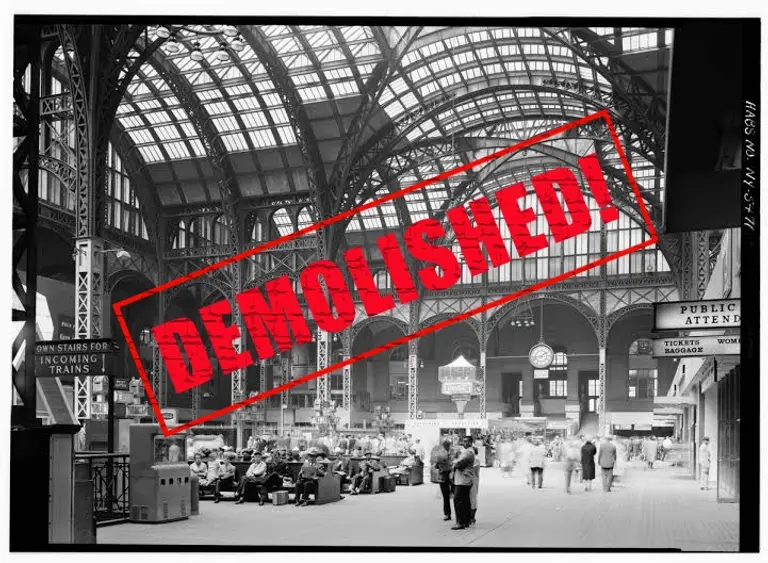
Crimes Against Architecture: Treasured NYC Landmarks Purposely Destroyed or Damaged

At Monday's MCNY symposium “Redefining Preservation for the 21st Century,” starchitect Robert A.M. Stern lamented about 2 Columbus Circle and its renovation that rendered it completely unrecognizable. What Stern saw as a modernist architectural wonder, notable for its esthetics, cultural importance (it was built to challenge MoMA and the prevailing architectural style at the time), and history (the building originally served as a museum for the art collection of Huntington Hartford), others saw as a hulking grey slab. Despite the efforts of Stern and others to have the building landmarked, it was ultimately altered completely. This story is not unique; there are plenty of worthy historic buildings in New York City that have been heavily changed, let to fall into disrepair, or altogether demolished. And in many of these cases, the general public realized their significance only after they were destroyed. In honor of the 50th anniversary of the NYC landmarks law, we've rounded up some of the most cringe-worthy crimes committed against architecture.
Check out our list right here
April 20, 2015

VIDEO: Has the ‘Misguided’ Landmarks Law Bulldozed New York City’s Future?

Concerted efforts to preserve the city's buildings are a relatively new phenomenon; it wasn't until 50 years ago that the NYC Landmarks Law was enacted, providing protection for the city's most storied structures. While many of us feel that New York wouldn't be half of what it is today if developers were allowed free range of our urbanscape, a video by ReasonTV contends that the Landmarks Act is actually keeping the city from its true potential.
Find out why they detest the landmarks law
April 17, 2015

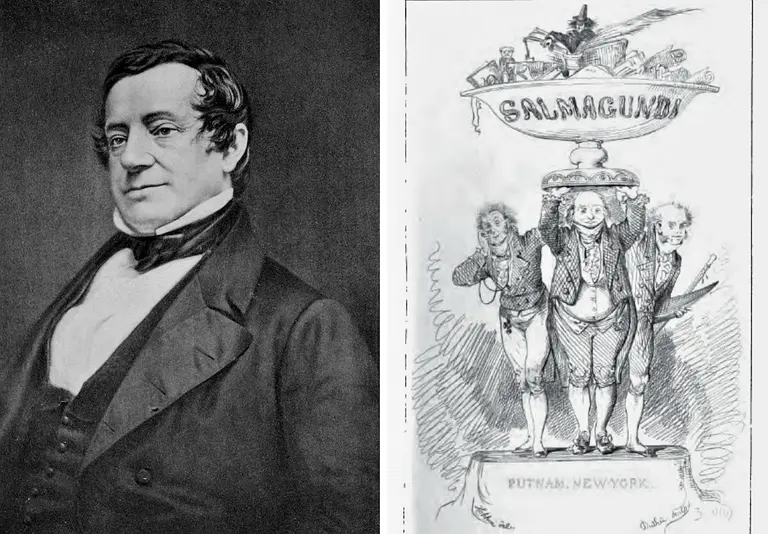
Where Did NYC’s Nickname ‘Gotham’ Come From?

No, the answer isn't from "Batman." Creators of the comic book series were originally going to name its location Civic City, Capital City, or Coast City, but then flipped through a New York City phonebook and found Gotham Jewelers, lending inspiration to the now-famous Gotham City. But from where did this jewelry store get its name? The answer dates back to an 1807 issue of Washington Irving's satirical periodical Salmagundi which lampooned New York culture and politics.
Find out the rest of the story here
April 16, 2015

See the Last Days of Streit’s Matzo Factory Through Somber Black-and-White Photos

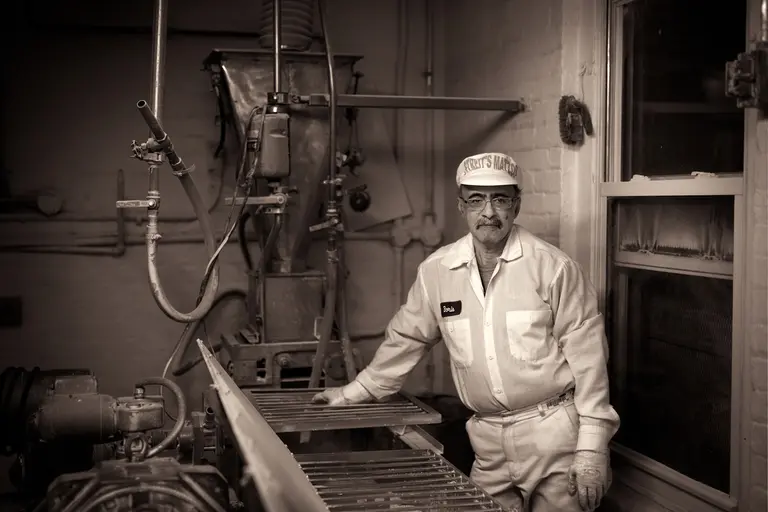
Whether you celebrate Passover or not, you've undoubtedly seen the pink boxes of Streit's Matzo in the grocery store each spring. For 90 years, Streit's has been churning out this iconic product at the rate of almost 900 pounds of matzo an hour on Rivington Street on the Lower East Side. But at the beginning of the year, New Yorkers received the sad news that the last family-owned matzo factory in the U.S. was purchased by a developer and the company would be moving its operations to New Jersey (a move also echoed this week by Junior's Cheesecake). But before they head across the Hudson, photographer Joseph O. Holmes has captured the final days of this fifth-generation working-class landmark, which Fast Co. Design aptly describes as "New York's Jewish Willy Wonka Factory." His black-and-white photos are somber, telling of his personal feelings about the loss of Streit's and the gentrification of the Lower East Side.
See all the photos here
April 16, 2015

VIDEO: Watch VICE Trying to ‘Make It’ in ’90s Canada, Well Before They Took Over Williamsburg

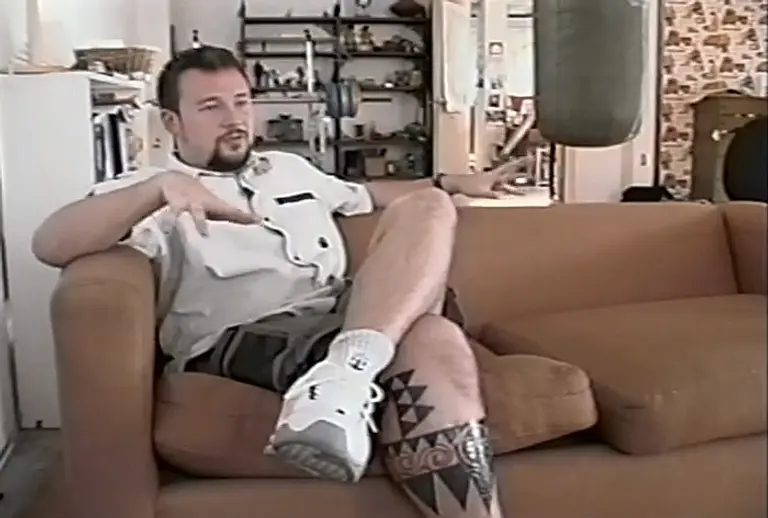
Long before VICE became a media giant gobbling up much of Williamsburg's north side real estate and displacing some of the neighborhood's beloved institutions, it was just a regular ol' start-up company consisting of three guys putting out an indie mag from a small office in Montreal. A recently uncovered video made for a '90s reality TV show transports us to that far more innocent time, introducing us to the founding fathers of the magazine, Suroosh Alvi, Shane Smith, and Gavin McInnes, and documenting their days as the get ready for a move to New York City with hopes of taking their publication to the next level. Although the then-best buds have long left the realm in which we normal folks dwell, the concerns they expressed in the video back then—"I'm scared of being poor there," McInnes says at one point—bring them back down to earth with us regular folks just trying to make it in the city. Jump ahead for an intimate look at the trio 15 years ago, chatting about the roots of the magazine and the saucy side of Canada—and watch as they stress out over searching for NYC apartments.
Watch the video here
April 15, 2015

Ruffle Bar and Robbins Reef: NYC’s Forgotten Oyster Islands

Today, when most New Yorkers think of oysters it has to do with the latest happy hour offering the underwater delicacies for $1, but back in the 19th century oysters were big business in New York City, as residents ate about a million a year. In fact, oyster reefs once covered more than 220,000 acres of the Hudson River estuary and it was estimated that the New York Harbor was home to half of the world's oysters. Not only were they tasty treats, but they filtered water and provided shelter for other marine species. They were sold from street carts as well as restaurants, and even the poorest New Yorkers enjoyed them regularly. Though we know the shores of Manhattan, especially along today's Meatpacking District and in the Financial District near aptly named Pearl Street, were chock full of oysters, there were also a couple of islands that played a part in New York's oyster culture, namely Ruffle Bar, a sandbar in Jamaica Bay, and Robbins Reef, a reef off Staten Island marked with a lighthouse.
Find out about these two forgotten islands
April 15, 2015

In the 1700s NYC Had an Official Location for Buying, Selling, and Renting Slaves

Behind all the banks, tall towers and tourists filling up FiDi is a dark past most of us know nothing about. Back in the 1700s, a corner of Wall Street at Pearl Street played host to the city's official slave market. Though no real recognition has been given to those that suffered in the construction of Manhattan in its earliest days—rather, the area's sordid past has for the better part been swept under the rug—WNYC reports that the city will finally pay tribute to these forgotten slaves, adding a historical marker to the site where the slave market once operated.
Find out more about the slave market here
April 14, 2015

Never-Built Hudson River Bridge Would Have Been Twice the Length of the George Washington Bridge

If you've ever driven into the city from New Jersey and sat in a couple hours of traffic waiting to traverse either the Lincoln or Holland Tunnel, this 19th century idea for a Hudson River Bridge probably sounds pretty amazing. It would have spanned 6,000 feet from Hoboken to 57th Street in Manhattan, almost double the length of the George Washington Bridge, to give you an idea of its massiveness. Furthermore, it would have been 200 feet wide and 200 feet high, providing space for 12 railroads, 24 traffic lanes, and 2 pedestrian walkways. Its two 825-foot support towers would have surpassed the 792-foot Woolworth Building, which was the tallest skyscraper in the world at that time.
Read the full history here
April 13, 2015

VIDEO: RuPaul Takes Us Around the 1980s Meatpacking District and the Jane Hotel

We know all about the Meatpacking District's beginnings as the Gansevoort Market and the epicenter of meat marketers, as well as its current status as a burgeoning office tower district, but in the 1980s, this neighborhood was one to which most people didn't pay much mind. It was fairly run down, with its industrial tenants having moved out, and became notorious for prostitution, sex clubs, and drug dealing. But there was much more to the area, including an accepting LGBT community and a downtown music and entertainment scene. In this video we found from 1986, a young RuPaul takes us into his penthouse suite at the Jane Hotel, then known as the Jane West Hotel and far seedier than it is today, as well as walks around the gritty streets of the Meatpacking District and into his friend's 9th Avenue rowhouse, which will undoubtedly look familiar to anyone who's walked these cobblestone streets.
Watch the video here
April 10, 2015

VIDEO: Illegal ’60s Rooftop Concert in Midtown Shows the People and Architecture of Another NYC

It was the winter of 1968 when Jefferson Airplane took to the rooftop of the Schuyler Hotel in Manhattan. The band had just released their fourth album and had also just made the cover of LIFE magazine. High on life—and likely some other stuff—they blasted from their PA atop the nine-story hotel Midtown hotel: "Hello New York! New York, wake up you fuckers! Free music! Nice songs! Free love!" The band got a solid crowd going and at least one song in, but it didn't take very long for the NYPD to show up—the concert was causing traffic jams on the surrounding streets as New Yorkers crowded around the hotel to get a better look. Although the concert was quickly broken up, it was also captured on video by none other than Jean Luc Godard and D.A. Pennebaker. (Fun side fact: Many claim that the Beatles ripped off the band's performance with their show atop a London building about two months later.)
Watch the video here
April 9, 2015

East Harlem: From Manhattan’s First Little Italy to El Barrio to a Neighborhood on the Cusp of Gentrification

A lot of attention is paid to West Harlem, or what many people traditionally consider THE Harlem, thanks to its rich history rooted in places like the Apollo and up-and-coming hot spots like the Studio Museum in Harlem and Marcus Samuelson's renowned restaurant, the Red Rooster. But east of Fifth Avenue, there's a history just as deep, and the neighborhood is at that fragile stage where it could easily be thrust into a wave of gentrification at any time. Defined as the area bound by Fifth Avenue and First Avenue from 96th to 125th Streets, East Harlem is commonly known as Spanish Harlem, or El Barrio by locals. What many people unfamiliar with the neighborhood don't know, though, is that this area got its start as Manhattan's first Little Italy. And if you're the type of New Yorker who doesn't venture above 86th Street, you're likely unaware of the slew of new developments sprouting up in East Harlem thanks to a 2003 57-block rezoning.
Learn about the neighborhood's transformation here