MTA

October 13, 2017

Subway delays cost New Yorkers $1.23M a day in lost work time

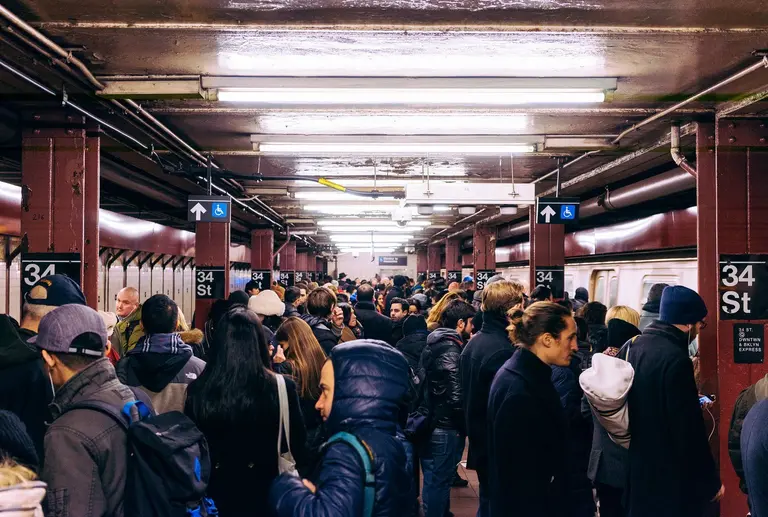
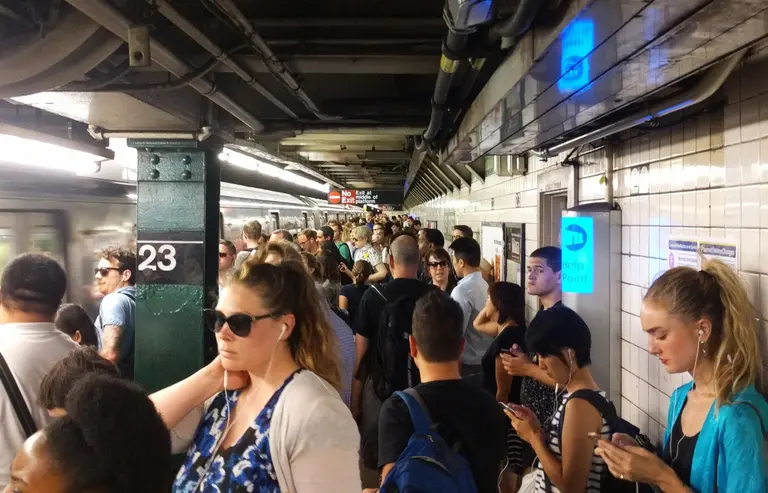
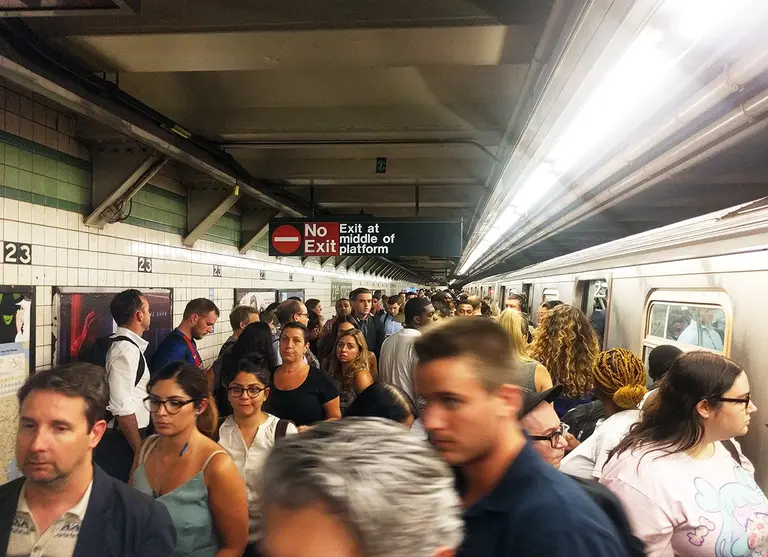
6sqft recently covered a report released by the city's Independent Budget Office that analyzed the impact of a growing number of subway delays and found that subway downtime could be costing the city up to $389 million annually in lost wages and productivity for businesses. According to the New York Times, the problem is getting worse, and it's affecting everyone's earnings. The cost of subway delays on a typical workday morning translates to $864,000 a day in lost work time for intra-city commuters, $257,000 for commuters who live beyond city borders and $109,000 for subway riders traveling for reasons other than work. The total daily cost: about $1.23 million. Multiplied by 250 working weekdays a year, that adds up to about $307 million that New Yorkers lose in work time every year.
Find out more
October 12, 2017

MTA will replace Grand Central Terminal’s old eateries with more ritzy ones

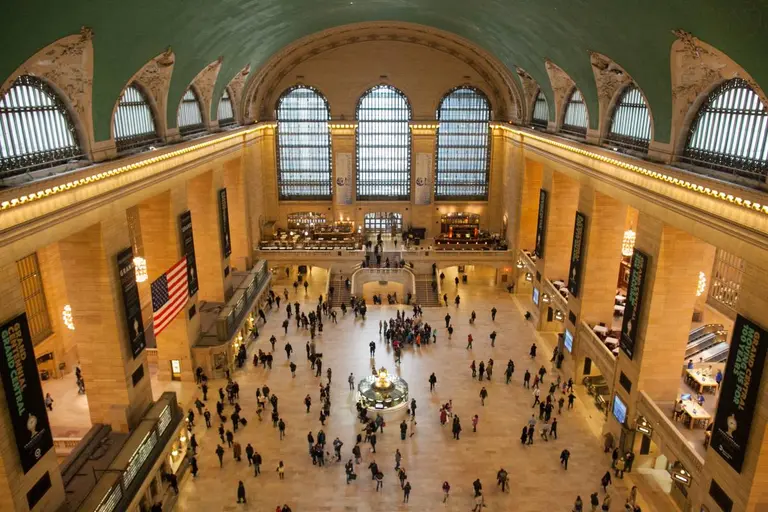
At Grand Central Terminal, it’s in with the new, out with the old. The Metropolitan Transportation Authority said it will replace stores that have served the busy terminal’s commuters for over two decades--Junior’s, Two Boots Pizza, Grand Harvest Wines--with more upscale shops. As the New York Post reported, new stores include Art Bird & Whiskey Bar, run by Oprah Winfrey’s former personal chef, Art Smith, and Tartinery, an open-face sandwich vendor. The restaurant refashioning process is expected to run through 2018.
Find out more
October 9, 2017

MTA may replace subway booth workers with roaming ‘ambassadors’

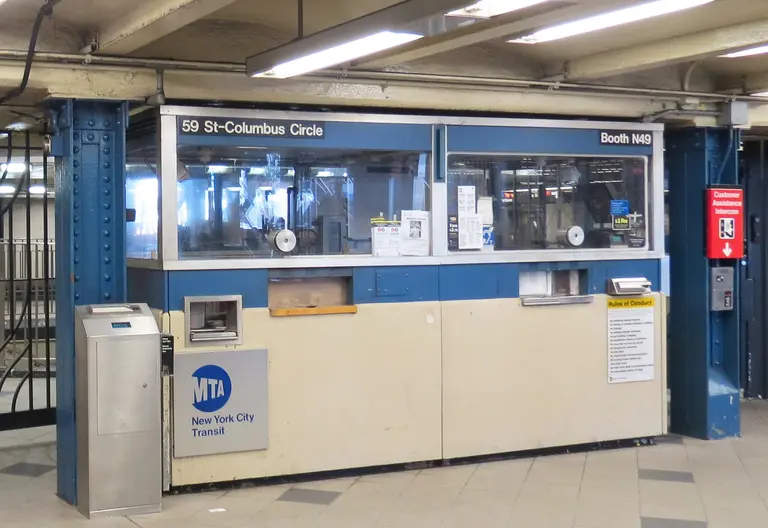
Fresh off their announcement that they've begun the testing phase of a mobile device scanning and payment system to replace the MetroCard, the MTA has revealed that they're also considering doing away with the ye-olde subway booth worker. According to the Daily News, the latest attempt at modernization will replace the workers with "customer service ambassadors" who will roam stations to provide real-time travel info and answer questions.
They're even getting new uniforms
October 9, 2017

MTA begins testing of new subway fare system, first step to phasing out MetroCards

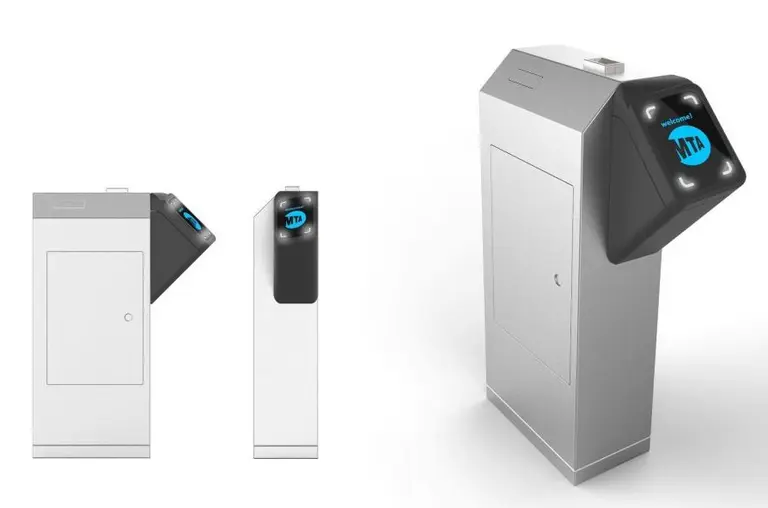
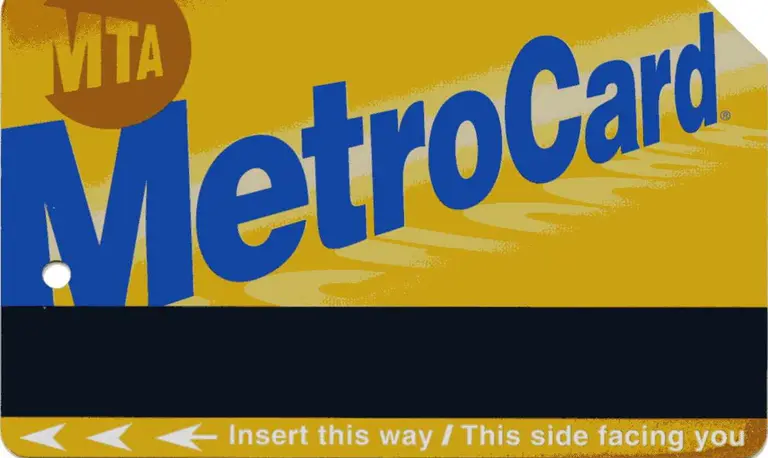
With the goal of eventually phasing out the use of MetroCards in the New York City subway system, the MTA has begun the testing phase of a mobile device scanning and payment system. Untapped Cities reports that the first trials of a new mobile fare system are being installed at points where Metro-North commuters transfer to the subway, as an expansion of the Metro-North and Long Island Rail Road's eTix app. At specific stations, riders can make the transfer with turnstiles fitted with scanners that allow them to swipe their phones. The new turnstiles have already been installed in the Bowling Green and Wall Street Stations in lower Manhattan for a test run; the expansion is a pilot for the eventual phasing out of MetroCards altogether.
Find out when and where you can try out the new system
October 4, 2017

MTA refurbishes and removes seats from E train to squeeze more riders in cars

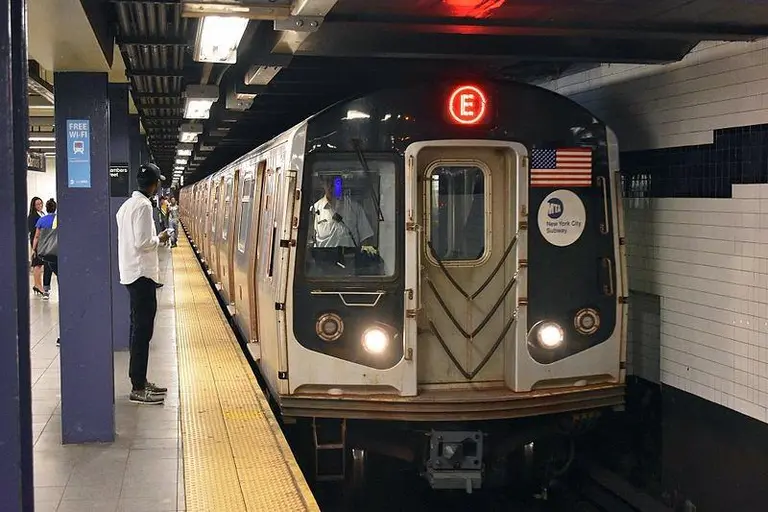
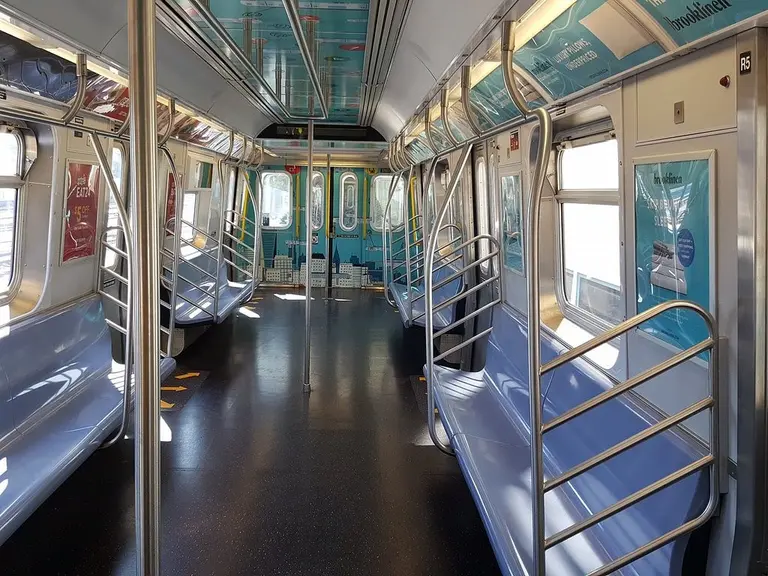
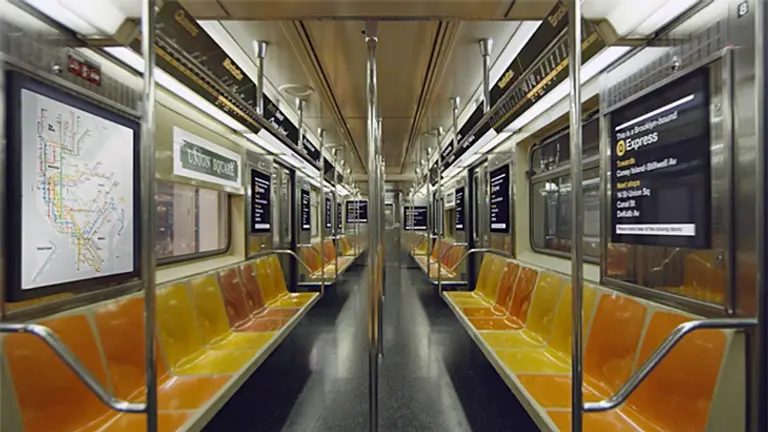
The Metropolitan Transportation Authority (MTA) on Tuesday revealed the first cars refurbished and reconfigured under their "NYC Subway Action Plan." The authority has removed some seats on a few E train cars to allow more riders to board and limit delays caused by overcrowding. The redesigned trains are part of a 100-car pilot created to increase capacity; seat removal is expected to increase capacity by between 80 and 100 passengers. Subway delays continue to be problematic for commuters: an analysis from City Comptroller Scott Stringer this week found the economic cost of subway delays could range from $170 million per year to $389 million in lost wages and productivity for businesses.
See the new trains
October 2, 2017

Subway delays could cost the city’s economy up to $389M annually

New York City Comptroller Scott Stringer released an analysis on Sunday that found the economic cost of subway delays could range from $170 million per year to $389 million in lost wages and productivity for businesses. The comptroller’s office used data from the MTA that looks at train schedules, passenger volumes and wait assessments by each subway line (h/t NY Times). Stringer’s analysis listed five subway lines that cause the biggest economic losses: 5, 7, A, F, and 4 trains. During a news conference Sunday, Stinger said, "The summer of hell is turning into the fall of frustration for subway commuters."
Find out more
September 28, 2017

MTA bringing 40,000+ digital video ad screens to subway cars and stations

If you thought those ads in taxicabs were annoying, wait until you see what's in store for NYC's beleaguered subway riders. The Post reports that the MTA has just announced that they'll be serving up ads on digital screens that will soon be appearing in subway stations and cars. Through a partnership with OUTFRONT Media, who will cover the $800 million installation, they plan to install nearly 14,000 screens in stations and platforms, 31,000 in 5,134 subway cars, and an additional 3,900 on LIRR and Metro North commuter trains.
You're kidding, right?
September 26, 2017

Map shows less than 1/4 of NYC subway stations are accessible

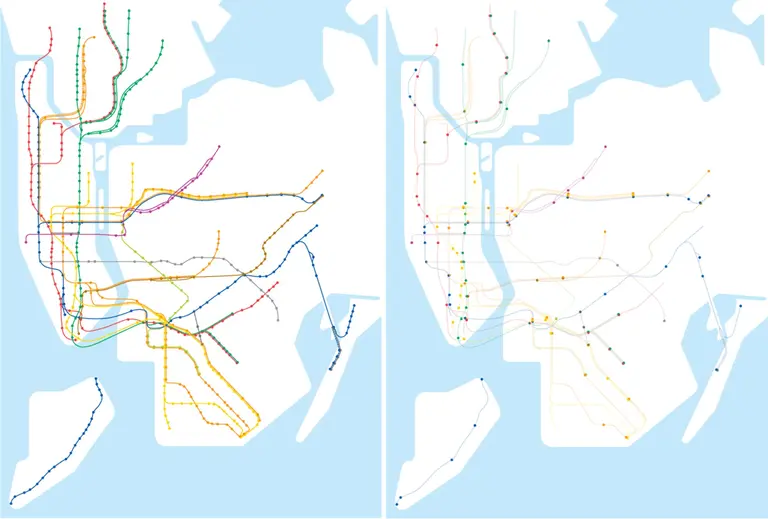
Out of NYC's 472 subway stations, only 117 are fully accessible, a major problem considering more than 800,000 or one-in-ten New Yorkers have a physical disability (and this doesn't take into account those who get injured or are with a stroller). The reason for this is that our subway system was built starting in 1904, long before the Americans with Disabilities Act (ADA) became law in 1990. To highlight the issue, the Guardian put together these startling maps that show worldwide metro systems in their entirety as compared to versions that only include fully accessible stations.
Get all the facts
September 25, 2017

MTA to provide more honest stats about subway service with new digital dashboard

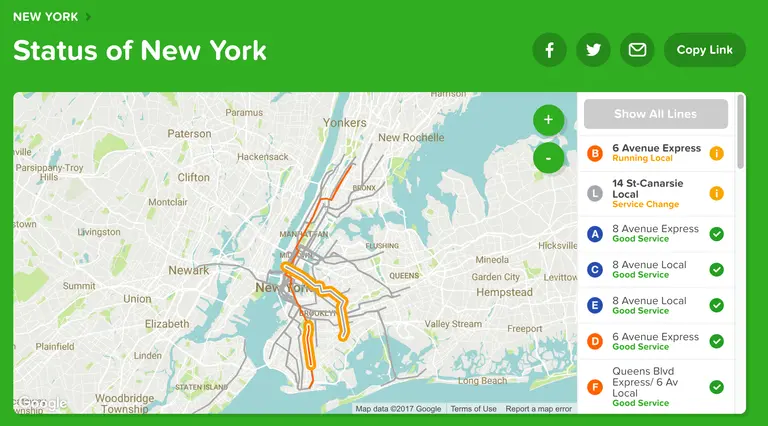
While your train will probably still be delayed and overcrowded, the reasons behind your slow commute may soon become clearer. The Metropolitan Transportation Authority managers will present statistics to the agency's board on Monday that reflect the rider’s experience, rather than MTA staff. As the Daily News reported, the MTA will unveil a digital dashboard that informs strap-hangers how much longer than usual they will wait for a train and how many minutes are spent on delayed trains. Plus, the new service will provide a tally of major incidents.
Find out more
September 21, 2017

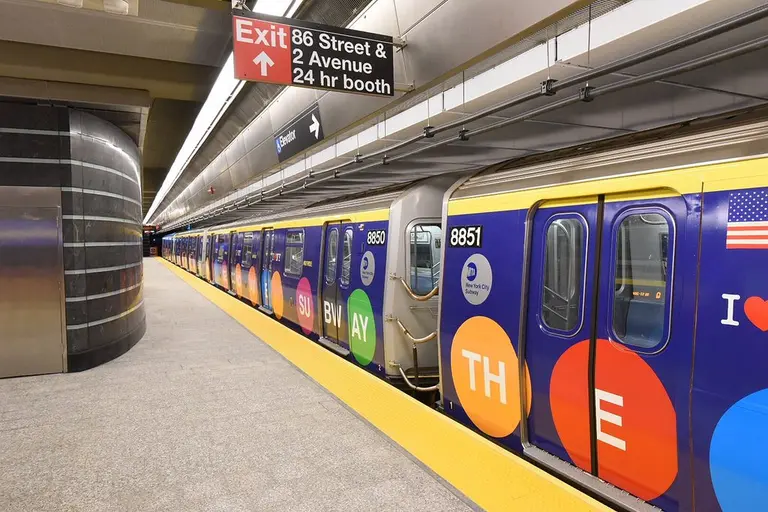
Eight months after opening, Second Avenue Subway still doesn’t have its safety certificate

When the Second Avenue Subway opened this past New Year's Day, it was nothing short of a miracle. Not only had the $4 billion infrastructure project been 100 years in the making but in the months leading up to its deadline, there was much talk about delays related to the system’s “rigorous testing schedule" not being met. As it turns out, the testing wasn't met; the Times tells us that when the train opened on January 1st, "the fire alarm system was still being tested and more than 17,000 defects found during inspections had not been fixed." And eight months later, the train is still operating under a temporary safety certificate.
Get all the details
September 7, 2017

Governor Cuomo’s new ‘Keep It Clean’ initiative doubles the fine for subway littering

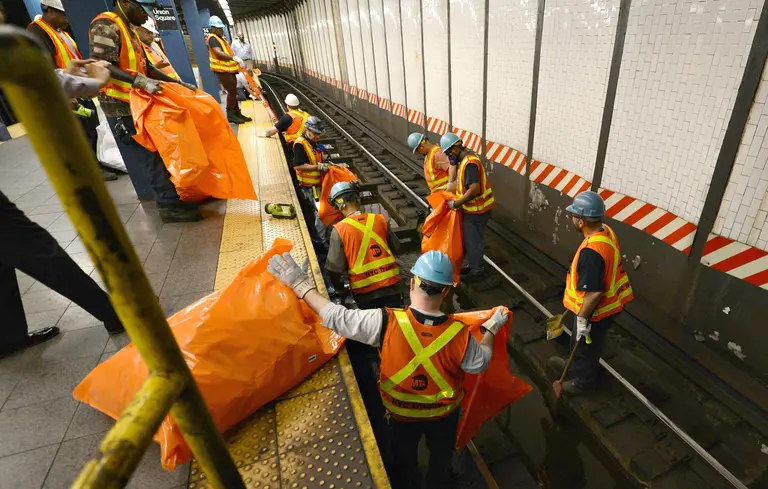
A week from today, those who litter in the subway system will face a $100 penalty, double the current $50. The increased fine is part of Governor Cuomo's newly announced "Keep It Clean" initiative, which will discourage subway littering through a new public awareness campaign. Each year, 700 fire-related track incidents are caused by littering. And in just the past six months, incidents related to standing water conditions (litter hinders the MTA's ability to pump out millions of gallons of water daily) increased by 56 percent.
Learn more and watch the MTA's new PSA
August 30, 2017

City workers missed over 17,000 hours of work due to subway delays this year

New Yorkers employed by the city have missed 17,143 hours of work because of transit delays and malfunctions, according to the Daily News. A new analysis by the Independent Budget Office (IBO), shows that city workers are on track to miss nearly 26,000 hours of work for the entire year, an increase of almost 30 percent from previous years. The report found the incident that caused the most city workers to be late happened in January when city workers lost a total of 1,075 hours after water spilled onto the tracks at West 4th Street-Washington Square station.
Find out more
August 28, 2017

‘Citymapper’ app translates confusing MTA alerts into easy-to-read alternative directions

With subway disruptions and delays becoming a part of daily life in New York City, even lifelong New Yorkers sometimes have trouble finding alternative routes when their F train switches to a different line. Thankfully, there’s now an app that aims to make commuting in NYC a little less confusing. Citymapper, a transportation software start-up based in the UK, uses artificial intelligence to recommend new routes in response to MTA alert statuses. As CityLab reported, the app’s “bot” reads the complicated message from the authority and uses the relevant information to offer a clearer route change to avoid the problem.
Find out more
August 25, 2017

The ‘summer of hell’ at Penn Station will finish on time, Amtrak says

The emergency Penn Station repairs that began in July will be completed on time with regular operating service resuming on Sept. 5, Amtrak announced Thursday. After delays and a few train derailments, Amtrak closed 21 tracks at Penn earlier this summer. Nearly seven weeks of the eight scheduled weeks of repair work for this “summer of hell” have been completed thus far.
Find out more
August 23, 2017

Cuomo calls de Blasio’s millionaires tax plan ‘dead on arrival’

As the dilemmas of New York City's subway system continue, so does the public feud between Governor Cuomo and Mayor de Blasio. Cuomo on Tuesday called de Blasio’s plan for the wealthiest New Yorkers to fund the MTA’s emergency action plan “dead on arrival” because of Republican opposition in Albany. As the Daily News reported, Cuomo’s remarks come just a day after de Blasio said he does not "believe in" congestion pricing, an idea the governor said he will be pushing for in January.
Find out more
August 18, 2017

MTA will ‘modify’ Times Square subway mosaics that resemble the Confederate flag

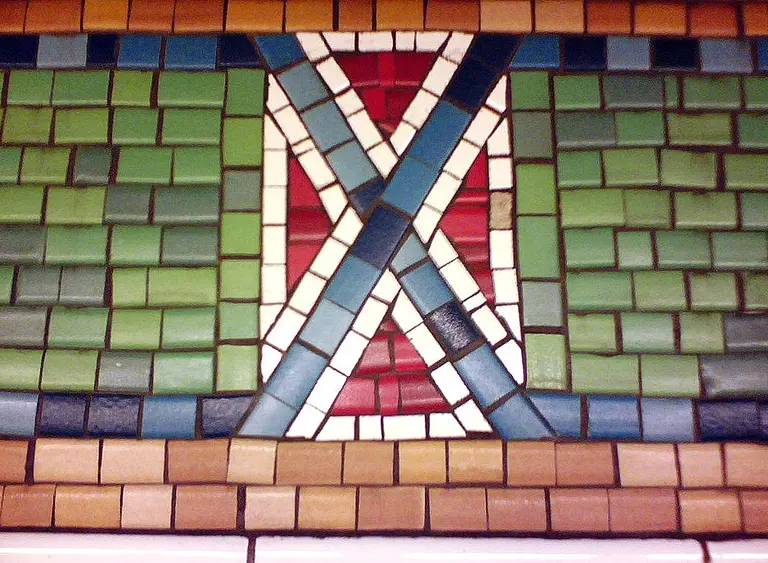
The day after Mayor de Blasio and Governor Cuomo announced plans to review and remove controversial public Confederate structures and markers throughout the city, the MTA says it will do the same. Well, sort of. Over 90 years ago, station architect Squire J. Vickers installed mosaics resembling the Confederate flag at the 40th Street entrance for the 1, 2, 3 trains to honor early New York Times owner and publisher Adolph S. Ochs, who had "strong ties to the Confederacy" and was buried with a Confederate flag when he died in 1935. But yesterday, MTA spokesperson Kevin Ortiz told Gothamist, "These are not confederate flags, it is a design based on geometric forms that represent the 'Crossroads of the World' and to avoid absolutely any confusion we will modify them to make that absolutely crystal clear."
READ MORE
August 14, 2017

Cuomo to offer a congestion pricing plan to fund transit repairs

With New York City’s subway system currently in a state of emergency, public officials and advocates have been developing ways to pay for its urgent repairs. According to the New York Times, Governor Cuomo is planning to release a congestion pricing plan as a way to provide a dedicated source of funding for the transit system, as well as a way to reduce traffic on some of the country’s busiest streets. Ten years ago, Mayor Bloomberg pushed for a similar plan, charging drivers $8 to enter the most congested parts of Manhattan during peak commuting hours, but the legislation faced resistance and was never brought to a vote.
Find out more
August 10, 2017

Cuomo gives Con Ed one year to repair the subway’s power system

Just in the past month, power problems caused 32,000 subway delays, prompting Governor Cuomo to direct "Con Edison to take significant and immediate actions to improve the subway's power reliability and prevent future service failure," according to a press release. Less than two months after declaring a "state of emergency" for the subway system, Cuomo's given Con Ed and the MTA one year to identify and repair the problems, the most comprehensive power review ever done, leaving them on the hook to inspect 470 manholes, 1,100 boxes, and 221 power substations at street level and 1,100 energy distribution rooms, 300 signal relay rooms, 15,000 track circuits, 11,000 signals, 13,750 insulated joints, 11,000 trip stops, 220 interlockings, and 1,800 switch machines below ground. The cost? It's not yet been officially calculated, but Con Ed chairman John McAvoy says it's likely to be tens of millions of dollars.
Get all the info
August 7, 2017

De Blasio wants to tax rich New Yorkers to fund subway repairs

Continuing this summer’s subway saga, Mayor de Blasio announced a plan on Sunday that would tax the wealthiest 1 percent of New Yorkers to fund the system’s much-need repairs and renovations. The proposal, which requires Albany’s approval, would also provide half-price MetroCards for low-income straphangers. As the New York Times reported, the “millionaires tax” would increase the tax rate of the city’s wealthiest residents to 4.4 percent from roughly 3.9 percent for married couples with incomes over $1 million and for individuals who make more than $500,000 annually.
Find out more
July 28, 2017

Cuomo wants to fund subway fixes with $600K corporate station naming rights

Subway image via WikiCommons On Tuesday the Metropolitan Transportation Authority revealed an $800 million emergency rescue plan for the city’s beleaguered subway system. As 6sqft reported, the MTA board has been scrambling for new ways to pay for the plan amid increasing dissatisfaction with fare hikes, even as the agency says they'll need to raise fares by roughly 4 percent every other year as part of their long-term financial plan. According to Crain's, Gov. Andrew Cuomo spoke Thursday about a possible corporate sponsorship alternative: For $600,000, a donor can publicly “adopt" a station to help pay for amenities and improved cleaning; for $250,000, a “Partnership Council” membership would help raise money for improvements without the donor's name attached to the station.
Who wouldn't want to adopt a subway station?
July 27, 2017

MTA board members seek an end to routine fare hikes, mulls selling subway station naming rights

The Metropolitan Transportation Authority revealed on Tuesday an $800 million emergency rescue plan to fix the city’s failing subway system, which includes hiring 2,700 workers, removing some seats and adding additional train cars. And on Wednesday the MTA board grappled with ways to pay for the plan, with some members calling for the agency to end its routine fare and toll hikes and find revenue through other means. However, according to the New York Times, the authority’s chief financial officer, Robert Foran, said the agency needed to continue to raise fares by roughly 4 percent every other year as part of their long-term financial plan.
Find out more
July 26, 2017

MTA announces $800M emergency rescue plan for a distressed subway system, includes removing seats

After months of what has seemed like rapidly accelerating deterioration, scary incidents, complaints and finger-pointing, the Metropolitan Transportation Authority revealed on Tuesday an $800 million emergency rescue plan for the city’s beleaguered subway system, the New York Times reports. Some key solutions identified for the initial phase of the plan, called "MTA Moving Forward," included taking out seats on some cars–Boston’s transit system has done this in some cases to make room for more commuters. When asked when riders would begin to see the benefits of the plan, MTA chairman Joseph Lhota said that key parts of the plan’s initial phase would be implemented “relatively quickly.”
A hefty tab and a bitter feud
July 24, 2017

De Blasio urges Cuomo to ‘take responsibility’ for MTA

The ongoing public debate over whether the state or city controls the subway continued this weekend when Mayor de Blasio, riding a Manhattan-bound F train on Sunday, demanded Governor Cuomo “take responsibility” over the Metropolitan Transportation Authority. The mayor’s comments come after Cuomo and Joseph Lhota, the recently appointed chairman of the MTA, called on de Blasio and the city last week to contribute more money to the authority for repair work. As the New York Times reported, de Blasio said the MTA has a lot of money that they’re not spending, including the $2.5 billion contributed by the city in 2015, to the MTA's 2015-2019 capital plan.
Find out more
July 21, 2017

Cuomo says New York City is responsible for subway system, not the state

Although New York City’s subway is currently in a state of emergency, no government official seems to want to take ownership of the failing transit system. Governor Cuomo and Joseph Lhota, the recently appointed chairman of the Metropolitan Transit Authority, called on Mayor de Blasio and City Hall to contribute more money for repairing the subway system on Thursday, citing a law that puts the city in charge of the track system. As the New York Times reported, Lhota and the MTA are preparing an emergency plan to deal with the subway, expecting more funds to come from the city. The plan, which Cuomo ordered the MTA to create within 30 days, is set to be completed by the end of next week.
Find out more
July 19, 2017

MTA considers ban on subway dining; snacking might be ok

After an upper Manhattan track fire this week reminded them that trash catches fire, the Metropolitan Transit Authority is considering limiting the all-too-familiar practice of stuffing one's face with hot, messy food while riding the subway. The New York Times reports that MTA chairman Joseph J. Lhota said Tuesday that he'd like to curb inappropriate eating as a way to eliminate fires caused by the ensuing litter.
Have another french fry. For now.