NYC ramps up Legionnaires’ disease prevention and enforcement measures
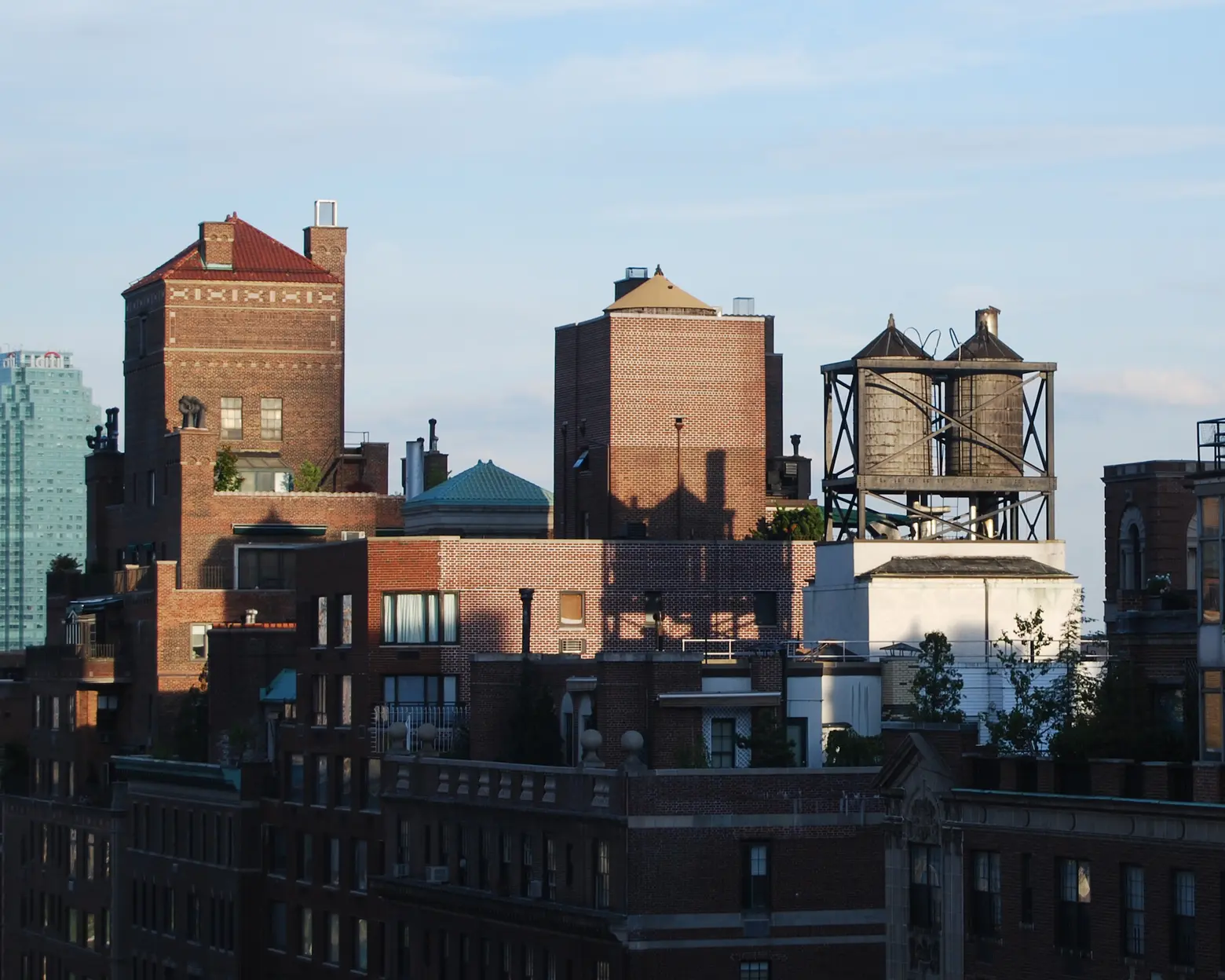
Photo of water towers on East 57th Street via WikiCommons
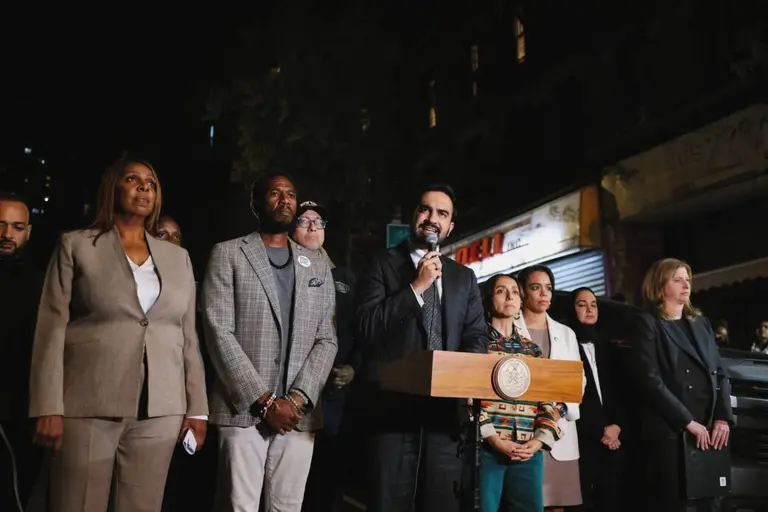
After a Legionnaires’ disease outbreak affected the Upper East Side this summer, New York City is taking new measures to strengthen its response. Mayor Zohran Mamdani on Tuesday announced sweeping new policies to bolster the city’s detection of Legionella bacteria in cooling towers, strengthen enforcement and education, and improve transparency with New Yorkers. The measures build on the Mamdani administration’s response to the July outbreak, which sickened dozens of New Yorkers and claimed 11 lives.
Legionnaires’ disease is a severe form of pneumonia caused by Legionella bacteria, which thrive in warm, stagnant water, like the kind found in many of the cooling towers topping apartment buildings across the five boroughs. Between 200 and 700 New Yorkers are diagnosed with the disease each year, as 6sqft previously reported.
Symptoms typically develop two to 14 days after exposure and may include fever, chills, muscle aches, and a cough. The disease can usually be treated effectively with antibiotics, especially when diagnosed early.
During the summer, cooling towers can release contaminated water droplets into the air that can travel thousands of feet before being inhaled. The Upper East Side has a high concentration of cooling towers, with about 160 registered across the three ZIP codes investigated during July’s outbreak.
The most recent outbreak was first detected on July 2, when two cases were reported in Carnegie Hill and Yorkville. By July 30, when officials eliminated the source of exposure, 92 people had tested positive and seven had died. As of August 28, no patients remained hospitalized, though the death toll had risen to 11.
In July, the Mamdani administration launched a series of emergency measures to combat the outbreak, including publicly releasing the addresses of buildings whose cooling towers tested positive for the bacteria, an unprecedented move. Mamdani also ordered property owners to immediately drain, clean, and disinfect the systems to prevent further exposure.
Now, the administration is ramping up enforcement. The new measures will use registration and tracking systems maintained by the city’s Health Department and Department of Buildings to identify potentially unregistered cooling towers.
To improve public education and transparency before an outbreak investigation begins, the Health Department will expand its existing address-based cooling tower lookup tool to allow New Yorkers to view registered cooling towers across all five boroughs.
Users will be able to view each registered tower’s inspection history and compliance with Legionella sampling requirements. The department will also launch an annual public education and media campaign ahead of cooling tower season each summer. The mapping tool and campaign are expected to launch by spring 2027.
New legal procedures will strengthen enforcement and prevention, including giving building owners who receive summonses for violating cooling tower regulations the earliest possible hearing date to ensure decontamination is completed as quickly as possible.
Additionally, the Health Department will convene a scientific advisory panel to evaluate emerging cooling tower technologies and explore alternative cooling technologies that could reduce the city’s reliance on cooling towers. The department will appoint the panel’s chair and members in the coming months, with a goal of issuing recommendations within the next year.
Following difficulties dealing with the large number of affected cooling towers during July’s outbreak, the Health Department will explore faster testing methods to reduce the time needed to confirm positive results. The department aims to implement the new testing methods before summer 2028.
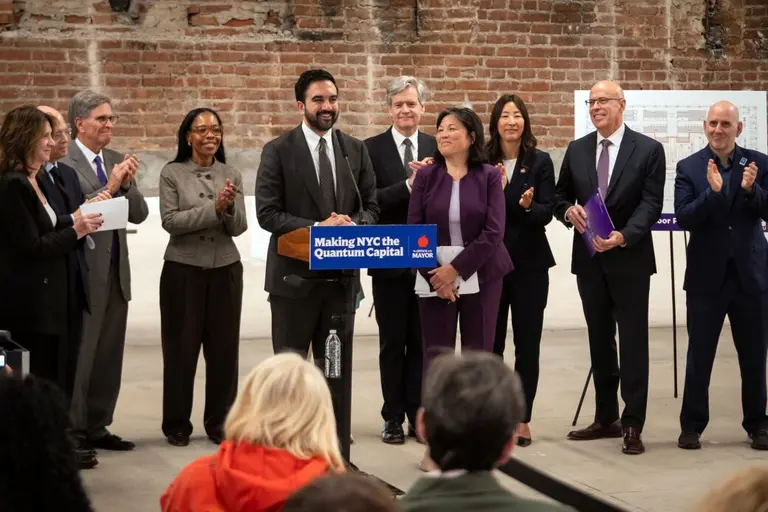
“NYC responded to this summer’s cluster of Legionnaires’ disease with urgency and an unprecedented level of action,” Mamdani said. “When New Yorkers’ health is at stake, government cannot wait for the crisis to pass before asking how it can do better.”
“Our response to the Upper East Side cluster was fast and aggressive, and we are building on what we learned to make our systems stronger, enforcement faster and public health response more transparent,” he added.
On Wednesday, the City Council will host an oversight hearing to assess the administration’s response to the outbreak and identify additional steps needed to protect New Yorkers. The Council plans to review the Health Department’s communication and notification procedures and the enforcement of enhanced testing and reporting requirements passed by the Council last year.
The hearing will also consider additional legislation to strengthen public education and resident notification and require the Health Department to establish a hotline during the peak summer months, allowing New Yorkers to receive clear guidance about potential exposure and health risks.
RELATED: