NYC moves forward with first busway in the Bronx, Central Brooklyn bus upgrades
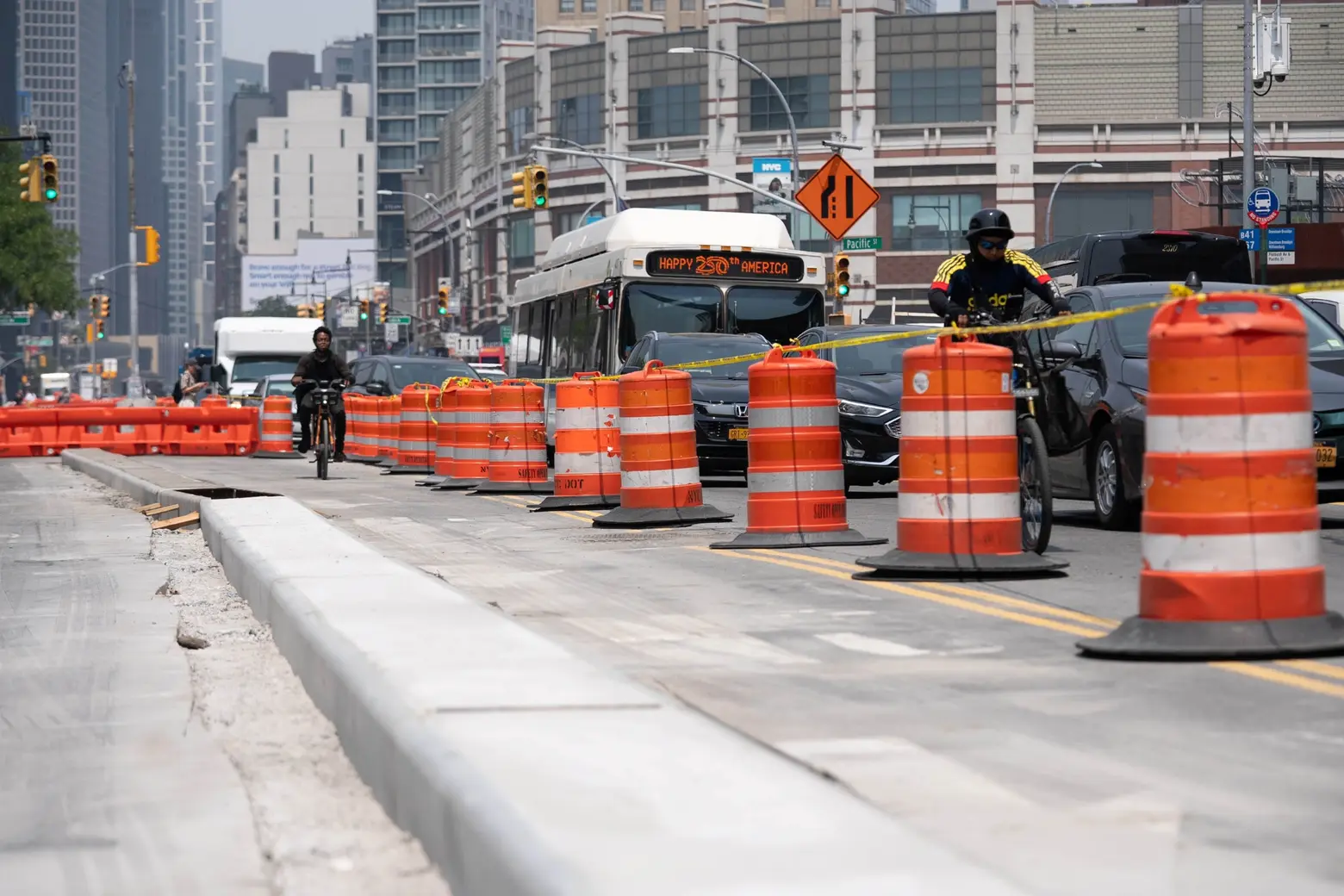
Work underway on new center-running bus lanes along Flatbush Avenue in Brooklyn. Credit: Ed Reed/Mayoral Photography Office on Flickr
New York City is advancing four major public transit projects in the Bronx and Brooklyn that are expected to cut commutes by up to six minutes for nearly 200,000 daily riders. Mayor Zohran Mamdani on Wednesday announced that the city’s Department of Transportation (DOT) will begin construction of the long-delayed Tremont Avenue busway later this year and launch community engagement for improvements along Flatbush, Utica, and Church avenues in Brooklyn, three of the borough’s busiest bus corridors. The projects build on last week’s unveiling of the “Next Stop: Fast Buses, Better Service” plan, which aims to speed up service on 50 bus routes across the five boroughs.
“New Yorkers should not lose hours of their lives sitting in traffic on a bus. From the Bronx to Brooklyn, we’re building streets that move people instead of sticking them in gridlock,” Mamdani said. “These projects will make commutes faster, make our streets safer and return precious time to nearly 200,000 New Yorkers every single day. That’s exactly what public transit should do.”
The “Next Stop” plan aims to improve bus reliability through a combination of service changes, traffic enforcement upgrades, and road redesigns. A key component of the plan is improving speeds on 50 “priority corridors,” which currently include 25 of the city’s slowest bus routes.
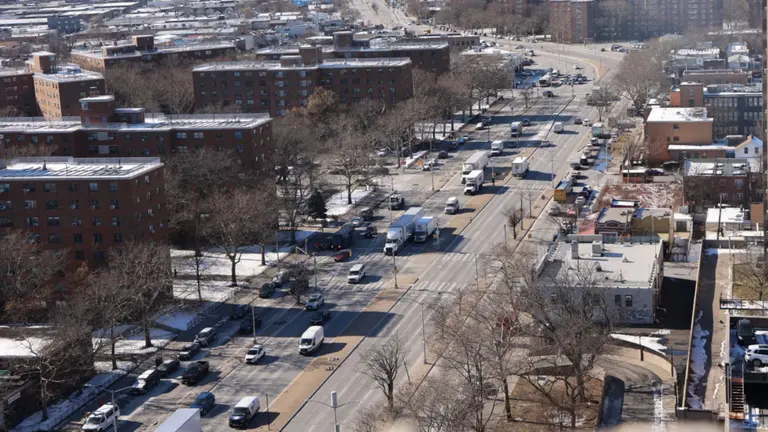
Tremont Avenue is one of the corridors identified for improvement. The thoroughfare is notoriously dangerous, with 630 people injured in crashes along the avenue between 2020 and 2024, including 46 serious injuries and four deaths. Its buses also rank among the slowest in the city, averaging as little as 5 miles per hour on some routes, according to Gothamist.
Despite its slow bus speeds, the corridor is a lifeline for Bronx residents: 72 percent of households along the avenue do not own a car. It also connects riders to several subway lines and the Metro-North Railroad, serving roughly 39,000 daily bus riders.
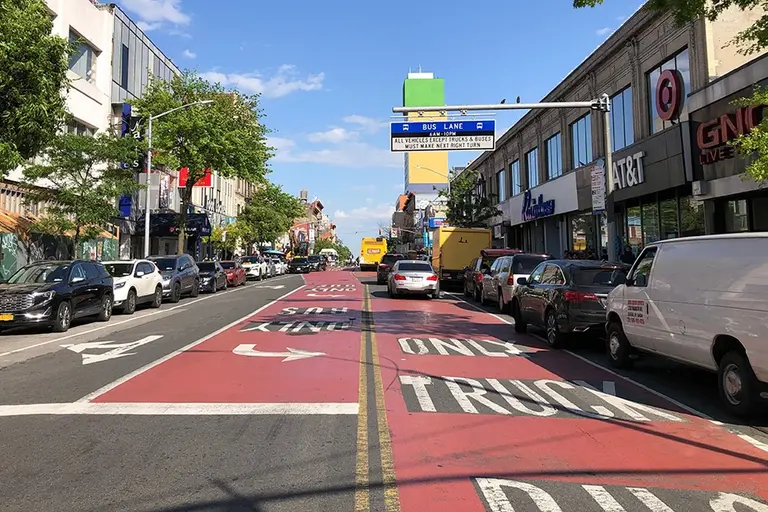
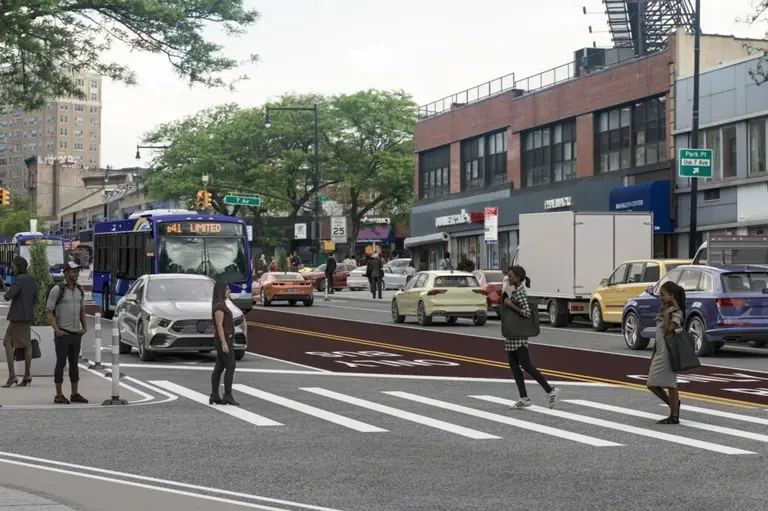
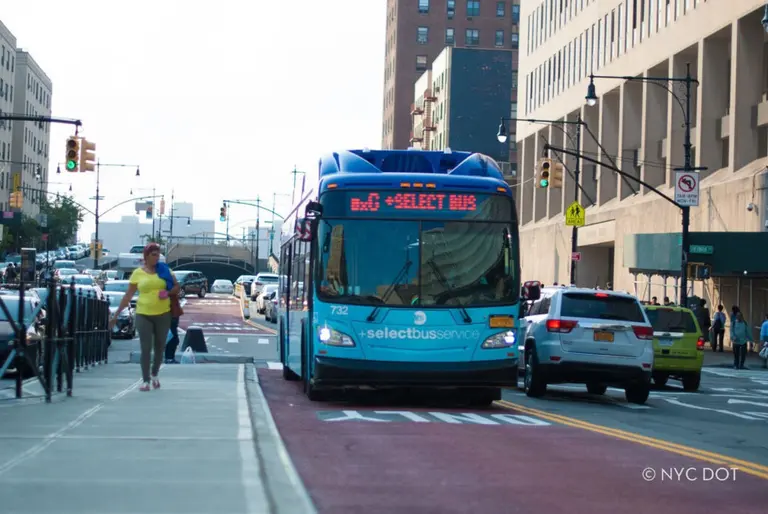
The avenue is now slated to become the Bronx’s first busway, a corridor with dedicated bus lanes and bus-priority infrastructure designed to improve travel times and safety for bus riders, pedestrians, cyclists, and motorists alike. Busways elsewhere in the city have increased bus speeds by up to 60 percent while reducing injuries by as much as 45 percent.
Features of the project include an eastbound busway from Third Avenue to Southern Boulevard, a westbound busway from Southern Boulevard to Belmont Avenue, and an offset shared bus-and-bike lane eastbound from Webster Avenue to Third Avenue.
As part of the initiative, DOT will also upgrade safety at several intersections, including Tremont Avenue and Webster Avenue; Tremont Avenue and Third Avenue; Tremont Avenue, Southern Boulevard, and Crotona Parkway; Third Avenue and East 175th Street; Southern Boulevard, Crotona Parkway, and 180th Street; Crotona Avenue and 180th Street; Third Avenue and 180th Street; and Tremont Avenue and Washington Avenue.
The redesign will install painted sidewalk extensions to shorten pedestrian crossing distances and slow-turning vehicles. The extensions will be reinforced with flexible delineators, granite blocks, and bike parking to discourage illegal parking.
The busway will operate seven days a week from 6 a.m. to 8 p.m. Buses, trucks with six or more wheels, emergency vehicles, and Access-a-Ride vehicles will be allowed to travel the full corridor. Other vehicles, including taxis and for-hire vehicles, will only be permitted to enter for local access and must exit at the next available right turn.
In Central Brooklyn, Flatbush, Utica, and Church avenues—three of the city’s busiest bus corridors—will receive substantial upgrades. Together, the corridors carry 150,000 bus riders every day across 13 routes, with buses crawling as slow as 5 mph.
The DOT and Metropolitan Transportation Authority will develop short-term bus-priority improvements that can be implemented as early as next year, while also creating a long-term vision for “world-class” bus service along the three avenues.
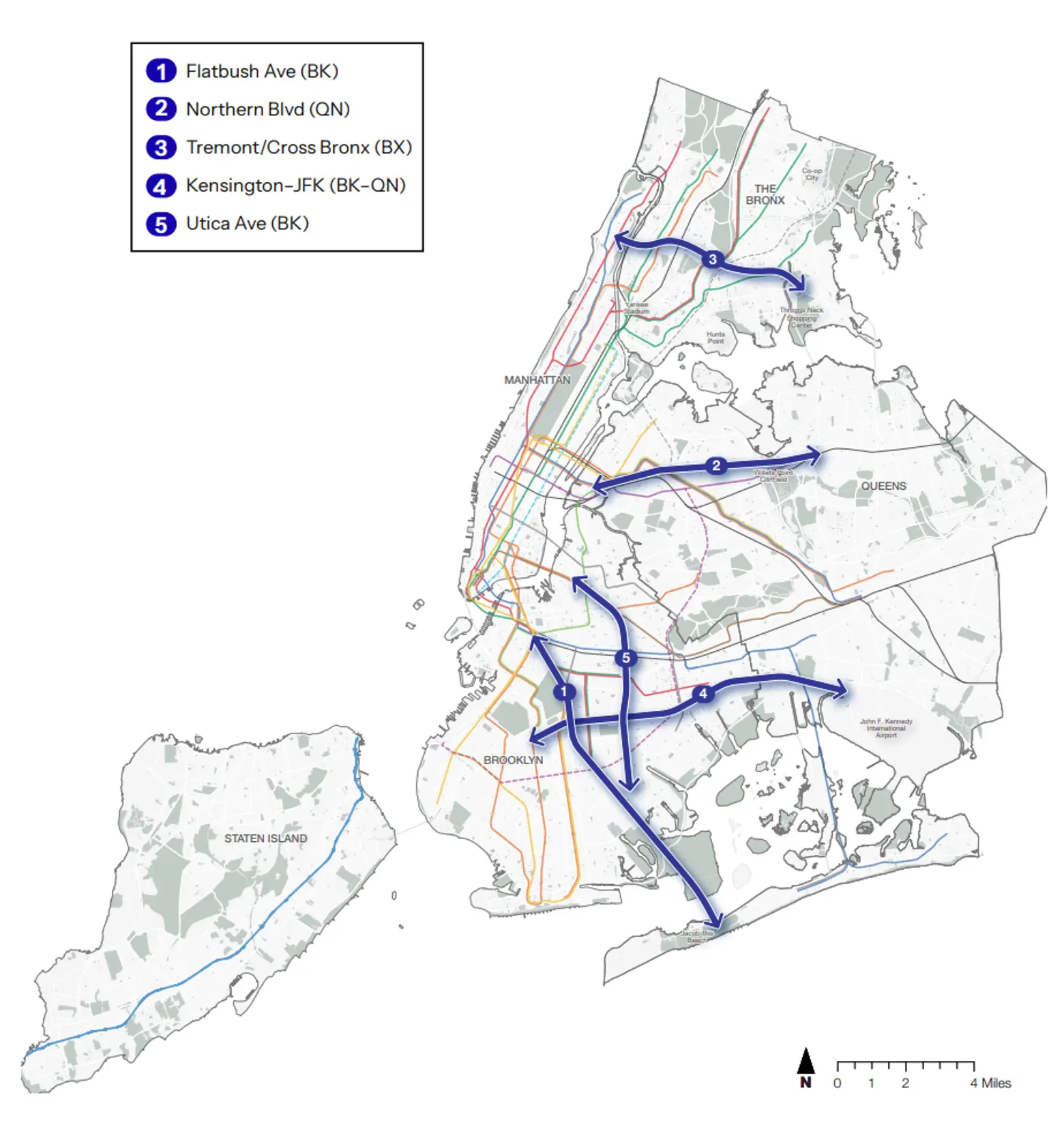
Long-term plans include establishing new “Bus Rapid Transit” corridors outlined in the “Next Stop” proposal. Of the city’s 50 priority corridors, five would be designated as “rapid bus corridors,” featuring bus-only infrastructure such as busways, fully separated lanes, or center-running lanes with transit signal priority at intersections and limited cross traffic.
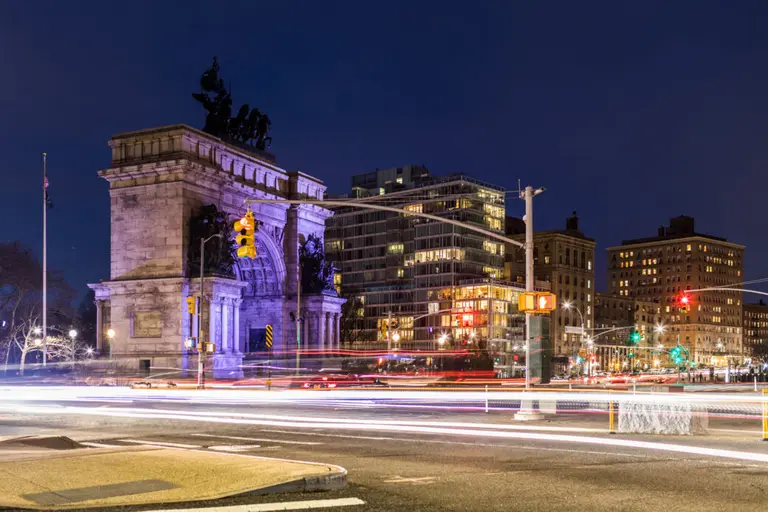
The overhaul of Flatbush Avenue, one of the planned rapid bus corridors, is already underway. In April, DOT began installing center-running bus lanes along the avenue from Livingston Street to Grand Army Plaza, a project expected to speed up commutes for 132,000 daily bus riders who currently contend with average speeds below 4 mph.
Work on the four-phase project began last fall but was suspended during the winter. DOT now expects Flatbush Avenue to operate as a full rapid bus corridor by 2030.
DOT will also launch community engagement campaigns for future improvements to Utica and Church avenues, with an online feedback portal open through October 31. The agency will host bus rider engagement events beginning August 6 at 6 p.m. in Central Brooklyn, along with additional outreach at Open Streets events, block parties, and community gatherings.
Following this summer’s engagement process, DOT expects to release updated plans for bus-priority improvements this fall.
“Along Tremont Avenue in the Bronx and all through central Brooklyn, slow, unreliable buses are robbing New Yorkers of their precious time every day,” DOT Commissioner Mike Flynn said. “We want New Yorkers to have faith in our outreach, and that starts with actually delivering on projects promised years ago, like on Tremont Avenue, where riders deal with unreliable, over-packed buses every day.”
“We look forward to discussing the possibilities for fast buses through Central Brooklyn this year as we develop exciting proposals for critical bus corridors in the area.”
RELATED: