NY attorney general sues Brooklyn landlords for overcharging rent-stabilized tenants
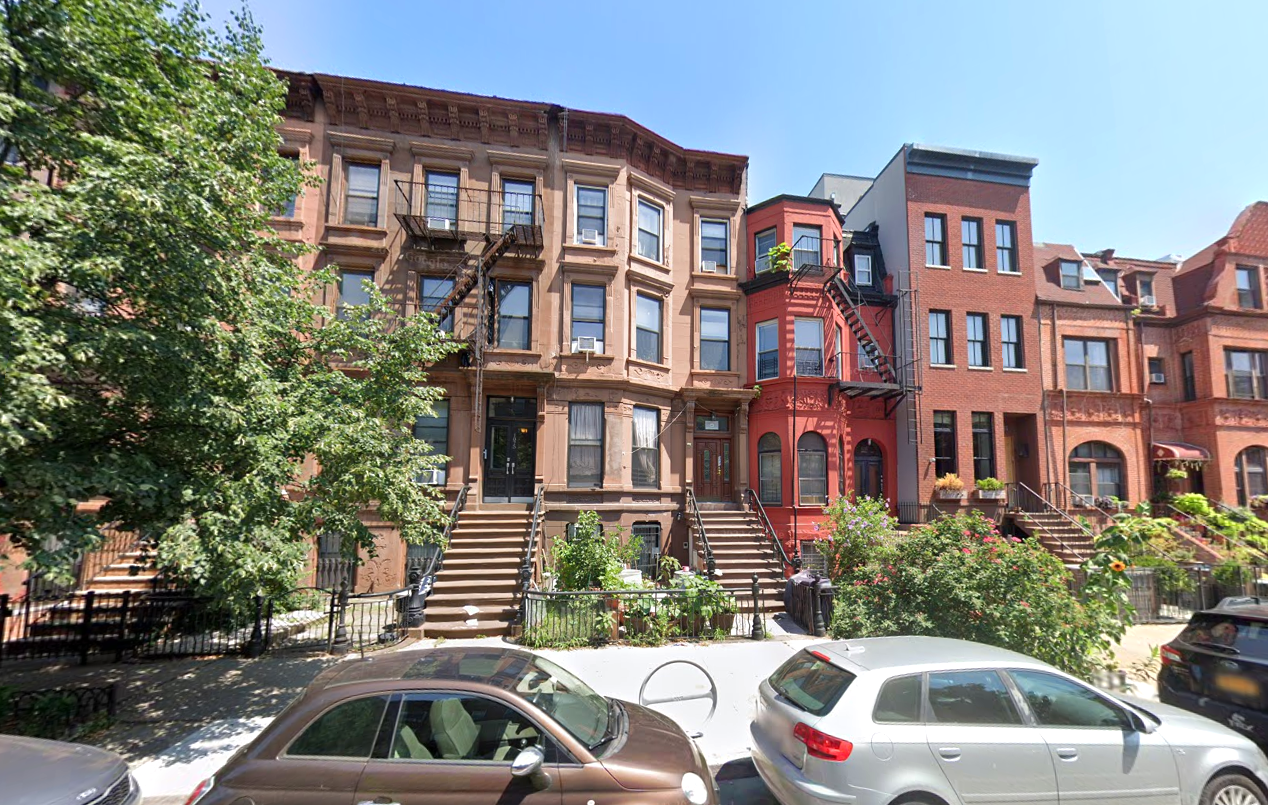
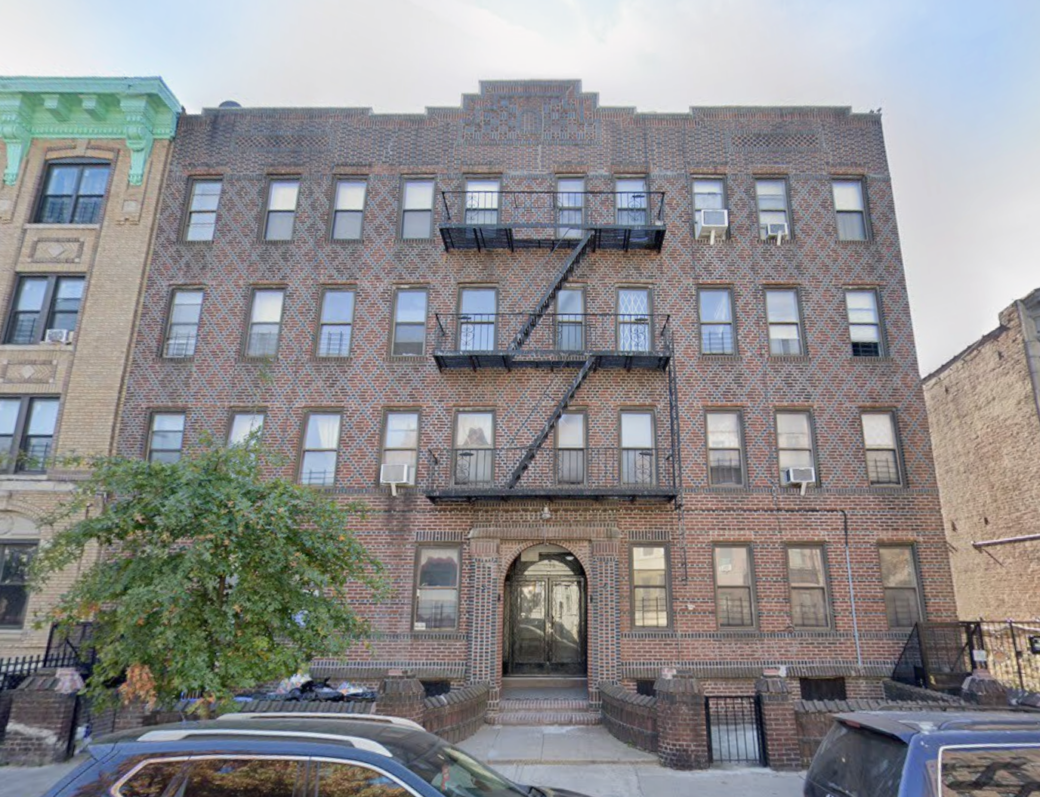
1075 Dean Street in Crown Heights. Streetview © 2026 Google
Two landlords in Brooklyn are the first to be sued by the state as part of a new program enforcing “de facto” rent stabilization. New York Attorney General Letitia James this week announced a lawsuit against John Anderson and Claudette Henry for failing to register units in buildings in Crown Heights and Brownsville and charging market-rate rents for apartments that should be stabilized. The suit also alleges the landlords attempted to illegally evict tenants and violated harassment laws. The effort comes after the Office of the Attorney General in 2025 launched a compliance program to enforce a law that allows buildings built before 1974 with six or more dwelling units to become rent-regulated.
Apartment buildings in New York City are exempt from rent stabilization laws if they are built after 1974 or contain less than six units. So-called de facto rent stabilization was created as a judicial doctrine to allow buildings with five or fewer units built prior to 1974 to become rent stabilized if the building was altered to have six or more units, according to James.
“Rent stabilization and tenant protection laws help keep working New Yorkers throughout our city in homes they can afford,” James said.
“My office will not shy away from taking immediate action against any landlord who fails to follow the law and attempts to overcharge or illegally evict tenants. Our housing laws are clear, and any landlord who violates them will be held accountable.”
James said her office sent letters to more than 50 landlords who owned buildings that were found to be de facto rent-stabilized but had not been registered with the New York State Homes and Community Renewal (HCR). The landlords were asked to prove buildings were exempt from being regulated.
Owners unable to prove exemption were then asked to register the legal regulated rent for all units with HCR, issue rent stabilized leases to tenants, notify tenants explaining the new leases, and provide the Office of the Attorney General with sworn certification that the actions were taken.
Through its new compliance program, the attorney general’s office said it has prevented 26 evictions and secured the return of 91 units to rent stabilization.
According to the lawsuit, Anderson and Henry never returned their buildings to rent stabilization, failed to register the units with HCR, and attempted to evict tenants.
Anderson owns 1075 Dean Street, which was found to be de facto rent-stabilized in 2016. James alleges that Anderson failed to provide rent-stabilized leases and sent a friend to impersonate him in court. A tenant in the building reported that Anderson shut off her gas, water, and electricity after asking for a rent-stabilized lease.
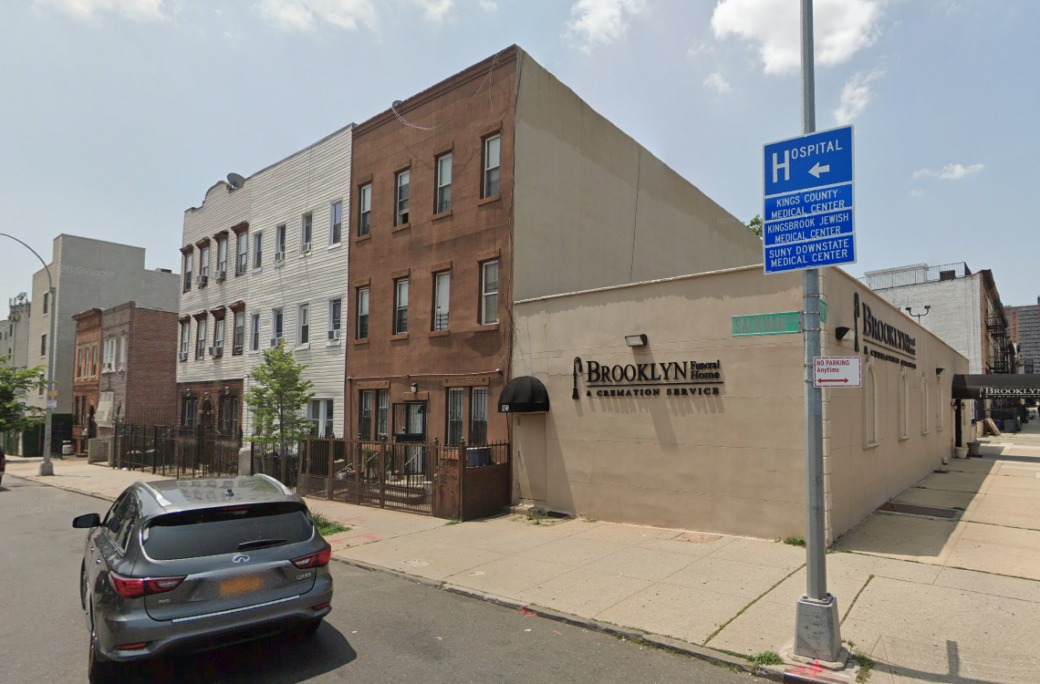
Henry, who owns 134 Sackman Street, never registered the building with HCR and has tried to evict tenants.
According to the Brooklyn Paper, both buildings showed fewer than six units on record, but have received complaints about illegal conversions and additions.
Through the lawsuit, James seeks to have the landlords register both buildings as rent-stabilized with HCR and offer stabilized leases to tenants. The suits also seek restitution for every current rent-stabilized tenant equal to the amount of rent they were overcharged, with nine percent interest.
The office also wants additional civil penalties from Anderson and Henry between $2,000 and $10,000 for each lawful occupant who faced harassment, as well as $500 per unit for each month it was not registered with HCR.
RELATED: