MTA completes Park Avenue Viaduct replacement 60 months early
Credit: Marc A. Hermann / MTA on Flickr
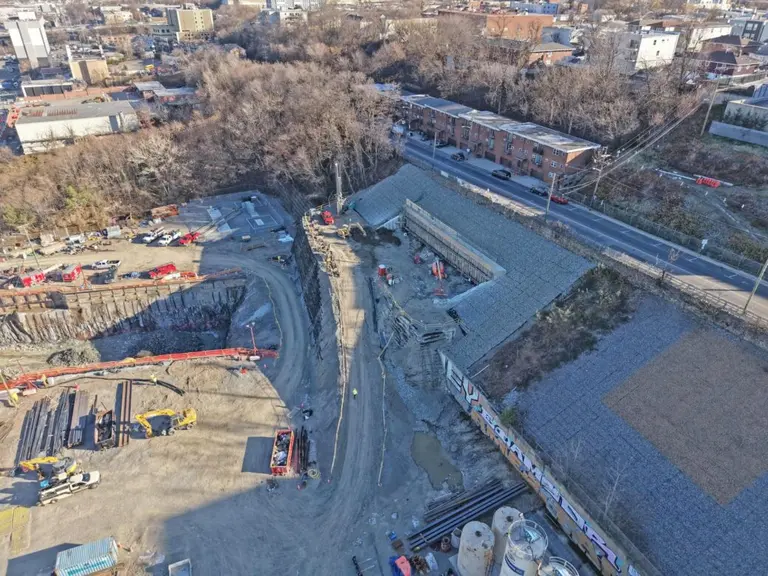
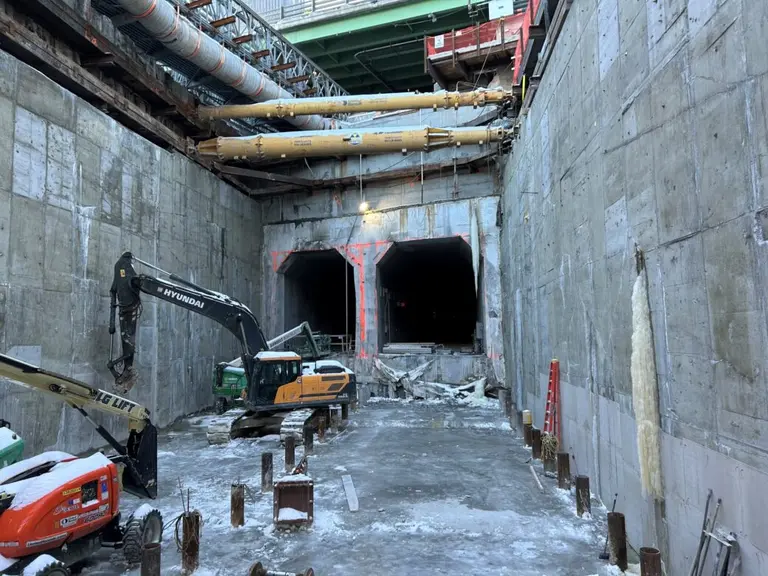
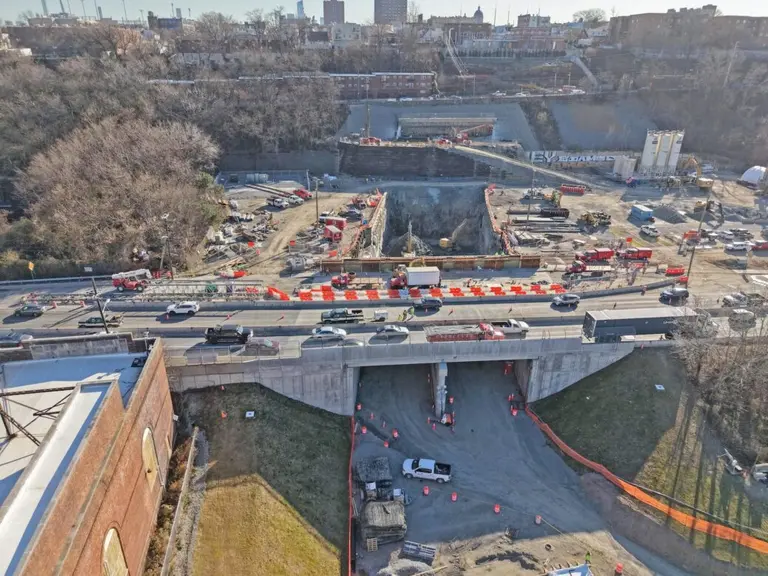
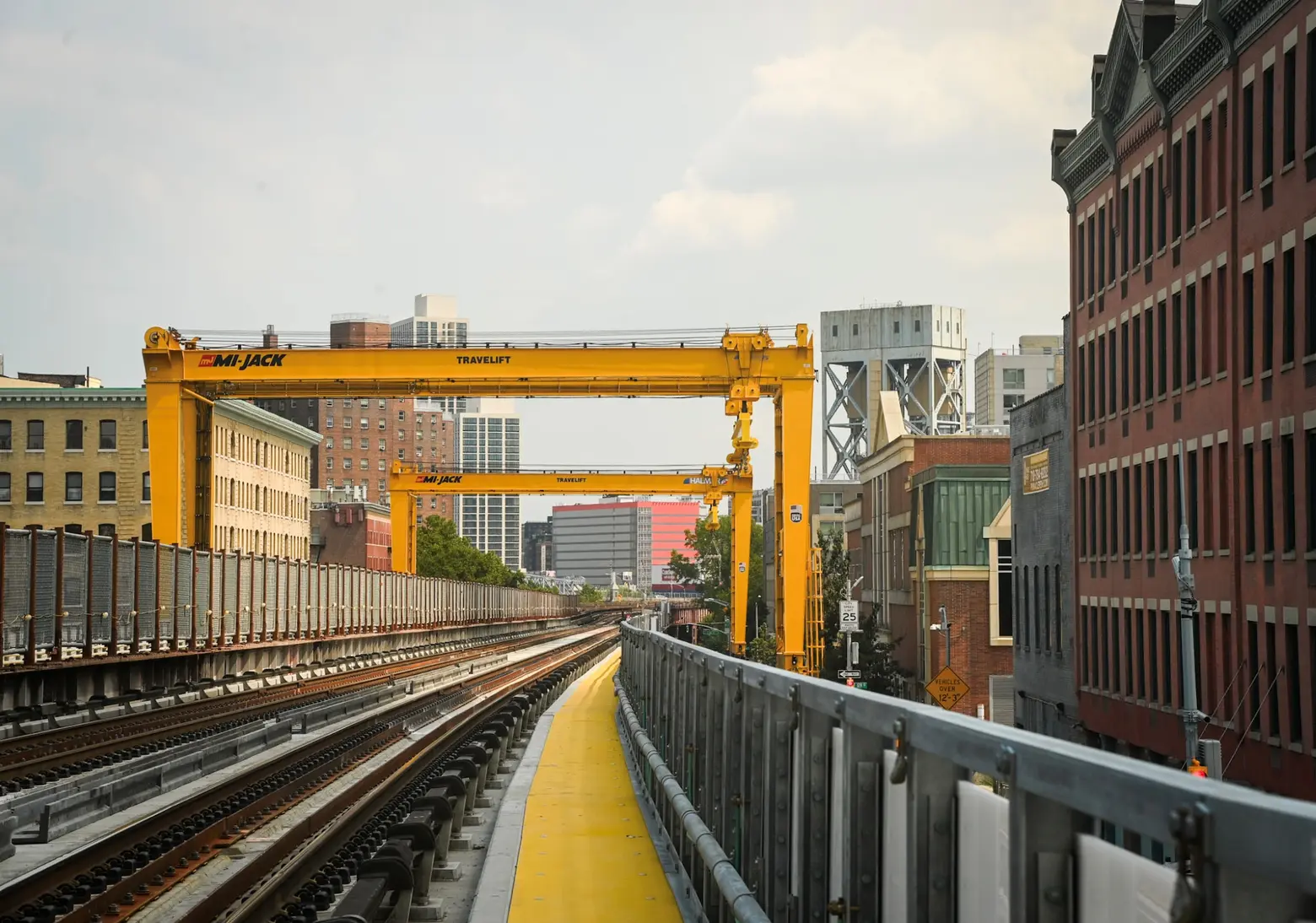
Work on the Park Avenue Viaduct, a critical Metro-North corridor in Upper Manhattan, has been completed 60 months ahead of schedule and $195 million under budget. Gov. Kathy Hochul on Monday announced the completion of the project, which replaced 196 bridge structures and more than 12,600 feet of railroad infrastructure over 28 weekends. The $765 million project aims to strengthen the reliability of the corridor, which carries 98 percent of Metro-North service and all trains traveling to and from Grand Central Terminal.
The 133-year-old viaduct carries four Metro-North tracks above Park Avenue, from the Park Avenue Tunnel at East 97th Street to the Harlem River, supporting roughly 750 trains and 260,000 passengers daily.
Half of the viaduct’s girders date back to the 1890s, prompting the Metropolitan Transportation Authority to reconstruct critical portions of the 1.8-mile corridor between East 110th Street and the Harlem River Lift Bridge. The project also replaced aging sections between East 115th Street and East 132nd Street while maintaining uninterrupted Metro-North service.
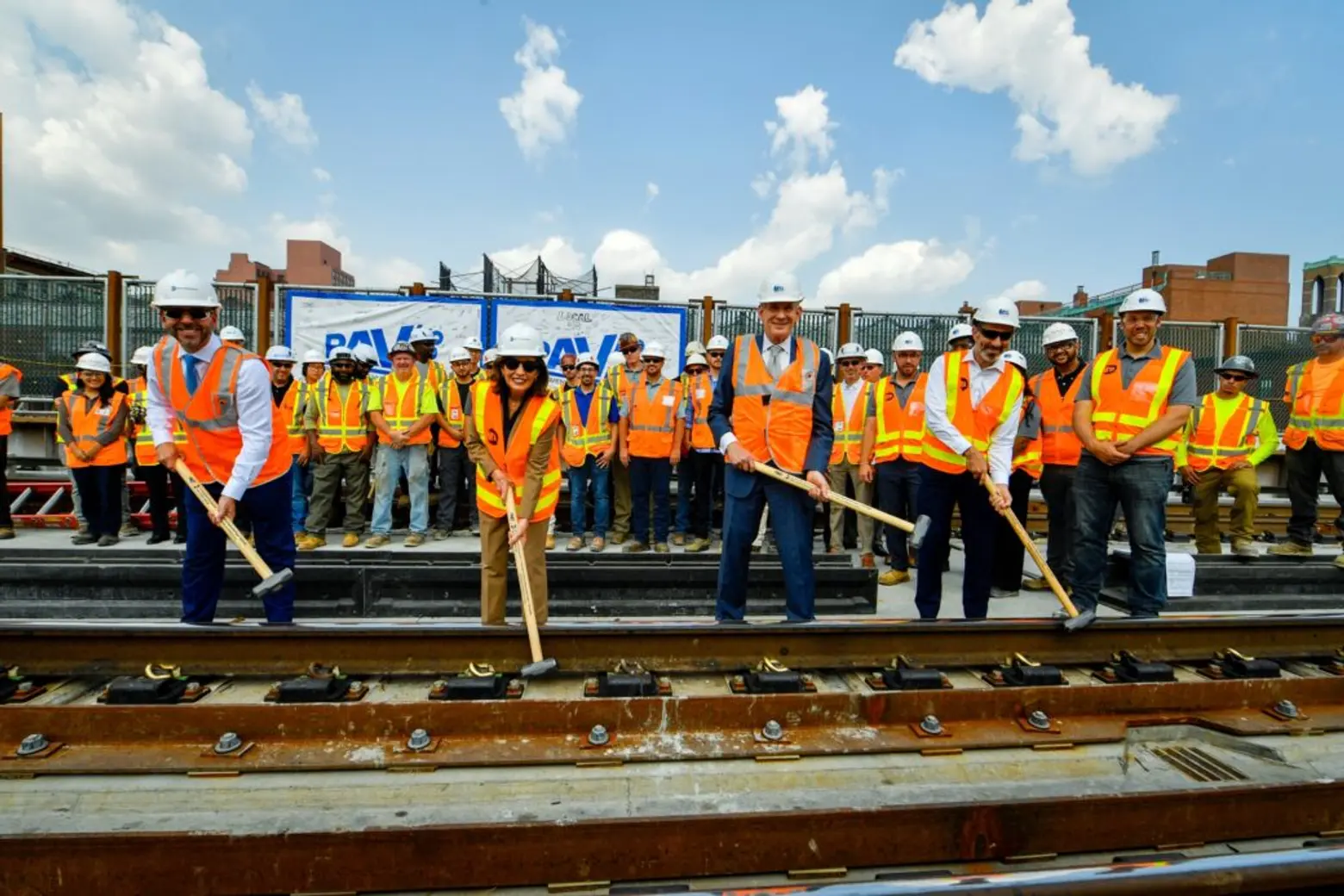
The project was completed in two phases. The first phase, spanning East 115th Street to East 123rd Street, began in October 2023 and was completed 21 months ahead of schedule. The second phase, spanning East 127th Street to East 132nd Street, began in May 2024 and was completed during the weekend of July 25, 60 months ahead of schedule.
With structural replacement complete, remaining work—including track replacement, cable installation and the removal of temporary fencing and girders—is slated for completion by September 2027.
“This is what it looks like when government delivers: a major project to modernize essential infrastructure completed years ahead of schedule and hundreds of millions of dollars under budget, all without impacting service,” Hochul said.
“The Park Avenue Viaduct is critical, and by replacing infrastructure dating back to the Gilded Age, hundreds of thousands of Metro-North riders will now benefit from a smoother and more reliable ride.”
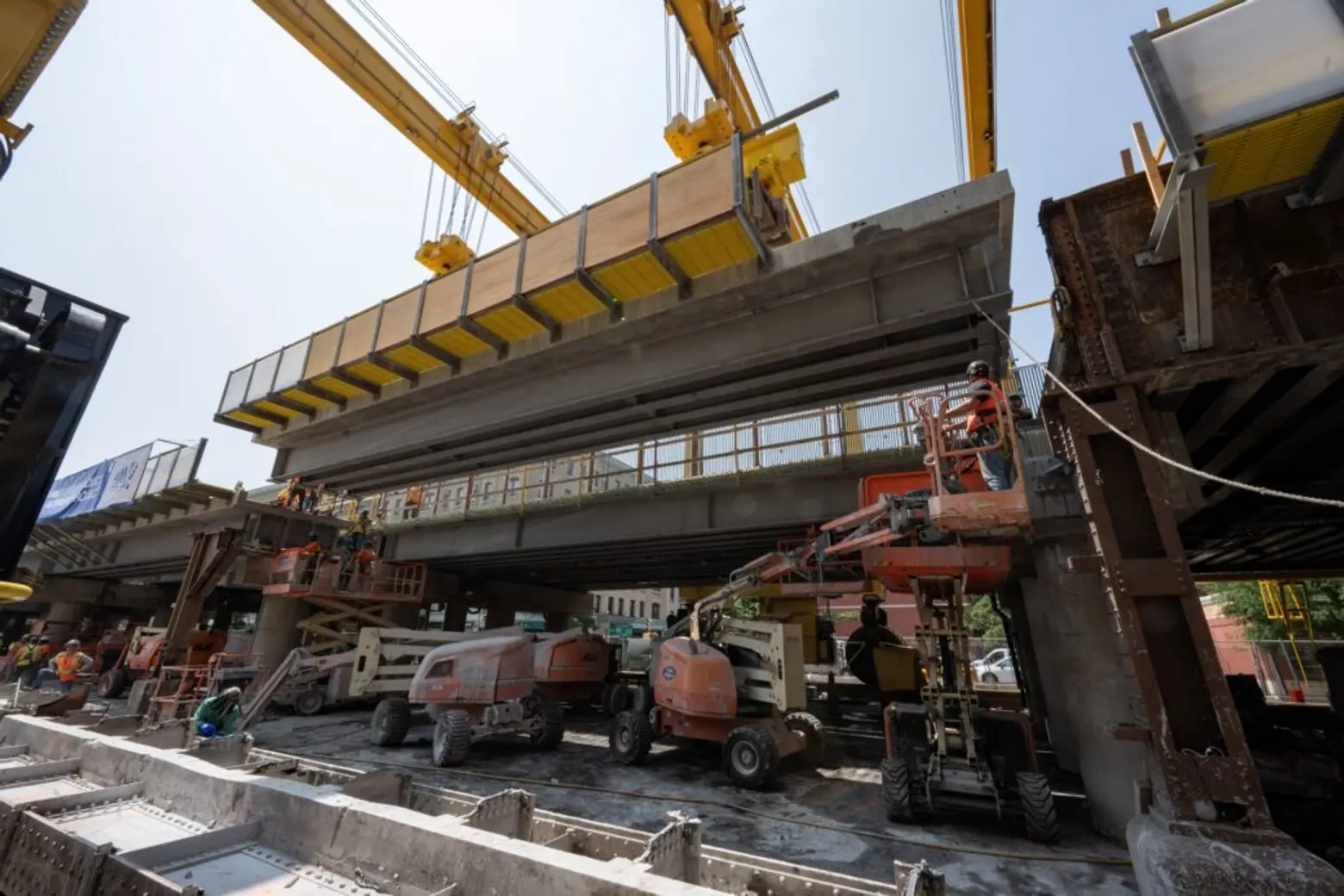
To ensure uninterrupted train service and streamlined construction, the MTA used several custom-designed gantry systems to lift and place prefabricated bridge units weighing nearly 190,000 pounds each. Unlike traditional crane operations, the gantries allowed crews to install the units during brief weekend work windows.
Using an “intertrack containment system” to create enclosed work zones between active tracks, crews were able to continue construction safely while trains operated on neighboring tracks. The approach reduced the need for flagging personnel, lowering project costs and establishing a model for future work on other narrow, active rail corridors.
Additionally, the bridge components were prefabricated and assembled off-site, reducing work performed on the viaduct, limiting workers’ exposure to high-risk tasks and creating more predictable weekend schedules. This approach allowed replacements to be completed during 48-hour weekend work windows.
“The Park Avenue Viaduct replacement is proof that modernization doesn’t have to come at the expense of great service,” Jamie Torres-Springer, president of MTA Construction and Development, said.
“Using creative design and construction innovations, this project is a hallmark example of how the MTA is delivering major upgrades across the system better, faster, and cheaper—and all while keeping New Yorkers moving.”
The project is a central component of the MTA’s broader efforts to modernize the Grand Central Artery, which includes the Grand Central Terminal train shed, Park Avenue Tunnel and Park Avenue Viaduct. Many of the structures are more than a century old and in need of replacement.
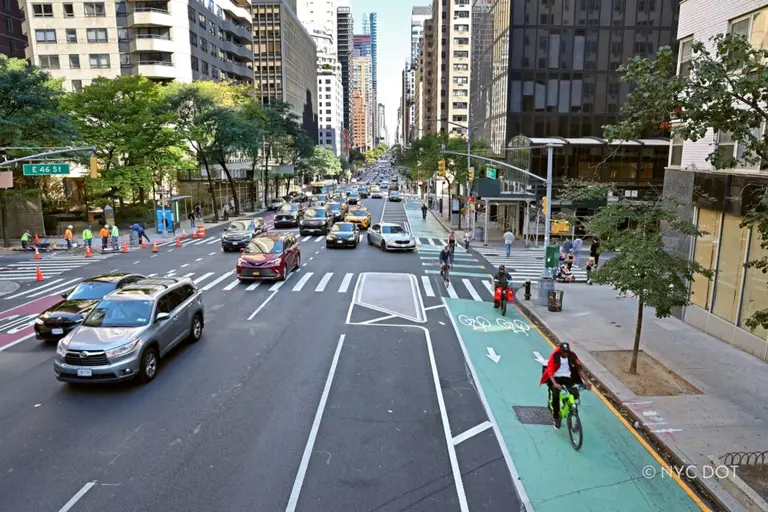
Work on the viaduct also builds upon the ongoing redesign of Park Avenue led by the city’s Department of Transportation. The agency is redesigning the medians along an 11-block stretch of the iconic corridor between East 46th and East 57th streets.
That section of Park Avenue sits above the Grand Central Terminal train shed, which requires the removal of the existing medians as part of its own transformation.
RELATED: