Mamdani restarts bike lane redesign on Astoria’s 31st Street
Credit: DOT
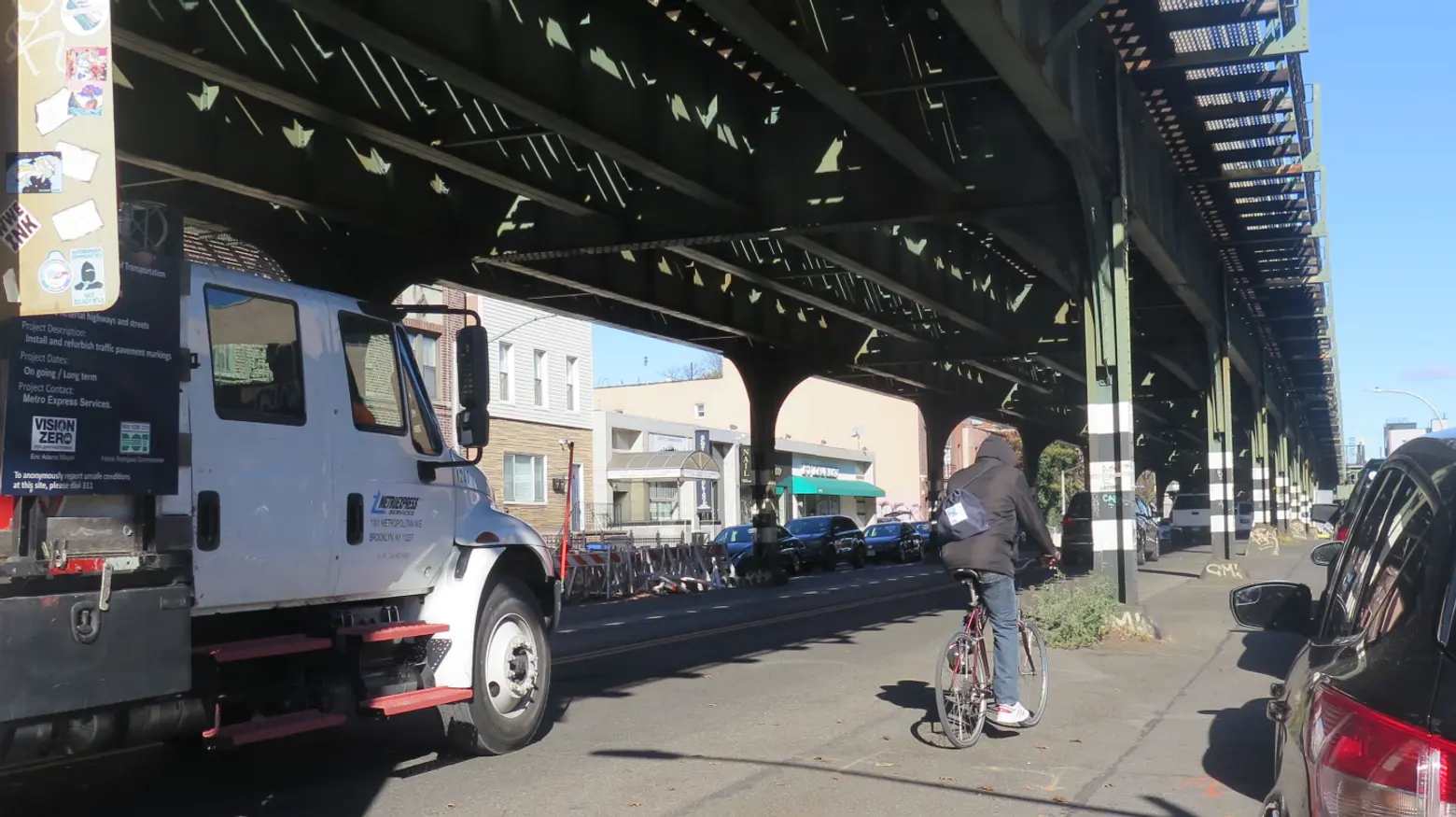
Mayor Zohran Mamdani is reviving another street safety plan delayed or scrapped under his predecessor. The mayor announced the city will restart the redesign process for Astoria’s 31st Street, which had briefly seen construction on a partially-protected bike lane before a Queens judge ruled the city had failed to follow proper protocols and ordered its removal. The Department of Transportation (DOT) plans to address the legal issues that previously stalled the project and ensure improved safety on the notoriously dangerous corridor, which ranks among the top 10 most dangerous streets in Queens.

The redesign targets a particularly hazardous section of 31st Street between 36th and Newton Avenues, part of the city’s “Vision Zero” traffic safety program. Between 2019 and 2024, the corridor saw roughly 190 injuries, including 12 serious injuries and two fatalities, according to Gothamist.
The plan would maintain one travel lane in each direction while adding parking-protected bike lanes and pedestrian islands. Similar redesigns have reduced traffic deaths and serious injuries by 18 percent, according to a DOT press release.
A similar redesign of White Plains Road in the Bronx led to a 41 percent drop in injuries to vehicle occupants and a 10 percent decrease in overall traffic injuries, as Streetsblog reported.
DOT began installing a protected bike lane on one side of 31st Street, between Broadway and 30th Avenue, last summer. However, Judge Cheree Buggs halted all work on the project early last month on the final day allowed by law in an unprecedented ruling.
Buggs sided with the plaintiffs behind a lawsuit, including several popular Astoria businesses such as Parisi Bakery, Sotto la Luna, and King Souvlaki, who argued the project would “jeopardize” the safety of cyclists and “increase the likelihood of injuries” to pedestrians. City data, however, suggests otherwise, with protected bike lanes consistently resulting in fewer traffic incidents, as 6sqft previously reported.
The plaintiffs also argued the bike lanes would create “impediments for emergency service workers,” even though emergency vehicles are legally permitted to use bike lanes when necessary. Other plaintiffs included St. Demetrios School, a private Greek-American school serving roughly 800 students from preschool through 12th grade.
Buggs determined that the DOT did not follow the mandated consultation and certification processes with the Department of Small Business Services and the Mayor’s Office for People with Disabilities. She also concluded that the agency had not adequately addressed St. Demetrios’ concerns, deeming the proposed safety measures—including rumble strips, signage, and stop signs—insufficient.
The judge cited warnings from the FDNY, which conducted a field demonstration showing that ladder trucks could not reach upper floors under the redesigned street due to the elevated subway structure overhead. Buggs said the DOT “did not meaningfully reconcile” this issue.
Buggs’ ruling broke with long-standing precedent that generally gives the DOT broad authority over street redesigns. Similar lawsuits challenging bike lanes are often dismissed, with judges siding with the agency.
The DOT plans to restart the design process, ensuring compliance with the legally required Major Transportation Project procedures and addressing the concerns raised in Buggs’ ruling. The city’s Law Department also intends to file a notice of appeal.
In a statement, Mamdani expressed his love for Astoria but admitted he avoids biking on 31st Street because of its safety risks.
“I love being in Astoria. Walking through it, biking across it, and driving from one end to the other,” Mamdani said. “But when I can, I avoid doing so on 31st Street because it isn’t safe for pedestrians, cyclists or drivers.”
He added: “Enough is enough. My administration is restarting the 31st Street Redesign because New Yorkers shouldn’t be forced to go out of their way because our roads are too dangerous.”
The project’s restart is the second transportation initiative stalled or scrapped under former Mayor Eric Adams that Mamdani has revived since taking office on January 1. On Saturday, the mayor announced plans to move forward with protected bike lanes along the full length of McGuinness Boulevard in Greenpoint.
The street’s “road diet” had originally been slated for implementation but was scaled back amid allegations that a neighborhood film production company bribed a senior Adams administration official.
RELATED: