Mamdani proposes city-backed insurance program to cut costs for some NYC landlords
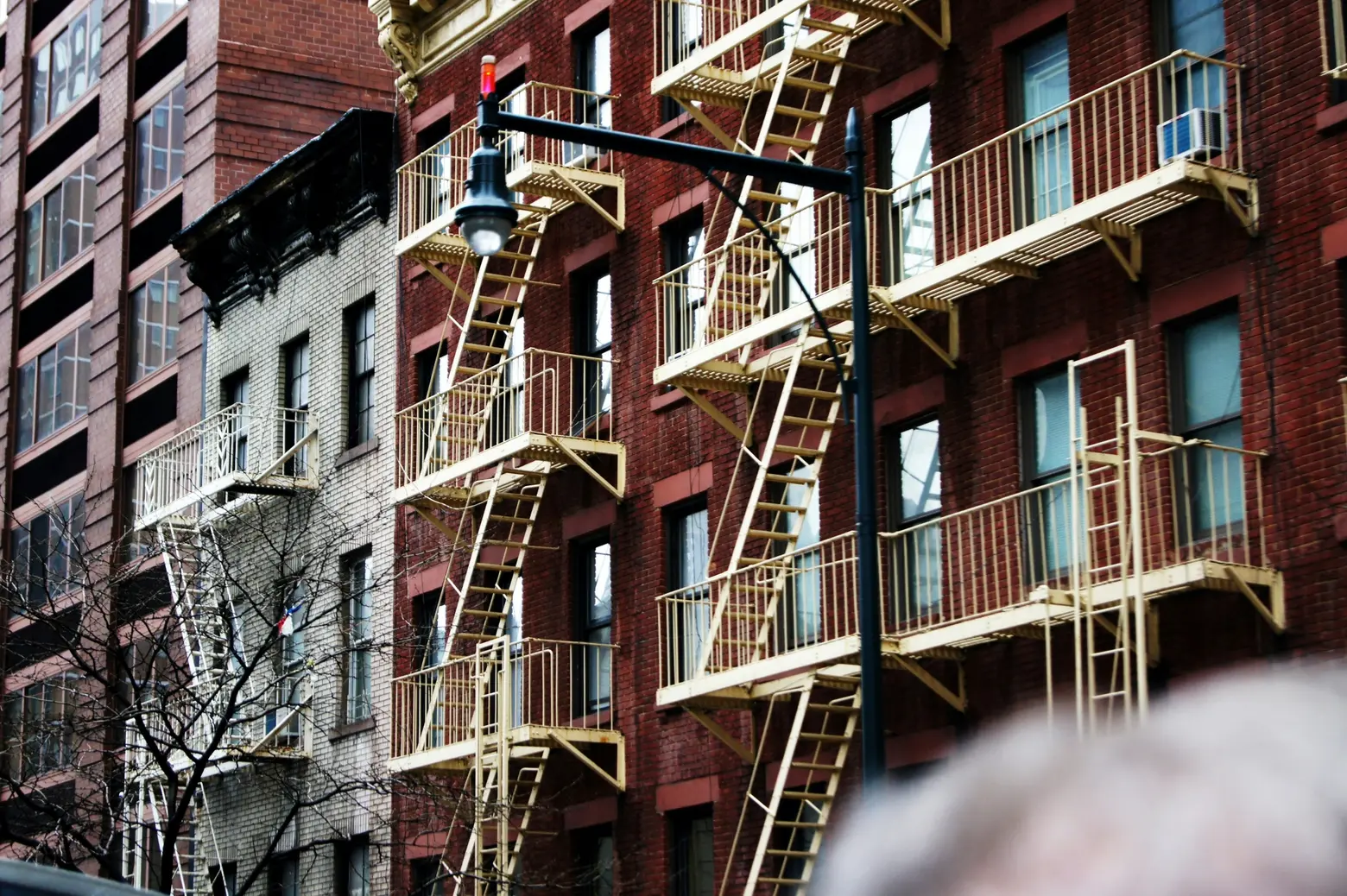
Credit: Jason Hawke CA on Unsplash
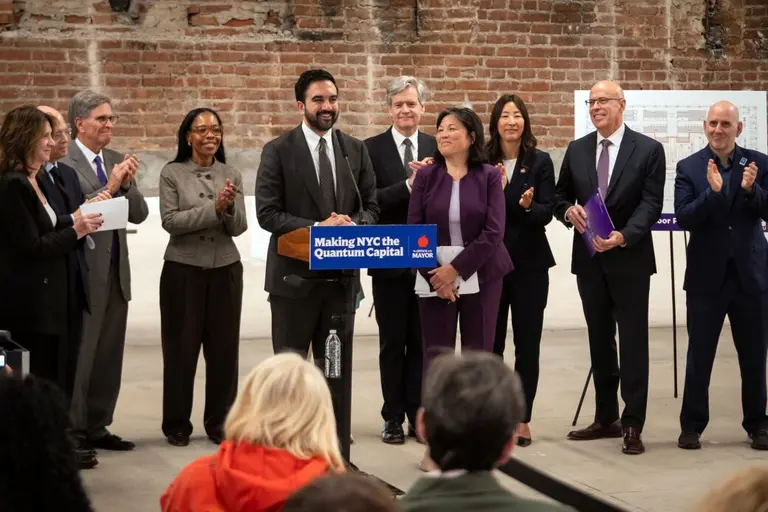
While Mayor Zohran Mamdani’s administration has so far focused on affordability for renters, the mayor announced a plan to help landlords on Thursday. A new program managed by the city will reduce the cost of property and liability insurance for affordable and rent-stabilized housing. As the New York Times reported, the proposal is seen as a peace offering to property owners, whose interests have often been at odds with the administration. According to the city, the self-sustaining program will help address the rising cost of insurance, which has more than tripled since 2017.
“We cannot take on the housing crisis without confronting one of the fastest-growing costs facing New Yorkers: insurance,” Mamdani said.
“That’s why we’re creating the first city-backed insurance program—to help New Yorkers stay in their homes, give building owners the support they need to make repairs, and build a city that New Yorkers can actually afford.”
According to a report presented during an April 9 Rent Guidelines Board meeting, insurance was the second-largest contributor to the Price Index of Operating Costs (PIOC), which tracks changes in the cost of operating rent-stabilized buildings. Insurance costs rose 10.5 percent between April 2025 and March 2026.
Policies costing more than $11,382 saw an average renewal increase of 10.6 percent, while those at or below that threshold rose 10 percent. Buildings constructed before 1974 saw increases of 11.6 percent, compared with 5.4 percent for newer buildings.
Over the past five years, the cumulative PIOC has increased by 31 percent. Insurance costs rose nearly 100 percent over that period, making it the fastest-growing component in the index. Although insurance is one of the lowest-weighted components in the PIOC, it saw the fastest growth in price, accounting for 6.8 percent of the index’s cumulative 31 percent increase.
Those rising insurance costs are a key reason many landlords have opposed Mamdani’s policies, particularly his pledge to “freeze the rent” for rent-stabilized apartments, which make up roughly 40 percent of the city’s rental housing stock. They argue the policy could further strain already tight fiscal margins.
Landlords say they have already had to cut back on expenses such as maintenance in response to rising costs. Additionally, affordable housing developers often rely on loans to finance construction, with loan size tied to a building’s projected net operating income (NOI).
When insurance costs are high, NOI is reduced, resulting in smaller loans that must be supplemented with city subsidies to close the funding gap. The city estimates that every $100 increase in insurance premiums results in a $1,200 increase in city capital needed for new developments. Lowering premiums would lead to larger loans and reduced reliance on city capital, according to the Times.
Leila Bozorg, deputy mayor for housing and planning, told the Times the program could improve tenants’ lives, as landlords could redirect savings on insurance toward repairs and property improvements.
“The skyrocketing cost of insurance is putting affordable, rent-stabilized housing at risk and risks setting back our efforts to build a more affordable city,” Bozorg said. “This effort will use the city’s purchasing power to lower insurance premiums, helping our own investments in affordable housing go farther and reducing operating costs for owners of rent-stabilized housing.”
Bozorg said the program would be run by a private entity, though the city would retain oversight and a financial stake, and it would compete with other insurers in the marketplace. The city expects the program to pay for itself, generating revenue through premiums.
While many details of the program remain unclear, including eligibility, premium costs, and the overall cost to the city, the city’s Housing Development Corporation (HDC) will issue a request for proposals this week for an actuary or risk consultant to help design the program.
Ann Korchak, president of the Small Property Owners of New York (SPONY), said the program “raises many questions.”
“The insurance market is incredibly complex. It would take years for real reform to have a meaningful impact on the operating costs of economically distressed small private property owners,” Korchak said.
“The Mayor could have a more effective and immediate impact on the financial stability and quality of affordable housing by reducing property taxes and eliminating costly city mandates that burden small private property owners.”
This summer, the Economic Development Corporation (NYCEDC) will issue a request for expressions of interest to solicit proposals on how best to structure and operate the program. By 2027, the city expects to lower insurance costs for the first 20,000 homes, increasing to 100,000 homes by 2030.
The program’s unveiling comes weeks after an RGB report found that landlord incomes rose 6.2 percent citywide between 2023 and 2024, marking the third consecutive year of NOI growth.
A public hearing will be held by the RGB on April 23, followed by a preliminary vote on rent adjustments in May. See the schedule of meetings here.
RELATED: