
Hochul proposes pied-à-terre tax on NYC second homes worth over $5M
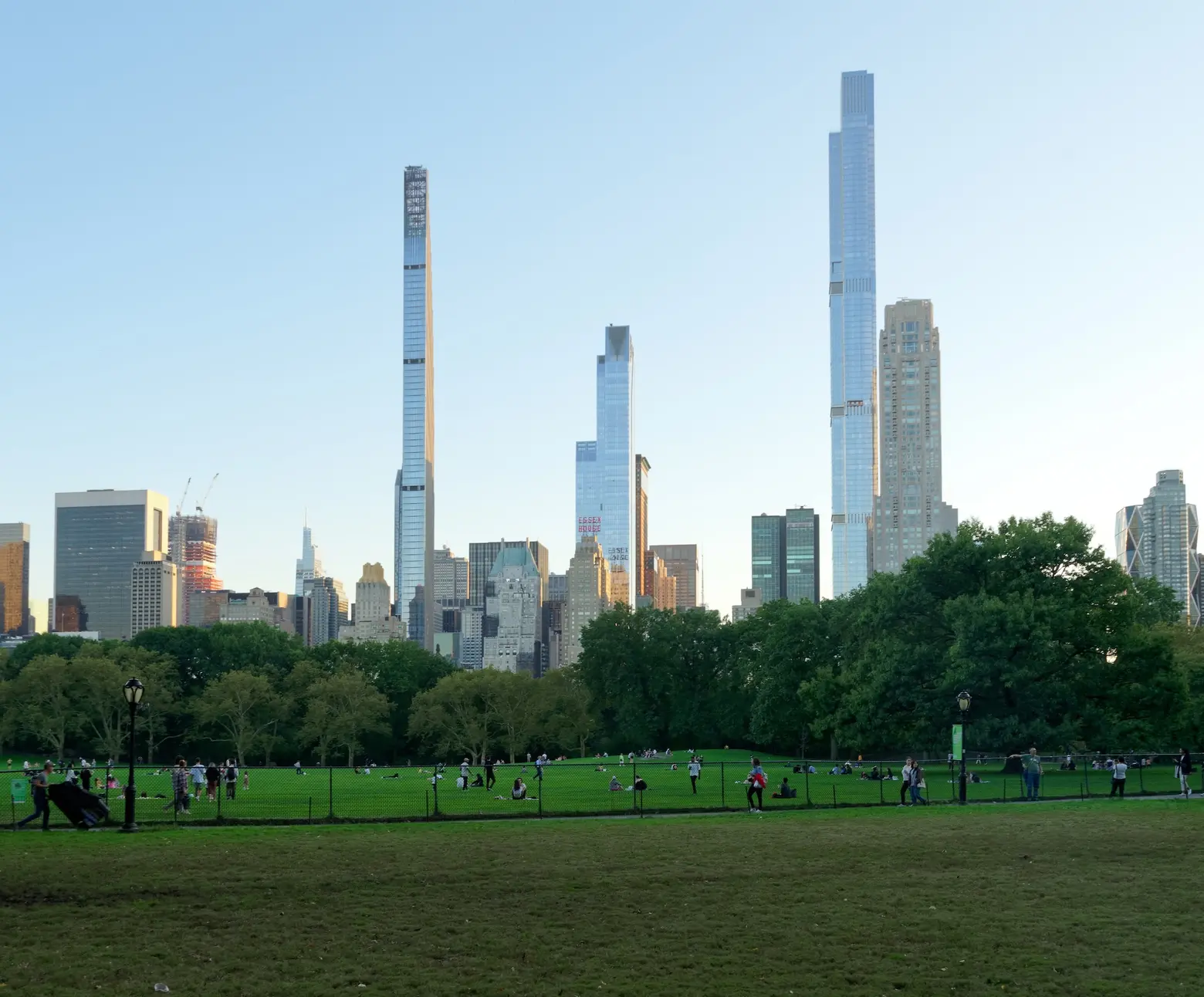
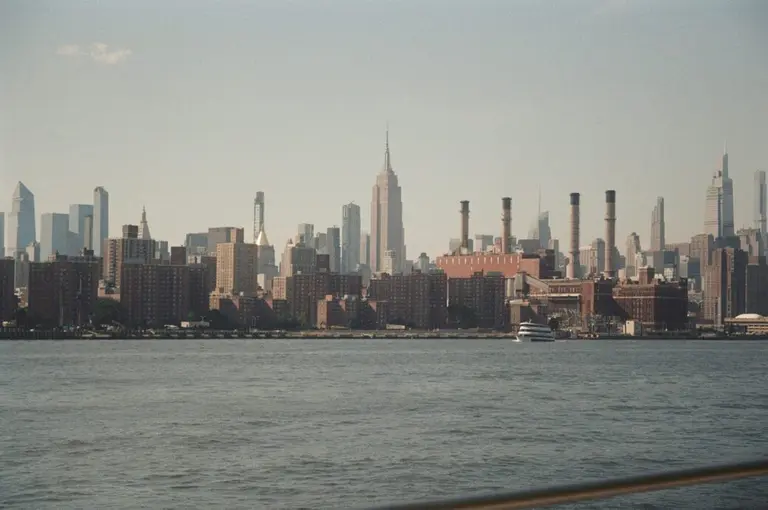
Photo by on Wikimedia
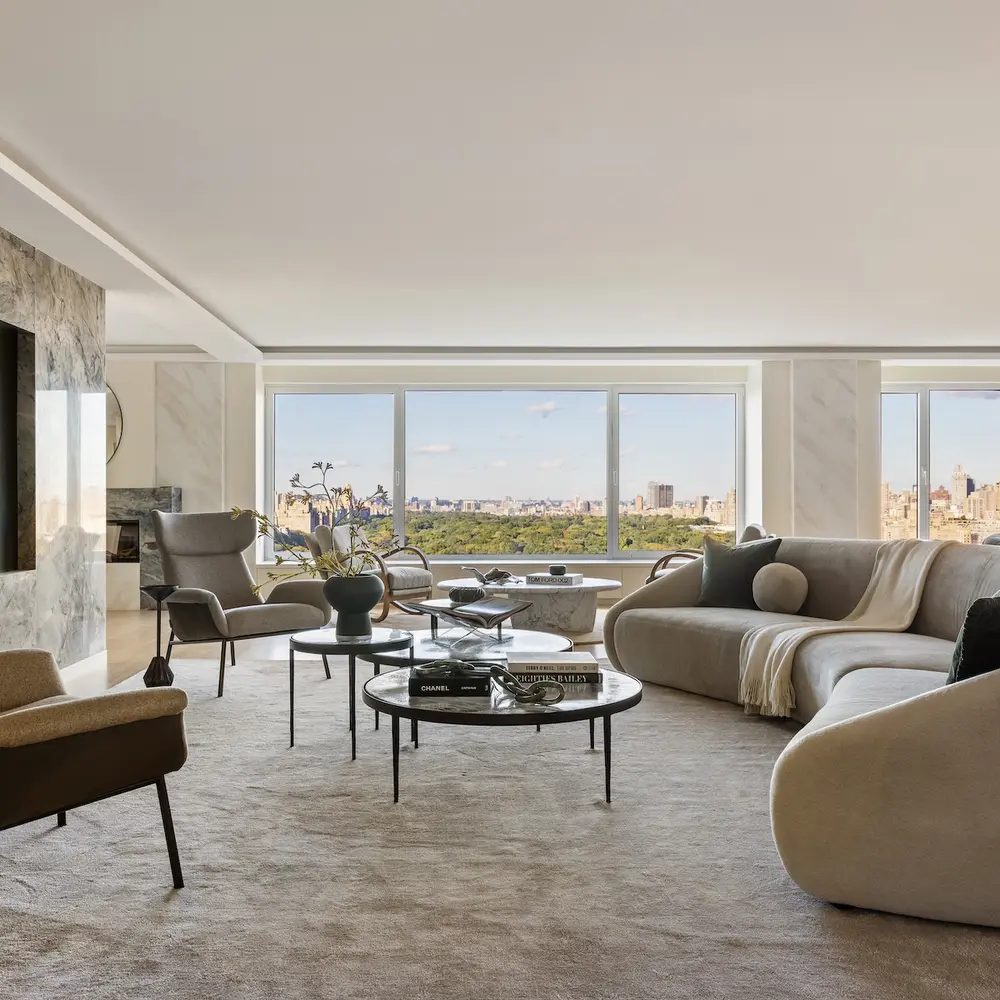
Governor Kathy Hochul on Wednesday proposed a yearly tax on non-primary residences in New York City. After resisting calls to tax high-income earners led by progressive leaders like Mayor Zohran Mamdani, the governor is now embracing a surcharge on secondary homes in the five boroughs valued at $5 million and above. Known as pieds-à-terre, these properties are occupied by part-time residents who usually stay there while working or visiting the city. While it’s not the first time such a tax has been proposed in recent years, the new push for the surcharge comes as the city deals with a multibillion-dollar budget gap.
Homeowners who do not live or work full-time in New York City do not pay income taxes, limiting their contributions to public services, including fire and police departments, sanitation, parks, and transit systems. According to Hochul, the new pied-à-terre tax could generate at least $500 million annually in revenue for the city, which is currently facing a $5.4 billion budget gap.
“New York City is the greatest city in the world, and the people who call it home should not be left carrying the burden alone,” Hochul said.
“As Governor, I understand the importance of stabilizing the city’s finances without compromising on essential services New Yorkers count on. If you can afford a $5 million second home that sits empty most of the year, you can afford to contribute like every other New Yorker.”
As reported by the New York Times, Hochul plans to include the tax in the state’s budget, which was due April 1 and is still being negotiated. Details on the new surcharge were not released as of Wednesday, but previous proposals included a sliding scale model, with a higher tax on the most expensive properties.
Officials have called for a tax on luxury secondary homes since 2014, when Manhattan Borough President Brad Hoylman-Sigal, then a state senator, drafted legislation. The bill failed to move forward, but the effort was renewed in 2019 after Ken Griffin bought a $238 million apartment at 220 Central Park South as a “place to stay when he’s in town,” reviving interest in the tax.
Another part of a complicated tax system, city co-ops and condos are not taxed at market value, but instead are assessed by looking at comparable rental buildings. As 6sqft previously reported, that means Griffin’s apartment was assessed at $9.4 million, only 3.9 percent of the purchase price.
In 2017, there were 75,000 pieds-à-terre, according to the New York City Housing and Vacancy. The most recent survey by the group, with findings from 2023, found a significant drop off, with 59,000 units.
Several cities have implemented a tax on second homes, including Paris, Singapore, and Vancouver, not only to raise funds but also to return “empty or under-used properties to more active use as long-term rental homes,” according to a 2019 report from the Fiscal Policy Institute.
Hochul on Wednesday said it’s a matter of fairness to the residents who actually live in New York City.
“Those who benefit from the city without living in a full-time capacity should contribute to the costs that it takes to run the city: public safety, world-class parks, amenities, the roads, the subway system,” the governor said.
“This proposal simply ensures that they’re contributing in a meaningful way to keeping New York City the greatest city in the world.”
During his campaign, the mayor said he would call for taxes to be raised on the wealthiest New Yorkers to pay for his agenda of free buses and childcare. Earlier this year, Mamdani released his first preliminary budget, which included a $5.4 bullion budget gap.
He said if Albany does not raise taxes, the city would raise property taxes by 9.5 percent and tap into the city’s reserves to close the budget gap. Both ideas received criticism, and Mamdani backed away from the tax hike.
In February, Hochul announced an additional $1.5 billion over two years to help New York City’s fiscal crisis. In March, Mamdani announced that city agencies identified $1.7 billion more in savings.
“Thanks to the support of Governor Hochul, we are one step closer to balancing our budget by taxing the ultra-wealthy and global elites with a pied-à-terre tax — the first of its kind in our state,” Mamdani said.
“Alongside the governor, our administration is fighting every day to make sure we address this fiscal deficit fairly, where the wealthy contribute what they owe and our budget reflects our commitment to the working New Yorkers being priced out of our city.”
The Real Estate Board of New York (REBNY), the pro-real-estate lobbyist group, urged its members to contact Hochul and their state representatives to voice opposition to the proposal.
The group argues the new pied-à-terre tax would cause property values to drop, higher costs for co-op owners, job losses in construction, and reduce investment in New York City.
“This annual tax will weaken the city’s broader economy — all without addressing its fiscal problems in the first place, James Whelan, president of REBNY, said in a statement to the New York Times. “Albany should focus on policies that encourage investment and housing production to create a more affordable city, not ones that stifle its growth.”
RELATED:
Interested in similar content?
Leave a reply
Your email address will not be published.







It’s about time! I would go further- – article did NOT indicate the % of the tax. Take a walk around town at night and see how many apartments have no lights on- not just one night, but multiple nights ! These people- Americans and foreigners, ‘park’ their money on places they rarely stay in, expecting an increase in value- without contributing to the city they look to for a R.O.I.! The tax system also needs to be revised- Griffin paid in excess of 200Million, but pays based on 3.9% of value? There is something seriously wrong with this! NOT OK!
[…] Kathy Hochul’s proposed pied-à-terre tax could generate up to $500 million annually, but multiple variables could affect the final revenue, […]