Catching up with Long Island City: Where to eat, play, and live in the waterfront neighborhood
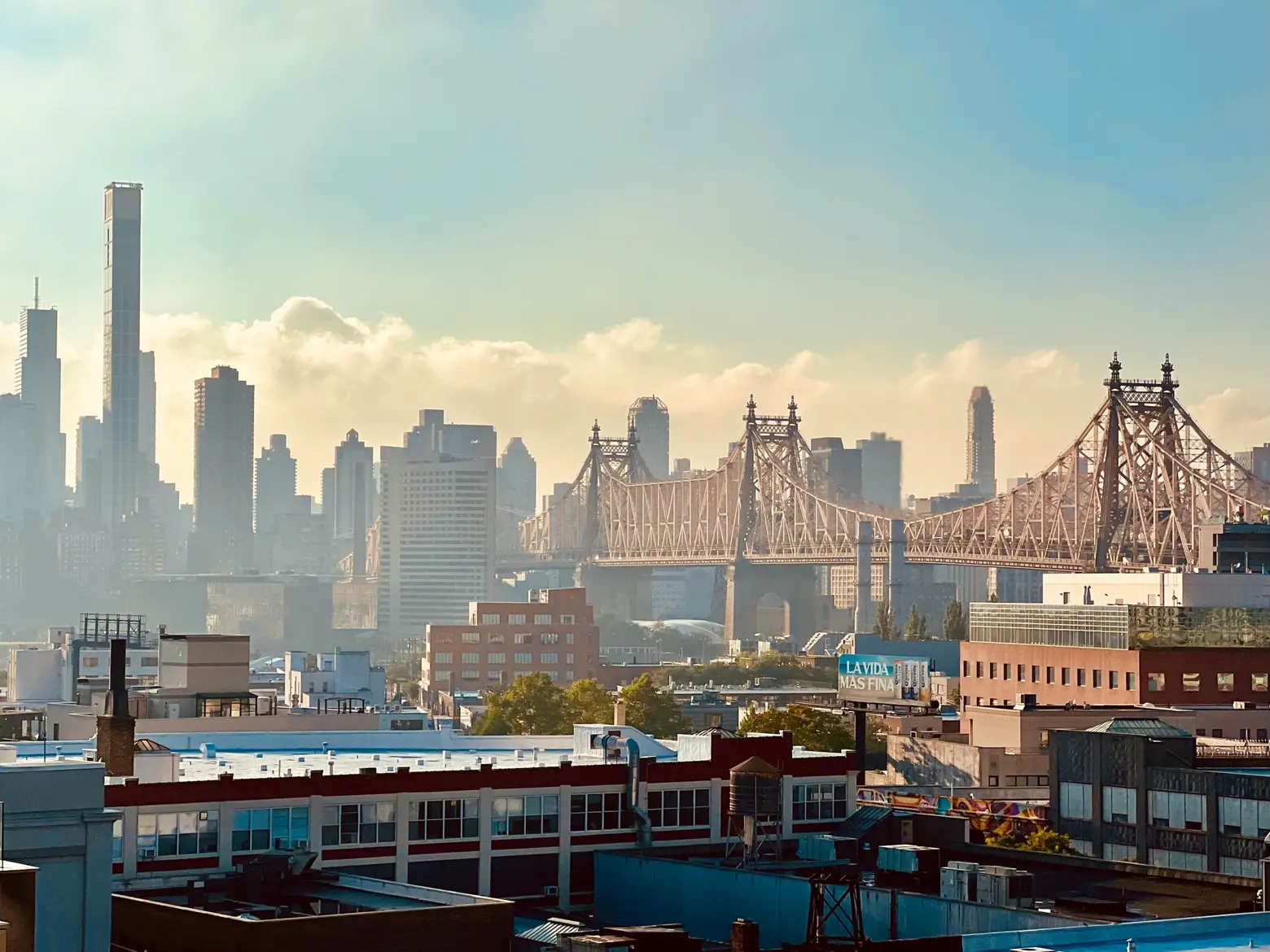
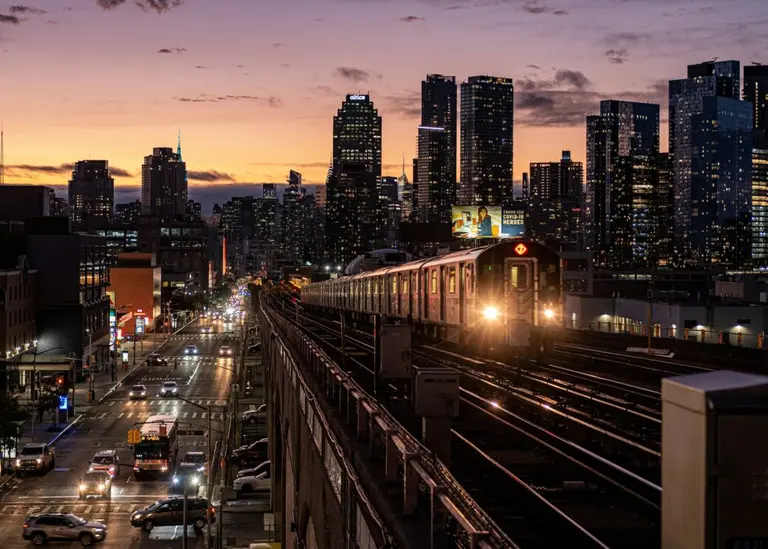
If you haven’t been to the Queens waterfront neighborhood in a while, today’s Long Island City may surprise you. A quick hop from Manhattan (just one subway stop from Midtown), the neighborhood has relied on that proximity for several decades of exponential growth. But somewhere between the first glass towers and the newest wave of waterfront condos, a Long Island City address has increasingly become a choice in its own right.
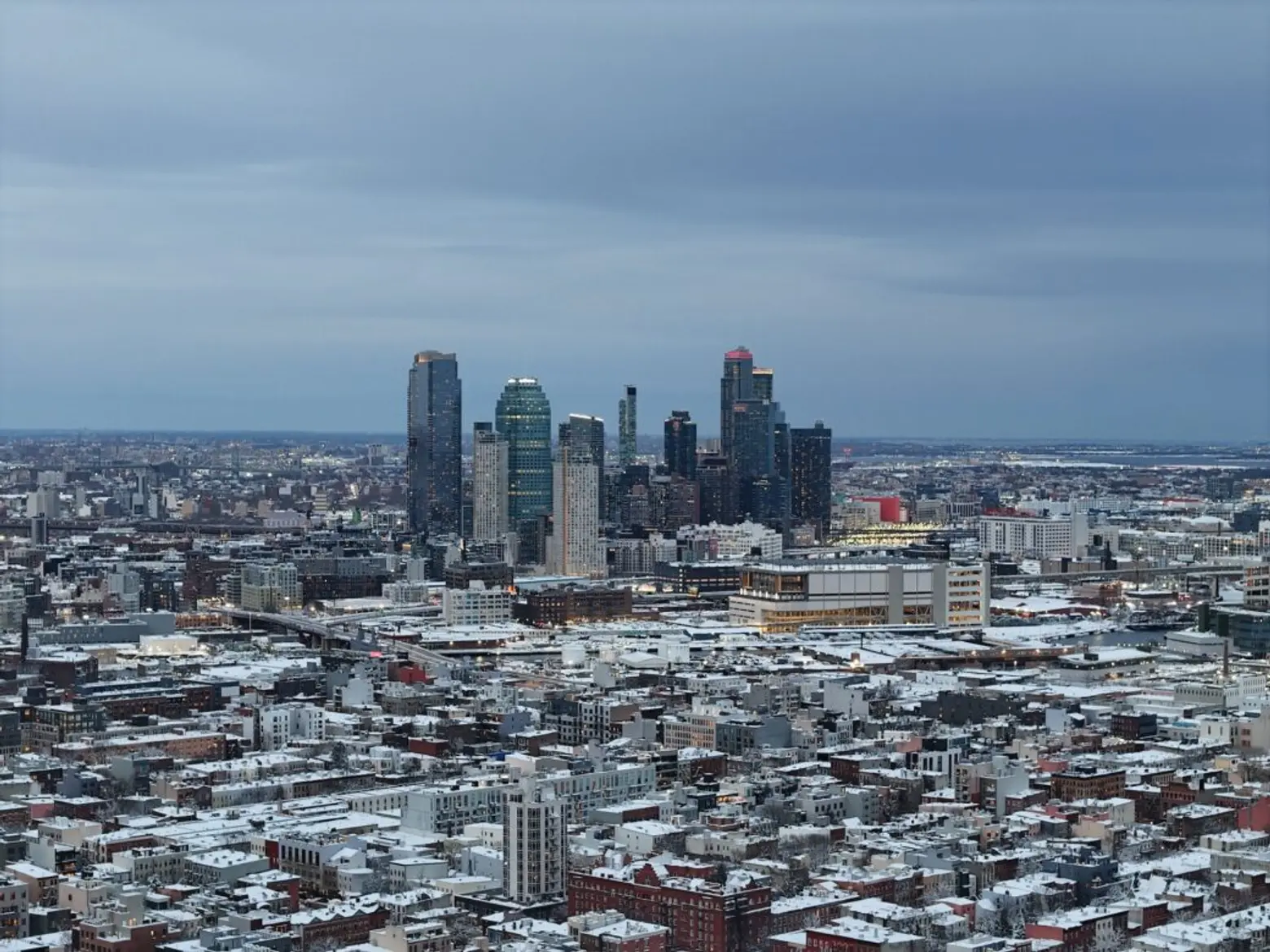
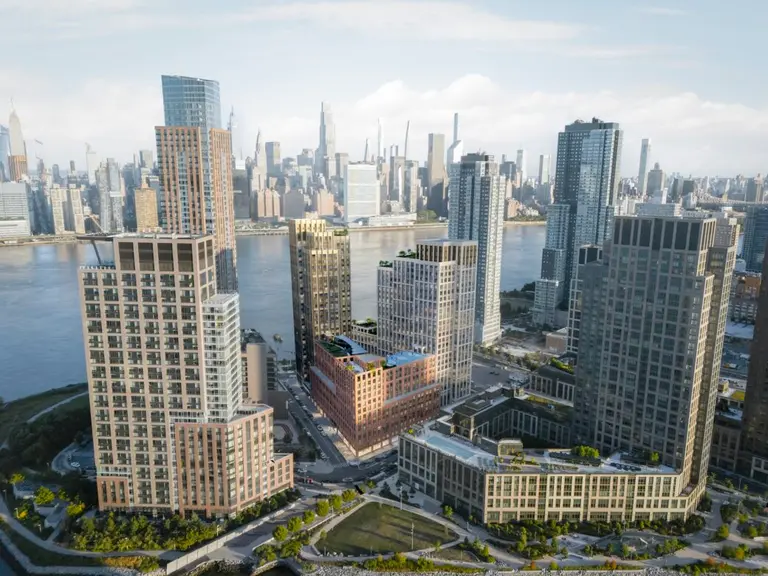
Bounded by Newtown Creek and Greenpoint to the south, Astoria to the north, and Sunnyside to the east, Long Island City occupies the westernmost tip of Queens, across the East River from Midtown and Roosevelt Island. Following a 2001 rezoning, the waterfront district became one of the nation’s fastest-growing neighborhoods.
Once an industrial jumble of factories, warehouses, tenements, bakeries, and rail yards, Long Island City experienced gentrification’s growing pains before most of the city’s now-pricey neighborhoods, illustrated by the demise of 5Pointz, the open-air graffiti and street art mecca that brought artists from around the world. Its murals were whitewashed overnight in 2013, and the building was demolished in 2014 to make way for a luxury residential complex.
The growth hasn’t slowed. In 2024, the city recorded its highest number of new apartment completions in a single year since 1965. According to the data, Long Island City completed the most new homes that year of any neighborhood, with 1,859 new units.
In the early 2000s, the area was known for shiny new towers like Avalon Riverview and City Lights, packed with brag-worthy amenities like rooftop pools. This first residential wave attracted young single professionals in search of a landing spot as close as possible to Manhattan, without the Manhattan rents.
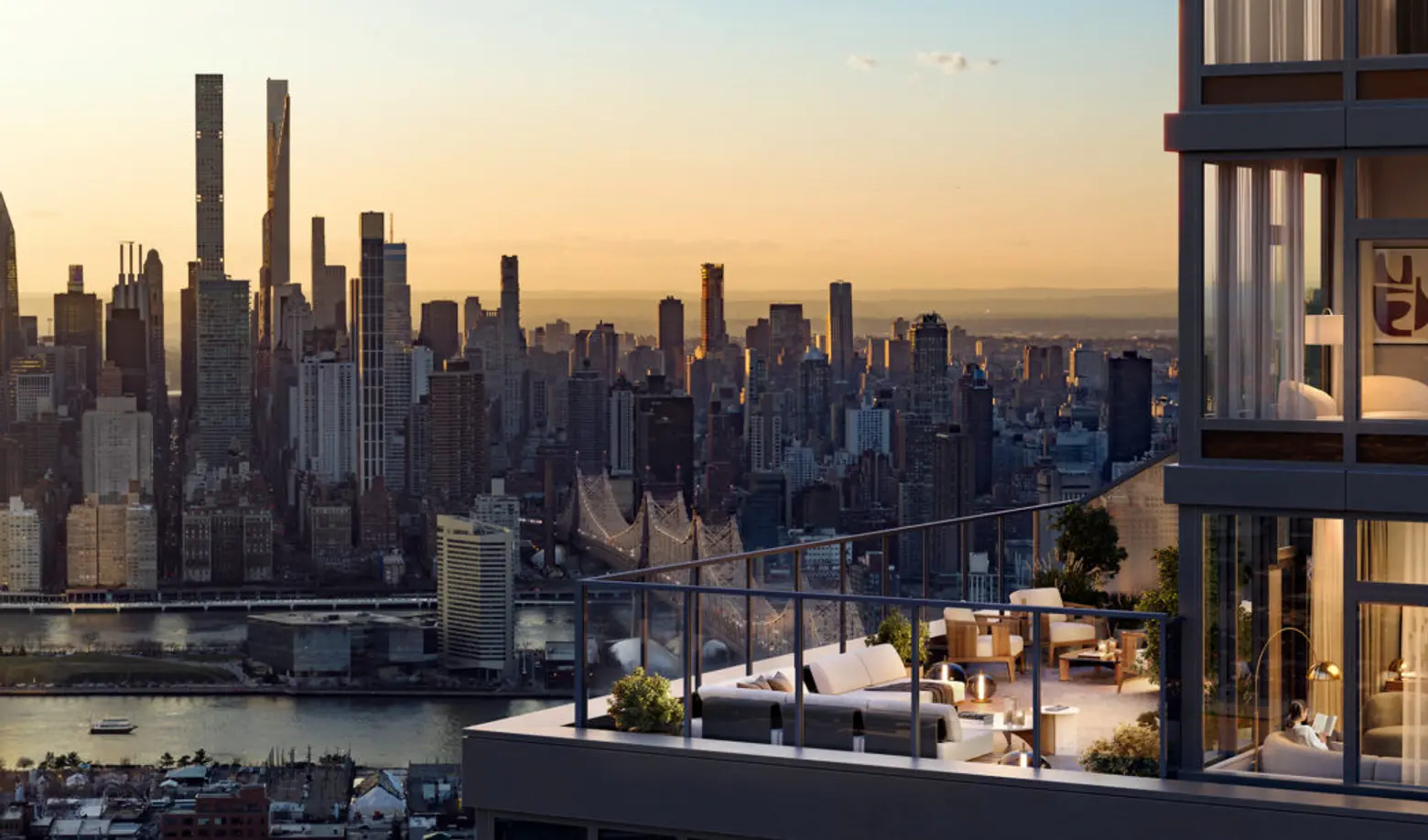
In the second quarter of the 21st century, the story is changing. A more diverse demographic is moving into new condo buildings, drawn by life on the water and by East River views of the Manhattan skyline that never fail to mesmerize, whether you’re seeing them for the first time or for the first time that morning.
Former residents who moved to Jersey City are returning. Employed in finance, tech, and the creative industries, buyers priced out of Brooklyn neighborhoods like Williamsburg and Greenpoint are finding more space for their money here. Families from Westchester, New Jersey, and Long Island are attracted to the schools, after-school programming, parks, and public spaces. And parents from all over the world are buying apartments for children studying at the city’s many universities.

Long Island City is also home to a growing Asian community. The neighborhood’s population has nearly quadrupled in the last 14 years, and, according to the Hunters Point Ledger, census data show most of that growth is represented by an eightfold increase in Asian residents, from about 1,246 residents in 2010 to about 10,246 in 2024.
The neighborhood has been called the city’s newest Chinatown, as evidenced by an explosion of new restaurants along the strip between Queens Plaza and Queensboro Plaza. Easy access to the Long Island Expressway and to Flushing, where extended family may live, is part of the appeal.
This growth adds up to a lively food scene, a burgeoning arts community, and a feeling of safety. At Paragon, the neighborhood’s newest waterfront condo, about 60 percent of buyers come from one of the area’s waterfront rental buildings, according to SERHANT’s Kayla Lee, a longtime resident, who leads sales at the building.
“It has a great quality as a neighborhood for people to put down roots,” Lee said. “People start as a renter along waterfront or Court Square; many end up staying and buying a condo or townhouse.”
Developers have responded with more three- and four-bedroom units, and new parks, schools, and restaurants have kept pace. Beyond the food scene, says Lee, “there is a feeling of safety. A little city, but also a little town; everybody knows one another. It has a main street.”
According to a 2026 report from SERHANT., Long Island City condo closings rose 8.7 percent year-over-year to 163, up 29.4 percent from the spring, with average price per square foot up 10.8 percent and the median price up 10.4 percent.
Sales between $1 million and $1.5 million jumped 67.7 percent, sales at $1.5 million and above rose 44.4 percent, and contracts at that level climbed 40.9 percent.
Far from slowing down, more unprecedented growth is on the horizon. In November 2025, the city council unanimously approved the OneLIC Neighborhood Plan, rezoning 54 mostly industrial blocks between Gantry Plaza and the Queensbridge Houses.
As the city’s largest neighborhood rezoning in 25 years, it allows for about 14,700 new homes (4,350 of them permanently affordable). It also commits to 1,300 new school seats, a $206 million investment in the Queensbridge Houses, and a continuous public waterfront from Gantry Plaza to Queensbridge Park. Read on to see what’s here, now.
Things to see and do in Long Island City
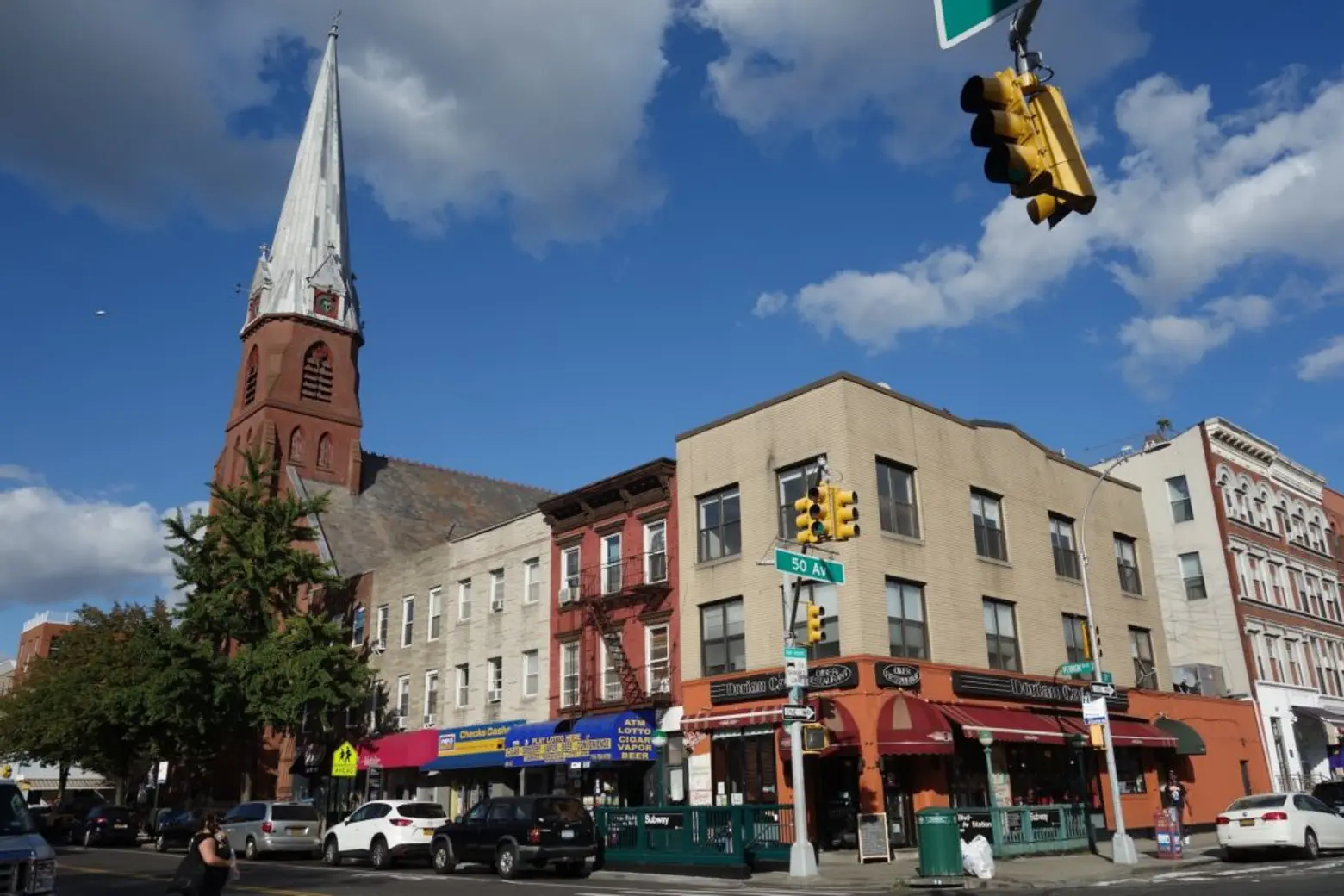
Today’s Long Island City can be seen as a collection of smaller neighborhoods: the waterfront towers and 19th-century row houses of Hunters Point, the office and condo hub of Court Square, the transit crossroads of Queens Plaza, the still-industrial streets of Dutch Kills, and Ravenswood to the north along the river as well as Queensbridge Houses, North America’s largest public-housing complex (and once home to some of America’s most influential hip hop and rap musicians like producer Marley Marl and rappers MC Shan, Mobb Deep, Nas, and Roxanne Shanté).
Residents generally see the neighborhood in two distinct sections: Court Square/Queensboro Plaza and Hunters Point. The former has traditionally had the advantage of convenience and access to transportation. Once considered more commercial and somewhat lacking in local flavor, the area has recently seen the arrival of better restaurants and a more lively cultural vibe. The latter appeals to slightly older residents who moved here to start a family or escape the bustle of the city. Although culturally rich, it has been considered the “suburban” part of Long Island City.
Where to eat and drink
From spicy Sichuan and succulent sushi to Argentinian home cooking, you can spin the compass and come up a winner when it comes to the Long Island City food scene.

Meju
Behind a banchan shop on a quiet stretch of 49th Avenue lies one of the borough’s most important food stories. Chef Hooni Kim, who brought his earlier effort, Danji, to Michelin stardom as the world’s first Korean restaurant to do so, opened this eight-seat counter in January 2023. It has since become the only Michelin-starred restaurant in Queens. In 2026, the New York Times ranked Meju fourth on its list of the city’s 100 best restaurants, and Kim received the James Beard Award for Best Chef: New York State. A daily tasting menu is built around jang, the fermented soybean pastes that are Kim’s specialty. Reservations open on the first of each month (and they go fast).
Casa Enrique
Brothers Cosme and Luis Aguilar opened the Chiapas-inspired Casa Enrique in 2012, and there has been a crowd on the sidewalk outside ever since. Tacos arrive on house-made tortillas, weekend brunch is a local ritual, and a table is still hard to get.
Dim Sum Palace
When Brooks 1890, the beloved bar and restaurant that has been at 24-28 Jackson Avenue, across from the Long Island City Courthouse, for 135 years, shuttered, locals were pleased to find Dim Sum Palace occupying the space. For its first location outside Manhattan, the restaurant kept the former establishment’s interiors intact as a backdrop for authentic Cantonese food like har gow and Peking pork chops. Late-night diners will be pleased to know that the kitchen stays open until 2 a.m.
Dutch Kills Bar
Taking the name of the 19th-century hamlet that preceded Long Island City, cocktail bar legends Sasha Petraske and Richard Boccato of Milk & Honey fame opened this 1890s-style saloon in 2009 under a flashing sign that reads “BAR.” You’ll find dark wood booths, hand-cut ice, and bartenders who will make your drink just the way you like it.
Soothr LIC
This East Village Thai go-to spot crossed the river with a larger, livelier outpost at 25-20 43rd Avenue. Their noodles made the original famous; a menu inspired by Bangkok’s Chinatown distinguishes the Long Island City location.
Yumpling
This dumpling mecca began with a single stand at the LIC Flea in 2015, selling Taiwanese-style fried chicken and dumplings, then graduated in 2017 to a food truck with a following. Two brick-and-mortar locations followed, in Long Island City and Midtown Manhattan. As far as the food, the name says it all.
Utopia Bagels LIC
The Whitestone favorite since 1981 is known for its authentic hand-rolled, kettle-boiled bagels baked in a 1947 carousel oven. The Long Island City shop–its third location–opened in May 2025. Lines wind around the block starting at 6 a.m. daily as commuters stop in for a pre-work fix.
HUPO
Since opening in 2019, HUPO has offered the spirit and traditions of Sichuan cuisine to Long Island City, becoming a top destination for diners seeking an authentic Sichuan experience, thoughtfully balanced cocktails, and a substantial serving of welcoming hospitality.
Sushi Saint
This 10-seat sushi counter, currently open on Fridays and Saturdays, is below street level in the lobby of the Hotel Z, next door to a speakeasy. The half-hidden location reveals high-quality, flavorful ingredients, generous portions, and inventive combinations. Sets of three ($20 for a vegetarian trio), five ($45 or $55), or seven rolls ($80) are available, with rotating selections and a la carte options.
Traze Pizza
This small-batch pizzeria and café serving square grandma-style trays was born in Queens as a pop-up in 2015. Dough, sauces, and toppings are all made in-house, including the signature falafel pizza.
Long Island City Food Hall
This newly opened food hall showcases top Asian cuisine from inside the Star Tower condo building at 27-17 42nd Road. 10 established and new vendors offer a mix of dine-in and takeout options, including Chinese, Vietnamese, Taiwanese, and Japanese specialties.
Sapps
This casual, high-energy Japanese restaurant and bar is just down the street from MoMA PS1. You’ll find sushi, izakaya plates, and ramen, as well as sake and cocktails. The vibrant, trendy ambiance makes it a fantastic neighborhood spot for groups and solo diners, and it’s a memorable casual date destination.
Cyclo
Formerly an East Village star, this long-time staple serves sublime Vietnamese comfort food.
Fifth Hammer Brewing
LIC is one of the city’s beer capitals, and this taproom in a former metalworking factory at 10-28 46th Avenue is one of its anchors. Founders Chris Cuzme and David Scharfstein opened in 2017 with a 15-barrel brewhouse on site, offering ten house beers, from pilsners to sours, on tap at any given time. The dog-friendly spot often has a food truck out front and regularly turns into a live-music venue.
Symone at MoMA PS1
The museum’s newly opened café is the first restaurant from chef DeVonn Francis of the creative studio Yardy World. Inspired by French-African cuisine and led by seasonal ingredients, Symone offers daytime dining that combines food, art, and creative communities. Highlights include curry chicken salad sandwiches, patties, soft serve, cod and rice porridge, with a seasonal rotation of pastries and La Cabra coffee.
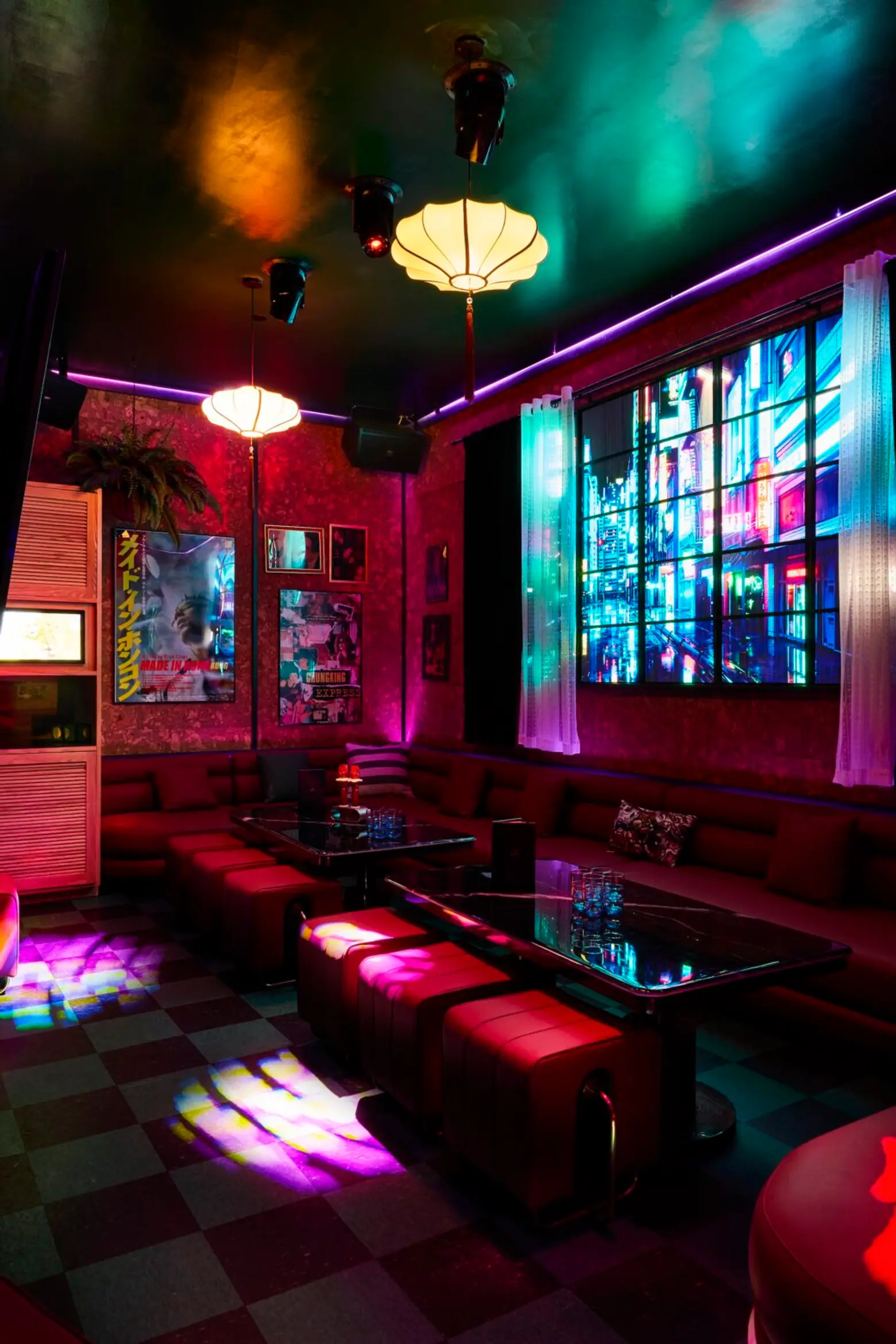
This recently opened Asian karaoke and cocktail bar is hidden away at the end of a quiet street, marked with a simple illuminated letter ‘R’ at the entrance. Guests take an elevator lined with vintage Chinese newspaper clippings to reach the speakeasy-style lounge downstairs, where the “rewind” button on a mysterious 1980s boombox opens the door to a low-lit dining room and a cocktail bar. It’s the first nightlife destination in the neighborhood to mix craft cocktails, dining, and karaoke in one immersive experience.
Record Room
This all-vinyl listening lounge gets crowded–one Redditor calls it “the most popping spot on the waterfront.” You’ll need a reservation during peak hours. Located behind a hidden door, the intimate venue offers a cozy living room vibe, perfect for enjoying a handcrafted cocktail and music from the venue’s premium sound system.
Anable Basin Sailing Bar and Grill
This outdoor bar and grill on the East River is open from April through November, offering a perfect spot for taking in the Manhattan skyline. Seating is super casual, with large picnic tables that can accommodate up to 10 people. The venue can also be booked for private events like weddings and parties.
Where to shop
Long Island City has never been a retail mecca, but a handful of independent shops give the neighborhood its personality, and several of the best are clustered along Jackson Avenue near Court Square.
Book Culture LIC
When this Upper West Side institution opened an outpost at 26-09 Jackson Avenue in December 2017, it was the only bookstore in Long Island City. The 2,300-square-foot shop spans two floors, with new fiction and nonfiction upstairs and a basement devoted to children’s books, toys, and a reading nook for young readers. A staff-curated “blind date” book table is hard to resist.
MOGMOG
The team behind Japanese seafood wholesaler KUROSHIO asked themselves, “What kind of Japanese food market would we truly want to visit?” The answer was this eclectic Japanese market, with products sourced through trusted routes, working directly with producers across Japan with respect for traditional methods.
Little Banchan Shop
Before Meju became the toast of Queens, chef Hooni Kim opened this tiny grocery at 5-28 49th Avenue in August 2022, across the street from his home. You’ll find the kind of banchan, sauces, and fermented staples every Korean family keeps in the fridge, made in-house.
Extra Butter LIC
The Lower East Side-born sneaker and streetwear boutique returned to the roots of its founders, brothers Ankur and Nick Amin, in 2020, with a second store. The 3,000-square-foot space at 22-03 Jackson Avenue inside the historic PS1 building is your source for hard-to-find drops from Nike, Stone Island, Comme des Garçons, and more. Adding to the experience are a 12-seat screening room with vintage cinema seats and a concession stand, and a hidden 1930s-style speakeasy bar.
Arts and culture
Artists found Long Island City long before developers did, drawn to affordable, cavernous industrial spaces a subway stop from Midtown. Rents have climbed, but the neighborhood still has an impressive collection of contemporary art institutions.
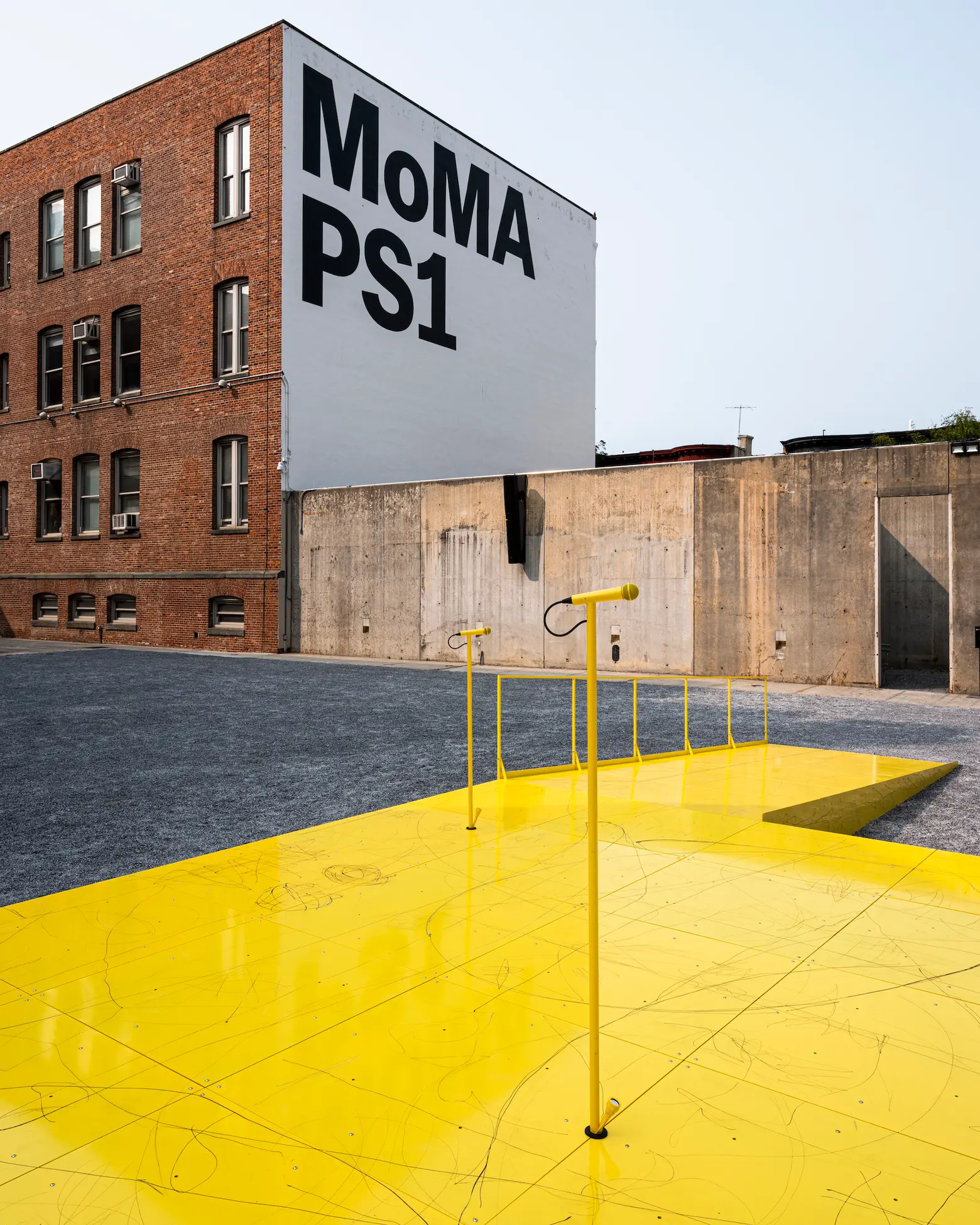
Housed in a Romanesque Revival public school building at 22-25 Jackson Avenue, PS1 opened as MoMA’s alternative art space in 1976 and is now one of the country’s largest institutions devoted to contemporary art. To herald its 50th anniversary, it has become the biggest free museum in New York City: Thanks to a collector’s gift, admission is free for all visitors from January 2026 through the end of 2028. Big draws include the once-every-five-years Greater New York survey, Printed Matter’s New York Art Book Fair, and Warm Up, the courtyard music series that has been a New York summer party staple since the late 1990s.

In the 1960s, sculptor Isamu Noguchi set up a studio in what was then an industrial backwater by the East River. In 1985, at the age of 80, he designed a museum and sculpture garden across the street in the converted 1920s factory that is now widely considered one of his greatest works. The beautiful outdoor garden is a destination in itself; rotating exhibitions, which this year included “Noguchi’s New York,” a look at his built and unbuilt plans for the city’s playgrounds and plazas, are even more of a reason to visit.
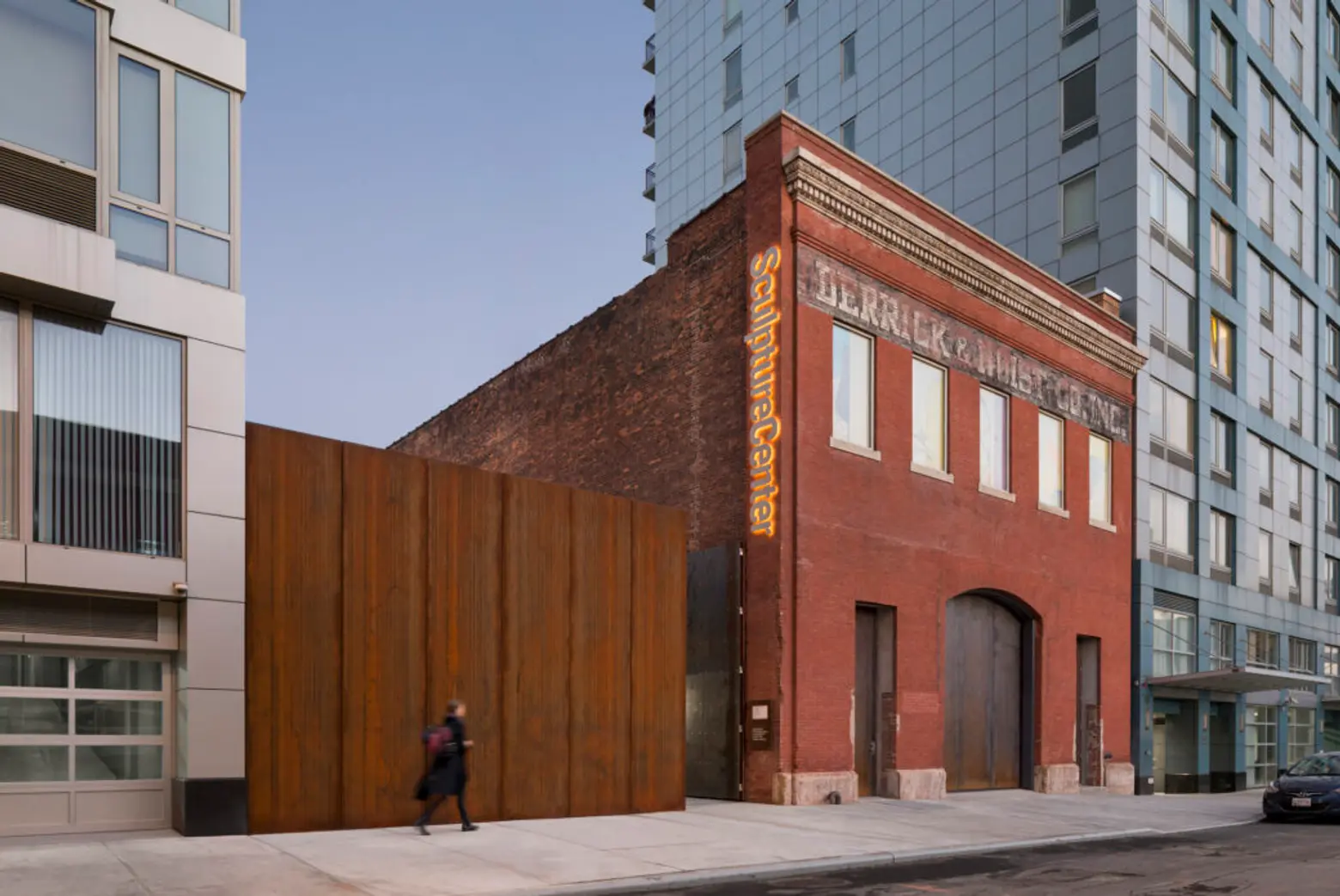
On a quiet street near Court Square, this nonprofit has championed experimental sculpture since 1928 and moved to Long Island City in 2001. The SculptureCenter occupies a former trolley repair shop, and its raw, brick-walled galleries and cavernous basement give artists room for ambitious, site-specific work. Now on view through December 28: exhibitions by Aziz Hazara, Cevdet Erek, and Yining Fei.
The Chocolate Factory Theater
Local residents Sheila Lewandowski and Brian Rogers founded this Obie-winning incubator for experimental theater, dance, and performance in 2004. Facing rising rents, they purchased two adjacent warehouses at 38-33 24th Street that once housed a tool-and-die factory. Each season, expect a slate of commissioned premieres and early-stage artist residencies.
Culture Lab LIC
From a building on the waterfront at 5-25 46th Avenue, this nonprofit arts organization hosts between 20 and 36 gallery shows each year, plus concerts, theater, and family programming. Admission is free, and artists keep 100 percent of revenues. It also hosts the NYC Plant Market in warmer months.
LIC Arts Open
Each May, the nonprofit Long Island City Artists offers the public a chance to visit studios, galleries, and pop-up spaces throughout the neighborhood, marked by five days of exhibitions, performances, workshops, along with open studios. Like many neighborhood arts events, it’s free.
The Secret Theatre
The Secret Theatre (part of the bigger Secret Arts organization) is well-known for its intimate performance space and extensive repertoire, including theater, musicals, children’s theater, and independent works of art. The theater, with a mission to support local artists and host community events, regularly presents high-quality original plays and adaptations of classics.
Parks and public gathering spots
Ask anyone what they love about Long Island City, and the answer usually involves the waterfront, a seemingly endless ribbon of public plaza and park; the city’s new OneLIC plan aims to stretch it all the way from Gantry Plaza to Queensbridge.
Gantry Plaza State Park
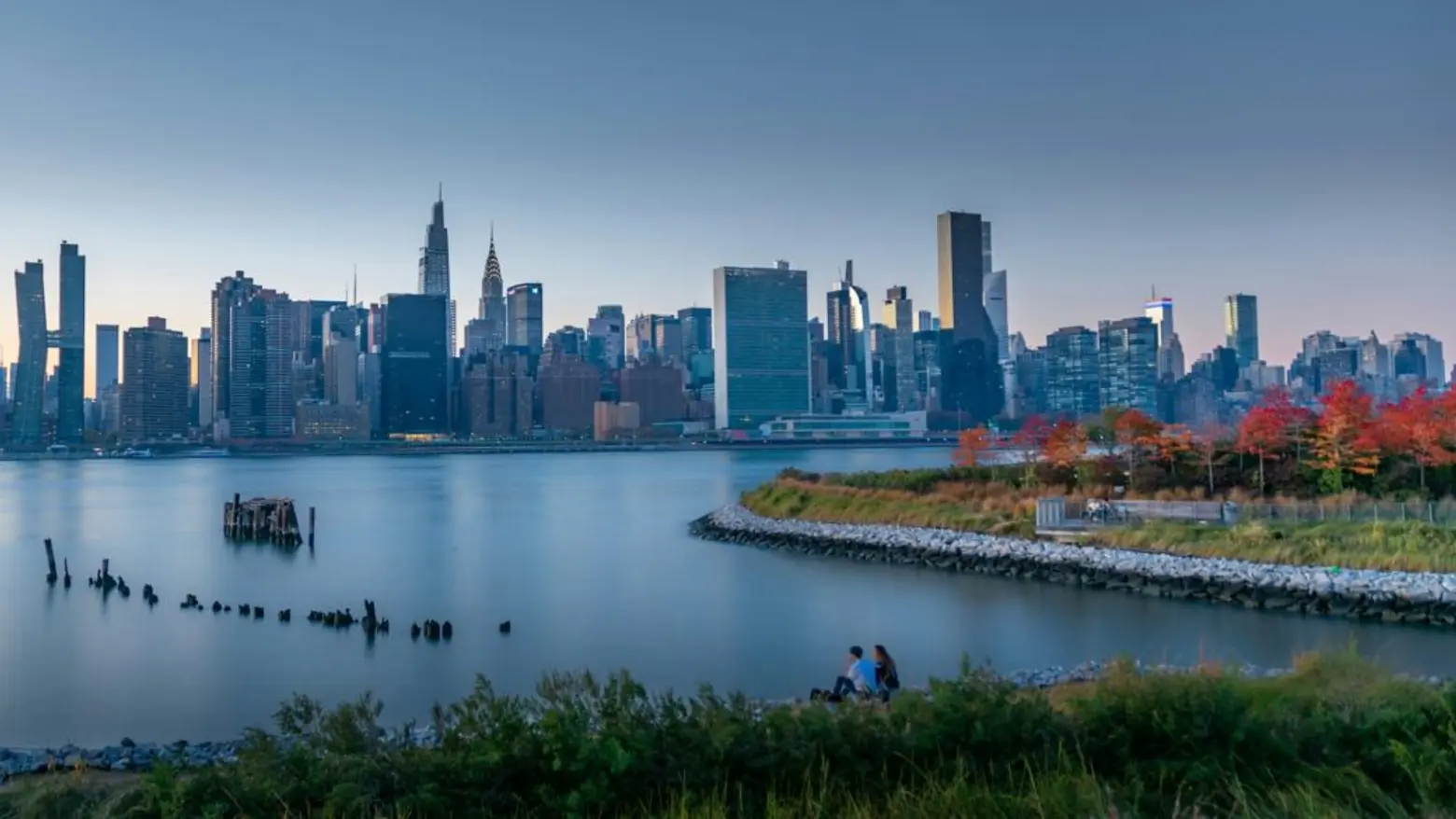
With a top spot on everyone’s “best place to watch the fireworks” list, the neighborhood’s “front lawn” offers a priceless view of the Midtown skyline. Named for the restored gantries that once lifted freight railcars on and off the barges that floated them to Manhattan, the 12-acre state park opened in 1998 on the site of a former working dock. At its northern end, the iconic 1930s Pepsi-Cola sign still glows red over the East River. Relax with a book on the waterfront lounge chairs, cast a line off the fishing pier, or catch the sunset from the long wooden piers.
Hunter’s Point South Park
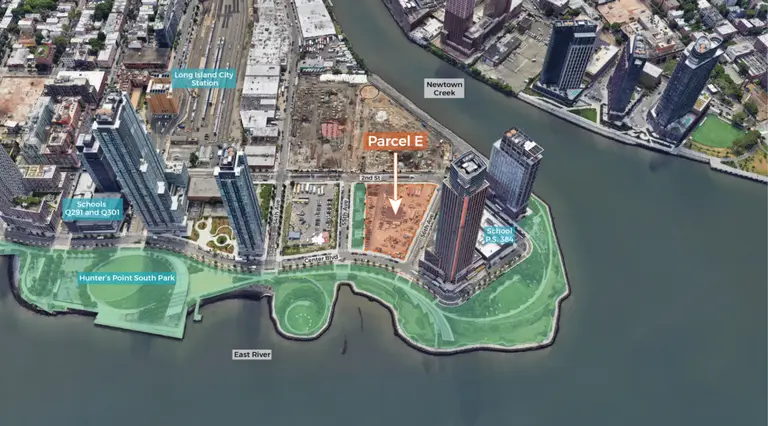
Picking up where Gantry Plaza leaves off, this city park stretches south toward Newtown Creek. The first phase opened in 2013; the second, finished in 2018, completed 11 acres of continuous waterfront designed by SWA/Balsley and Weiss/Manfredi. A big central lawn is flanked by dog runs, basketball and kayak launches, a dramatic cantilevered overlook, and 1.5 acres of restored tidal marsh designed to soak up storm surge. A NYC Ferry stop makes it a gateway to the neighborhood.
Socrates Sculpture Park
In 1986, sculptor Mark di Suvero and a group of artists and neighbors transformed an illegal dump site on the Astoria-Long Island City border into an outdoor studio and exhibition space. Forty years later, the riverfront park at 32-01 Vernon Boulevard is a beloved destination for large-scale public art, free classes, and community events. To mark its 40th anniversary, the park has invited alumni artists, including Chakaia Booker and Sanford Biggers, with monumental works on view into 2027.
Queensbridge Park
Built by the WPA between 1939 and 1941 alongside the Queensbridge Houses (the largest public housing development in North America), this riverside park sits in the shadow of the Queensboro Bridge. Its riverside promenade, ballfields, and bridge views make it one of the neighborhood’s most underrated green spaces. The city’s OneLIC plan calls for nearly five acres of new open space beneath the bridge, including a revived Queensbridge “Baby” Park.
Dutch Kills Green
This 1.5-acre linear park stretches eight blocks along Queens Plaza. Designed by WRT and Margie Ruddick, it weaves planted medians, rain gardens, and bike paths through industrial infrastructure, and has become a model of how to integrate greenery into a transit hub.
Court Square Park
This small triangle of green in front of the Long Island City Courthouse is an oasis amid glass towers, the 7 train, and the Citigroup Building, and a popular lunch spot for the office workers and residents of Court Square.
Notable neighborhood highlights
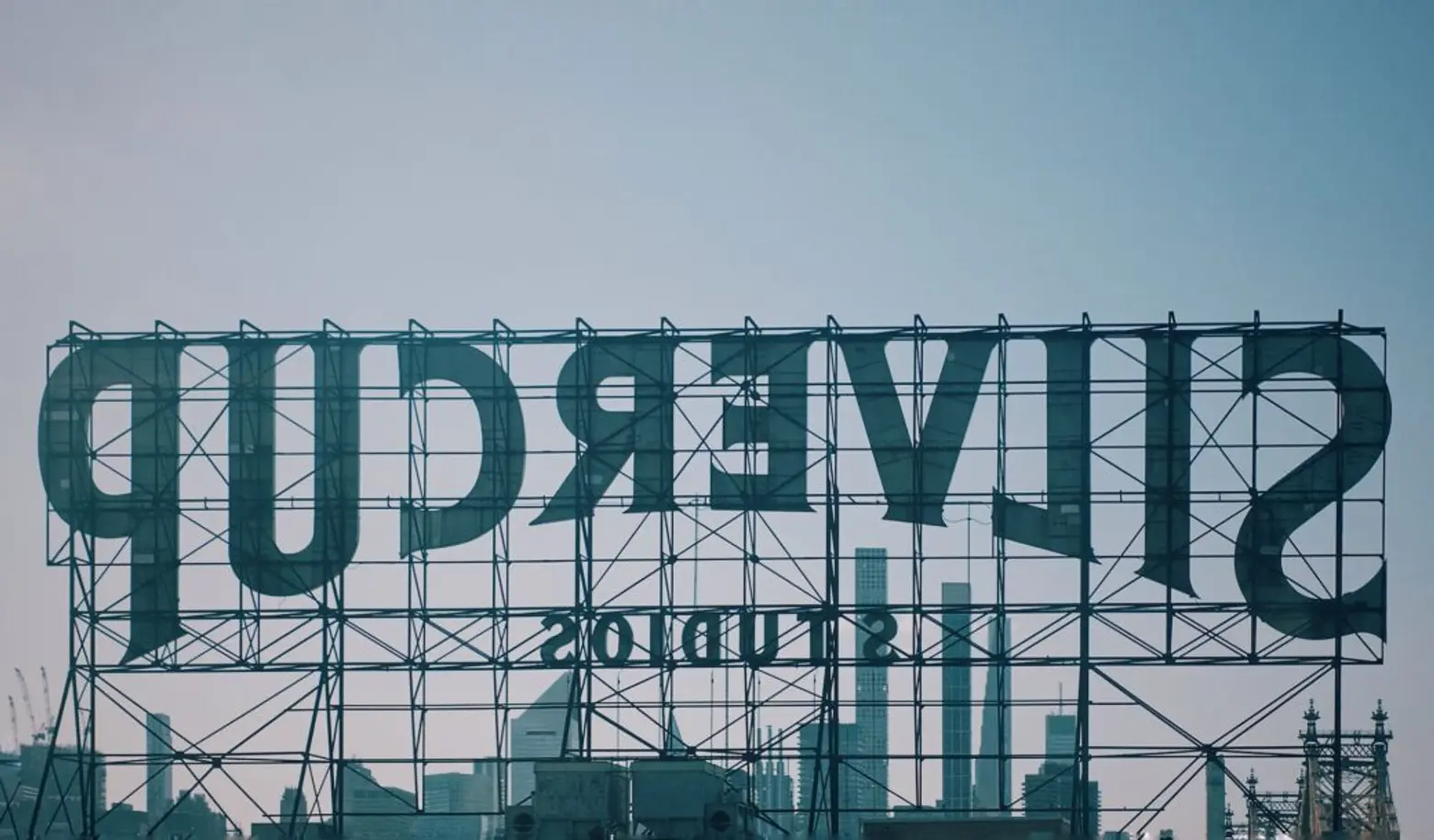
The giant red neon letters atop 42-22 22nd Street became part of the city streetscape in the 1950s, when Long Island City was one of New York City’s bread-baking centers. To advertise Silvercup Bread. In 1983, the former bakery became the home of one of New York’s largest film and television studios. “The Sopranos,” “Sex and the City,” “30 Rock,” and “Succession” were all filmed here; the sign itself can be seen in countless establishing shots of the Queensboro Bridge.
Queens Public Library at Hunters Point

It took nearly a decade and $41.5 million, but Steven Holl’s library at 47-40 Center Boulevard was worth the wait. Opened in September 2019, the 82-foot concrete building is carved with irregular windows that frame the Midtown skyline. Inside, bamboo-lined stairs climb past stacks for kids, teens, and adults to a rooftop reading garden on the river.
Where to live now

Long Island City’s first development wave brought a veritable forest of tall glass rental towers, plus a handful of loft conversions in former factories. Today’s mix includes new condos that range from six-story boutique buildings on quiet side streets to 50-plus-story towers. SERHANT. agent Kayla Lee explains the move toward “Intelligent spaces” that include intuitive layouts, flexible rooms that can switch from home office to playroom, and finishes that are easy on the eyes as well as easy to care for. Look for glass curtain walls and triple-pane windows that keep city noise out, stylish kitchens with external venting and Gaggenau appliances, marble and other natural stone in kitchens and baths, and bidets with heated seats.
For the new buyers who want to stay put, three- and four-bedroom layouts, once a rarity here, are now among the top sellers according to Lee. Amenities emphasize “resort-style” living: A gym is standard, and residents’ lounges, kids’ playrooms, golf simulators, and karaoke rooms are increasingly common. Even studios come with balconies.
Parking is another perk, though it has been kept to under one-third of total units in most new buildings. Long Island City is a walkable neighborhood; cars are optional, as with most of the city. Below are some new and notable additions.
Paragon, 45-40 Vernon Boulevard
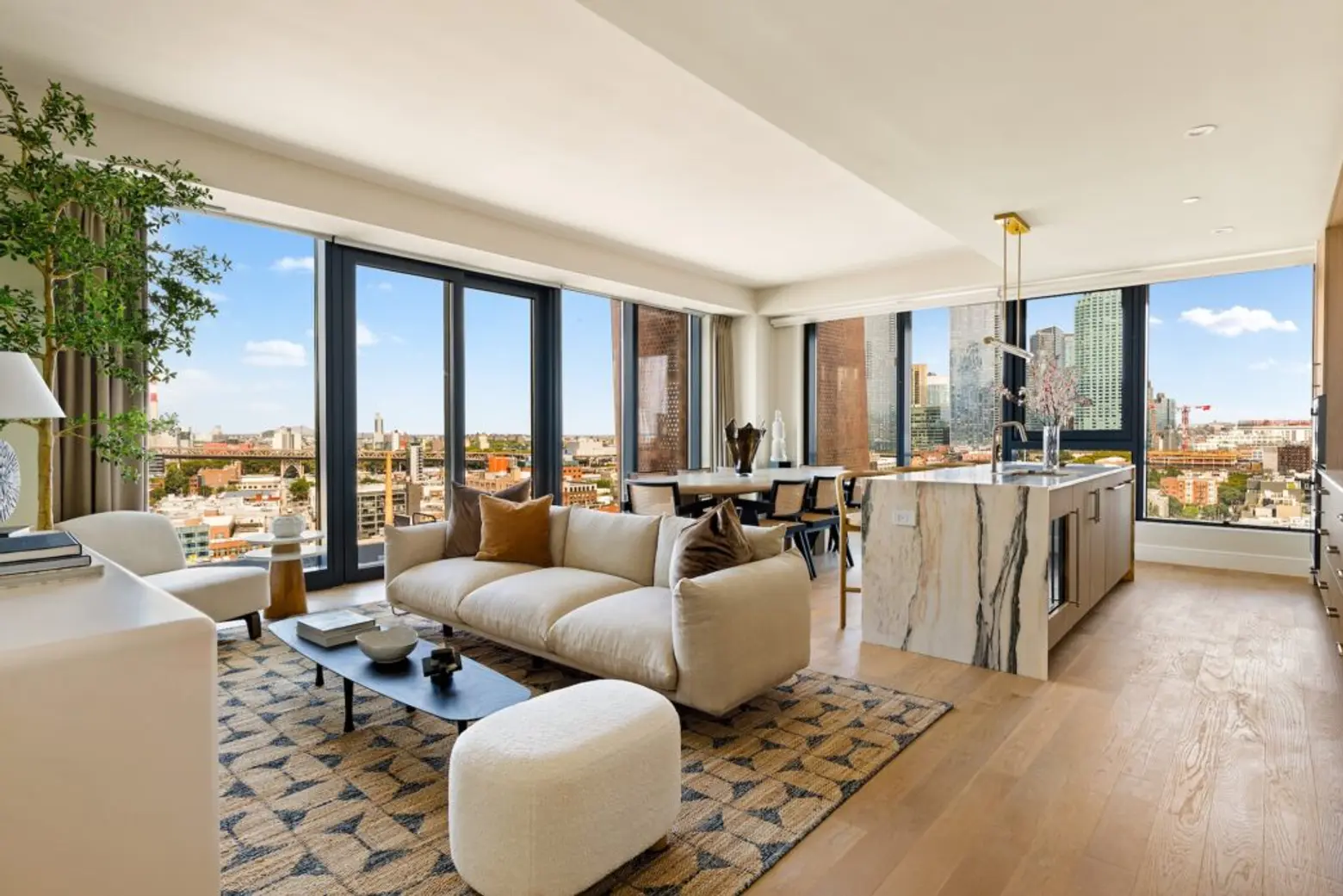
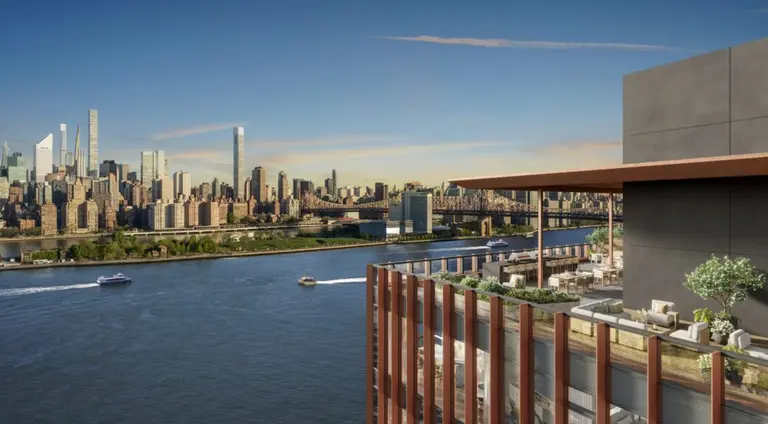
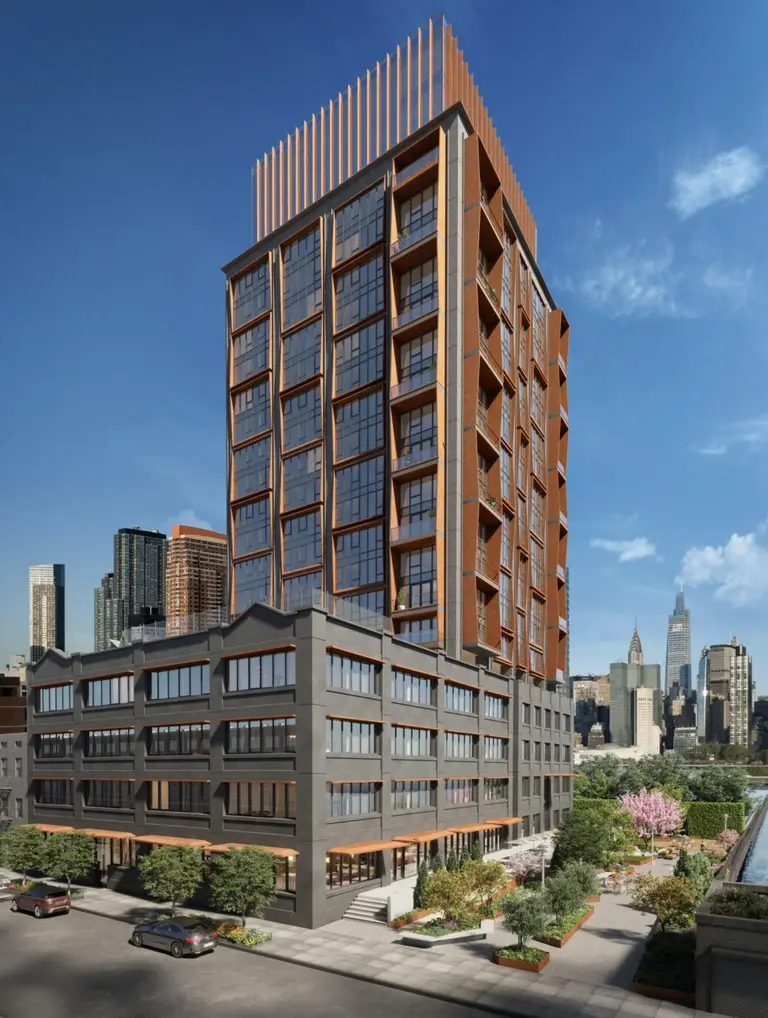
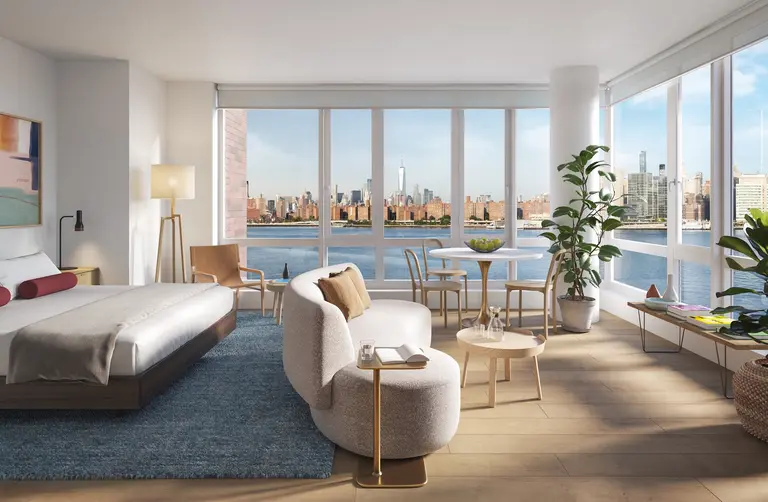
The first new condo development on the Long Island City waterfront in more than a decade sits next to Anable Basin. Developer ZD Jasper incorporated the shell of the 1930s Paragon Paint Factory into the base of a 23-story, 182-unit tower designed by Archimaera, its staggered, copper-toned boxes nodding to the neighborhood’s industrial past. The project includes a public waterfront park and walkway connecting to the East River.
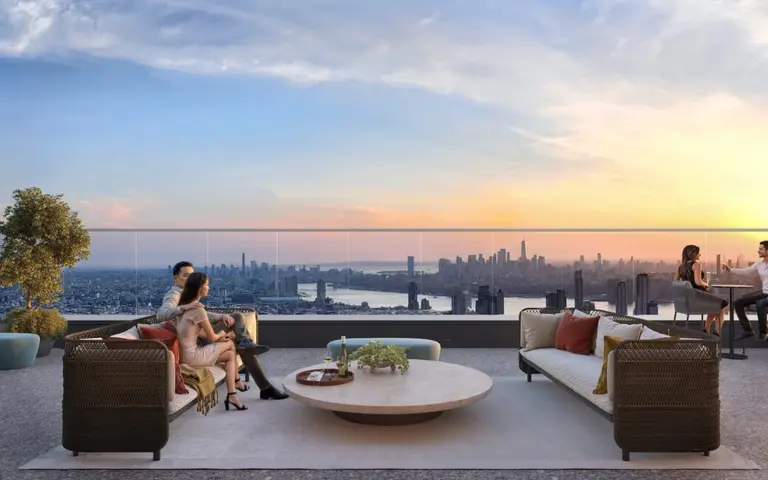
Interiors by March and White Design feature five-foot-wide oak planks, floor-to-ceiling triple-pane windows, double-height balconies, natural marble kitchens with Bosch appliances (select penthouses get Gaggenau), and TOTO Neorest toilets in most homes. Amenities include a pickleball court, fitness center, golf simulator, karaoke room, a sky lounge under a solar canopy, and a landscaped roof terrace with grills. Sales launched in September 2026; available units range from studios for $765,000 to three-bedrooms at $2,455,000, in addition to one-bedrooms from $965,000, two-bedrooms from $1.5 million, and three-bedrooms from $2.075 million.
Radiant, 24-01 Queens Plaza North
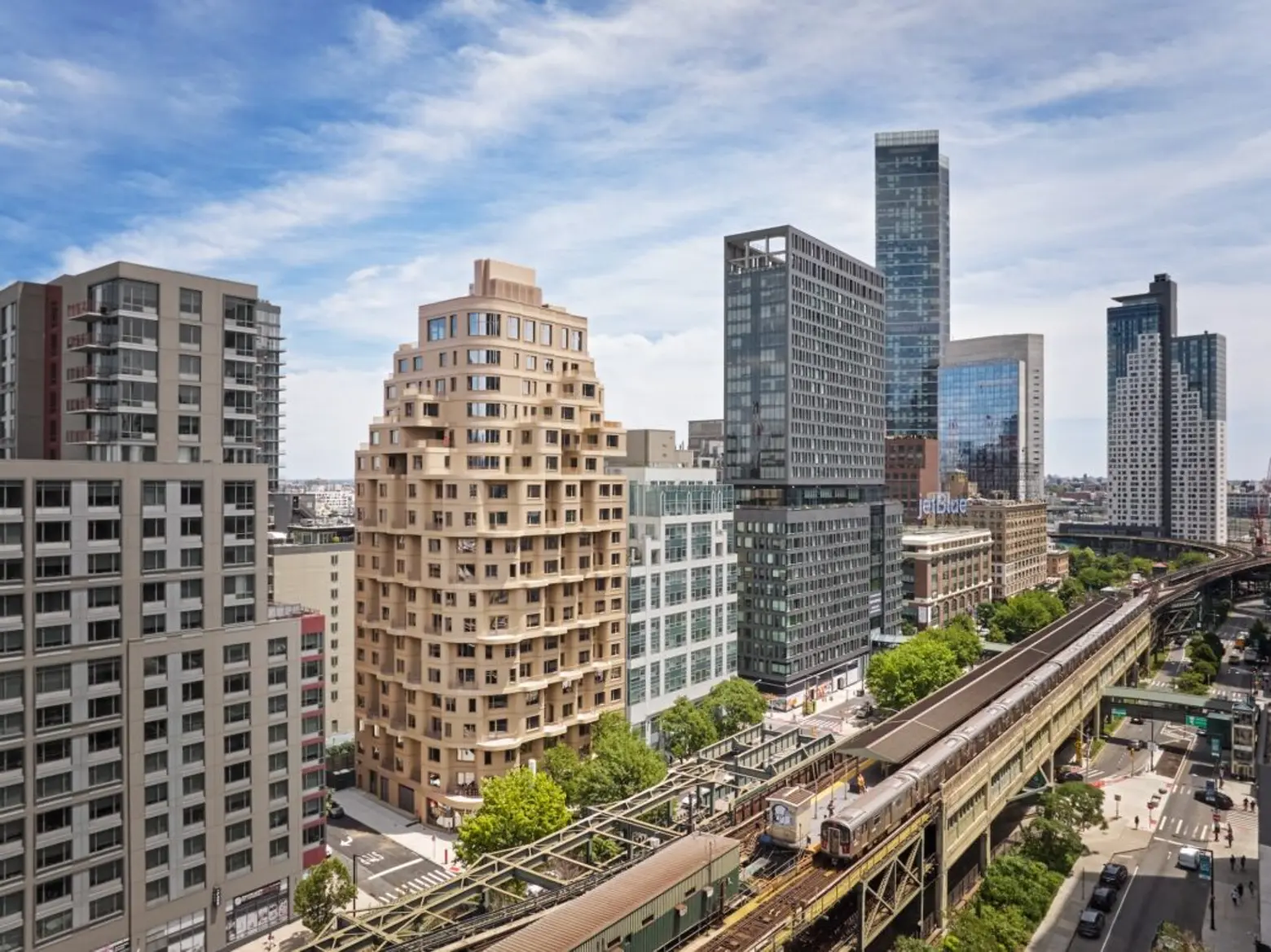
With its undulating, bronze-toned fluted facade, recessed balconies, and curved corners, ODA’s 19-story tower stands out from the neighborhood’s field of blue glass. Developed by New Empire Corp. with interiors by Paris Forino, the building, across from the Queensboro Bridge, has 117 residences from studios to three-bedroom units. According to Marketproof, Radiant has signed more contracts than any other LIC condo over the past 12 months, including 11 in the third quarter of 2026 alone. It received its temporary certificate of occupancy in August and is one of only two new developments in the neighborhood offering immediate occupancy.
The amenity list leaves little reason to leave home: a Finnish sauna, basketball court, sunlit fitness center, rooftop club with co-working and lounge areas, game room, children’s playroom, outdoor ping-pong courtyard, rooftop terrace with grills, golf simulation room, bike storage, and a pet spa. Prices range from $790,000 for studios to a three-bedroom with private outdoor space listed at $2.65 million.
A short walk from MoMA PS1 and Gantry Plaza, this seven-story, 115-unit building by Century Development Group and Raymond Chan Architect wraps studios through three-bedrooms in a shimmering glass facade. Homes have white oak floors, central air, Bosch and Bertazzoni appliances, and in-unit washer/dryers.
Shared spaces include a full-time doorman, residents’ lounge, Zoom room, fitness center, children’s playroom, garden, and outdoor lounge with a fire pit. When sales launched in April 2025, prices started at $620,000. Currently available: a one-bedroom for $1,065,000.
On a quiet residential block a few steps from the Vernon Boulevard-Jackson Avenue 7 subway stop, this six-story boutique condo has just 35 homes, most with private balconies or terraces facing the Manhattan skyline. Beyond its glossy facade, the building’s low-rise profile and metal accents recall the area’s industrial roots. Amenities include on-site parking with EV charging, a fitness center, media room, courtyard and roof deck, Latch keyless entry, and integrated smart-home tech. Sales launched in June 2026; current listings range from $948,000 for a one-bedroom to $2.7 million for a three-bedroom penthouse.
Greene is a 25-story, 130-unit condominium in Long Island City’s Court Square, featuring luxury apartments with high-end finishes and smart home technology. Amenities include a fitness center, lounge areas, outdoor spaces, and a rooftop terrace, with convenient access to public transportation and local attractions. Current listings range from a studio for $815,000 to a two-bedroom unit for $1.75 million.
Skyline Tower is Queens’ second-tallest building at 778 feet and 68 stories, offering dramatic skyline views and a range of apartments from studios to four bedrooms. The condo building features a suitably sky-scraping list of amenities, including a doorman, valet parking, concierge services, a resident lounge, a fitness suite with a pool, and convenient access to public transportation and nearby attractions. Current availabilities range from a one-bedroom for $1,135,000 to a two-bedroom unit for $1,798,000.
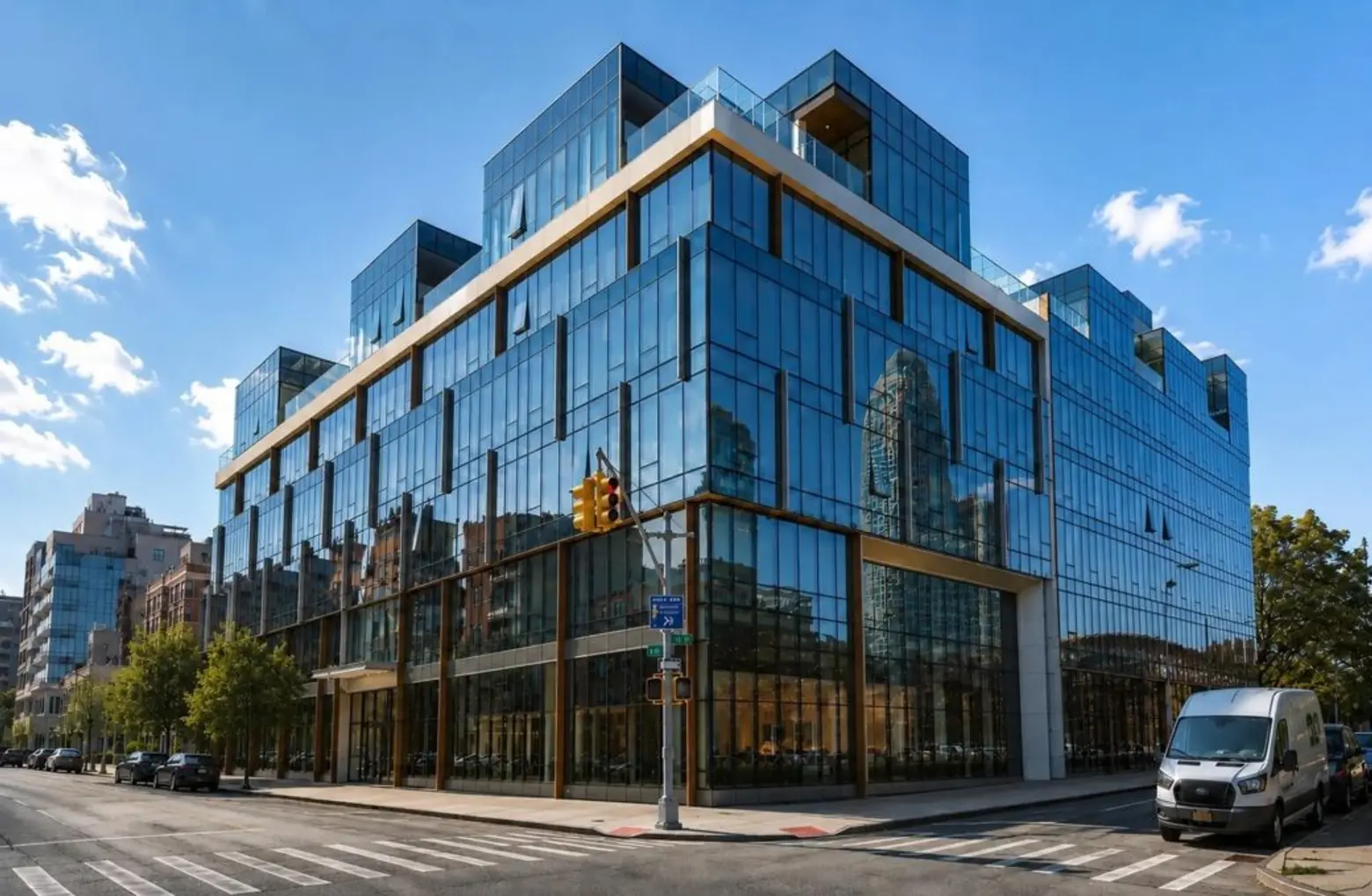
This low-rise Long Island City condominium with 66 light-filled units behind a glassy façade offers parking and prime access to Court Square’s transportation hub. Current availabilities range from $1,078,000 one-bedrooms to $1,950,000 for a two-bedroom penthouse.
This Feng Shui-inspired Court Square condominium has custom Fulgini kitchens, spa-like baths, and private outdoor space in every home. Resort-style amenities include a fitness center with yoga and spinning studios, a spa suite, a roof terrace, and a fully attended lobby. Current availabilities range from a one-bedroom for $850,000 to a three-bedroom townhouse listed for $2,572,500.
The Orchard, 42-06 Orchard Street
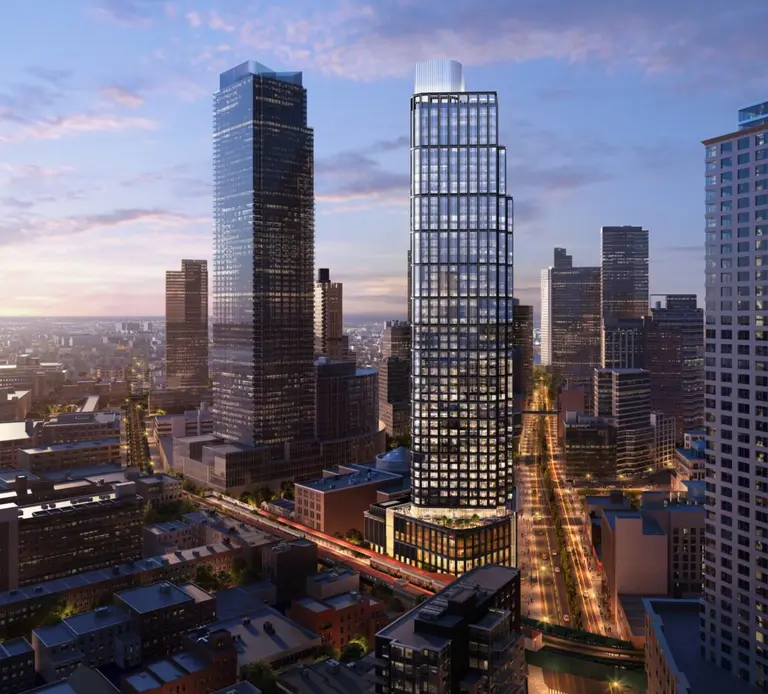
The newest landmark on the skyline is also the tallest building in Queens: BLDG Management’s 70-story, 823-foot rental tower at 42-06 Orchard Street. Leasing launched in January 2026, and more than 90 percent of its 824 apartments (248 of them affordable) were rented within nine months. It’s easy to see why: A vertiginous collection of amenities includes an outdoor “backyard” with a resort-style outdoor pool and cabanas, three pickleball courts and viewing stands, a dog park, a children’s playground, a yoga deck, an outdoor BBQ and dining areas, the Orchard bar, a running track, an outdoor screening area, a life-sized backyard chess set and ping-pong tables, a fire pit, and more.
Indoor perks include a dog wash, laundry room, and tenant storage, a parking garage and covered drive court, a video screen, an attended lobby, a mailroom, package room and refrigerated storage, a bike room, a ground-floor cafe/bar, a gym and fitness studios, a basketball court, an indoor pool, hot tub, steam room and sauna, locker rooms, a children’s playroom, a co-working lounge, conference rooms, a podcast room, and arcade and game room, screening rooms, a dining room, and an event room with outdoor terraces.
With dazzling views in every direction, the building’s Sky Lounge includes a bar and kitchen and a sky deck with a viewing platform. Current availabilities range from a one-bedroom with a private balcony for $5,595/month to a two-bedroom unit with a terrace for $10,900/month.
45-03 23rd Street (2028)
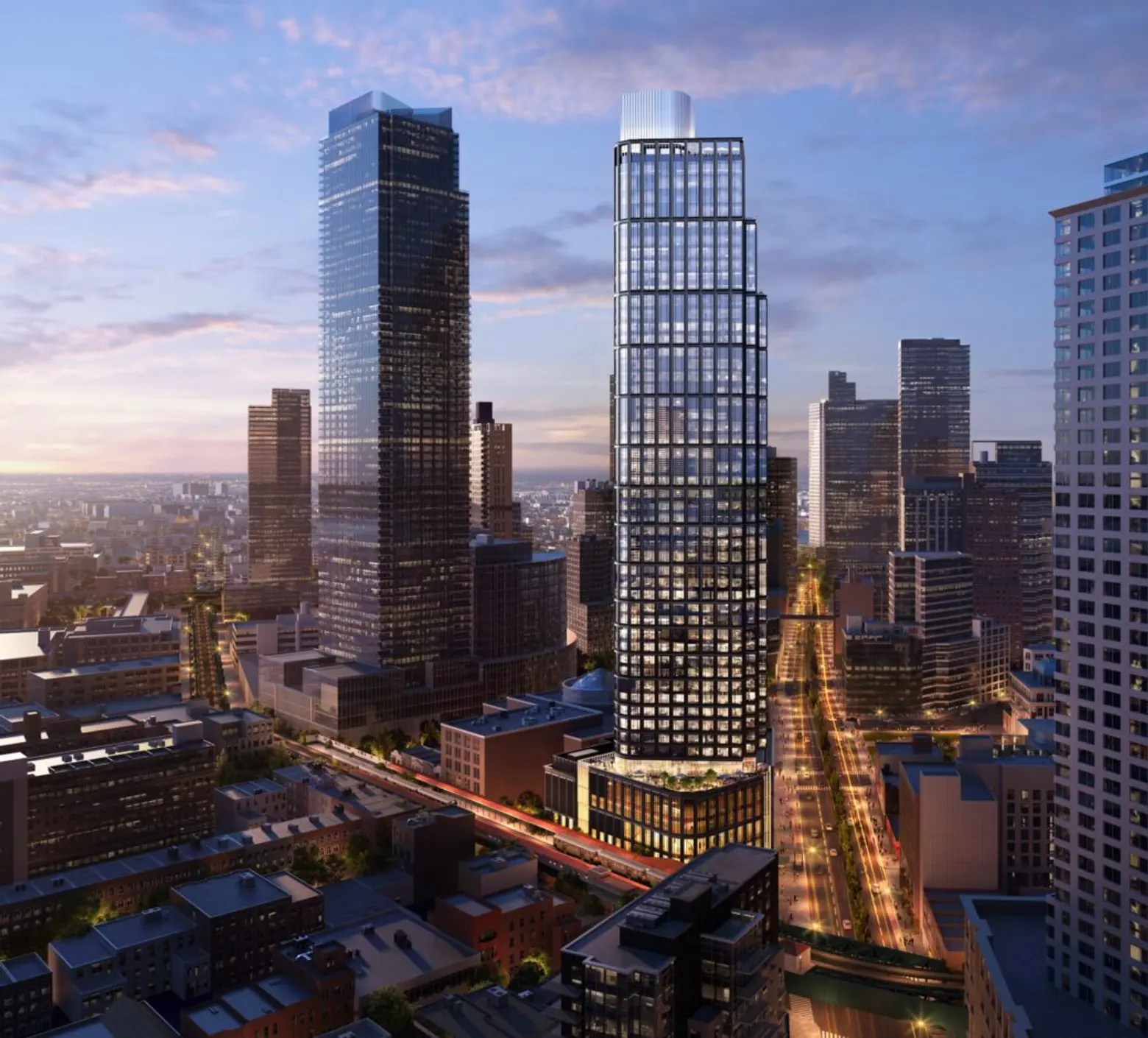
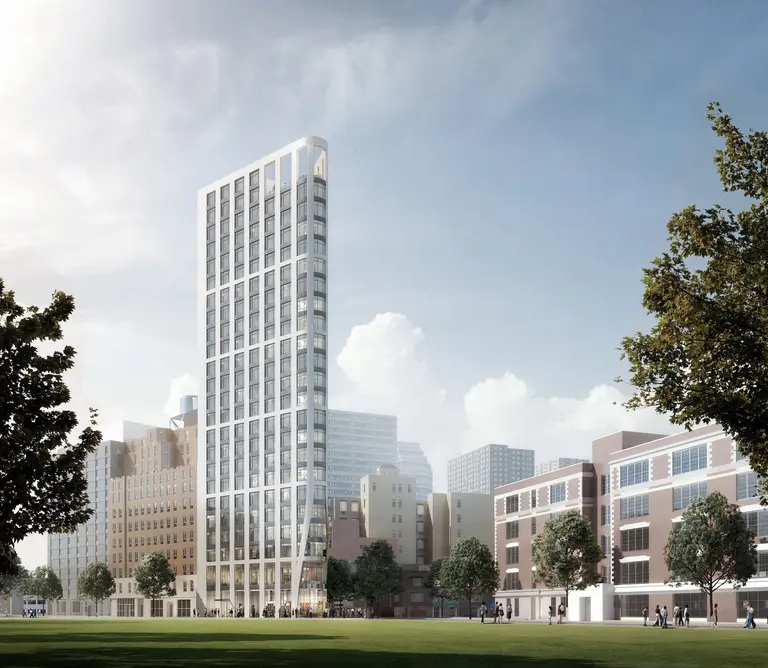
The biggest condo bet in Long Island City is rising in Court Square. Incoco Capital, Tavros, and Charney Companies have broken ground on a still-unnamed 55-story tower designed by FXCollaborative, with 636 condominiums, from studios to four-bedrooms, in about 700,000 square feet. Residents will get a rooftop swimming pool, lounges, and bike storage, while the podium will hold a 75,000-square-foot Whole Foods and a Chelsea Piers Fitness. Completion is expected in 2028. Pricing hasn’t been released yet.
Getting around
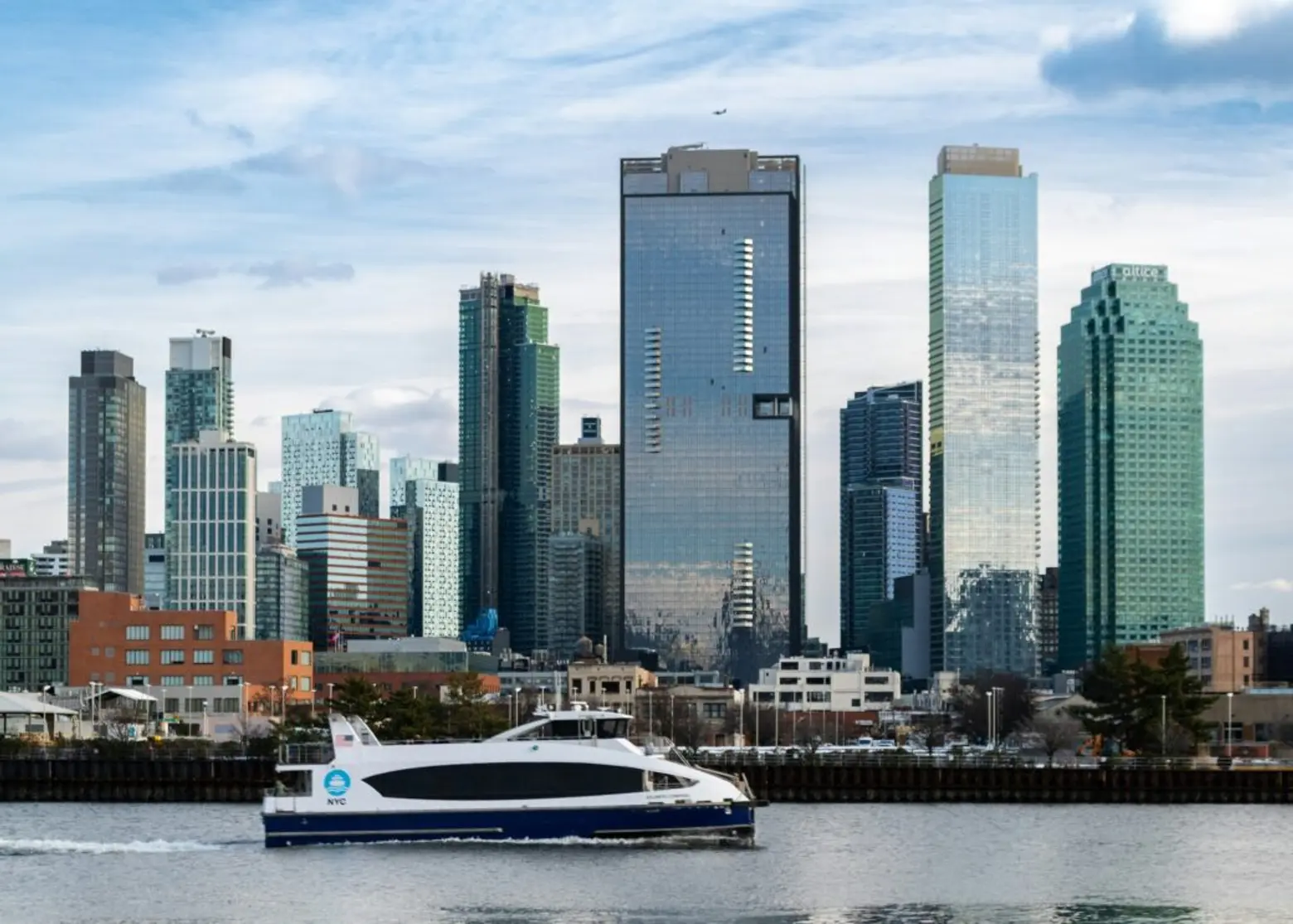
The 7, E, F, M, and G trains all stop in LIC, with the N, W, and R meeting at Queens Plaza. The Long Island Rail Road stops at Hunters Point Avenue, and there are two NYC Ferry routes from the waterfront. The Queens-Midtown Tunnel and the Long Island Expressway provide options by car. Nearby neighborhoods include Sunnyside, Astoria, Greenpoint, and Williamsburg.
RELATED:
- Long Island City’s first new waterfront condo in a decade launches sales, from $765K
- City unveils plan for Long Island City vacant lot to become 980 new apartments, majority affordable
- 14,700 homes planned for Long Island City after Council approves largest rezoning in 25 years
- See inside Queens’ tallest tower, a 70-story rental with a massive ‘backyard’