Governors Island seeks developers to revitalize two historic buildings as arts and recreation hubs
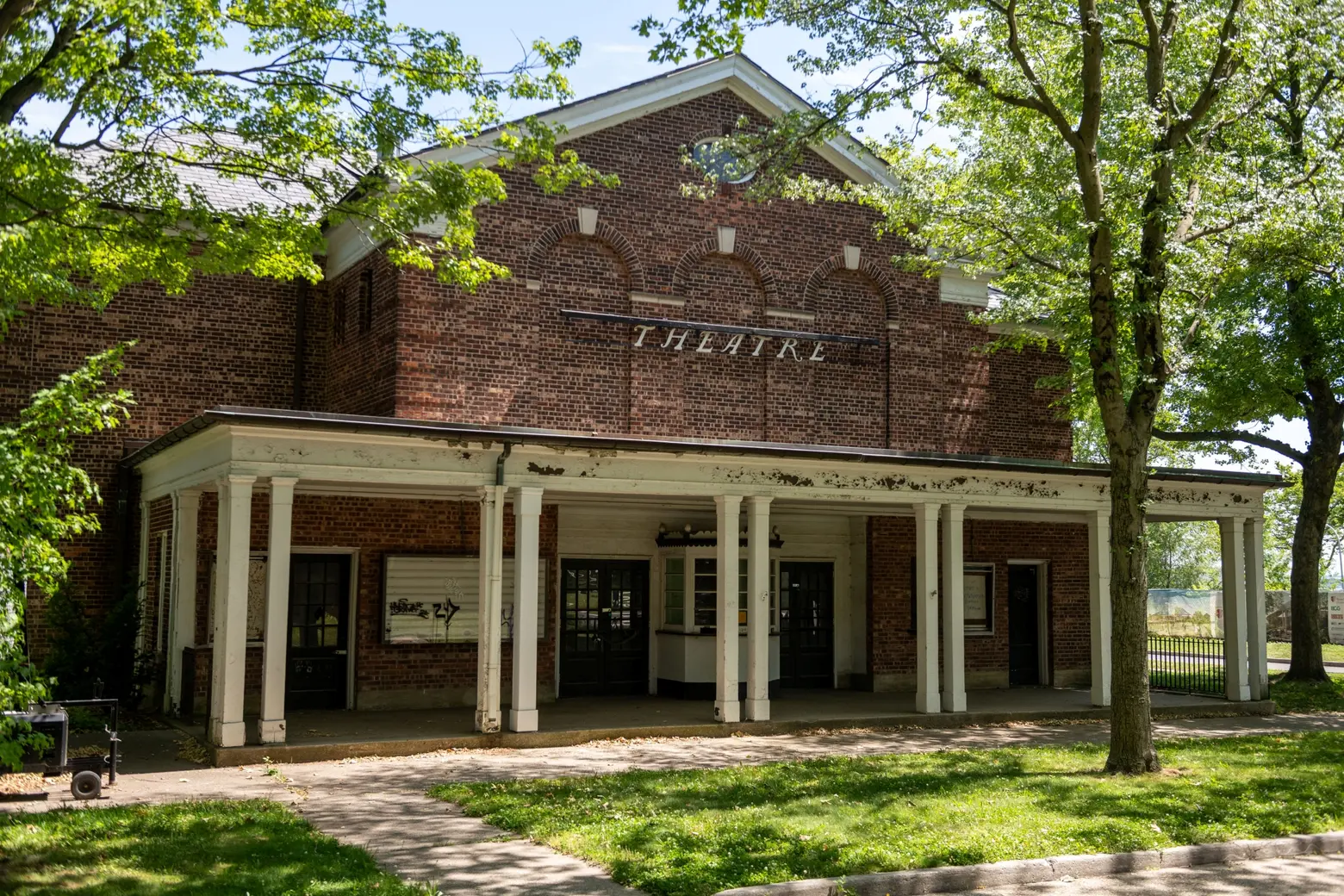
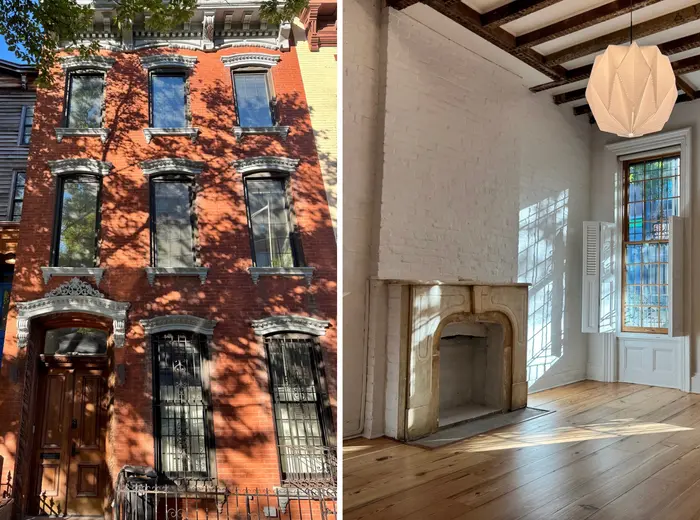
Current exterior of Building B330. Credit: Timothy Schenck
Two historic military buildings on Governors Island could be transformed into arts and cultural centers or public recreation facilities. The Trust for Governors Island on Thursday released a request for expressions of interest (RFEI) seeking proposals to transform the vacant properties, Buildings 324 and 330. The initiative continues the Trust’s broader effort to establish Governors Island as a year-round destination by repurposing former military buildings into dining establishments, event spaces, and other attractions.
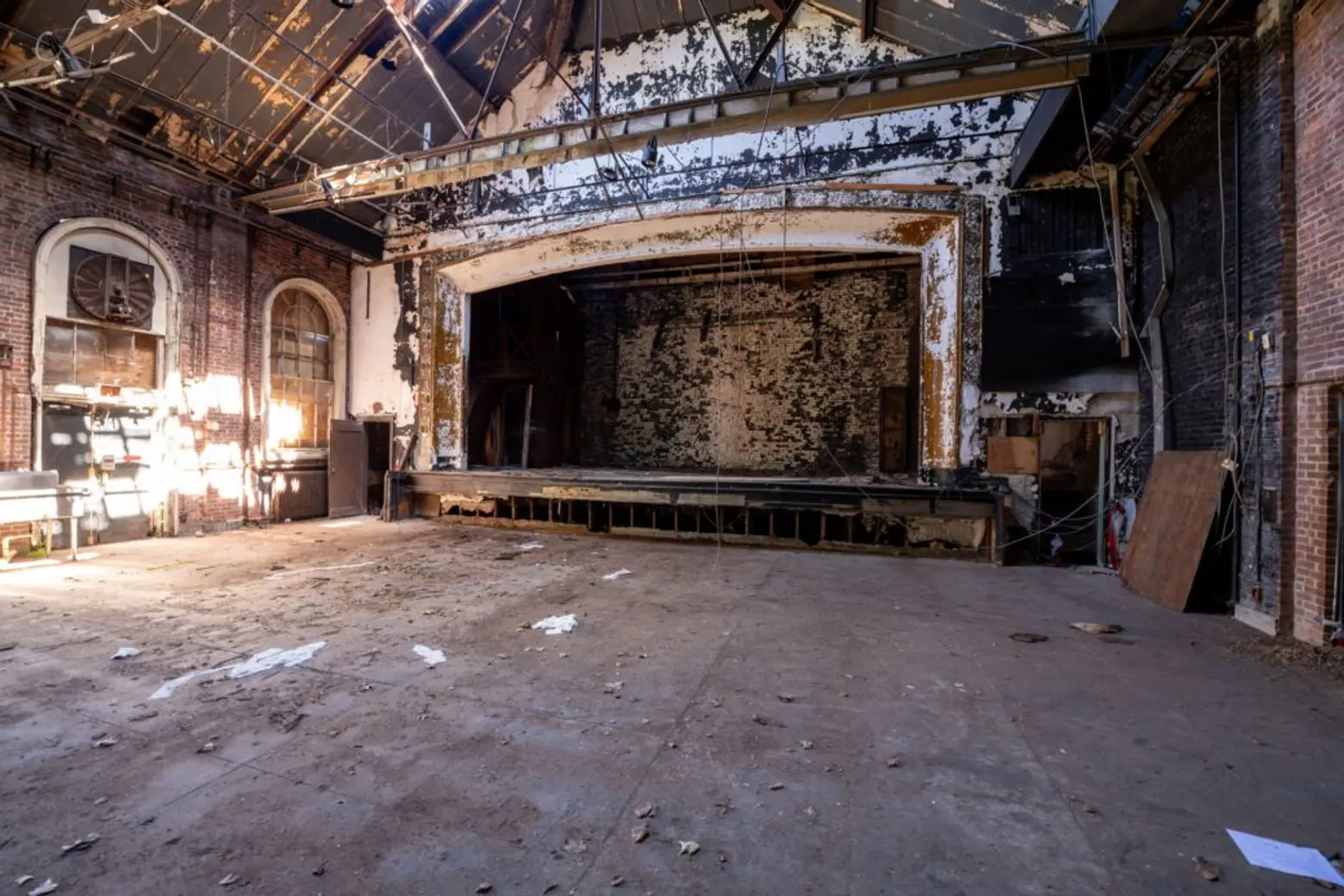
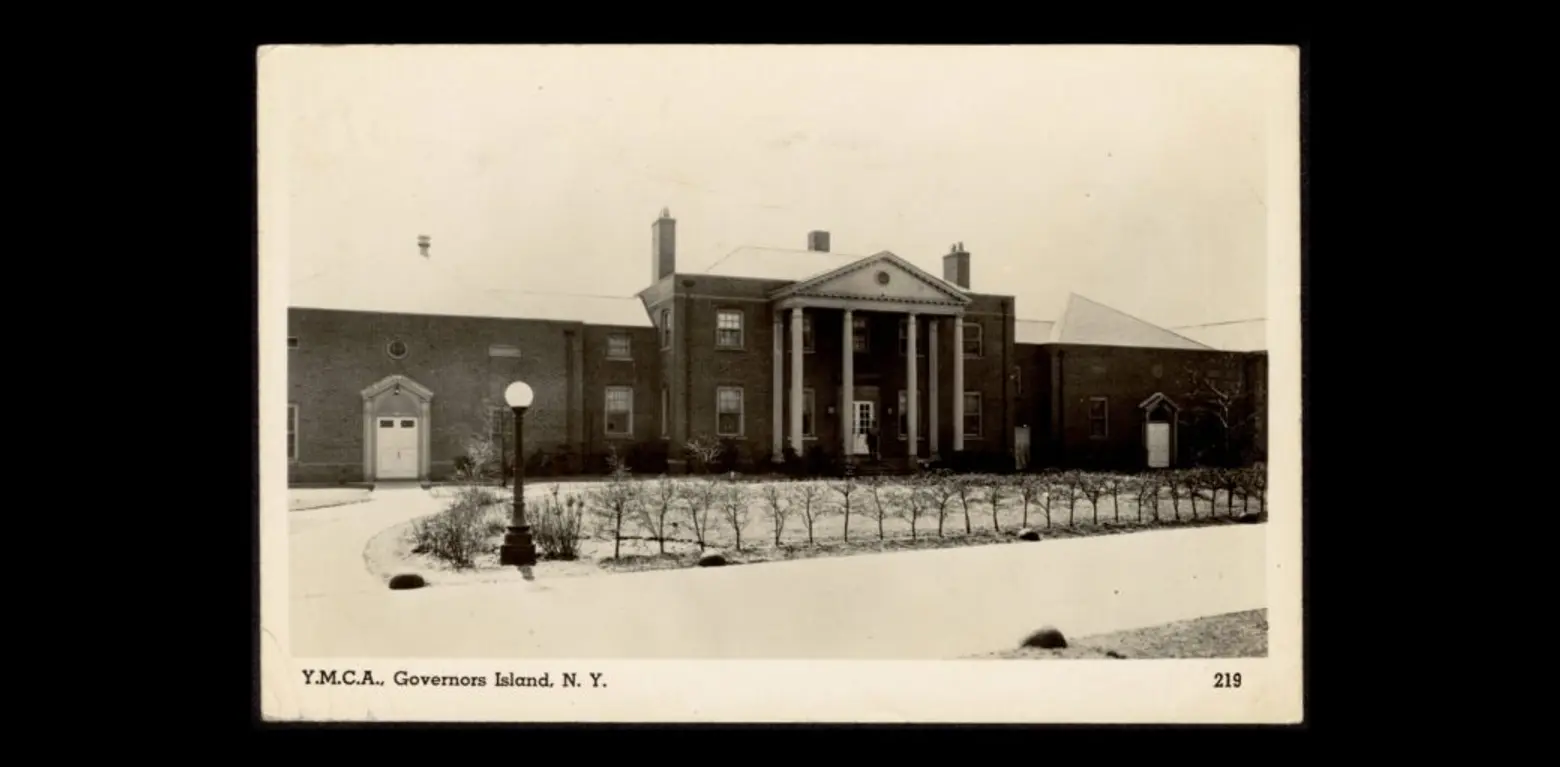
Constructed in 1926, the two-story, 26,000-square-foot Building 324 is a Neo-Georgian brick structure that served as the Army YMCA for much of Governors Island’s military history. The building housed a large auditorium, an above-ground pool, and squash courts, hosting performances and providing recreational activities for service members stationed on the island.
The Trust is currently finalizing the design of a roughly $7 million investment into the building’s envelope and structural elements to prepare it for the renovation.
Building 330, built in 1937 under the supervision of the Army Motion Picture Service, is also slated for transformation. Known as the Fort Jay Theatre, the approximately 10,000-square-foot, single-story theater features 175 seats, a balcony, and 20-foot-tall ceilings in the main theater space.
Art Deco details from the 1930s are among the building’s standout features, visible in the proscenium and ceiling. An exterior ticket booth beneath a columned entrance portico overlooks the Parade Grand.
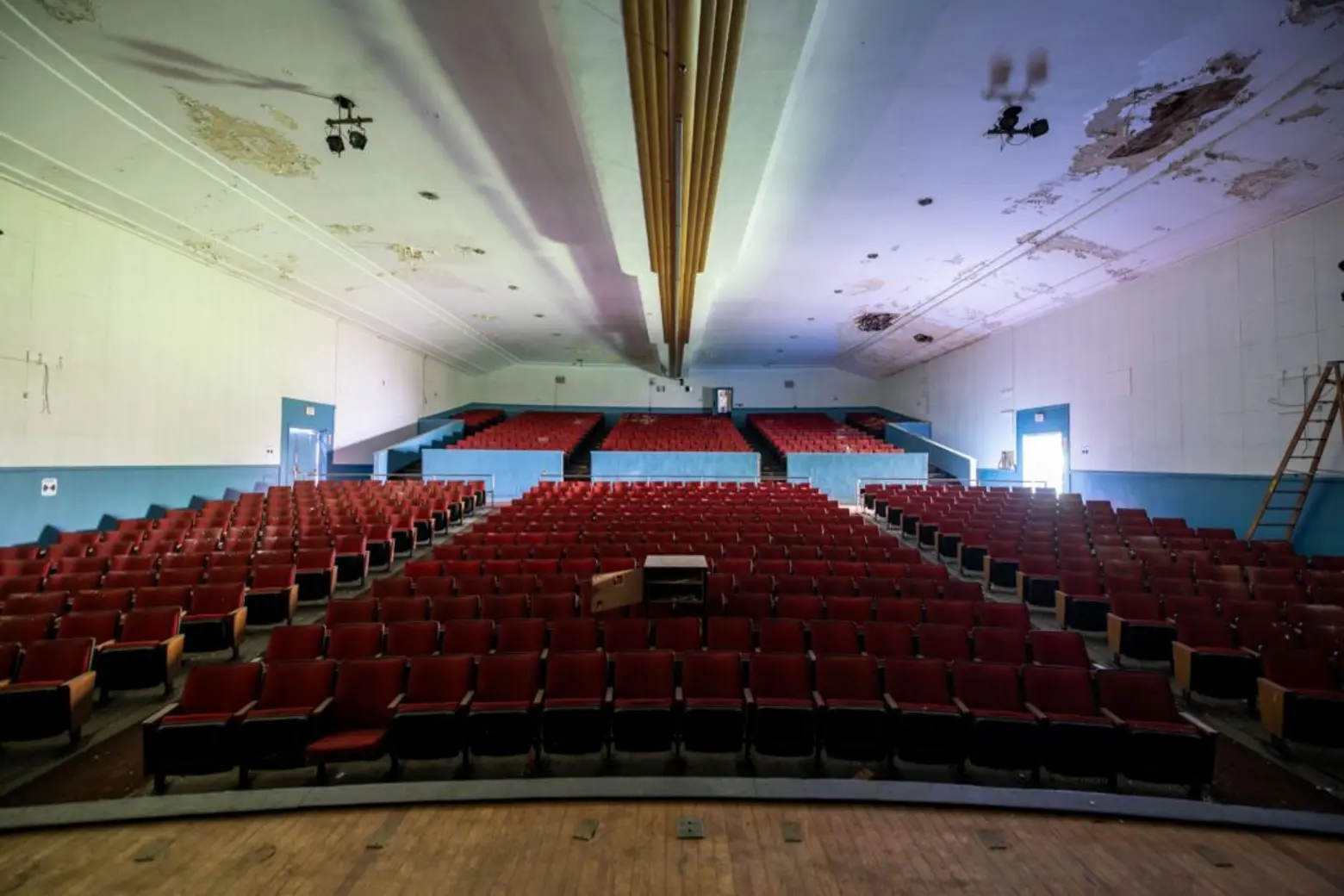
Since the Coast Guard’s departure in 1996, the building has been used intermittently for exhibitions and performances, including programs in partnership with Creative Time, No Longer Empty, and the Lower Manhattan Cultural Council. The theater’s seats remain in place, and the building retains much of its historic character.
Respondents to the RFEI can include either or both buildings in their submissions. The properties also include potential outdoor space, allowing proposals to incorporate entry plazas and public-facing programming areas that complement indoor activities.
Proposals should align with the Trust’s sustainability and resiliency design guidelines, including requirements such as full-building electrification. The Trust will host virtual information sessions on August 5 and 19, along with site visits on August 12, August 26, and September 9. Questions must be submitted in writing by September 16, with final proposals due October 26.
The two buildings will join several other structures on Governors Island undergoing redevelopment as the island continues its transformation into a year-round destination.
In August 2024, the Trust unveiled plans for Taco Vista to operate three distinct venues in Building 140, a 19th-century structure originally built as a munitions warehouse. The 10,000-square-foot project would restore the historic building while adding a cafe, a bar, an indoor-outdoor restaurant with event space, and a reimagined Taco Vista.
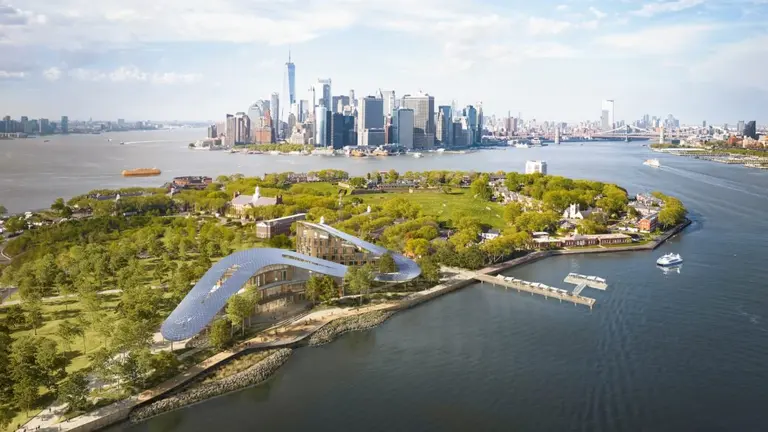
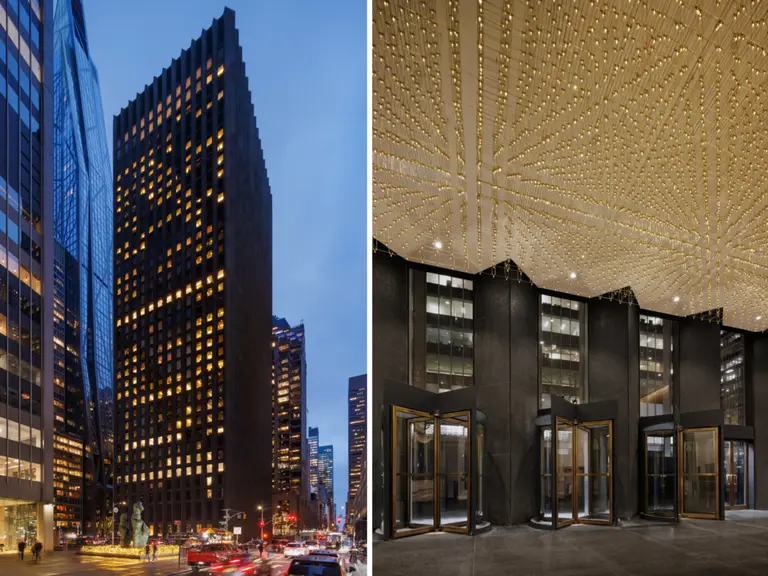
A state-of-the-art climate change research hub is also planned for the island. Unveiled in February 2025, the Skidmore, Owings & Merrill-designed New York Climate Exchange campus will include classrooms, laboratories, student and facility housing, new open space, and more, across 400,000 square feet.
“The former YMCA and Fort Jay Theater historically stood as cultural anchors of Governors Island, and we’re thrilled to present a unique opportunity to breathe new life into these iconic buildings,” Clare Newman, president and CEO of the Trust for Governors Island, said.
“We’re seeking visionary partners with bold ideas for cultural, recreational, and public-facing uses that can turn untapped potential into vibrant spaces for everyone to enjoy.”
RELATED: