Citi Bike e-bike rides will be capped at $3.65 for members starting in January

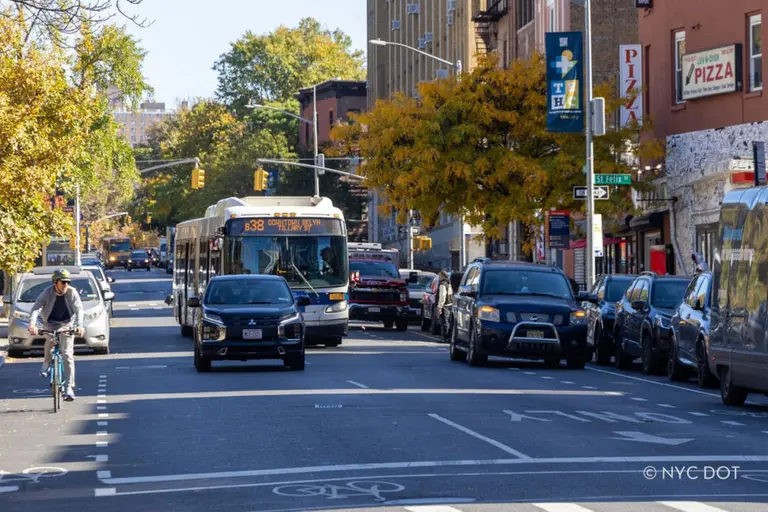
Photo by Nellie Adamyan on Unsplash
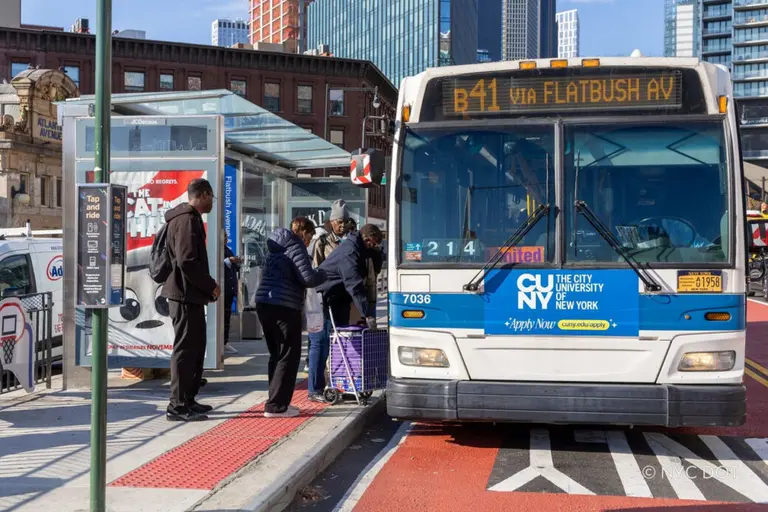
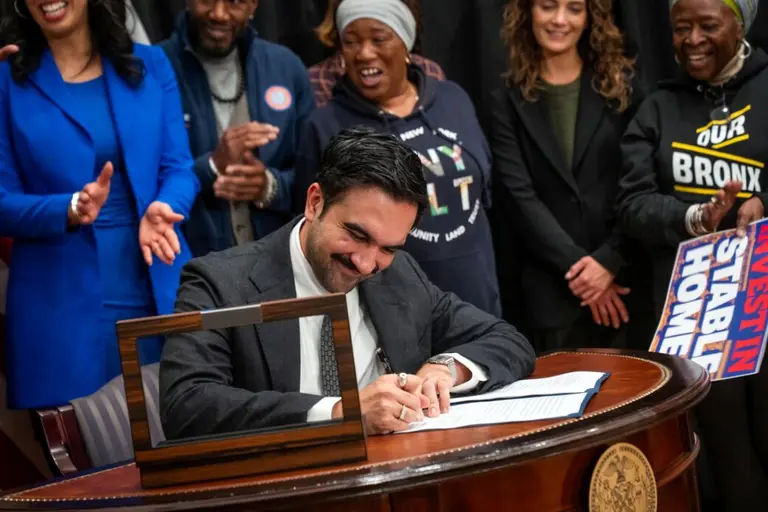
Citi Bike members in New York City will get cheaper e-bike rides starting next year under a new deal between Mayor Zohran Mamdani’s administration and Lyft. Beginning January 19, 2027, Citi Bike members will pay no more than $3.65 for e-bike rides lasting up to 45 minutes, down from a current maximum of more than $12, as first reported by the New York Times. The deal also immediately freezes annual bike membership prices at $239 through May 2029, when Lyft’s current contract with the city expires.
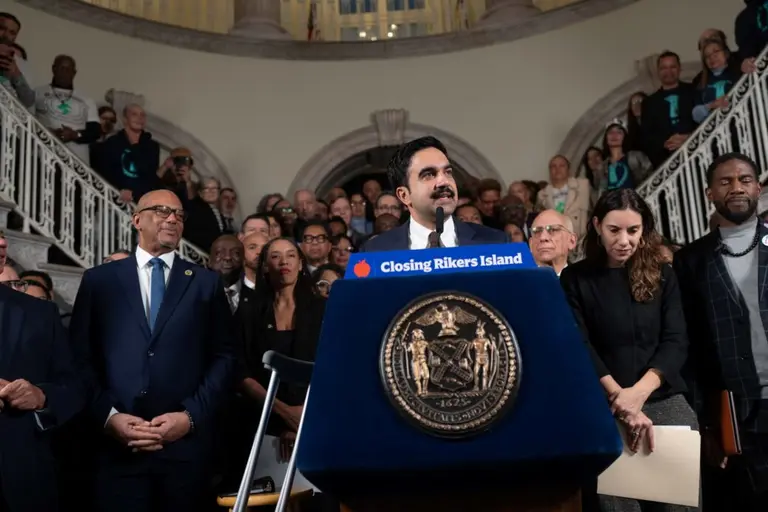
“Getting around New York City shouldn’t come with a price tag that keeps climbing by the minute. For too many working New Yorkers, even a bike ride across the borough can become another expense to worry about,” Mamdani said.
“We’re capping e-bike fares at $3.65, freezing prices through 2029 and making it easier for millions of New Yorkers to get where they need to go. Because a more affordable city is one where getting around it doesn’t break the bank.”
Standing as the largest bike-share program in the nation, Citi Bike receives no taxpayer money and is fully funded by the fares riders pay. While a popular public transit option for many New Yorkers, some riders have grown frustrated with what seem like yearly price hikes that have made rides increasingly expensive.
The company raised prices six times between 2022 and January 2026, with Lyft most recently citing tariffs and inflation as reasons for increasing rates, according to Gothamist.
Today, Citi Bike members pay 27 cents per minute for e-bike rides, or $12.15 for a 45-minute trip, except for rides entering or leaving Manhattan, which are capped at $5.40. In 2021, the cost for members was $4.50, or 10 cents a minute, according to the Times.
As part of his broader agenda to make the city more affordable to live and get around in, Mamdani, whose frequent use of Citi Bike has been no secret, says rising prices have become “another expense” for New Yorkers to worry about.
Starting in January, Citi Bike members will pay no more than $3.65 for e-bike rides lasting up to 45 minutes, a substantial discount from current rates. The cap also applies to participants in the Reduced Fare Bike Share program, which is available to the city’s nearly two million NYCHA residents and SNAP recipients for $5 a month.
The cap will save riders up to $8.50 per trip, reducing maximum fares by more than two-thirds and allowing riders up to 31 minutes of additional riding at no extra cost.
During Monday’s press conference announcing the deal, Mamdani said the city has agreed to install electric charging infrastructure at more than 130 Citi Bike stations starting in 2027. This will allow e-bikes to recharge while docked, rather than requiring Lyft workers to swap out depleted batteries as they do now. Officials say the new system will reduce operating costs and make more e-bikes available to riders.
Starting January 1, 2027, Lyft can run advertisements across all Citi Bike station display panels.
Under the revised revenue-sharing agreement, Lyft will only begin paying the city once its profits exceed $5.25 million a year, a threshold that will be adjusted annually. The company will also no longer have to reimburse the city for lost parking meter revenue.
Despite the city’s concessions, Mamdani emphasized that the deal will not require any additional city spending while delivering expanded services and putting nearly $11 million “back in the pockets” of New Yorkers.
However, while the city says the change will cut fares for members by more than two-thirds, e-bike trips for nonmembers will cost the same, currently exceeding $18 for a 45-minute ride, plus a $4.99 unlock fee, with no price cap in place. The deal also does not prevent Lyft from further increasing nonmember prices.
A City Hall spokesperson told the Times that the “vast majority” of Citi Bike rides, roughly 82 percent, are taken by members.
Lyft data compiled by the city’s Department of Transportation found that more than five million rides were taken in September alone, averaging more than 169,600 trips per day. More than 139,000 people across the five boroughs have annual Citi Bike memberships.
Transportation Alternatives, an advocacy group focused on improving street safety, echoed Mamdani’s concerns that rising prices have made Citi Bike unaffordable. In August, the group launched a petition calling for a $3 cap on 45-minute e-bike rides for members.
While the agreed-upon rate is 65 cents higher than the group had sought, Ben Furnas, the group’s executive director, still celebrated the deal as a victory.
“Our campaign really got a ton of attention and support and helped to bring the voice of Citi Bike riders into the conversation,” he told the Times. “Citi Bike is a crown jewel of bike-share systems, but the one thing that has kept it from fulfilling its full potential was the cost.”
The deal comes as Citi Bike continues to expand its network across the five boroughs. In October, Lyft completed a major expansion, adding 230 new stations and 3,700 docks across seven neighborhoods in the Bronx, Brooklyn, and Queens, including Norwood, Riverdale, Brownsville, East New York, Kensington, Bay Ridge, and Forest Hills.
“Every day, New Yorkers choose Citi Bike to get to work, to school and to each other, and this cap gives even more of them the chance to get around their city by bike,” Patrick Knoth, general manager of Citi Bike, said.
“From a longer commute to a trip across the neighborhood, members will pay no more than $3.65 for rides up to 45 minutes, and that price won’t change through 2029. At the same time, deploying additional charging stations will mean more fully charged e-bikes waiting at docks, ready when riders need them.”
RELATED: