Jackson Pollock’s former Greenwich Village loft returns to market for $1.99M
All photos courtesy of DDReps unless noted otherwise
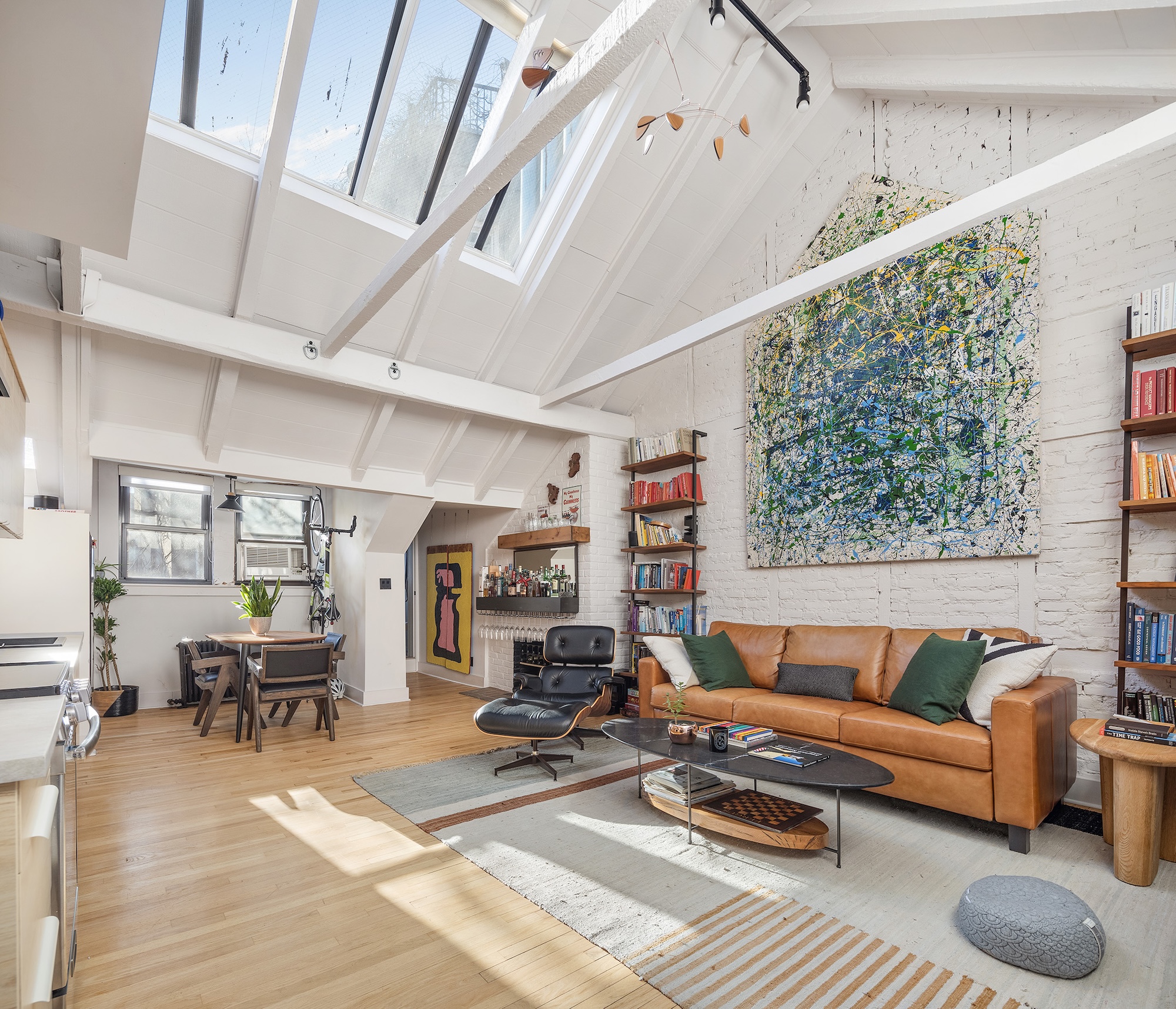
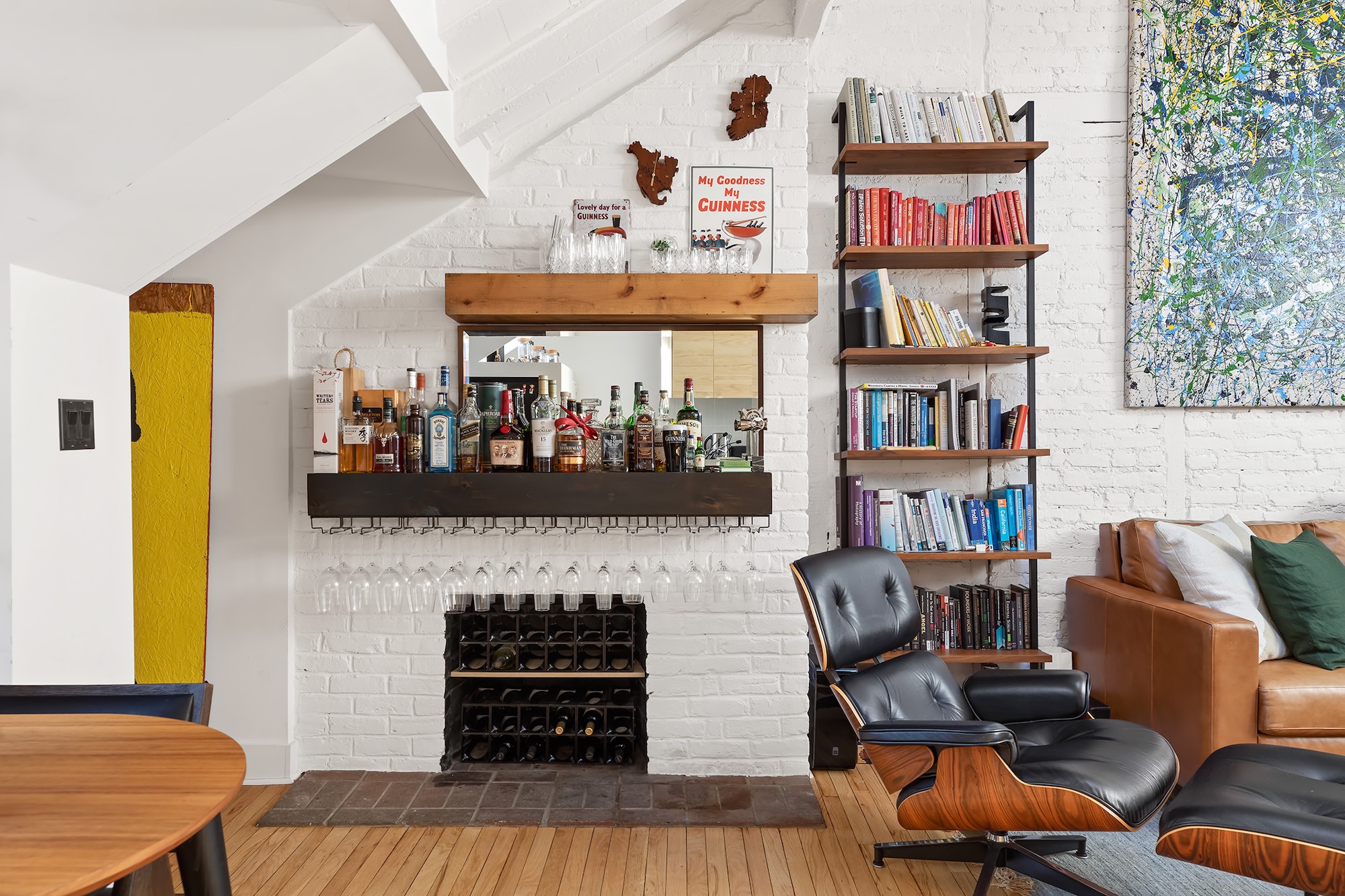
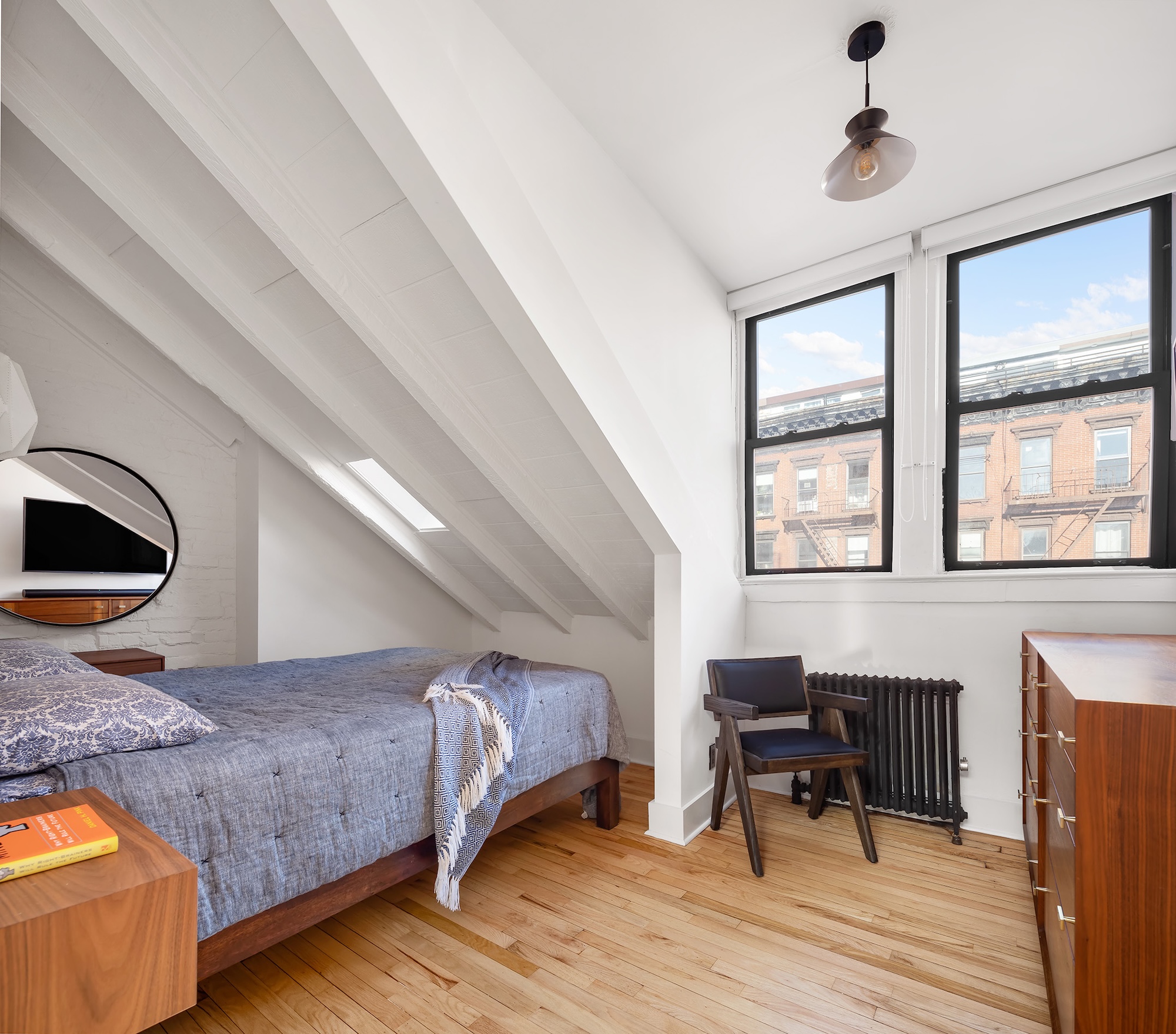
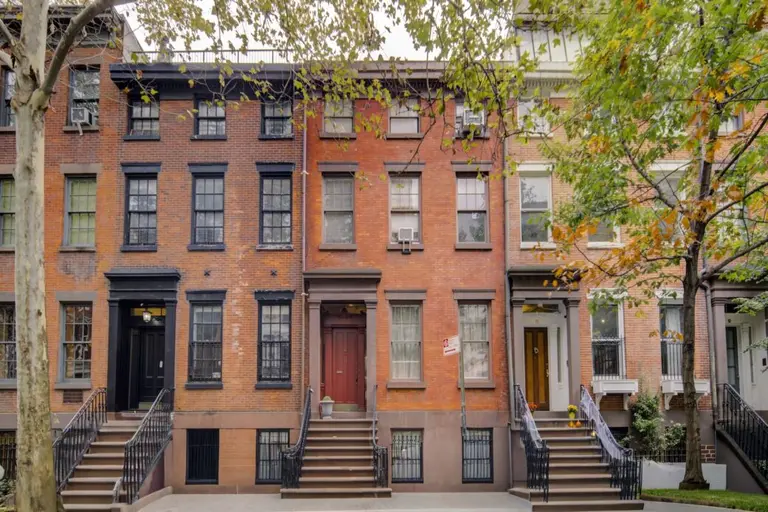
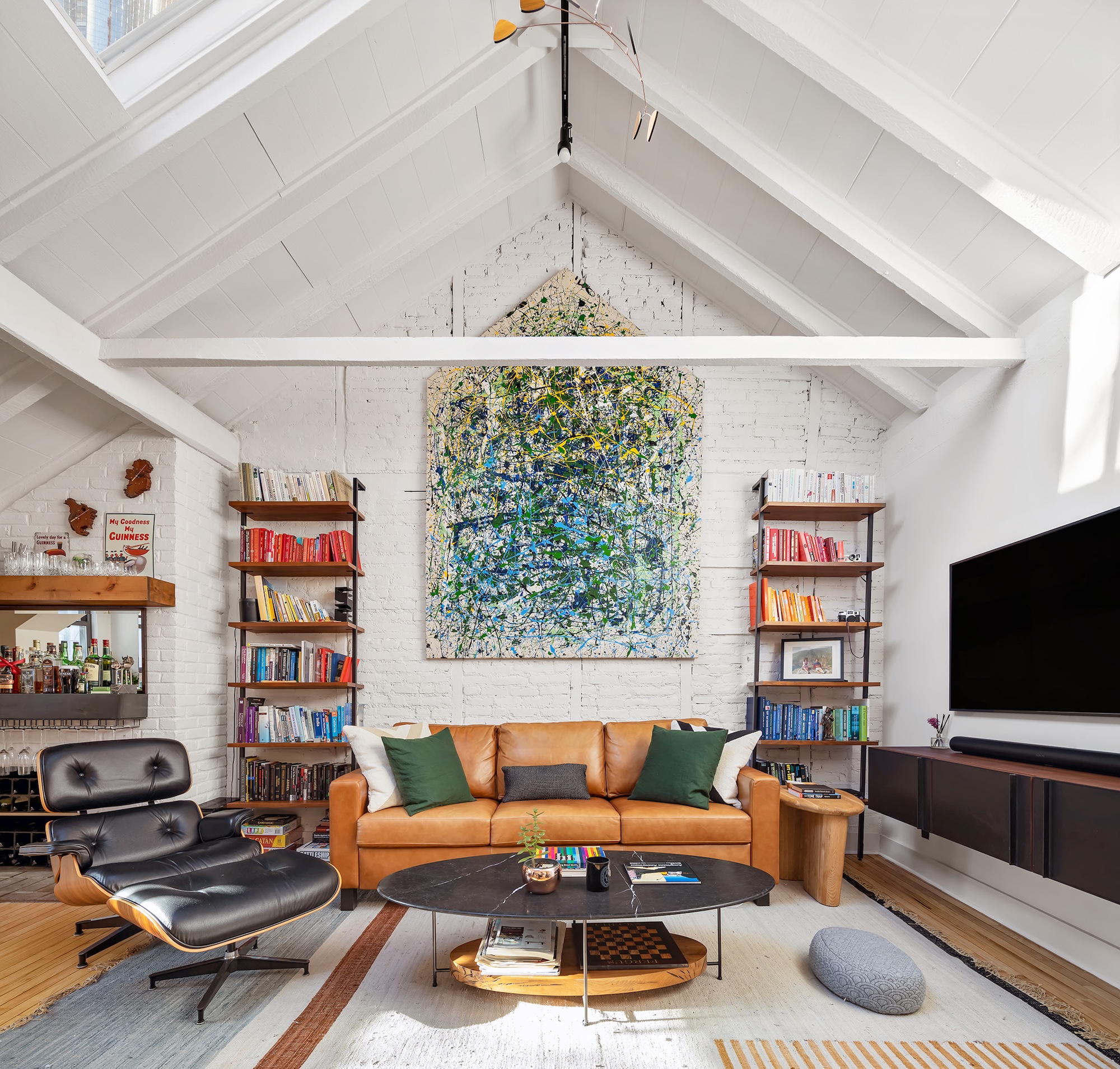
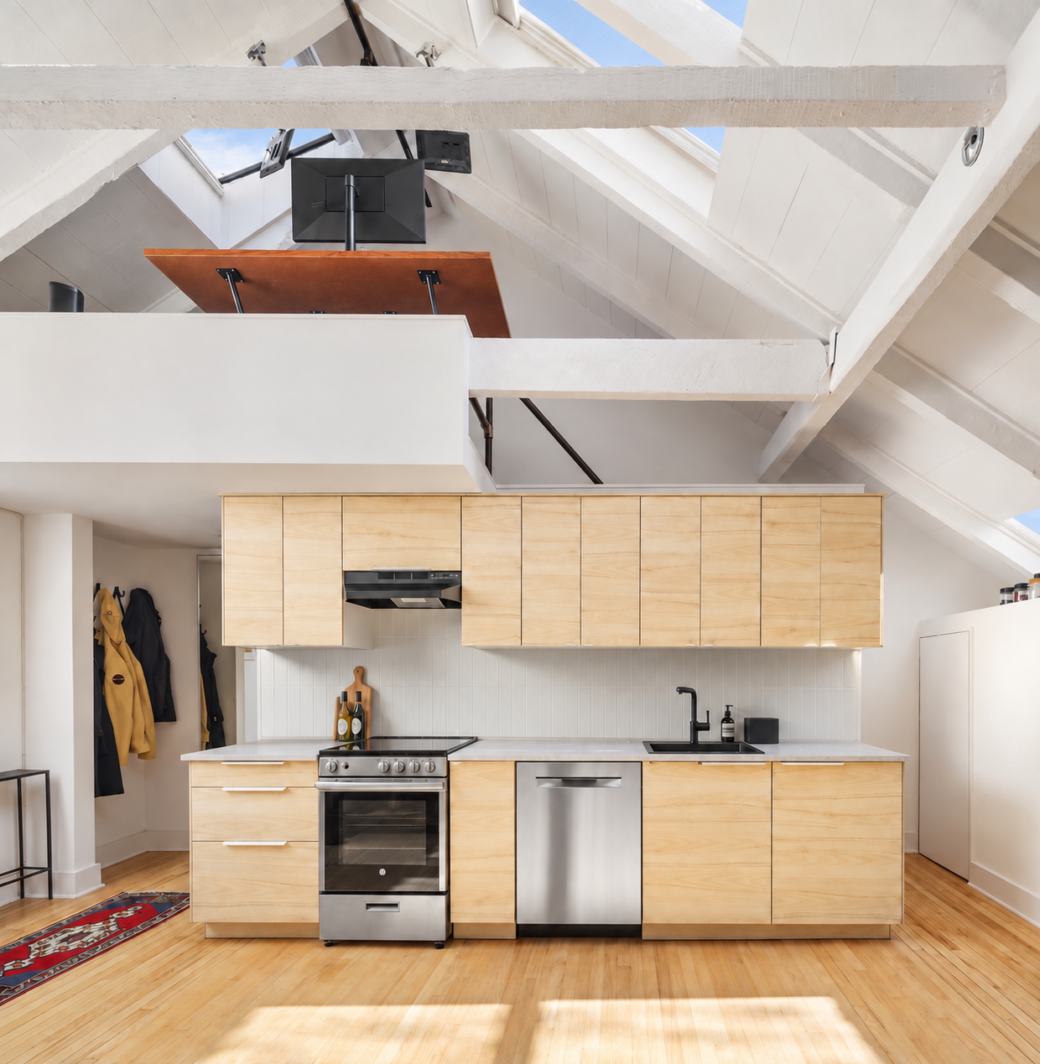
The Greenwich Village loft where Jackson Pollock once lived has returned to the market for the first time in a decade, asking $1,990,000. Located on the top floor of 46 Carmine Street, the historic 1827 Federal-style townhouse was home to Pollock and his brother Charles in 1932, serving as both their living space and studio. Bought off-market in 2021 by current owner Fergus Hurley, the 650-square-foot residence has since been modernized while retaining its historic character. Hurley has also filled the space with a new collection of artwork that draws on the artistic legacy of the home.
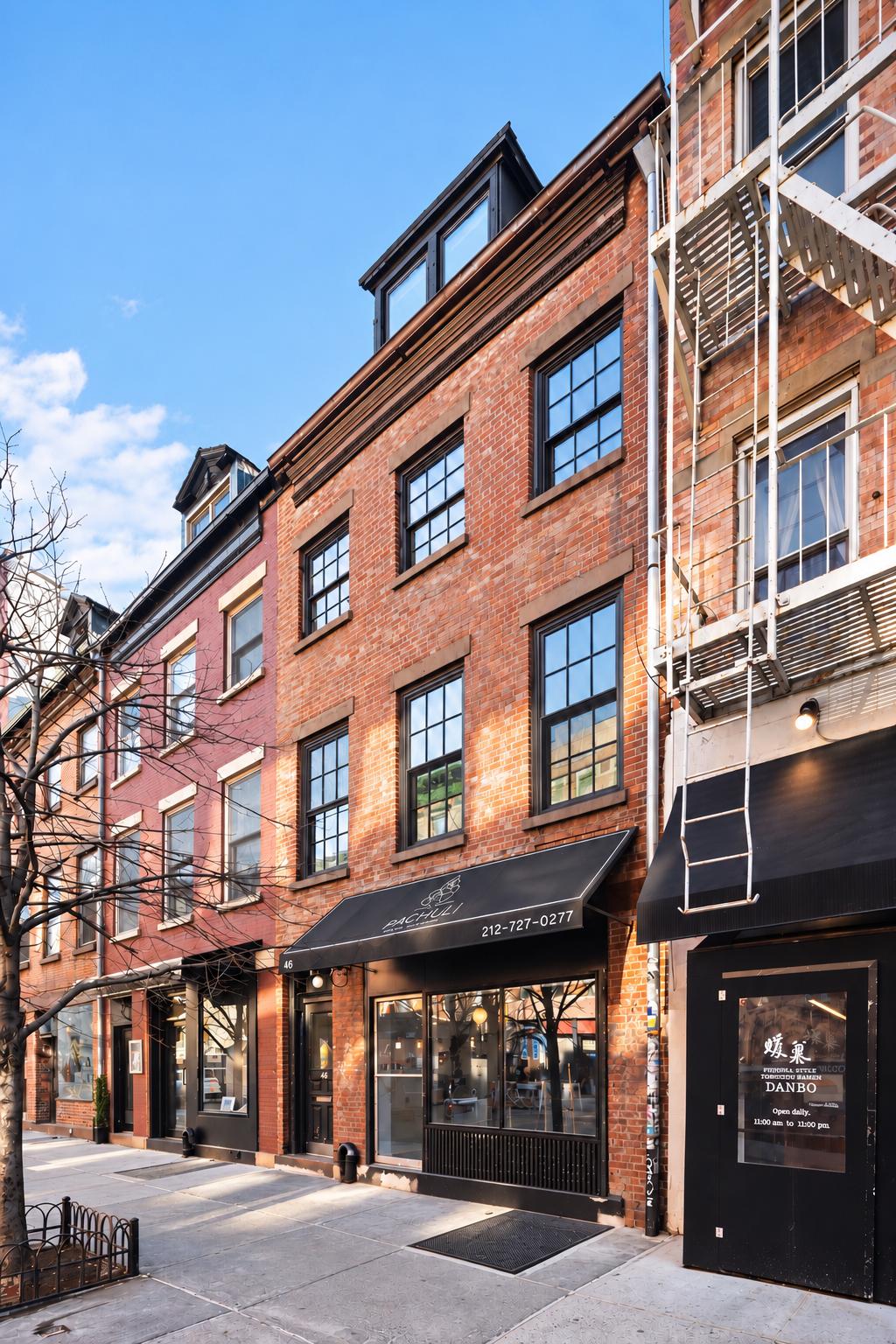
Although the building is a fundamental part of Pollock’s history, the structure’s history goes back even further. Built around 1827 by carpenters Albert Berdan and James D. Browser, the townhouse initially saw a quick succession of owners and sold four times between 1828 and 1834, according to Daytonian in Manhattan.
In the 1840s, the house was reportedly used as a brothel, a chapter that came to an end when its tenant, Mary Armstrong, was arrested in 1846. In the decades that followed, residents of the building continued to make the newspapers, though often for less flattering reasons.
Tenant Patrick Kennedy, who lived there in 1864, was mentioned in the New-York Daily Tribune after he was seriously wounded in a bar fight. In 1896, resident Thomas Wheatley, who was known to physically abuse his wife, Mary, was arrested on suspicion of murdering her. Wheatley instead blamed his wife’s alcoholism for the circumstances surrounding her death.
Frederick Conrad and James Andres, who shared a room in the townhouse in the 1890s, led a robbery spree across Westchester County, storing their stolen goods in the apartment and selling them to local pawn shops. Posing as brothers, the pair were eventually brought to justice.
In previous listings, the home was claimed to have once been owned by American politician Aaron Burr, though that history has been called into question given that Burr had already fled New York after killing Alexander Hamilton in their infamous 1804 duel.
Pollock moved into the top-floor residence in 1932, despite reported “acid objections” from his brother Charles’ wife, Elizabeth, and lived there until 1933, according to Daytonian in Manhattan.
In 1937, architect Frederick S. Koeller renovated the building into a single-family home above the ground-floor retail space. That configuration lasted until 1960, when another renovation converted each of the upper floors into individual apartments.
The residence was last publicly listed for $1.25 million in 2014. In 2020, Hurley moved from Ireland to New York to work at Google’s startup incubator, renting the apartment shortly before the pandemic and building a remote team from its upstairs loft. He purchased the home off-market in 2021.
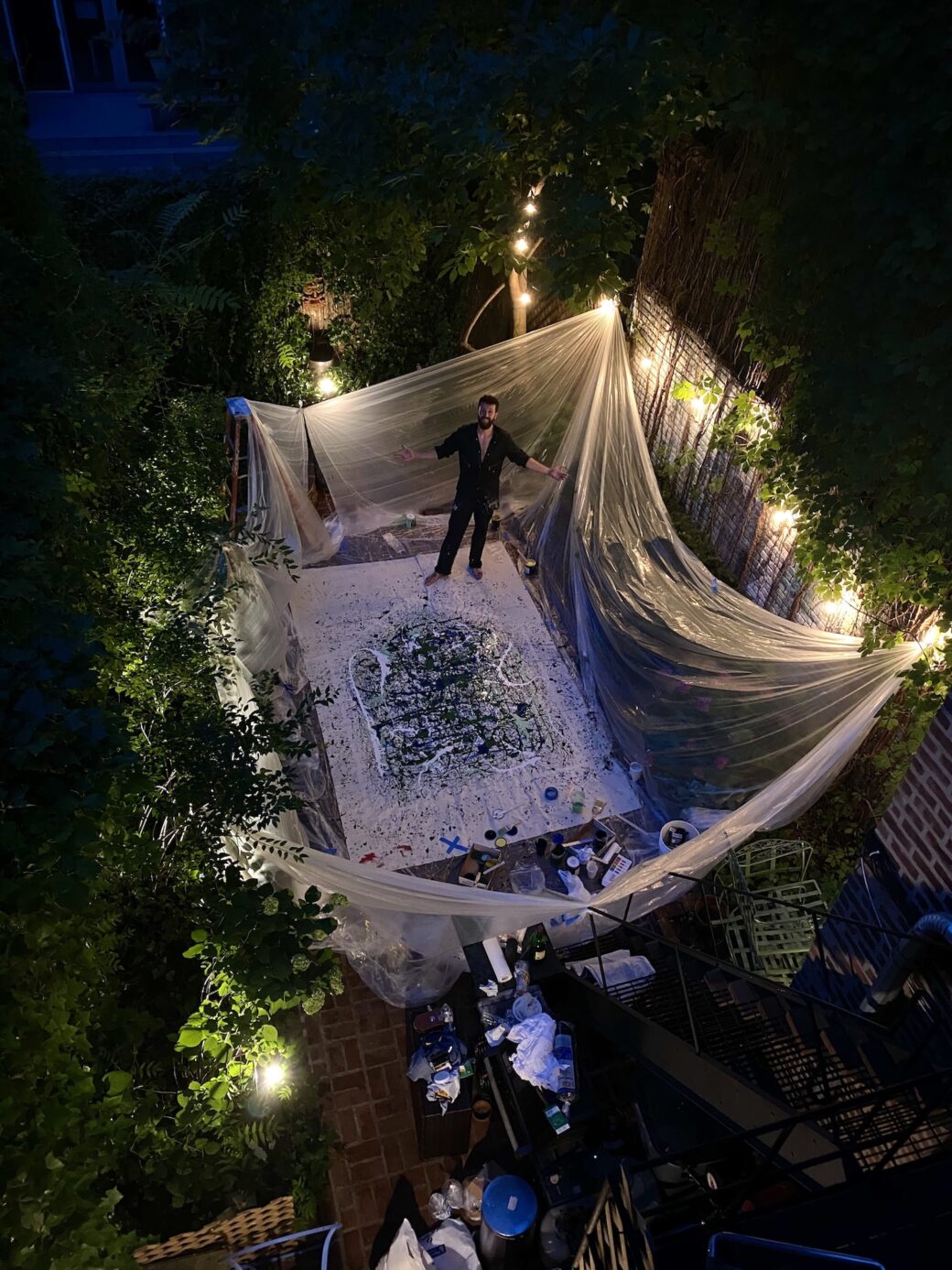
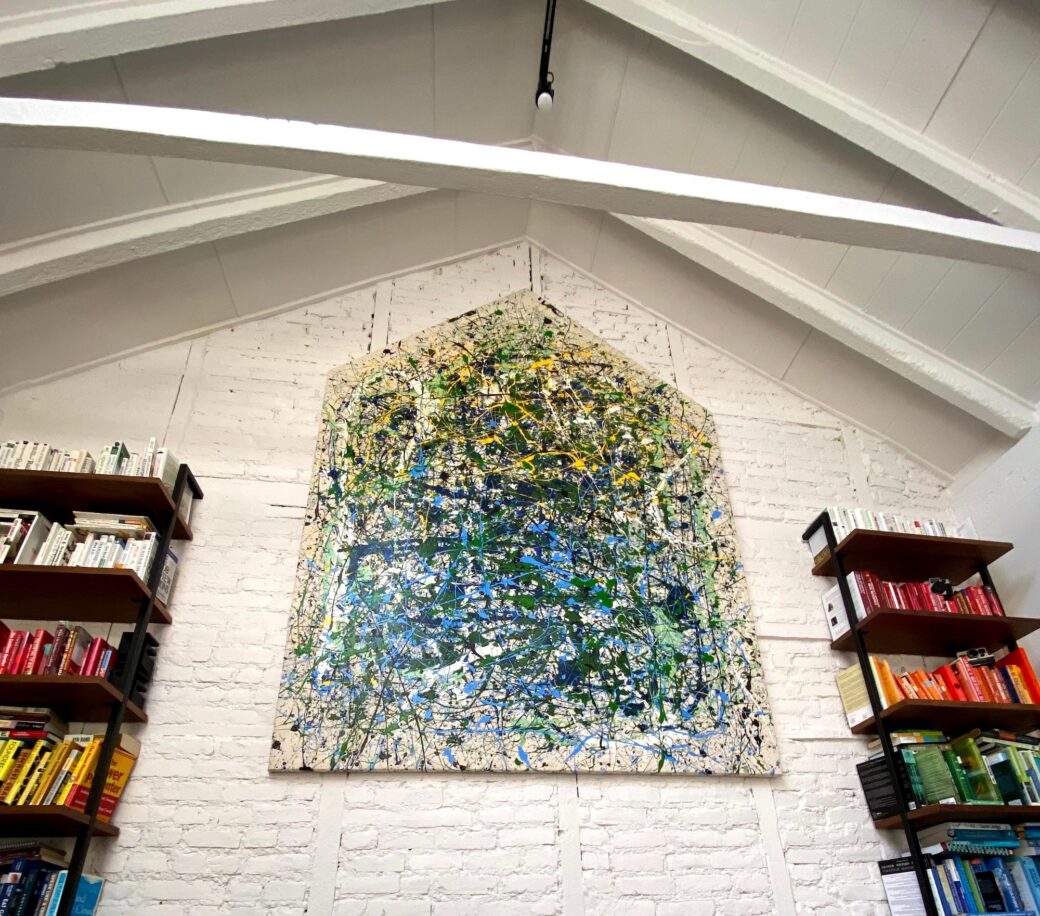
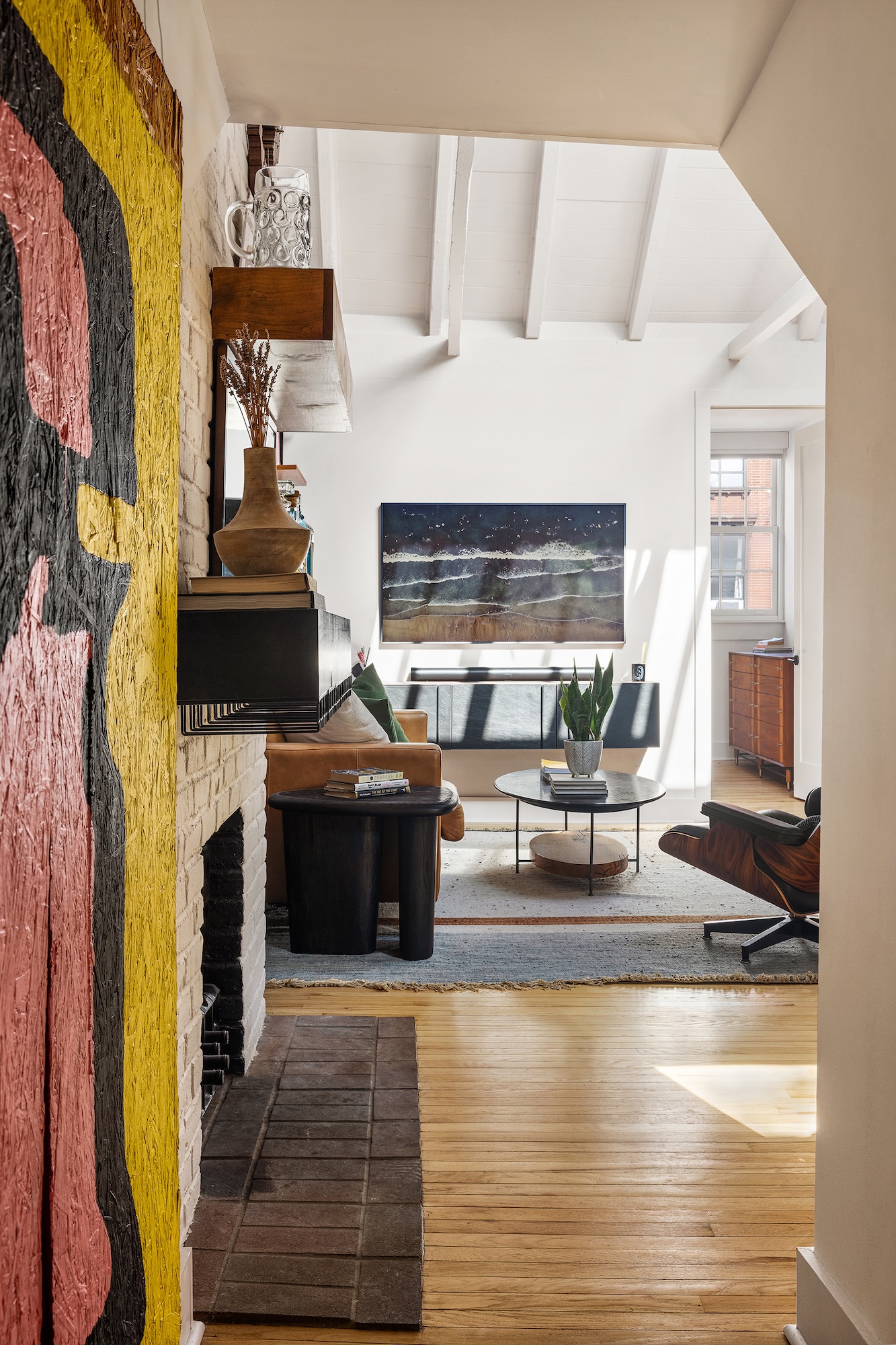
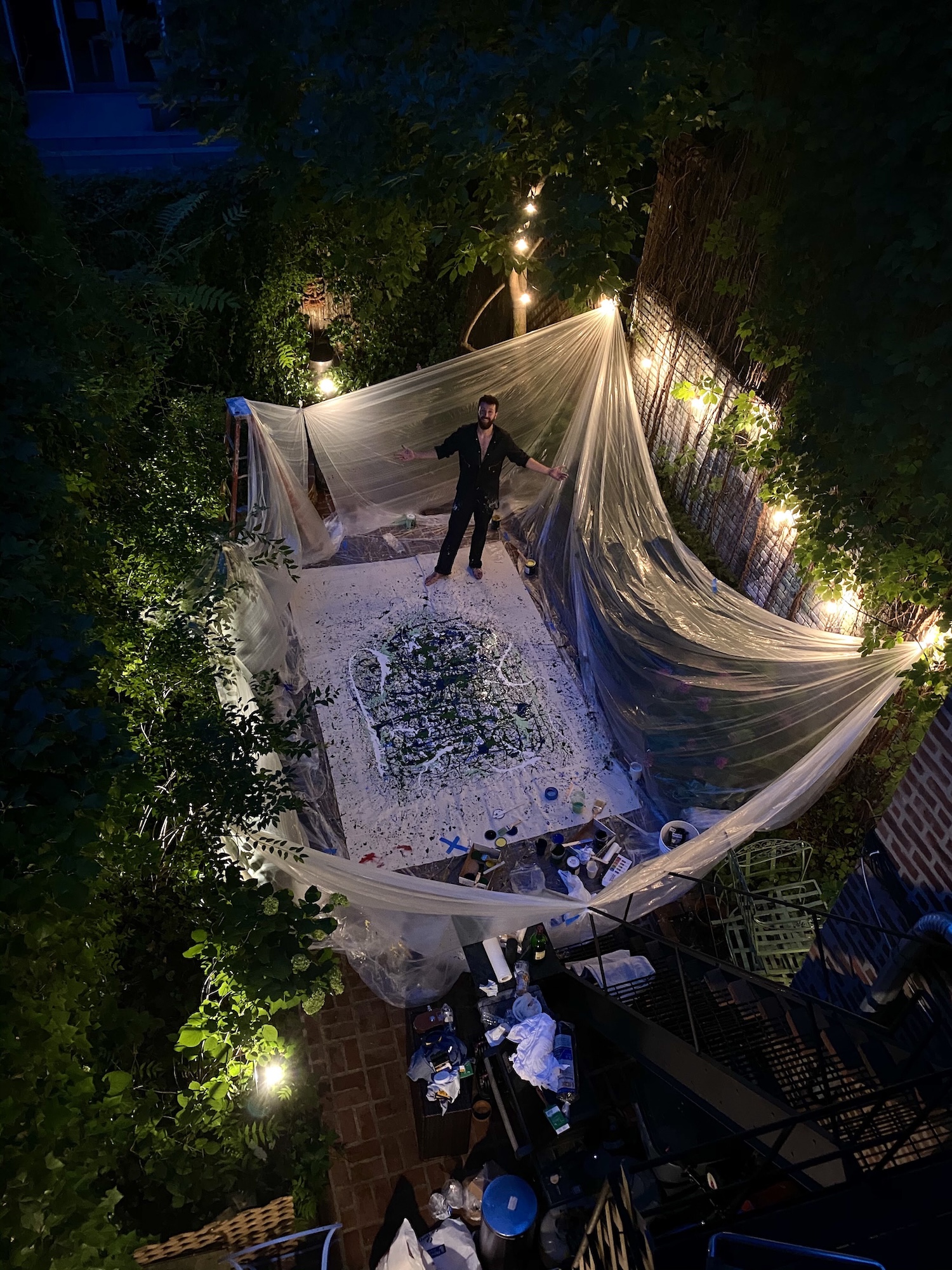
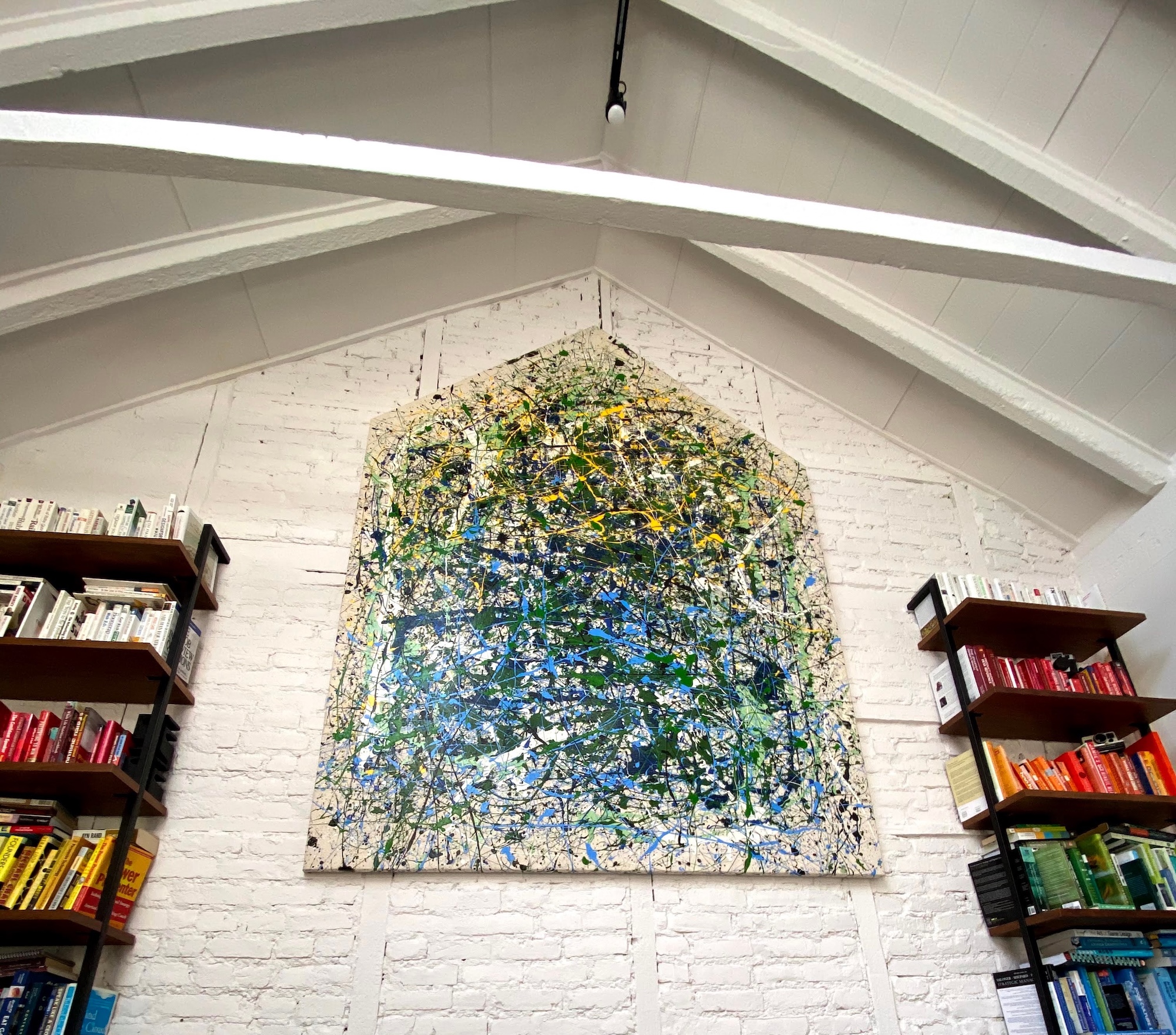
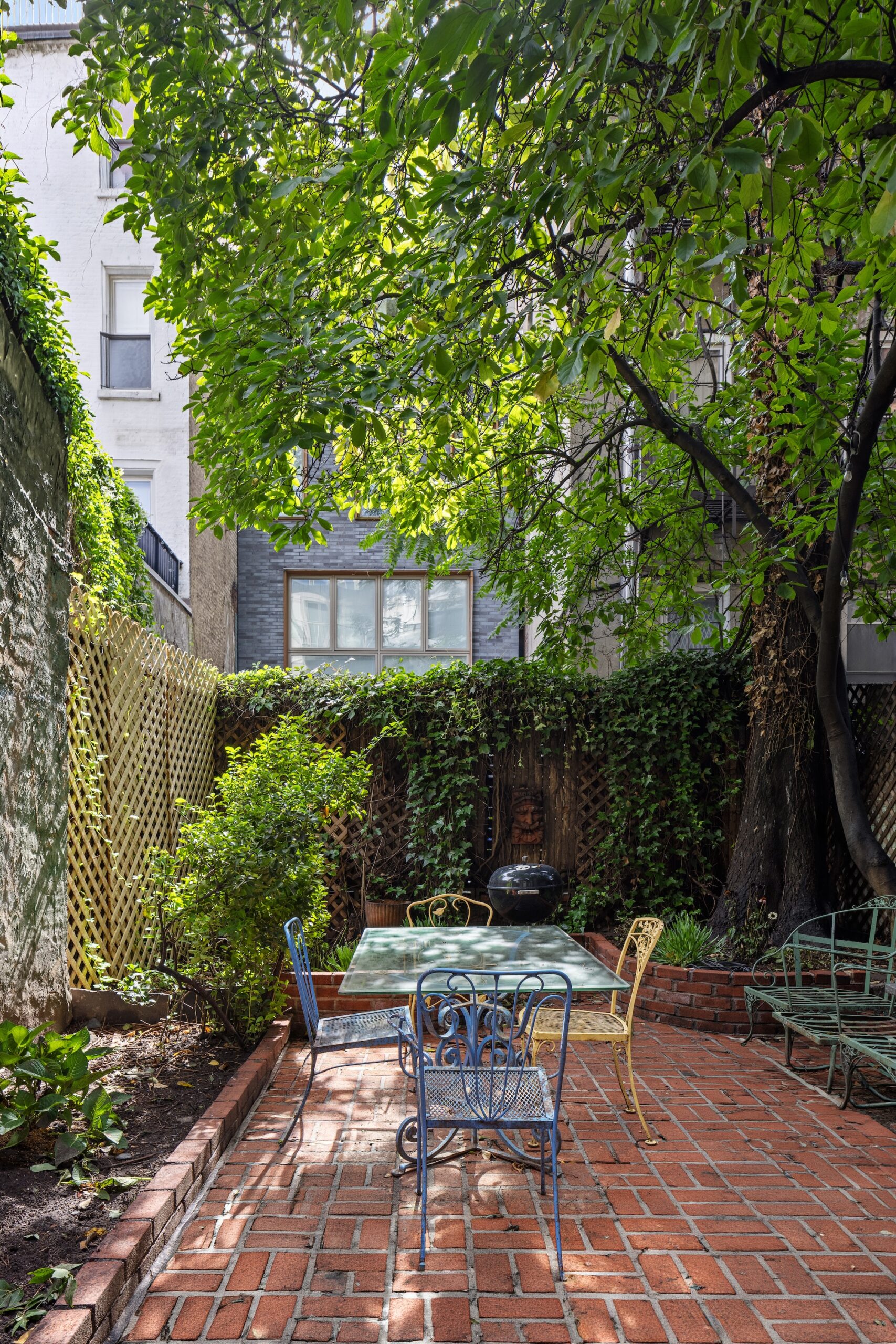
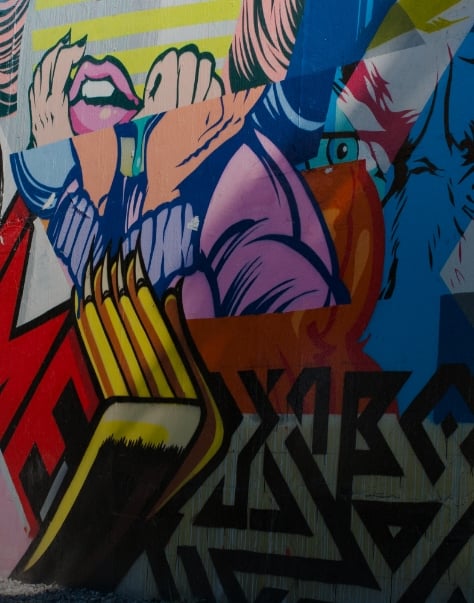
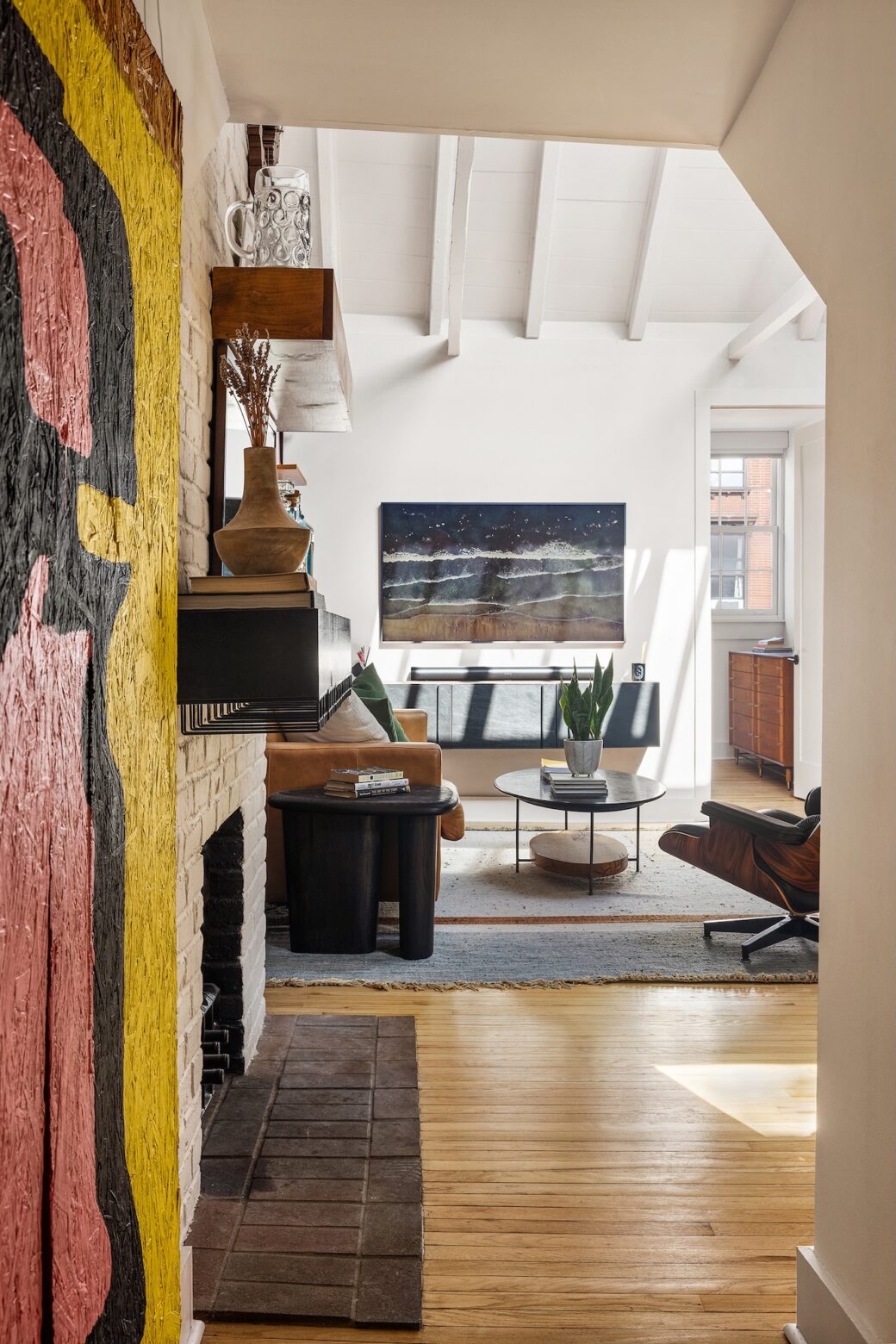
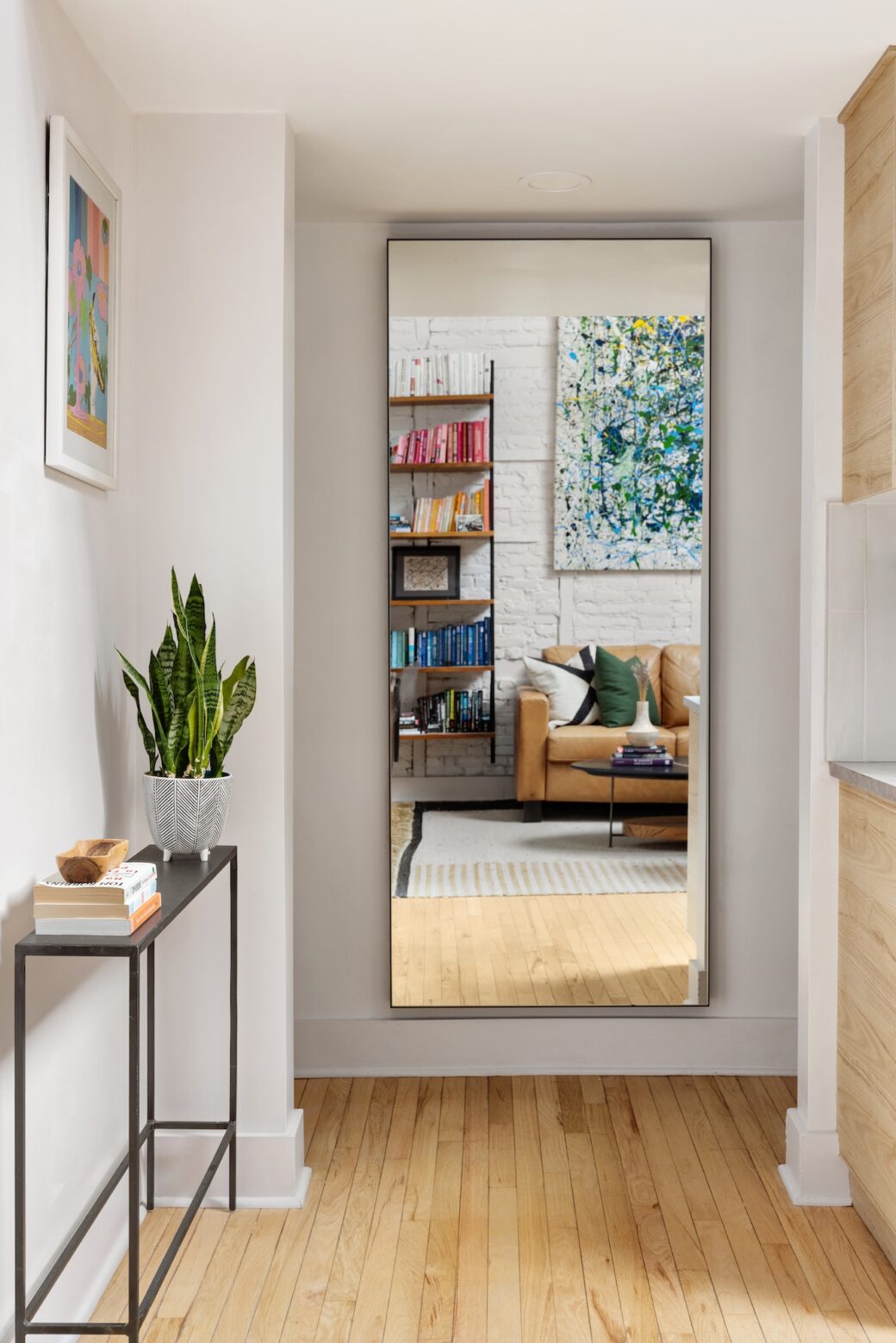
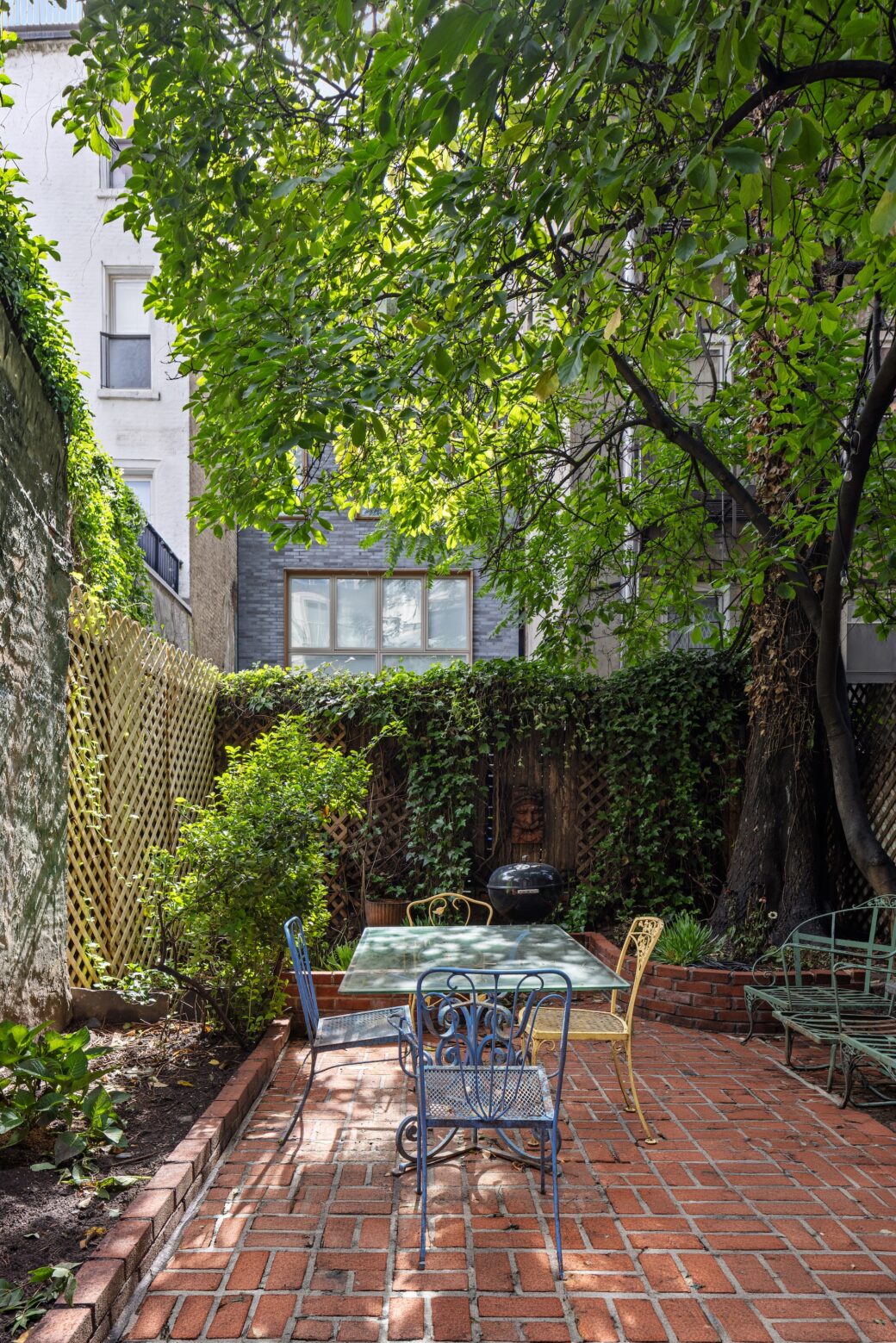
During his first year there, Hurley began bringing new artwork into the space. He worked with Soho street artists on a large painting created in the building’s garden and later acquired a piece painted on boards that covered 46 Carmine Street’s storefront during the 2020 George Floyd protests. The artwork now hangs in the residence.
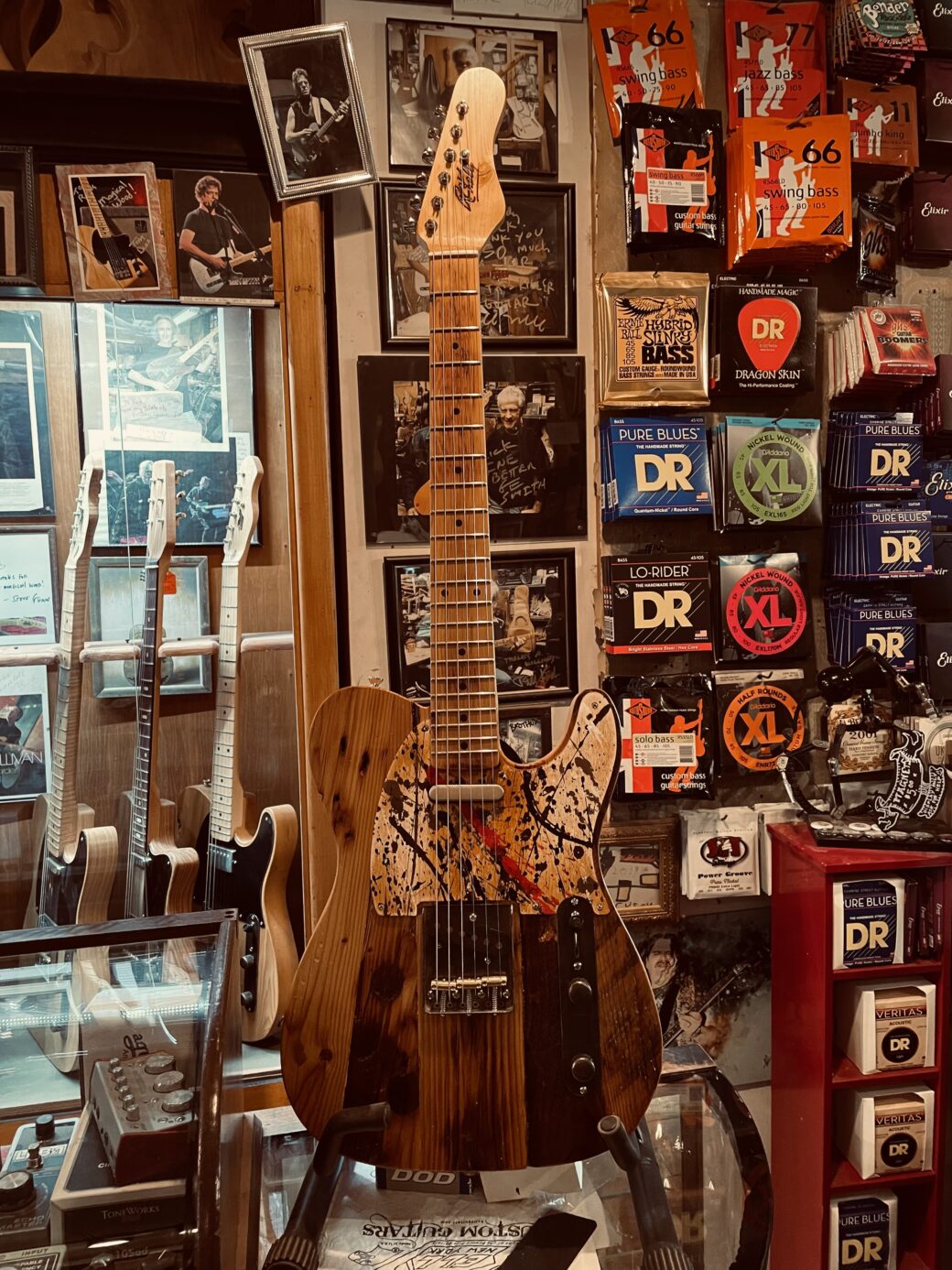
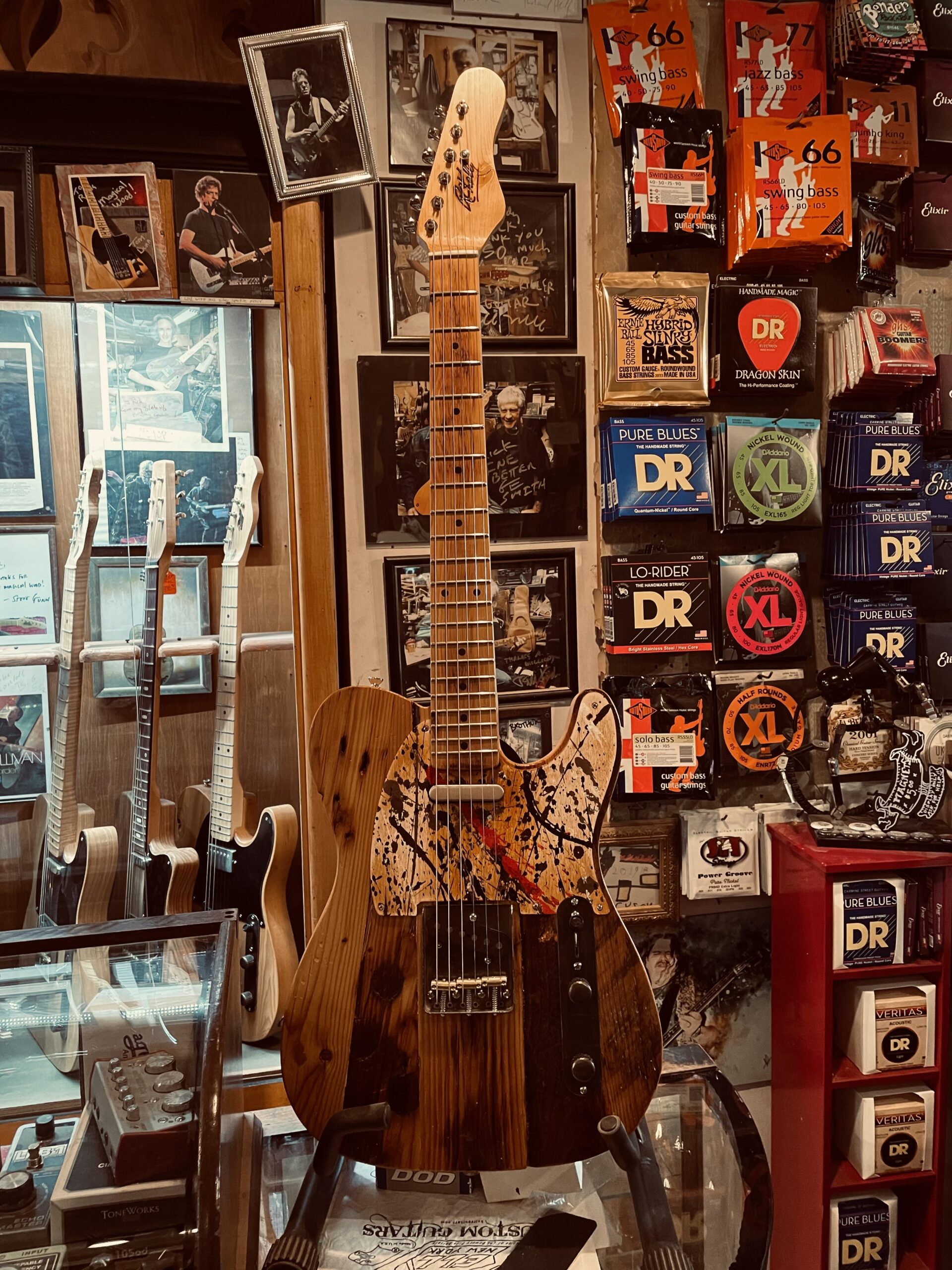
Additionally, a wooden beam removed during a renovation was transformed into a guitar by Carmine Street Guitars, continuing the home’s artistic legacy.
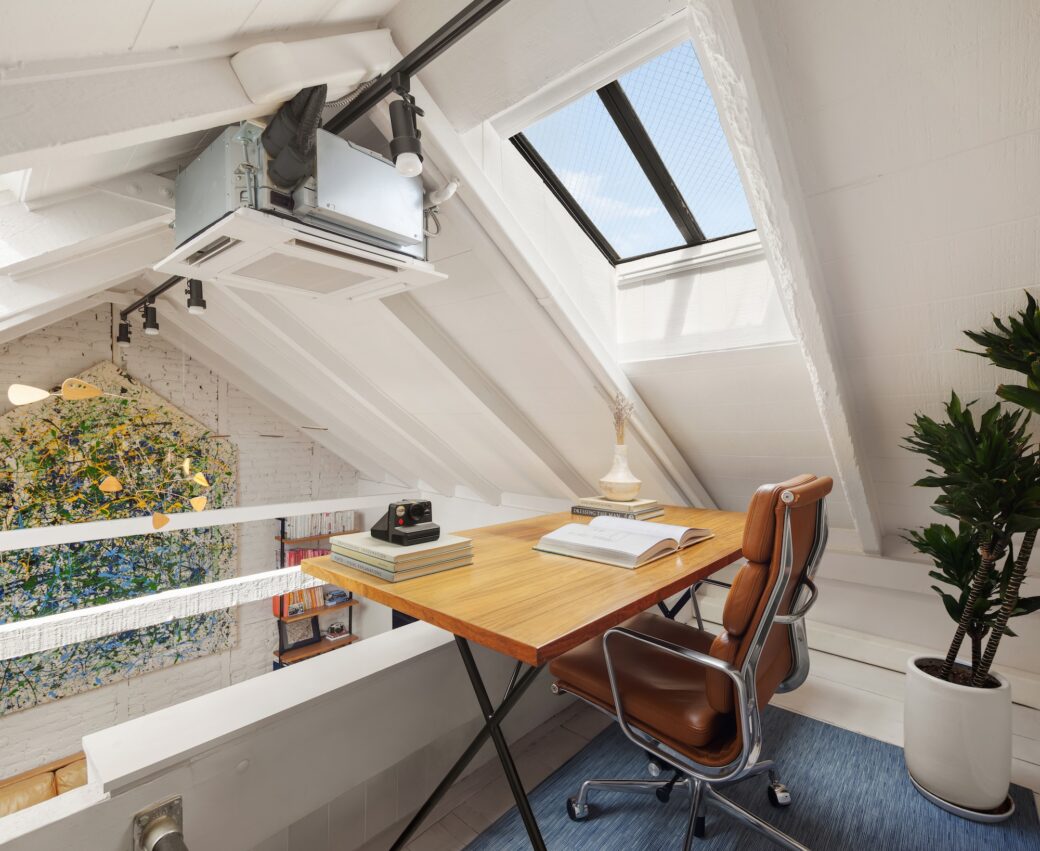
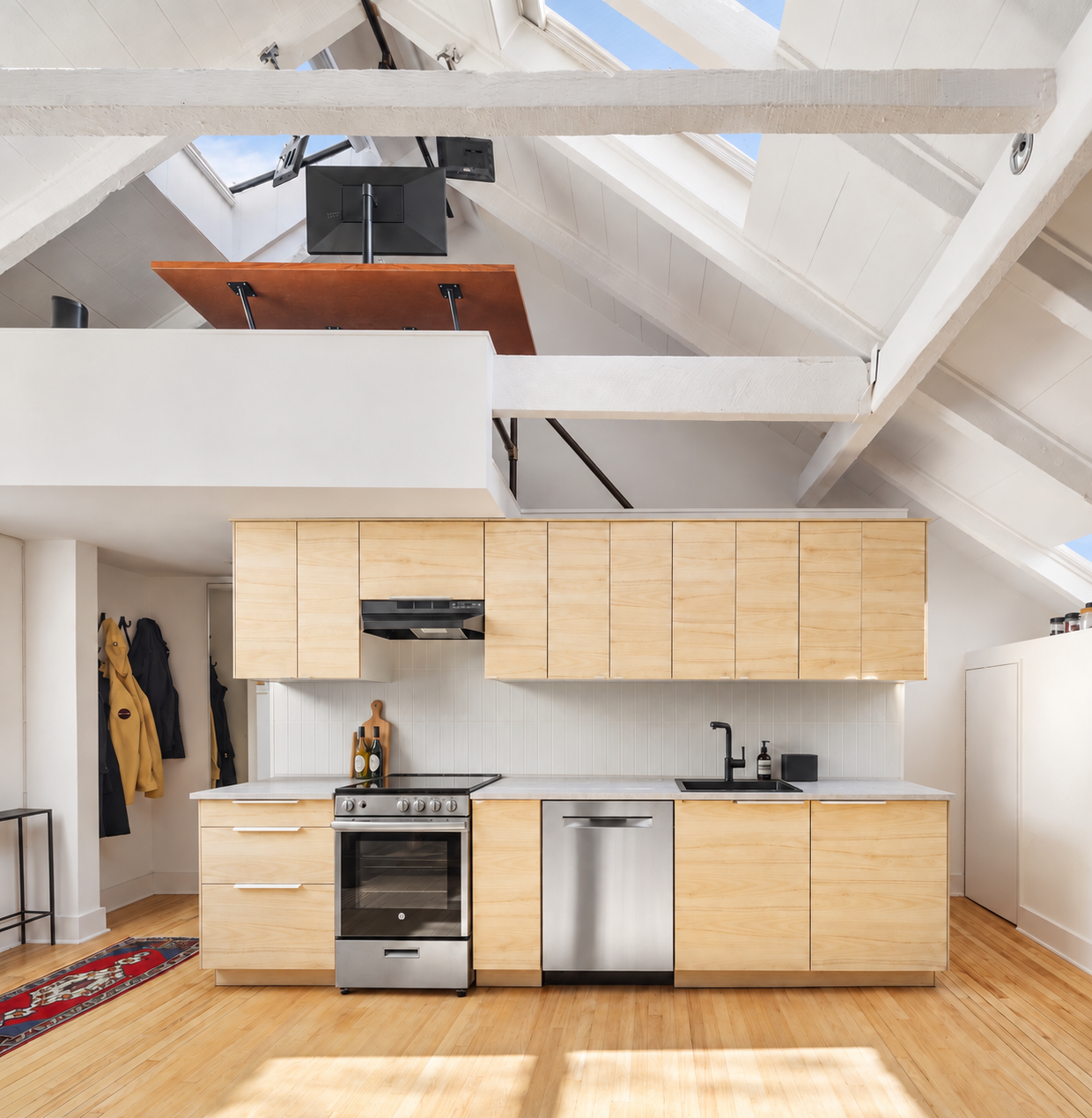
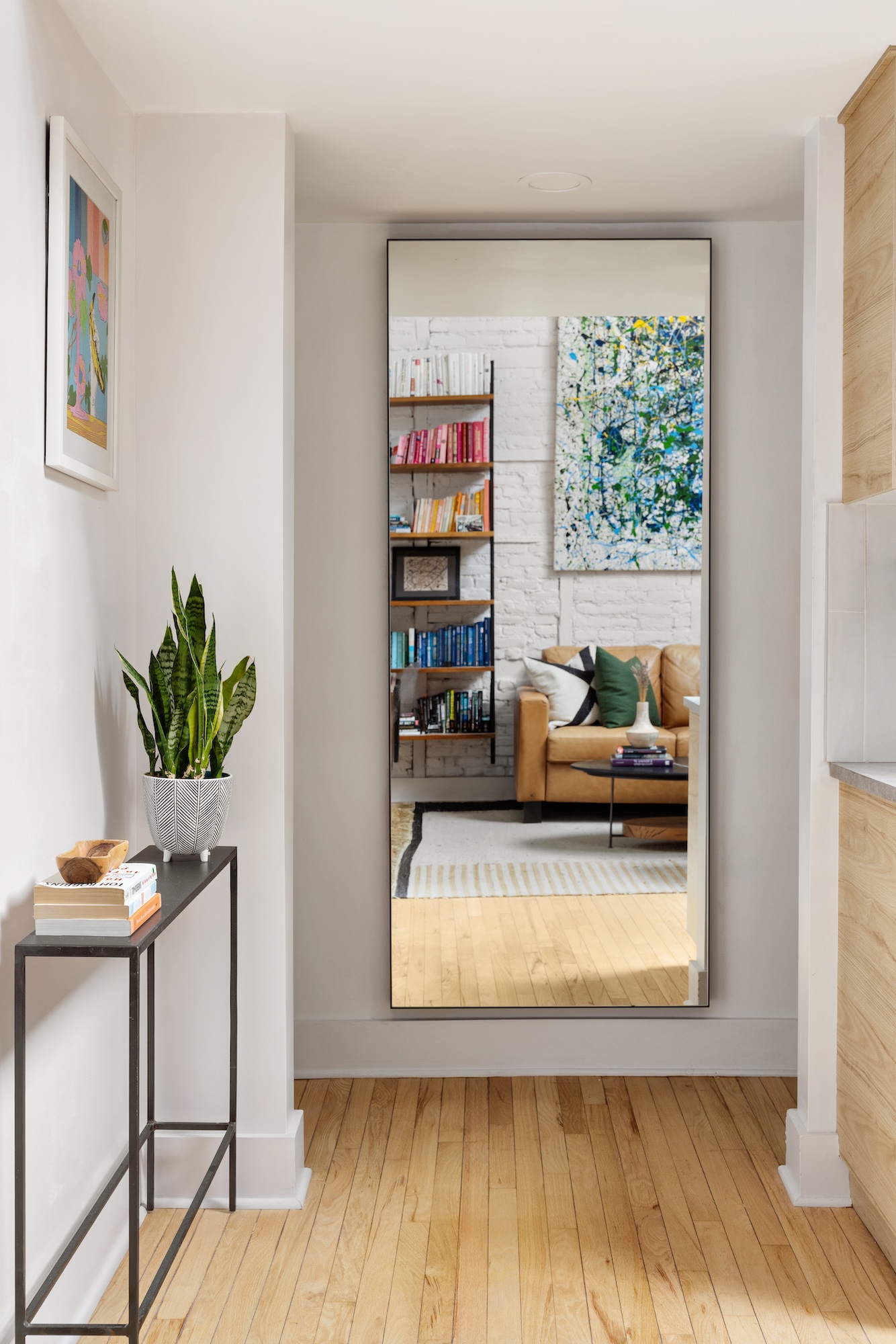
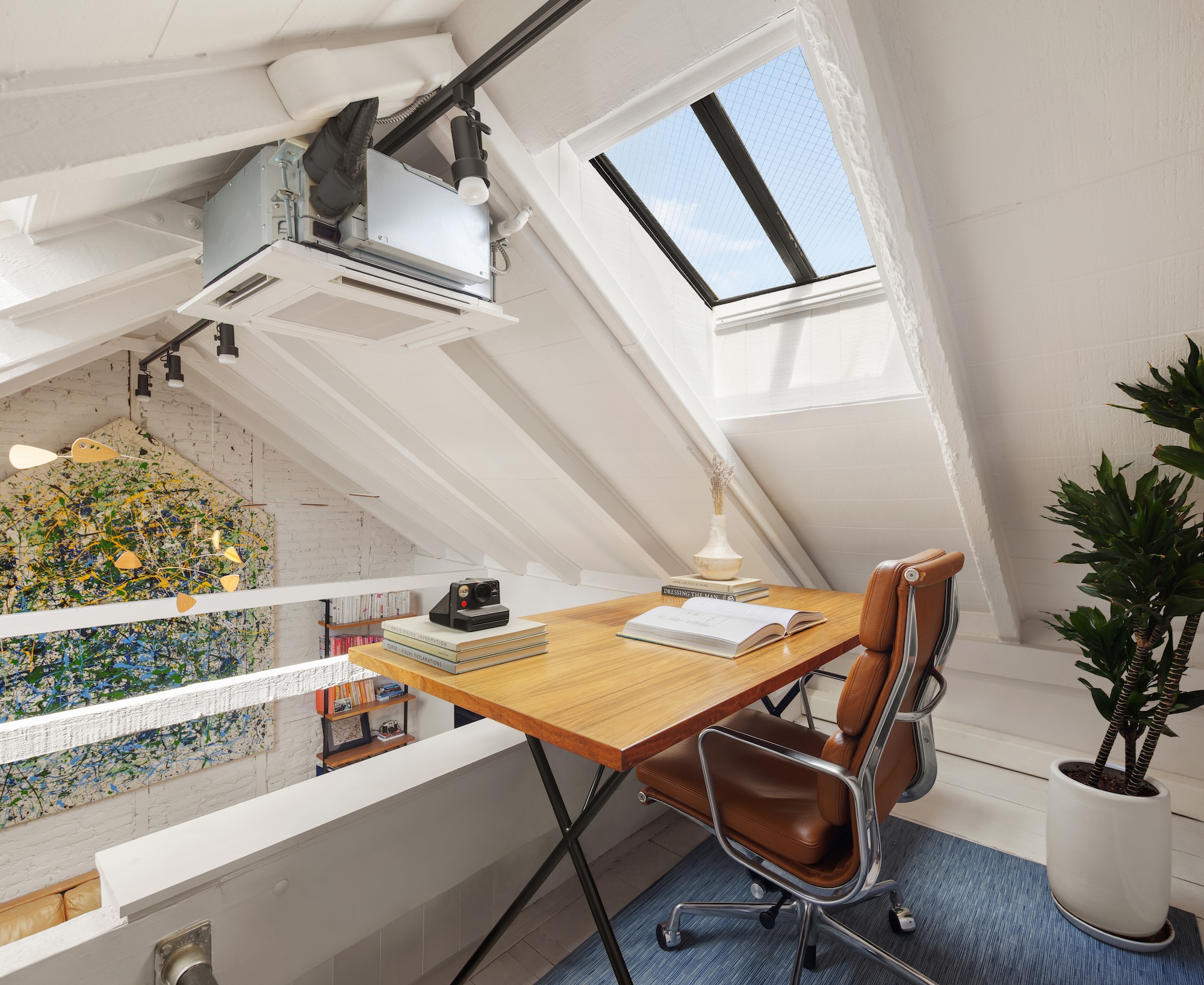
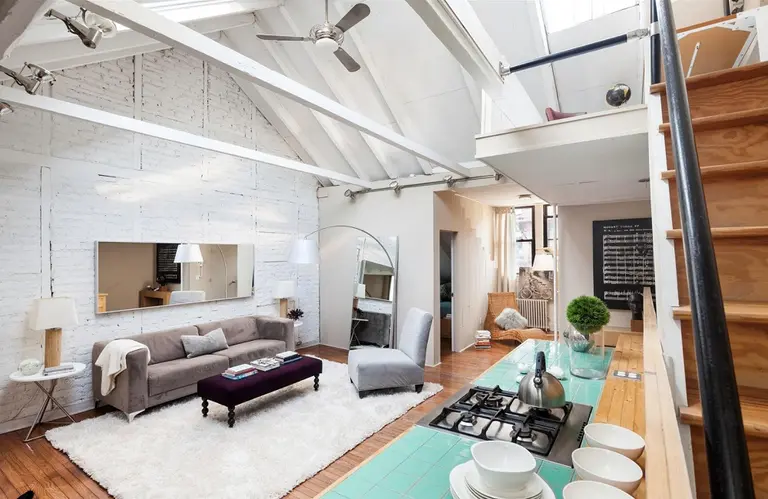
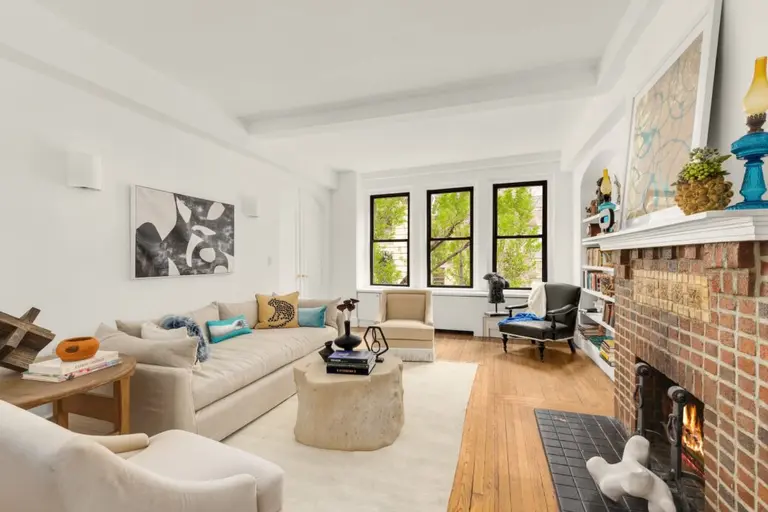
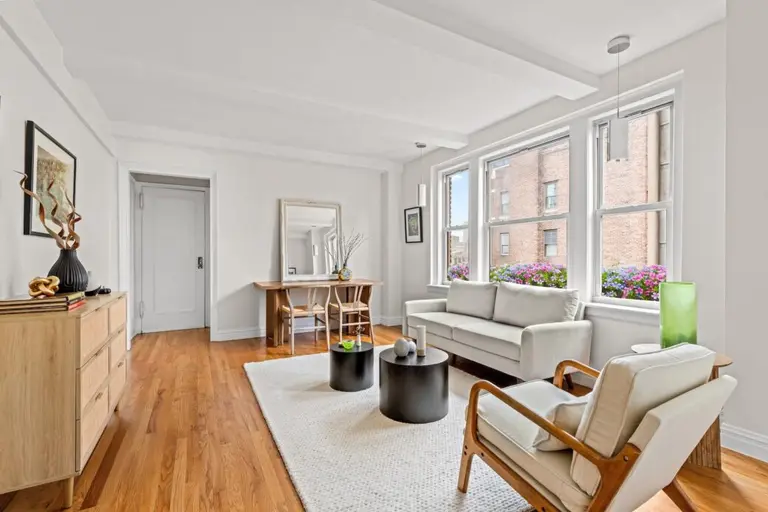
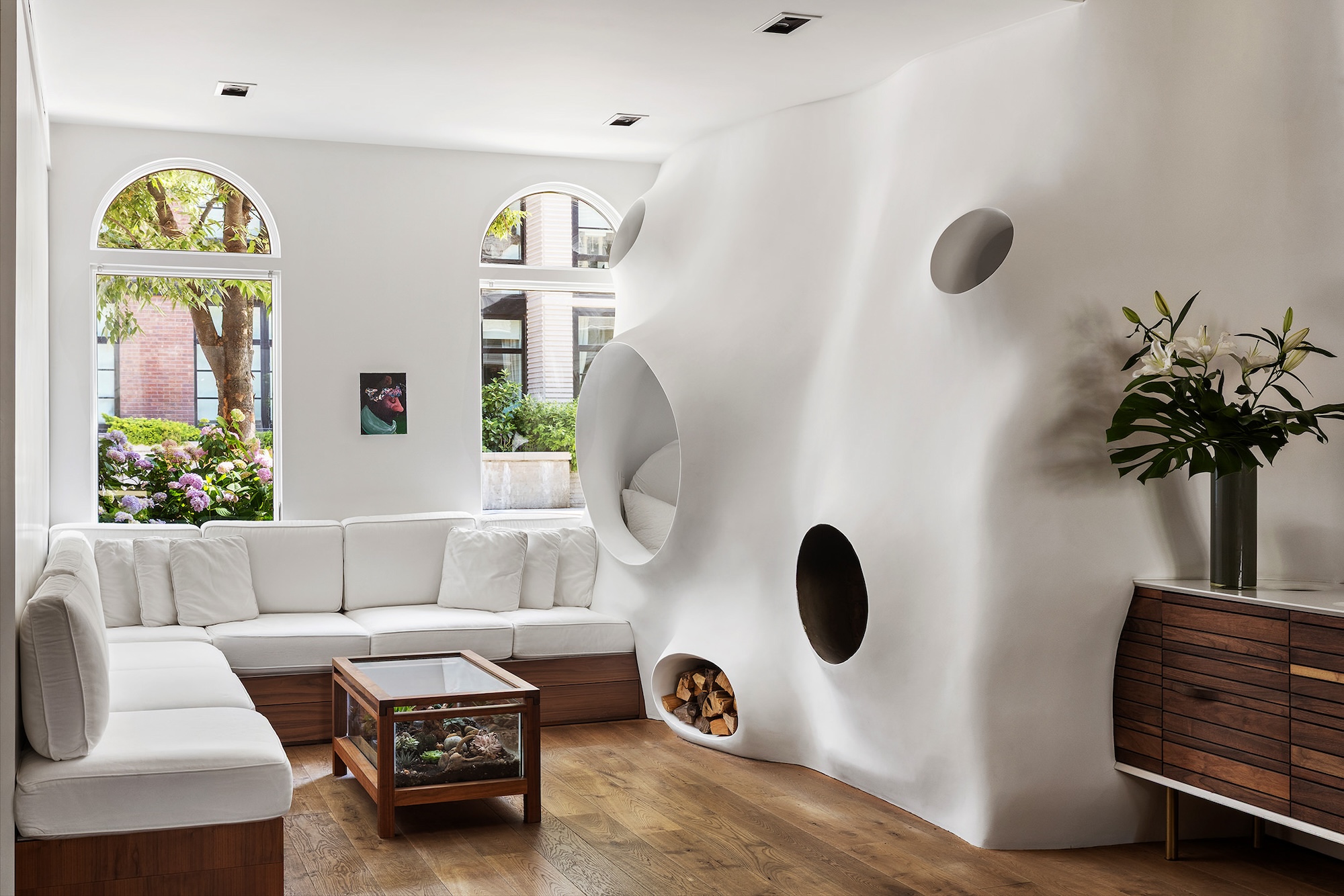
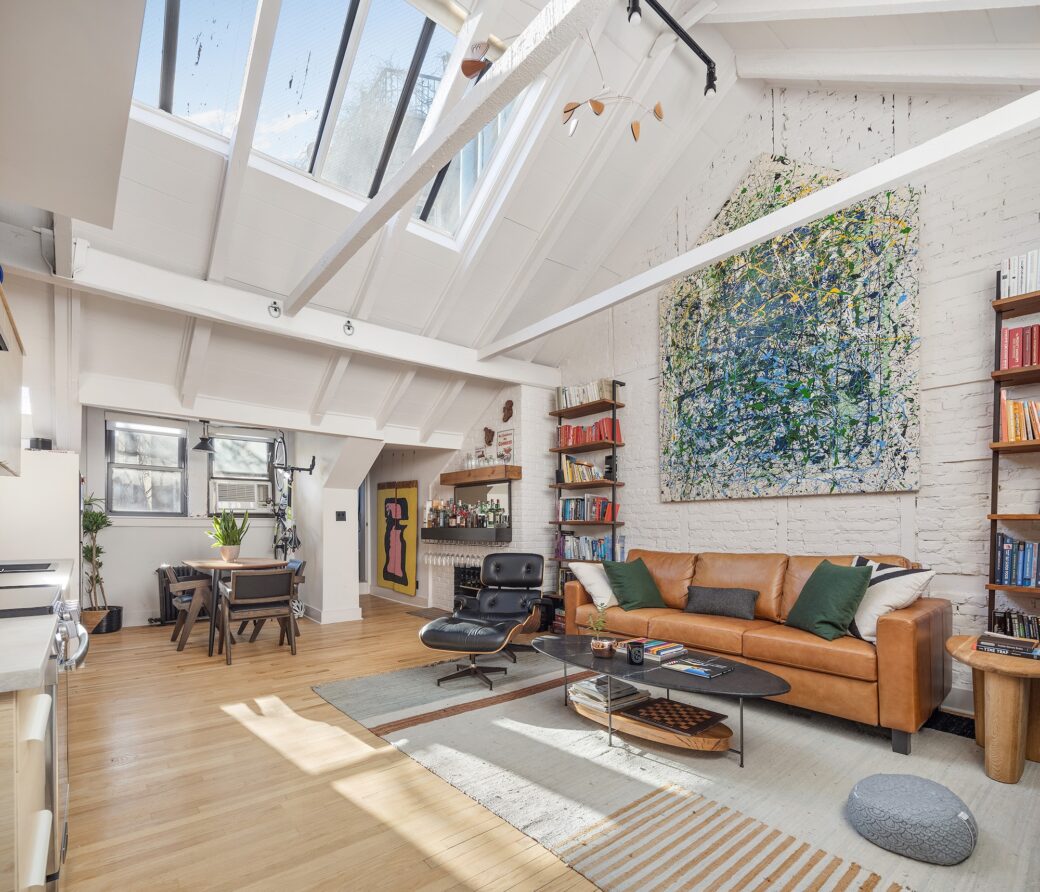
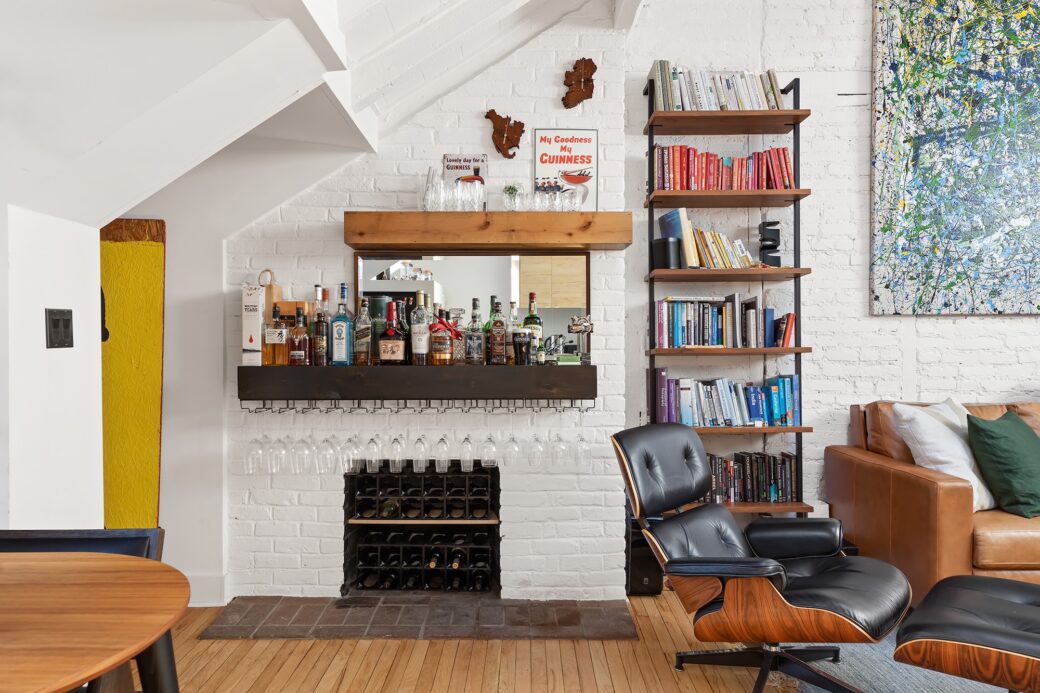
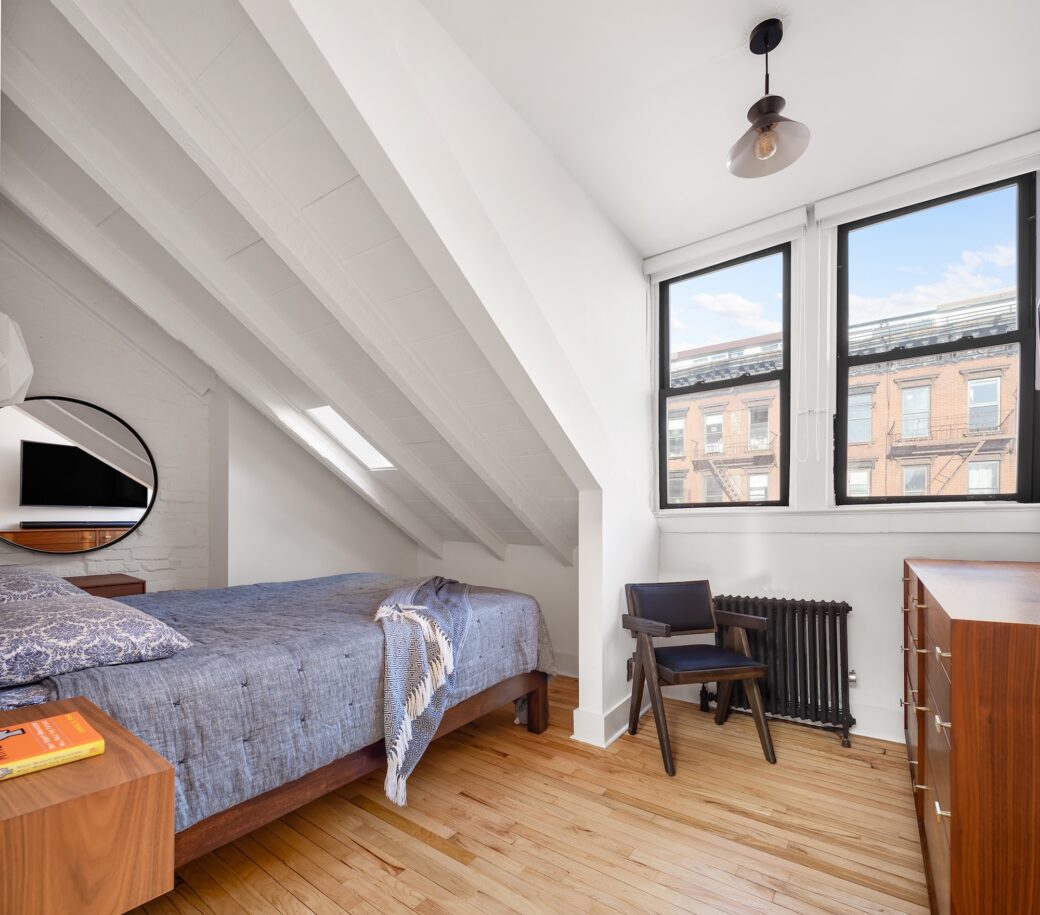
Today, the townhouse retains many of its historic details, including exposed brick, wide-plank wood floors, beamed ceilings, and working fireplaces. Soaring ceilings and a loft-like interior are complemented by skylights and multiple exposures that fill the space with natural light.
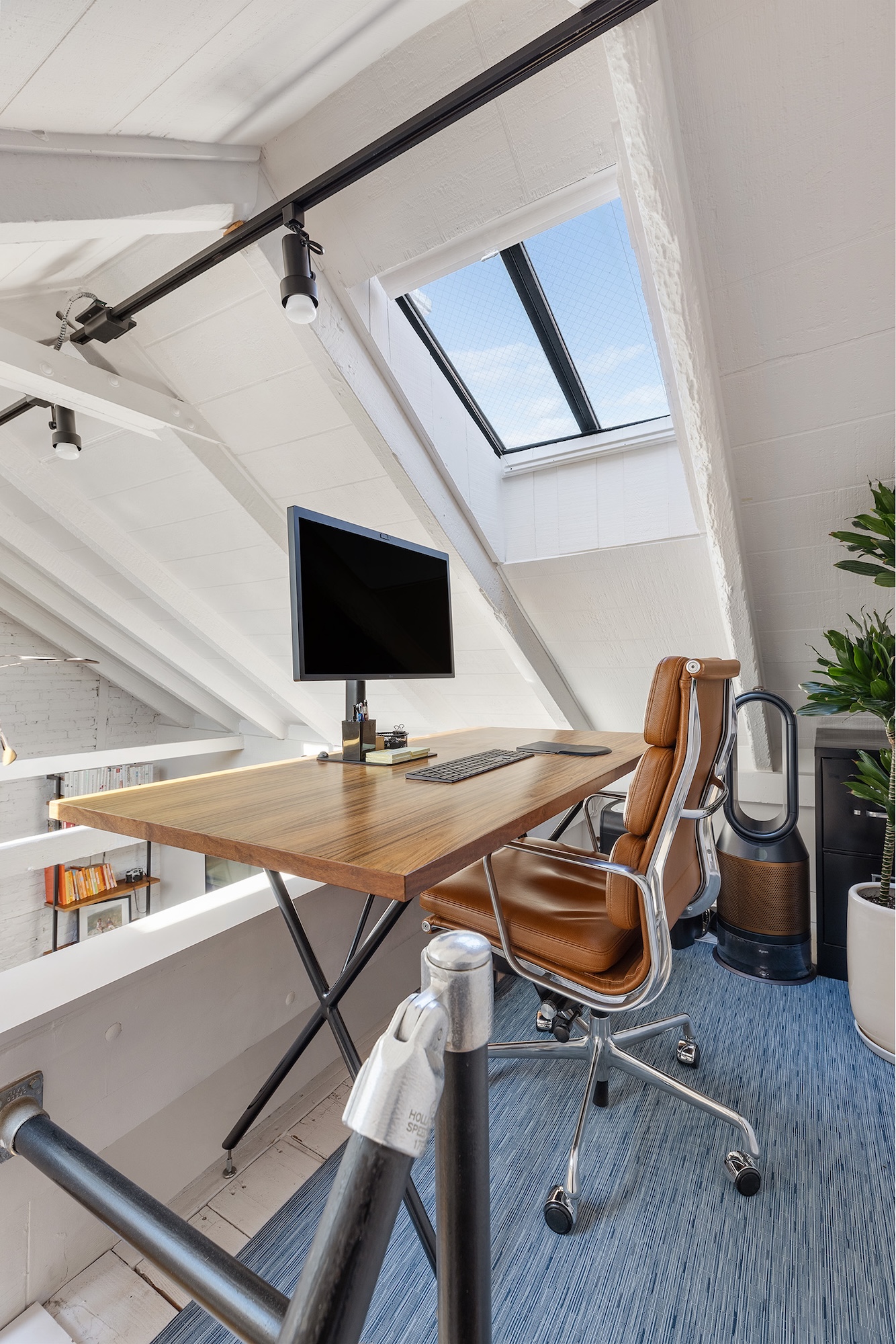
The top-floor residence also features an additional lofted office level overlooking the main living space.
The home’s return to the market is especially timely, coinciding with the launch of the Metropolitan Museum of Art’s “Krasner and Pollock: Past Continuous” exhibition, which opens Sunday.
The first exhibition dedicated to Pollock and his lifelong partner and fellow artist Lee Krasner, the show traces the full arc of both artists’ careers, highlights their influence on modern art, and introduces their work to a new generation.
[Listing details: 46 Carmine Street, Unit 4, at CityRealty]
[At Compass by Shane Boyle, Francesca Paone, and Will Ortman]
RELATED: