14,700 homes planned for Long Island City after Council approves largest rezoning in 25 years
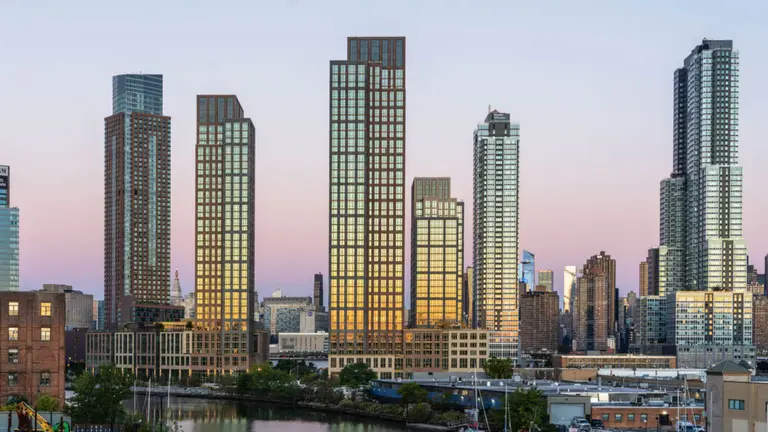
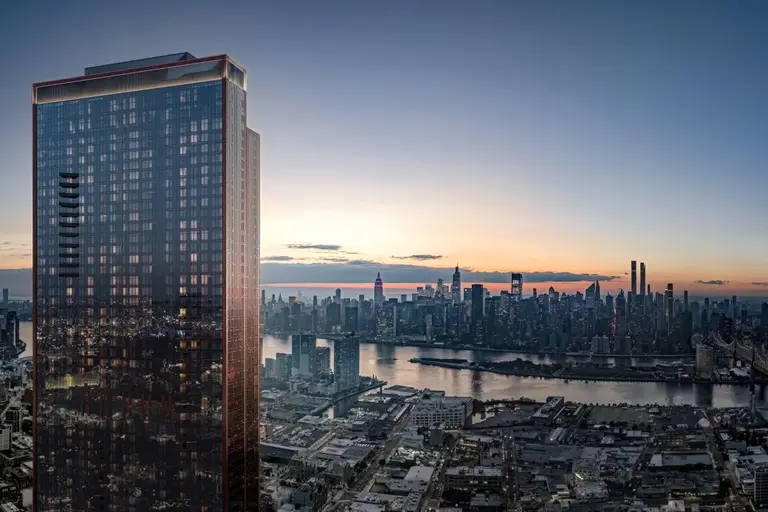
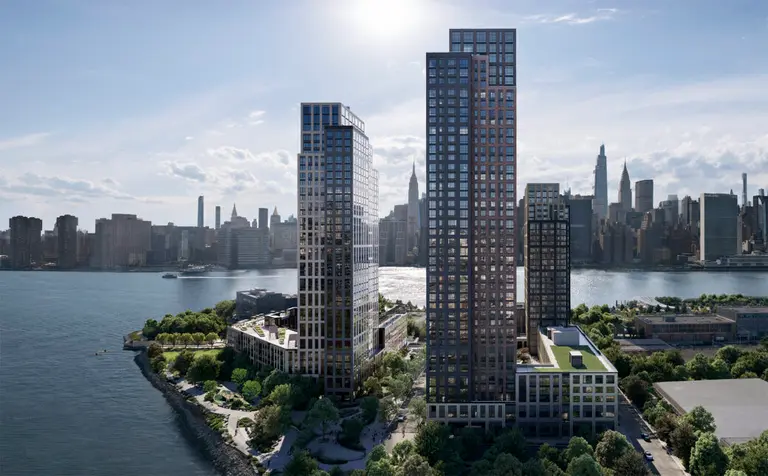
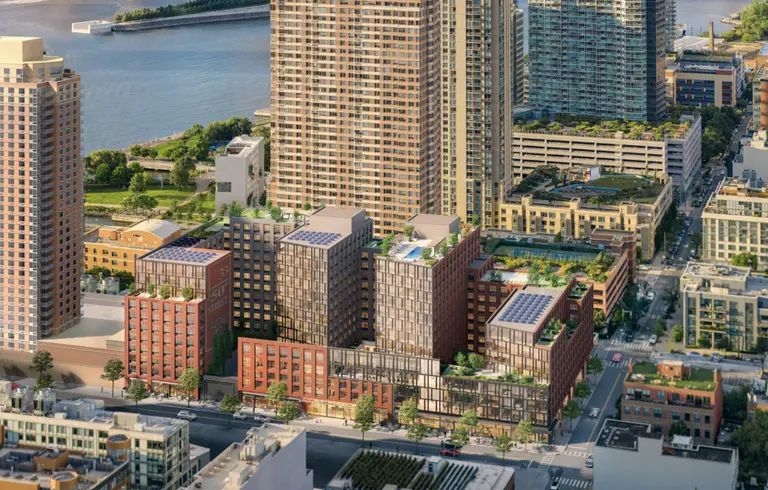
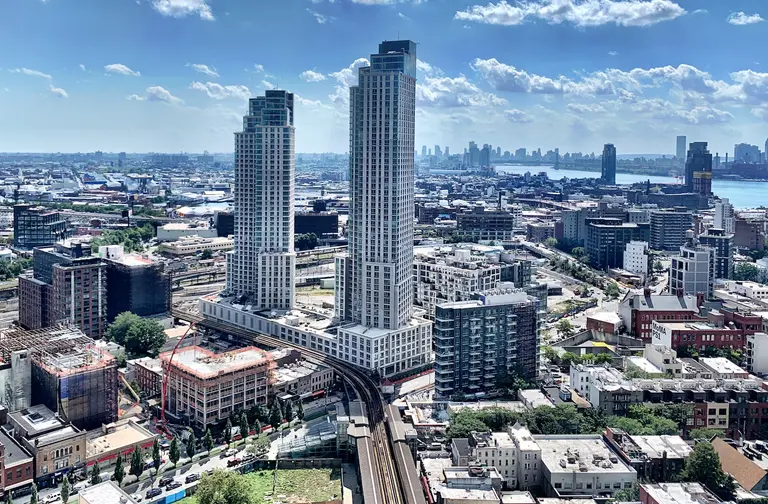
The New York City Council on Wednesday unanimously approved the city’s largest neighborhood rezoning in 25 years. The OneLIC Neighborhood Plan rezones 54 blocks of a largely industrial area of Long Island City to allow for 14,700 new homes, including 4,350 permanently affordable units. The plan will create a continuous public waterfront from Gantry Plaza State Park to Queensbridge Park and includes $2 billion in city commitments, unlocking more than 3.5 million square feet of commercial and industrial space and significant public-realm upgrades.
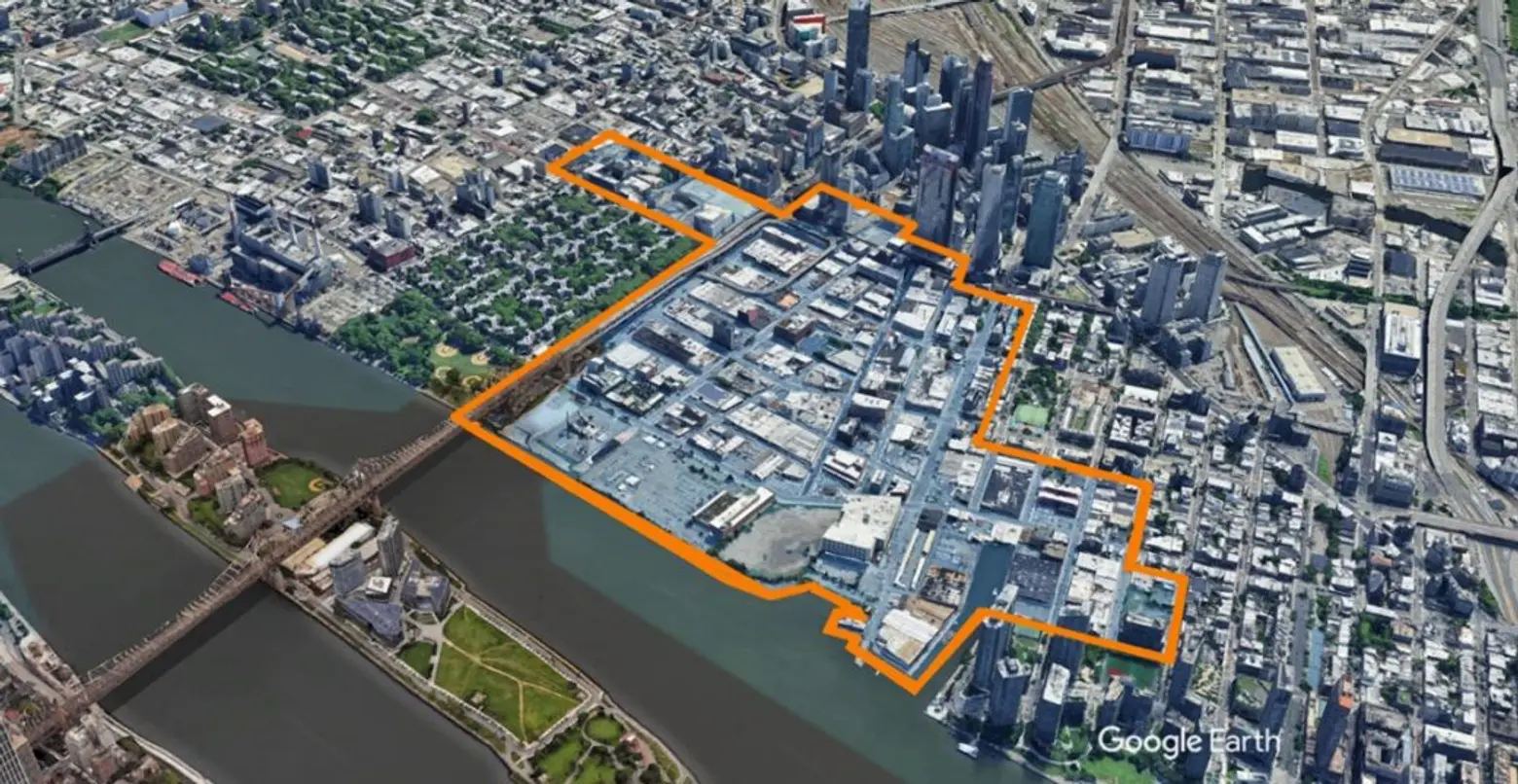
As 6sqft previously reported, the plan updates zoning rules to allow for high-density mixed residential, commercial, and light industrial uses along the waterfront, from the East River waterfront to Crescent Street and Queens Plaza North to 47th Avenue. One segment would reach up to 39th Avenue between 21st and 23rd Streets.
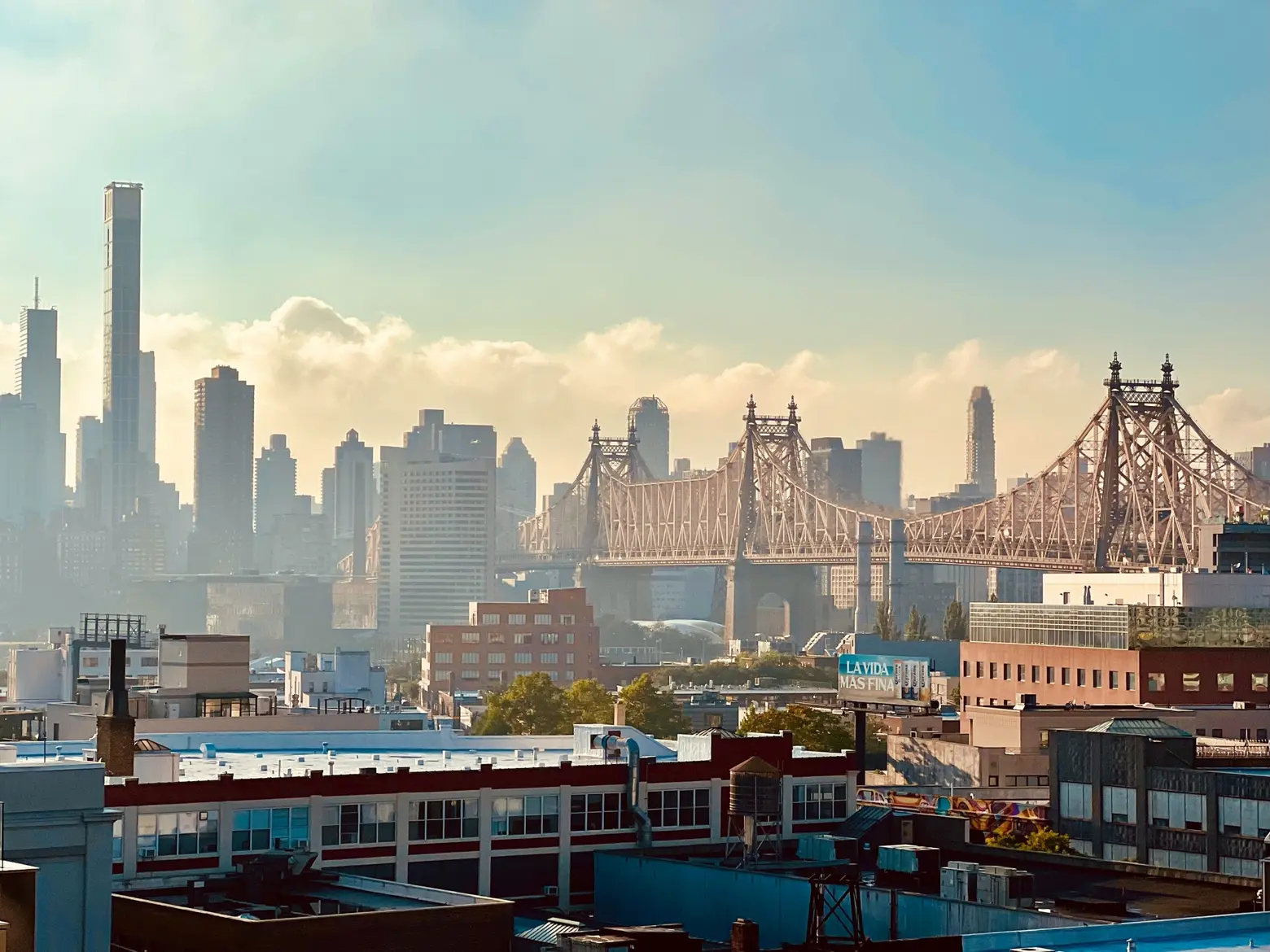
Under the rezoning, high- and medium-density mixed-use residential, commercial, and light-manufacturing buildings would be permitted north of the Queensboro Bridge between 21st and 23rd Streets. Along 44th Drive, the plan would allow medium-density residential, commercial, and light-manufacturing development.
Mandatory Inclusionary Housing (MIH) will be applied for the first time in the neighborhood’s history, requiring that 20 to 30 percent of all new apartments be permanently affordable.
All private developments will be mapped under MIH options 1 or 3. Option 1 requires that 25 percent of units be affordable at an average of 60 percent of the area median income (AMI), with at least 10 percent reserved for households earning 40 percent of AMI. Option 3 requires that 20 percent of units be affordable at an average of 40 percent of AMI, according to QNS.
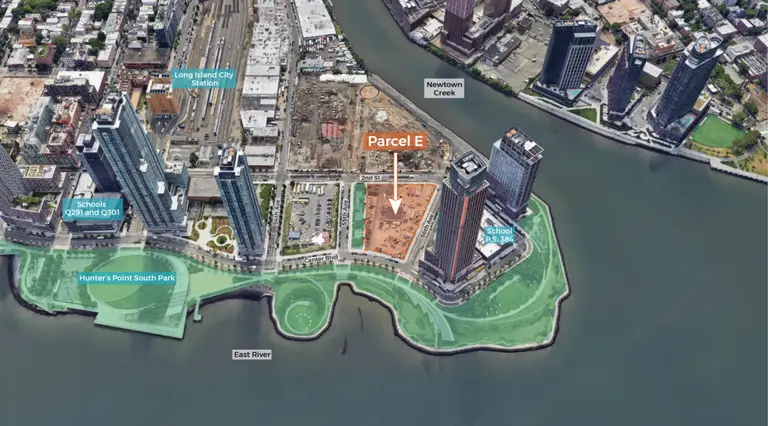
The plan also targets three city-owned sites near Anable Basin for redevelopment: 44-36 Vernon Boulevard, 4-99 44th Drive, and 44-59 45th Avenue. The area includes the former site where Amazon tried and failed to build its headquarters in 2019, as 6sqft previously reported.
A series of streetscape and transportation improvements will make 44th Drive safer for pedestrians, cyclists, transit riders, and truck drivers, with additional studies planned for upgrades in the Long Island City Industrial Business Zone and at the Queensboro Bridge landing.
An additional $300,000 has been allocated to support small businesses, and funding has been dedicated to renovating the neighborhood’s YMCA branch, with another $45 million slated this fiscal year for local arts and cultural organizations.
In a statement, Moses Gates, vice president of housing and neighborhood planning at the Regional Planning Association, applauded the rezoning’s passage.
“The plan and proposed actions will deliver nearly 15,000 new homes, including up to 4,800 permanently affordable homes, in addition to the creation of new jobs, community investments, and a resilient waterfront,” Gates said. “This forward-looking land use and zoning plan will shape a more vibrant, resilient, and inclusive Long Island City.”
The rezoning was approved by the Council’s Subcommittee on Zoning and Franchises and Committee on Land Use in late October. The vote came after Council Member Julie Won secured a last-minute deal for $1.97 billion in city commitments for the district. The investments will fund 1,300 new school seats, upgrades to sewage and plumbing infrastructure, roughly 15 acres of new public open space, and other neighborhood improvements.
As part of that commitment, the city will invest $102 million in plumbing upgrades and new infrastructure at NYCHA’s Queensbridge Houses, $98.3 million to improve the Queensbridge Houses North and South campuses, and $6 million to enhance the Jacob Riis Community Center and speed up the renovation of vacant public housing units for occupancy.
To expand parks and open space for local residents, the Council secured $95 million to create new recreational areas beneath the Queensboro Bridge, $30 million to upgrade Queensbridge Park, and $2.3 million to build the new Queensbridge Baby Park.
The city will also explore redeveloping Department of Transportation ramp sites in the Court Square area into public open space and will study the feasibility of public realm improvements around the Queensboro Bridge ramps.
Nearly $310 million will fund two new elementary schools, delivering a total of 1,094 seats for Hunters Point and Court Square, slated to open in the 2027 and 2028 school years, respectively. The city will also construct a new 600-seat school at 5-46 46th Avenue near Anable Basin and acquire land as needed to build two additional 650-seat schools in the neighborhood.
Additionally, the plan commits to relocating the Baccalaureate School for Global Education to a new, modern facility.
In a statement, Andrew Fine, chief of staff at Open New York, called the Council’s approval of the rezoning a crucial step toward addressing the city’s housing shortage.
“Today’s vote by the City Council is an important step in solving the housing shortage in New York City,” Fine said. “After an inclusive, two-year public process, the OneLIC plan delivers urgently needed new homes and opens more of the Long Island City waterfront to everyone.”
In April, the city launched the public review for the plan after a two-year engagement process that included 15 public meetings with 1,600 participants. One LIC is the fifth neighborhood plan to be approved under Mayor Eric Adams, joining Midtown South, Jamaica, Atlantic Avenue, and the Bronx-Metro North Station Area Plan.
“When we came into office, we promised to turn the page on decades of half-measures and deliver the housing New Yorkers need,” Adams said. “Four years later, we’ve done exactly that. With our five neighborhood plans and historic ‘City of Yes’ initiative all passed, we’ve laid the foundation for over 130,000 homes and changed the conversation around housing in our city.”
“The OneLIC plan is not only the largest neighborhood rezoning in at least a quarter of a century, but a plan that will deliver the housing, jobs, and public space this vibrant neighborhood needs, while creating a more affordable city for working-class New Yorkers.”
RELATED: