Search Results for: Carnegie Hill

September 10, 2014

Real Estate Wire: $13M for Bed-Stuy’s Tallest Apartment Building; Aby Rosen is Creating His Own Mansion

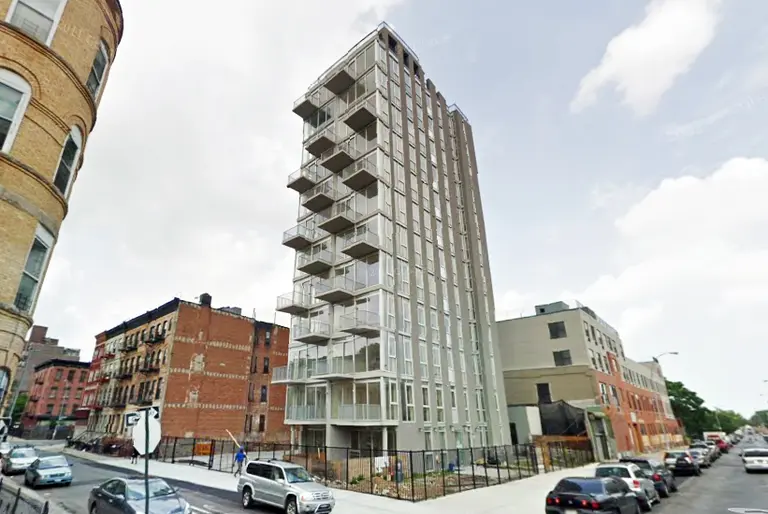
A ‘seven-star hotel’ will rise on the former site of the Rizzoli Bookstore near Central Park. [WSJ] Aby Rosen wants to turn an 11-unit co-op at 1025 Park Avenue into his personal 19,000-square-foot mansion. [NYDN] Owners of a 13-story, 23-apartment rental at 11 Spencer Court in Bed-Stuy are looking to make $13 million sale—50% more than […]

September 8, 2014

Cliffs Notes on New York’s Most Famous Storied Residential Buildings

The newest apartment houses, be it now or some 150 years ago has always been of great interest to New York buyers and renters. And like today, their appeal make sell-outs as easy as pie. From Manhattan's very first apartment building to those that followed a decade or so later, those initial projects continue to remain the city's most coveted digs—not to mention the city’s most expensive. But what stands out among these famous buildings as the years passed was the introduction of not-yet-available services—ranging from running water and elevators to electricity and communal amenities. Whether we are talking about the Dakota or the luxurious the Osborne Flats, learn why these century-plus-old buildings continue to enchant the rich, the famous, and the rest of us.
Click here for Cliffs Notes on NYC's most historic homes
September 4, 2014

Penthouse Perfection: Peeking into Manhattan’s Top Sky-High Listings

The penthouse craze began in the early 20th century thanks to media tycoon William Randolph Hearst. He took up residence in a three-floor apartment at the Clarendon at 137 Riverside Drive and, when his landlord refused to let him expand further, Hearst bought the entire building, adding two new floors to the top of his mansion, crowned by a new copper mansard roof. Now, 100 years later, the rich and famous are still making headlines with their pricey penthouse purchases. Fellow media mogul Rupert Murdoch recently purchased a $57.25 million triplex penthouse, along with an additional full-floor unit (because why stop at just three?) at One Madison. His bachelor pad totals more than 10,000 square feet of interior space, wrapped in floor-to-ceiling glass. Is this the new standard for penthouse living? We're taking a look at some of the top sky-high listings in Manhattan to find out.
Don't miss these incredible penthouse stunners
August 26, 2014

Everything Old Is New Again: The Rise, Fall, and Eventual Rise Again of Co-Op Living

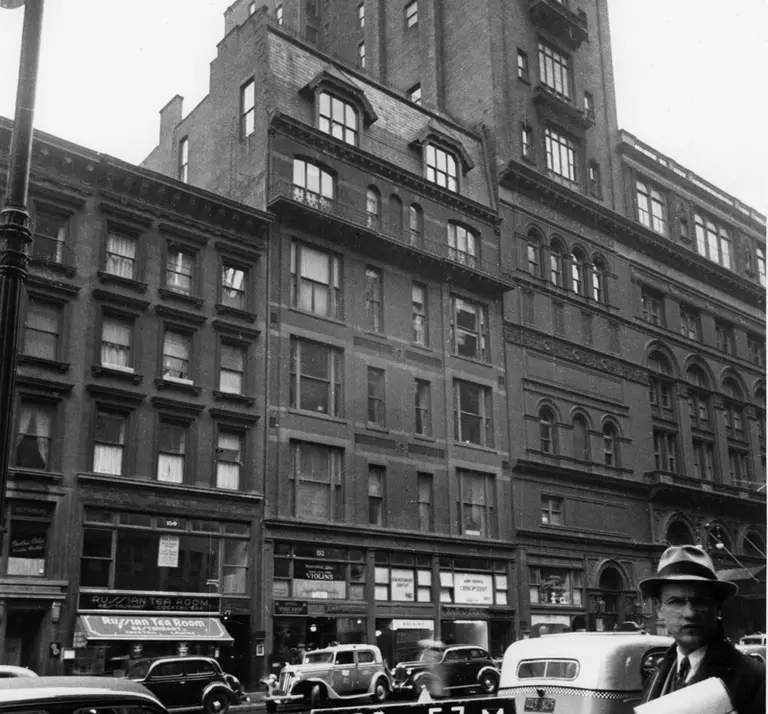
The Rembrandt at 152 West 57th Street between Sixth and Seventh Avenues was built as Manhattan’s first co-op in 1881. Apartment ownership was already in fashion across the pond, particularly in France and Britain, but the concept of a resident-owned building was still an unknown to most of us. Developed by a syndicate led by Jared B. Flagg, a clergyman with an avid interest in real estate, and built by the notable architectural firm of Hubert & Pirsson, the group had come to the conclusion that potential buyers would be drawn to a building where they would have control over expenses. For instance, buying coal and ice in bulk in order to keep prices down, and hiring a full-time communal staff to take care of the owners’ laundry, cooking and the running the elevators. Built as a brick and brownstone building with terra-cotta trim and jerkin-head gable windows at the top, the unit mix—a result of an interlocking system of staggered floor heights to allow for very tall art studio spaces—included a few duplex apartments with as many as 12 rooms. Original brochure prices reportedly ranged between $4,000 and $5,000, with monthly maintenance as low as $50. Confident in the ultimate success of co-operative living, Mr. Flagg with Hubert & Pirsson continued to develop another six co-op projects that very same year.
The history of co-ops and their rise, fall, and rise again into popularity

August 13, 2014

Curb Appeal: The Psychology of Moving Buyers from Cab to Curb to Contract

Great neighborhood? Check. Great apartment? Check. Curb appeal? Killer first impressions can be long lasting — and whether it’s a newly advertised flavor of Ben & Jerry’s, an ad for Tory Burch’s latest shoe collection —or finding new digs, “love at first sight” spot-on marketing moments play a sizeable role in how we make our decisions. Industry experts note that a large percentage of a house hunter's decision to explore a property further than the curb is based the project’s “wow” factor. Truth is, it sets the “perception” stage of what’s to come beyond a grand entrance or swanky lobby that was designed to provide a sense of arrival and belonging. Obviously, at the end of the day, a building’s outside will only persuade potential buyers to see more, and first impressions can vary from one individual to the next, but the “I was meant to live here” moment is fairly universal.
How a building's design tugs at your desire to 'be someone'
May 29, 2014

Fifth Avenue Apartment with Views of the Met Changes Hands from One Financial Pro to Another

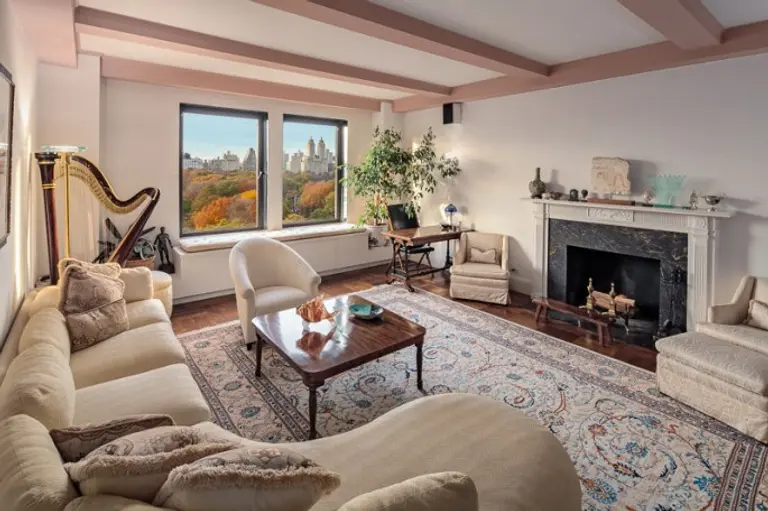
Crunching numbers all day as one of the leading financial advisors at USB can't be an easy task, so it makes perfect sense why Louise F. Gunderson chose to make this tranquil, inviting apartment her new home. The crystal-clear views of the Metropolitan Museum of Art and Central Park Reservoir probably don't hurt either. Ms. Gunderson purchased a unit at 1035 Fifth Avenue for $4.75 million through a listing held by Lisa K. Lippman and Scott Moore at Brown Harris Stevens. The seller, Sylvan Schefler, head of the Investment Banking Department at Drexel Burnham Lambert Inc., likely had the same idea when he acquired the co-op in 1999. The large single-pane tilt and turn windows of this 2BR/3BA home let in tons of natural light and perfectly frame the uniquely Upper East Side views. High ceilings and hardwood flooring throughout are two of the lovely prewar details, while updated touches like custom built-in shelving and charming window seats create a modern, urban feel.
More on the apartment right this way