Say ‘farewell’ to the MetroCard at New York Transit Museum exhibit
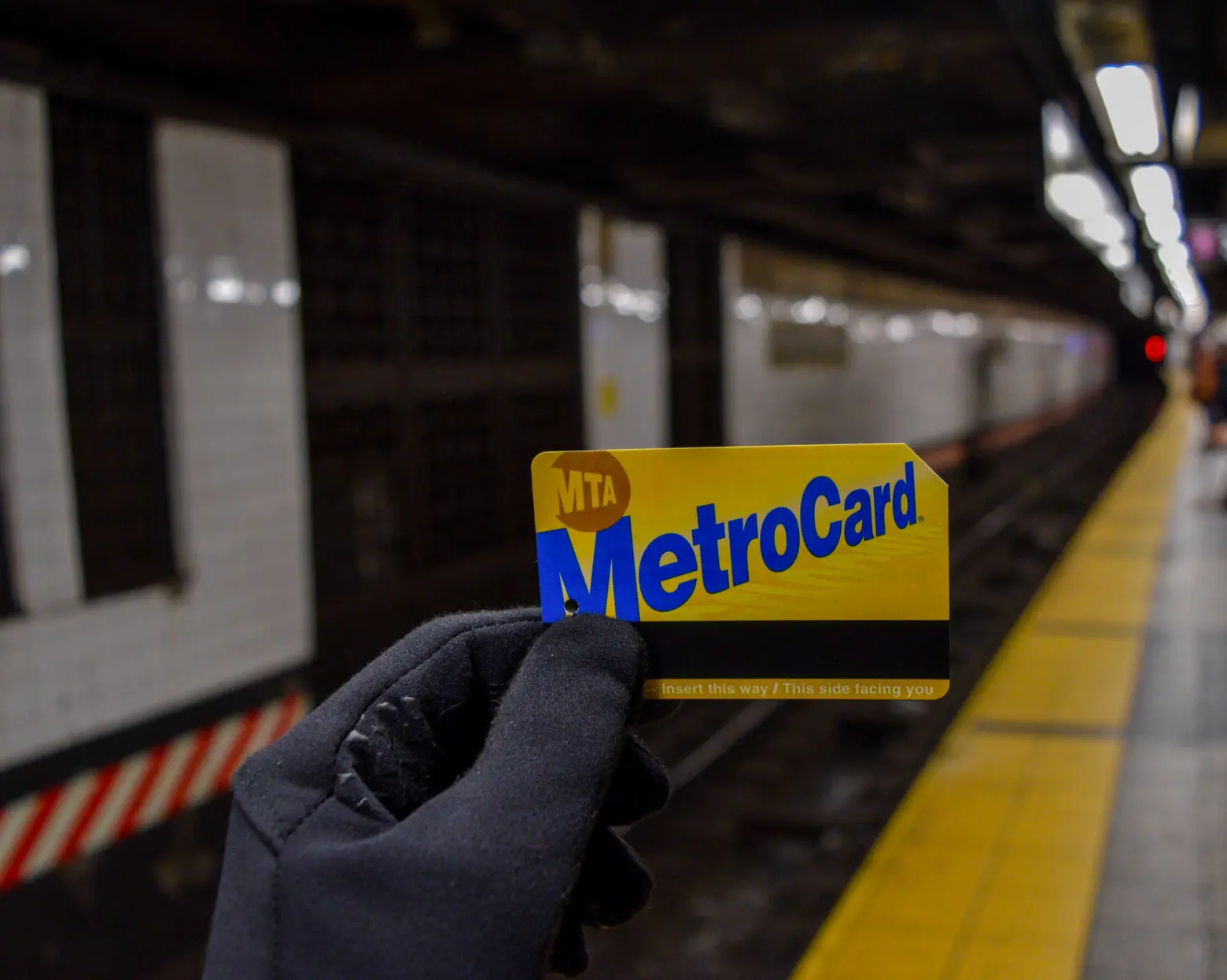
Credit: Lucas Klappas on Flickr
Before the MetroCard is retired this month, the New York Transit Museum is saying goodbye to the iconic transit payment method with a special exhibit. Opening on December 17, “FAREwell, MetroCard” explores the MetroCard’s history, from its creation and adoption to the technology behind it, and highlights how it has become a cultural artifact for millions of New Yorkers. The exhibition also offers insight into what was, at the time, a cutting-edge technology that eliminated the need for tokens, ahead of December 31, when the MTA will stop selling MetroCards as the system continues its transition to OMNY.
“As OMNY ushers in a new era of fare payment, it’s important to remember the milestones that brought us here,” New York Transit Museum Acting Director Regina Shepherd said.
“The MetroCard bridged the gap between tokens and technology, and ‘FAREwell, MetroCard’ reminds us how innovation, design, and human experience come together to shape the way we move through the city.”
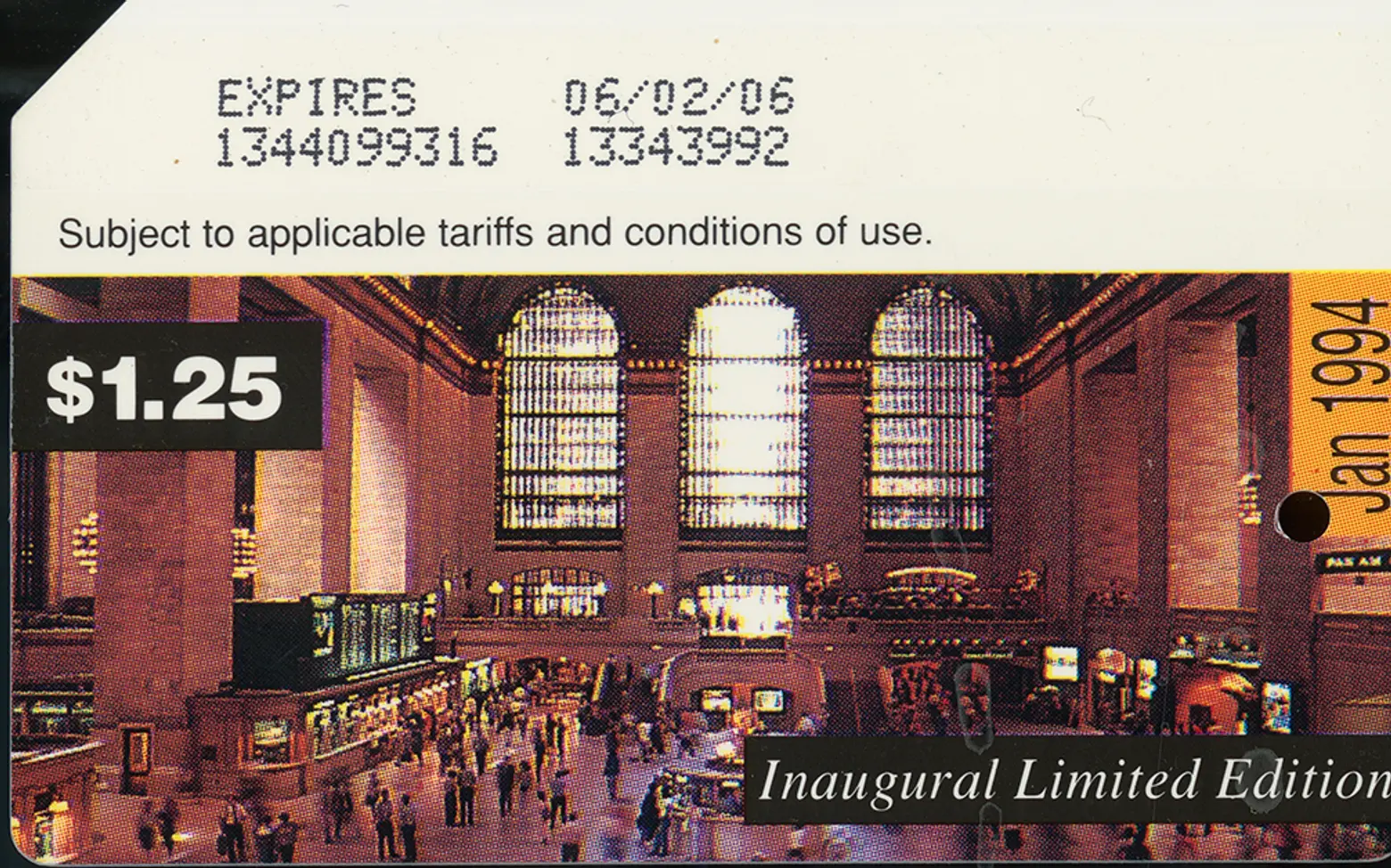
The exhibition begins in the late 20th century, when city officials sought ways to modernize fare payment. Early concepts for a magnetic-stripe card were developed through pilot programs, accompanied by public education initiatives that taught riders how to swipe correctly and check balances and expiration dates.
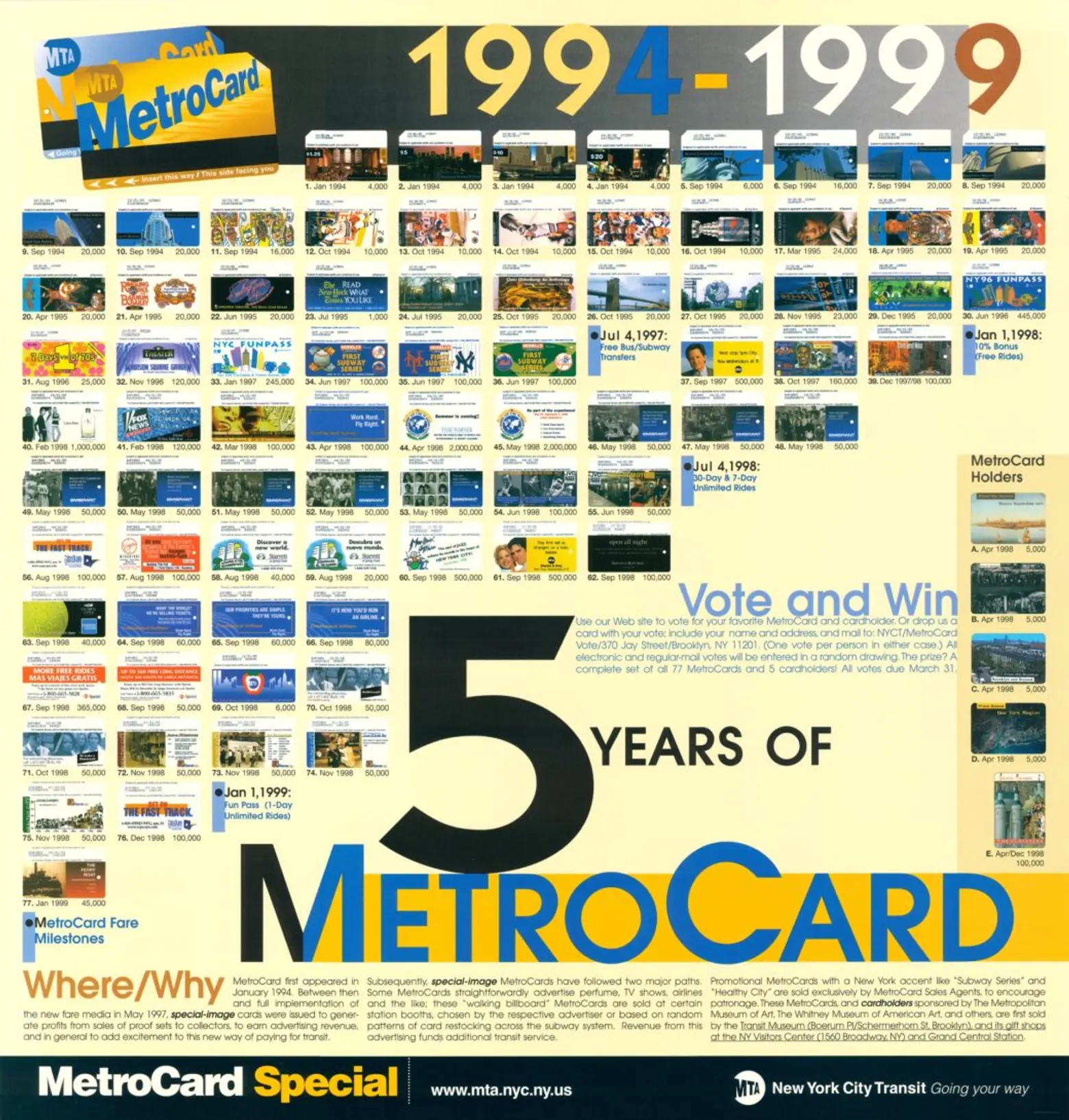
While the MetroCard eliminated the need for tokens, it also transformed how New Yorkers traveled and managed their budgets. In 1997, MetroCard Gold introduced free transfers between buses and subways, and on July 4, 1998, seven- and 30-day Unlimited cards allowed riders unlimited travel for a fixed price.
Reduced-fare offerings expanded access for eligible riders and were later extended across parts of the regional transit network. Tokens, which could not carry balances, time windows, or fare rules, made this expansion impossible.
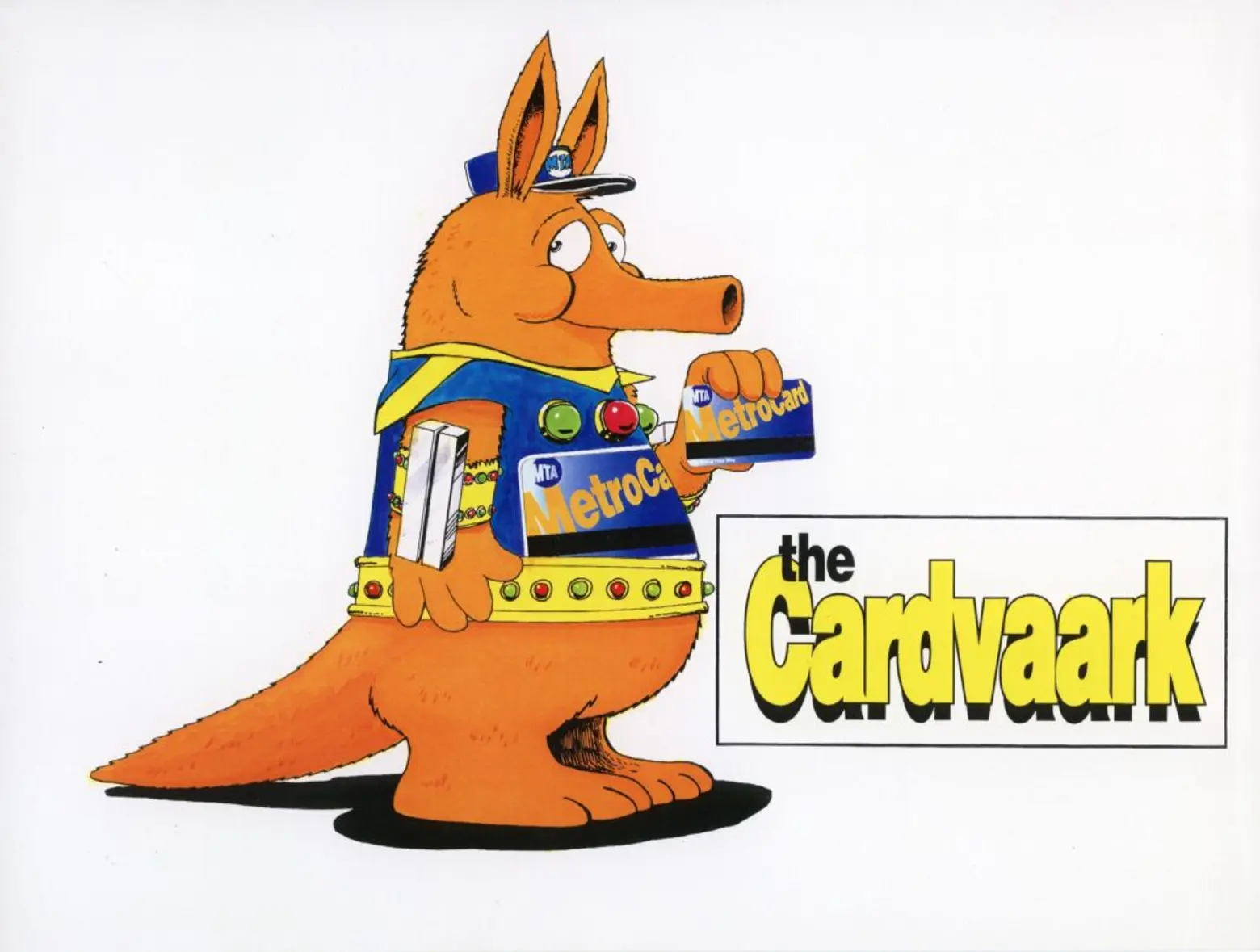
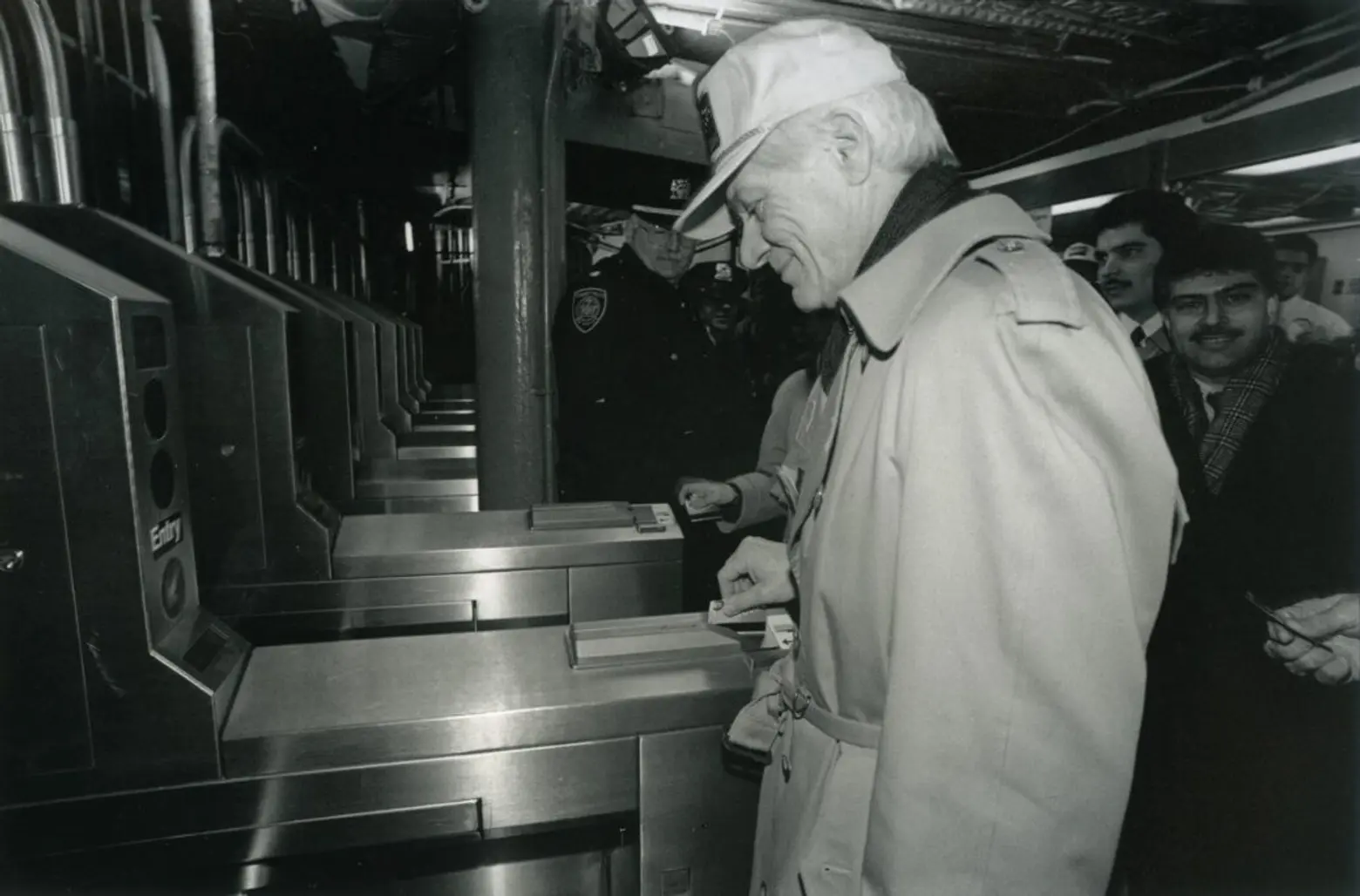
The exhibition highlights early adoption and education, featuring SubTalk ads, pilot brochures, and photographs of the first 1994 turnstiles that taught riders a new way to pay. It also covers a proposed 1993 campaign that introduced the “Cardvaark,” a mascot designed to “sell” the card to customers.
Also on display is a 1997 MetroCard vending machine designed by Antenna Design for the MTA. The machines allowed riders to buy and refill cards outside token booths, using color cues—green for inserting cash and yellow for the MetroGuard—to guide the process.
Limited-edition and promotional cards featuring artists, athletes, and entertainment icons, including series for David Bowie, WorldPride, and popular television and film, will be on view.
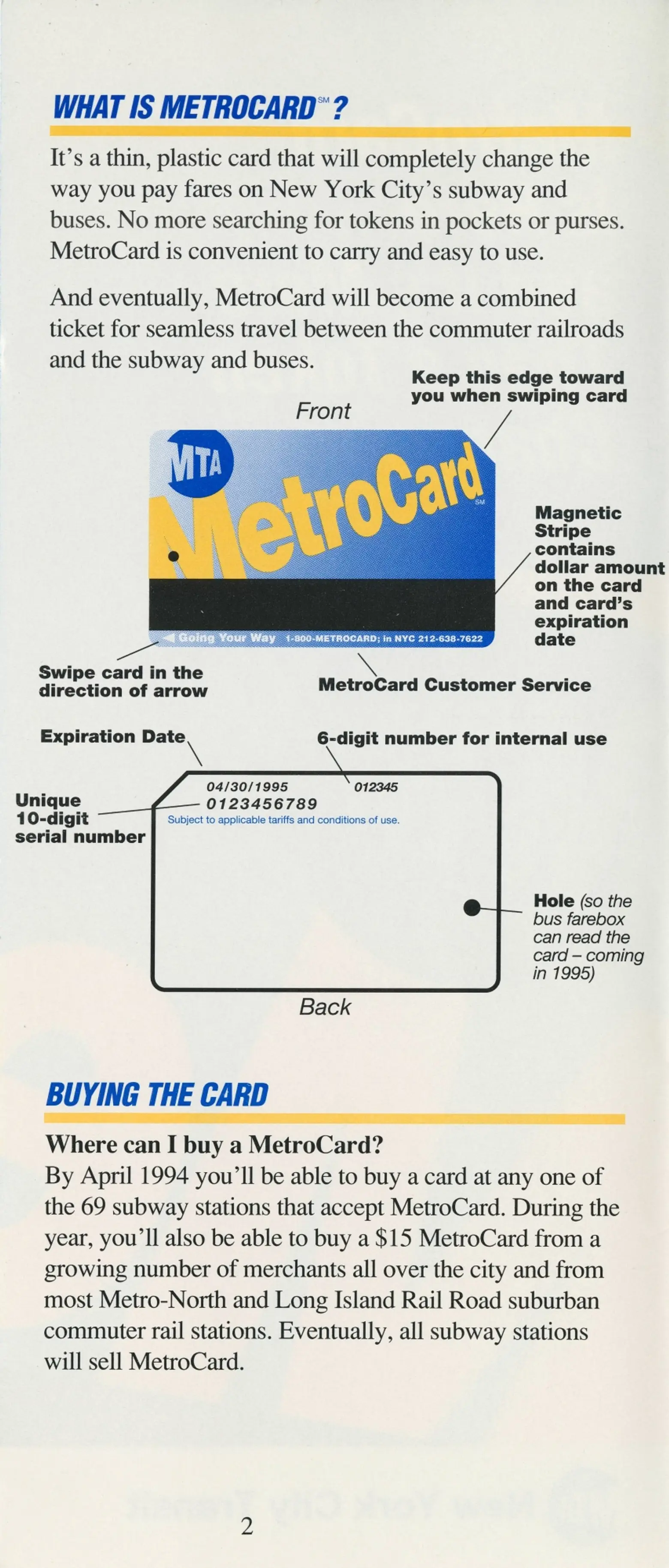
Another section will explore how MetroCards served as tools to convey safety, wayfinding, and rider information. Cards and car cards that shared poetry, verse, and creative ideas during commutes across the city will also be featured.
“Behind every MetroCard swipe was an entire network of technology and design that most riders never saw,” New York Transit Museum Curator Jodi Shapiro said.
“This exhibition gives a taste of the gargantuan effort to change New Yorkers’ minds about how to pay their transit fare, from prototypes and vending machines to the public campaigns that taught New Yorkers how to swipe. It’s a celebration of both form and function.”
“FAREwell, MetroCard” celebrates the end of an era and the start of a new one. The card’s long-delayed replacement by the tap-and-go OMNY system began in 2019. Although the MTA initially planned to fully retire the MetroCard by the end of 2023, the timeline was pushed back due to the pandemic and delays in the delivery of OMNY card vending machines.
In December, an MTA consultant said the full roll-out of OMNY may not be completed until the end of 2026, according to Gothamist.
Most retail partners, including bodegas and drugstores, stopped selling MetroCards this fall. Riders will still be able to use their MetroCards for payment through 2026, with the MTA expected to announce the official end date at a later time.
The New York Transit Museum is located at 99 Schermerhorn Street in Downtown Brooklyn. Admission is $10 for adults and $5 for children.
RELATED: