Rare Sistine Chapel drawing on display in NYC ahead of auction
All photos by Touhey Photography, unless noted otherwise
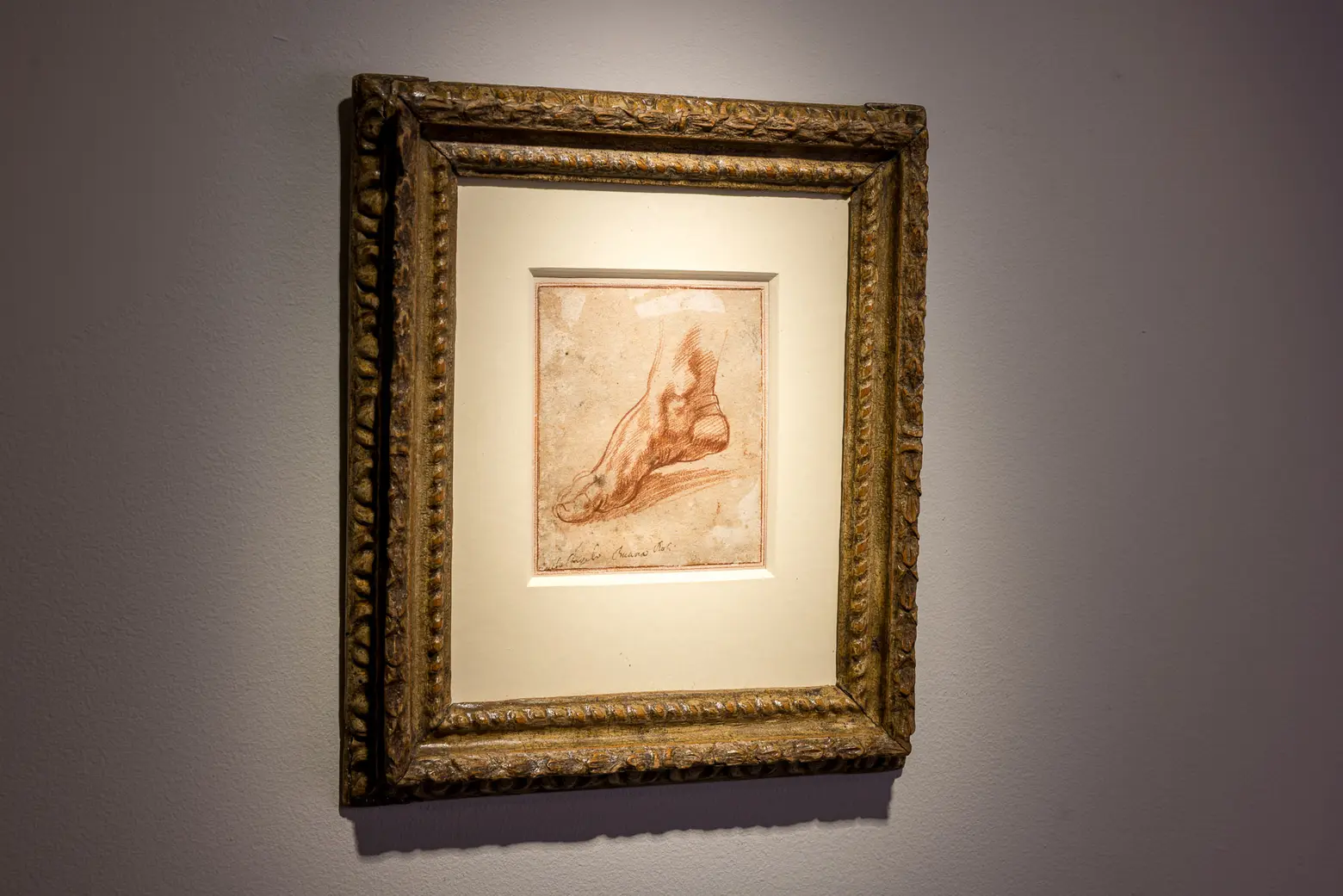
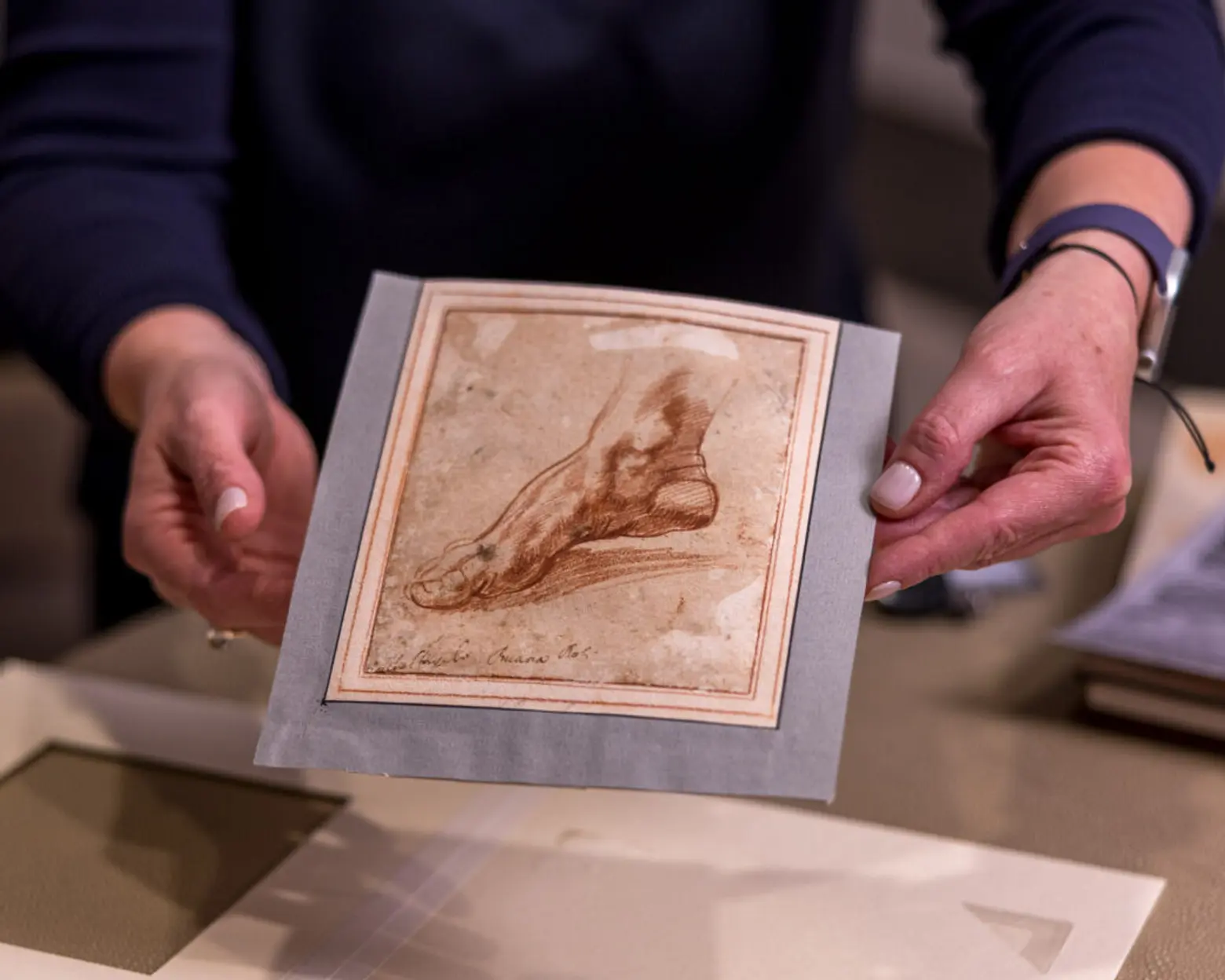
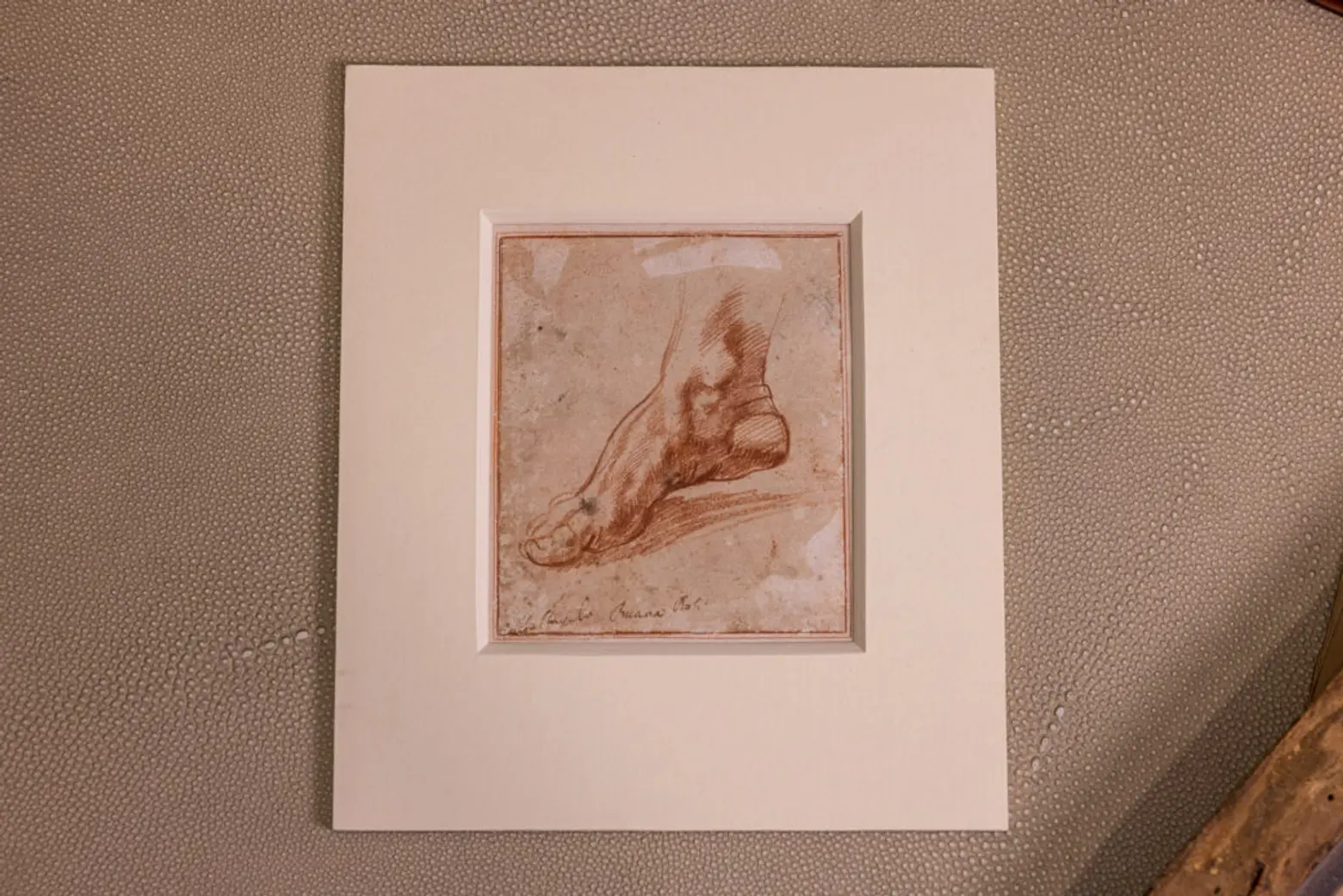
New Yorkers can view a recently discovered Michelangelo draft, later reflected in the Sistine Chapel, during a free exhibition ahead of its auction next week. On view through February 5 at Christie’s New York at 20 Rockefeller Plaza, the newly identified drawing—a study for the right foot of the Libyan Sibyl—is the first unrecorded study for the famed ceiling ever to come to auction and one of only about 10 Michelangelo drawings known to be in private hands. The work will be auctioned off as part of Christie’s Old Master Drawings sale, with an estimated price tag of $1.5 million to $2 million.
A towering figure in art history, the Italian artist, architect, and intellectual Michelangelo is best known for his frescoes in the Sistine Chapel, whose vivid religious imagery has made the Vatican site one of the world’s most visited destinations.
He is also renowned for his drawings, many of which served as early studies for projects that later became canonical works. While Michelangelo is believed to have produced thousands of such sketches, only about 600 sheets are known to have survived, and just about 10 are currently held in museums.
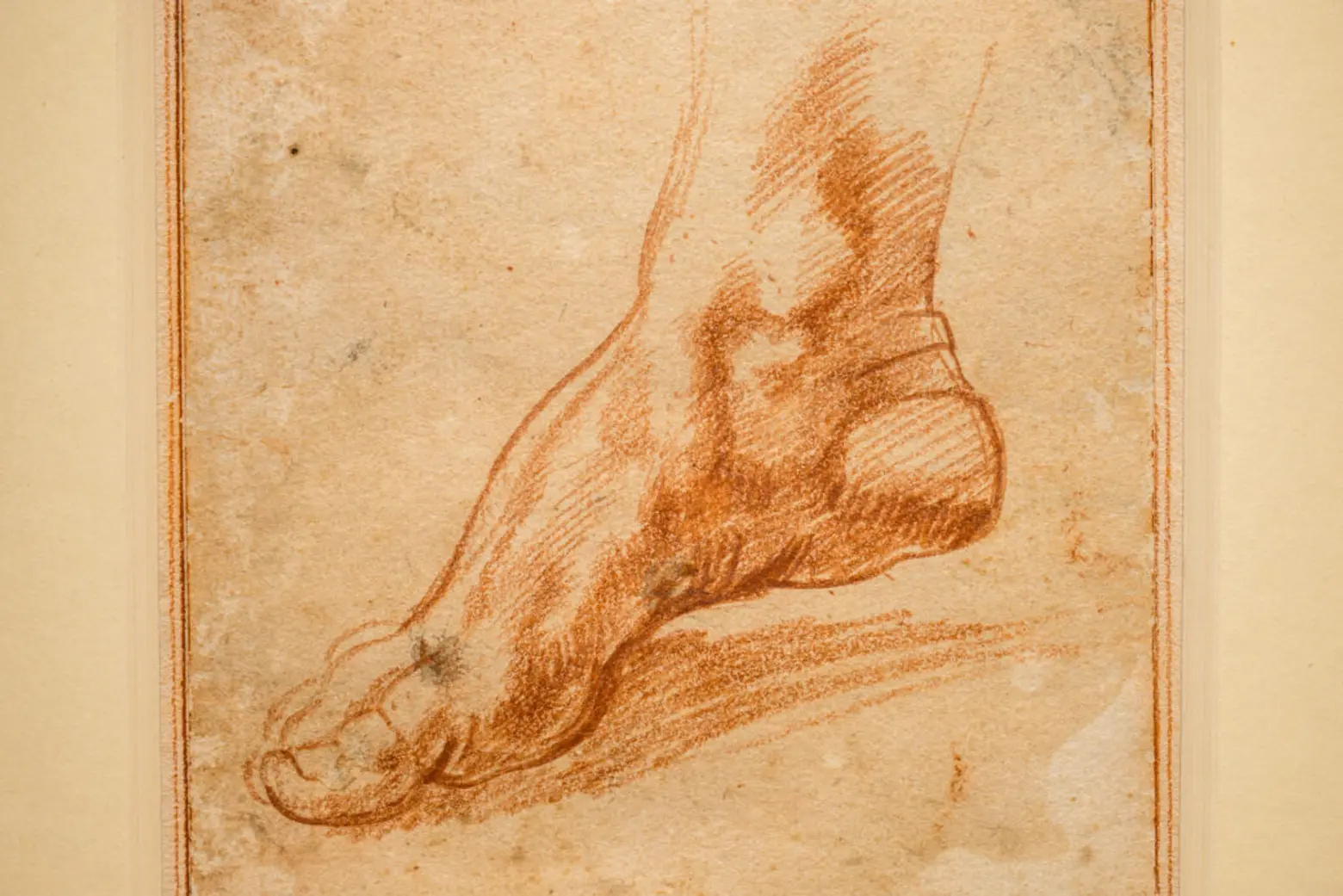
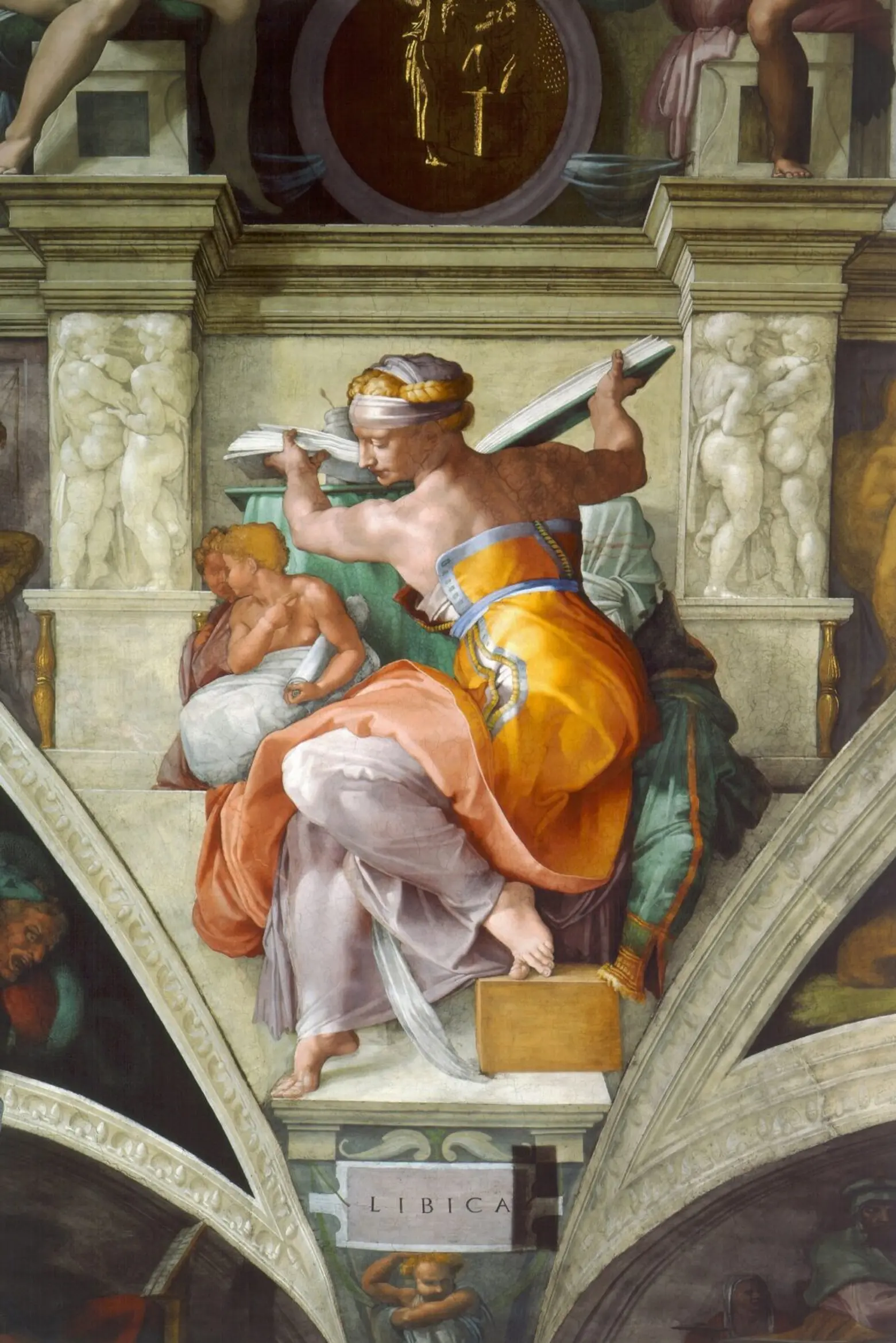
The drawing can be dated to around 1511–12, when Michelangelo was preparing to work on the second half of the Sistine Chapel ceiling, which includes the “Libyan Sibyl.” In the finished mural, the figure is shown in a twisting pose, with the feet displaying a wide range of motion and the toes pressing into the platform below.
It is one of only a few studies executed in red chalk, all characterized by meticulous anatomical detail, bold and energetic lines, and subtle revisions made directly on the sheet as the artist refined his approach.
The drawing was identified by Giada Damen, a specialist in Christie’s Old Masters Drawings Department. In March, she received an alert on her computer indicating that a member of the public had requested a drawing valuation through Christie’s website—a routine inquiry the department receives many times each week.
However, upon viewing the image, Damen immediately recognized its exceptional quality. The submission came from a man on the West Coast who had inherited the drawing from his grandmother. He said he had seen it throughout his life in her home and that it had been passed down through his family in Europe since the late 1700s, though he did not know the artist.
After flying out to see the work in person, Damen received the owner’s approval to send it to Christie’s for a comprehensive evaluation. Standing in front of the piece, she described its “creative force,” according to a November 2025 article on Christie’s.
“Standing in front of this drawing, one can grasp the full power of Michelangelo’s creative force; we can almost feel the physical energy with which he rendered the form of the foot, pressing the red chalk vigorously onto the paper.”
Following six months of investigative research, she determined the drawing was an authentic Michelangelo, executed in the same red chalk, during the same period, and for the same project as a famed study of the Libyan Sibyl now held by the Metropolitan Museum of Art.
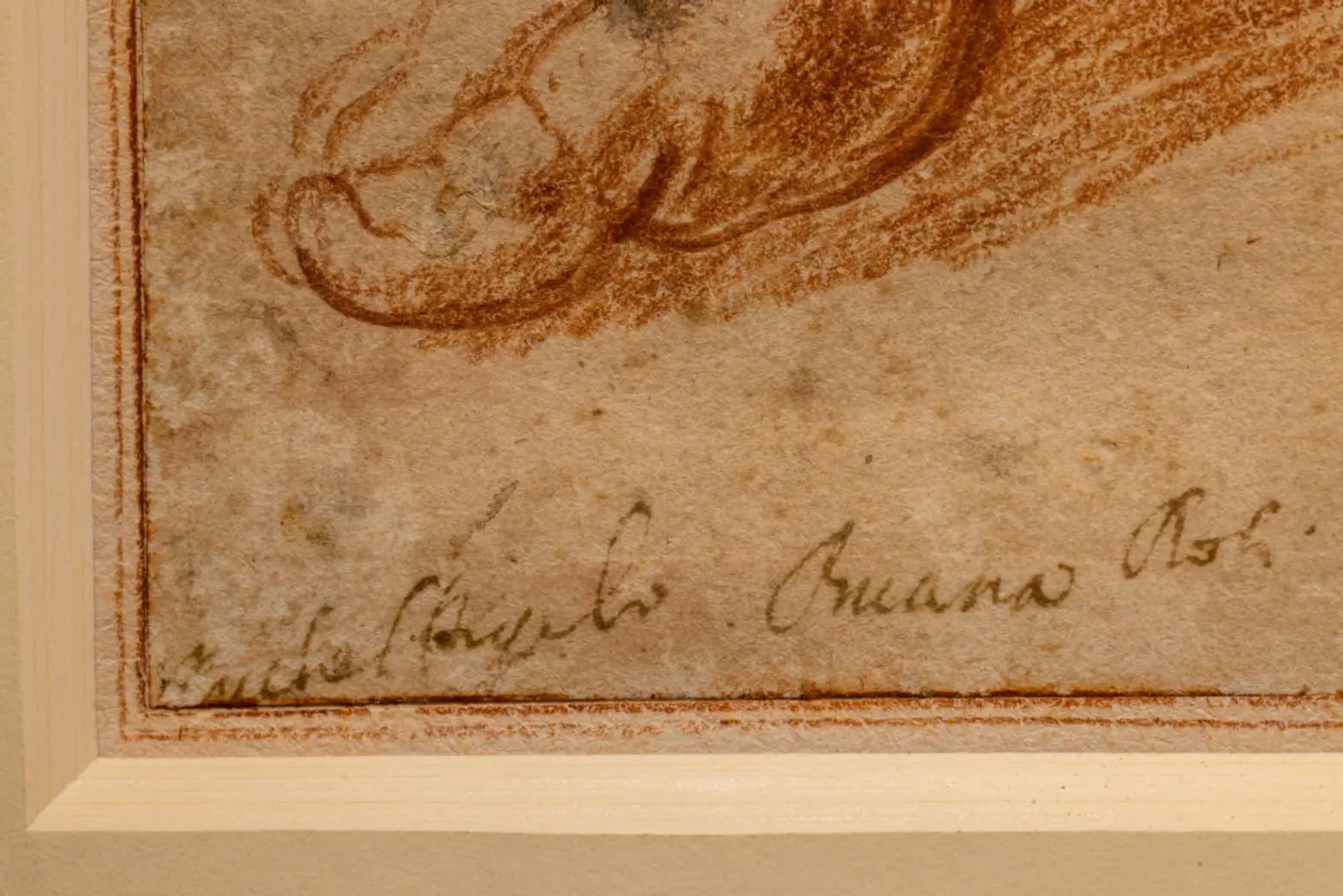
The drawing also bears a distinctive brown-ink signature, “Michelangelo Bona Roti,” the same inscription that is featured on multiple confirmed Michelangelo works, including the Met’s study sheets. That inscription made it possible to trace the drawing’s ownership from artists in Michelangelo’s circle in the 16th century to an Italian collection in the 17th century.
At some point in the 18th century, the drawing entered the collection of Swiss diplomat Armand Louis de Mestral de Saint-Saphorin and was later passed down to its current owner. It never appeared on the market or in publications, remaining unknown for centuries in private hands.
In a statement, Andrew Fletcher, global head of Christie’s Old Masters Department, called the discovery one of the “most memorable moments” of his career.
“The discovery of a study relating to the Sistine Chapel, a work of art that is arguably the keystone of the Italian Renaissance, has been one of the most memorable moments of my career,” Fletcher said. “Giada’s discovery—made more than 500 years after the drawing’s creation—represents Christie’s expertise at its finest.”
He added, “It is the kind of story that inspires both the academic and commercial art worlds, while also capturing the imagination of virtually anyone who encounters it, regardless of their background in art. In the field of Old Masters, it is difficult to conceive of a more meaningful discovery, and we are thrilled to be offering it for sale in New York on February 5.”
The sketch will be on view at Christie’s Midtown location, after being displayed at the auction house’s London headquarters from November to December and at its Dubai location from January 12 to 15.
“Making this discovery has been a once-in-a-lifetime opportunity for me,” Damen said. “It has been a real pleasure to study this special drawing over the past nine months with my colleagues in the Old Master Drawings Department. We are thrilled to be able to share this finding with the wider world now and proud to bring this exceptional work to the market.”
RELATED: