PATH to get major service boost, but fare will reach $4 by 2029
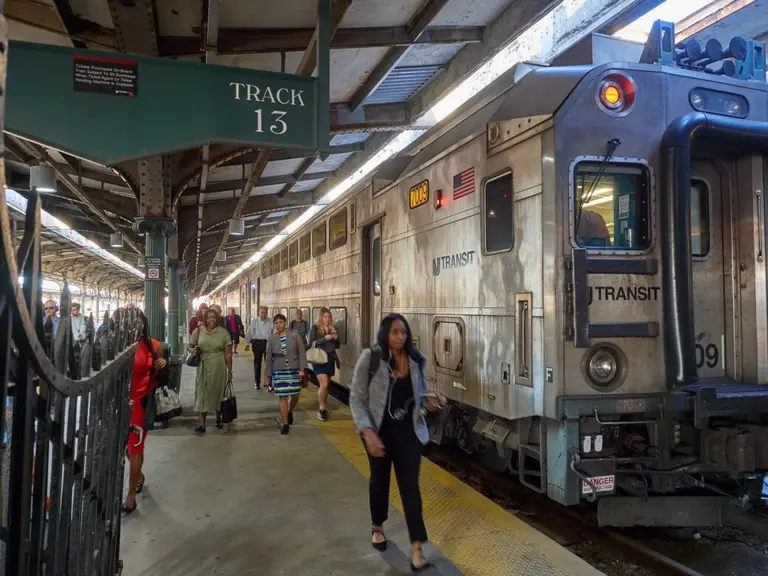
Credit: LunchboxLarry on Flickr
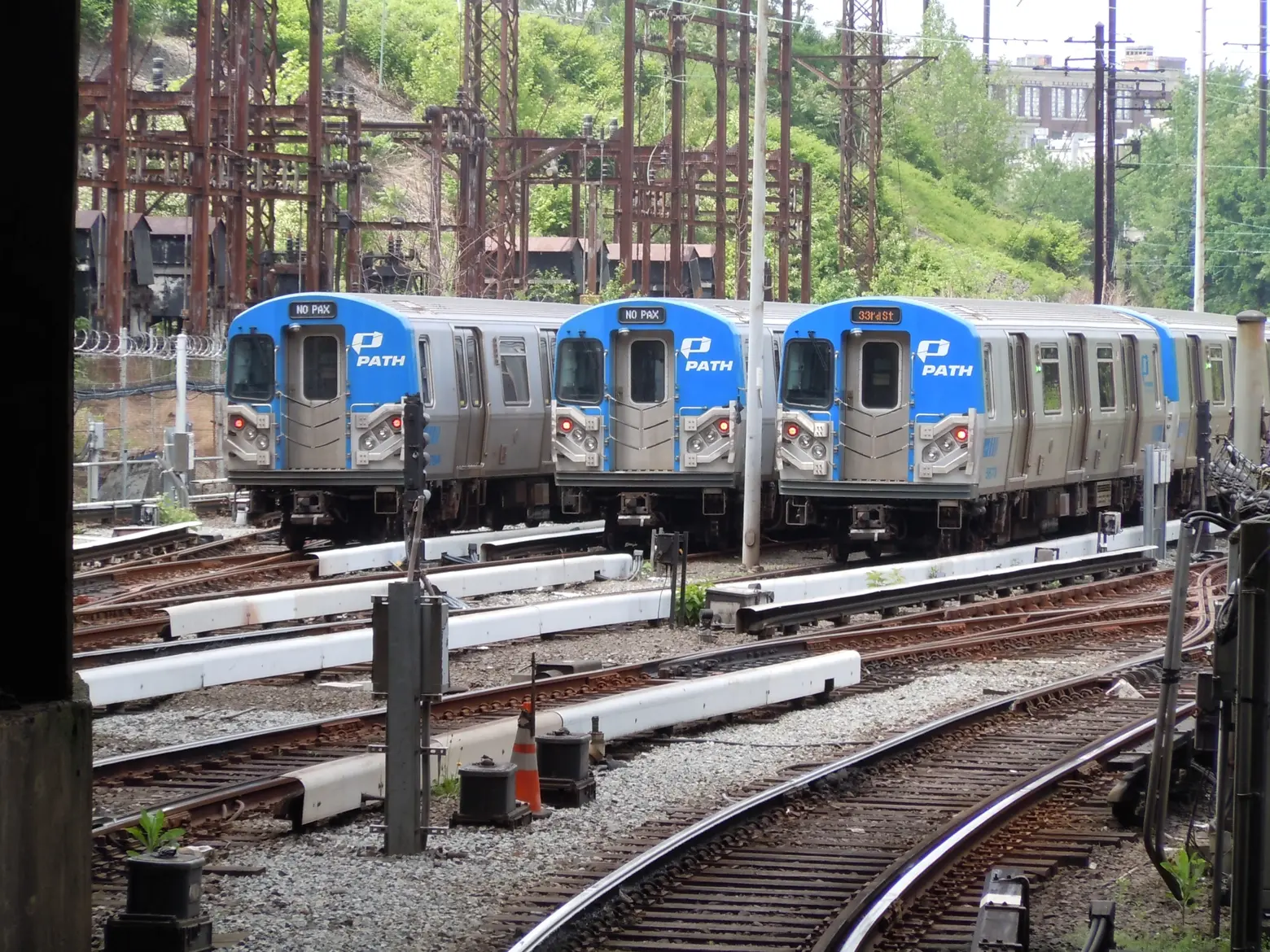
For the first time in 25 years, all PATH lines will operate seven days a week, one of the largest service increases in its history. To help pay for the system improvements, fares are expected to rise to $4 by 2029. On Thursday, the Port Authority of New York and New Jersey released its proposed $45 billion 2026–2035 Capital Plan, which outlines major service upgrades between Manhattan and New Jersey. Improvements include eliminating transfers between Hoboken and the World Trade Center by mid-2026 and increasing weekend service. To fund the plan, the agency is proposing a 33 percent fare increase from the current $3 base fare, rising in 25-cent increments starting next summer and reaching $4 in 2029.
The 10-year plan outlines funding for the next decade of service improvements and transit projects, including the ongoing transformations of John F. Kennedy International Airport (JFK) and Newark Liberty International Airport (EWR), the new Midtown Bus Terminal, and continued upgrades to the PATH system and the region’s bridges and tunnels.
Building on the progress of the 2017–2025 capital plan, which invested $3 billion in the 117-year-old PATH system and replaced its outdated signal network with a $1 billion state-of-the-art system, officials are now proposing the largest service increases in the network’s history.
These improvements include all four PATH lines running seven days a week for the first time in a quarter-century, along with significant weekend and peak-hour upgrades.
Beginning in 2026, weekend service to 33rd Street will increase, with additional boosts in 2027. By mid-2026, riders will gain direct weekend service on the Journal Square–33rd Street and Hoboken–World Trade Center lines.
Additional upgrades include increased morning rush-hour service on the Hoboken–World Trade Center line in 2026, the doubling of late-night Friday service to match existing Saturday late-night schedules by mid-2026, and more trains during morning and evening rush hours and weekend daytimes on the Newark–World Trade Center line in the first half of 2027.
The Port Authority is also taking new steps to curb fare evasion. The capital plan funds state-of-the-art fare gates designed to ensure all riders pay their fare, along with new CCTV systems and artificial intelligence tools that will identify evasion patterns and help develop targeted enforcement strategies.
According to a press release, PATH’s operating model is unique among major U.S. transit systems because it receives no dedicated state or federal funding. Fares cover only about 25 percent of the actual cost of each ride, with the Port Authority subsidizing the remaining 75 percent.
To sustain operations and support the planned service increases, the proposal calls for a 25-cent fare hike beginning in summer 2026, followed by additional 25-cent increases each January from 2027 through 2029.
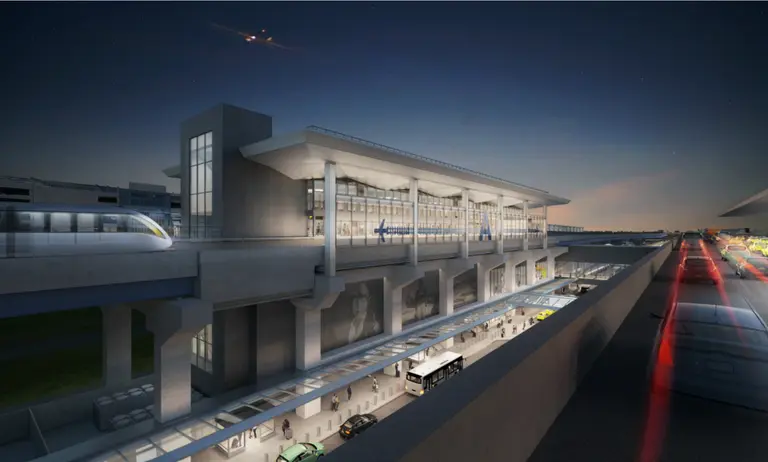
The plan also continues funding for the Port Authority’s $50 billion overhaul of its three major airports: JFK, Newark Liberty, and LaGuardia. The proposed capital plan covers the opening of new gates at JFK’s Terminals 1 and 6 in 2026, roadway redesigns, the revamp of the JFK AirTrain, and other improvements.
At EWR, the plan includes funding for a public-private partnership to design and build a new Terminal B, an expansion of Terminal A, and the installation of a new $3.5 billion AirTrain Newark, which is already under construction.
Work is also scheduled to finish in 2026 on a new community access point to the Airport Train Station, improving airport and transit access for underserved neighborhoods in Newark and Elizabeth. The plan also funds a third major taxiway to reduce flight delays and a simplified roadway network.
At LaGuardia, the plan would replace the 85-year-old Terminal A while preserving its landmarked rotunda, improve LGALink Q70 service with a new Brooklyn-Queens Expressway bus lane and on-airport stop, and complete a new taxi hold lot at Terminal B with restrooms and a prayer space for drivers.
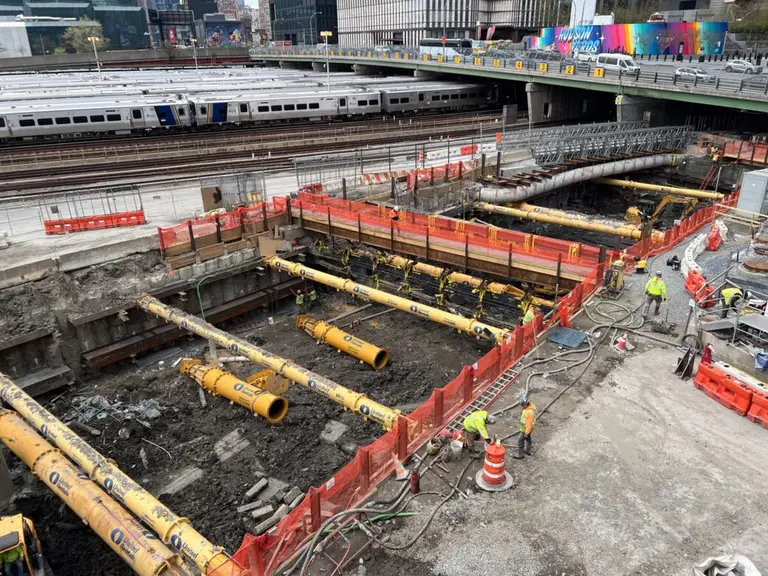
For the region’s tunnels, bridges, and terminals, the capital plan allocates $11 billion for the ongoing design, planning, construction, and opening of the new Midtown Bus Terminal, which broke ground in May. The investment will fund expanded terminal space, direct access to the Lincoln Tunnel, and support for an all-electric fleet.
The project will remove buses from neighborhood streets and create a new 3.5-acre green space on Dyer Avenue. It will be completed in two phases: Phase One, which includes new ramps and a storage and staging facility, is slated for completion in 2030; Phase Two, which includes the new main terminal and the green space, is expected to finish by 2035.
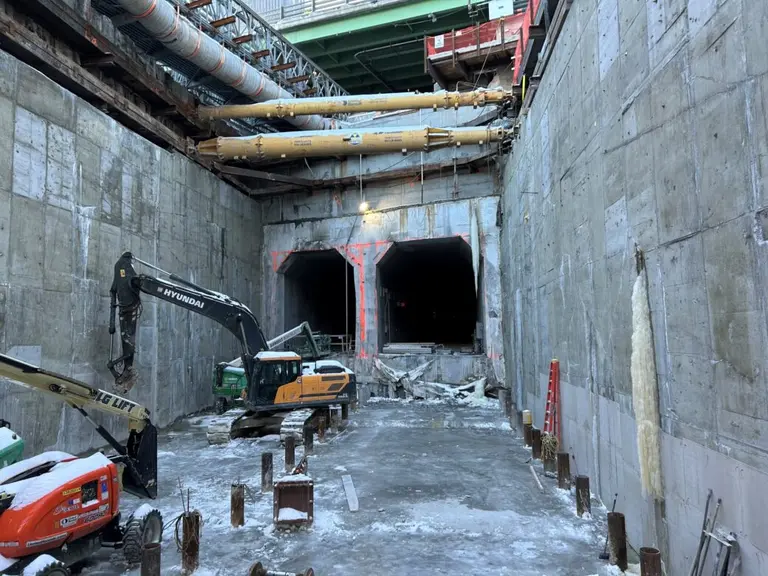
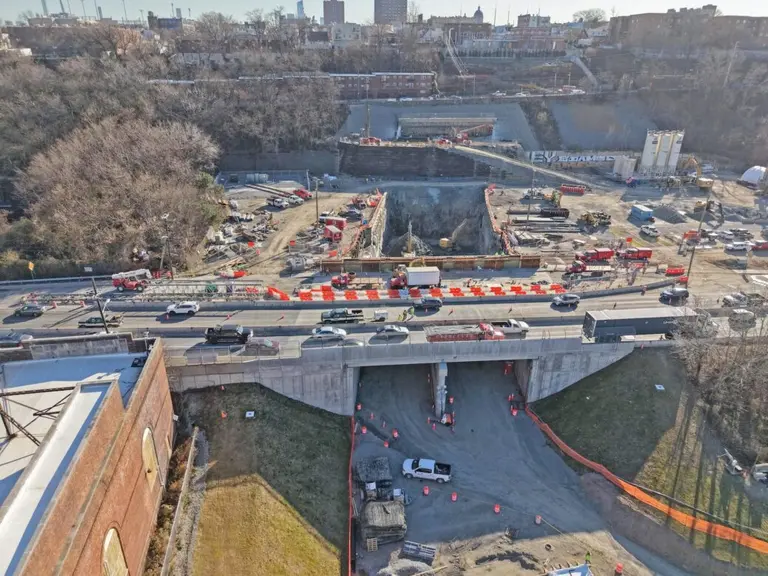
It also includes a $2.7 billion contribution to the Gateway Program, which encompasses the $16 billion Hudson Tunnel Project to build a new two-tube rail tunnel under the Hudson River and rehabilitate the aging existing tunnels between NJ and NY.
Alongside the 10-year capital plan, the Port Authority released its proposed 2026 annual budget, totaling $10.1 billion. The budget allocates $4.2 billion for operating expenses, $4.1 billion for capital spending, $1.7 billion for debt service, and a record $1.1 billion for safety and security measures.
“The concluding capital plan provided the roadmap and funding for an historic decade of achievement at the Port Authority,” Port Authority Chairman Kevin O’Toole said. “This record $45 billion proposed 2026-2035 Capital Plan builds on a 104-year legacy of connecting this region through bold, forward-looking, best-in-class infrastructure that will drive our economy.”
RELATED: