One year of congestion pricing in NYC, 27 million fewer vehicles, $550M in revenue
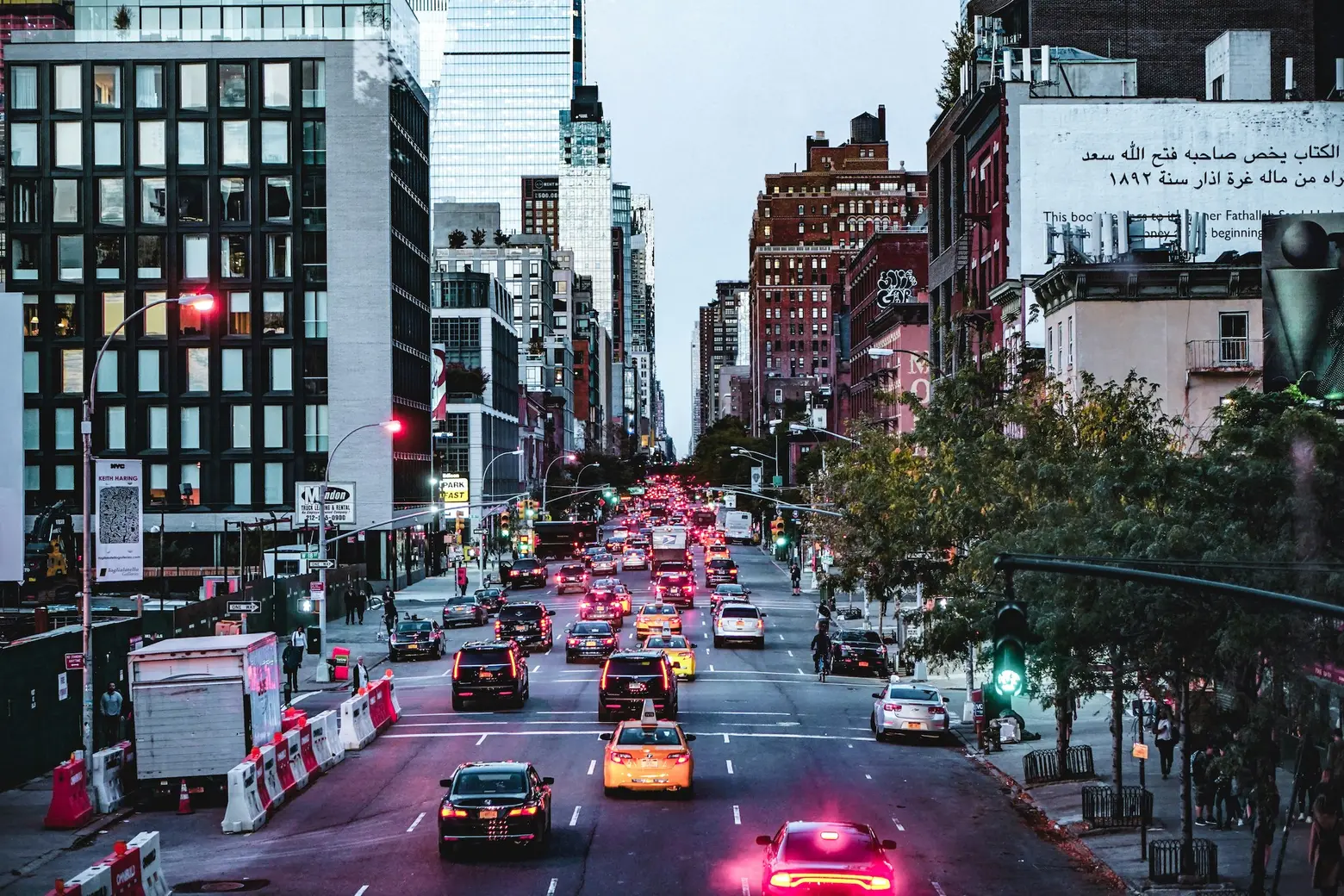
Photo by Pranay Pareek on Unsplash
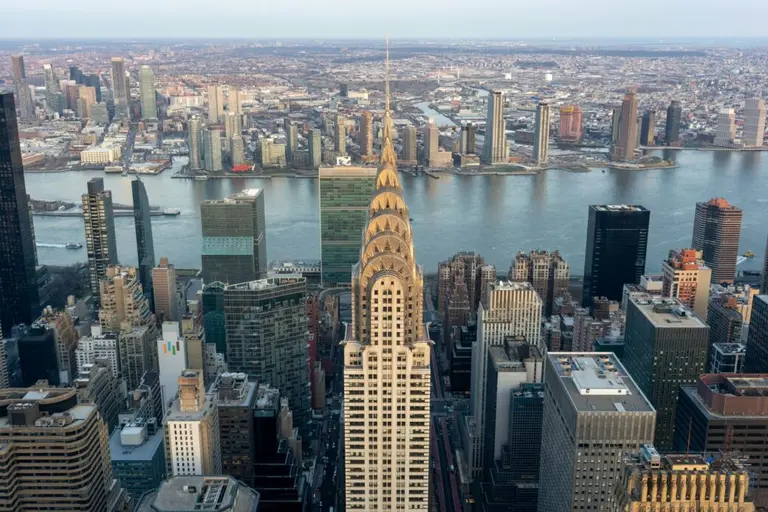
By nearly every measure, congestion pricing is working. In the first year of the program, 27 million fewer vehicles entered Manhattan south of 60th Street, resulting in an 11 percent reduction in traffic. The program, which began on January 5, 2025, is on track to generate $550 million in revenue for the Metropolitan Transportation Authority, about $50 million more than originally projected. Gov. Kathy Hochul and the MTA on Monday released a report detailing the successes of congestion pricing during its first year, even as nearly a dozen lawsuits have attempted to stop the program.
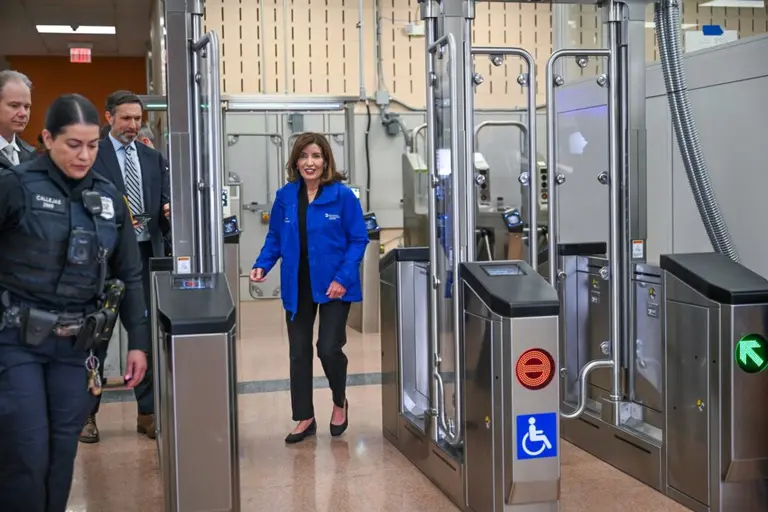
During a press conference on Monday, the governor was joined by several elected officials, including Mayor Zohran Mamdani and MTA Chair and CEO Janno Lieber, to celebrate the first anniversary of the program, which started charging drivers $9 to enter Manhattan below 60th Street during peak travel times. In 2028, the cost will rise to $12 and then to $15 in 2031.
According to the governor, 73,000 fewer vehicles are entering the congestion relief zone on any given day. Crossings entering and exiting the zone saw significant speed improvements, with morning rush hour traffic speeds up an average of 23 percent.
- Brooklyn Bridge: 15 percent faster
- Holland Tunnel: 51 percent faster
- Hugh L Carey Tunnel: 10.8 percent faster
- Lincoln Tunnel: 24.7 percent faster
- Manhattan Bridge: 6.7 percent faster
- Queensboro Bridge: 29.3 percent faster
- Queens-Midtown Tunnel: 18.4 percent faster
- Williamsburg Bridge: 28.3 percent faster
Compared to last year, buses are faster by 2.3 percent, and vehicle speeds are up 4 percent on weekdays and 6.2 percent on weekends.
Fewer people are driving in the zone, with the total Vehicle Miles Traveled (VMT) down by just over 7 percent. Roads leading to the congestion relief zone are also moving faster.
- Flatbush Ave approaching the Manhattan Bridge: 6 percent faster
- I-495 in New Jersey heading towards the Lincoln Tunnel: 15 percent faster
- Gowanus Expressway between the Verrazzano-Narrows Bridge and the Hugh L. Carey Tunnel: 7 percent faster
More people are entering the zone to visit, with foot traffic up by 3.4 percent, subway trips entering the zone up by 9 percent, and local bus trips up 8.4 percent.
“The results are in and it is clear that in just one year, congestion pricing has been an unprecedented success in New York,” Hochul said in a statement. “By every measure, this program has met or exceeded expectations: traffic and gridlock are down substantially, people are moving faster, air quality is improved, streets are safer and our economy is stronger.”
The governor added: “New Yorkers are benefitting from congestion pricing every day, and that’s why we have fought to stop any unlawful federal attempt to end this program. And there are even more benefits to come: $15 billion in transit upgrades with major projects already underway, improving the commutes of millions of New Yorkers.”
According to the report, crashes declined by 7 percent in the zone, with traffic injuries down by 8 percent. The city overall had the fewest traffic deaths in history in 2025, down 19 percent from the year before.
Even noise complaints are now in the zone. Data from 311 found complaints for issues like horn honking decreased by 17 percent compared to 2024.
The toll is projected to raise more than $550 million in its first year after accounting for expenses; the MTA’s original goal was $500 million in year one. The program will help the MTA pay for several critical projects, including phase two of the Second Avenue Subway, signal upgrades, new railcars and buses, and accessibility improvements. More than $6 billion in projects have started construction, according to Hochul.
New York and the MTA have defended the program from several legal challenges. In May, a judge issued a temporary restraining order blocking the Trump administration from withholding federal funding for New York transit projects, which it had threatened if the MTA didn’t end the program. Judge Lewis Liman recently scheduled oral arguments for January 28.
RELATED:
- 17.6 million fewer vehicles have entered Manhattan since congestion pricing launched this year
- Trump withholds $18B for Second Avenue subway, Gateway tunnel projects
- Judge temporarily blocks Trump administration from ending congestion pricing
- Trump threatens federal funds for NYC transportation projects over congestion pricing