NYC subway and bus fare to increase to $3
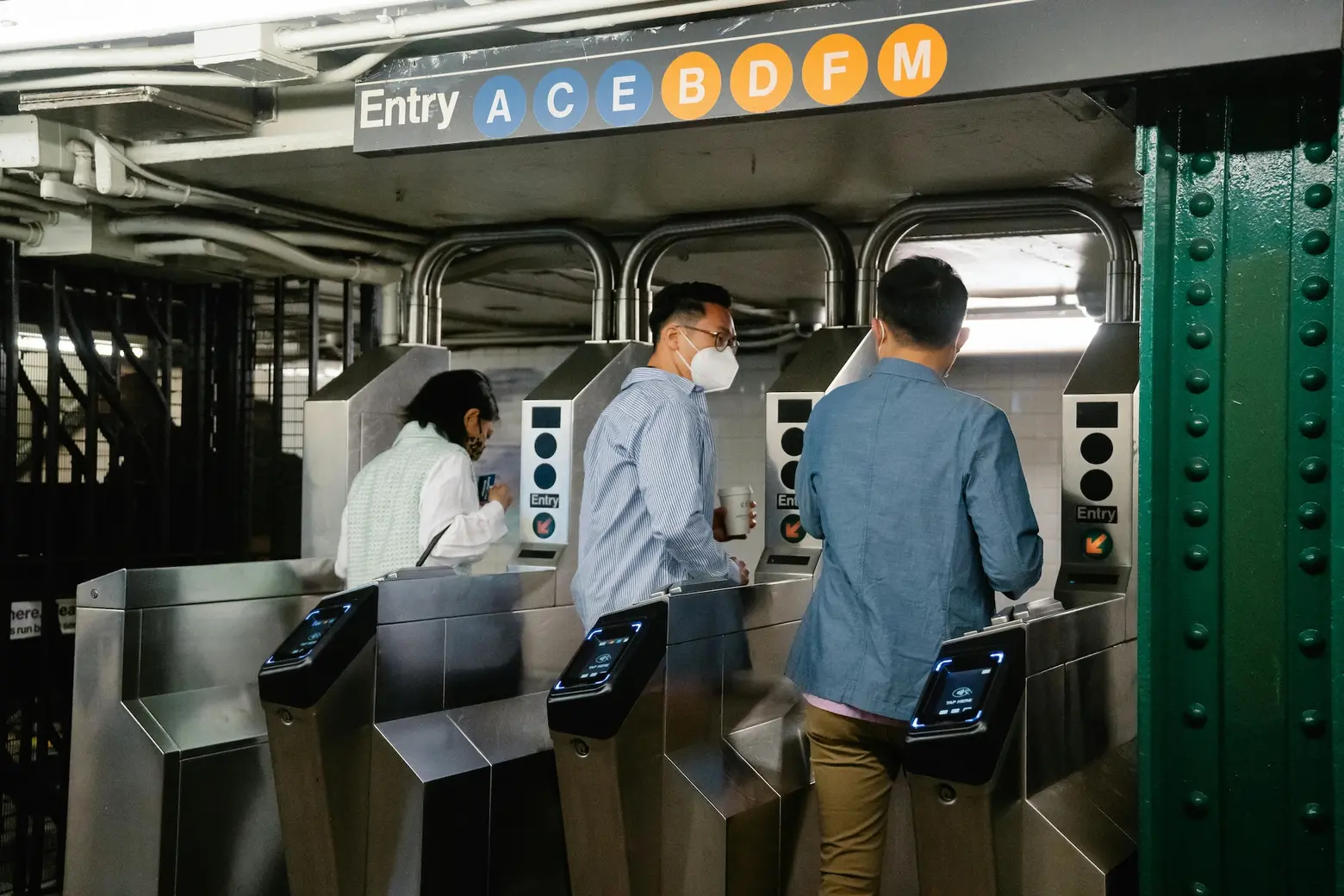
Photo by Felicity Tai from Pexels
It will officially cost you 10 more cents to ride New York City subways and buses starting in January. On Tuesday, the MTA Board voted 11-0, with two abstentions, to approve fare hikes raising the base fare from $2.90 to $3. Reduced fares will go up from $1.45 to $1.50 and express bus fares from $7 to $7.25. The agency did scale back increases to its 7-day fare-capping program from $36 to $35 in response to rider feedback.
The 7-day rolling fare cap, which lets riders pay for 12 rides in a 7-day period and then ride free for the rest of the week, is becoming permanent. With the new fare, no customer will pay more than $17.50 in a week, while reduced-fare riders will pay no more than $8.75. The program now replaces the MTA’s 30-day unlimited fare option as the only way to get unlimited rides.
Fare capping has also expanded to the express bus network. Express bus riders will now pay no more than $67 per week for unlimited express bus, local bus, and subway rides within a 7-day period.
The city’s commuter railroads, the Long Island Rail Road and Metro-North, will also see an average increase of up to 4.5 percent on monthly, weekly, and one-way peak tickets. However, there will be no increases to Metro-North’s Port Jervis and Pascack Valley lines.
According to the MTA, after accounting for the 10 percent discount on monthly tickets in 2022 and the fare freeze in 2021, the current cost of a monthly ticket is roughly the same as it was in 2019 when adjusted for inflation.
The MTA will expand its “family fare” program, allowing up to four children to ride commuter rail lines for $1 each with a fare-paying adult. The program now covers children 17 and under, up from 11, and is valid any time of day, seven days a week.
E-ZPass tolls will increase by 52 cents on the Robert F. Kennedy, Whitestone, Throggs Neck, and Verrazzano-Narrows bridges, as well as the Queens-Midtown and Brooklyn-Battery tunnels. The Henry Hudson Bridge toll will rise by 24 cents, while tolls for the Cross Bay and Marine Parkway bridges will go up 20 cents, as 6sqft previously reported.
Existing discount programs for residents of Queens, the Bronx, and Staten Island will remain in effect.
Four percent fare hikes are included in the MTA’s budget every two years. The previous fare hike took effect in August 2023, when the agency raised the base fare by five percent from $2.75 to $2.90. Seven-day passes rose from $33 to $34, and 30-day unlimited passes increased from $127 to $132. Express bus fares climbed from $6.75 to $7, while the express seven-day pass went from $62 to $64, as 6sqft previously reported.
The MTA said that if Tuesday’s increase kept pace with inflation since the 2023 hike, the base fare would be $3.14.
“Because the transit fare is a fraction of the cost of owning a car, New Yorkers spend less on transportation than people in the rest of the country, and we’re determined to keep it that way,” MTA Chair and CEO Janno Lieber said.
“The modest fare increases approved today—which are below the rate of inflation—prioritize value for frequent riders and families while maintaining the MTA’s bottom line.”
The fare increase coincides with the final phase-out of the MetroCard and the full transition to the OMNY tap-and-go system. The MTA plans to stop selling MetroCards by December 31, with retail partners such as bodegas and drugstores ending sales this fall. Riders will still be able to use MetroCards through 2026, as 6sqft previously reported.
After a six-week public outreach period that gathered nearly 1,400 comments, the MTA scaled back planned increases to the 7-day fare-capping program on Saturday. They also canceled a planned 4.4 percent fare hike for the Metro-North’s West of Hudson service.
The MTA originally planned to implement the fare hikes in August but delayed them until January to allow for a required public comment period. This outreach period saw 1,378 comments from customers, gathered through in-person and online sessions, according to the agency.
RELATED: