
NJ Transit to cut service by 50% for four weeks
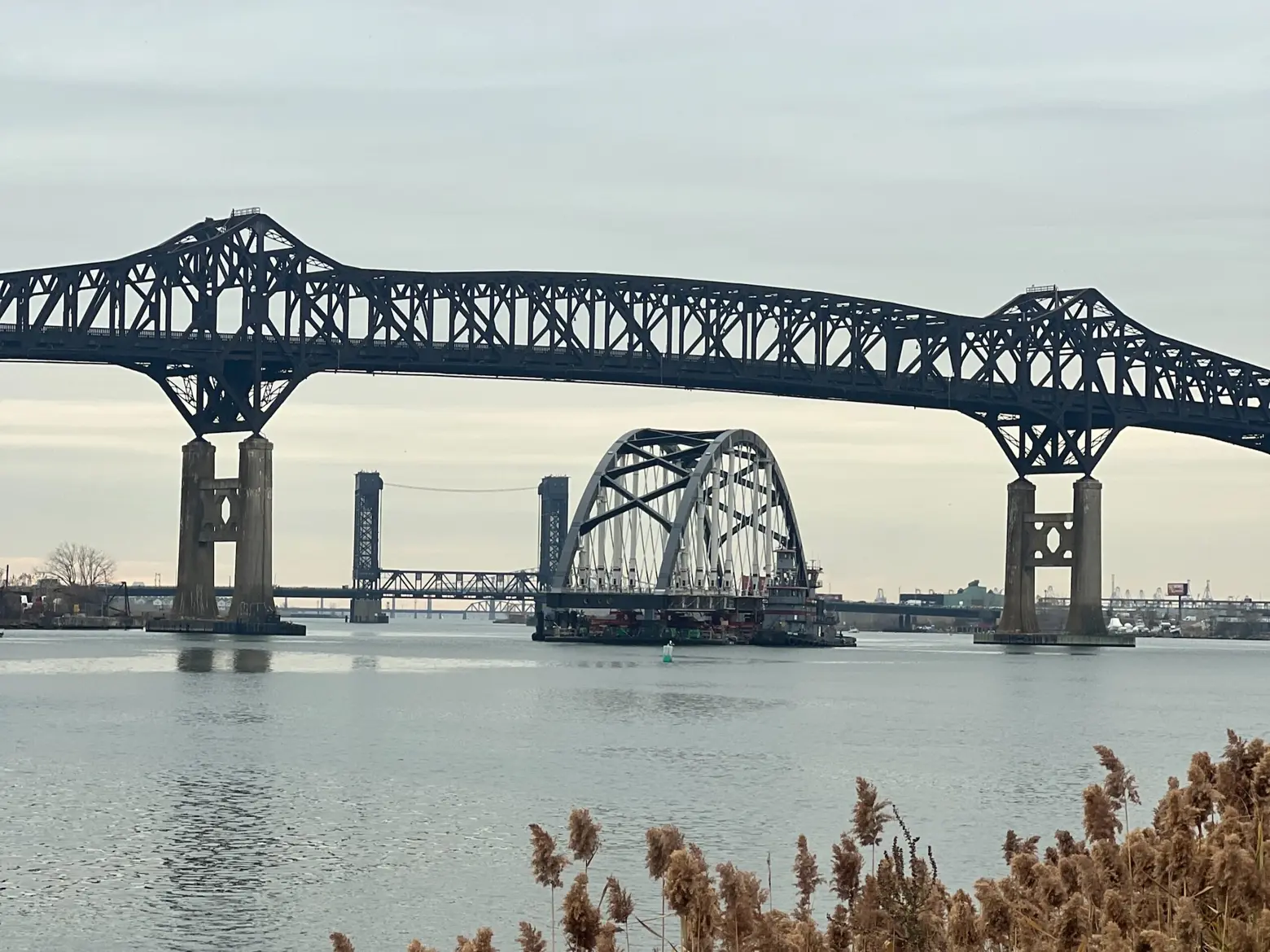
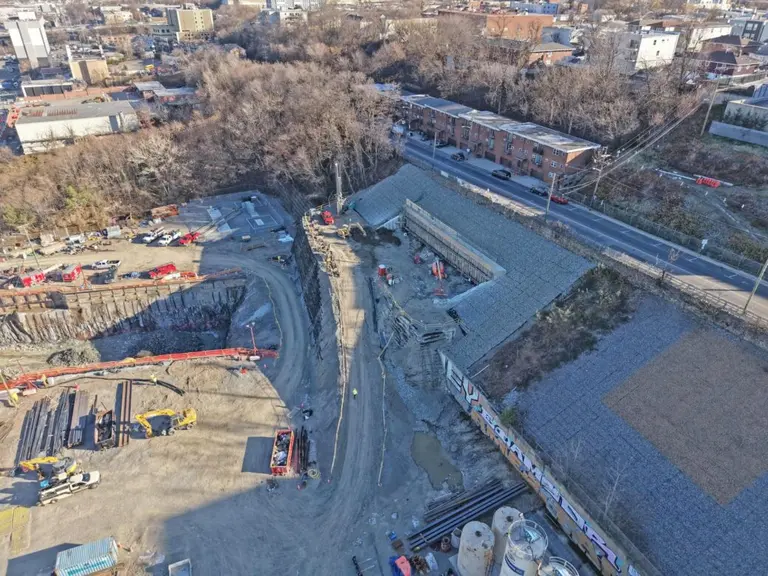
The project in 2024. Photo courtesy of Amtrak
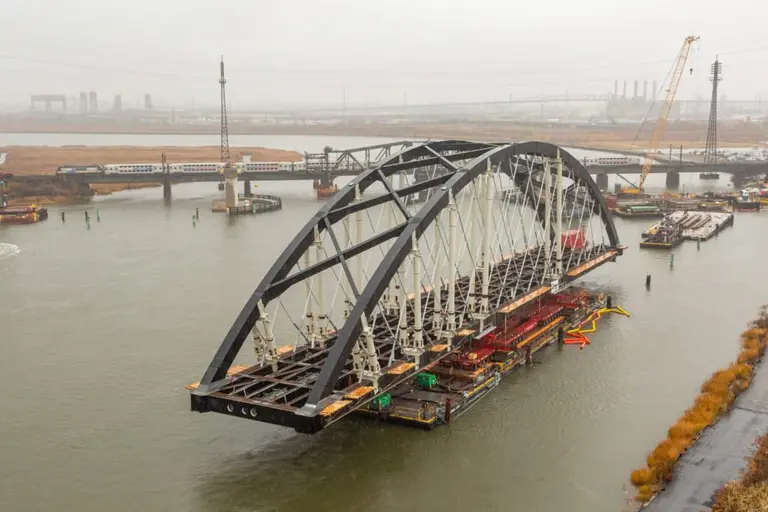
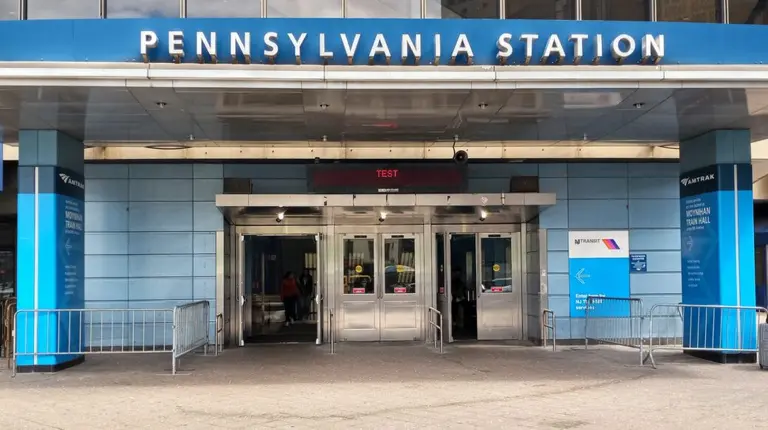
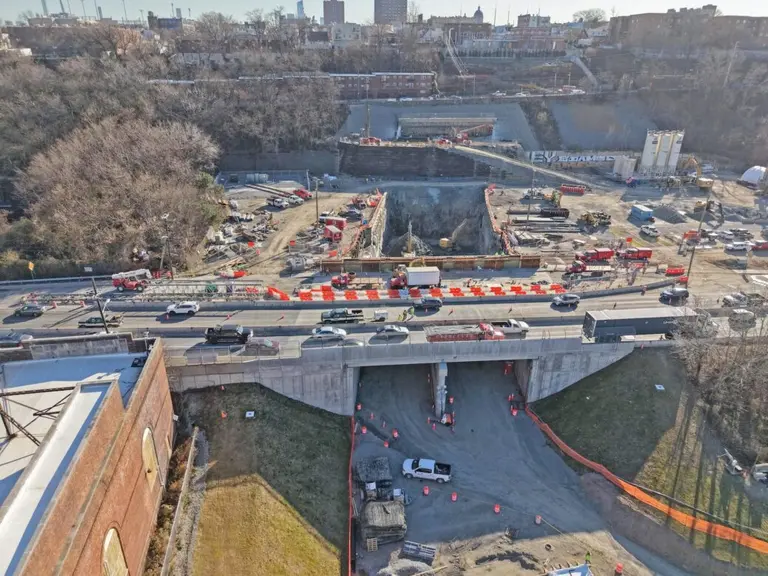
New Jersey Transit riders will have a tough time reaching New York City for the next month. Starting Sunday, February 15, NJ Transit will cut service by 50 percent for four weeks to transfer rail operations from one track on the 115-year-old Portal Bridge to one track on the new $1.5 billion Portal North Bridge over the Hackensack River, a major part of the Gateway Program. During construction, trains can only operate on a single track between Newark and Secaucus, resulting in fewer trains serving Penn Station on the North East Corridor and the North Jersey Coast Line. Weekday commuters on Midtown Direct trains along the Gladstone Branch, Morris & Essex, and Montclair-Boonton lines will be diverted to Hoboken, where several options will be available to reach Penn Station.
How can I get to NYC?
NJ Transit says it developed its service plan around three core principles that “balance customer needs with operational realities”: maximizing capacity and seat availability, maintaining service on all rail lines, and upholding the highest safety standards.
If commuters are diverted to Hoboken, NJ Transit says it will honor tickets across multiple services, though capacity will be limited.
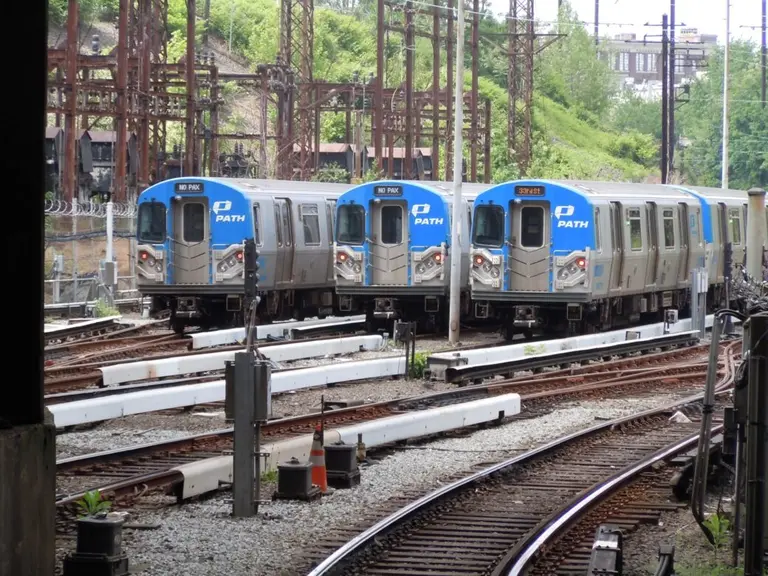
On weekdays, customers must purchase one-way tickets to and from Hoboken, which will be valid for travel on PATH between Hoboken and 33rd Street in Manhattan, NYC Ferry service between Hoboken and Midtown/West 39th Street, and NJ Transit’s 126 bus between Hoboken and the Port Authority Bus Terminal. On weekends, customers must purchase one-way tickets to or from New York’s Penn Station.
The agency advises riders to check schedules before traveling, allow extra time, and expect cross-honored services to be crowded. Officials also recommend working from home when possible and using alternate transit options for essential trips.
For those who must travel, NJ Transit suggests riding before 7 a.m. or after 9 a.m. on weekday mornings, and before 4 p.m. or after 7 p.m. on weekday evenings.
What work is being done?
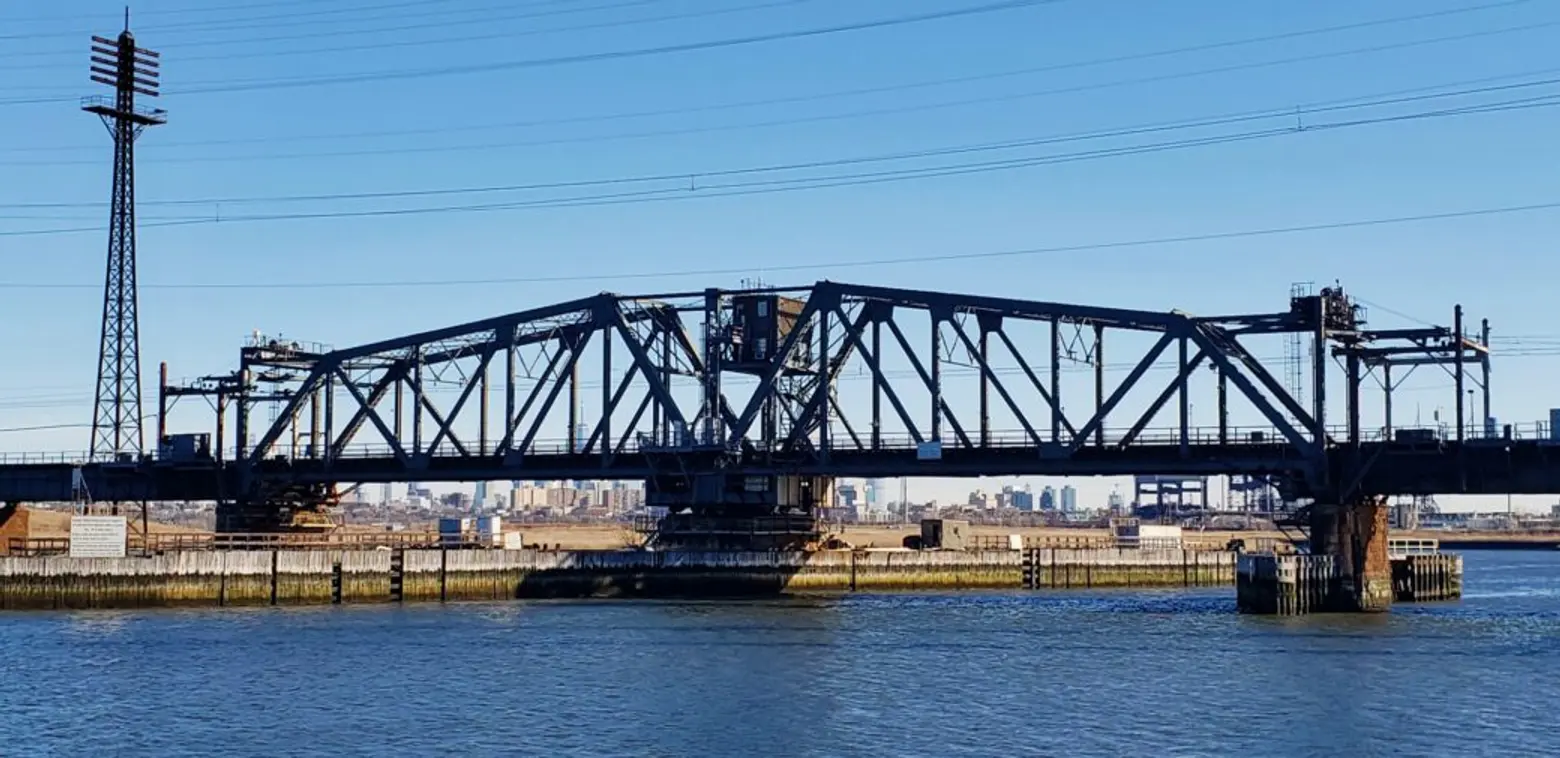
The new bridge provides higher vertical clearance for boat traffic, eliminating the need for it to open and close and ultimately improving service reliability along the entire corridor. Built in 1910, the bridge’s outdated mechanics routinely malfunction while opening and closing for maritime traffic, causing hours-long delays.
While the agency ensures riders that the work will “ultimately deliver substantial benefits,” the closure is necessary due to the “complex and operationally intensive” nature of the work, also known as a “cutover.”
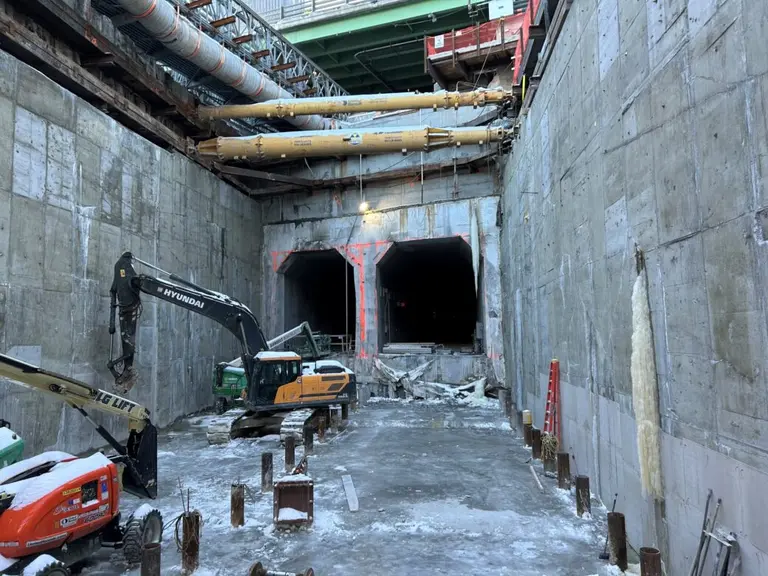
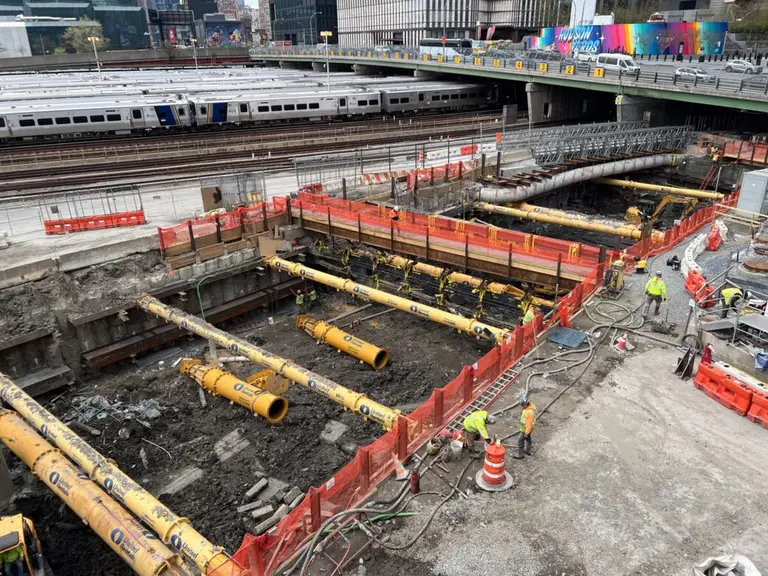
As part of the final phase of construction, crews will deactivate the antiquated infrastructure on the 110-year-old Portal Bridge, reconfigure and activate the new track alignments, integrate the new signaling, power, and communication systems, and test and commission the interlockings and safety systems.
Crews have been preparing for months, according to New Jersey 101.5. The project is expected to require 40,000 man-hours to complete. Pre-constructed track panels will be lifted into place to connect with existing tracks, and crews will work in two shifts, seven days a week, with 70 to 90 workers per shift.
Although NJ Transit says crews plan to complete work by March 14, with full service resuming the following day, President and CEO Kris Kolluri warned that the final element of the project, Positive Train Control, could cause delays.
“If we are not 100 percent sure on safety, and if we have to take a couple extra days to do it, we will do it, and I’ll be the first one to explain to our customers why we’re doing it,” Kolluri told New Jersey 101.5.
You can learn more about the temporary service changes here.
RELATED:
Get Insider Updates with Our Newsletter!
Leave a reply
Your email address will not be published.












thanks for info.