NJ Transit access to be restricted at Penn Station during World Cup
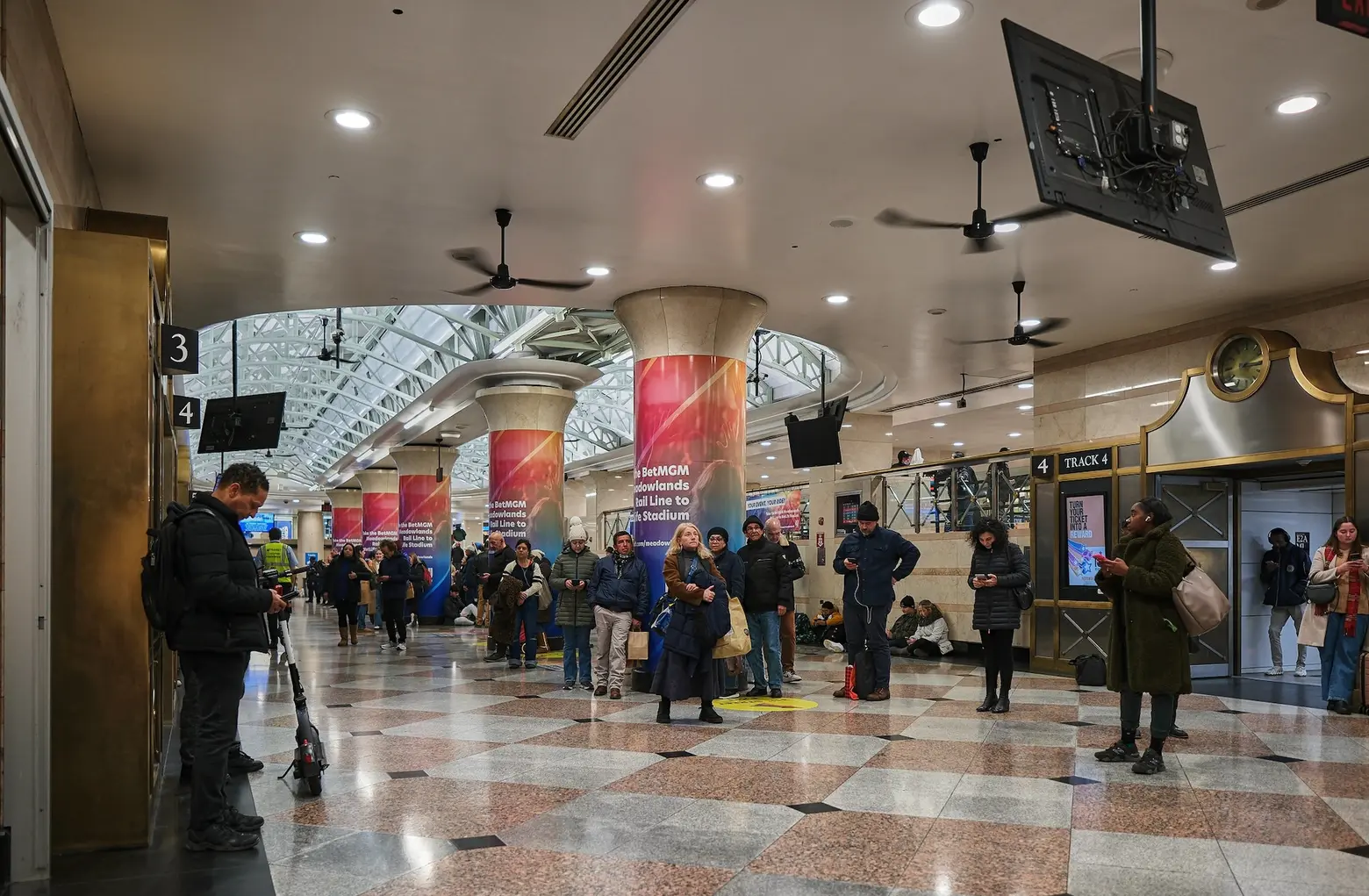
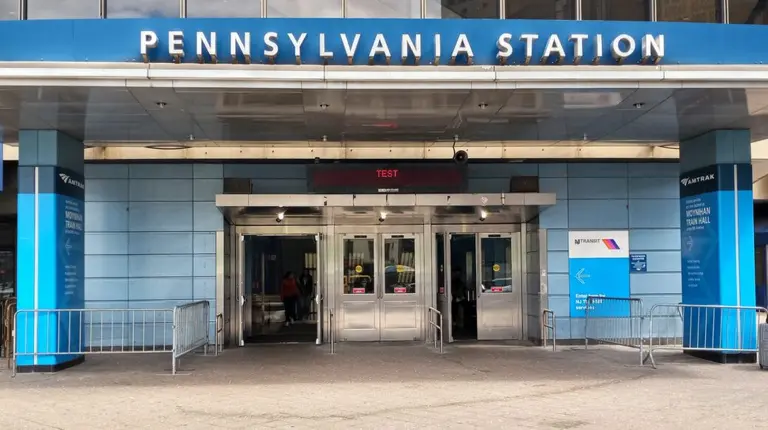
NJ Transit hall in Penn Station. Photo by Chris Rycroft on Flickr.
During FIFA World Cup matches at MetLife Stadium this summer, parts of Penn Station will be closed for several hours before matches to everyone but ticketholders. As first reported by NorthJersey.com, NJ Transit commuters will not be able to travel on New Jersey-bound trains from Penn for four hours before the start of the eight matches happening at MetLife. According to NJ Transit documents obtained and confirmed by the news website, World Cup attendees will have their tickets checked at entrances on 32nd and 33rd Streets, while Amtrak and Long Island Rail Road riders will be directed to other entrances.

Penn Station, the busiest transportation hub in North America, is expected to be a major gateway for fans traveling to MetLife Stadium in New Jersey for World Cup events. The venue will host eight matches, including five group-stage games on June 13, 16, 22, 26, and 27, a round of 32 match on June 30, a round of 16 match on July 5, and the final on July 19.
NJ Transit plans to shuttle attendees to Secaucus Junction, where they will transfer to trains bound for the stadium. However, the agency’s 132,000 weekday Penn Station riders are expected to face disruptions during the same period.
After matches, trains will “arrive empty” at Secaucus and be “fully dedicated” to carrying World Cup spectators, as reported by NorthJersey.com.
A spokesperson for the New York-New Jersey World Cup Host Committee told the New York Post the finalized plan for Penn Station will be released in the coming weeks.
“We are working closely with FIFA and our regional transportation partners to finalize a comprehensive mobility plan for the tournament,” the spokesperson said. “We will not speak to specific details until the full plan is released, which we look forward to announcing in the coming weeks.”
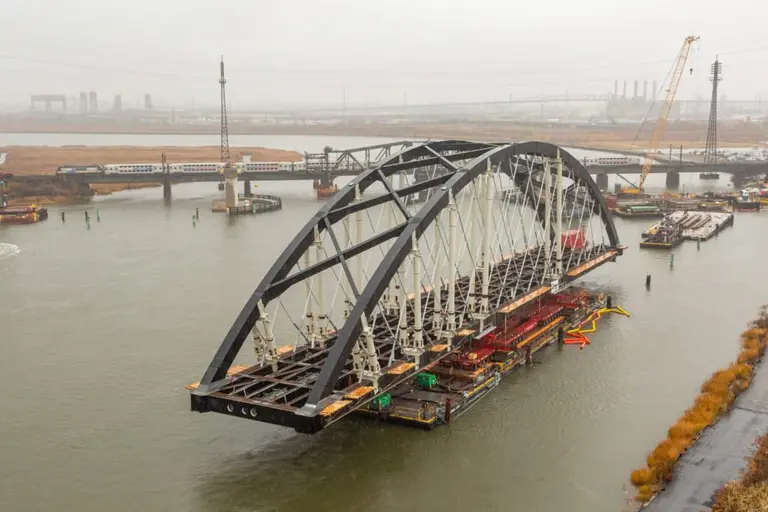
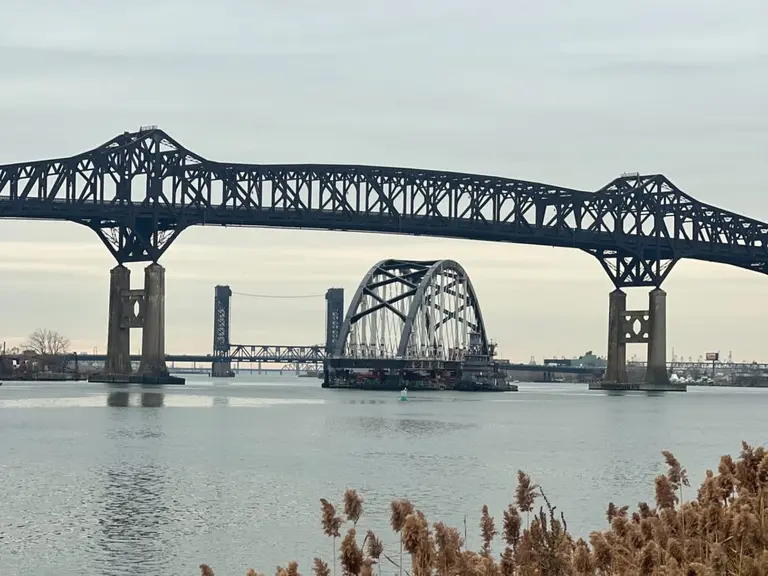
The service changes mark another disruption for NJ Transit riders, who earlier this year endured four weeks of 50 percent reduced service in February and March while workers shifted rail operations from one track on the 115-year-old Portal Bridge to the new $1.5 billion Portal North Bridge over the Hackensack River.
The tournament’s host committee has yet to reveal how it plans to transport World Cup visitors to and from matches, how commuters will be affected, and other details about the tri-state area’s vast network of airports, public transit, and roads. Natalie Hamilton, a spokeswoman for the committee, told NorthJersey.com that a mobility plan will be unveiled in the coming weeks.
Kris Kolluri, president and CEO of NJ Transit, told the outlet the agency is aiming to learn from its experience during the 2014 Super Bowl XLVIII at MetLife Stadium. While NJ Transit successfully moved more than 28,000 fans to the game and over 35,000 afterward on a system designed to carry just 12,000 passengers per hour, the day proved chaotic, with many fans waiting for hours outside in snow and freezing temperatures to board buses and trains.
NJ Transit will play a key role in transporting fans to the tournament. Unlike typical football games or concerts at MetLife Stadium, no public parking will be available in the lots surrounding the venue. According to NJ.com, the lots will instead be used for “fan engagement” and “enhanced security,” significantly limiting parking capacity.
Initial contracts between multiple host cities and FIFA included provisions for free public transportation for World Cup ticket holders, but those agreements were later rolled back. While NJ Transit ticket costs during the tournament have not yet been finalized, fares between Boston and Gillette Stadium in Massachusetts are expected to nearly quadruple, according to the New York Times.
RELATED: